The Best Time to Travel to Iceland According to Your Goals

Iceland offers rare experiences in every season. Choose the perfect time to visit based on your interests – from northern lights and midnight sun to whales and dramatic winter landscapes.
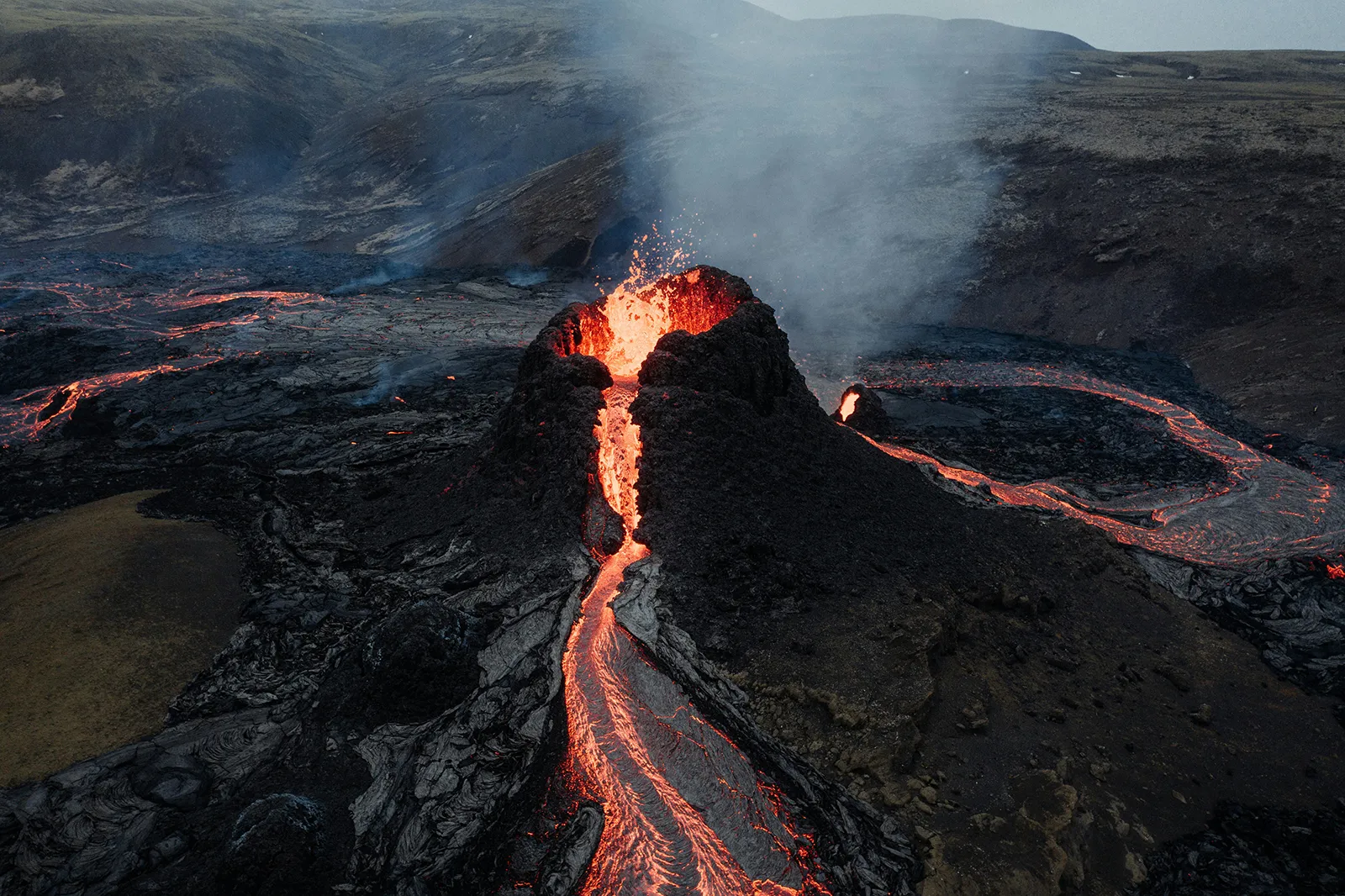
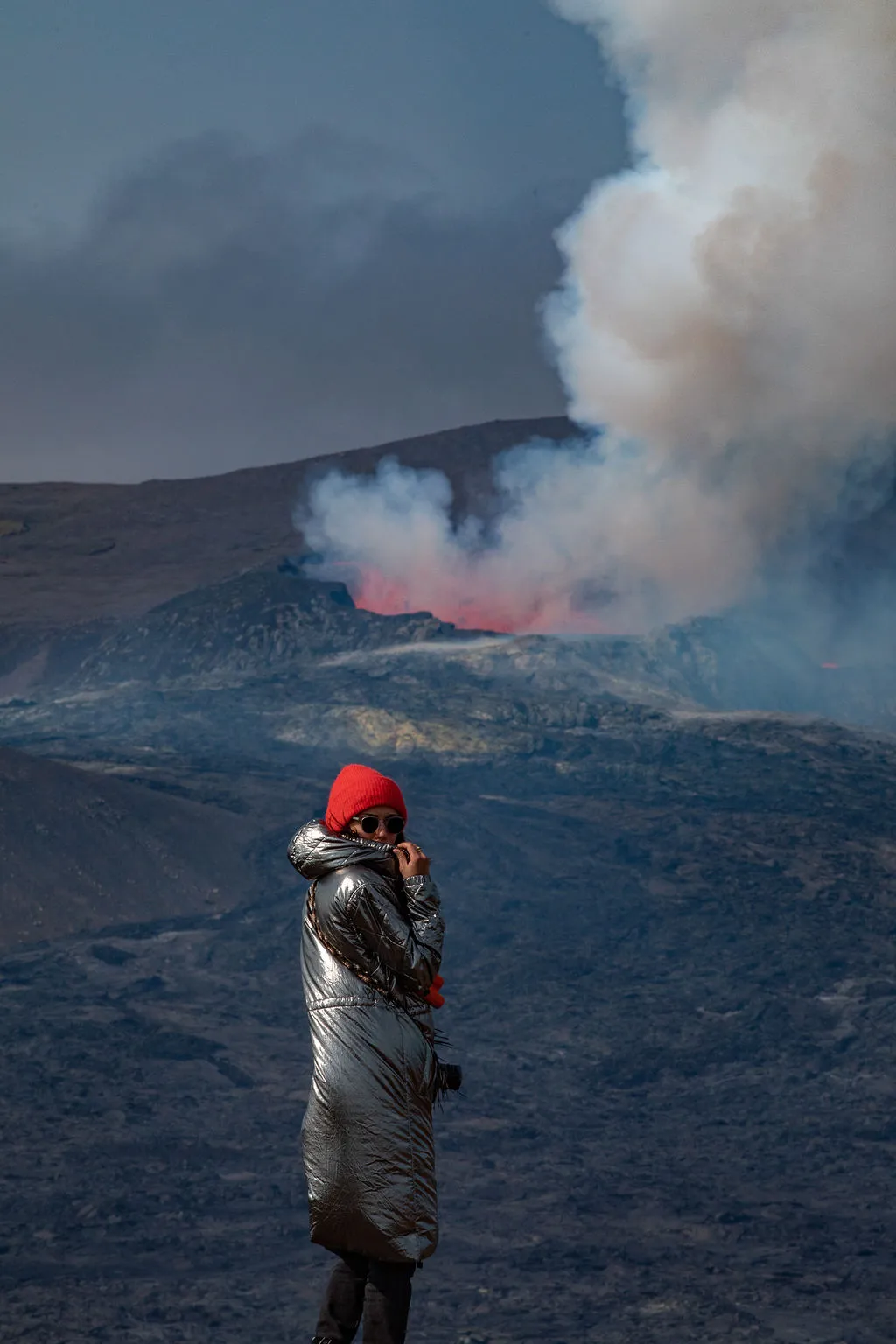
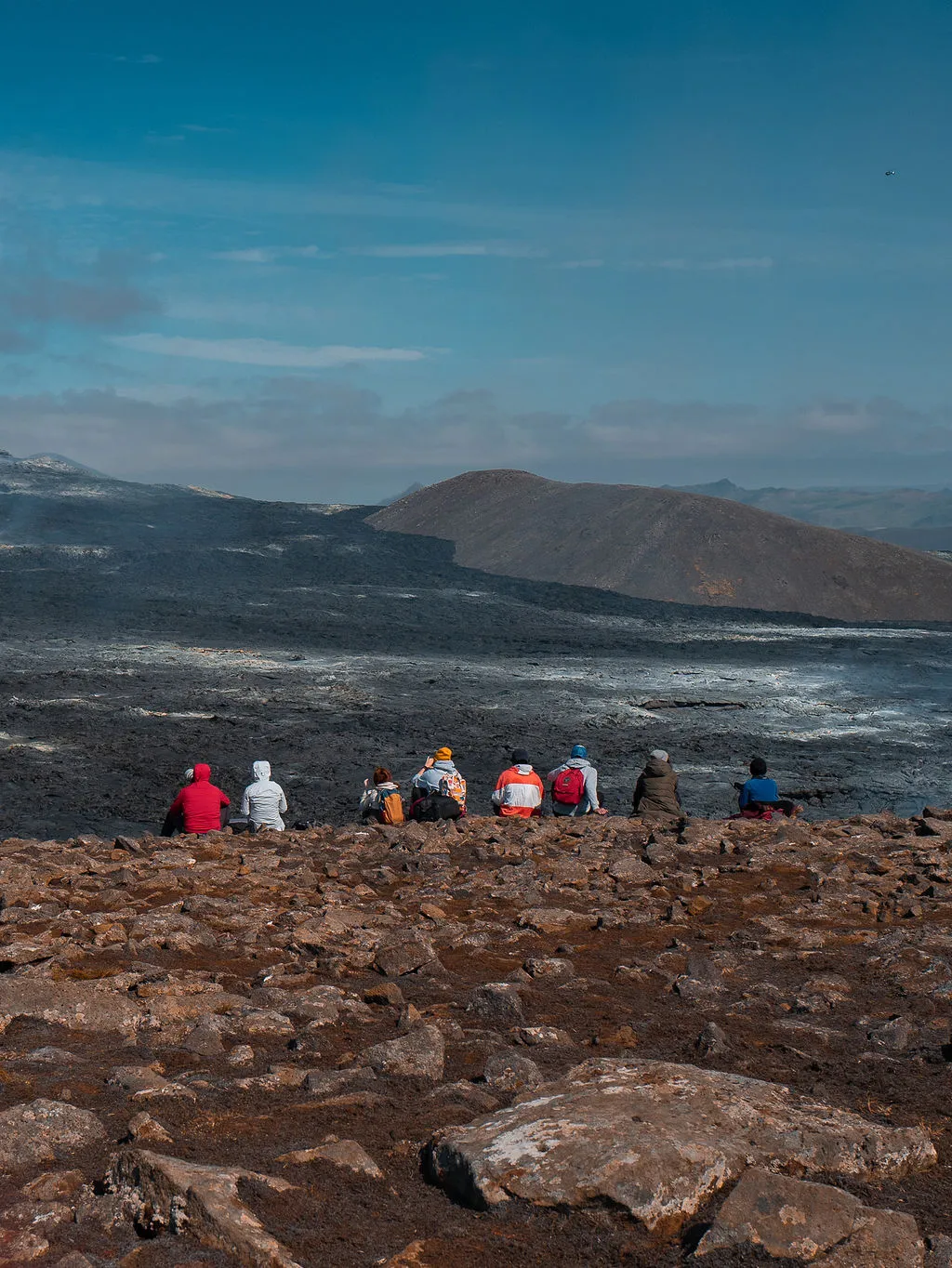
A erupting volcano with lava, smoke, and rocks in Iceland, captured in daylight.

Iceland is a land of eternal change. The wind, the light, the seasons here dance to their own rhythm. That's why there is no single 'right' moment to visit. The best time depends on what you seek – northern lights, wild hikes, whales, midnight sun, or solitude amidst unending nature.

Here's how to choose the perfect season for your journey:

If you dream of the northern lights

Best time: September to March

The long nights and dark skies create ideal conditions to see the green and purple curtains dance overhead. Your best chances are in January and February, when the nights are longest and clearest.

If you want to experience the midnight sun

Best time: May to July

During the summer months in Iceland, the sun barely sets. The day lasts over 20 hours, and the light is soft and magical – perfect for endless walks, camping, and photography.


If you want to explore the whole country

Best time: June to September

This is when the interior roads are open, the mountain passes are passable, and the entire beauty of Iceland is accessible – from Landmannalaugar to the deep fjords in the northwest.

If you're seeking fewer tourists and more dramatic views

Best time: Late September and October

Autumn paints the landscape in warm tones, and the tourist flow decreases significantly. You'll have more space to yourself and might even catch the first northern lights of the season.

If you want to see whales and seabirds

Best time: May to August

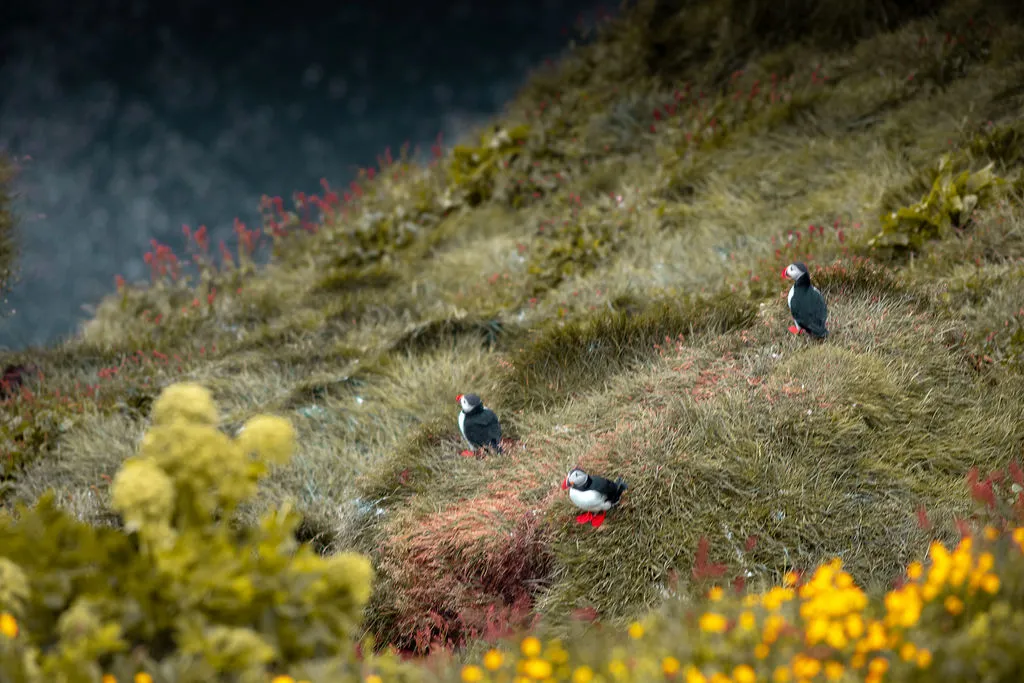
In summer, Iceland's coastline teems with life. Whales, dolphins, Atlantic puffins, and other seabirds fill the skies and waters around the island.

If you dream of a raw winter adventure

Best time: December to February

That's when Iceland turns into an icy fairy tale. Glacier caves are accessible, snowy landscapes are magical, and the sense of adventure is everywhere.

Practical tips for choosing the season

  • Winter – challenging road conditions, but dramatic views and a chance for northern lights.

  • Spring – fresh nature, newborn lambs, fewer people.

  • Summer – best time for Ring Road journeys and inland hikes.

  • Autumn – soft light, tranquillity, first snows.

Iceland is always a great choice – the question is what you're looking for

Regardless of when you set off, Iceland will welcome you with open arms – perhaps with a storm, perhaps with a rainbow, perhaps with absolute silence. But always with something that will stay with you forever.

Join Panic Frame & Travel and let's discover together when Iceland will open its most secret doors just for you.

More about Iceland

Campervan Travel in Iceland  |  The Waterfalls of Iceland  |  Reynisfjara Black Beach

Explore

Destination Iceland  |  Northern Adventures

Author: Martin Bonov

Recommended from our blog

Recommended from our blog

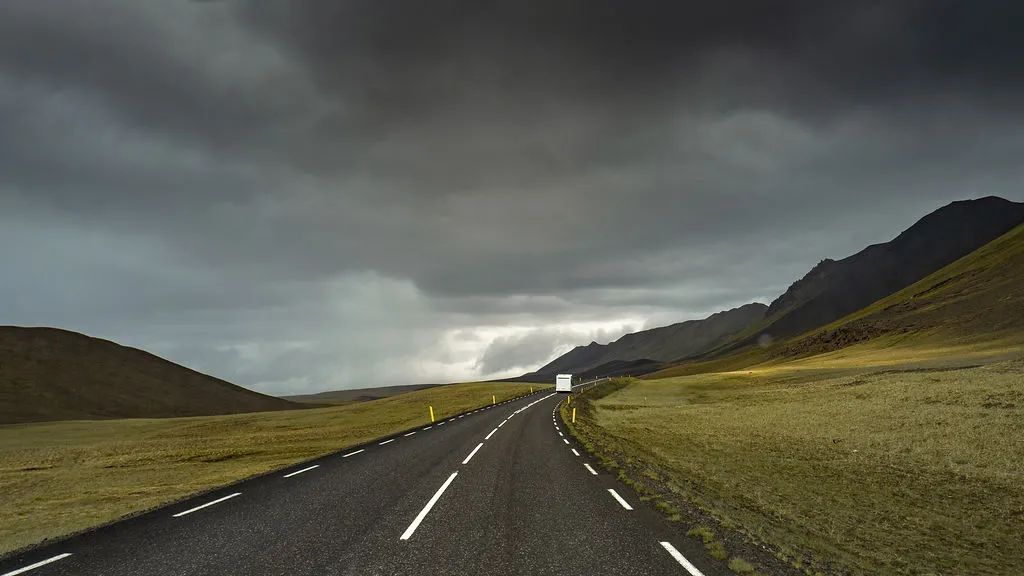
The camper in Iceland gives you something hotels can't: you wake up in front of a waterfall, fall asleep by a glacier, and no one tells you when to leave. The road is yours, the rhythm is yours.

Iceland is home to waterfalls that narrate stories through their majestic and mystical cascades. Discover the most remarkable among them and immerse yourself in the natural beauty of this rarely seen landscape.

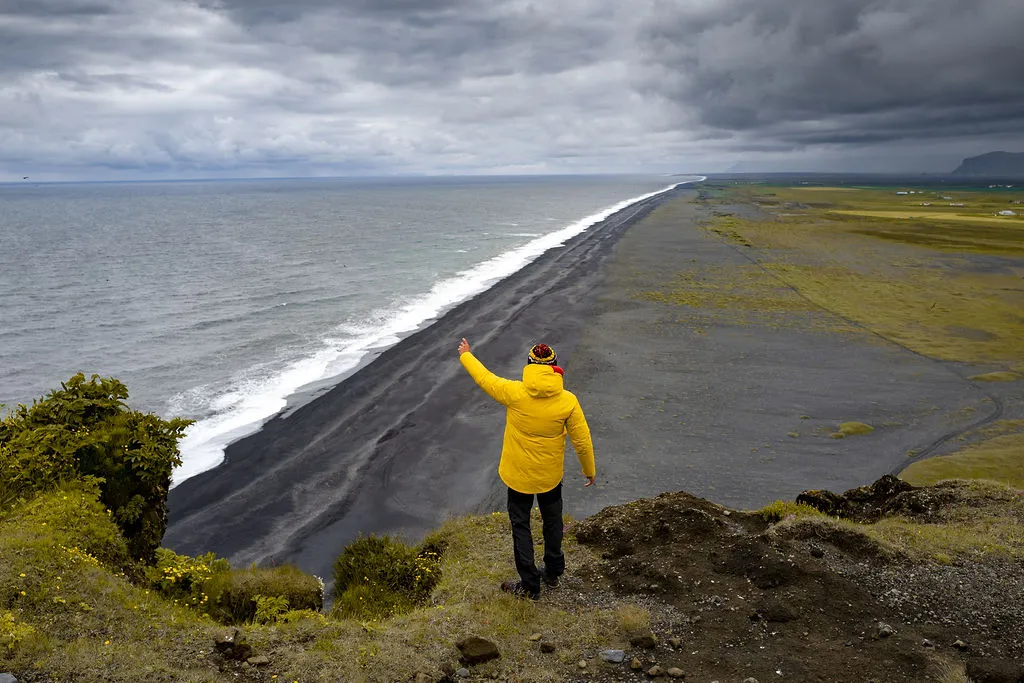
The Black Beach of Reynisfjara in Iceland is where the land meets the ocean without warning. Black sand, basalt columns, and waves that thunder with such force, you can feel the vibration in your chest.

There are moments that simply cannot be captured in a photo. You try, taking 10, 20, 50 shots, but when you get back and look through them, something is missing. It's not the framing. It's the wind that was battering you. It's the roar of the thundering water. It's the cold creeping under your jacket. Iceland is full of moments like these. Here are six you will never forget.

You land in Keflavík, and the first thing that hits you is the light. It's not like back home. It's lower, softer, as if filtered through something ancient. The road from the airport to Reykjavík cuts through an endless black lava field, draped in moss so green it feels surreal. Iceland doesn't ease you in. It just begins.

The light falls low, almost horizontal, turning everything it touches into gold. The sand is black. The ice is blue. The moss is so green it looks painted. In Iceland, the landscape isn’t a backdrop. It is the sole protagonist, and you are simply a spectator, allowed in for nine days.

You’re standing on the black sands of Reynisfjara. The wind is howling at 70 km/h, ocean spray stings your face, and it's a brisk 6 degrees. Yet, your hands are dry, your core is warm, and your boots are locked onto the volcanic grip below. Or, picture this: same beach, but you're in trainers and a cotton jacket—soaked to the bone, shivering, unable to even hold your camera. The only difference between these two worlds is preparation. Iceland isn’t just cold; it’s unpredictable. And you don’t conquer the unpredictable with bravery—you conquer it with layers.

The wind hits from the left so hard that the camper tilts. The steering wheel feels heavy in your hands, and the GPS says the next petrol station is 87 km away. To your left is lava, to your right is the ocean, and ahead is a road so straight it vanishes into the mist. In this very moment, suspended between fear and absolute freedom, you understand why people come here to drive. Iceland isn't a country you just tour. It's a country you experience behind the wheel.

6:47 AM. The sun is already up, low and pink, as if someone has spilled watercolours across the horizon. Or it's 11:30 PM and the sun still hasn't set, leaving the sky in shades of gold and copper. Or it's 3:00 PM and it's so dark that your campervan's headlights are the only light for 50 kilometres. Iceland has a concept of time created not for humans, but for a planet that marches to its own beat.

The first thing you feel is the wind. Not a gentle breeze, not a draft, but a wind that pushes you squarely in the chest the moment you step off the plane onto the Keflavik tarmac. The air smells of salt and sulphur. The earth all around is black, blanketed in moss, with not a single tree to the horizon. Iceland doesn't welcome you. It's just there, waiting, when you arrive.

Sofia Airport, Terminal 2. The group counts 15-20 people, most of them strangers to one another. Someone is holding a coffee, another is double-checking their gear for the third time, someone else is already snapping photos. In 4 hours, you'll touch down in Reykjavík. In 24, you'll be driving campervans across lava-carved roads, with a volcano looming on the horizon and a geyser erupting every 5 minutes. Iceland with Panic Frame is no mere sightseeing tour. It’s 9 days where your home is on the move, and the view outside your window shifts like scenes from a movie.

You are standing on a black beach. Behind you is a glacier. Ahead, waves crash with enough force to capsize a boat. The air is 8 degrees, but the ground beneath your feet is warm because, somewhere deep below, the magma has never stopped flowing. Iceland is unlike anything you have ever seen. And not because it is far away. But because here, the rules of the world you know simply do not apply.

The beak is construction-paper orange, so bright it looks painted on. Facing the wind, the bird stands on the edge of the cliff, absolutely still. It watches you. You watch it. There are barely five meters between you, and neither of you moves an inch. In Iceland, meeting the wild doesn't require a six-hour trek or a 700 USD permit. It just asks you to stop and look.

A seal watches you from the water. Only its head emerges, black and wet, with eyes like glass marbles. It doesn't move. It doesn't run. It just observes you, as if asking what you are doing on its shore. In Iceland, wild animals do not run from humans. They simply do not find you interesting enough.

You hear it before you see it. A deep, slow crackling from somewhere beyond the car park. The ice is moving.