Why Uganda?
A treasure waiting to be discovered
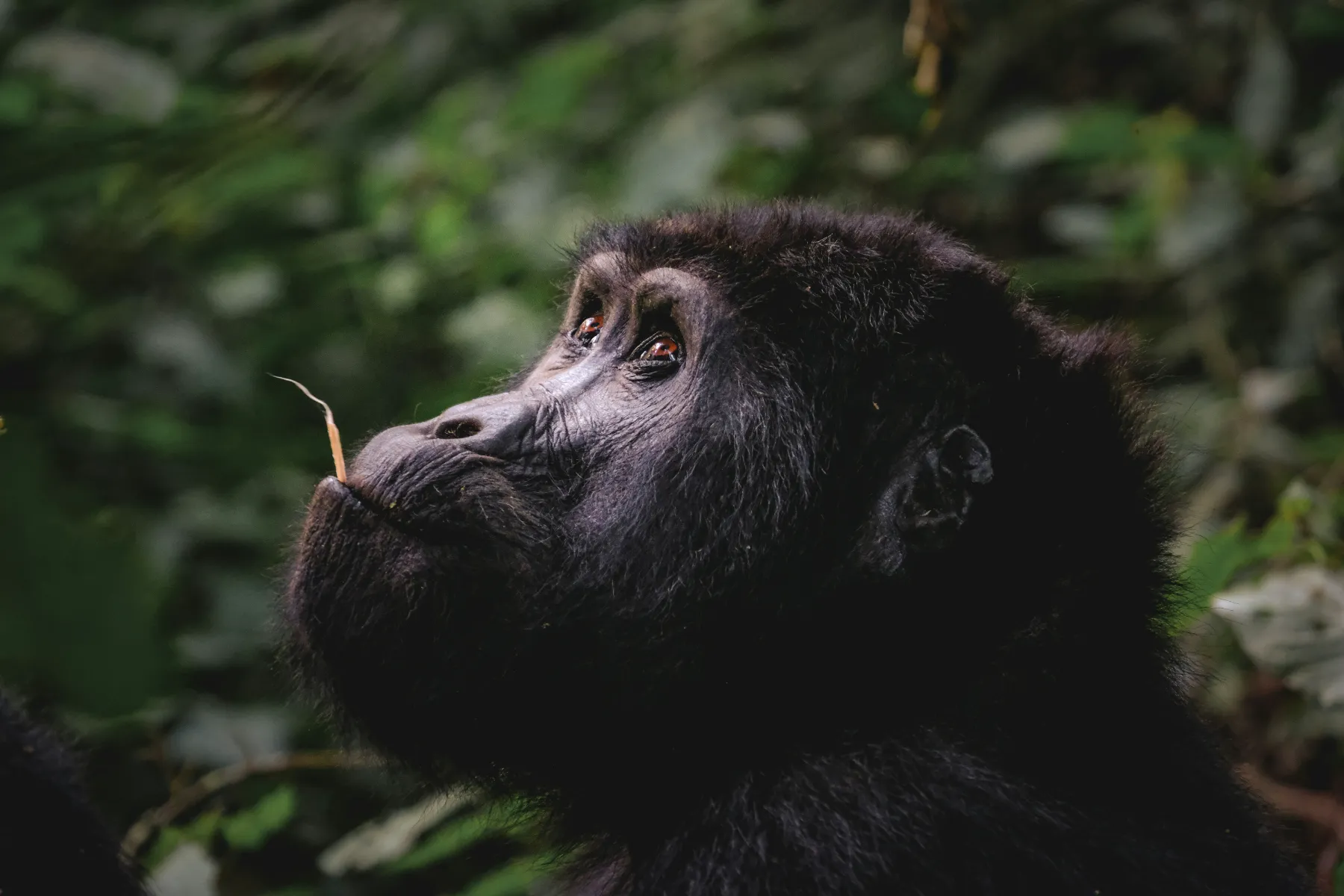
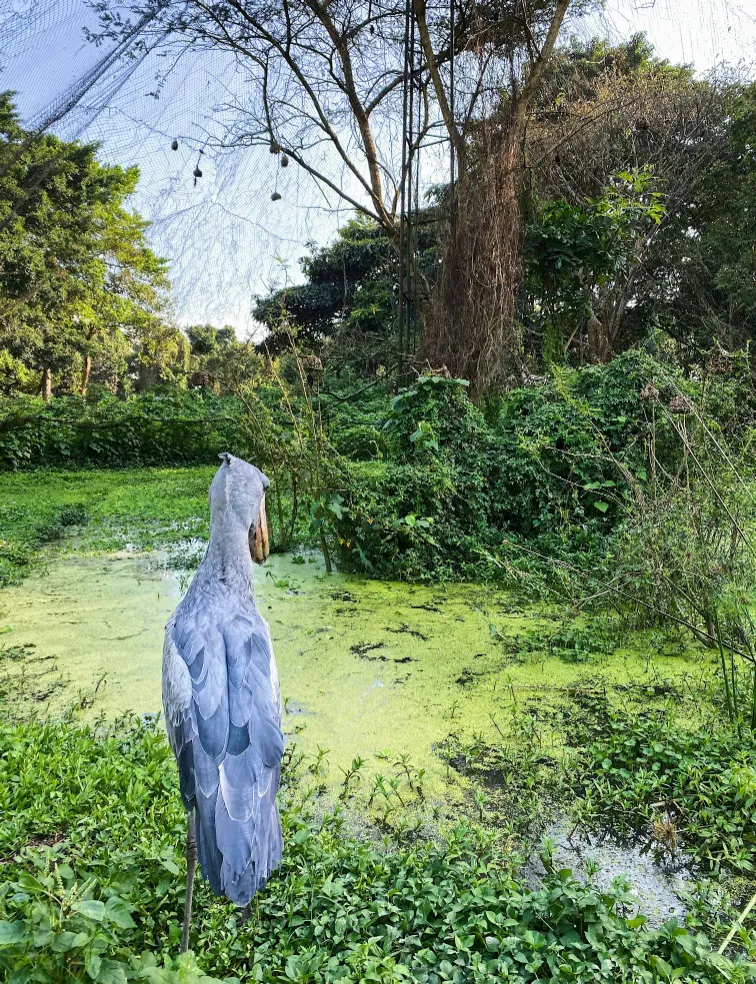
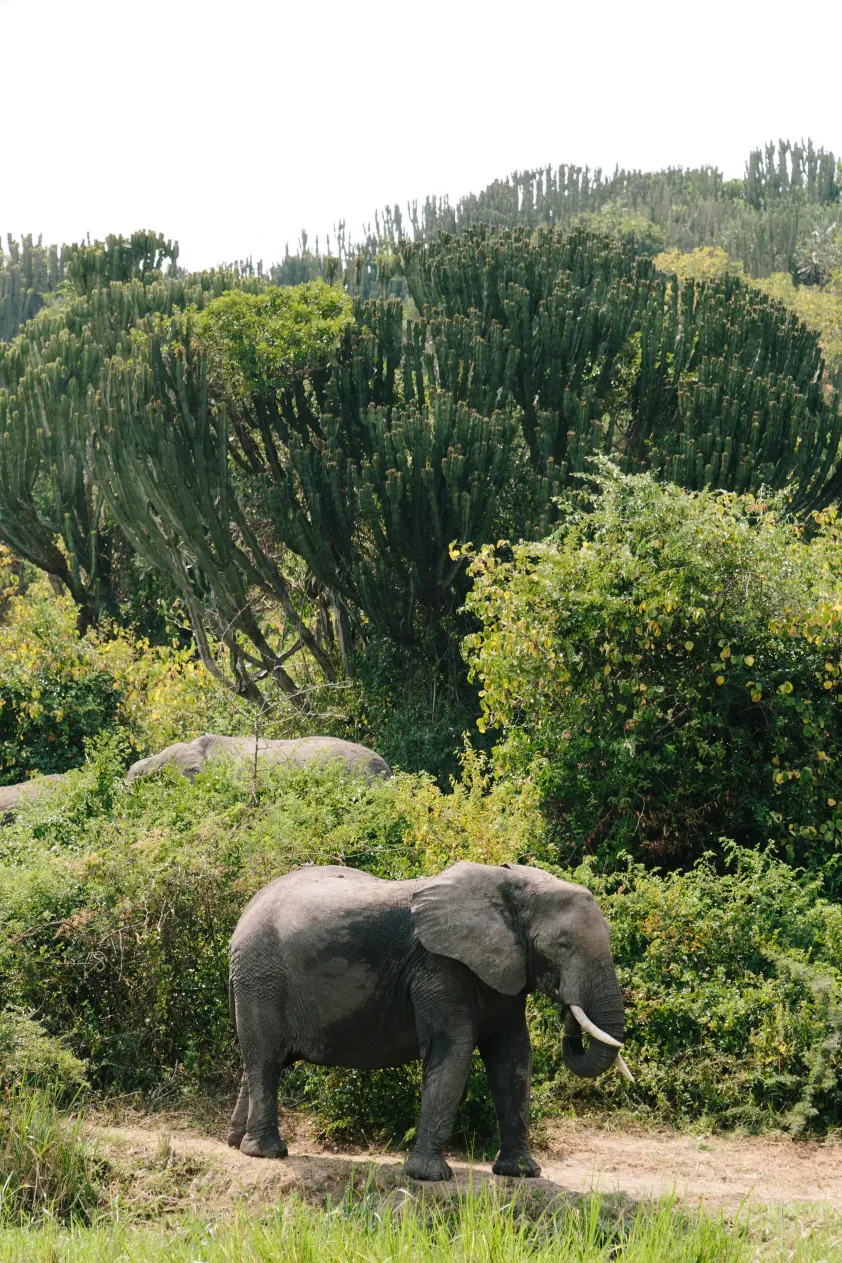
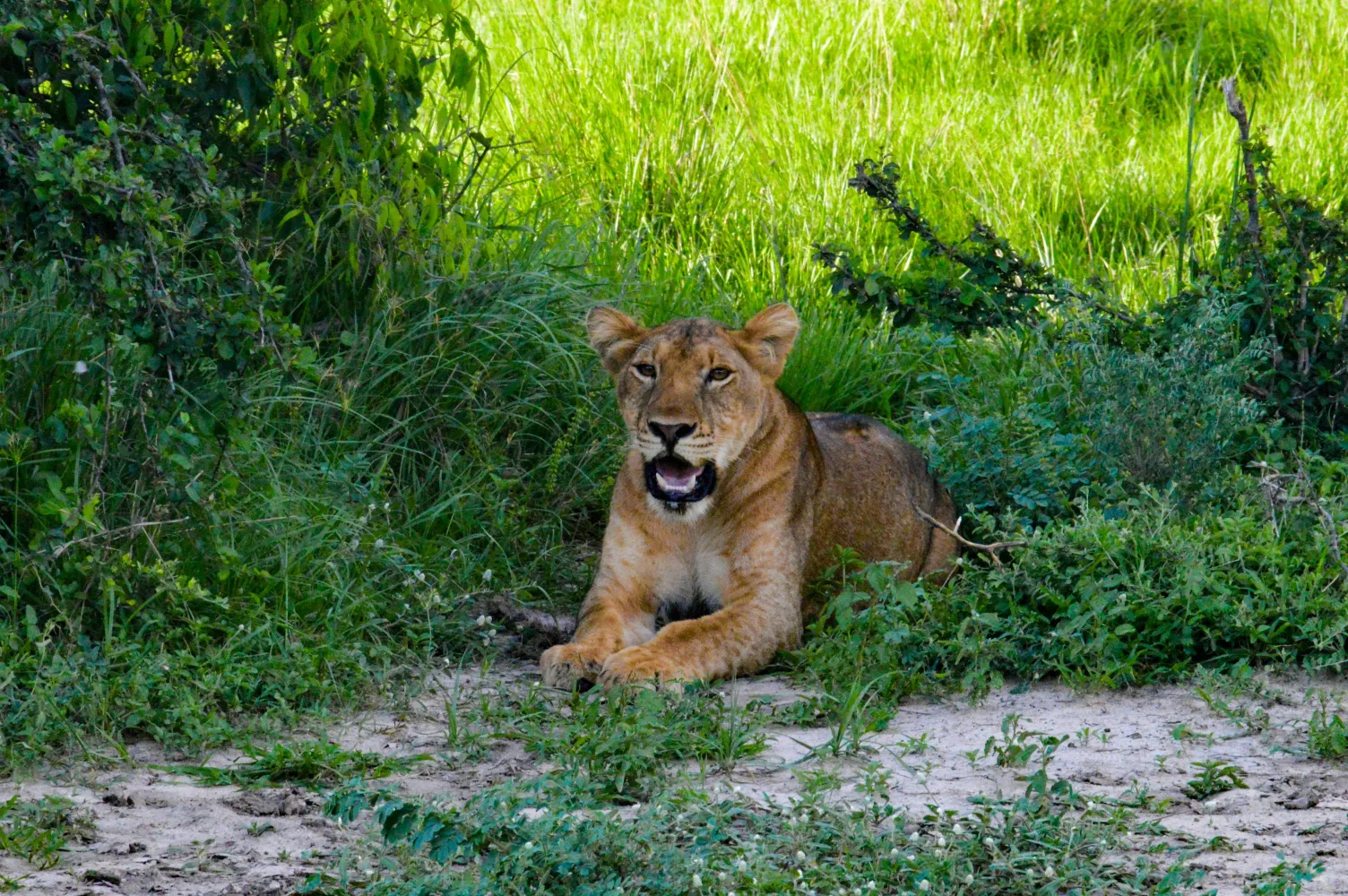
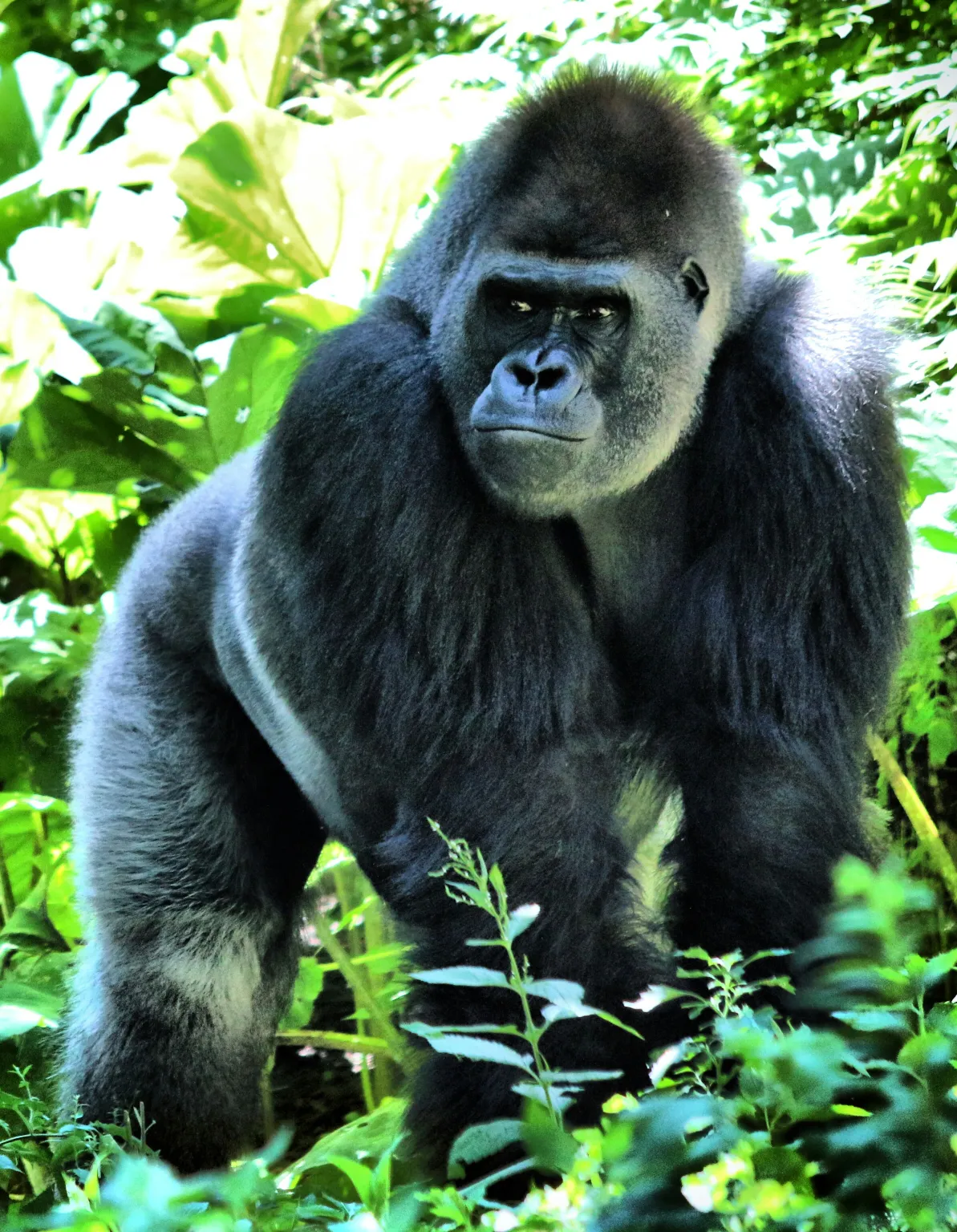
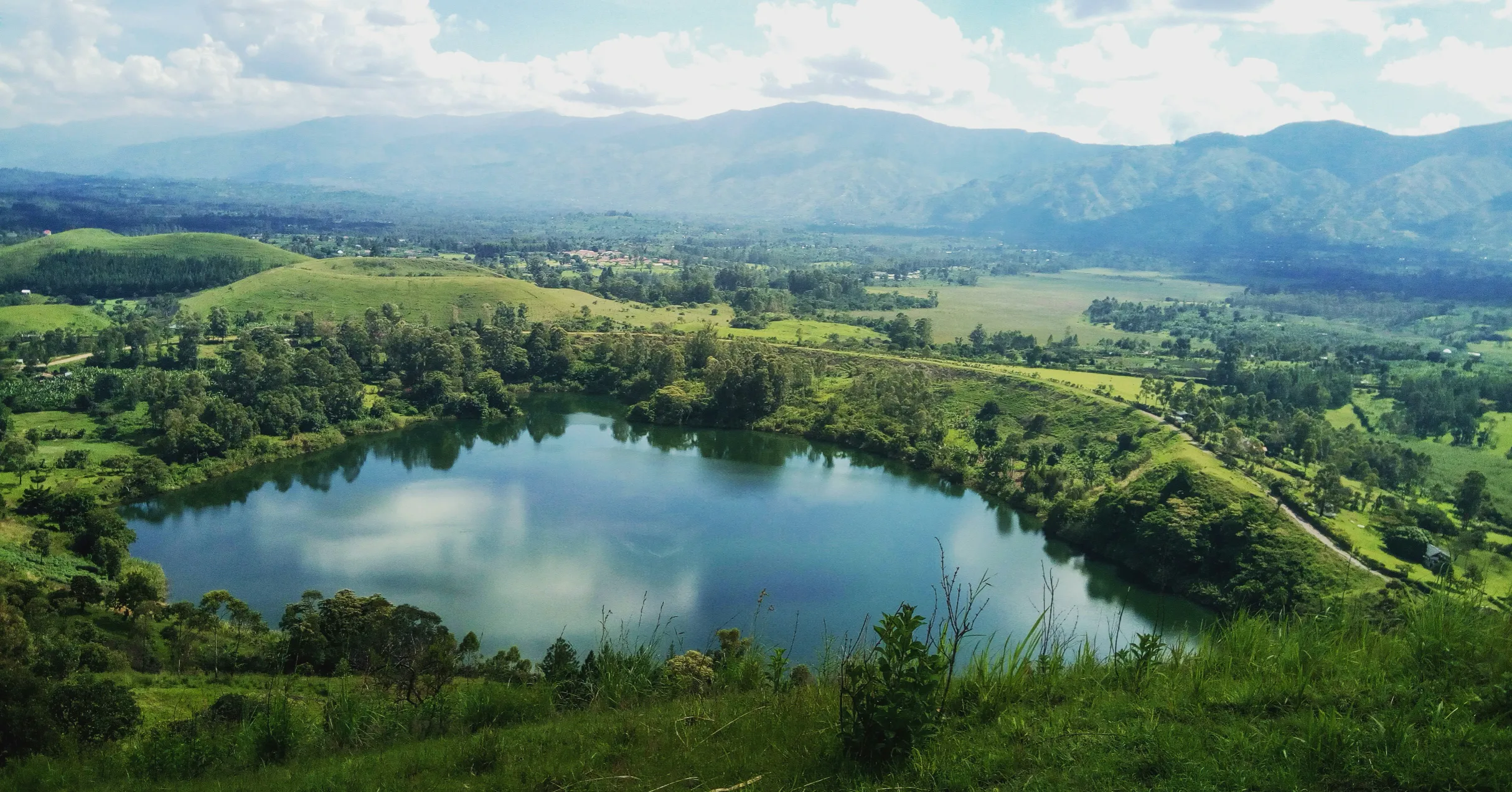
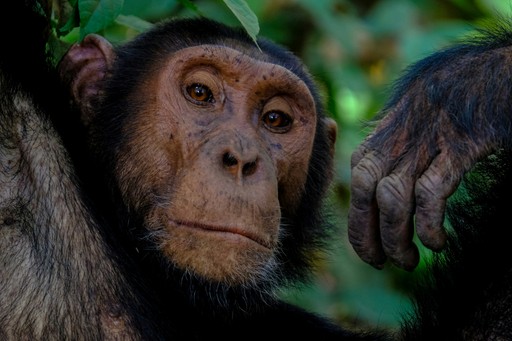
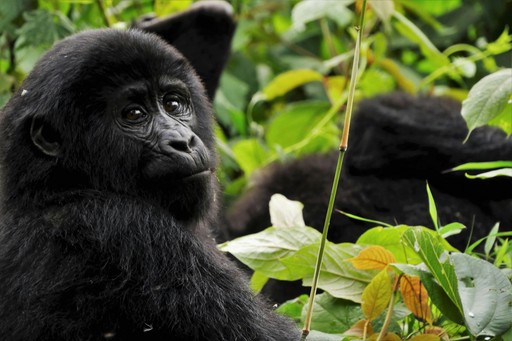
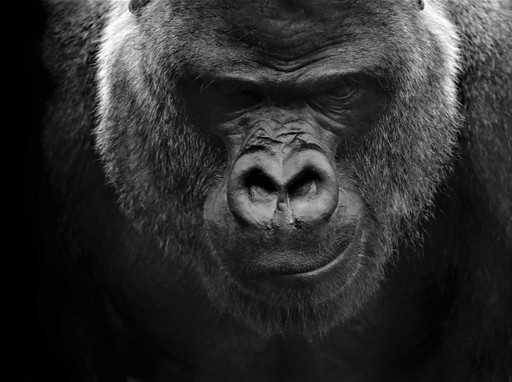
The country is rightly called the Pearl of Africa. Its natural riches are inexhaustible, with around 20% of its territory dedicated to wildlife reserves. Uganda offers an incredible abundance and variety of wild animal species. Among them is the largest number of primates in the world, including the largest colonies of mountain gorillas. During this journey, you will encounter gorillas, chimpanzees, and the most famous wild animals that inhabit the savannas and vast lakes of this East African nation. It's worth noting that safaris here come at the most affordable prices on the entire continent. Surprisingly, however, the number of tourists is relatively small.
Is this journey meant for you?
Challenge
Comfort
Nature
Culture
Are you ready for a rendezvous with the wild?
This journey is for you if your eyes sparkle at the thought of a safari, but you’re not drawn to the mainstream. If you've always dreamed of meeting gorillas and chimpanzees in their natural habitat, not behind glass. If you believe the best stories start with a dirt road, a jeep, and a cloud of dust. If you're curious about what Africa looks like beyond the clichés—green, wet, dense, and pulsing with life. If you're ready to sleep in a lodge, but also get muddy on the way there.
Uganda is not for tourists. It’s for seekers. For those who want to hear the grunting of hippos at night, share lunch with a marmoset, and quietly shed tears when they meet the eyes of a mountain gorilla. If this resonates with you—Uganda is already calling your name.
Upcoming Journeys
August 2027
Sign up now, and we'll write to you as soon as we have confirmed dates for the plane tickets.
Journey
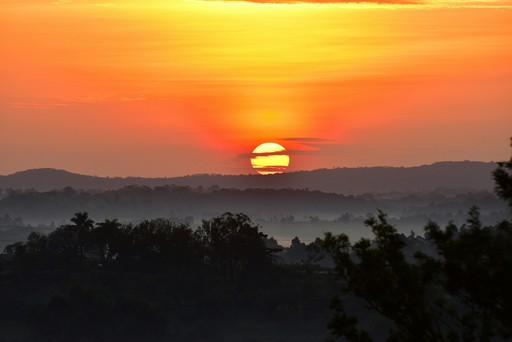
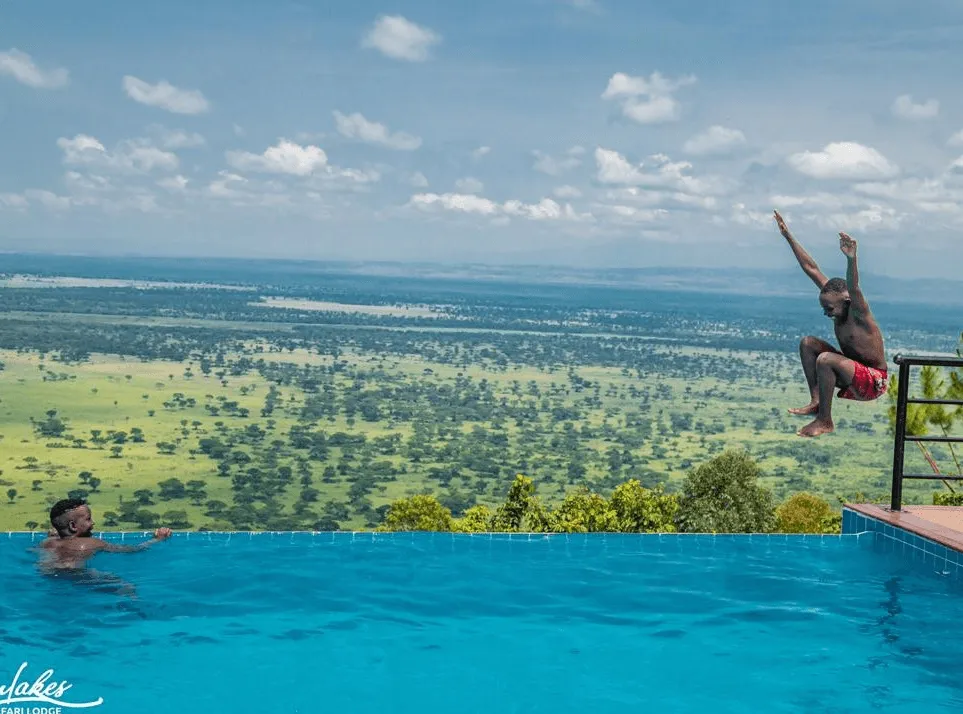
This will be a week filled with views that last a lifetime
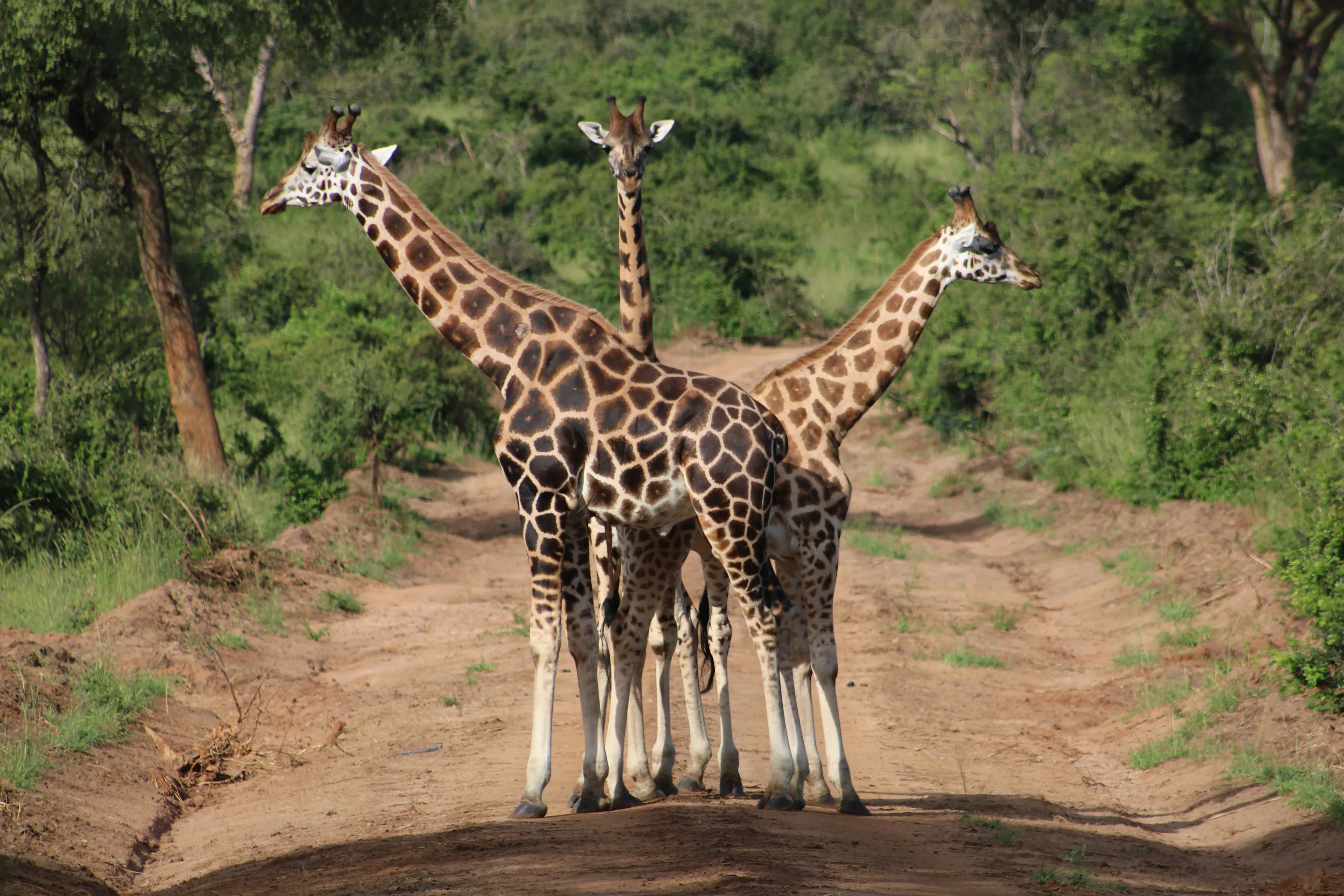
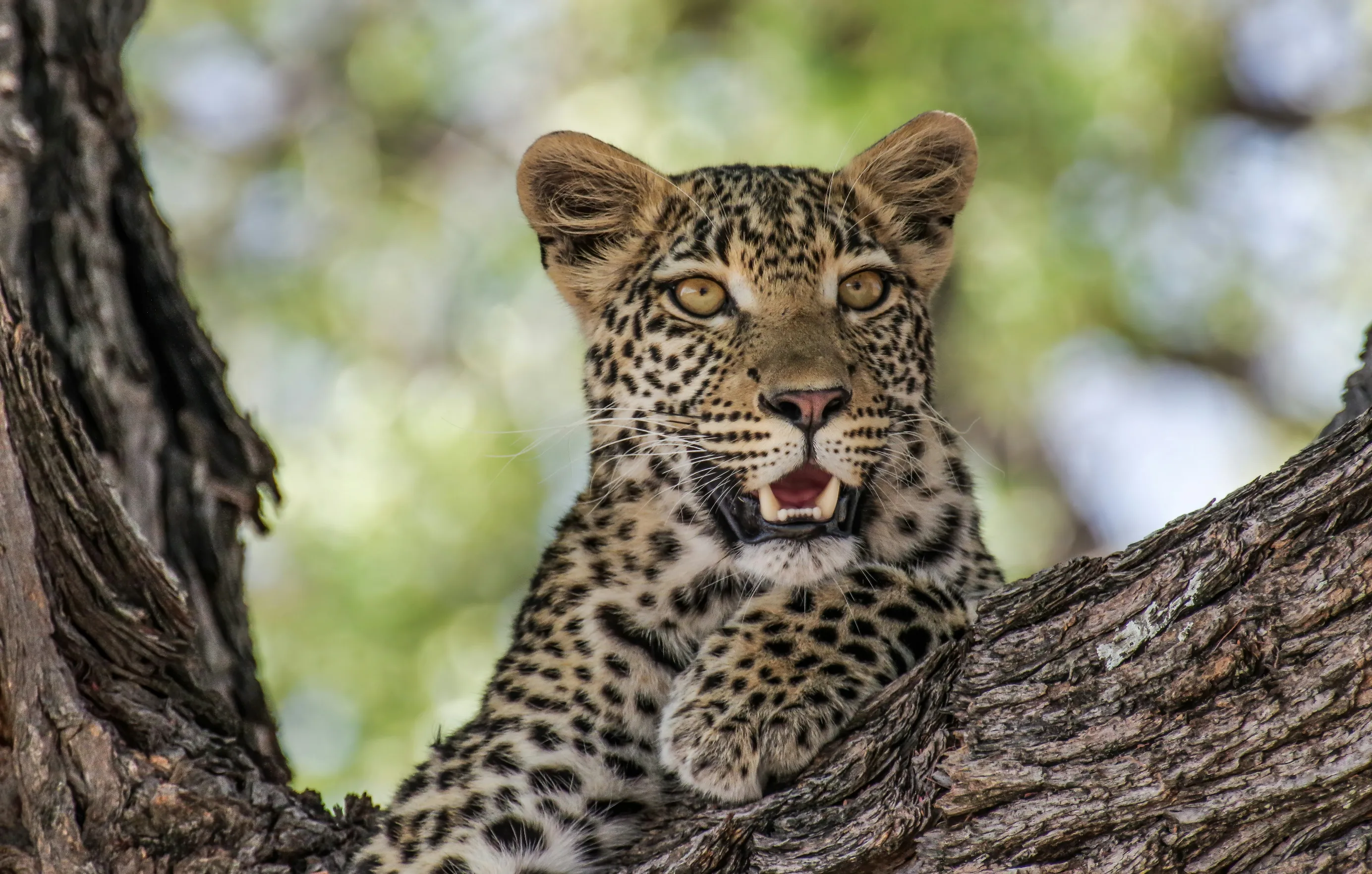
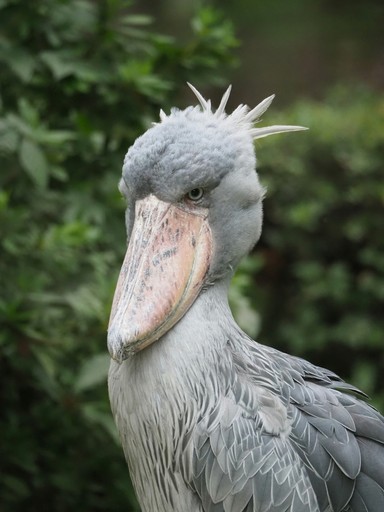
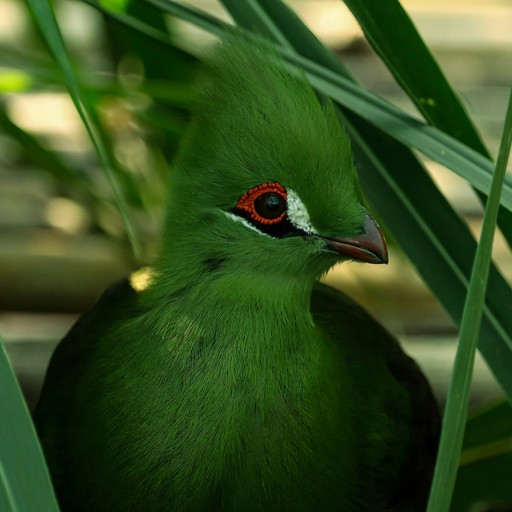
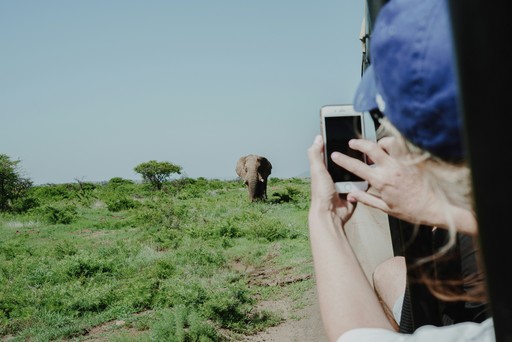
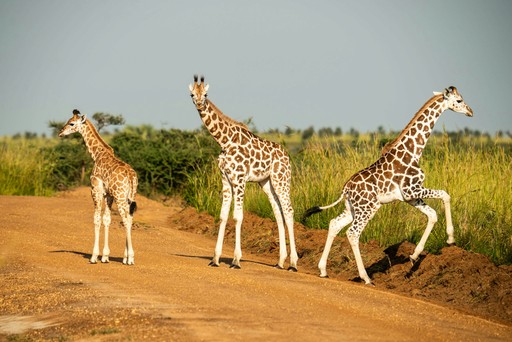
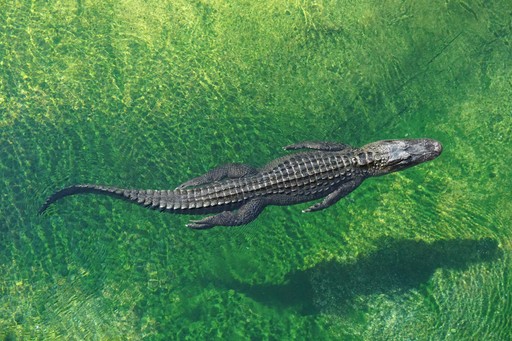
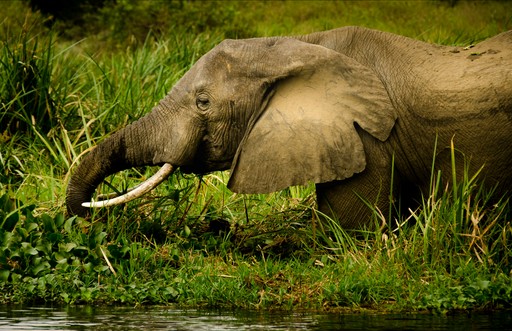
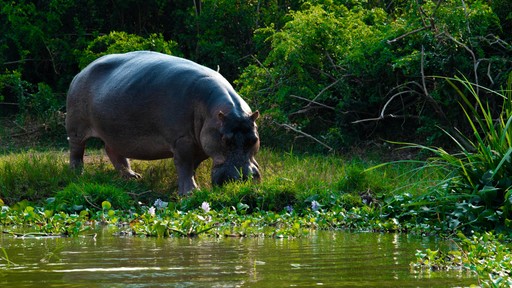
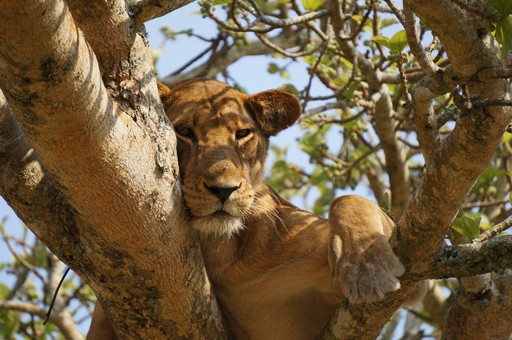
But these views aren't just static 'postcards'. They're truly living pictures, filled with Africa's most fascinating inhabitants. We will take photos with chimpanzees and gorillas, admire lions (including those climbing trees) and leopards, elephants and buffaloes, giraffes and antelopes, hippos and crocodiles. We'll be 'hopping' from national park to national park, including one whose official name is Impenetrable.
Getting Around
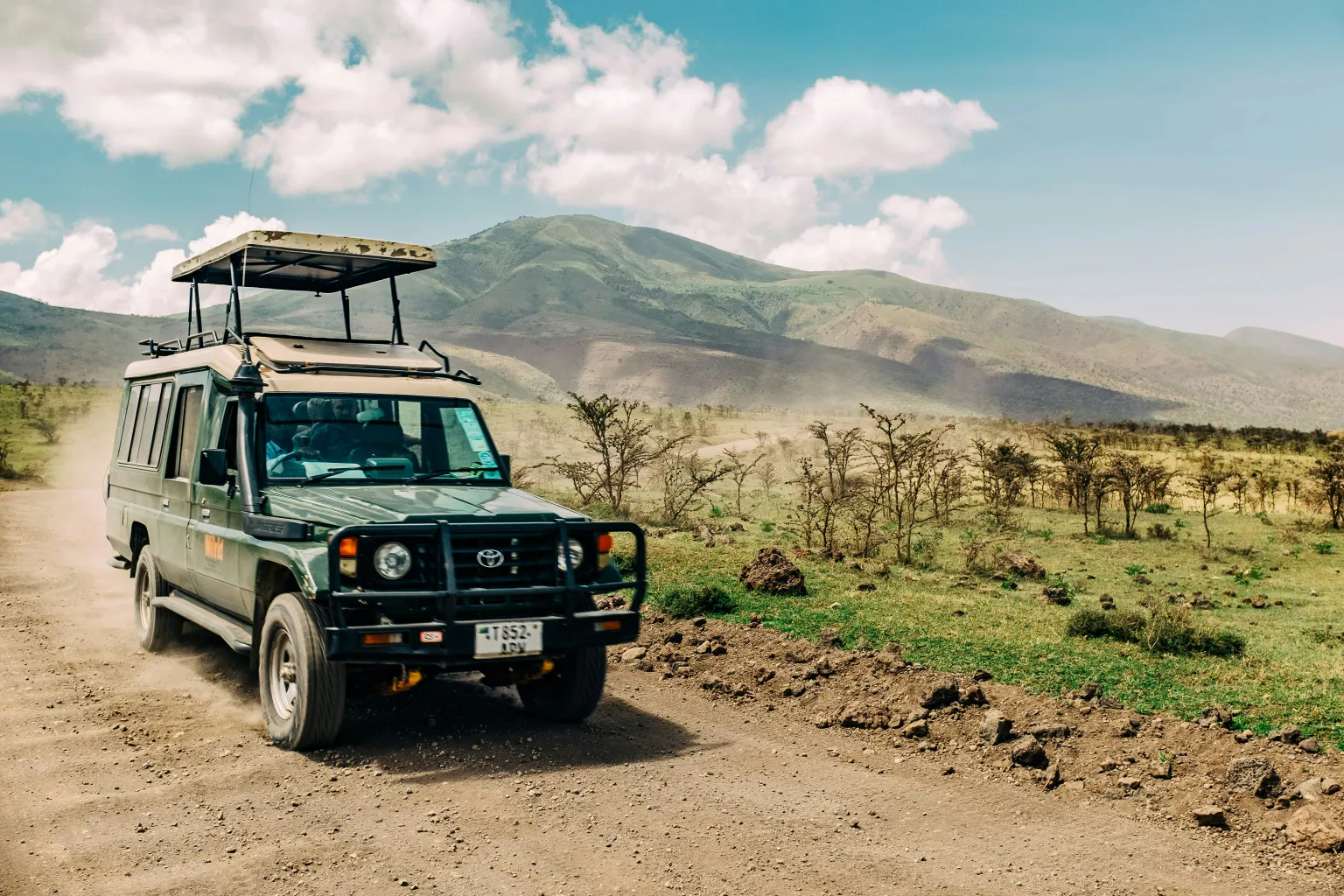
We'll journey in safari vehicles and set sail on a boat.
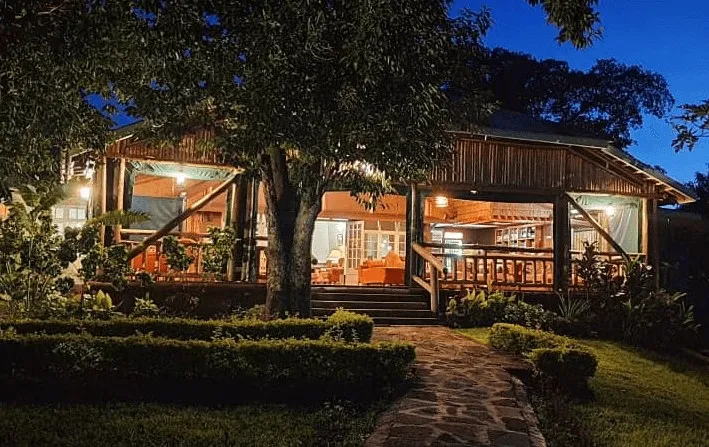
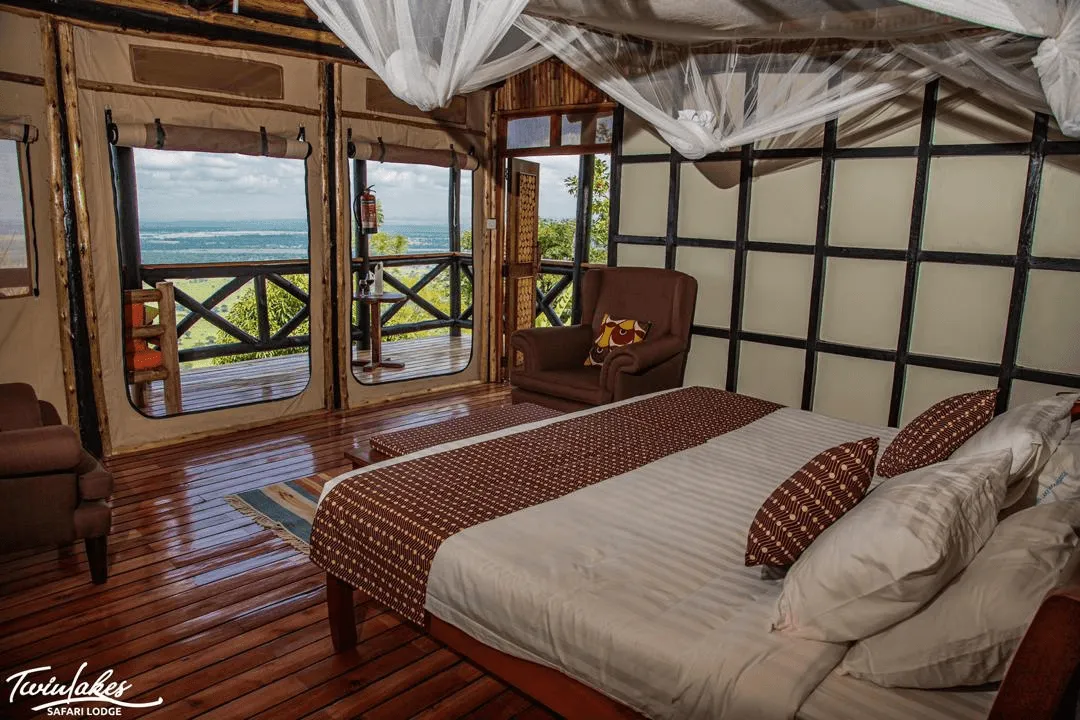
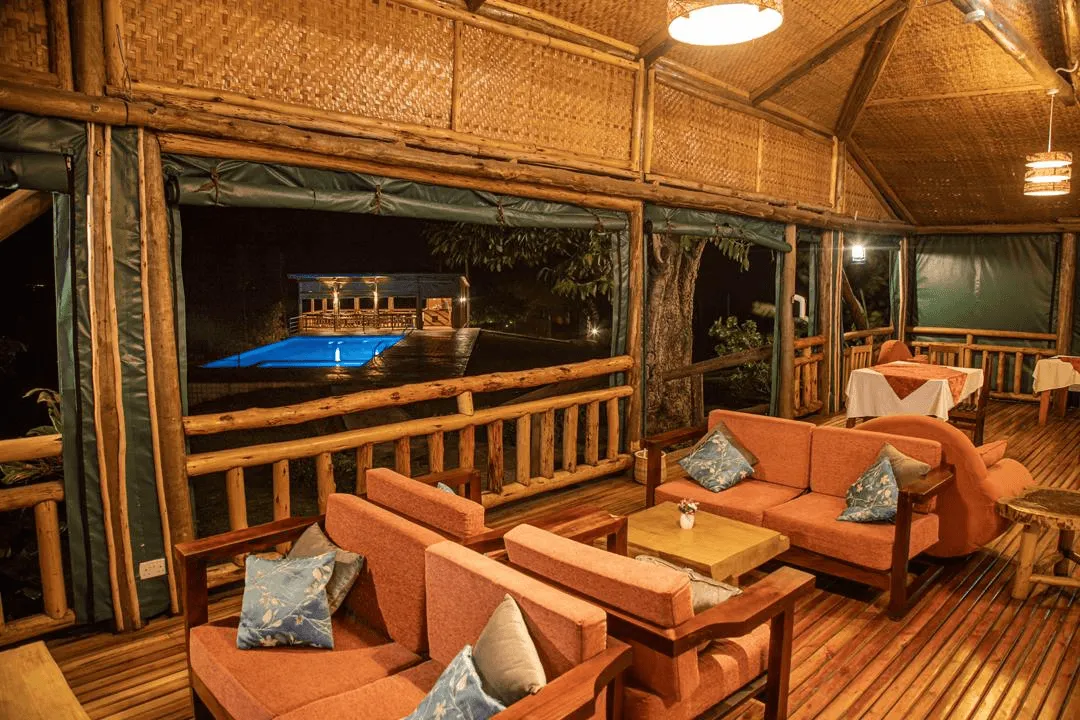
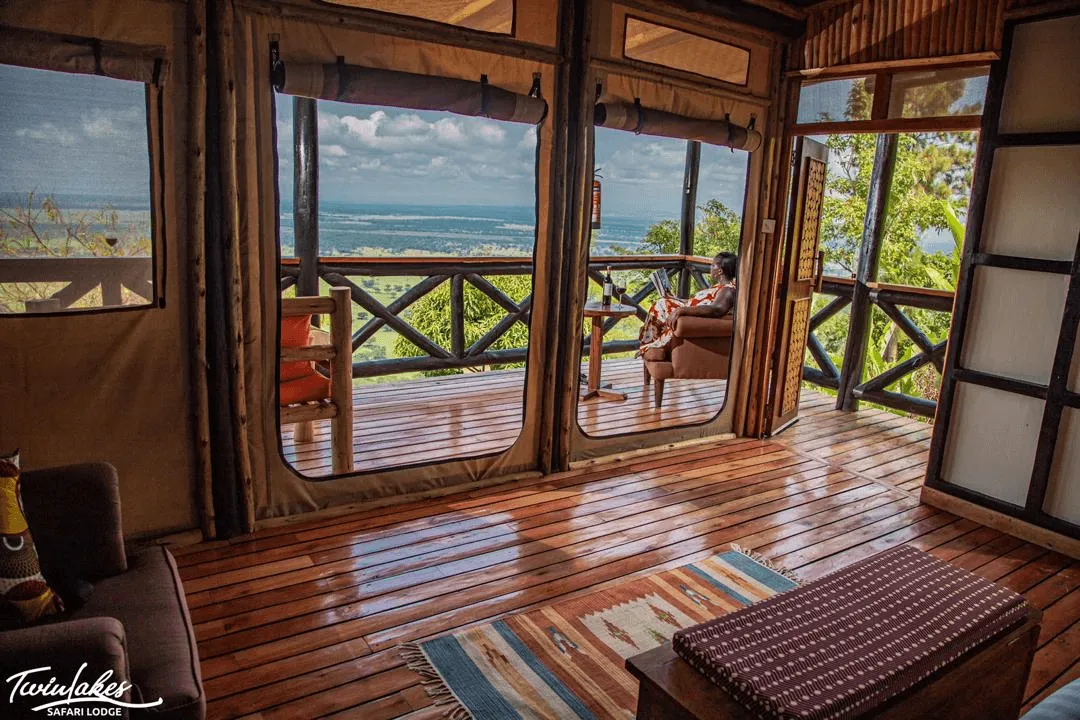
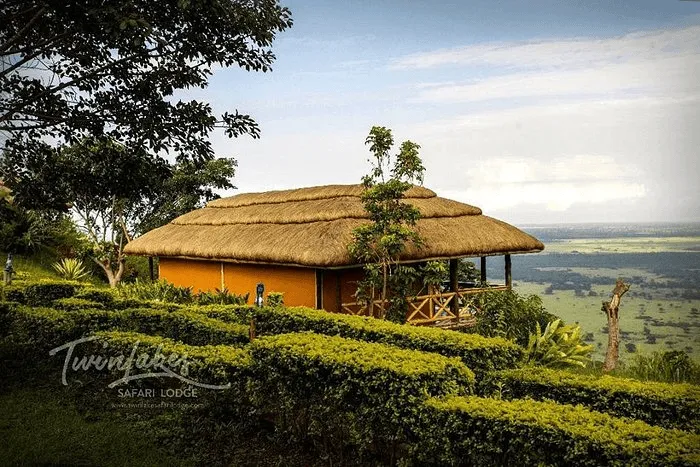
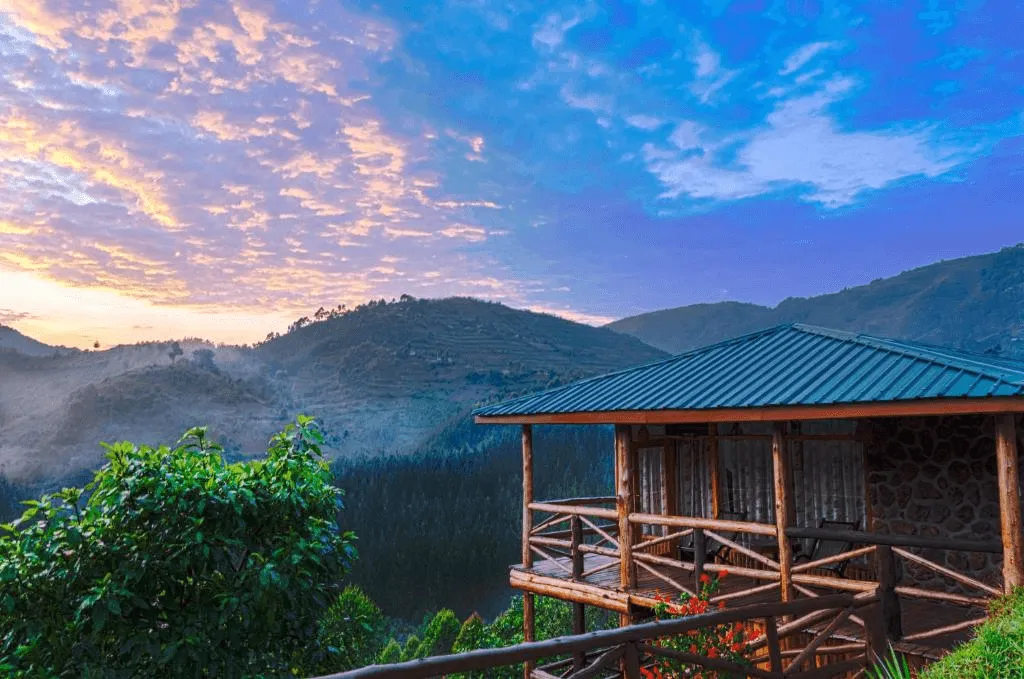
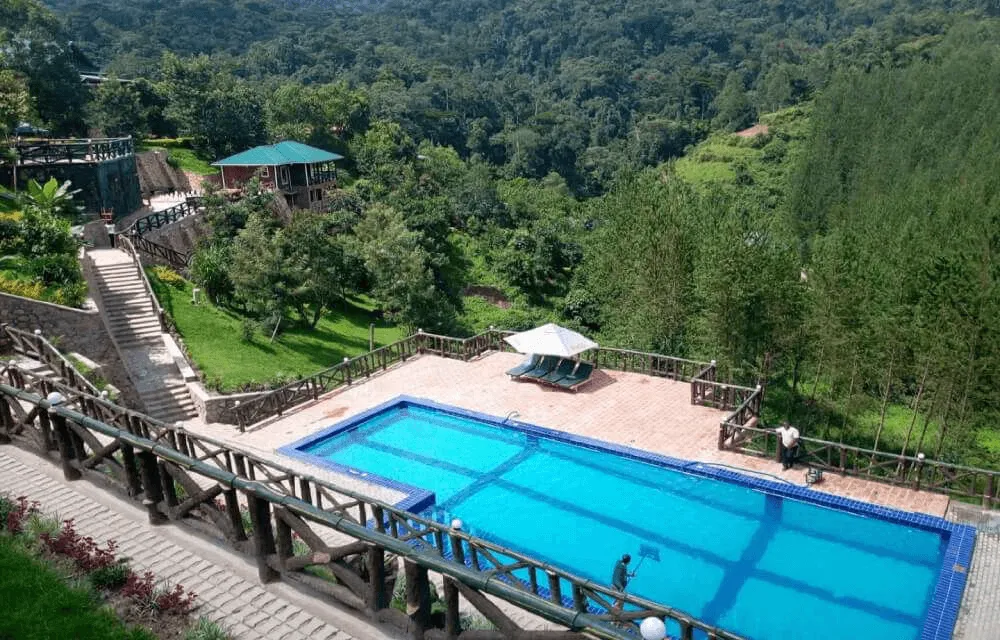
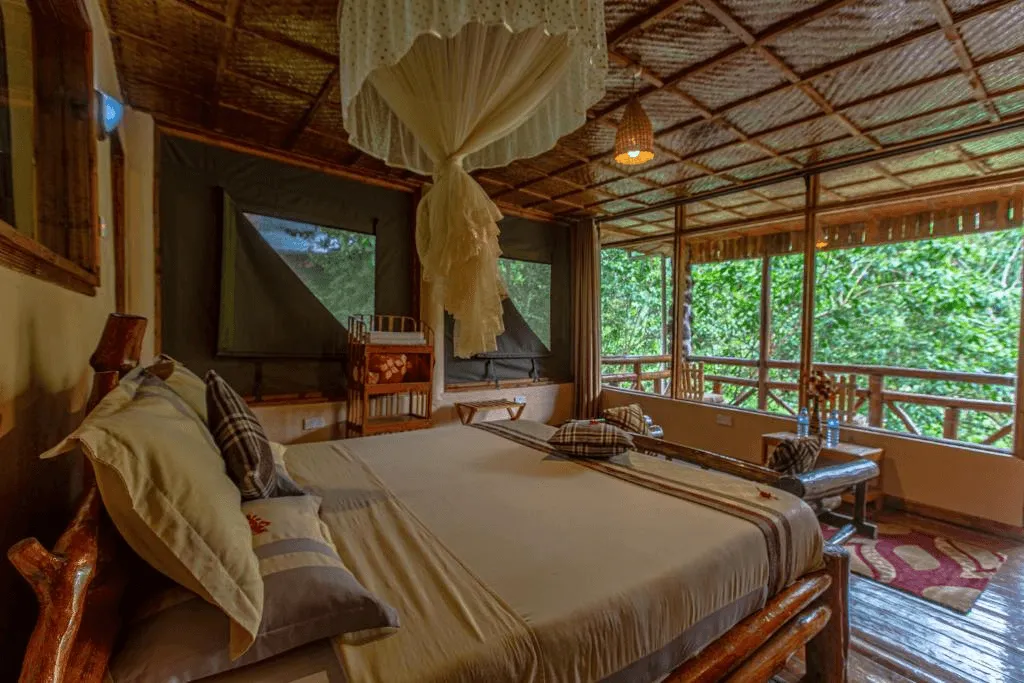
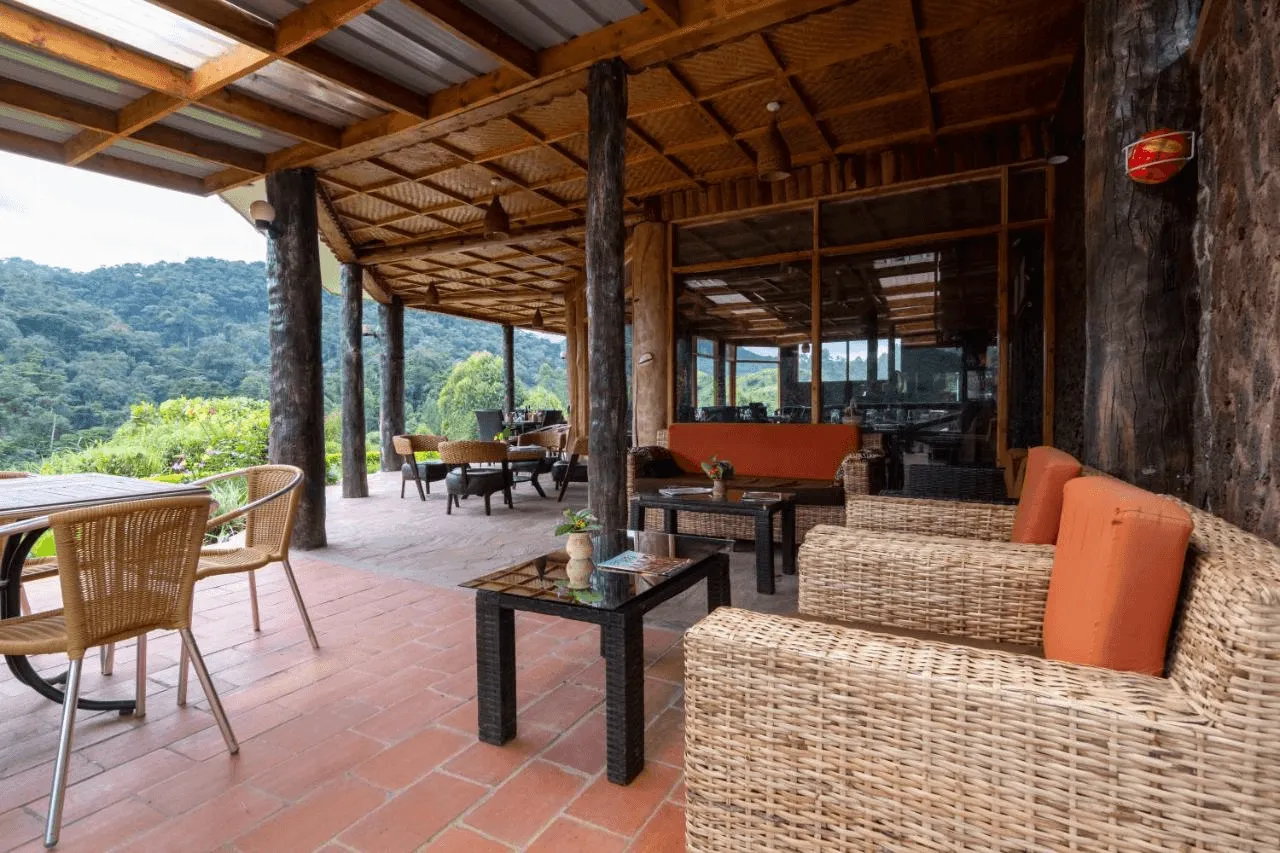
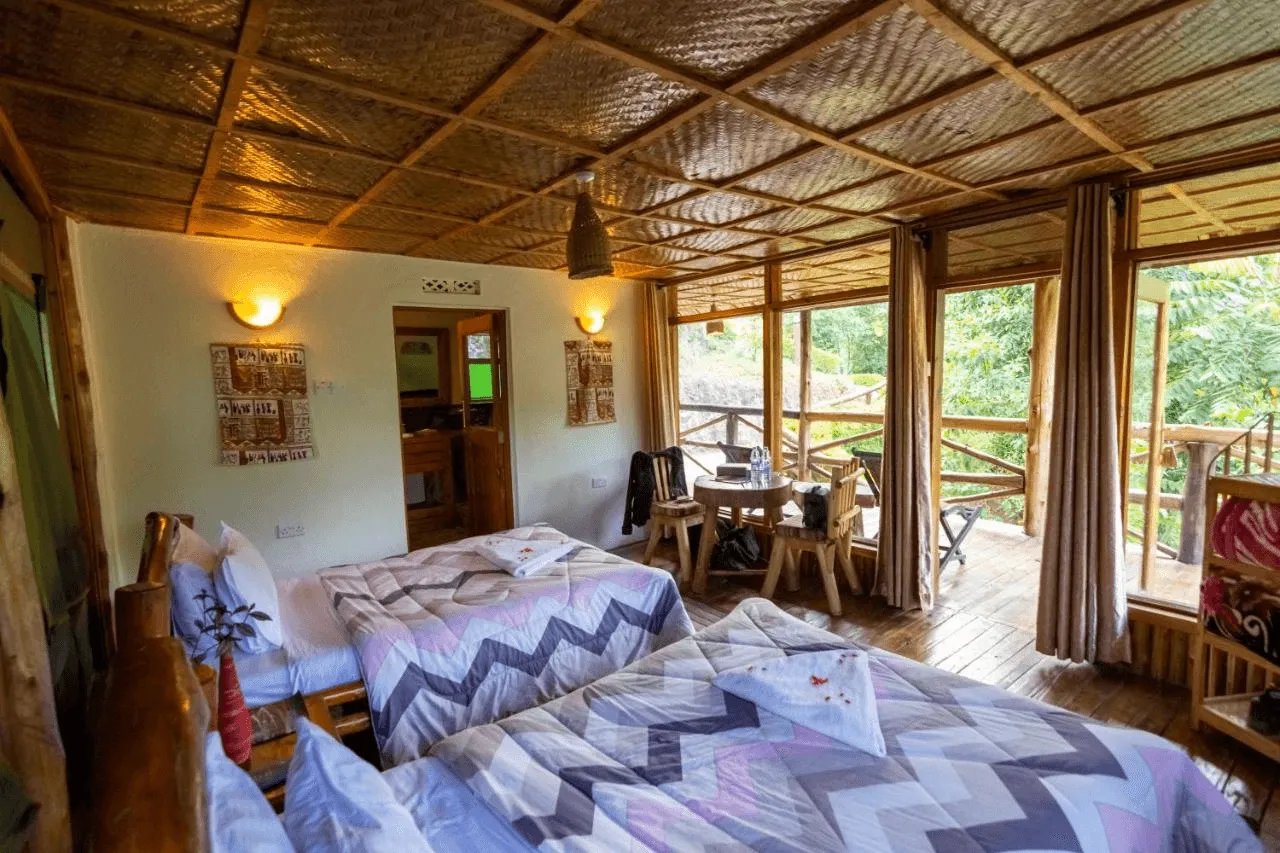
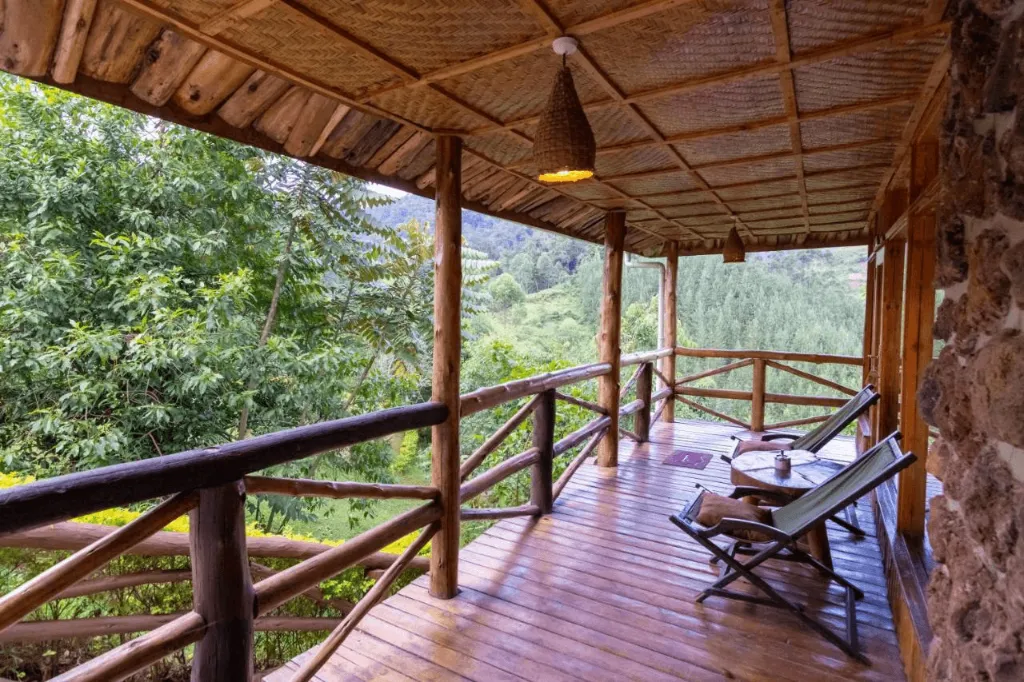
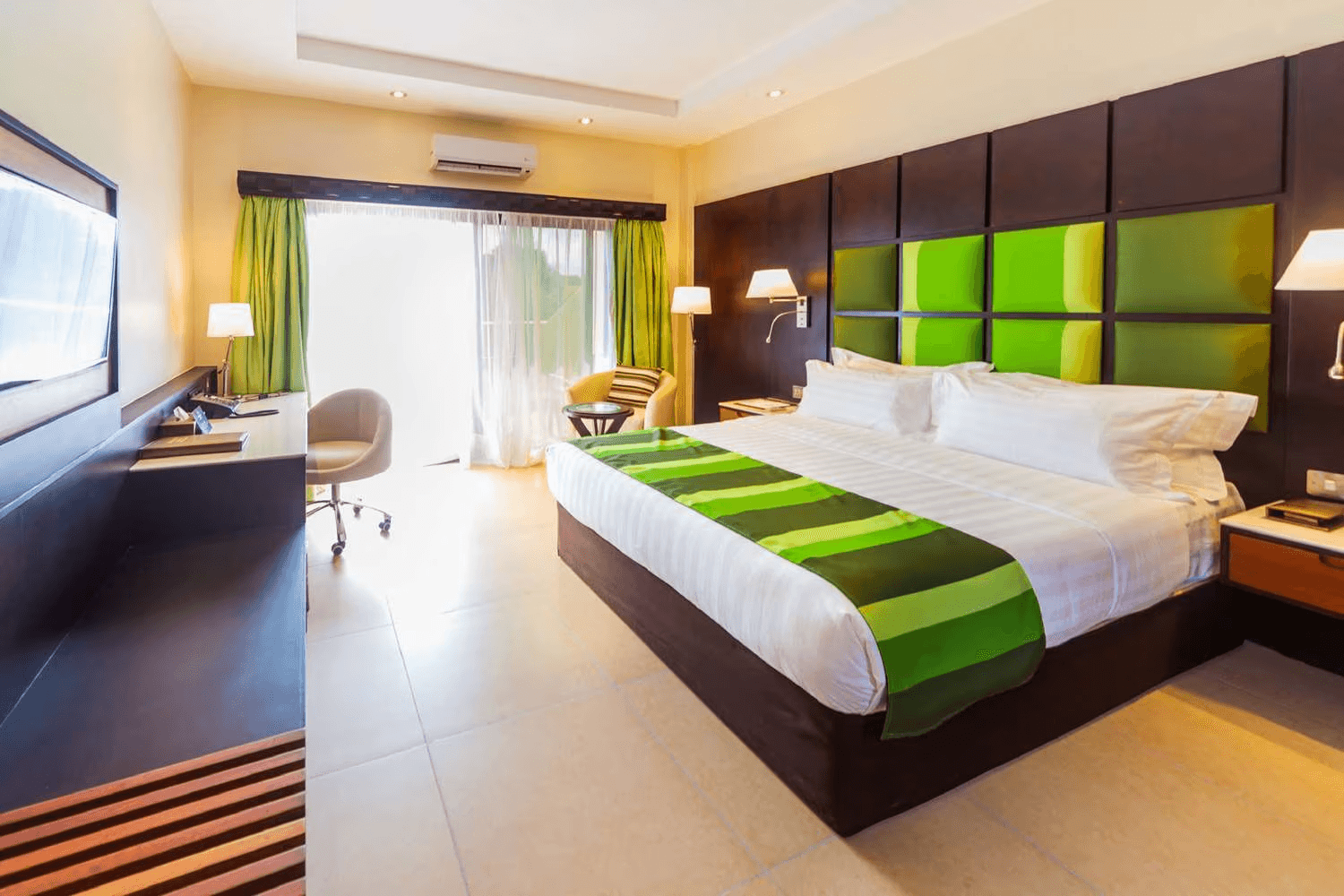
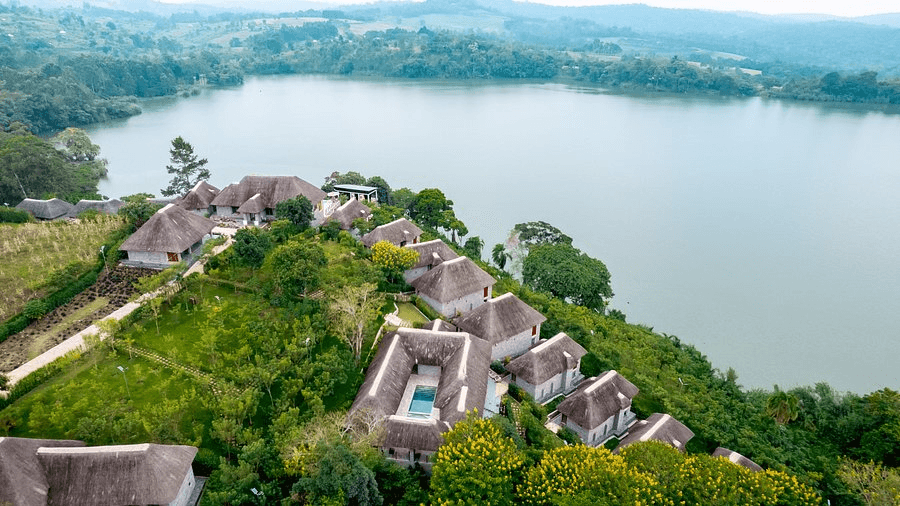
We will always be in the company of knowledgeable guides, introducing us in the best way to this wild and thrilling world. Tired from trails and experiences, we will spend the night in typical African lodges, surrounded by greenery. And to ensure we can focus solely on the adventures, all breakfasts, lunches, and dinners are pre-arranged. In other words – the hardest part will be leaving…




































FAQ
Frequently Asked Questions
Is something unclear?
+359 887 293 757
Is it dangerous in Uganda?
The tourist areas of Uganda are safe. We travel in an organised group with local guides who know the country and conditions well. The people are friendly and welcoming.
Do I need a vaccine for Uganda?
The yellow fever vaccine is mandatory. It must be administered at least 10 days before travelling. A single dose provides lifetime protection. You will need an International Certificate of Vaccination (“yellow card”).
You can get vaccinated at: Sofia Regional Health Inspectorate, "Vranya" St. No. 20, floor 5, office 503, working hours: 8:30-12:00 and 12:30-17:00, phone: 02/813 04 98.
For additional recommendations, consult your personal doctor.
What documents do we need?
To enter Uganda, you will need an international passport valid for at least six months after the entry date. A visa is also required and can be obtained online through Uganda's electronic visa system or upon arrival at the airport. An International Certificate of Vaccination against yellow fever is also necessary.
What's the currency and how much money should I carry with me?
The official currency of Uganda is the Ugandan Shilling (UGX). While credit cards are accepted in major hotels and restaurants in the capital city Kampala, it's advisable to have cash available for local expenses, especially in remote areas. You can exchange currency at the airport and at exchange offices in major cities. ATMs are also available in cities, but it's wise to have a reserve sum, as they might not work everywhere.
What kind of luggage should I travel with?
We recommend travelling with a hiking backpack or duffel bag.
What kind of food should I expect during my stay?
Ugandan cuisine is diverse and often includes staple ingredients such as bananas, rice, cassava, fish, and meat. The traditional dish is called "matoke"—bananas cooked and served with various sauces and meats. In the big cities, you'll find a variety of international restaurants, but in more remote areas, mostly local dishes are offered.
Can you get mobile service and internet access?
Mobile network and internet are available in the larger cities and tourist areas of Uganda, but in rural areas, coverage can be limited or unstable. In Uganda, you can purchase a local SIM card for better connectivity, with MTN and Airtel being the largest operators. Internet connection can be slow, but hotels in large cities usually offer Wi-Fi access.
Can I fly a drone in Uganda?
Virtually off-limits for tourists. Flights for foreign visitors are prohibited. An import permit is required (applied for 3 months in advance), plus approvals from the Ministry of Tourism, the Armed Forces Command, and the Civil Aviation Agency. Without permission, the drone is confiscated at the airport (returned upon departure). Most national parks ban drones.