Why Bolivia?
The planet, seen from above.
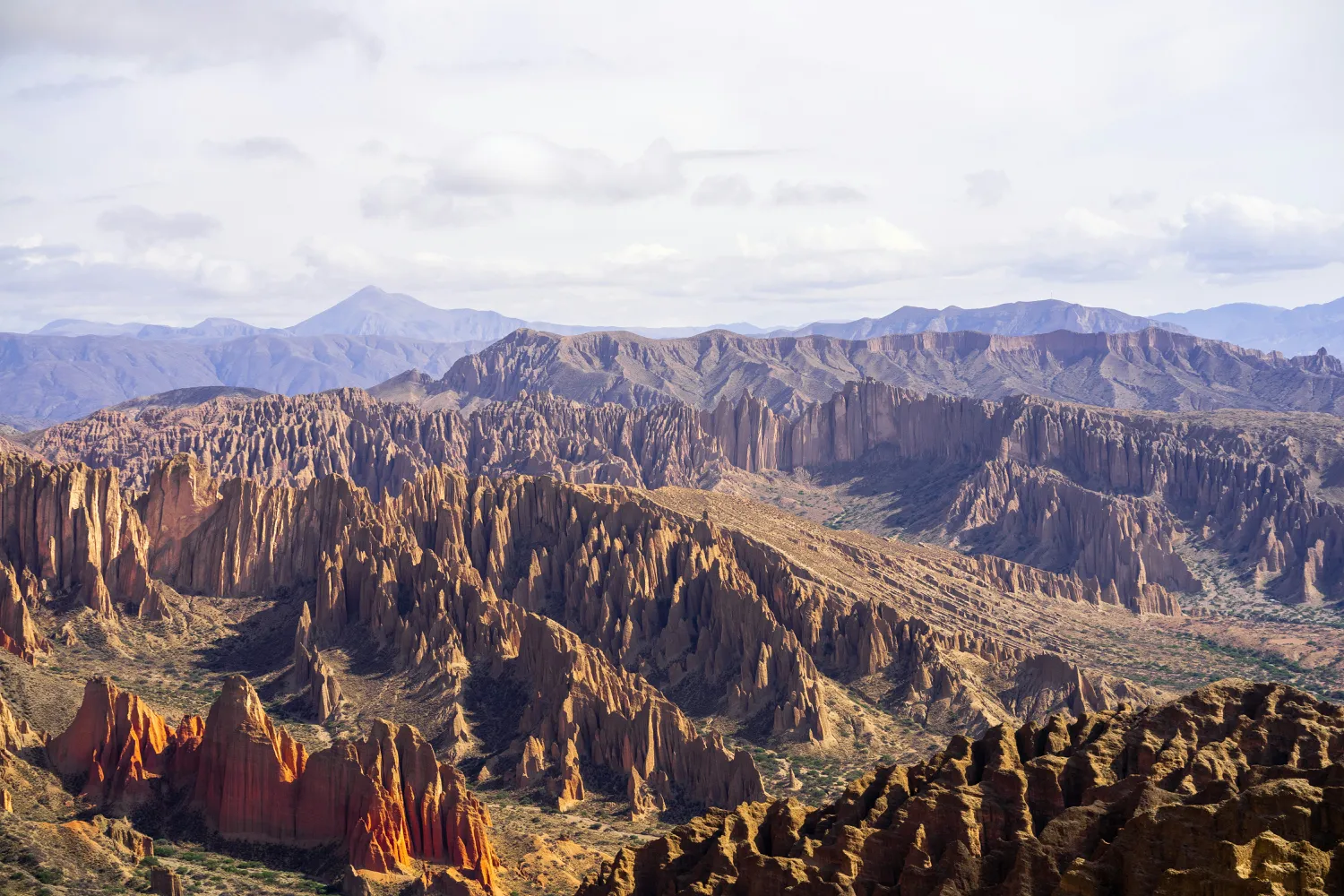
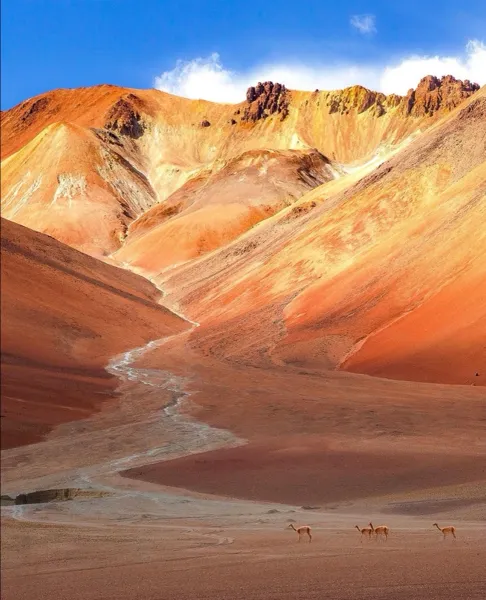
Bolivia isn't for everyone. Here, the air is thin, roads end without warning, and the horizon is so distant that at times you don't know whether you're looking forward or upward. Everything is at 3,500, 4,000, 5,000 metres high. And from this height, the world looks different.
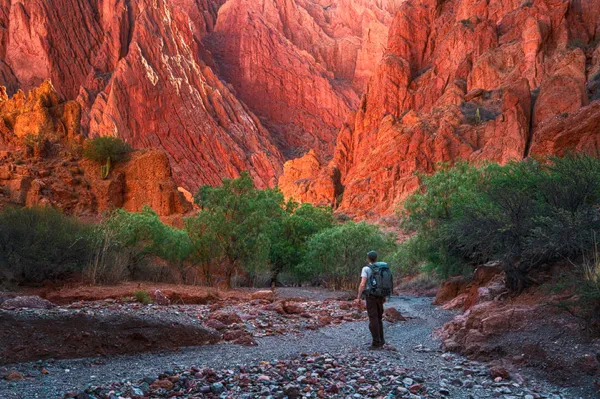
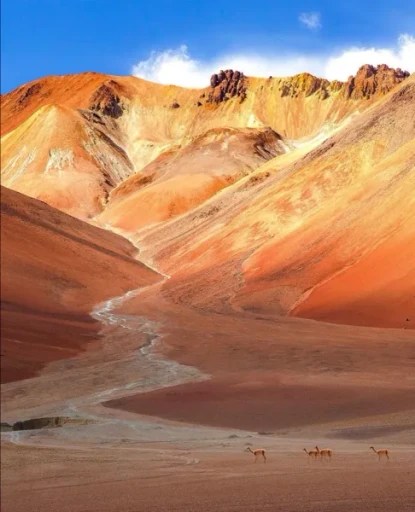
Salar de Uyuni is 12,500 square kilometres of salt where you step and feel that there's nothing beneath you, and above you, everything. The lagoons of Lipez are red, green, yellow and sky blue, with flamingos grazing in them, as if the colours are the most natural thing. And Potosi is the city where you descend 400 metres underground, to understand the price paid for the silver that built half of Europe.
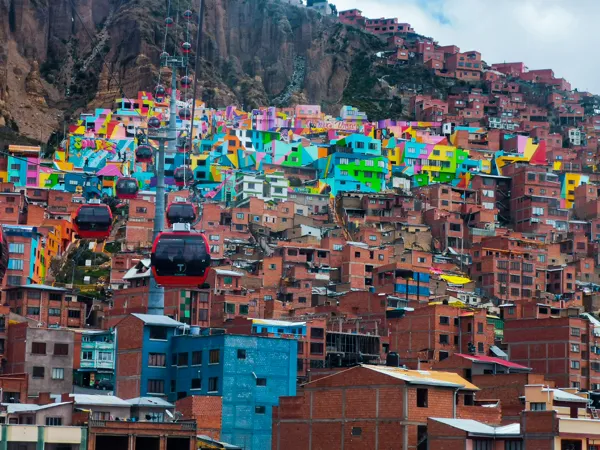
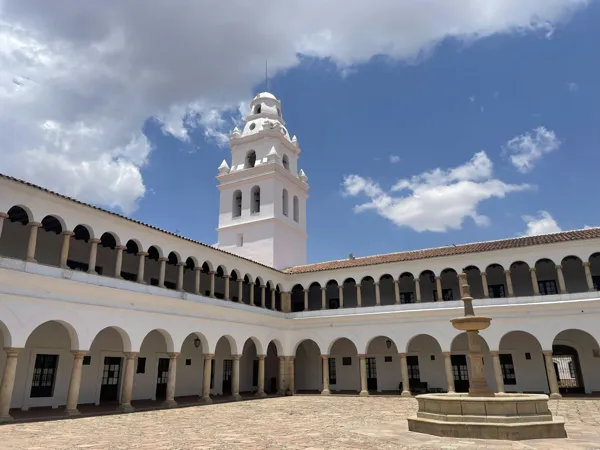
Amidst all of this, La Paz, the city in the crater. Tiwanaku, the ruins older than the Incas. And Lake Titicaca, where the Incas believed the Sun was born.
16 days. From the colonial streets of Sucre to the endless salt of Uyuni. A journey where altitude is not just metres, but a mindset.
Is this journey meant for you?
Challenge
Comfort
Nature
Culture
Bolivia is for you, if...
If open spaces energise you more than the city, here you'll find horizons that never end.
If you want to see colours no filter can capture, the lagoons of Lipez will make you put the camera down and simply look.
If heights don't scare you (literally), at 5000 metres, you'll discover what air is made of.
If you want to know what the world has been through to get here, the mines of Potosi have stories to tell.
If you're looking for a journey where the jeep feels more like home than just a vehicle, the desert section is for you.
If you love to travel slowly and feel every place rather than just ticking it off, Bolivia offers just that kind of journey.
Upcoming Journeys
November 2027
Sign up now, and we'll write to you as soon as we have confirmed dates for the plane tickets.
Endless White
12,500 square kilometers of salt and silence
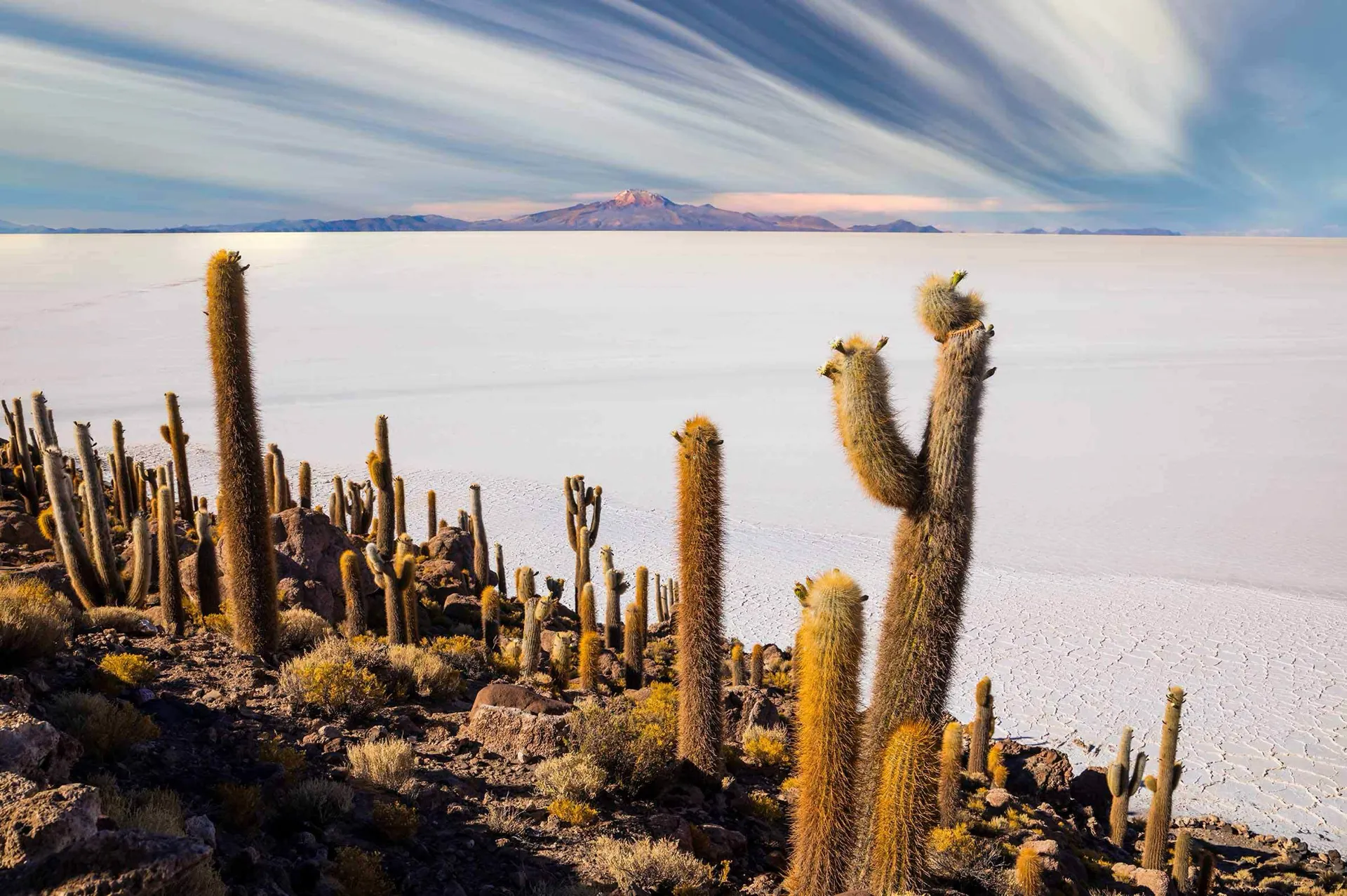
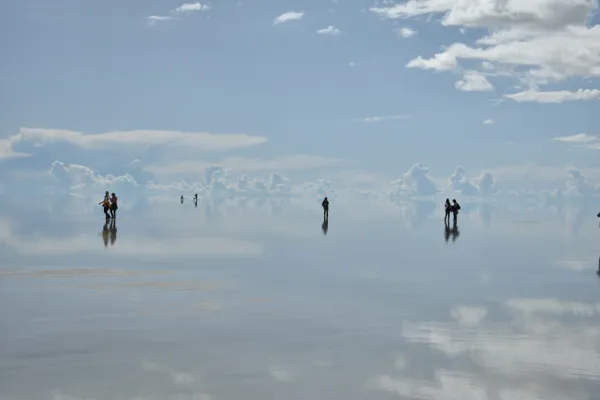
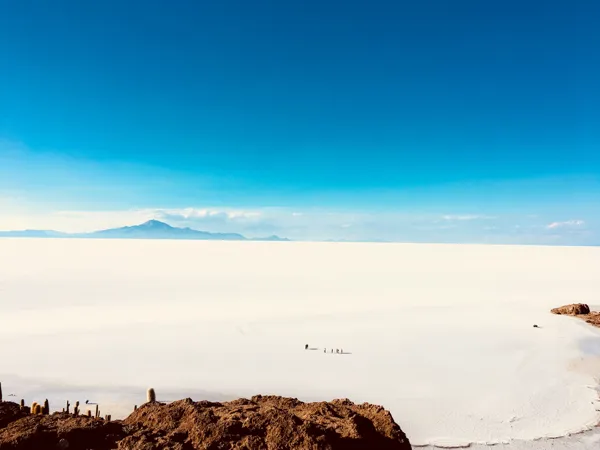
Sunrise, where the salt glows pink. Sunset, where the whole world becomes a mirror. Between them, Isla Incahuasi with thousands of cacti amidst the white, eyes of salt on the surface, and a scale that neither the eyes nor the lens can capture.
Salar de Uyuni is the largest salt flat on the planet. At 3650 metres. You step onto the surface and cannot tell where the earth ends and the sky begins.
Colours Unfiltered
The Lipis Lagoons: From Crimson to Sky Blue
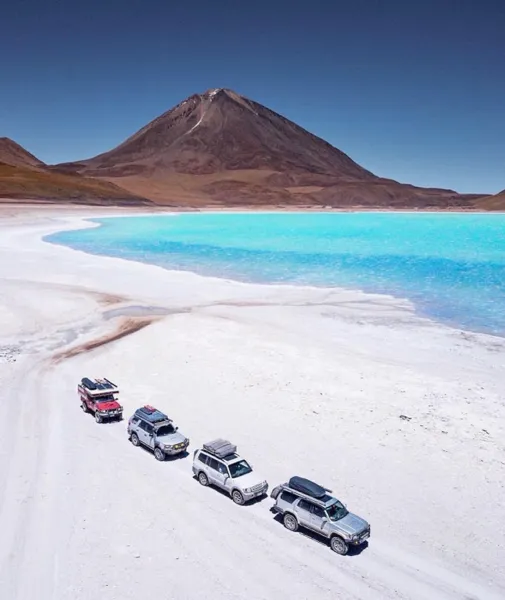
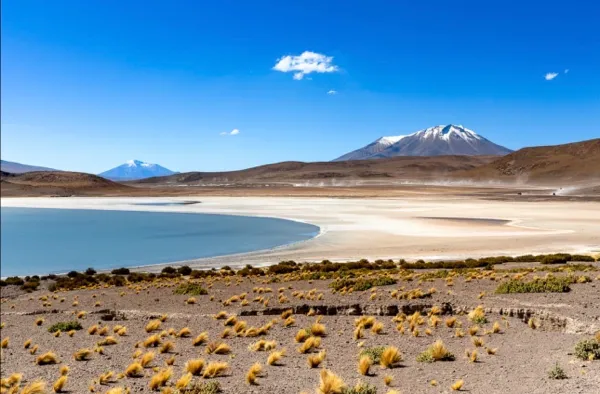
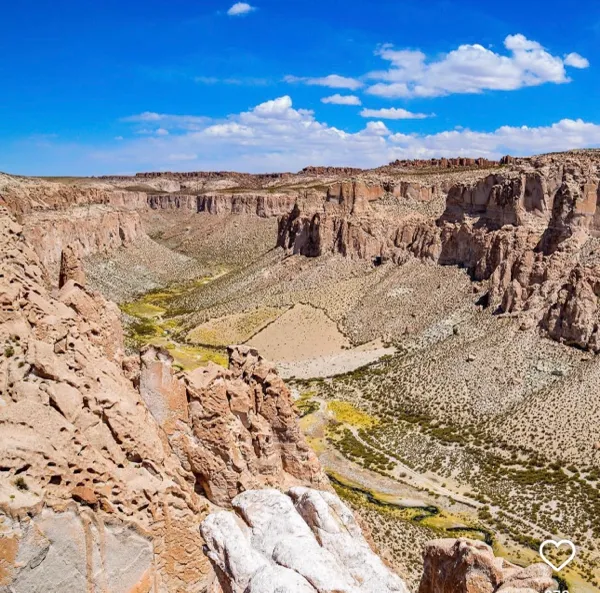
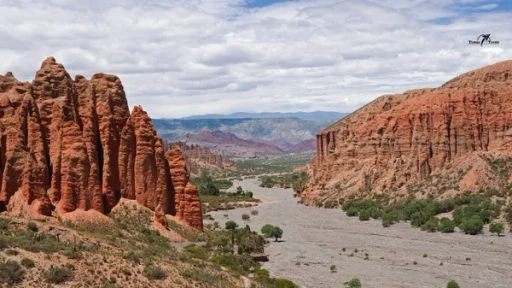
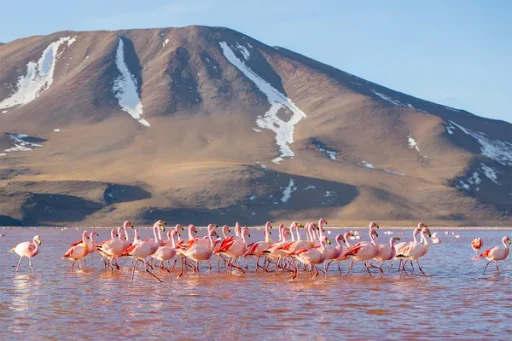
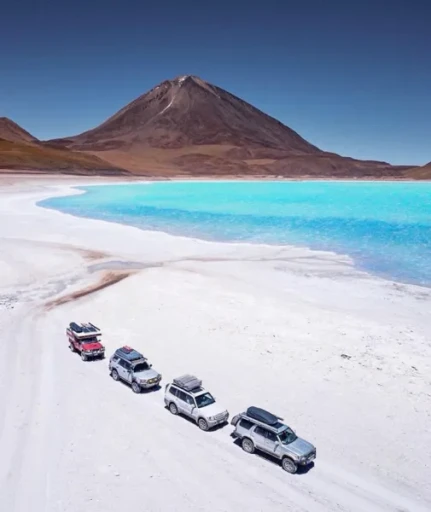
Laguna Colorada is red and shallow, teeming with flamingos. Laguna Verde is green at the foot of a volcano. Laguna Celeste is blue as a diluted sky. In between, geysers at 5000 metres, Dali's desert, and hot springs where you soak as the stars appear.
Each lagoon sits at a different altitude, in a different hue, each with its own tale. The only constant is that none of them seem real.
Dark and Real
400 metres beneath the mountain that once nourished an empire
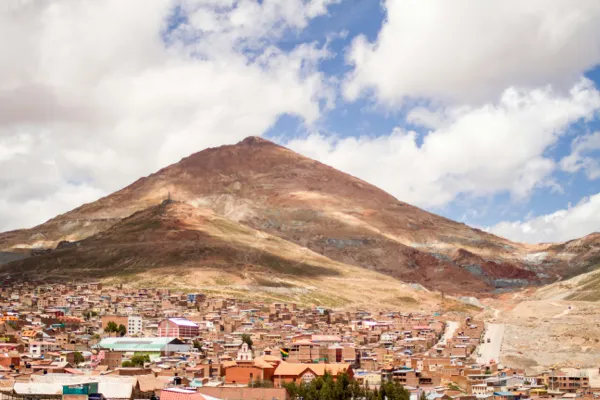
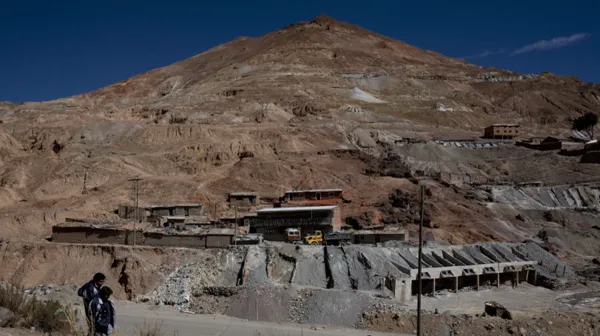
Cerro Rico in Potosí is the mountain from which the silver that built half of Europe was extracted. You enter wearing a helmet and work clothes. Five hours in narrow tunnels, dust, and darkness. Miners are still working there, exactly as they did 500 years ago.
The contrast between the darkness inside and the sunlight outside is so sharp that it takes you a minute to adjust. Harsh, yet necessary.

The Roof of the World
Titicaca, the lake where the Sun was born
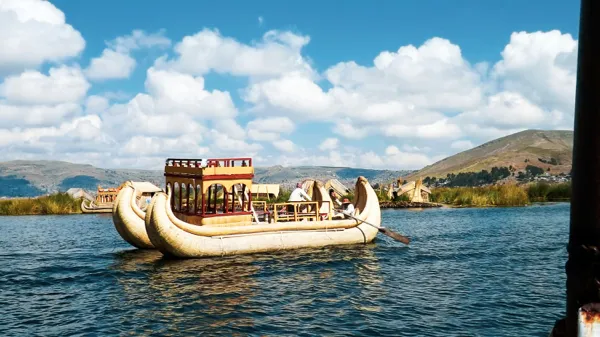
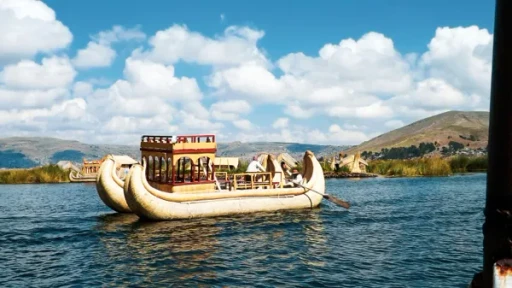
An hour and a half by boat across the highest navigable lake in the world, 3,812 metres up. The water is painfully blue and so vast that you can’t see the opposite shore. Isla del Sol, the Island of the Sun, is the place the Incas believed to be the birthplace of everything.
The Inca Temple. The Steps of Yumani. The Fountain of Youth. You take a sip, smile, and you’re not sure if it’s because of the water or the stunning view.








































FAQ
Frequently Asked Questions
Is something unclear?
+359 887 293 757
What documents do I need for Bolivia?
To enter Bolivia, Bulgarian citizens need a valid passport (valid for at least 6 months after the date of entry). No visa is required for stays up to 90 days. Upon entry, you receive a free stamp for a tourist stay.
Is Altitude Sickness Dangerous?
The route traverses altitudes ranging from 2800 to 5000 metres. Altitude sickness (soroche) is a genuine concern, manifesting as headaches, nausea, and shortness of breath. The itinerary is crafted to support gradual acclimatisation: we start from Sucre (2800m) and slowly ascend.
Recommendations: drink plenty of water, avoid alcohol in the first days, chew coca leaves (they are sold everywhere and they help). If you have chronic conditions, consult a doctor before the trip. We carry an oximeter and are familiar with the symptoms.
What level of physical fitness is needed?
The journey doesn't involve intensive treks, but the altitude (3500-5000m) is the main challenge. Daily walks are from 2 to 4 hours over uneven terrain. The miner’s tour in Potosí includes walking in narrow spaces 400 meters underground.
A standard level of fitness is sufficient, but cardio preparation in the months leading up to the trip is highly recommended. Altitude affects everyone differently, regardless of physical fitness.
What's included in the price?
The price includes: plane tickets from Sofia to Bolivia and back with included hand luggage and a checked suitcase up to 23 kg, two internal flights, all transfers with minibuses and 4x4 jeeps with fuel, all overnight stays, all meals between Tupiza and Uyuni, entrance fees for all sites, guide in Bulgarian.
Not included: food in the cities (Sucre, Potosi, Tupiza, La Paz, Copacabana), personal expenses, alcohol and drinks, services not mentioned in the program.
What currency is used in Bolivia?
The official currency is the Boliviano (BOB). In larger cities (La Paz, Sucre), bank cards are accepted in hotels and restaurants, but for markets, street food, and small villages along the route, cash is a must. Currency exchange can be done at the airport or in city banks.
US dollars are also accepted in some places, but the rate is less favourable. We recommend exchanging enough in Sucre or La Paz, as there are no ATMs in the desert section.
What's the weather like in Bolivia during May and June?
May and June mark the dry season in Bolivia, bringing clear skies and minimal rainfall. Temperatures vary significantly with altitude and time of day. In cities like Sucre, Potosí, and La Paz, daytime temperatures range from 15-20°C, while nighttime temperatures can drop to 0-5°C. In the desert regions (Lipez, Uyuni), nights are even colder, reaching down to -10°C, while the days are sunny with temperatures between 10-15°C.
Layered clothing is essential. A warm jacket is needed for the nights, and thin layers for the daytime when the sun is strong.
Is Bolivia Safe?
Bolivia is one of the safest countries in South America for tourists. Along the route we follow, the risks are minimal. In the cities (La Paz, Sucre), follow the standard precautions: don't display valuables, and keep an eye on your belongings in the bustling markets.
In the desert section, the only risks are related to the altitude and terrain, for which our drivers and guides are well-prepared.
Is the food in Bolivia safe?
The food in the hotels and restaurants we visit is safe. In the desert section (Tupiza-Uyuni), all meals are included and prepared by our driver-cooks, which is typical for this part of the journey. The food is simple but nourishing.
We recommend drinking only bottled water (we provide it) and avoiding raw salads and unwashed fruits at street markets. If you have any food allergies, please let us know in advance.
Are vaccinations needed for Bolivia?
There are no mandatory vaccinations for entering Bolivia from Europe. It is recommended to have up-to-date vaccines for Hepatitis A and B, tetanus, and typhoid fever. Malaria isn’t a concern at the altitudes we visit. Consult with your doctor for current recommendations.
Is there internet along the route?
In the cities (Sucre, Potosí, La Paz), the internet is available in hotels and cafes, albeit slower than the European standard. In the desert section (Lipez, Uyuni), there is no mobile coverage and no internet. It's 5-6 days of being disconnected from the outside world.
We recommend informing your loved ones about these days in advance. You can get a local SIM card in Sucre or La Paz for mobile internet in the cities.
Can I drink the tap water?
No, we don't recommend drinking tap water in Bolivia. We provide bottled water throughout the journey. Bring your own reusable bottle to refill. A thermos is a good idea for warm drinks during the cold desert nights.
Is there a language barrier?
The official language is Spanish. In tourist areas and hotels, some people speak basic English, but outside of these areas, communication can be challenging. Our guide is with you at all times and translates. In rural areas and local communities, you will also hear Quechua or Aymara.
Ready for an adventure?
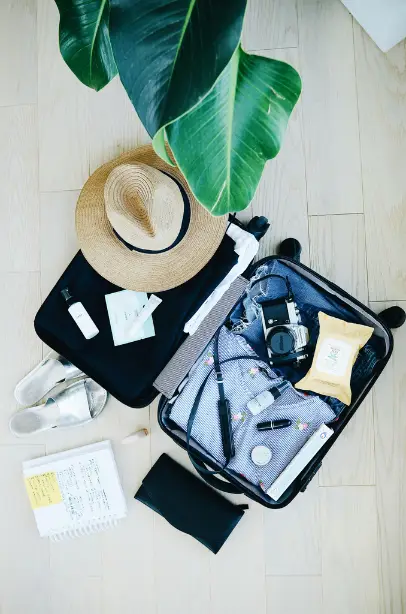
Bolivia means a temperature fluctuation of 30 degrees within a single day. The days are sunny and pleasant, but in the desert, nights drop to -10°C. Layered clothing is essential: light clothes for the day, a warm jacket for the night, and a hat and gloves for dawn at 5000 metres.
At this altitude, UV rays are significantly stronger. SPF 50+ and a peaked cap are a necessity, not an option.
Clothing
Warm Jacket (desert nights down to -10°C)
Hat, gloves, and scarf for the cold
Sun visor cap
GEAR
Undergarments and Socks
External Battery (power bank)
Raincoat
Long and short trousers
One or two light outer garments
Light Windbreaker
Light and comfy walking shoes
Personal Medications
Small Carry-On Suitcase
Trekking Shoes
Sunglasses
T-shirts
Thermos and/or Water Bottle
Beach or Shower Slippers
Sunscreen SPF 50+