Why Tromsø?
The best time and SPOT for the Northern Lights
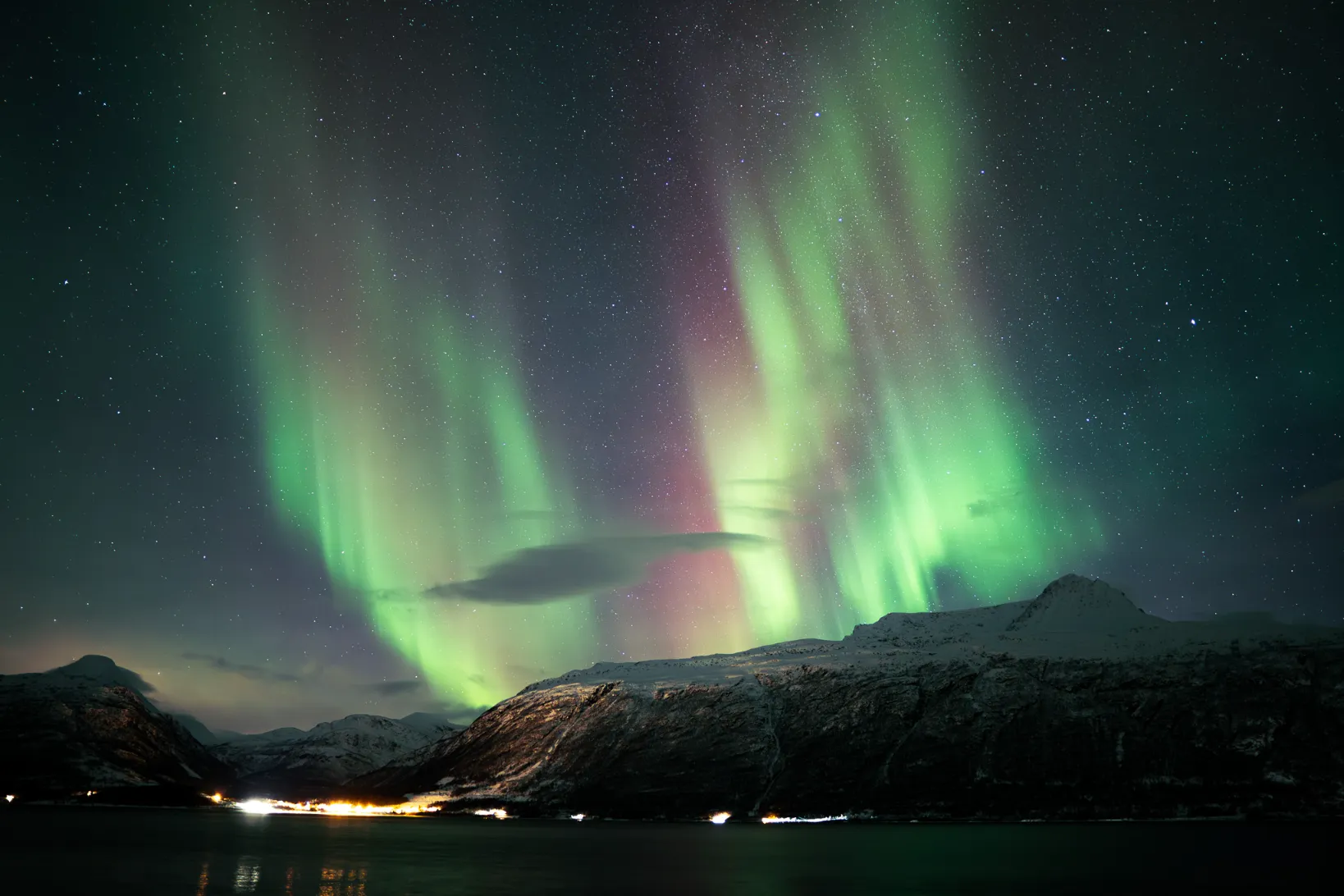
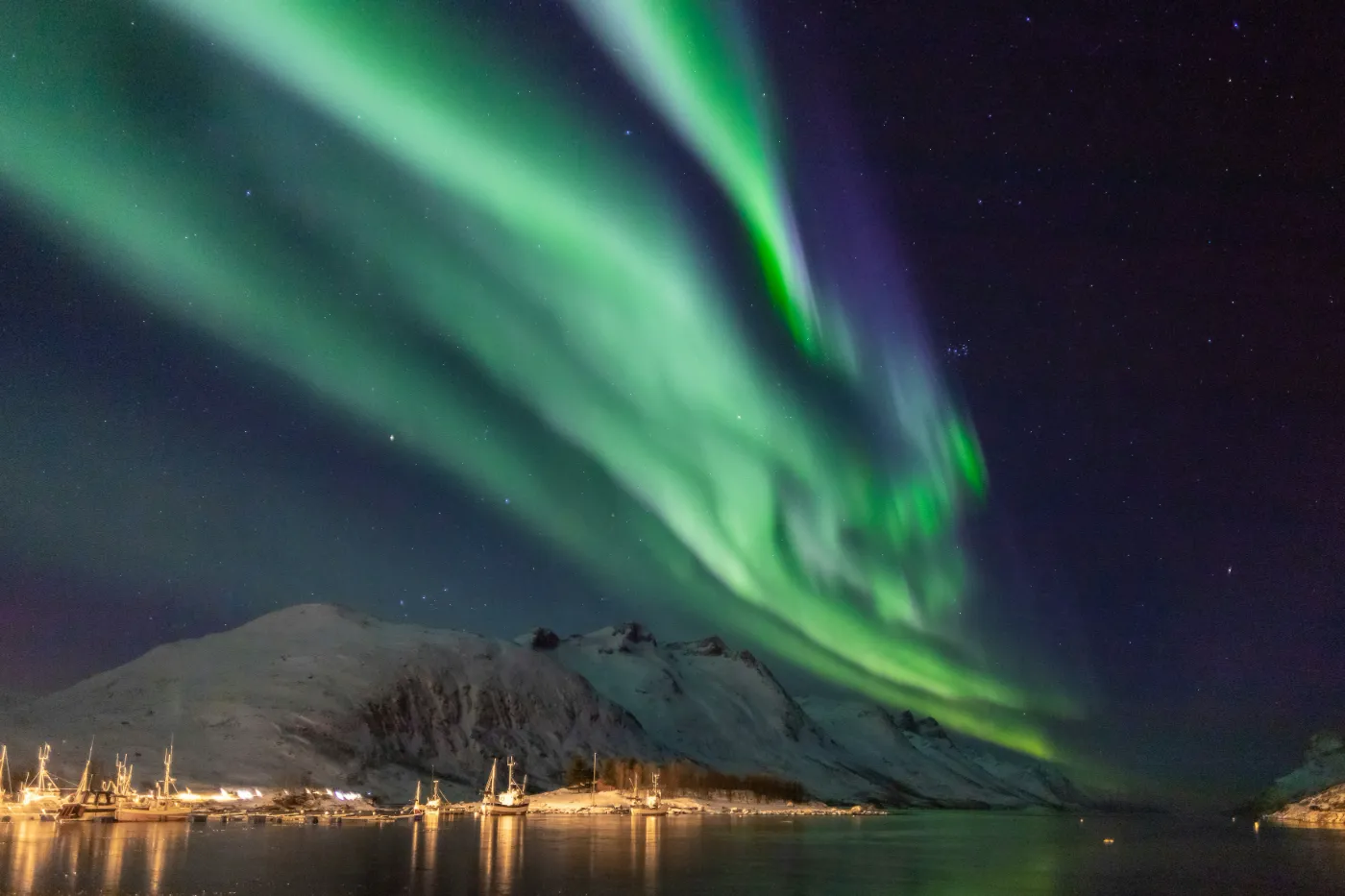
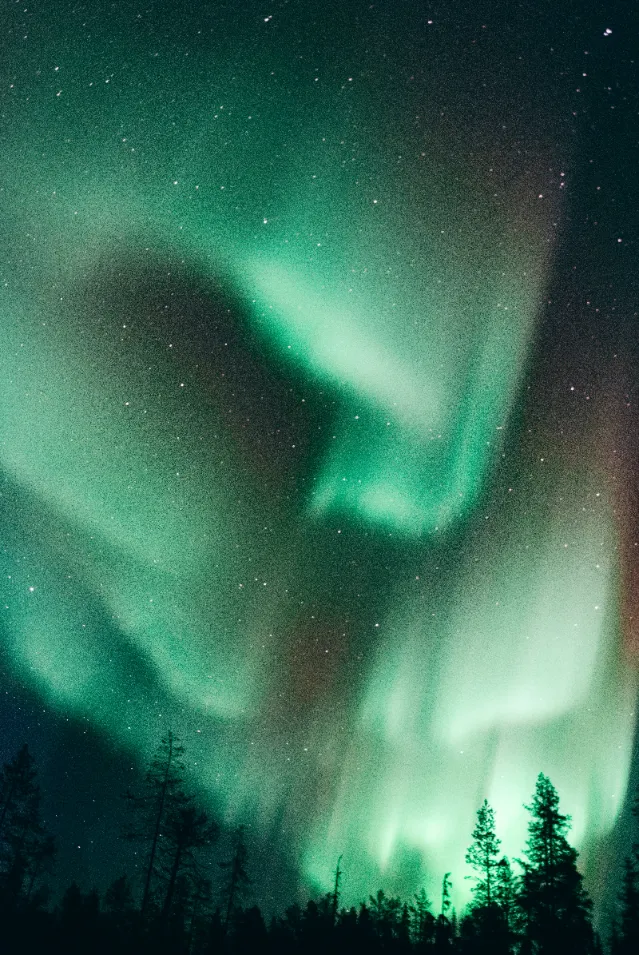
Tromsø is the magic of the Arctic – the city under the auroral oval itself, where the sky dances green and purple almost every clear night. November is the prime month for observation: new moon, long polar nights, and peak solar activity. We can't give you a guarantee – because the Aurora is a natural wonder – but we've selected the dates and conditions to maximise your chances of seeing it.
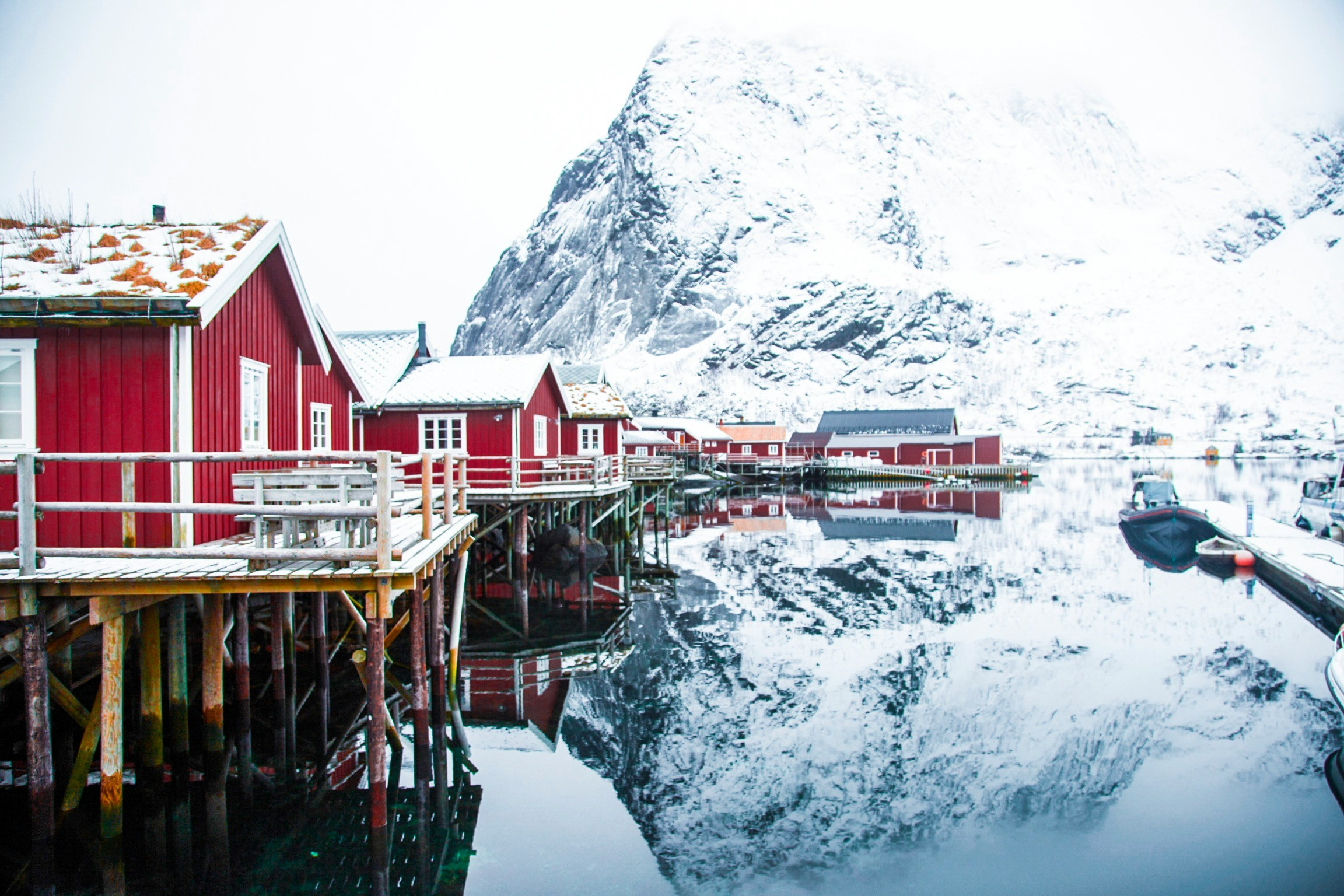
And when you're not gazing at the sky – the sea around Tromsø teems with life. Enormous humpback whales and orcas arrive for the seasonal herring feast. On land, dog sleds await you, the Sami culture beckons, and the views from the Fjellheisen lift astound. This is Norway beyond the pictures – raw, wild, and enchanting.
Is this journey meant for you?
Challenge
Comfort
Nature
Culture
This is a journey for those who wish to feel the might of the Arctic - from the celestial lights to the call of the whales.
We will ride boats, drive sledges, warm ourselves by the fire at the Sami camp, and wait for the sky to burst into colours.
Upcoming Journeys
-
SOLD OUT
About the Journey
Aurora Borealis - the Northern Lights
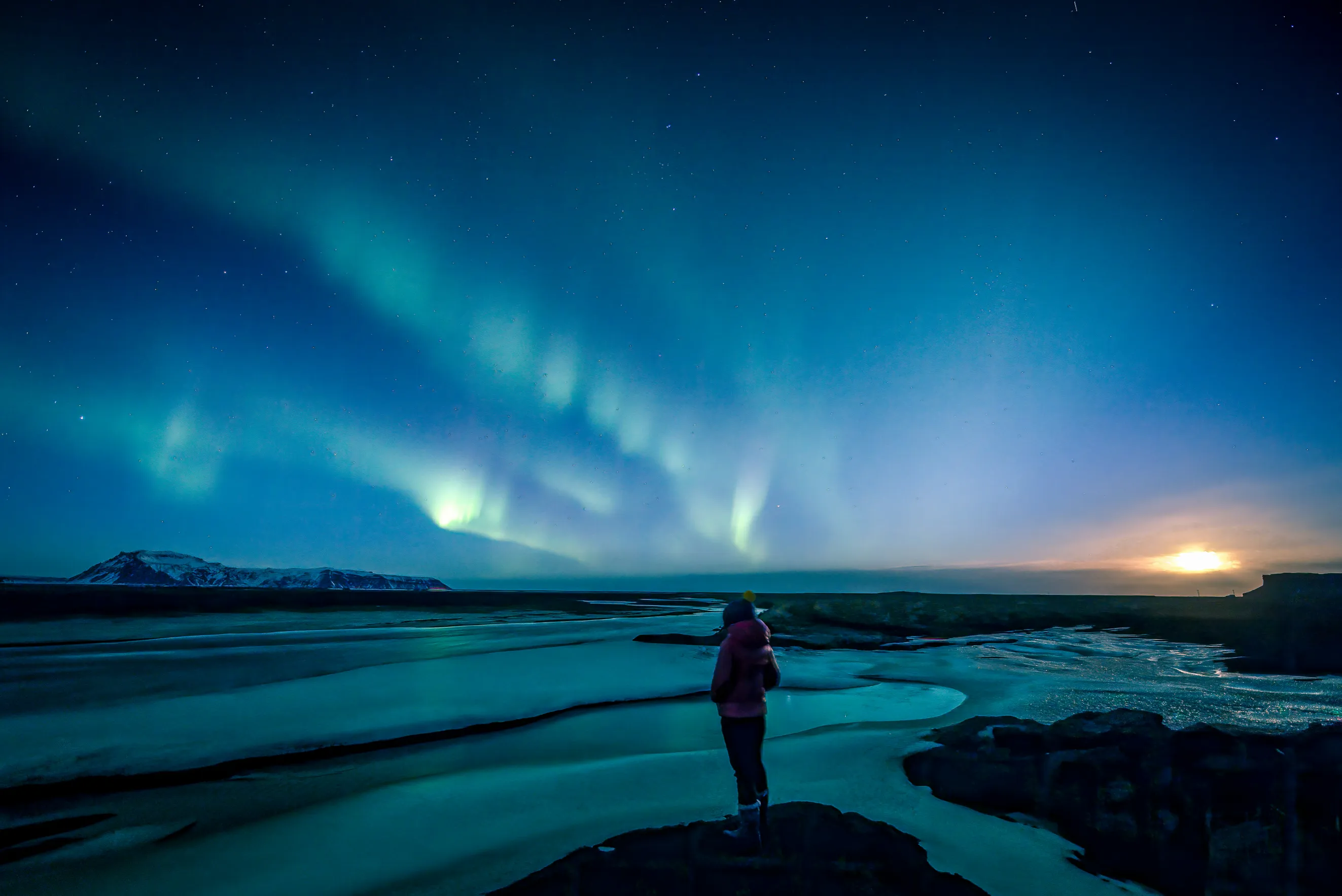
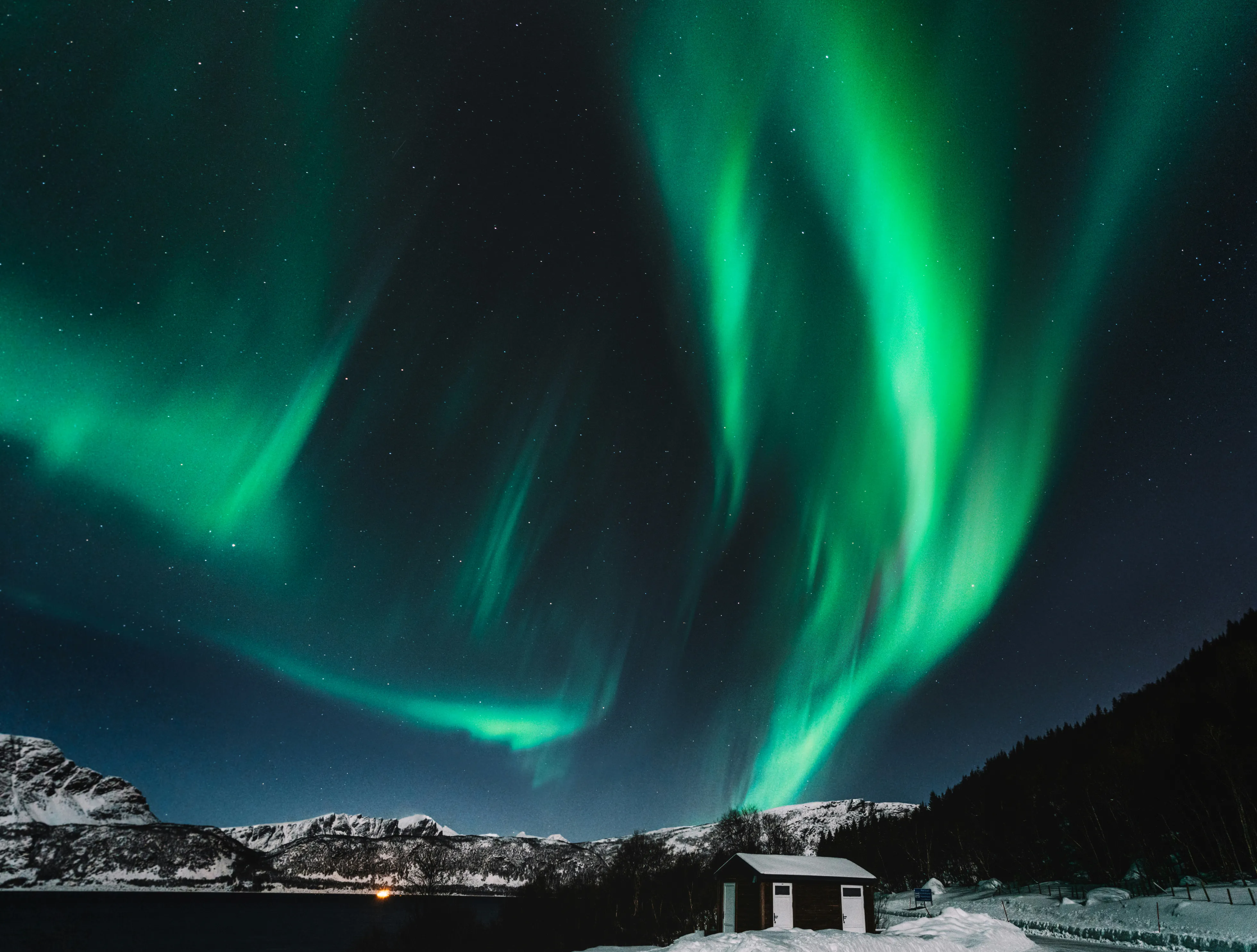
2025 is a golden year for the Northern Lights – the solar cycle is at its peak, and the chance for the sky to explode in green, purple, and red is the highest in a decade. Our journey coincides with a new moon, when darkness is complete, and the colours are most vivid.
Tromsø is among the most magical places on Earth to chase the Northern Lights – situated high in the Arctic Circle with access to various microclimates. This means that even when the sky over the city is cloudy, our guides know where to take us – sometimes to the shores of the fjords, other times deep inland, and if necessary, all the way to neighbouring Finland.
Our mission is simple: to maximise the chance to witness the celestial dance. The probability of seeing the lights over several nights is more than 80%. Sometimes it’s a faint green glow on the horizon, other times a burst of colours enveloping the entire sky.
On these nights, there are no guarantees – just patience, cold, and long hours under the Arctic sky. But when the lights come to life, time stands still. It’s an experience that lasts a lifetime.
The Marine World
Orcas and Humpback Whales
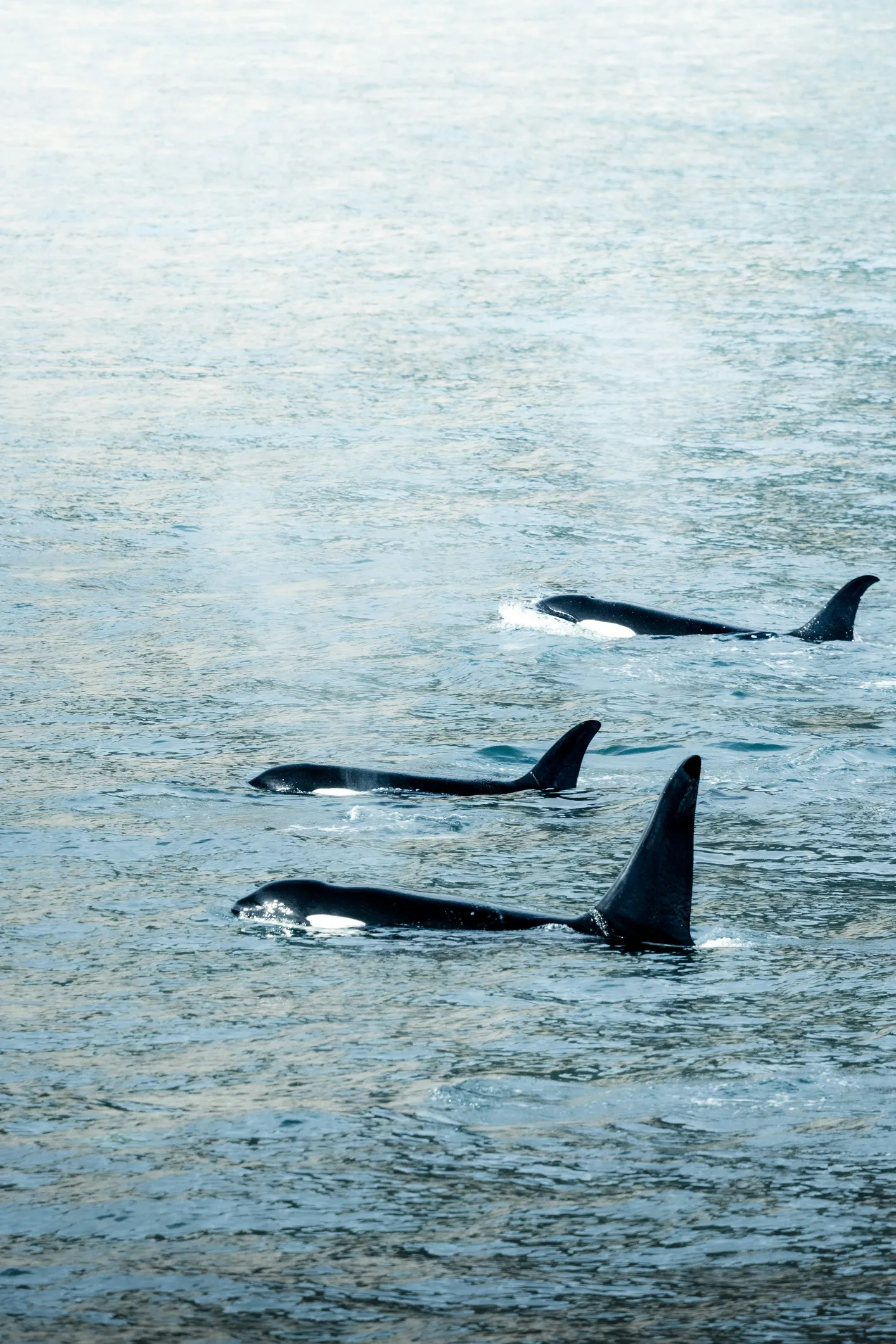
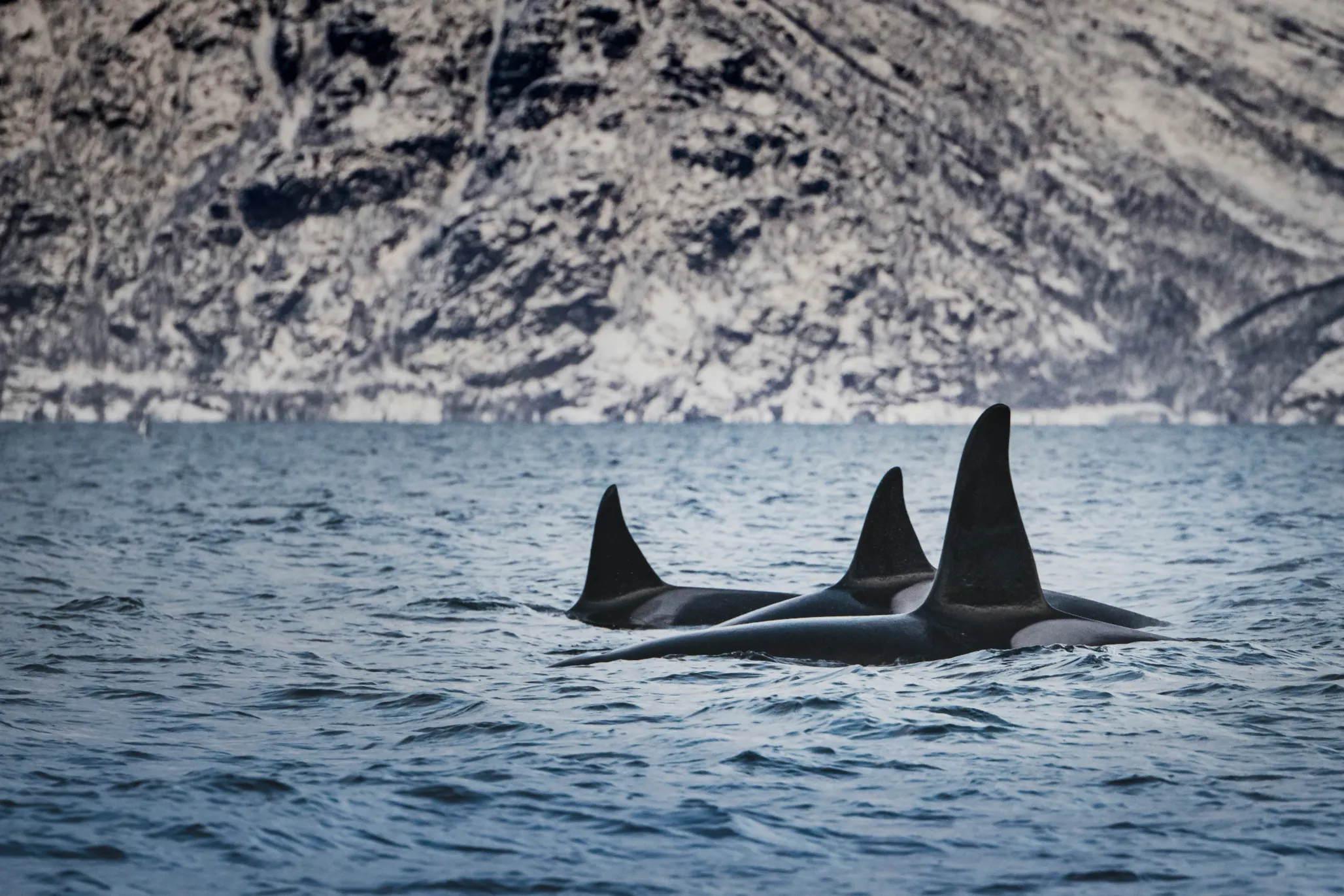
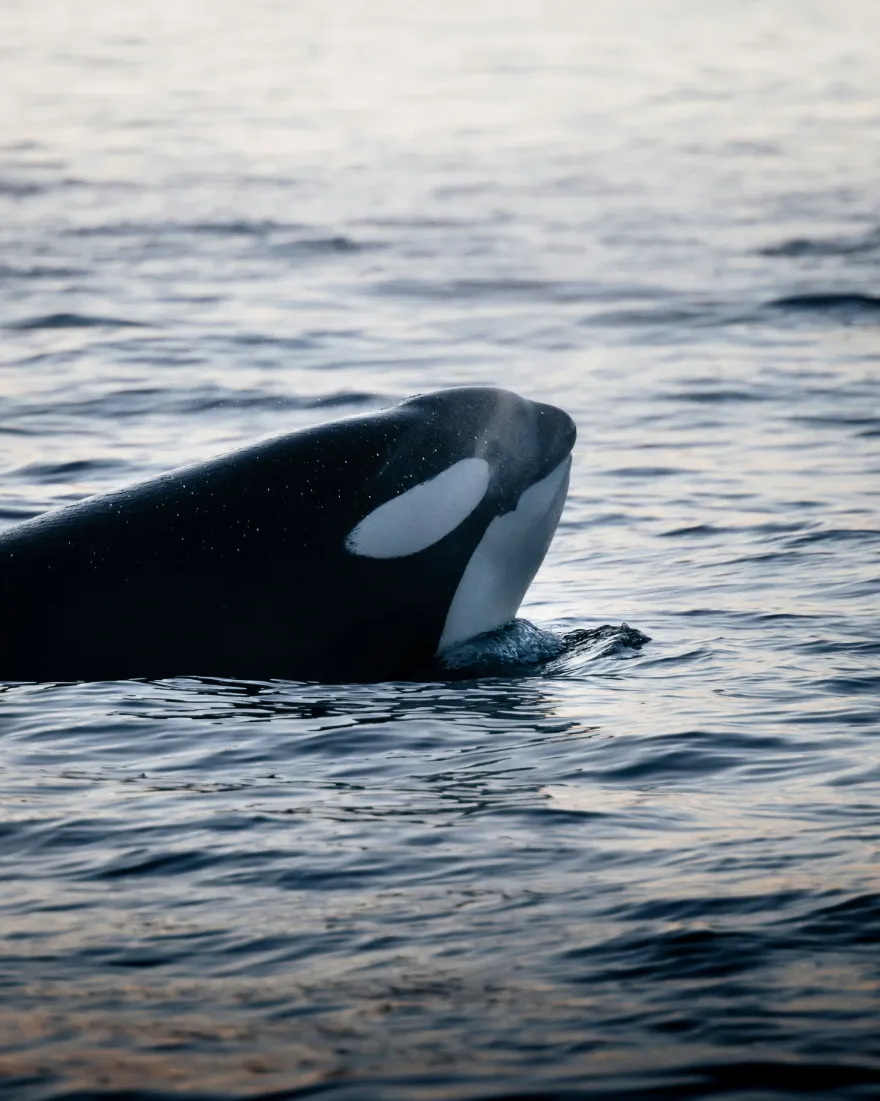
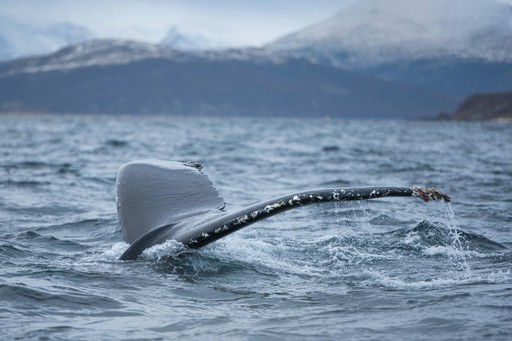
Winter in Tromsø is a season of underwater wonders. Between November and January, the fjords fill with millions of herring, attracting majestic humpback whales, playful orcas, and sometimes even fin whales and sperm whales. This is one of the few places in the world where these giants come so close to shore – the chances of spotting them during this period are exceptional.
Our safari is conducted with special hybrid-electric boats that shift to a fully silent mode as we approach the whales. This way, we don't disturb their peace, and the feeling of watching them in the silence of the Arctic fjords is even more thrilling.
We will sail through the snowy landscapes of the Arctic, in the rare hours of the polar light – that soft blue-golden glow that makes the atmosphere almost otherworldly. When the giant back of a whale breaks the surface next to the boat or the orcas approach in a graceful group, time stops. This encounter stays deeply etched in memory – as impressive as the Northern Lights.
Ancient Traditions
Elk and Sami Culture
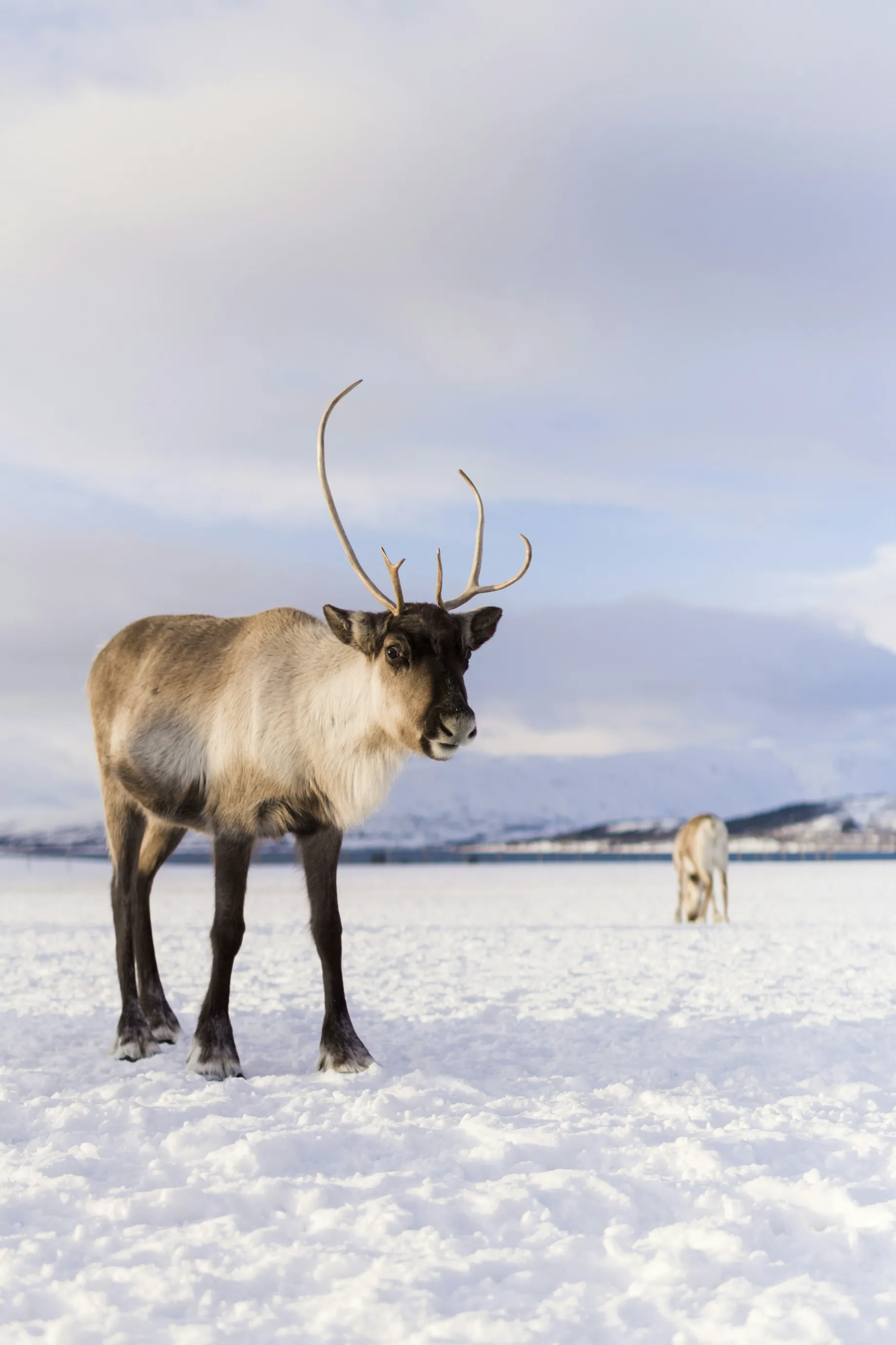
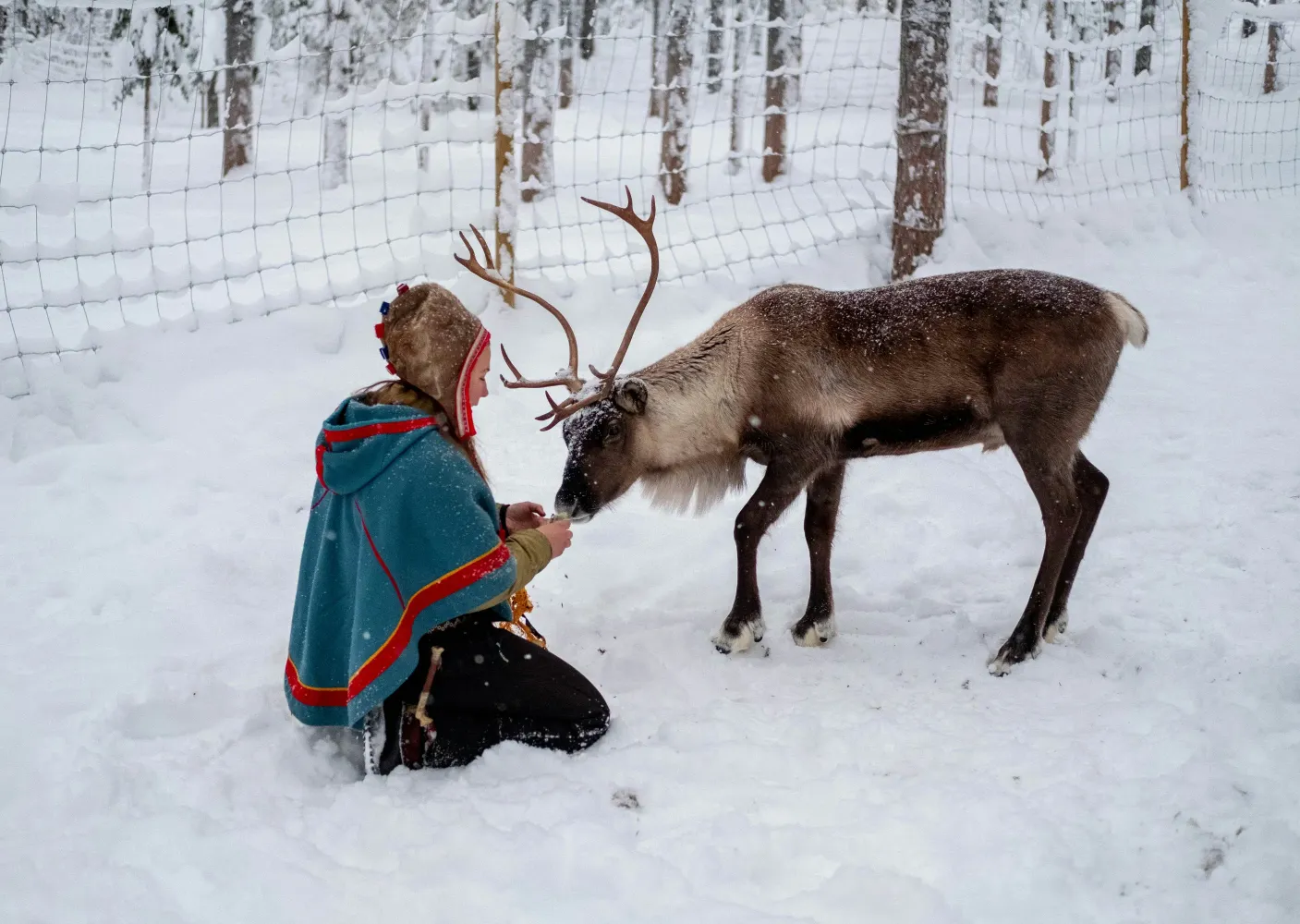
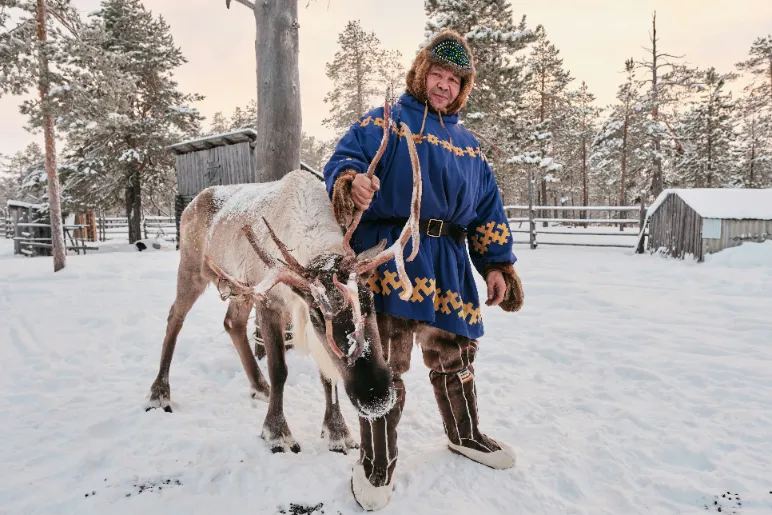
The Arctic is not just nature – it is also the home of Europe’s oldest indigenous people – the Sami. On the outskirts of Tromsø, a family will welcome us, preserving their centuries-old traditions. We will get to know their reindeer up close, feed them, and even try our hand at lasso throwing – a practice that is still a part of their daily life.
After meeting the animals, we will gather in a lavvu – the traditional tent of the Sami, around the fire with the aroma of hot stew. There, we will hear stories about their way of life, the challenges of Arctic winters, and experience the magic of joik – the ancient song that echoes like the voice of the tundra itself.
If the snow is sufficient, we can try an authentic Arctic journey with sleds pulled by reindeer. In any scenario – with or without the ride – a day with this people is one of the purest and most sincere experiences that the Arctic can offer.
Forest Adventures
Dog Sledding
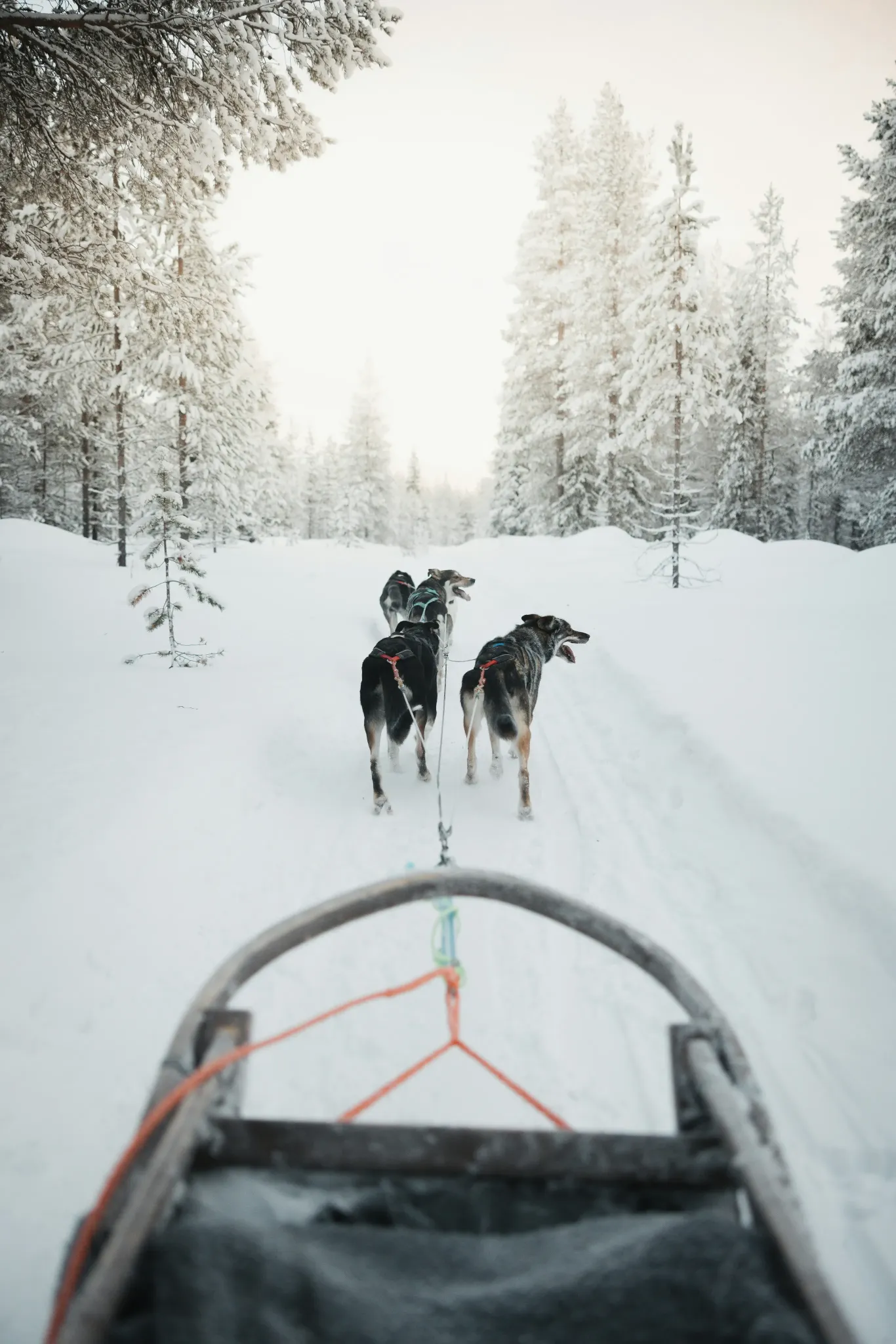
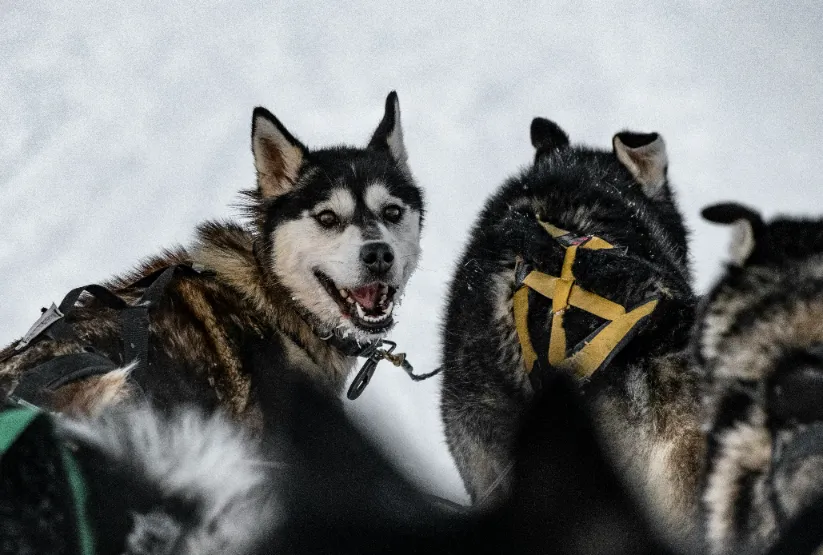
Nothing says 'Arctic' quite like huskies racing across the snowy wilderness. Our adventure begins with a journey through mountains and fjords, until we reach a remote valley – a place where the silence is broken only by the breath of the dogs and the creak of sleds over the snow.
After a brief briefing, we will harness our own team of huskies and set off on the Arctic travel route, alternating the role of musher – the sled driver – and passenger, simply enjoying the views. The sensation of controlling a team of dogs that instinctively knows the way through the snowy tundra is both thrilling and completely authentic.
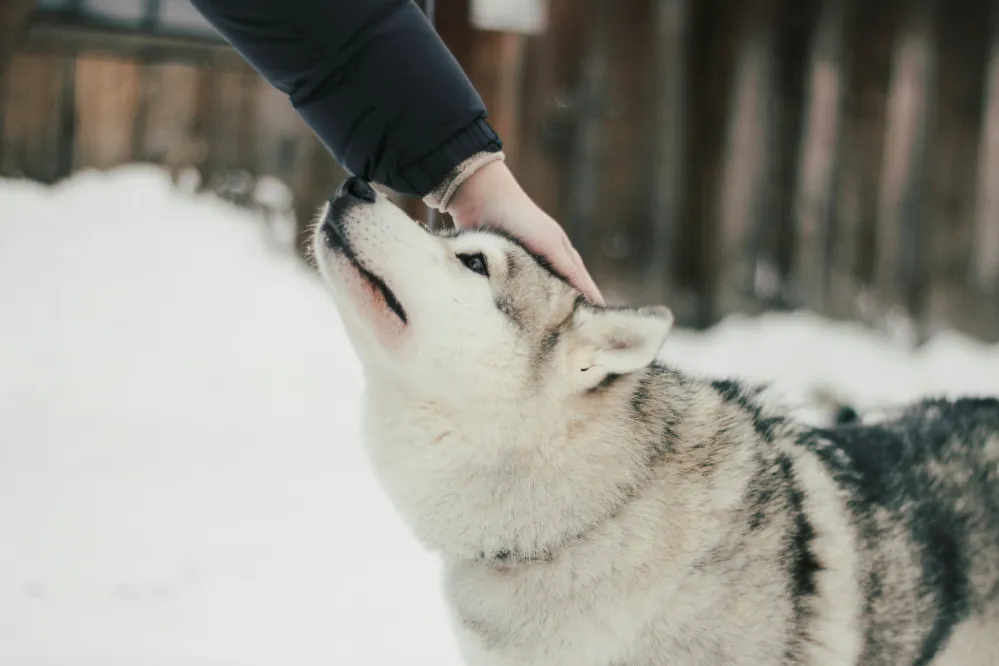
The trails are suitable for beginners, yet long enough to capture the true Arctic freedom. Between runs, we'll warm up with hot food and drinks, get to know the animals up close, and hear their stories from experienced guides.
This is one of those experiences that embodies the spirit of the North – rugged, beautiful, and endlessly alive.











FAQ
Frequently Asked Questions
Is something unclear?
+359 887 293 757
What's included in the price?
Aurora tour, Sami experience with reindeer, dog sledding, whales and orcas, accommodation in cabins, flights with one layover, all transfers, professional guides and photo assistance.
Do I need a visa for Norway?
No. Bulgaria has been a full-fledged member of Schengen since 1 January 2025. You enter with an ID card or passport, with no restriction on the length of stay.
What currency is used in Norway?
The Norwegian Krone (NOK) is the official currency. Norway is almost entirely a cashless society, with card payments even accepted in the smallest shops and cafés. Cash is rarely needed. ATMs are everywhere. Norway is not in the EU and does not accept the Euro. The exchange rate is approximately 1 EUR = 11-12 NOK.
Will we definitely see the Northern Lights?
No one can give a 100% guarantee – it's a natural phenomenon. But this November is still in a period of high solar activity, and Tromsø is one of the best SPOTS in the world. The likelihood of seeing it over the week is around 75–80%. Our guides will lead us to well-known SPOTS outside the city to find the clearest skies. And we’ve secured two tours to maximize our chance to relive last year’s views!
Is it cold and what should we wear?
In November, temperatures range between –5°C and +3°C. You will need warm layered clothing, waterproof shoes, and thermal underwear. For the Aurora chase tours, we are provided with thermal suits and boots.
Can I participate if I'm not a professional photographer or drone pilot?
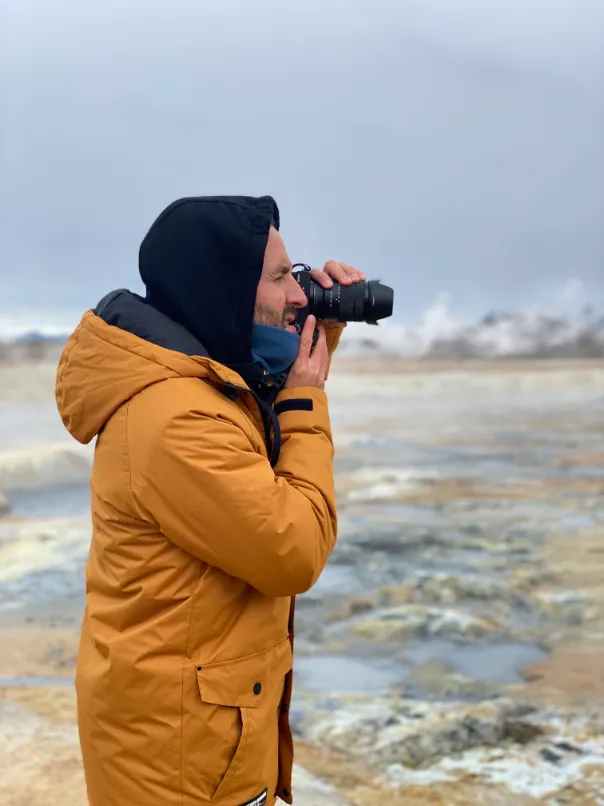
Certainly. Travel is for everyone – from hobbyists to professionals. Marto will share photography tips suited to your level and the equipment you're using.
What are the accommodation villas like?
We settle into cosy villas/apartments with Scandinavian design and shared spaces for the group – a place for evening chats, photos, and sharing experiences.
How do we get around? Do we need to have cars?
No. All tours include transfers. The city is compact and can be explored on foot or by bus.
What happens if the weather turns sour?
Aurora chase tours always set off as guides seek out clear areas beyond the city. For whale watching and dog sledding tours, there's a plan B (rescheduling for another day or substitution) if conditions do not allow for the activity to take place.
Is food included?
Some tours include food and drinks. For the remaining days, dining is flexible - either at the lodges or in the fantastic restaurants and cafes of Tromsø.
What's the weather like in Norway?
It depends on the season and region. Winter (Tromsø, November-February): -4 to 0°C, polar night, but a chance for the Northern Lights. Summer (June-August): 12-20°C, midnight sun in the north. Fjords (south): milder, 15-25°C in summer. Norway is warmer than its latitude suggests, due to the Gulf Stream. The weather changes rapidly, layering is essential.
Is there daylight at this time?
Yes, but it's brief, around 5-6 hours. The sun hangs low, casting a soft, warm light that photographers love. Sunset is in the afternoon, and the nights are long, perfect for aurora hunting.
Will we be able to fly with drones?
Yes, but outside the centre of Tromsø and the area around the airport. In nature - by the fjords, mountains, and during daytime activities, there are wonderful conditions. Local safety rules will be respected.
Can I fly a drone in Norway?
European EASA regulations apply. If your drone has a camera or sensors, you must register the planned use with the Norwegian National Security Authority (NSM). Insurance is mandatory. 5 km from airports. Many national parks prohibit drones during the breeding season. Check the specific rules for each park.