The Best Photography Spots in Namibia
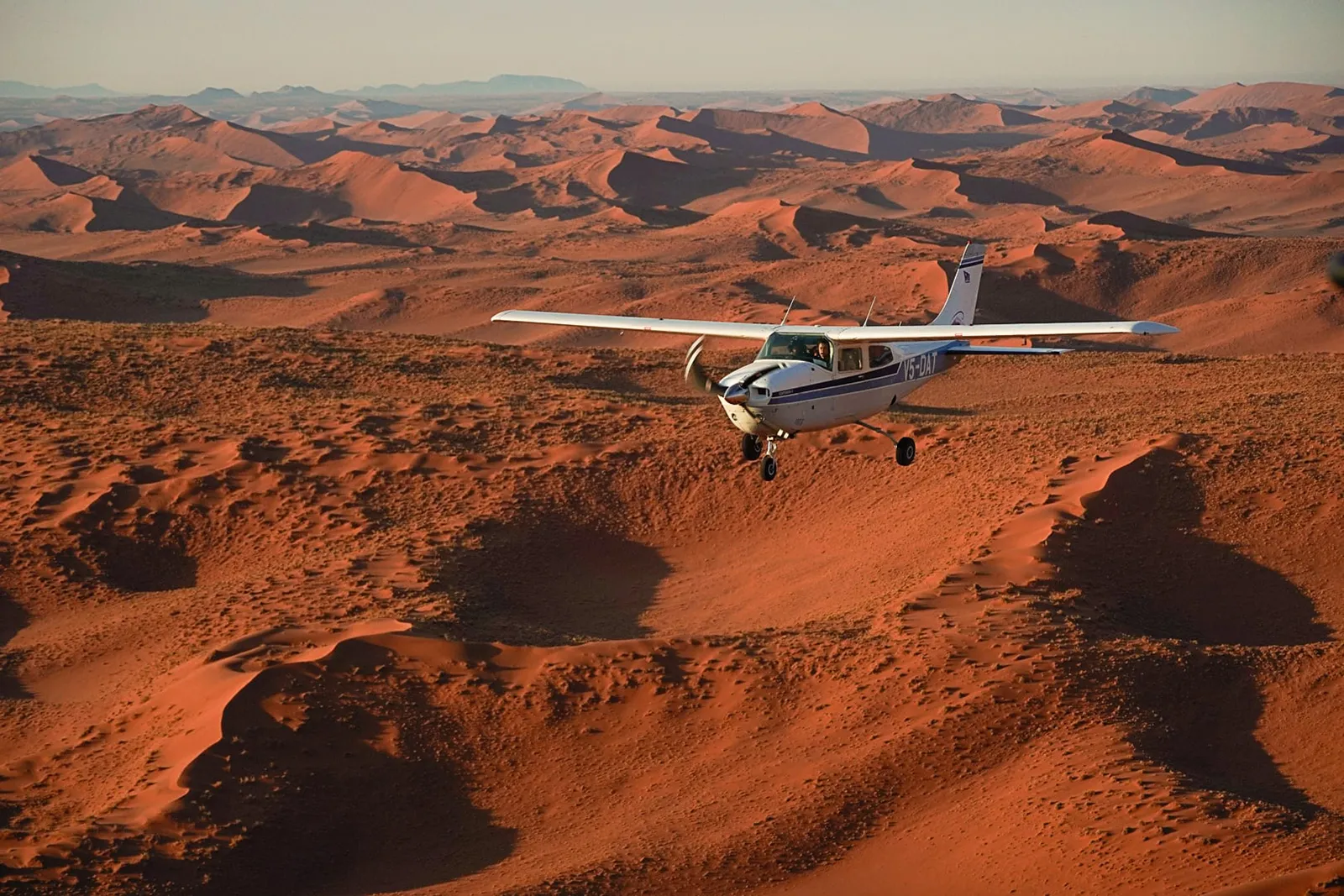
Namibia is a photographer’s paradise, where the shifting light and raw landscapes conspire to create unforgettable frames. Discover the ultimate spots to capture, from the towering red dunes of Sossusvlei to the untamed wilderness of Etosha.
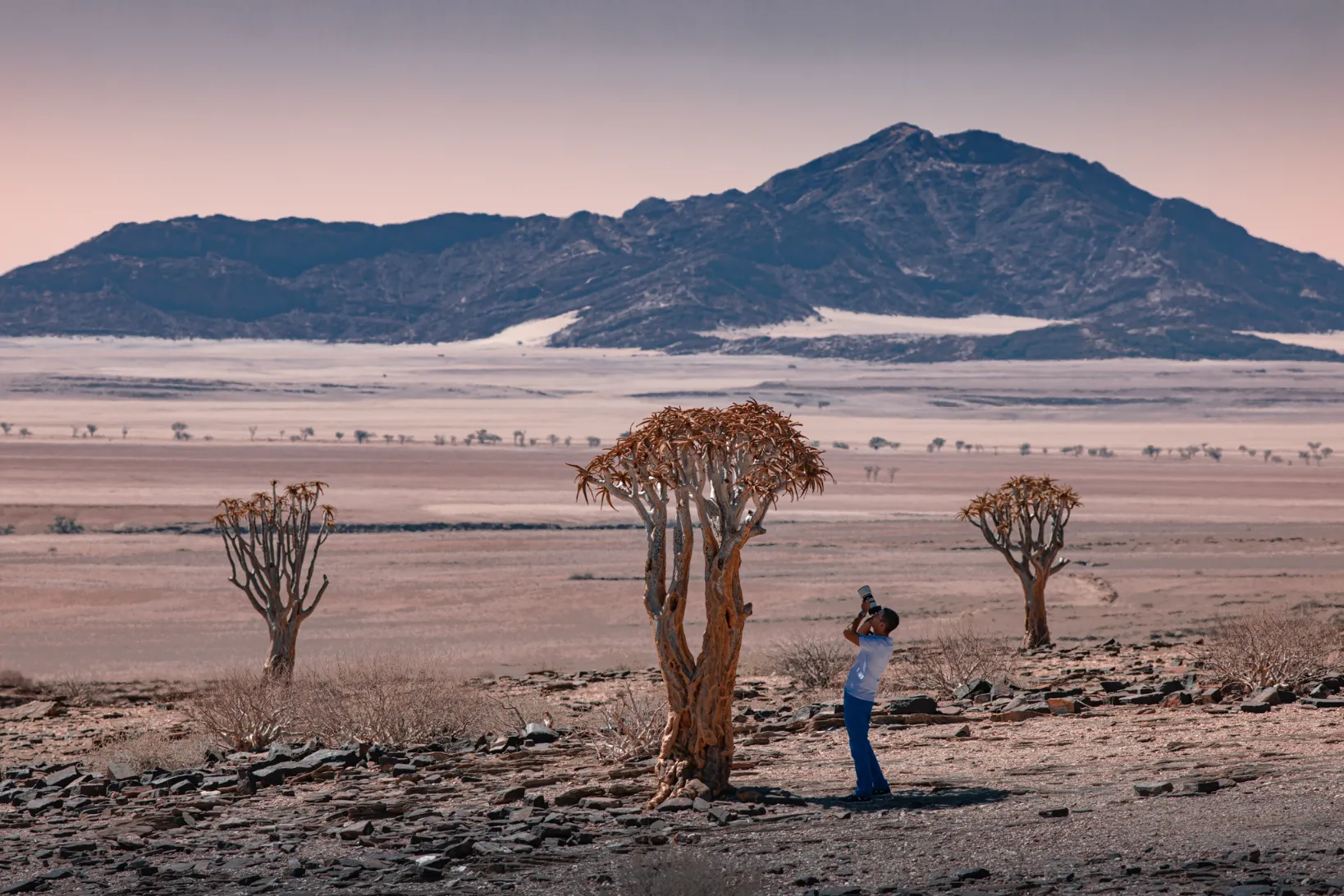
Namibia is more than just a destination. It is a canvas for dreamers with a camera in hand. Every kilometre reveals a new frame; every shift in light tells a new story. In a land where the sky meets the earth in endless hues, photography becomes less about capturing a moment and more about truly living it.
Here are the ultimate spots where light and time merge into pure emotion:
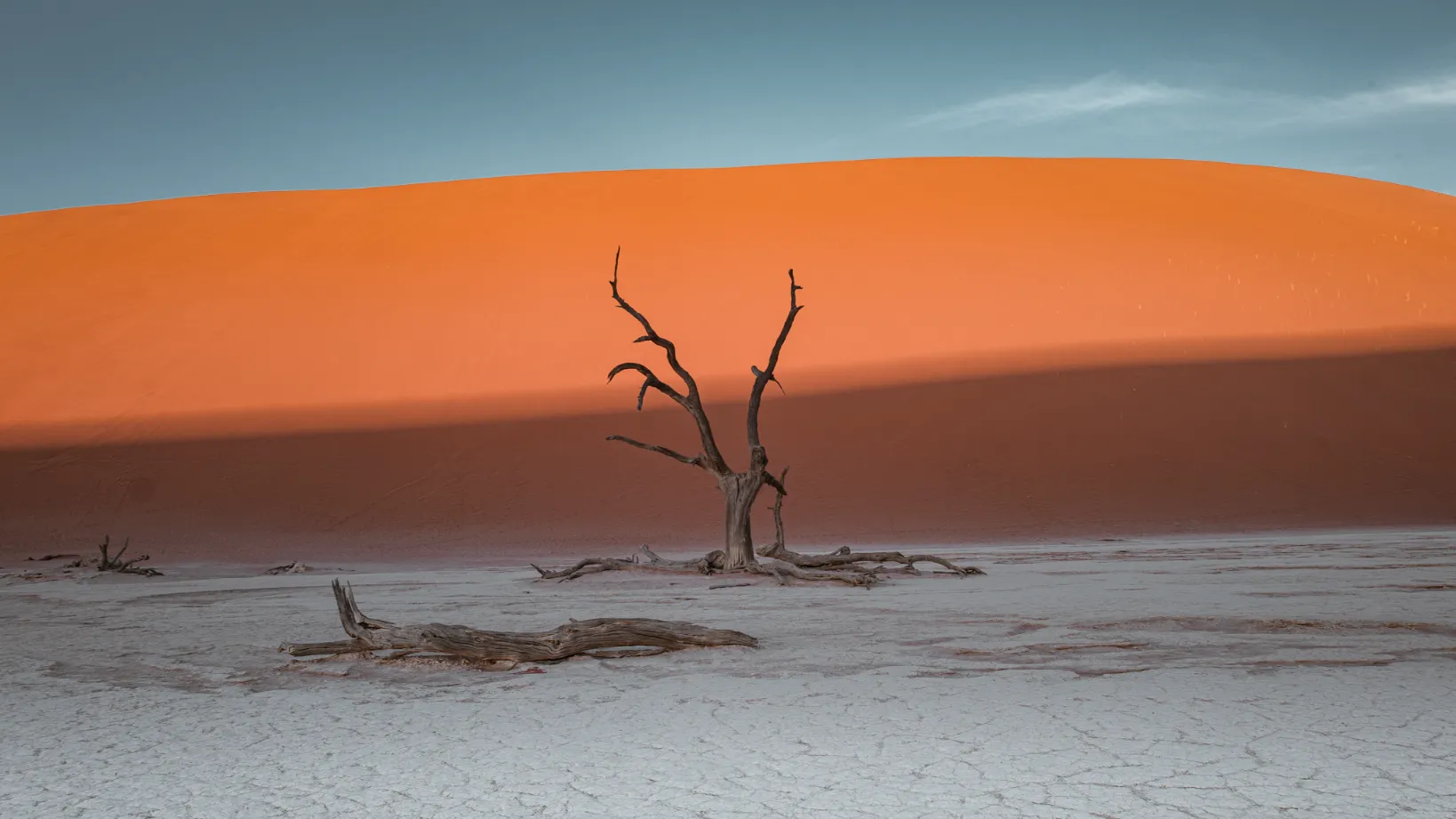
1. Sossusvlei and Deadvlei – The Realm of the Red Dunes
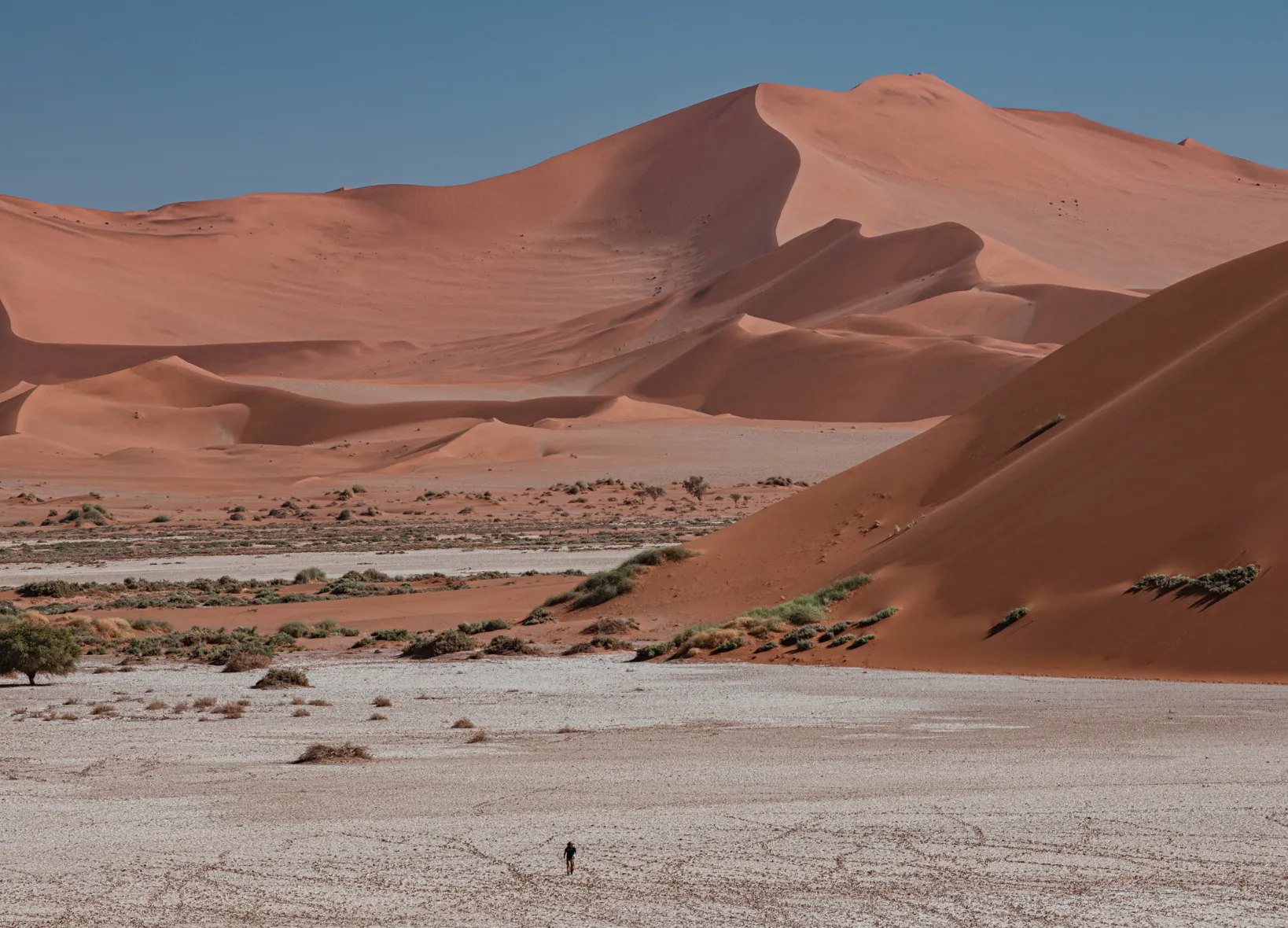
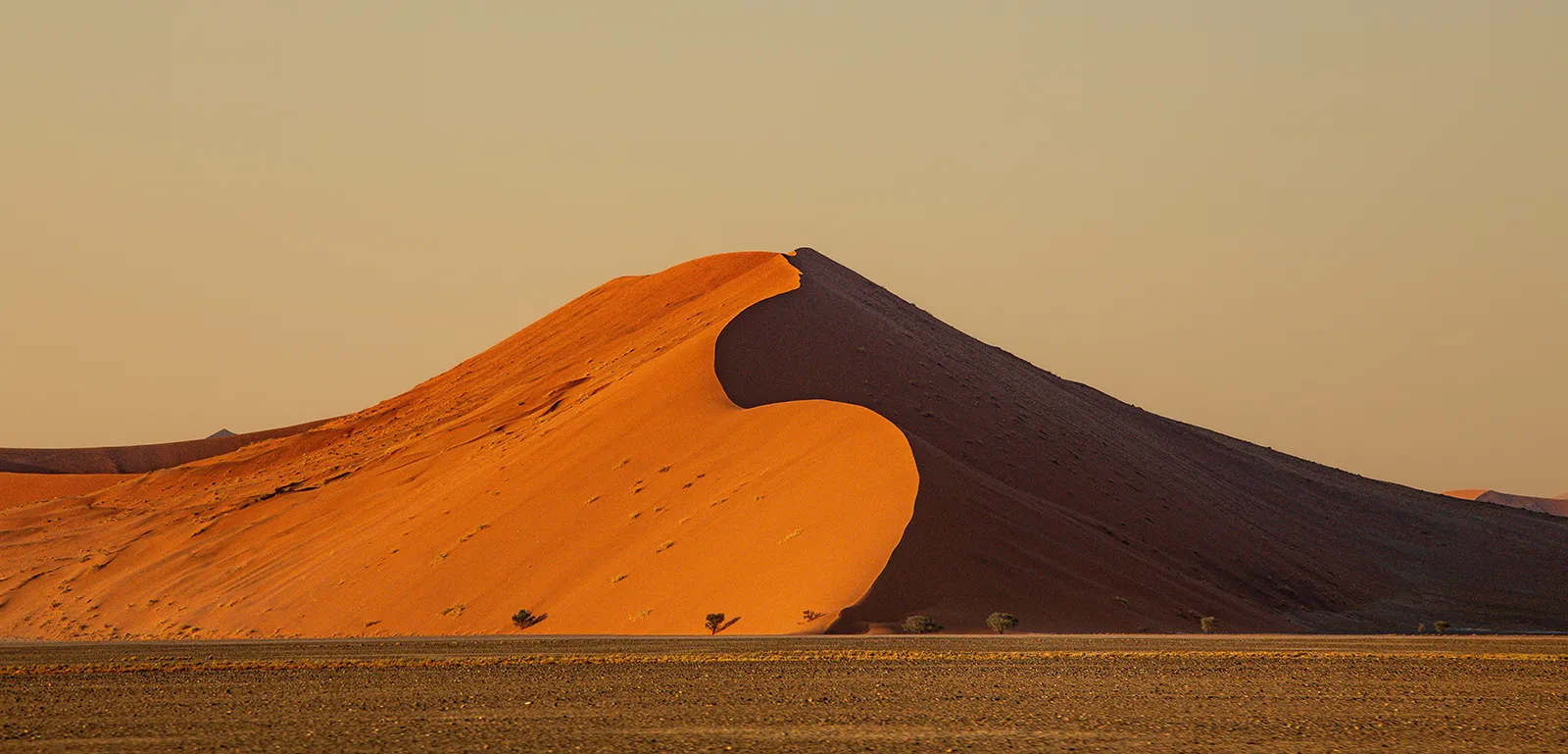
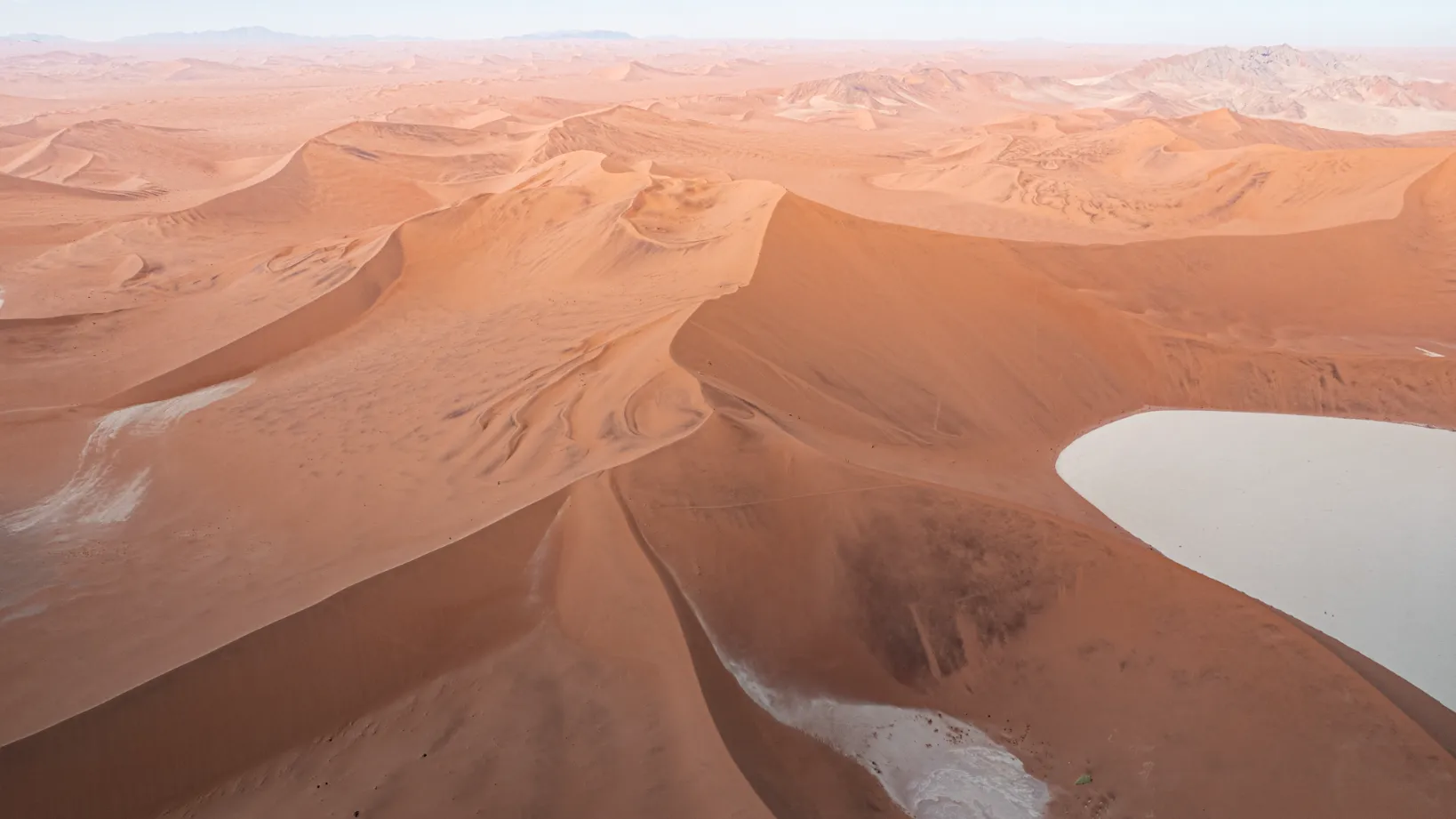
If there is a place where light dances on the sand, this is it. Deadvlei, with its blackened, skeletal camel thorn trees set against a white clay pan and framed by fiery red dunes, is one of the most photographed (and otherworldly) sights on the planet.
Best time to shoot:
Sunrise – when the shadows are long and dramatic
Sunset – when the colours turn deep and warm
2. Spitzkoppe – The Stone Cathedrals
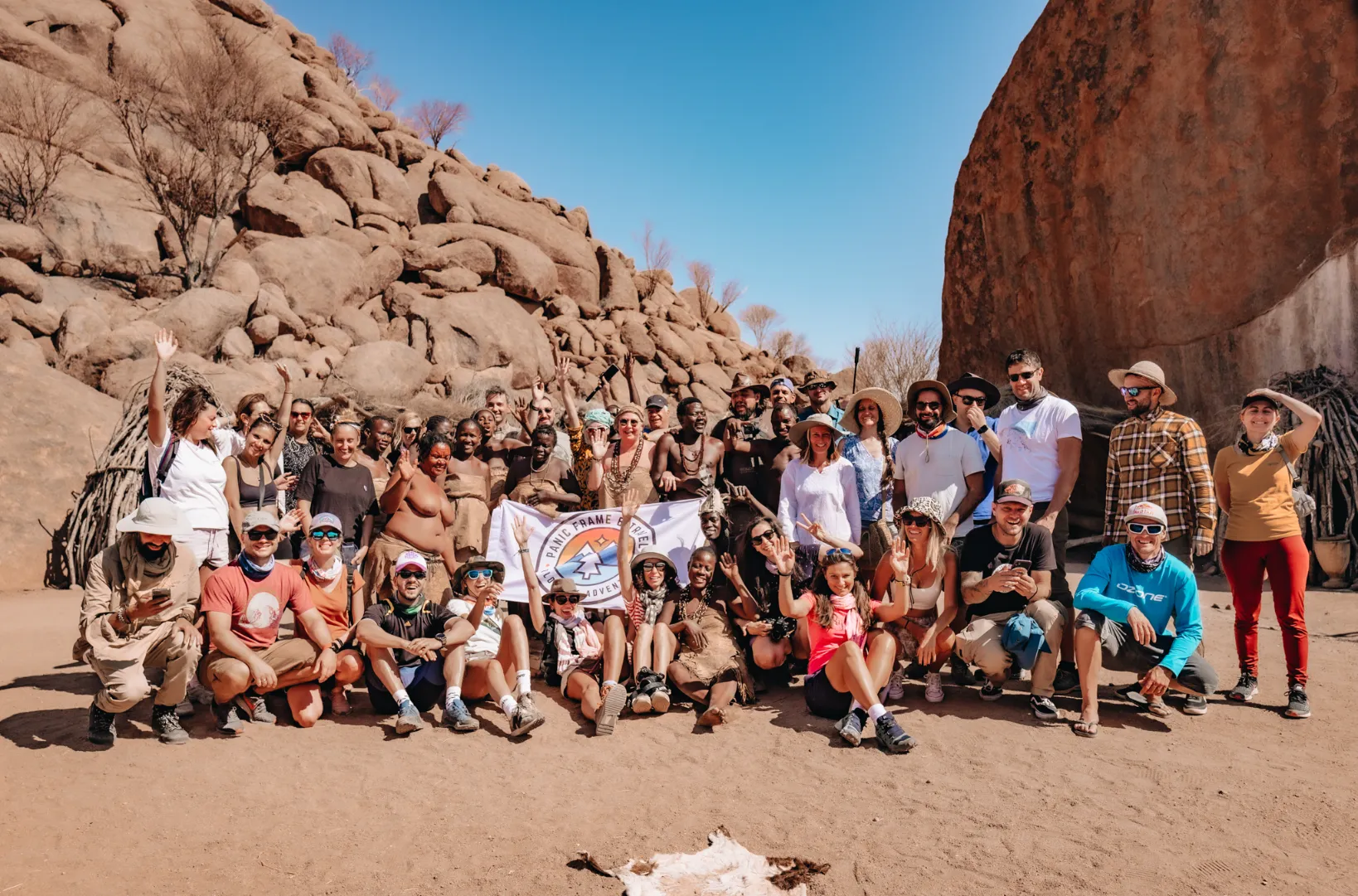
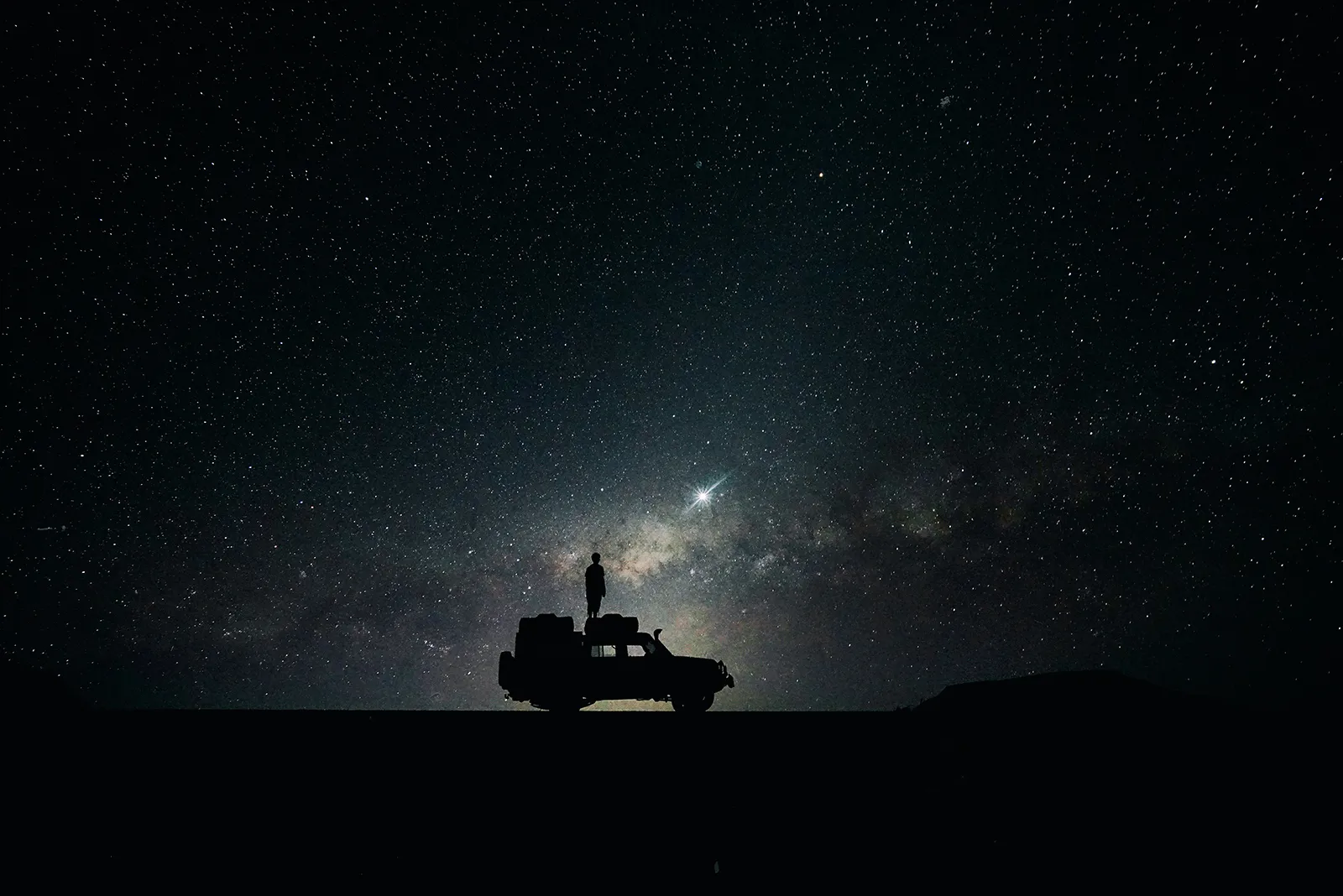
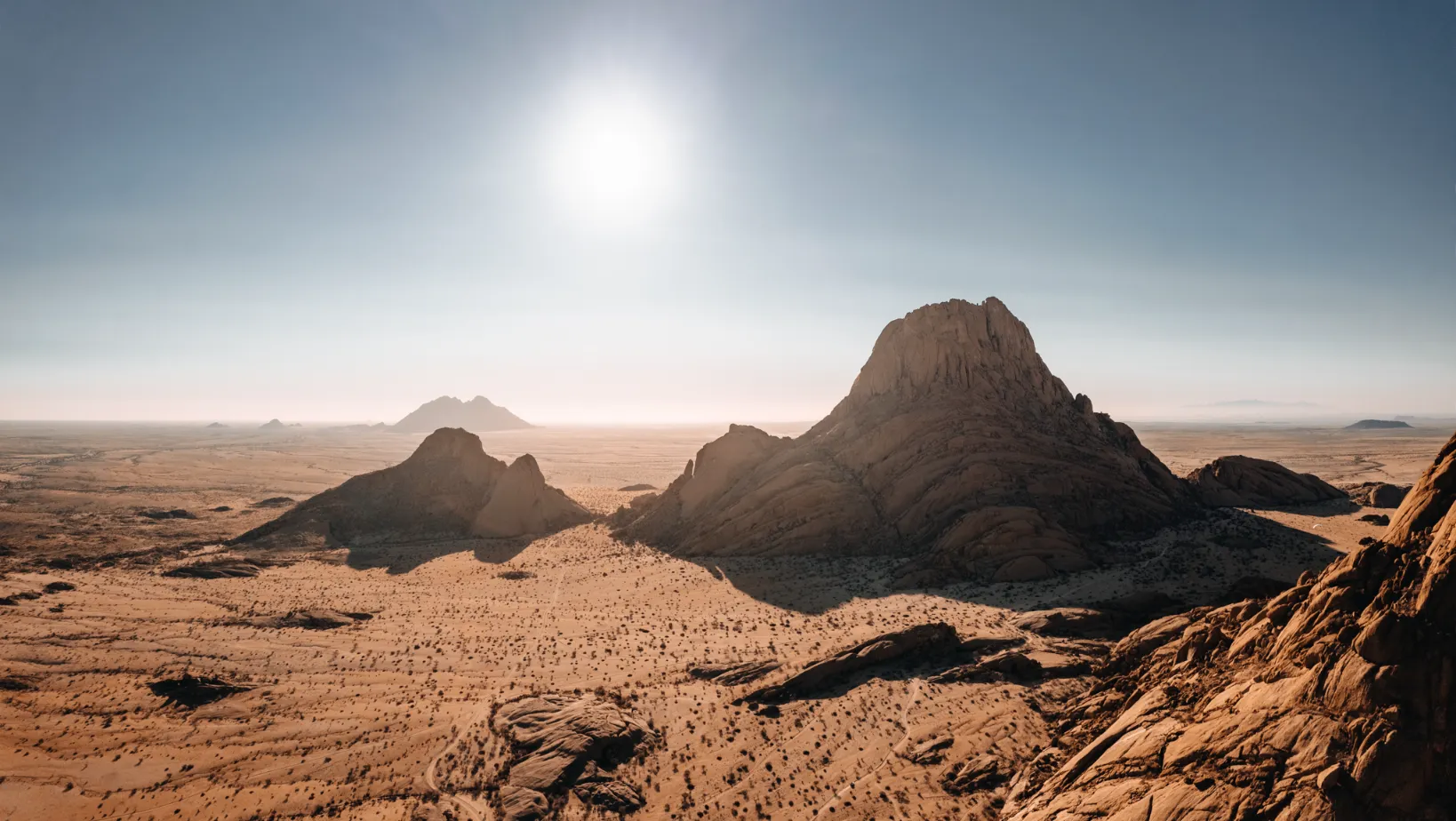
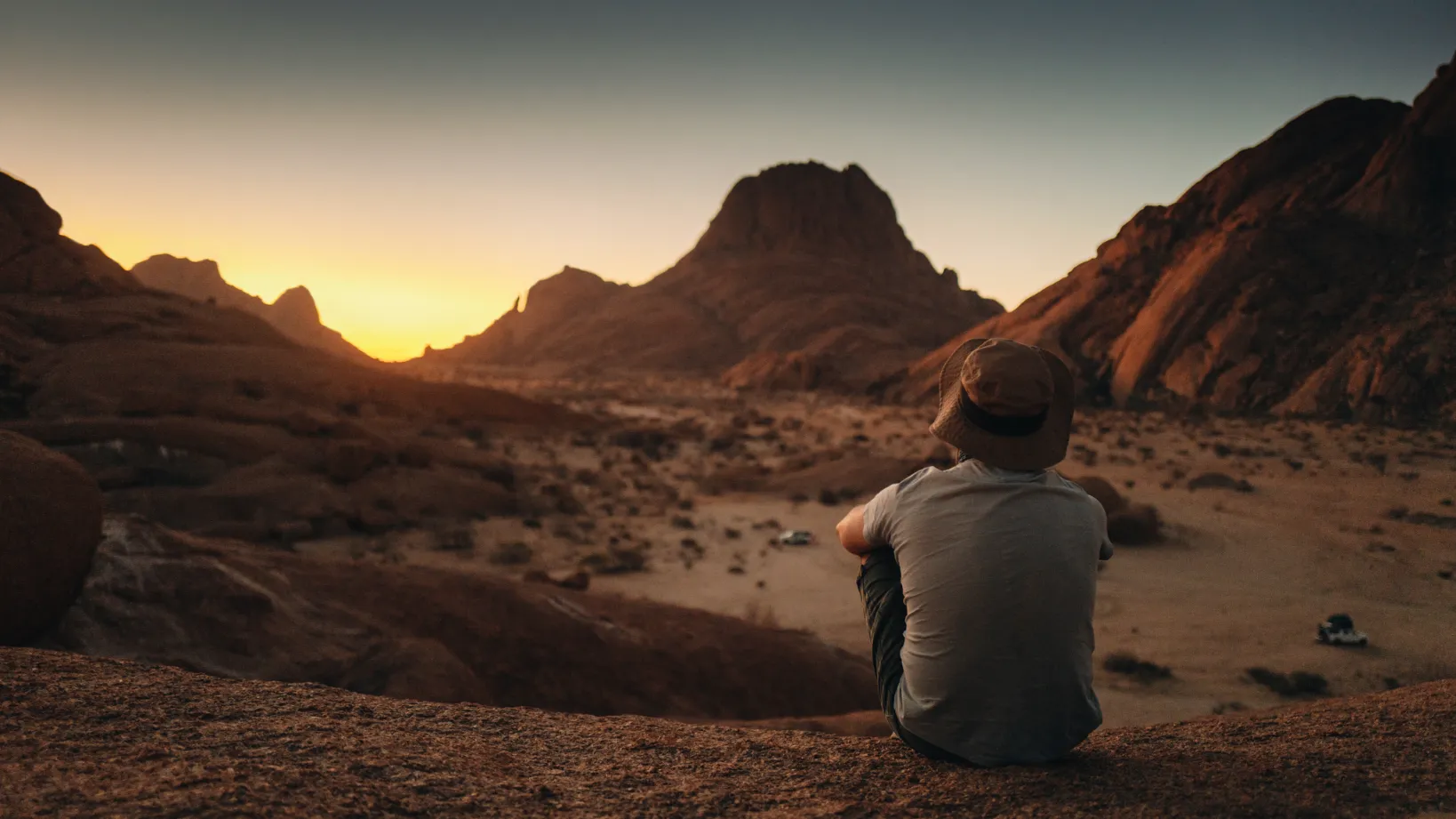
Colossal granite domes carved by the hand of time. Here, the night sky erupts into millions of stars, with a natural stone arch perfectly framing the galaxy above. If you are lucky enough to catch a new moon, you will capture the Milky Way in all its glory, aligned with the horizon around 10–11 pm.
3. The Skeleton Coast – Shipwreck Alley
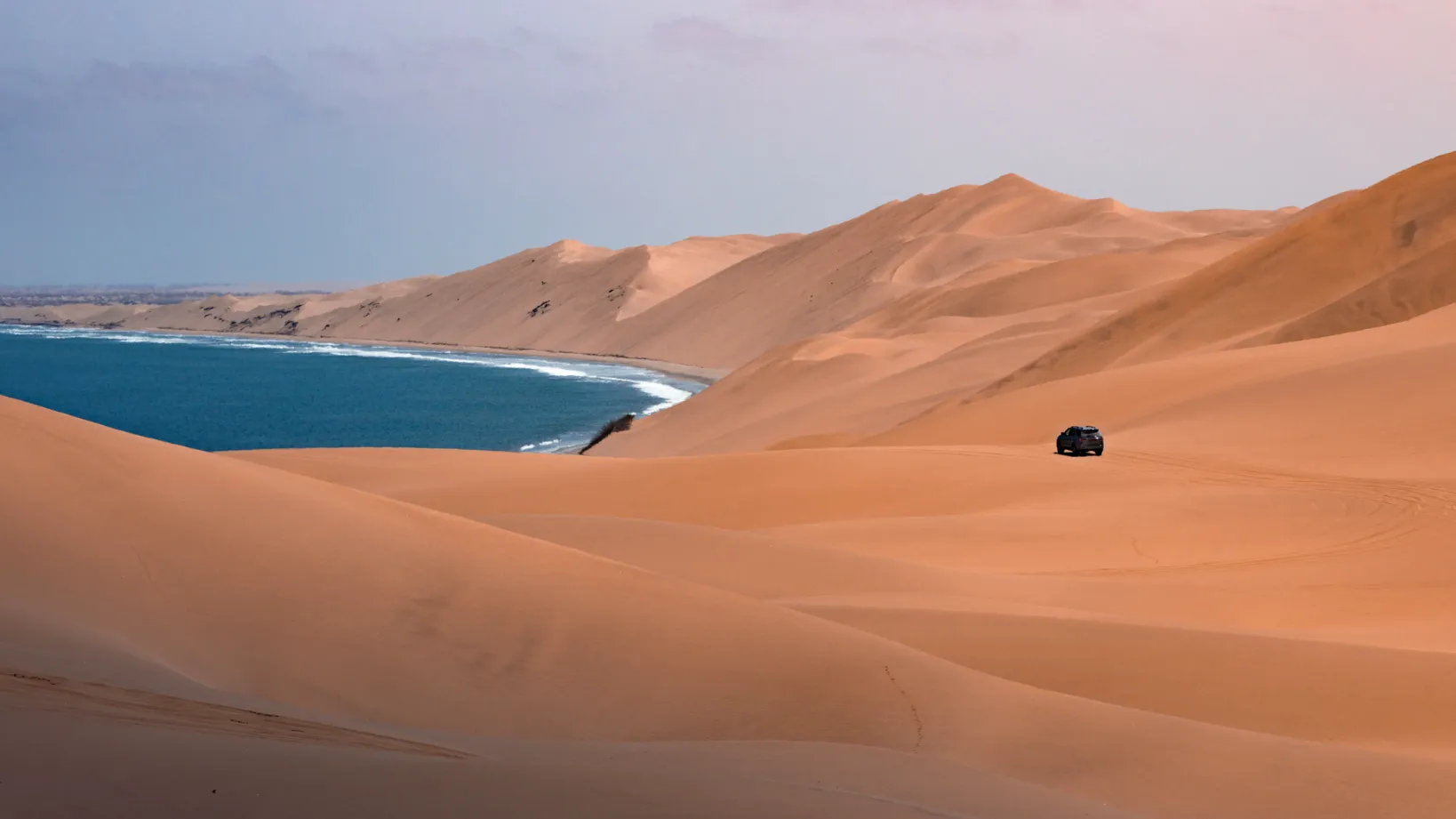
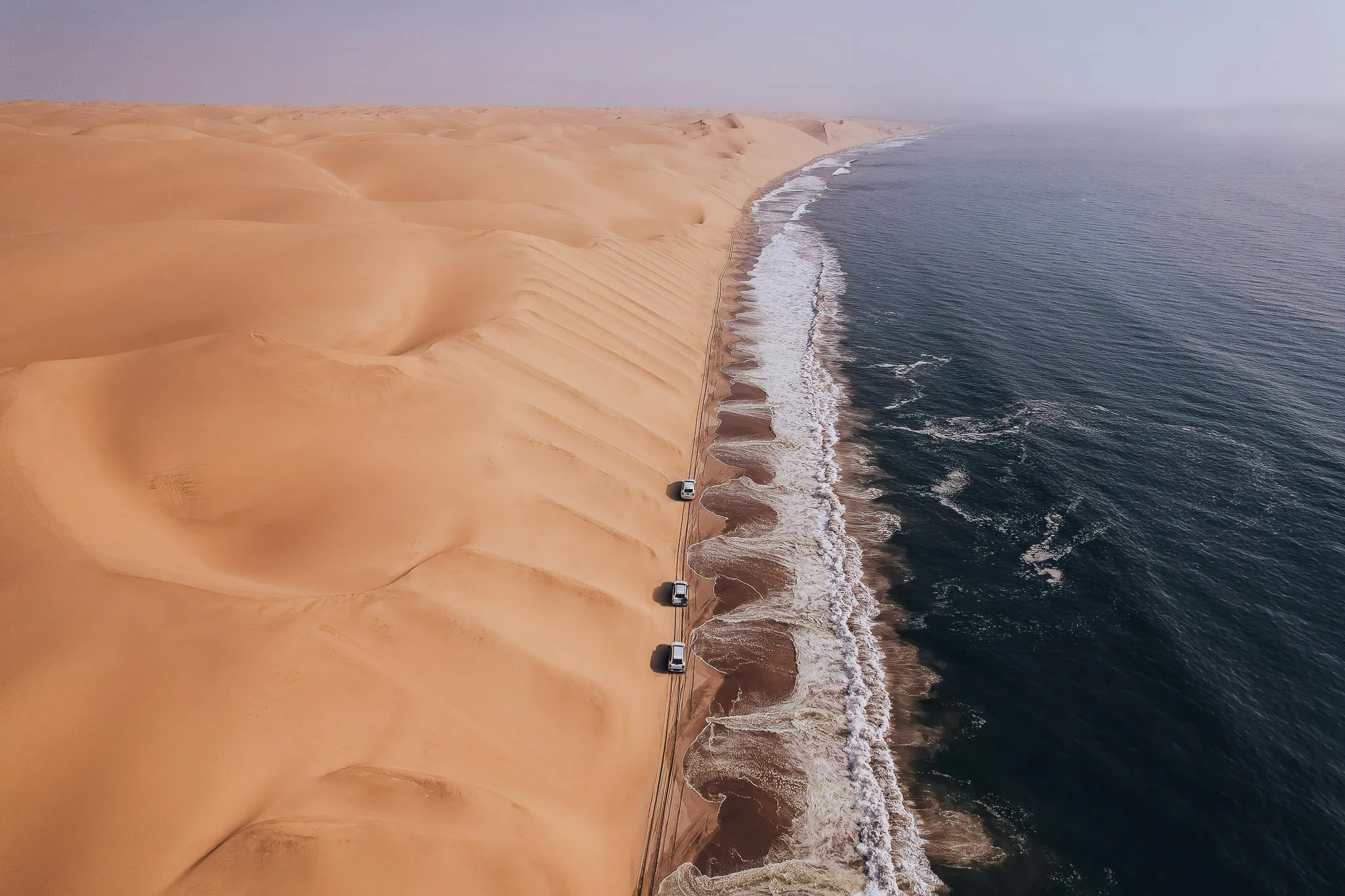
Haunting fog, battered shipwrecks, and sand dunes tumbling straight into the ocean... the Skeleton Coast is a haven for dramatic, surreal imagery. Monochrome photography truly comes alive in this desolate wilderness.
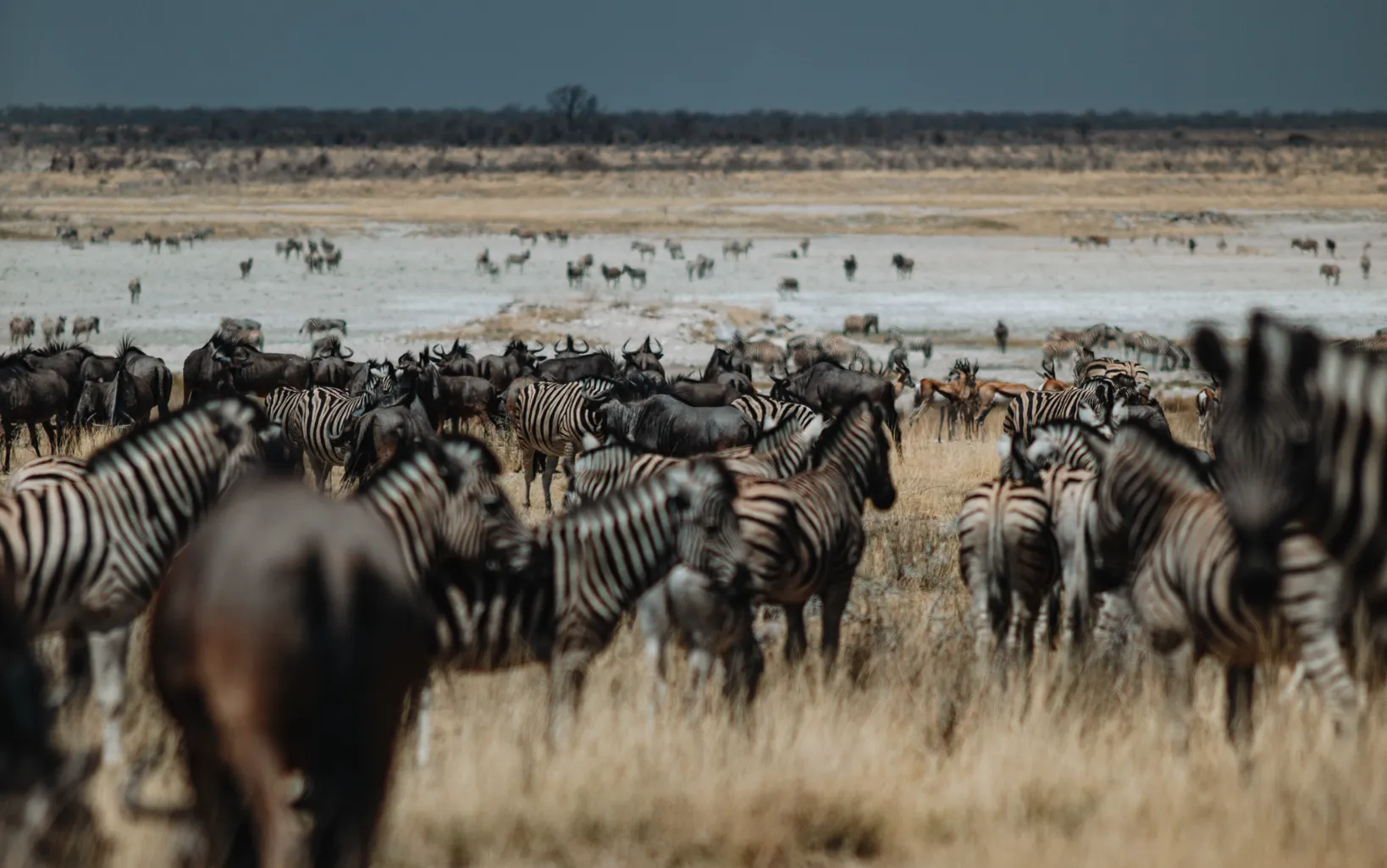
4. Etosha National Park – The Wild Stage
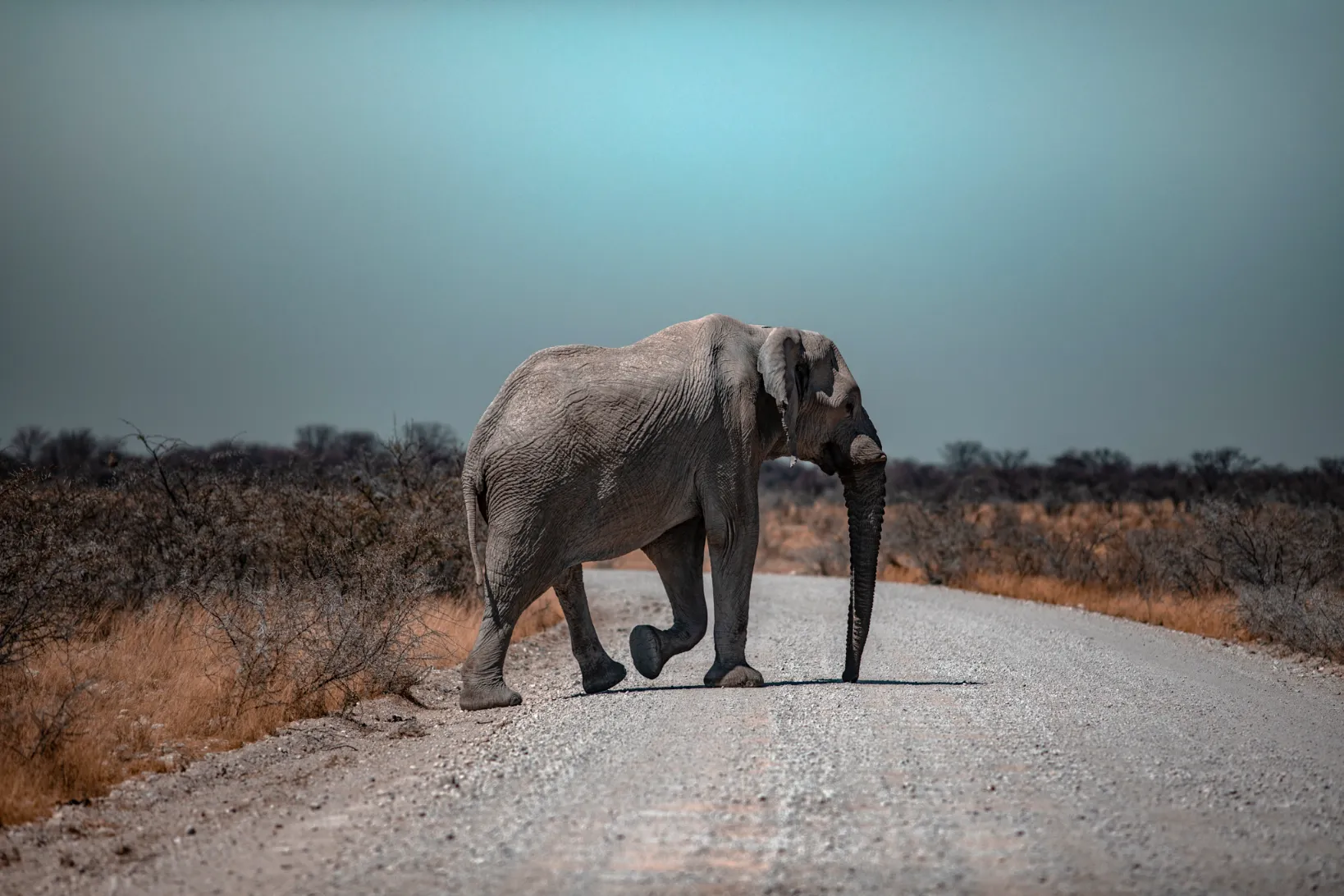
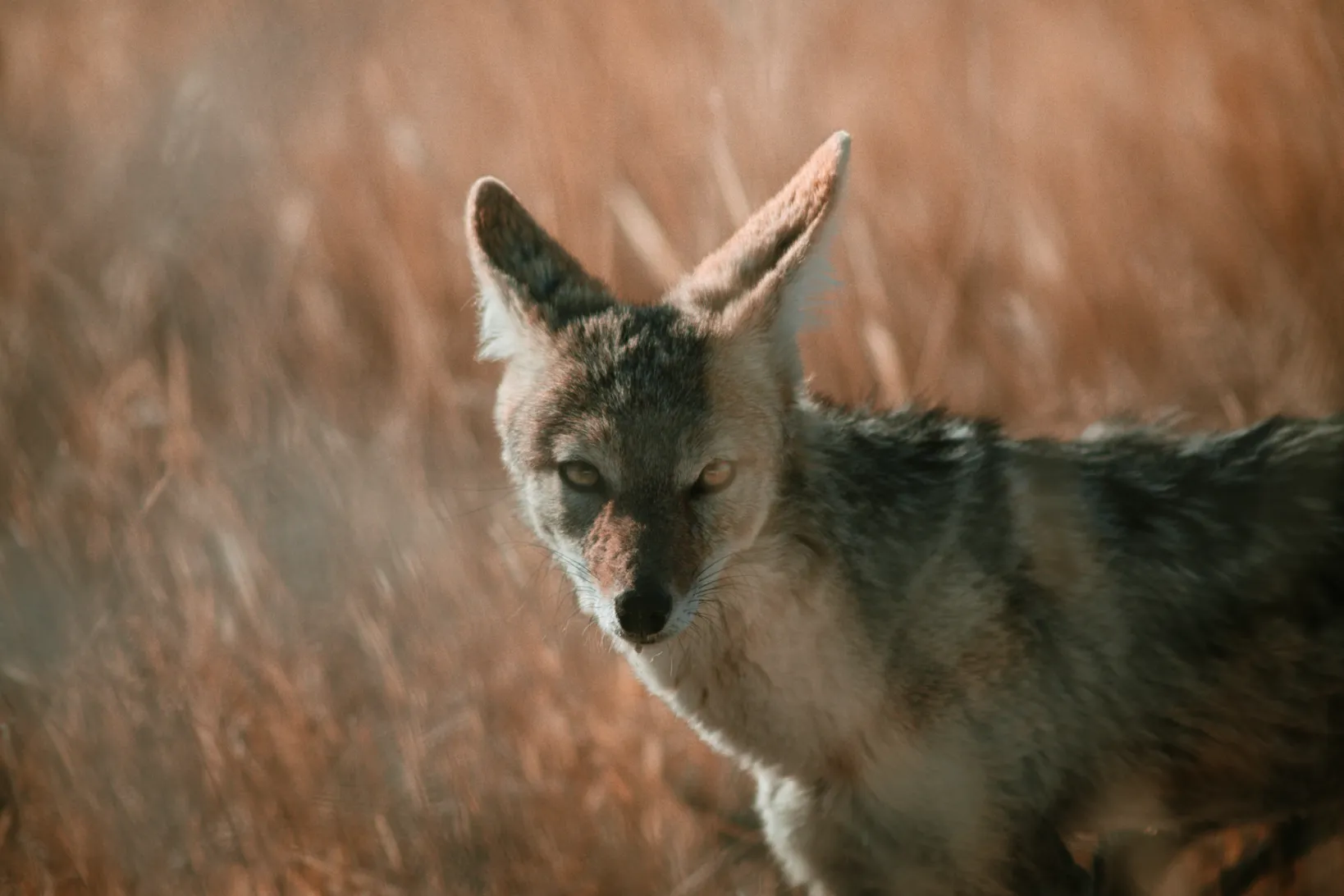
In Etosha, the light is raw, the landscape minimalist, and the animals are the main event. Waterholes like Okaukuejo and Okondeka offer incredible opportunities to capture lions, elephants, rhinos, and antelope in their untamed element.
Best time to shoot:
Early morning and late afternoon
During the dry season (May to October), when wildlife gathers around the waterholes
5. Kolmanskop – The Desert-Ghost Town
An abandoned diamond-mining town where the desert sand slowly reclaims every room. The play of light breaking through shattered windows is a photographer's dream, especially in the early morning and late afternoon.
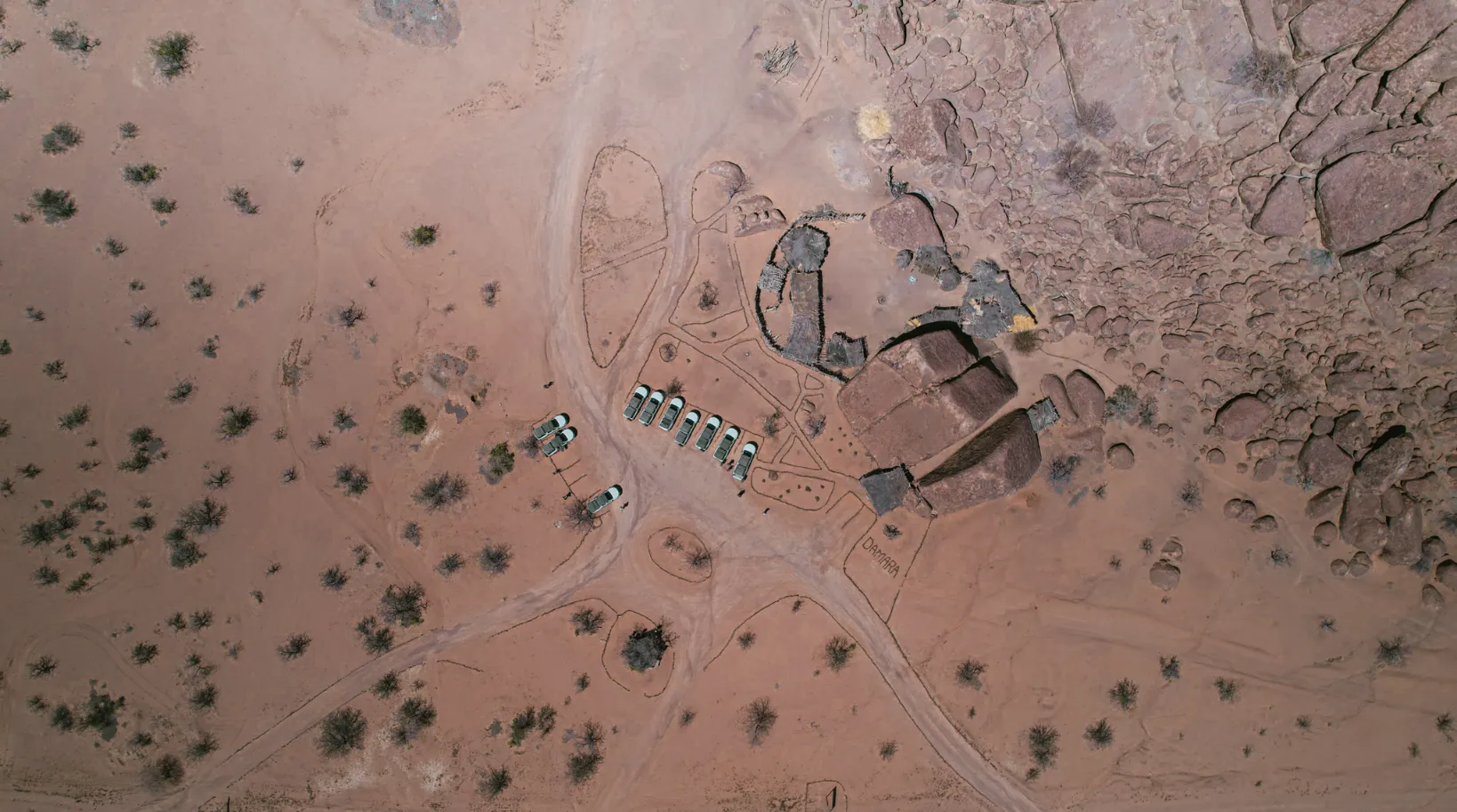
6. Damaraland – A Land of Rock and Light
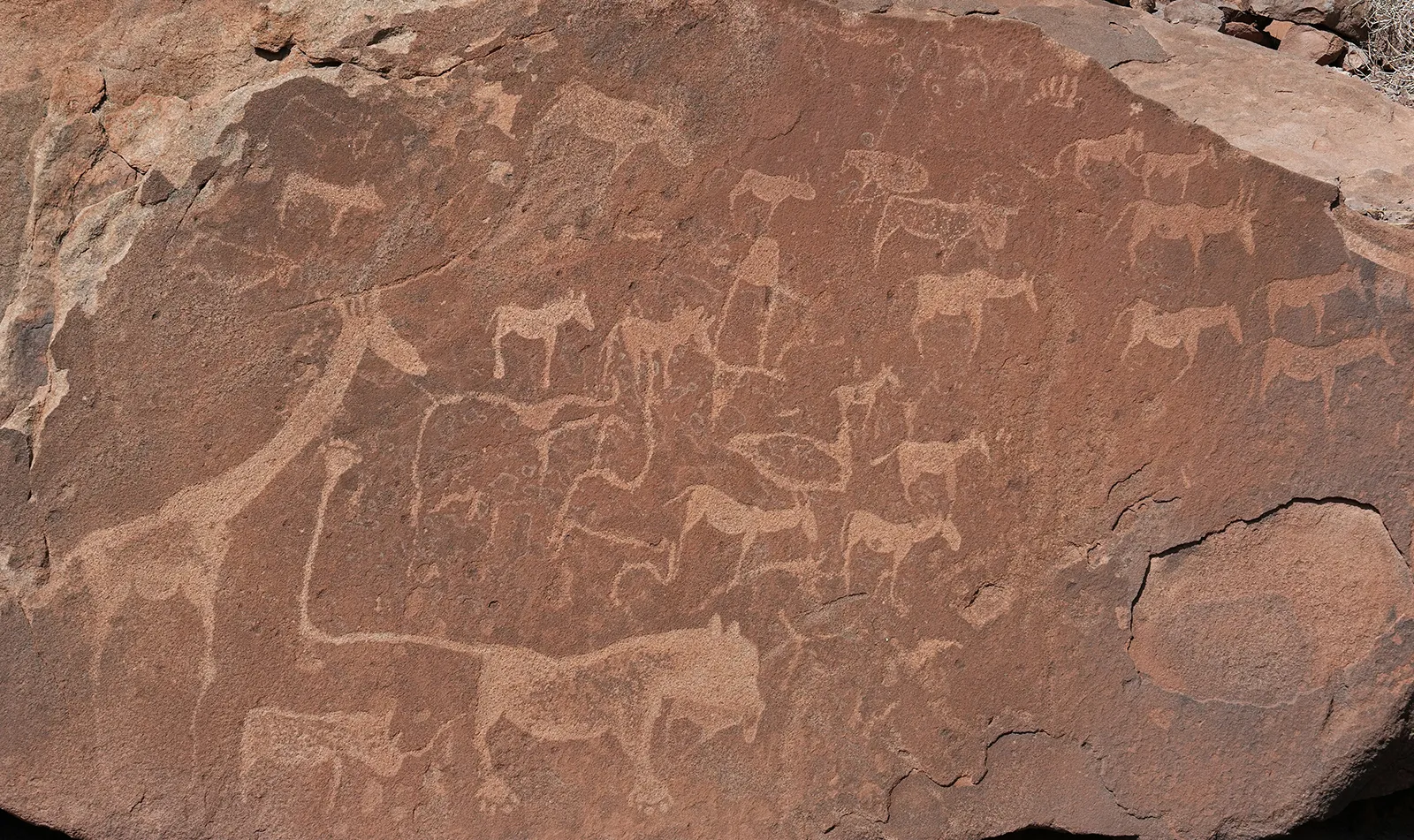
Here, nature is both painter and sculptor. Think massive red mesas, ancient rock engravings at Twyfelfontein, and mystical valleys where the light feels as though it has been brushed onto the landscape.
7. Walvis Bay – Flamingos, Desert, and Ocean
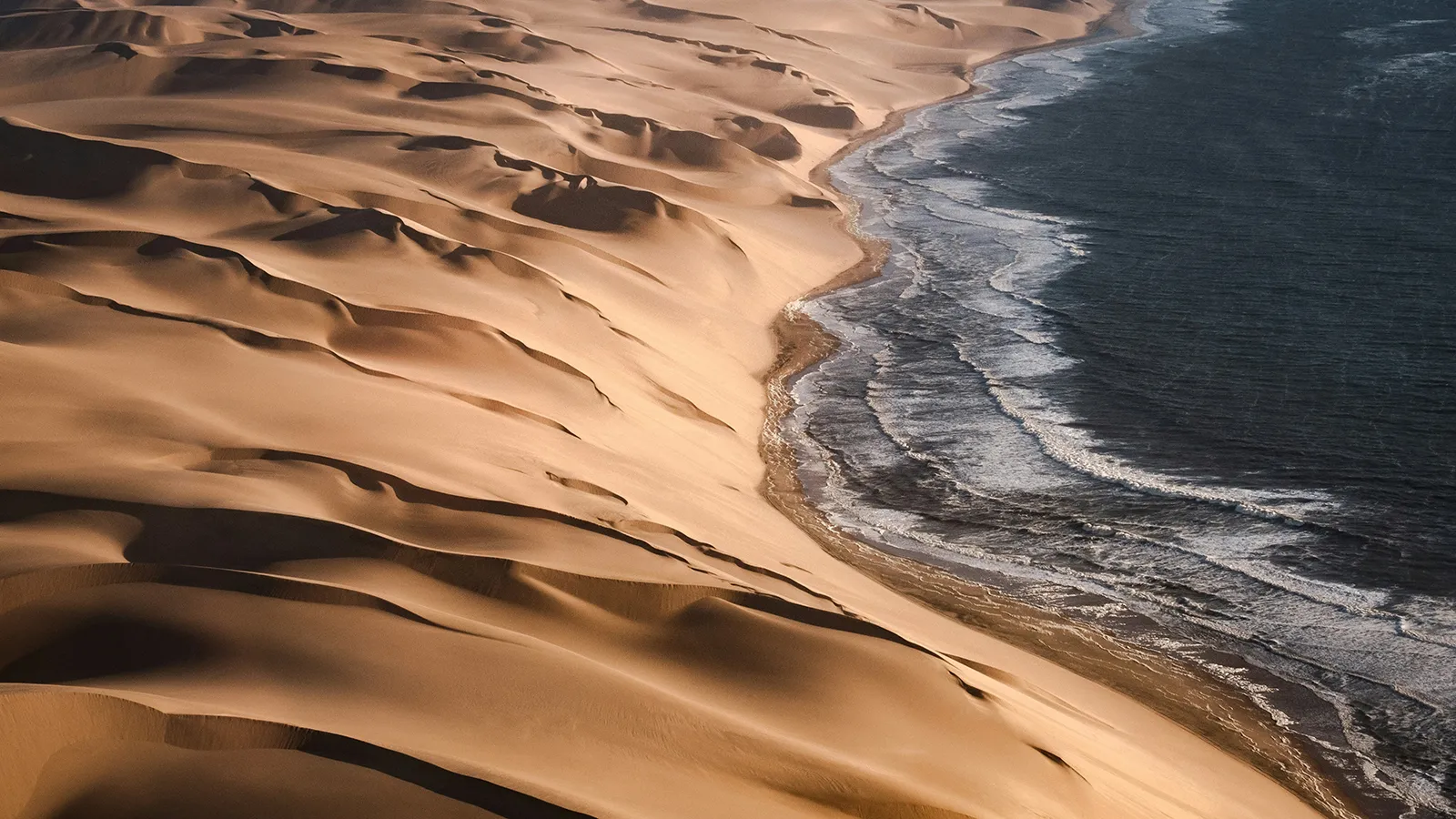
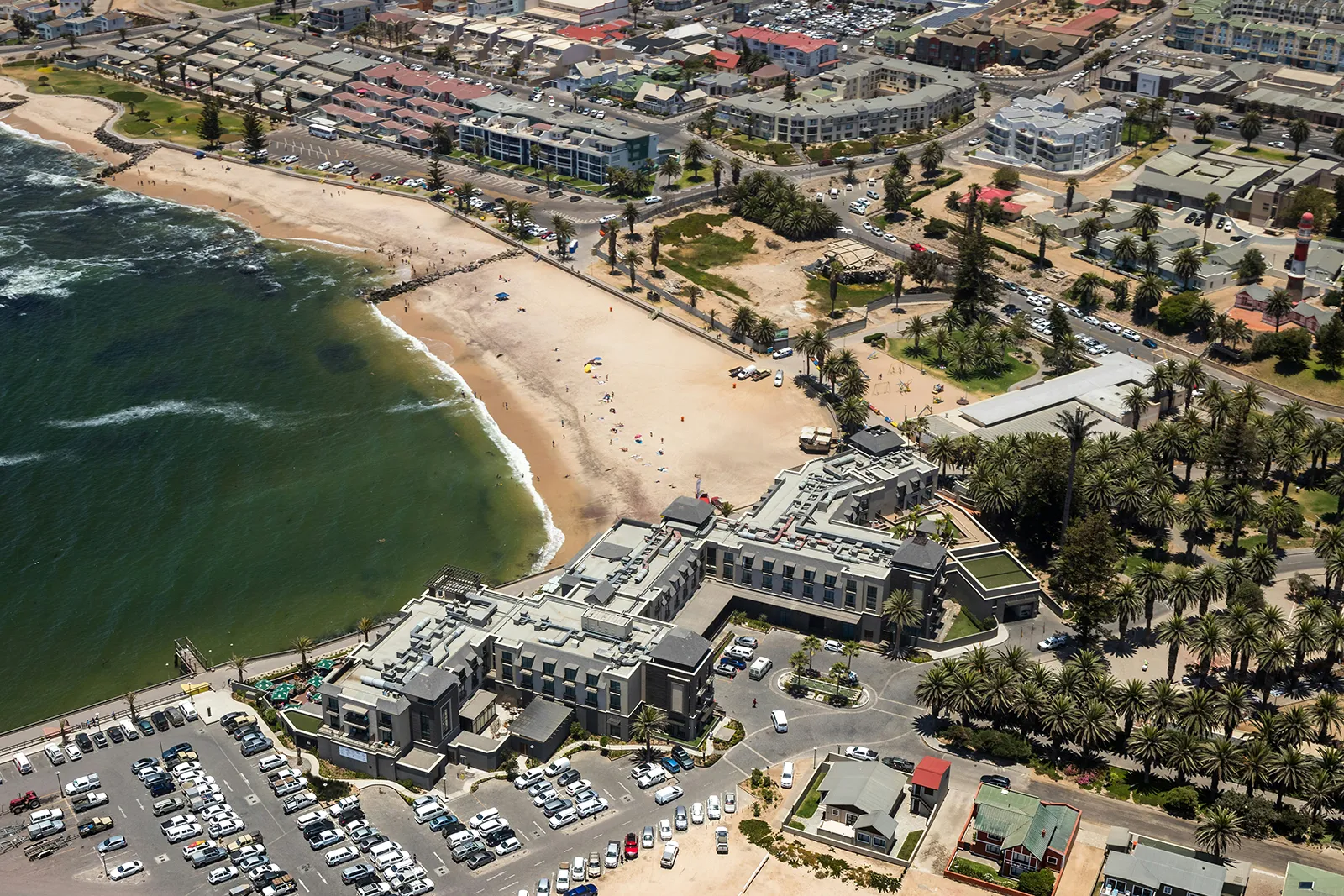
The ultimate spot for capturing massive colonies of flamingos, pelicans gliding just above the water, and the striking contrast of golden desert dunes meeting the blue Atlantic.
Tips for Shooting in Namibia:
Wide-angle lens – Essential for capturing those endless horizons and the vast starry night sky.
Telephoto lens – Perfect for framing wildlife from a safe and respectful distance.
Tripod – A must-have for night photography and keeping things sharp during sunrises and sunsets.
Extra batteries and memory cards – Trust us, you won't want to miss a single frame.
Dust protection for your gear – The desert loves camera gear… a little too much.
Why Namibia is a Photographer's Dream
Because here, nature speaks in colours, shapes, and textures that you won't find anywhere else. Because every sunrise brings a fresh palette. Because every night offers a blank canvas. And because here, you don't just take photos – you learn to see the world all over again.
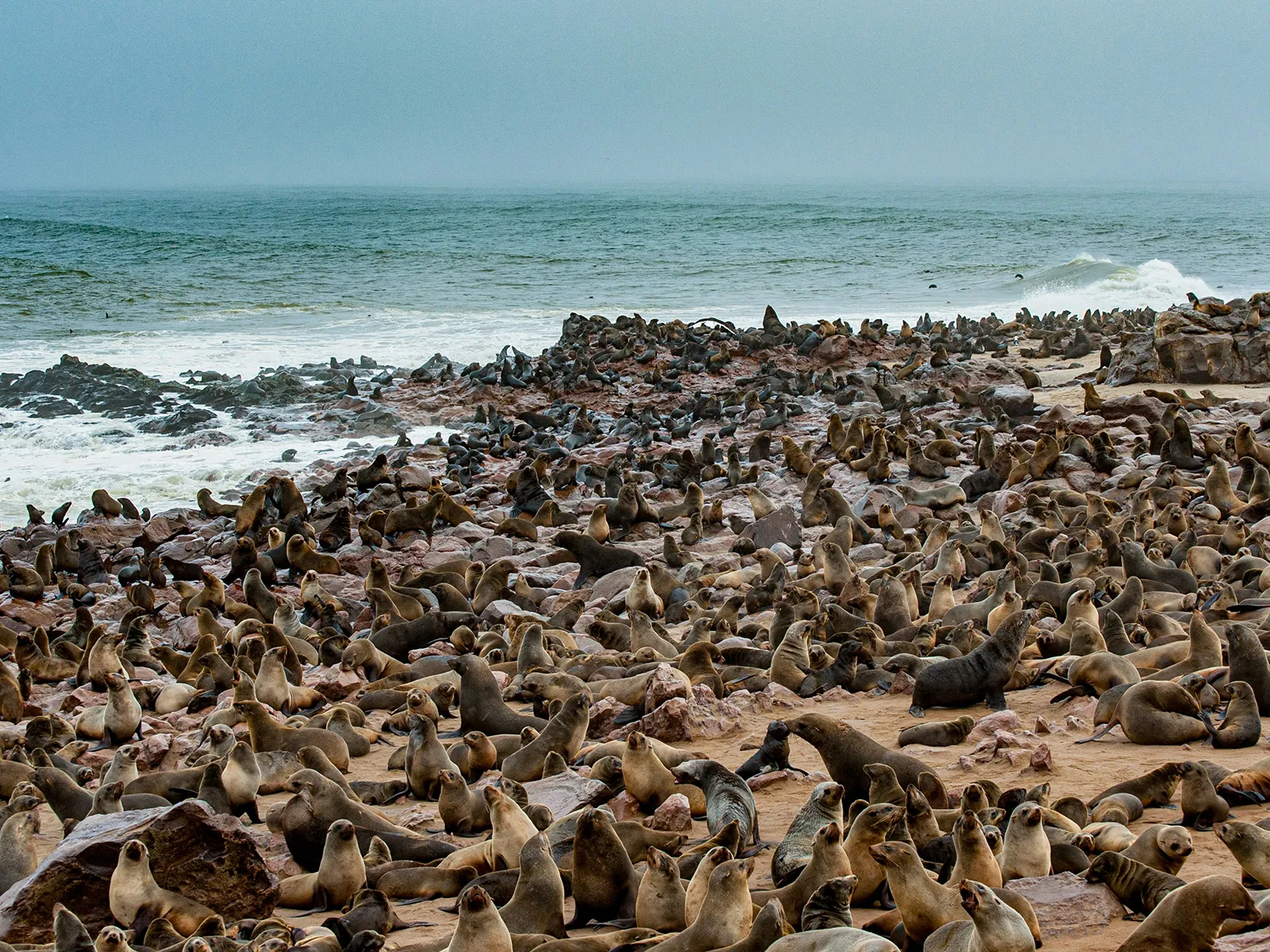
Read more: Cape Cross Seal Reserve – what to know before you visit the seals
Author: Martin Bonov
Photo: Dimitar Karanikolov
Other articles about Namibia