What it's like to sleep in a real yurt: living like a nomad
Immerse yourself in the authentic experience of living in a yurt, where simplicity and closeness to nature create a rare sense of harmony and belonging.
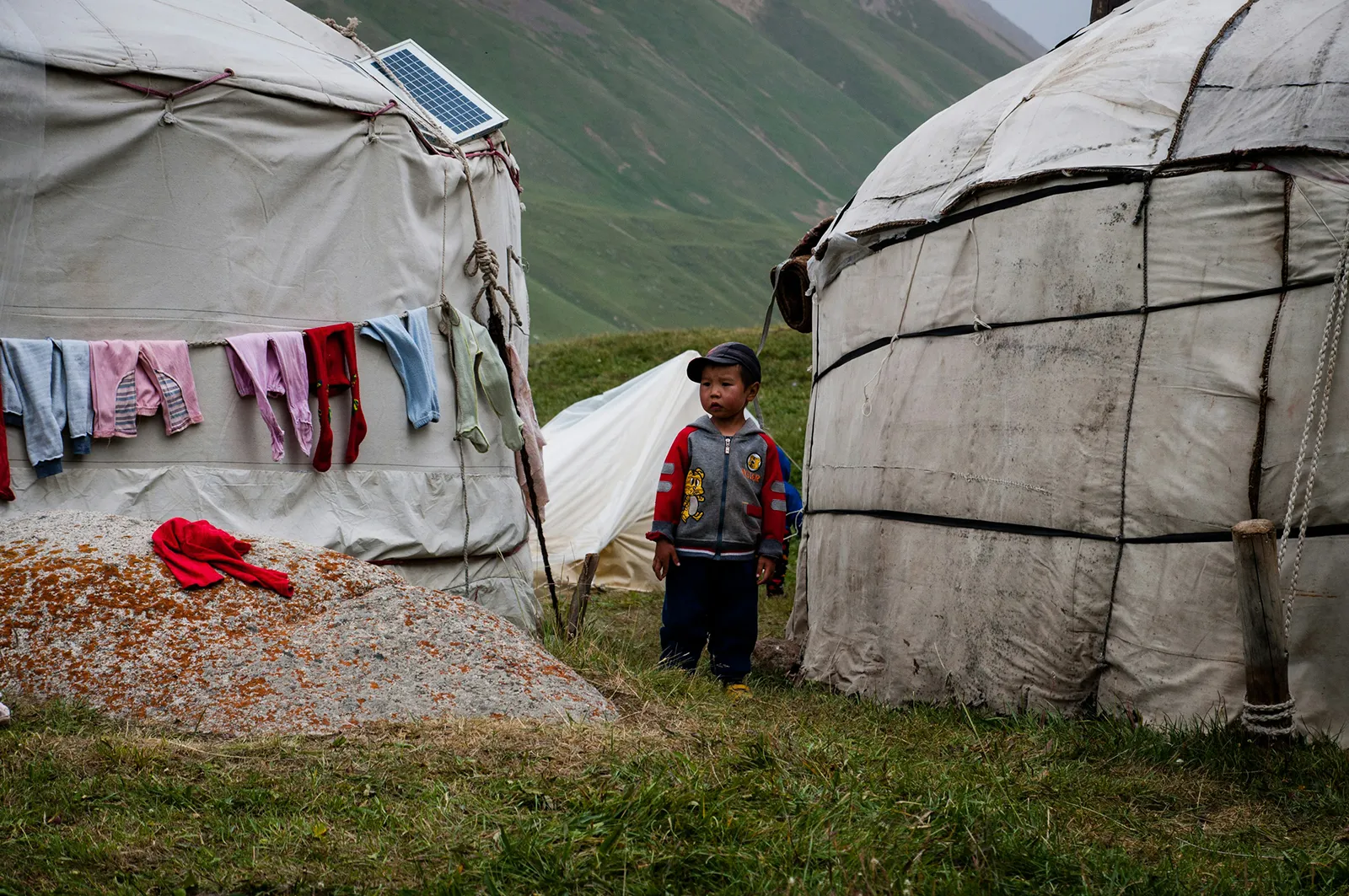
There are moments in travel that you can't experience from a hotel room window. Moments when you briefly become part of the rhythm of another era, another way of life. Sleeping in a real yurt is just such an experience—a return to simplicity, nature, and the feeling of belonging to something bigger than yourself.
What is a yurt?
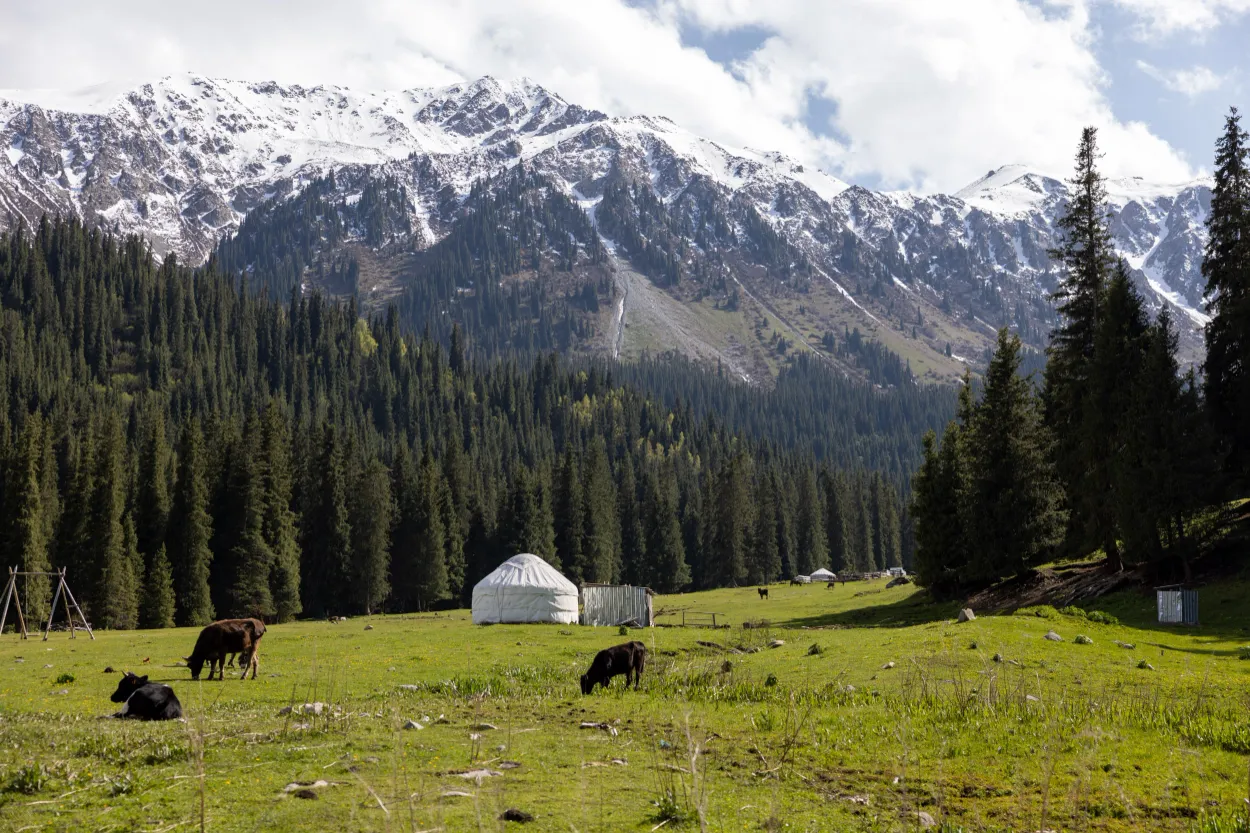
A yurt is a traditional dwelling of the nomadic peoples of Central Asia—an artfully crafted circular structure made of wood and felt, designed to be light, durable, and warm. Each yurt is a piece of artisan craftsmanship: colourful rugs, carved wooden doors, and a domed opening to the sky where you can gaze at the stars at night.
What does it feel like to sleep in a yurt?
The warmth of woollen blankets. The subtle scent of wood and earth. The creak of the structure in the night wind. The yurt wraps around you like a cocoon—cosy, intimate, safe.
Here, there are no walls to separate you from the world. In the morning, you wake up to the first rays of sunlight and the sound of pastures outside. At night, you fall asleep under a sprawling celestial river of stars.
A life like a nomad—what to expect?
Simplicity — basic comforts, without the unnecessary. Life distilled to its essentials.
Closeness to nature — you wake up to the sound of the wind and breathe air that smells of freedom.
Community — often, yurts are located in small camps where people gather around the fire in the evening—for tea, for stories, for shared silences.
A rhythm without rush — the day moves according to the sun, not the clock.
Where can you experience a night in a yurt?
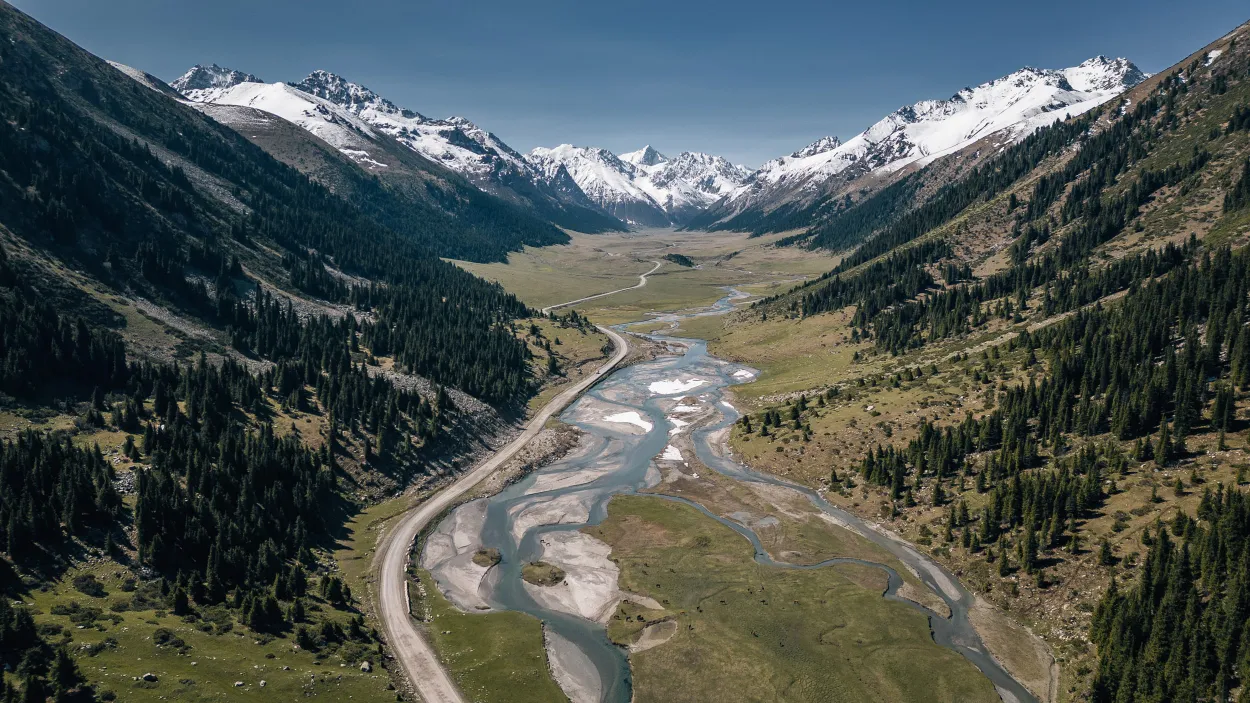
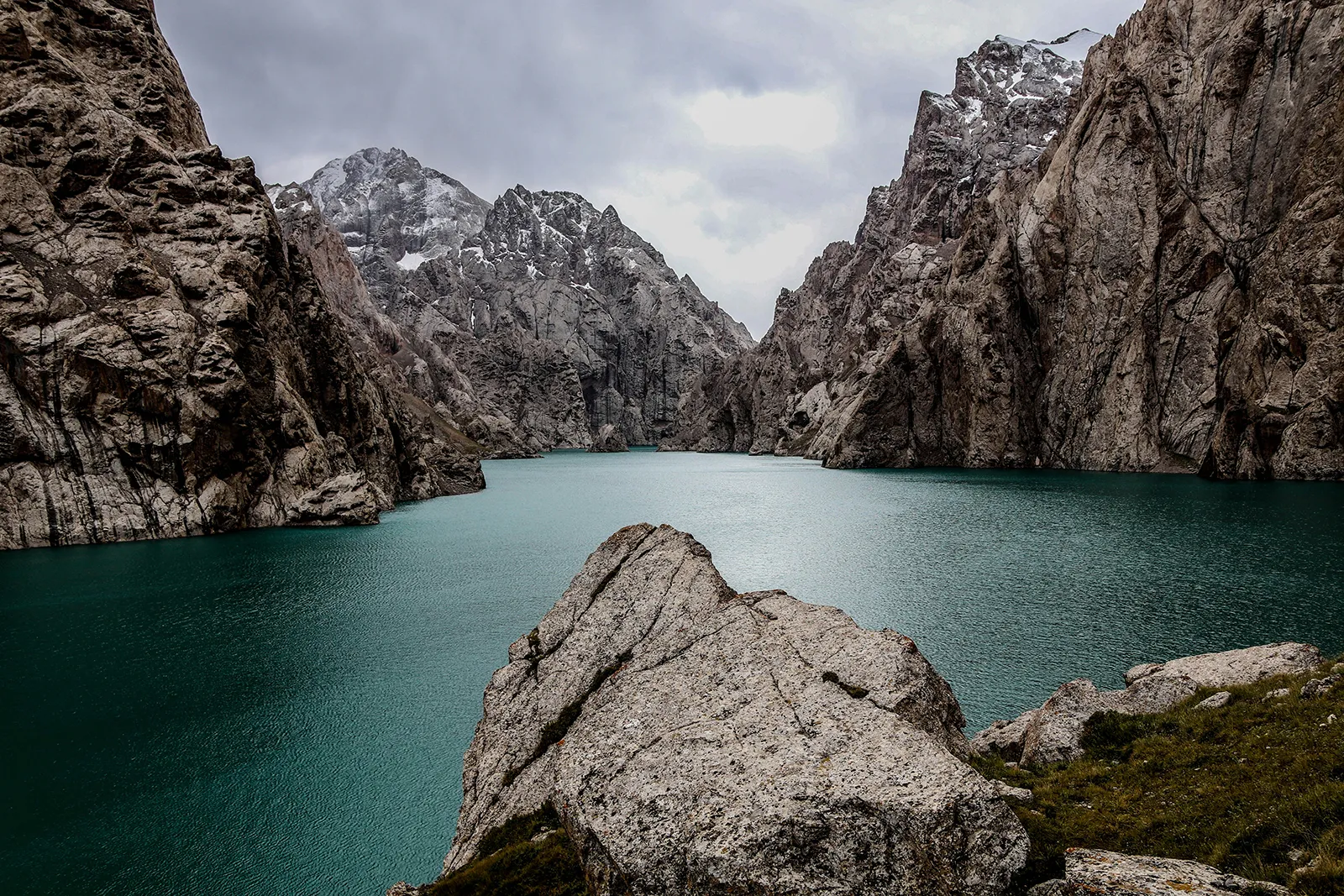
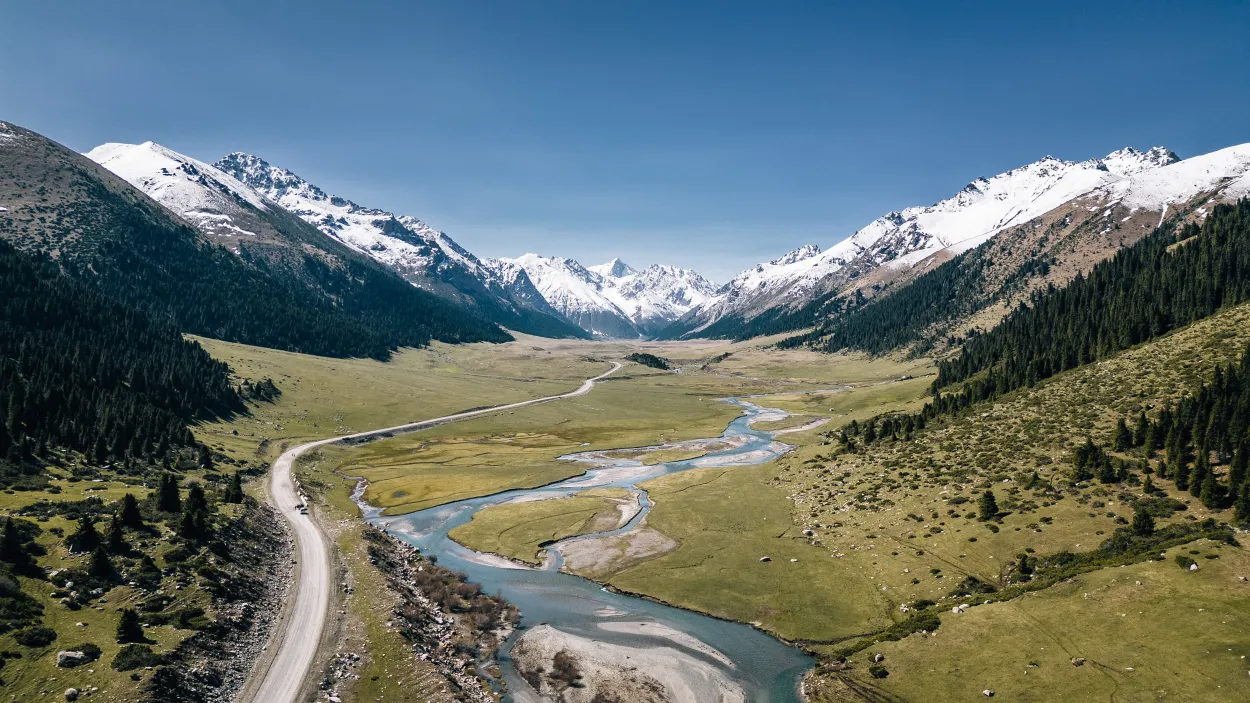
Kyrgyzstan — by Song-Kol Lake or in the Jeti-Oguz valley, amid alpine pastures and peaks.
Mongolia — in the endless steppes of the Gobi or near the sacred mountains in the north.
Kazakhstan — at the foot of the Tien Shan or among the wild landscapes of the Altai.
Practical advice for staying in a yurt
Dress warmly — temperatures drop sharply at night, even in summer.
Bring a torch — most yurts have no electricity or minimal lighting.
Respect traditions — in some yurts, there are rules, like not stepping inside with shoes or not standing in certain places.
Be prepared for basic conditions — bathrooms are often outdoors or very simple.
Sleeping in a yurt—more than a sleepover
It's an opportunity to understand what it means to live in harmony with nature. To share the warmth of the fire. To be a part of a simpler, purer world, if only for a few days.
And when you open the wooden door of the yurt in the morning and see the sun spreading gold over the grasses, you'll know—there are things that hotel rooms will never be able to give you.
Join Panic Frame & Travel and let us together experience the life of nomads—authentic, real, and closer to our essence than you can imagine.
More about Kyrgyzstan
Top 5 natural phenomena | The red rocks of Jeti-Oguz
Explore
Destination Kyrgyzstan | Kyrgyzstan Gallery | Ancient cultures
Author: Martin Bonov