Top 5 Natural Phenomena in Kyrgyzstan You Must See
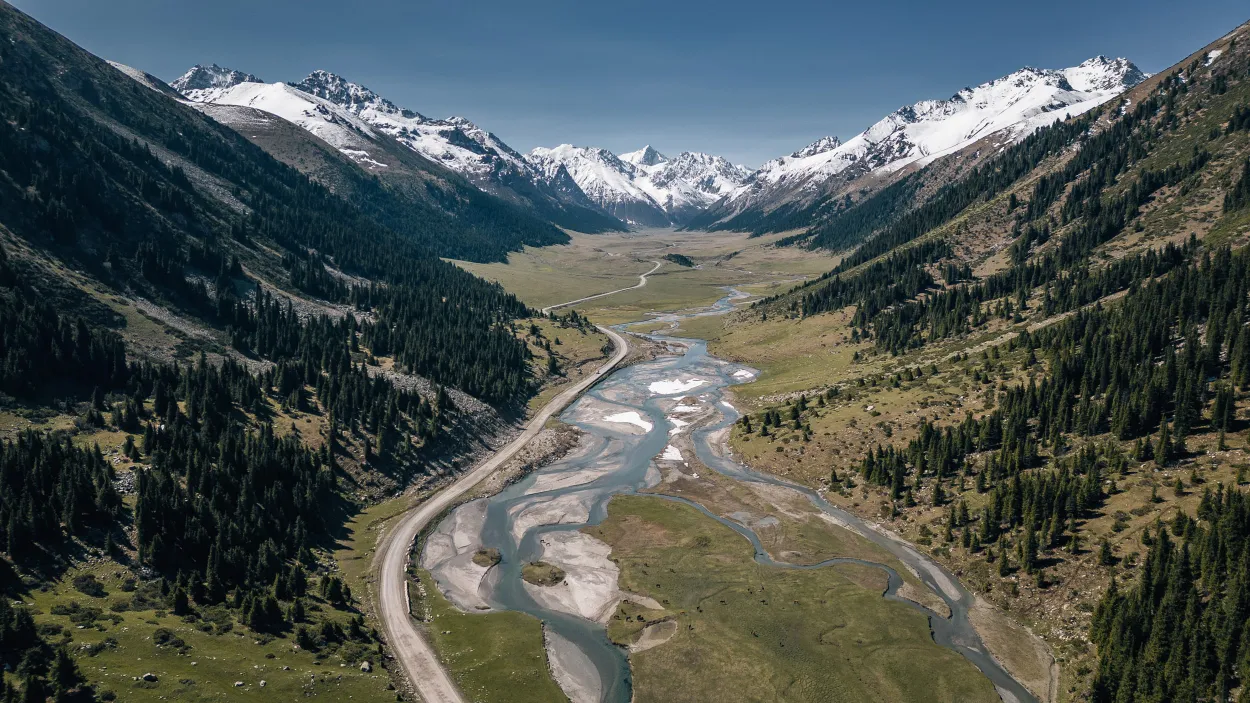
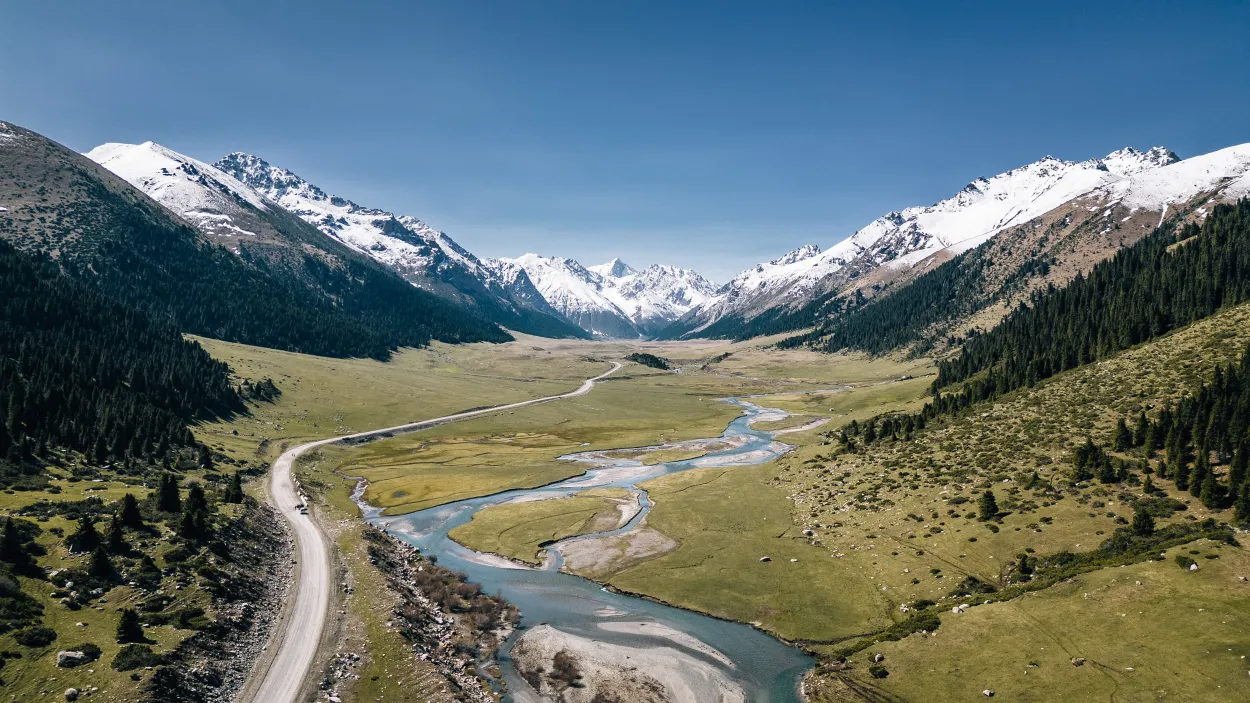
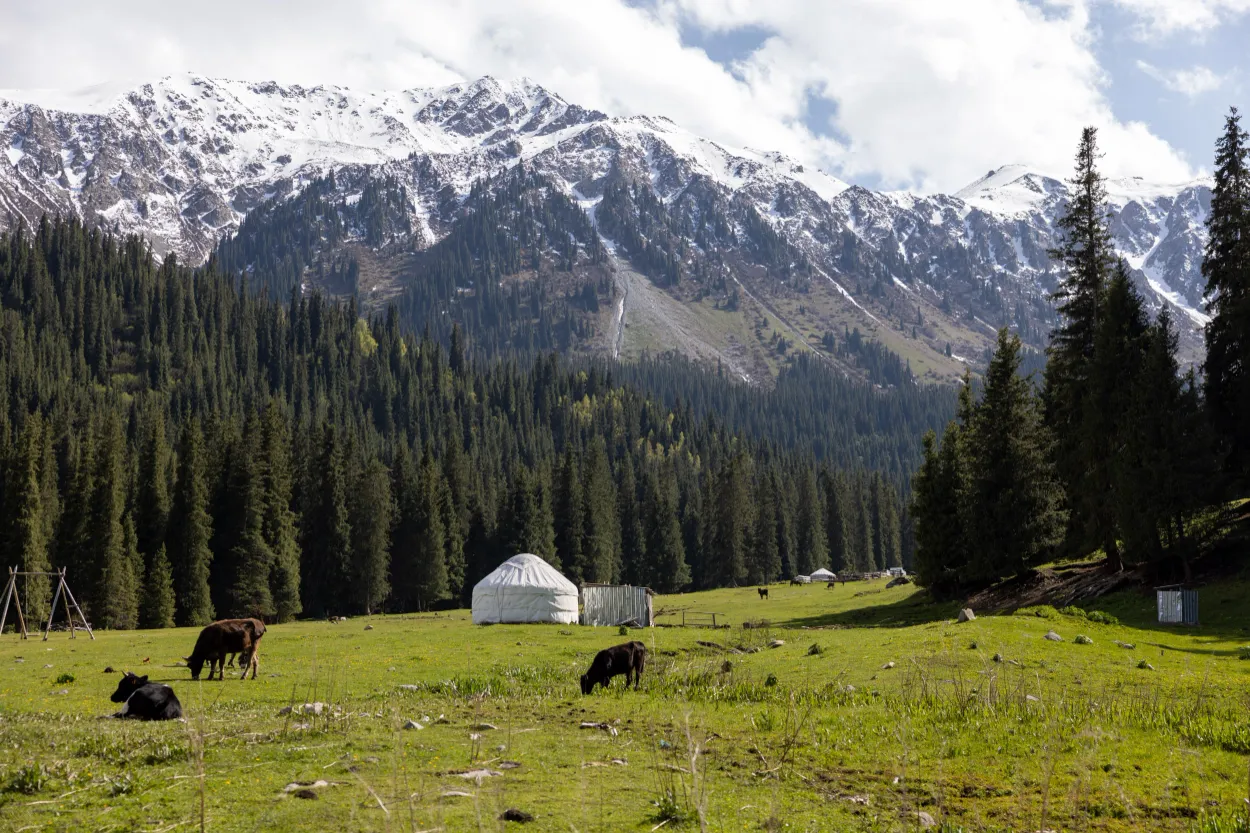
Kyrgyzstan is a land of majestic natural marvels, where mountains, lakes, and canyons paint landscapes that seem like they've emerged from a dream. Discover the top 5 natural wonders that will leave you breathless.
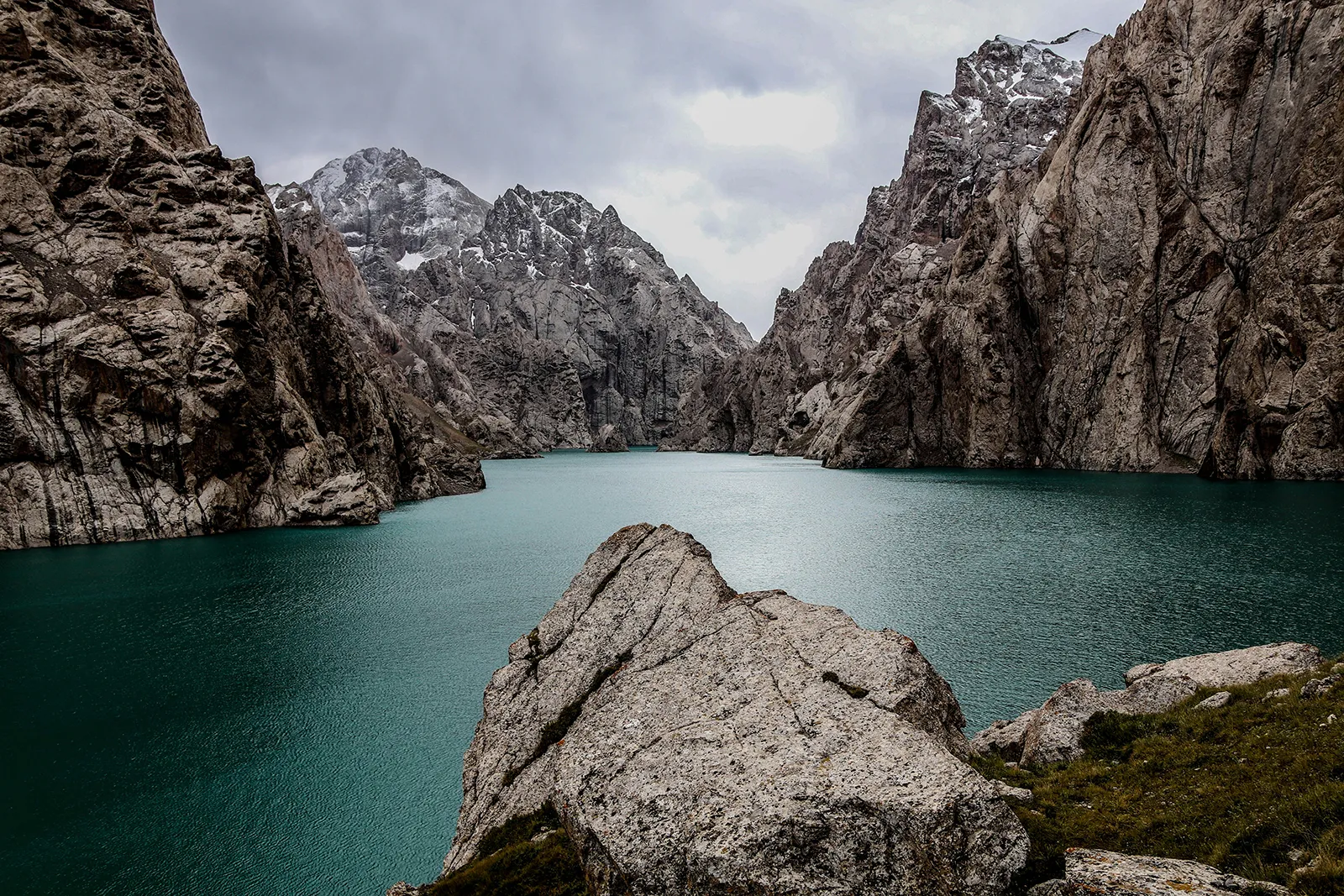
Kyrgyzstan is a land where nature paints with broad, bold strokes. Mountains that touch the clouds, lakes with impossible shades of blue, canyons and rocks seemingly sculpted by giant hands. If you love wild beauty and boundless horizons, you'll discover a world here that feels closer to a dream than to reality.
Here are the top 5 natural phenomena in Kyrgyzstan that you must see:
1. Lake Song-Kol – the mirror of the sky
At over 3000 metres high, amid endless alpine meadows, lies one of the most beautiful lakes in Central Asia. Song-Kol reflects the sky, as if the boundary between earth and clouds has been erased.
What makes it phenomenal: The changing colours depending on the light and weather.
When to visit: June – September, when the pastures are alive with flowers and yurt camps.
2. Ala-Kul – the hidden turquoise lake
To reach Ala-Kul, you need to climb steep trails and cross wild valleys, but the view is worth every step. The lake nestles amongst jagged peaks, and its waters glisten in dazzling blue-green.
What makes it phenomenal: The colour of the water and the dramatic alpine setting.
When to visit: July – August for the best trekking conditions.
3. The Red Rocks of Jeti-Oguz
Jeti-Oguz is not just a natural wonder — it's a place where legends come to life. Huge red rock formations stand like giants frozen in motion.
What makes it phenomenal: The incredible red colour of the rocks and their dramatic shapes.
When to visit: Spring and summer, when the greenery contrasts most strongly with the red.
4. The Glass Lake Sary-Chelek
Hidden in the mountains of western Kyrgyzstan, Sary-Chelek is a pearl amidst dense forests and dramatic hills. The lake is part of a biosphere reserve, with crystal-clear waters surrounded by green peaks.
What makes it phenomenal: The fairy-tale atmosphere and the rich flora and fauna.
When to visit: May – September, when everything is at its greenest and most vibrant.
5. Canyon Skazka – The Fairy Tale Valley
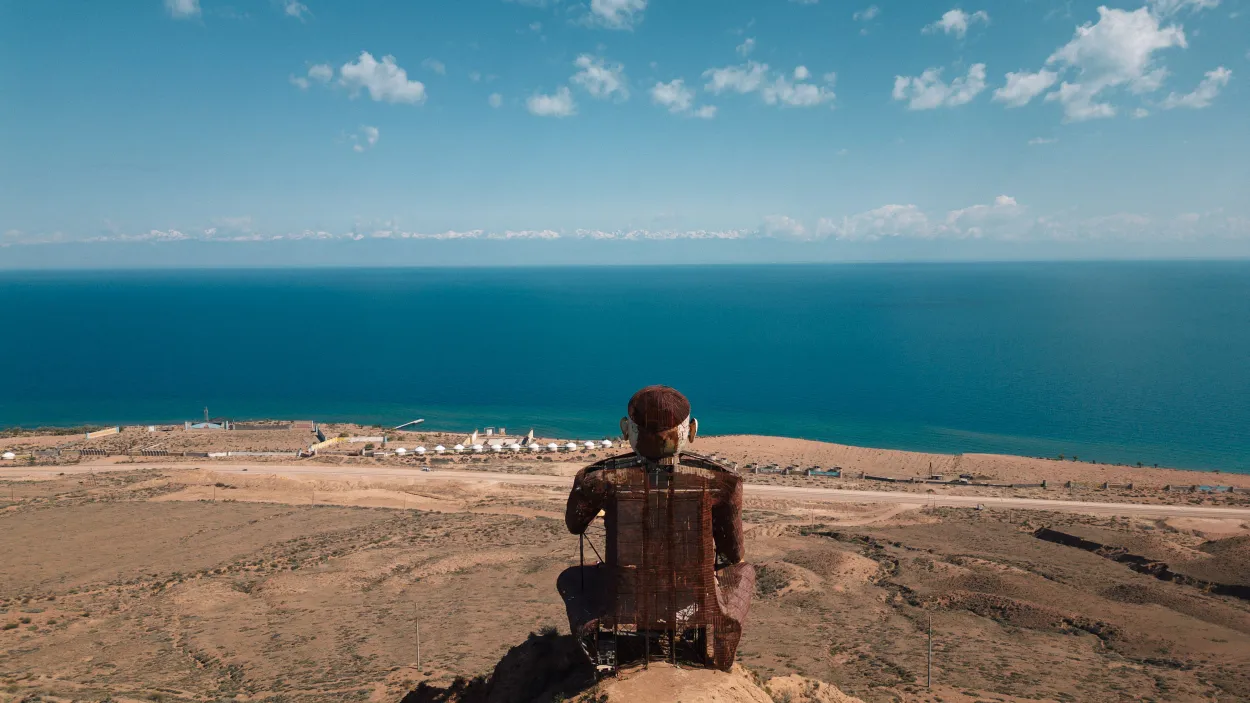
Not far from Lake Issyk-Kul lies Skazka — a valley where the wind and time have sculpted the rocks into incredible shapes, reminiscent of castles, dragons, and monsters. At sunset, the light turns everything into gold and fire.
What makes it phenomenal: Unique rock formations and colours of the earth.
When to visit: Spring and autumn for the most pleasant temperatures.
Kyrgyzstan – land of wonders, created by nature
You don't come here just for the places. You come for the feeling that you're walking on land that still holds its ancient secrets. For the moments that take your breath away — not from exhaustion, but from beauty.
Join Panic Frame & Travel and let's explore this extraordinary country together — where every step is a discovery, and every view is a story waiting to be told.
More about Kyrgyzstan
The Red Rocks of Jeti-Oguz | What it's like to sleep in a yurt
Explore
Author: Martin Bonov