Issyk-Kul: The warm lake at 1,600 metres that never freezes
You’re standing on the shore of a lake, with eternal snow-capped peaks rising just behind it. Yet the water in front of you is warm. Nothing here makes sense, and that is exactly why you stay.
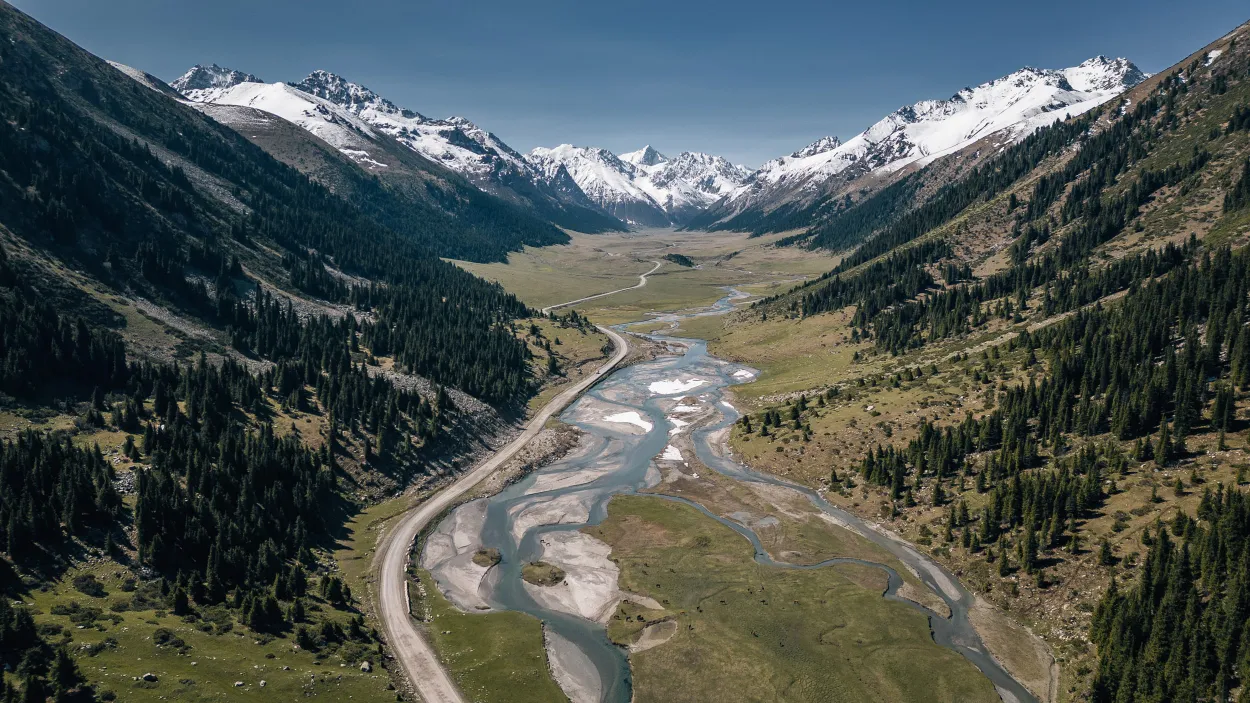
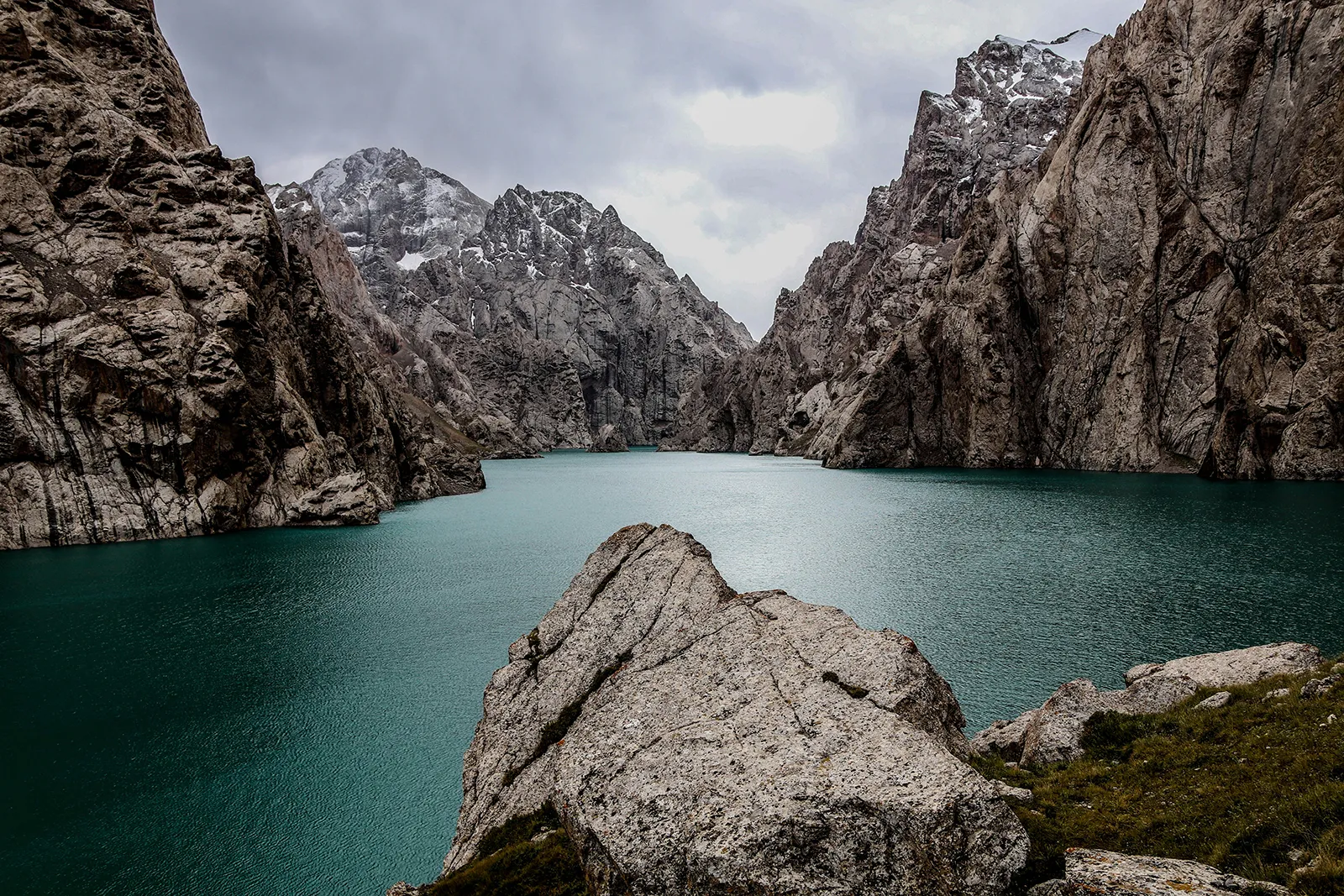
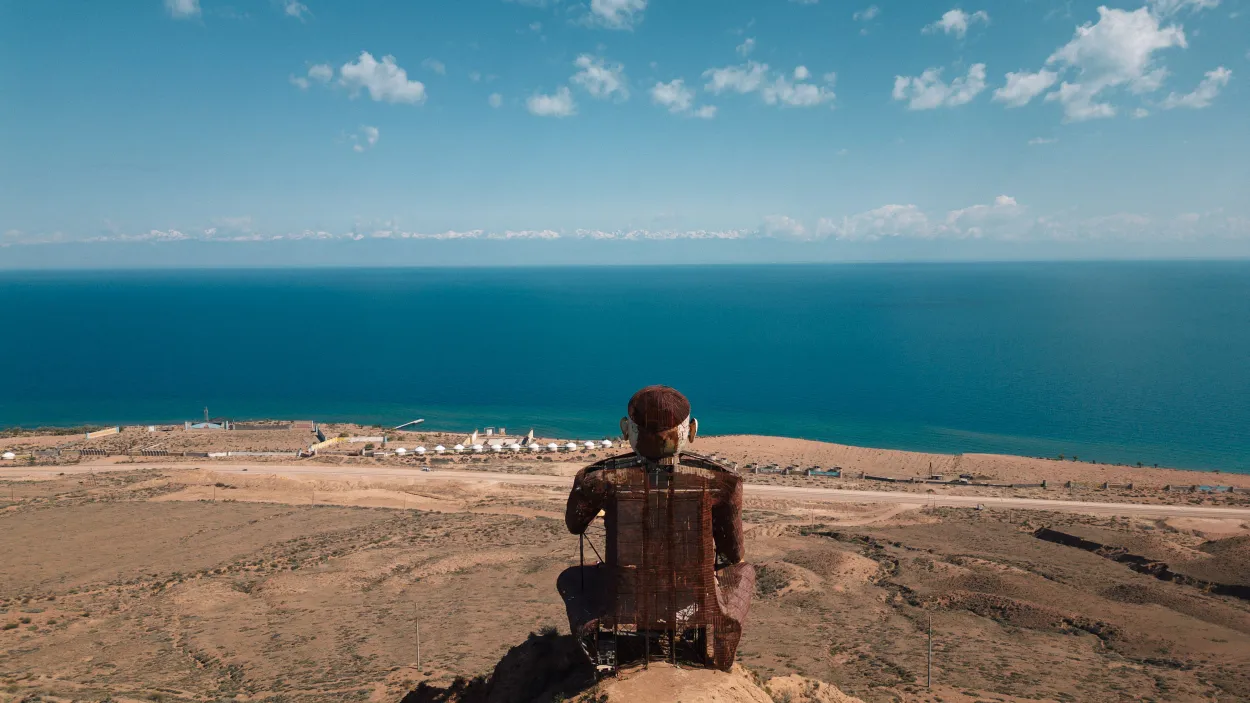
You stand on the shore of a lake so vast that the opposite bank vanishes into the haze. Behind you, peaks draped in eternal snow rise over four thousand metres high. Yet the water at your feet, sitting at an altitude of 1,600 metres, is warm. Dip your hand in, and your brain struggles to make sense of it. Snow and warm water in a single glance. This is Issyk-Kul. In Kyrgyz, the name means "the hot lake", and it does not lie.
Issyk-Kul is the second-largest alpine lake in the world after Titicaca, and one of the deepest on the planet, plunging over 660 metres into the dark. It never freezes, even when winter grips the valley and temperatures plummet far below zero. The water is slightly salty, kept alive throughout the year by heat rising from its depths. Ringed by the Tian Shan—the "Heavenly Mountains"—it is this very contrast of ice above and warmth below that makes it a place you remember with your body, not just your eyes.
Yurts Along the Shore
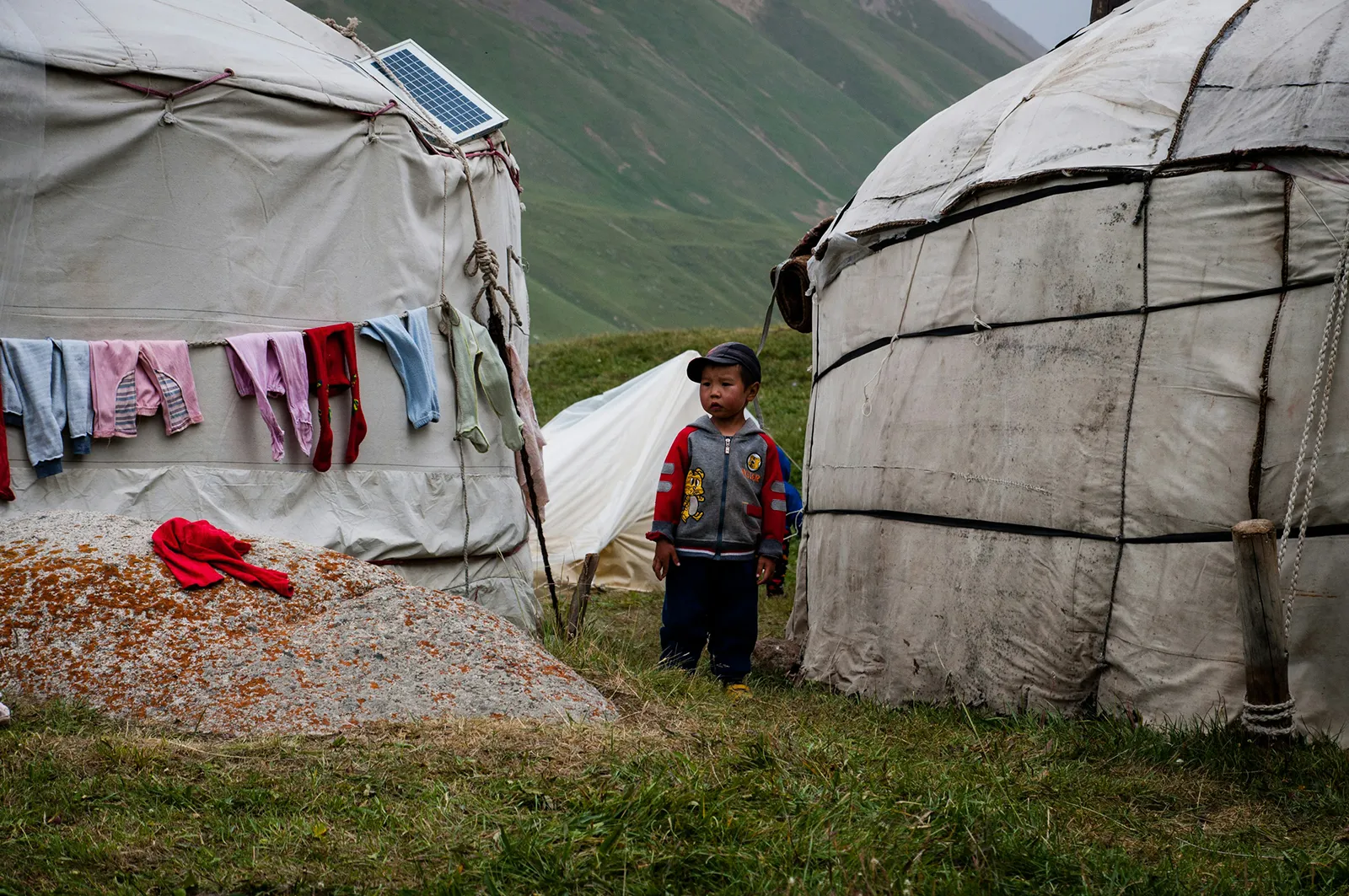
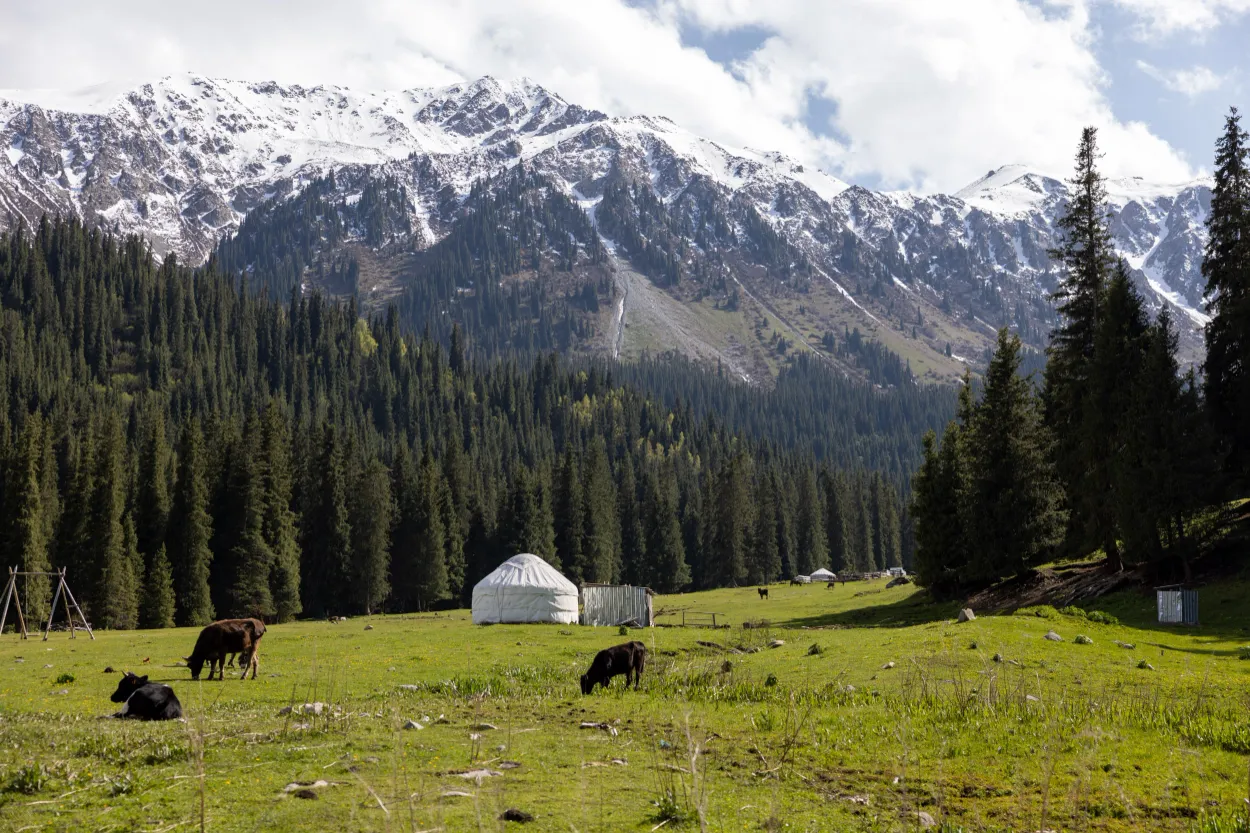
Come evening, the camp shrinks to a few yurts, a fire, and a single, endless sky. The nomads of Kyrgyzstan have grazed their herds on these slopes for millennia, and they still do. A yurt is no tourist gimmick; it is a home assembled in an hour and packed away just as fast, following the grass and the seasons. You sleep inside on thick felt mats, looking up at the stars through the wooden crown of the roof. Outside, horses snort in the darkness.
In the morning, you are greeted by a bowl of fresh kaimak, bread baked over the fire, and a cup of kymyz—fermented mare's milk, which locals drink in place of almost everything else. It is a rugged way of life, served up with a generosity you rarely encounter in the cities.
Skazka Canyon
On the southern shore, the earth suddenly turns blood-red. Skazka Canyon—meaning "Fairy Tale" in Russian—is a labyrinth of red clay rocks sculpted by the wind into shapes resembling dragons, castles, and frozen waves. You wander through them in the late afternoon, just as the light sets them ablaze with orange, while the deep blue of the lake shimmers in the distance. Silence, wind, and colour. You need nothing more.
High-Altitude Wanderers
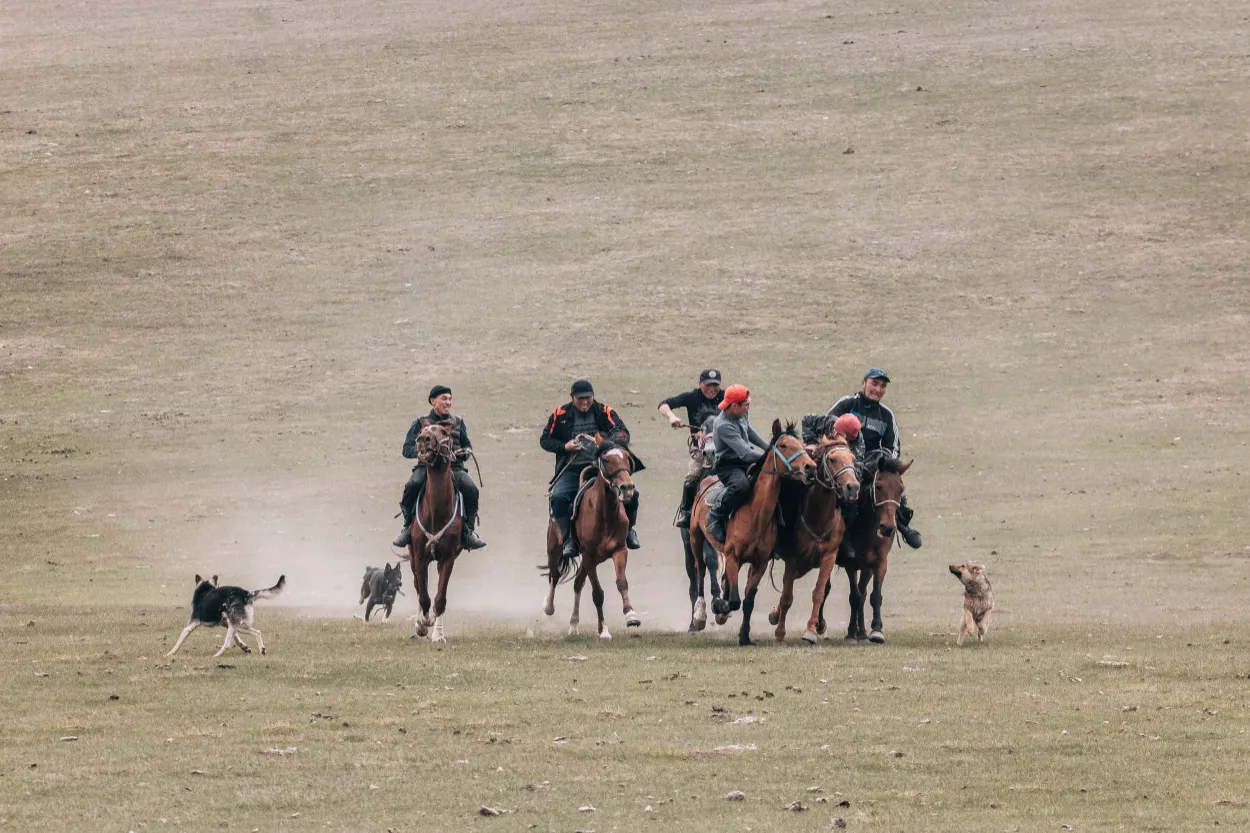
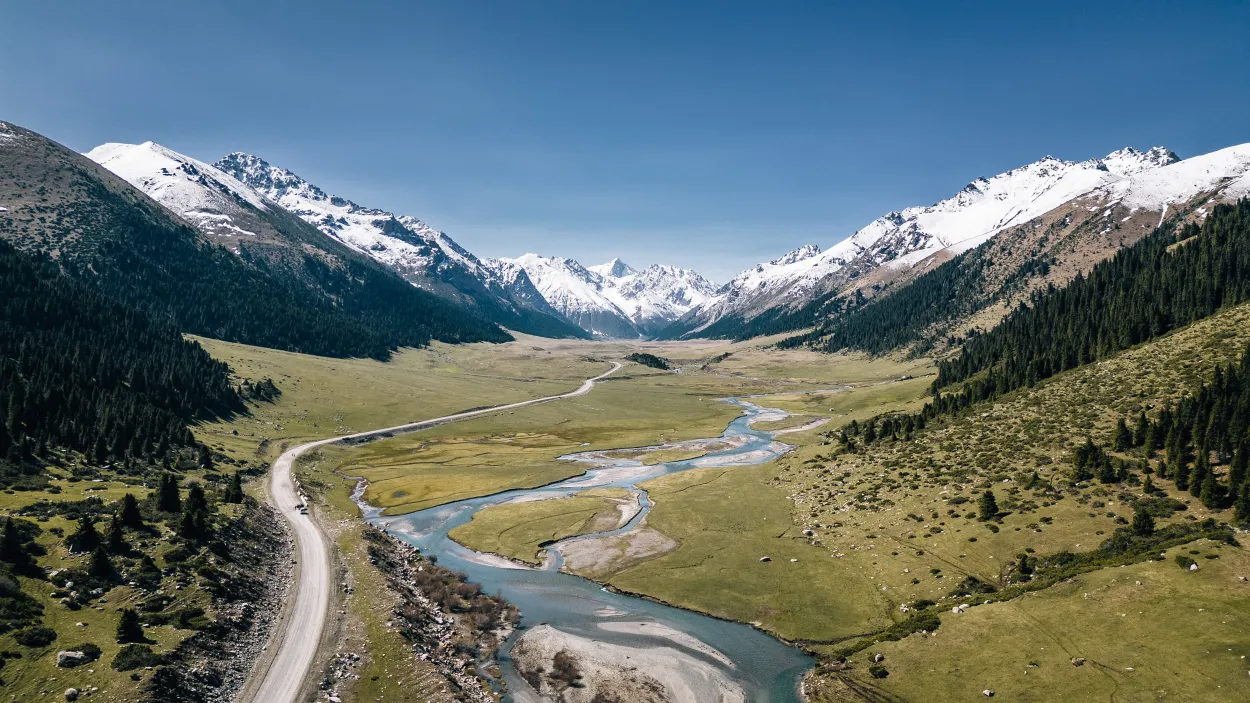
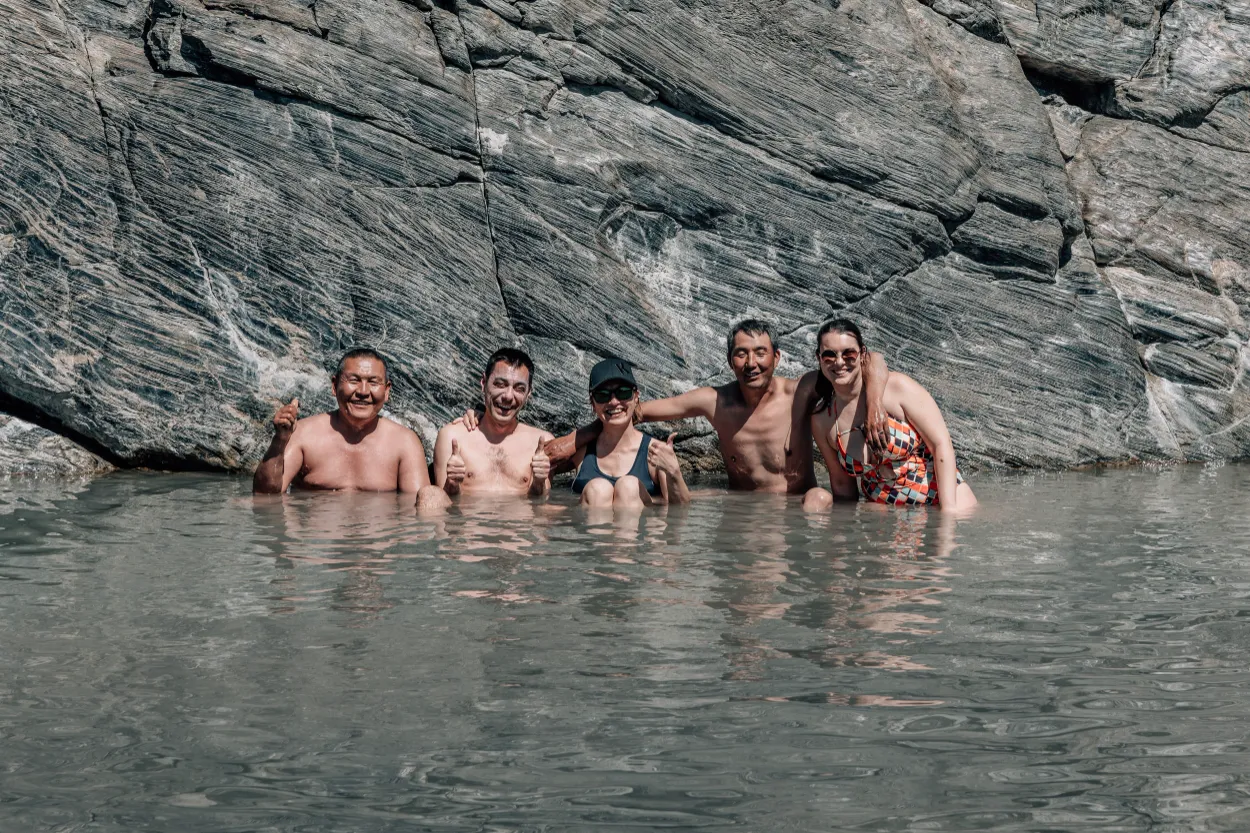
If you venture higher, into the gorges of Jeti-Ögüz or Karakol, you enter a world of evergreen forests, rushing mountain rivers, and pastures so green they make your eyes ache. Hidden up here are hot springs, waterfalls, and herds of horses left to roam free. In some spots, the only sound is the roar of the river. In others, the distant call of a shepherd guiding his herd further up the slope.
Echoes of the Silk Road
This lake has witnessed more than you can imagine. Caravans on the Silk Road once rolled along its shores, laden with silk, spices, and gold, journeying between China and the Mediterranean. On the rocks near Cholpon-Ata, you can still read petroglyphs carved three thousand years ago: wild ibex, hunters, and suns. Legends whisper of a sunken city somewhere in the deep, and divers have indeed recovered ancient ruins beneath the surface. Here, eras collide. Old and new share the same space: a shepherd with a mobile phone in his pocket chases his herd along a track once trodden by camels. If you are lucky, you might encounter an eagle hunter—the last guardians of a craft as old as the mountains themselves, launching a bird with a two-metre wingspan straight from glove to sky.
When to Go
The best time to visit Issyk-Kul is from late June to September, when the high passes are open, the pastures are lush, and yurt camps are pitched in the alpine meadows. July and August are warm around the lake and perfect for swimming, though nights at altitude remain chilly, making layers essential. Spring and autumn are quieter and more rugged, with fewer travellers and dramatic, sweeping light.
Getting here from Bishkek takes a few hours along a road that is an adventure in itself: mountain switchbacks, herds crossing the tarmac, and a scale that makes you feel smaller with every bend. Don't rush. Kyrgyzstan isn't meant to be seen through a bus window. Get out, start walking, and sit by the fire. That is when you understand why the nomads never bothered to invent a better way to live.
Author: Martin Bonov