Face to Face: The Wildlife of Socotra
The boat rocks gently. Five minutes pass, then ten. You stare into the deep, heavy, opaque blue of the water. Nothing. And just as you look away, the guide raises a hand and points to the right. A fin. Then another. Suddenly, an entire pod of dolphins breaks the surface just 15 metres from the boat—silvery, fast, and playful. Not performing for you. Just being. Socotra is an island where wildlife encounters aren't scheduled. They happen quietly, out of nowhere, and that is exactly why they stay with you forever.
There are no zoos, fenced reserves, or organised safaris on Socotra. The animals here are not "attractions". They are neighbours, inhabitants of an island where humans are the minority. 90% of the reptiles are endemic. The seas surrounding the island are amongst the cleanest in the Indian Ocean. Birds are everywhere, so accustomed to the silence that you hear them before you even see them.
Encounters are never guaranteed. Dolphins show up on the way to Shuab, but not every day. The turtles in Dihamri depend on the season. The chameleons, on your patience. Socotra doesn't promise a checklist. It offers something far more valuable: moments that catch you completely off guard.
The Dolphins of Shuab: An Open-Water Encounter
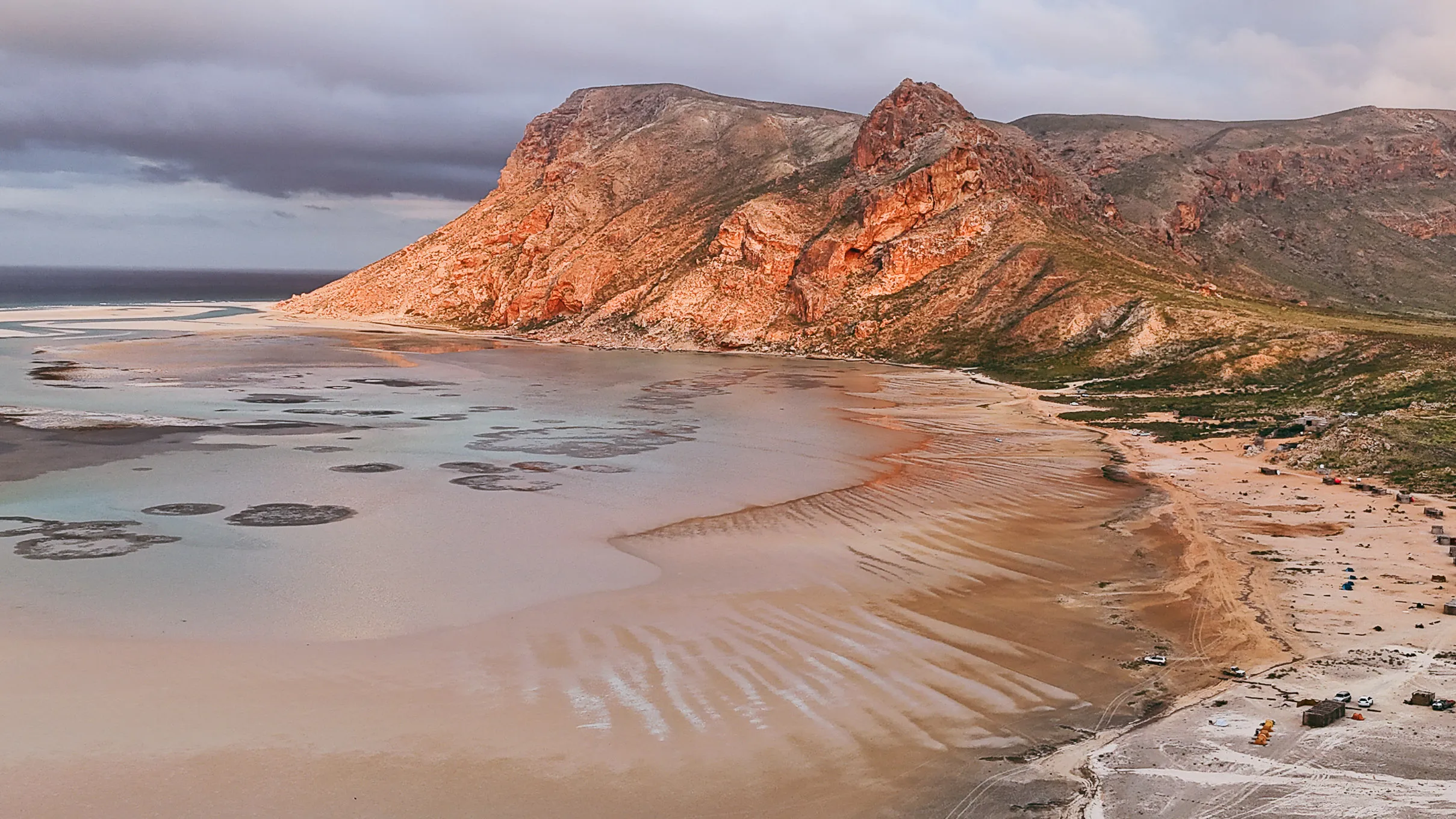
The boat ride from Qalansiyah to Shuab Beach takes you past cliffs that plunge straight into the sea. White, pink, red—layered by millions of years of geology. The water beneath the boat is deep, dark blue.
Dolphins appear out of nowhere. Sometimes it’s 5 or 6, other times a pod of 15 to 20. They leap alongside the boat, surf under the bow, vanish, and pop up again. The boatman cuts the engine, and you wait. They don't stop for you. They are on their own journey, but for a fleeting 3 or 4 minutes, your paths align, and you get to watch creatures that are faster, more graceful, and clearly happier than you.
The locals say that spinner dolphins reside permanently in the waters off the west coast. They are smaller, more timid, but if you keep quiet and let the boat drift slowly, they will show themselves. If luck is truly on your side, you might even spot a whale shark. But that’s rare and highly seasonal. Socotra doesn’t sell promises. It offers a chance.
Underwater in Dihamri: The Reef You Haven't Seen Yet
The Dihamri Marine Protected Area is just a short drive from Hadiboh and is usually the first stop after arrival. The reef here is one of the richest spots in the archipelago, easily accessible with a mask and snorkel, no diving gear required.
Slip into the water, and within seconds, you are in another world. Bright parrotfish with chunky bodies glide inches from your mask. Moray eels hide in rock crevices, their half-open jaws looking menacing, though they aren't. Blue-spotted rays glide across the sandy bottom, slow and composed. Sea urchins sit motionless between the stones.
If you're lucky, you'll spot a turtle. It moves so slowly and confidently that the ocean feels like its private lounge, and you're just the visitor. Which, indeed, you are.
Dihamri does have a dive centre for those wishing to go deeper. But even the surface is enough. The water is so clear that you can see the seabed in crisp detail from 3 or 4 metres up. The reef is untouched because very few people ever reach this place. Every snorkel here is a reminder of what "the sea" used to mean before mass tourism took over.
The Chameleon: The Forest's Slow-Motion Resident
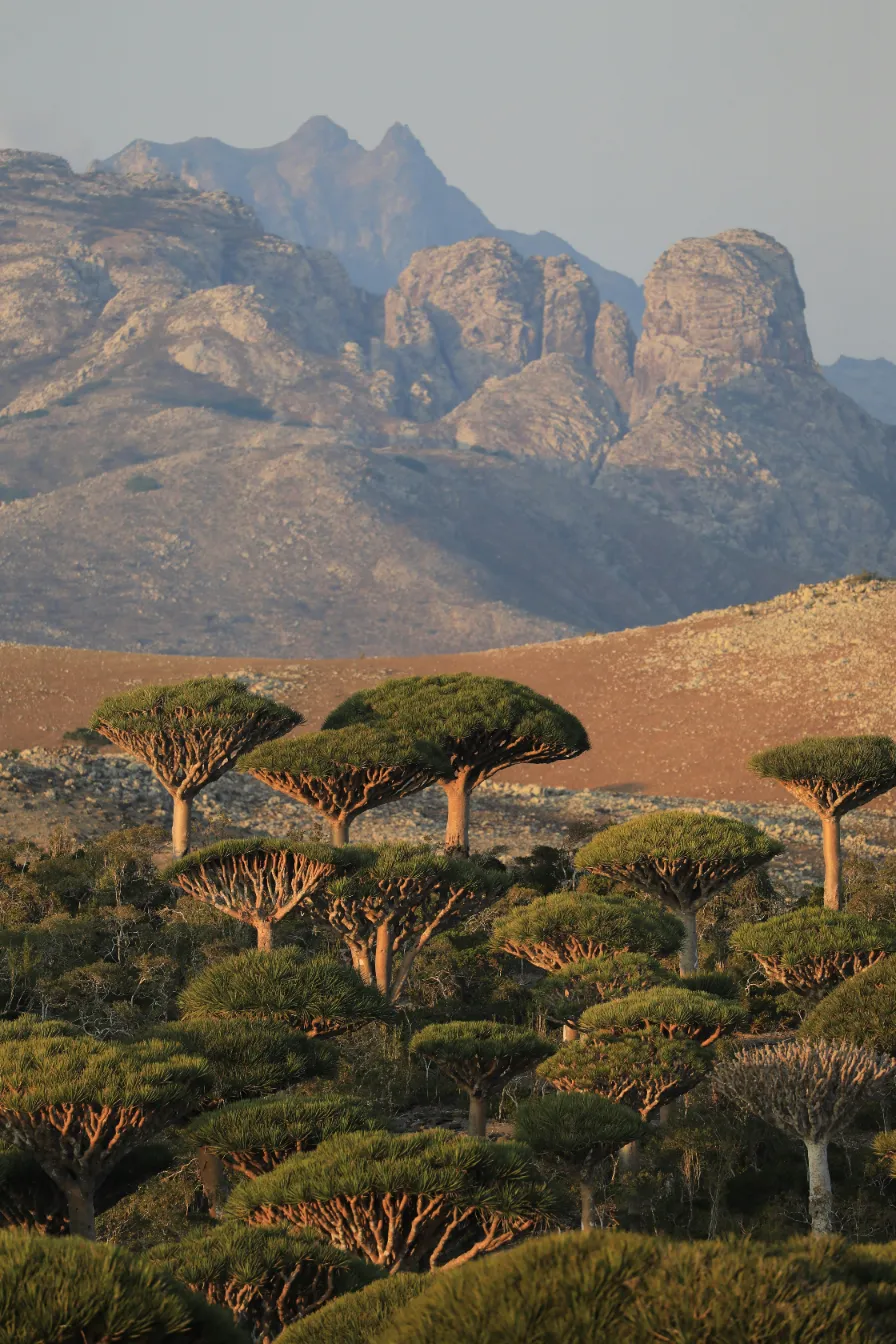
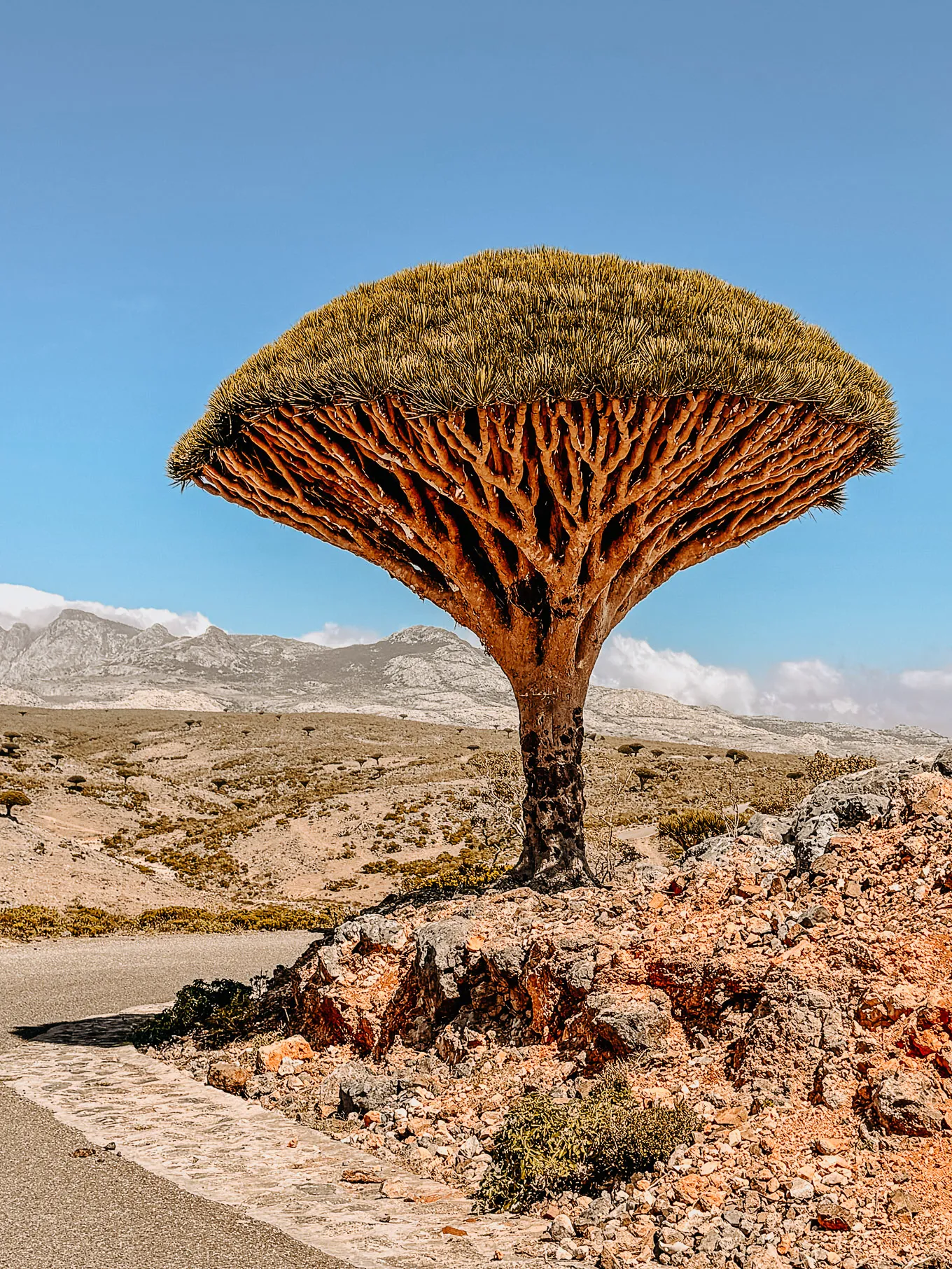
Chamaeleo monachus, the Socotran chameleon, lives in the forested pockets of the island, between dragon's blood trees and shrubs. To spot one requires you to slow down and pay attention. Its body is green on green, brown on brown, almost invisible.
Your local guide will stop, point at a branch, and say, "Look." You stare. Nothing. You keep staring. And slowly, out of the void, a shape materialises. Eyes that move independently. Toes gripped tightly around the branch. A tail curled like a spiral. The chameleon noticed you minutes ago, but it simply doesn't care. It moves at its own pace, so slow it feels like watching a time-lapse in reverse.
This isn't a ticked-off box on an exotic wildlife tour. It’s a moment of realisation that you are in a forest teeming with life you fail to see, simply because you haven't learned to look that slowly. The chameleon teaches you patience, not with words, but by just being there, in absolutely no rush.
Geckos and Night Dwellers
When night falls and the torches are lit, the camp comes alive. Geckos appear on the rocks and tent walls—tiny, lightning-fast, with huge eyes and sticky toes that cling to any surface. They hunt insects with a precision that is hypnotising: absolute stillness, stillness, strike, dinner.
Several gecko species on Socotra are endemic, meaning you won't find them anywhere else on Earth. They don't hide from humans; they're used to us. In camp, they are just part of the scenery, as much as the stars and the wind.
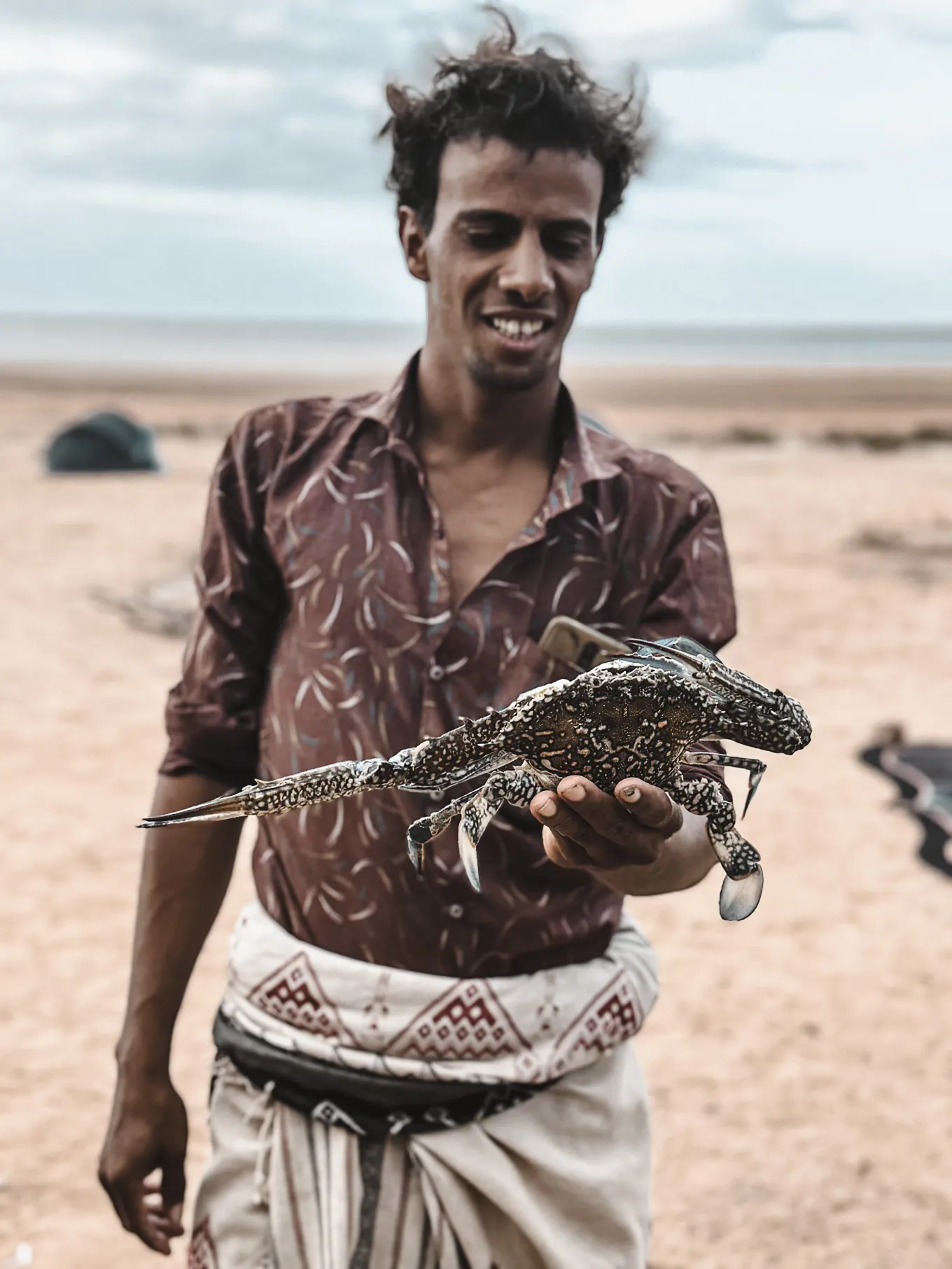
In the rock pools of the wadis (river valleys), freshwater crabs crawl. Shine a torch at night, and you'll spot them on the bottom—small, grey, and quick. In Hoq Cave, nocturnal spiders and invertebrates, adapted to absolute darkness, navigate the walls. They aren't scary; they are just proof that life here persists everywhere, even where the light never reaches.
On the beaches of Arher and Delisha, ghost crabs create intricate patterns in the sand, building little mounds in geometric displays that each tide washes away, only for them to start building again. Endless, pointless, beautiful work.
The Birds: The Soundtrack You Forget to Listen To
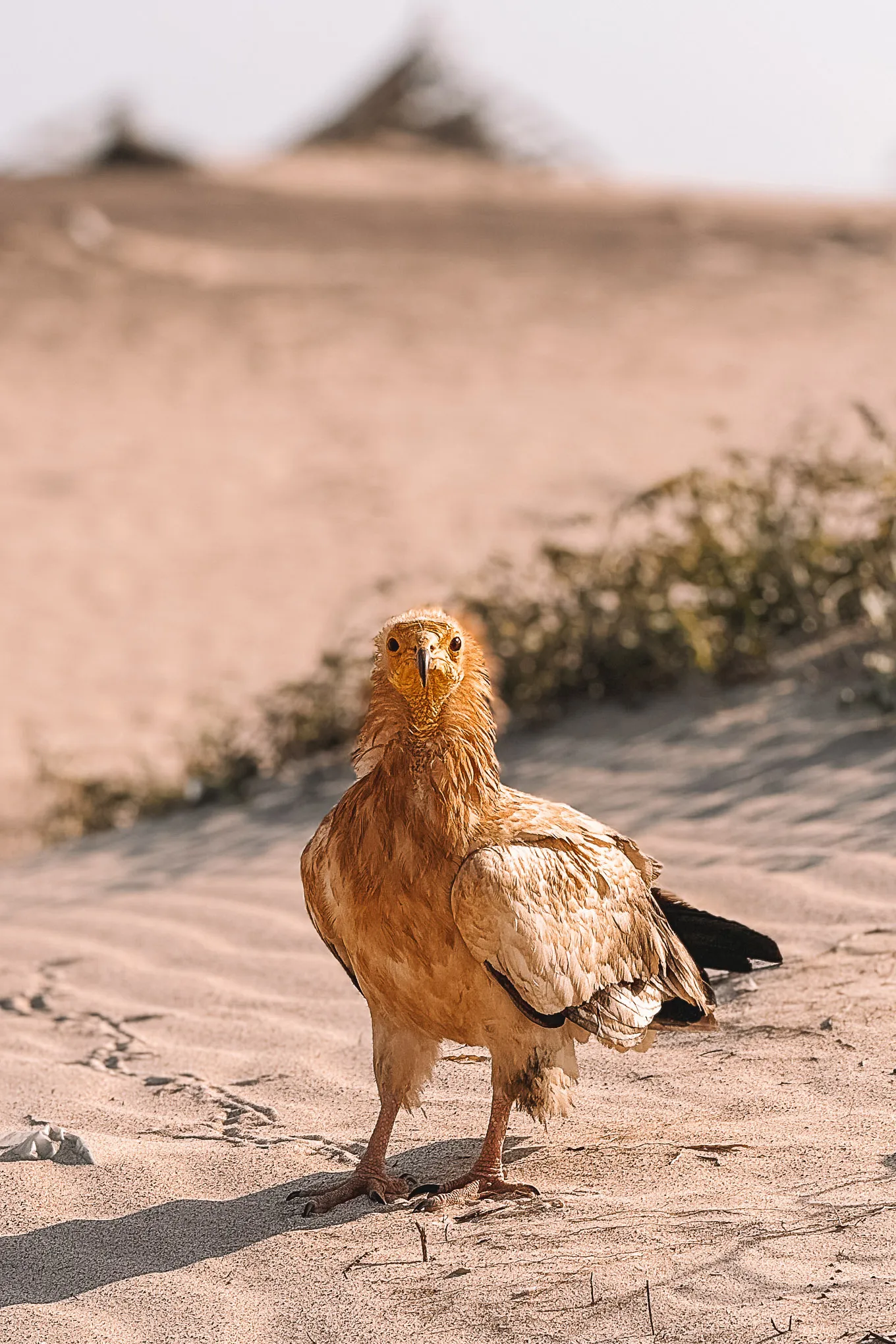
Socotra's birds aren't flashy. They aren't flamingoes lined up in perfect rows (though you will find some near Qaria Lagoon). They aren't eagles in dramatic flights (though Egyptian vultures circle the high plateaus). They are the background: constant, quiet, everywhere.
In the morning, before sunrise, you hear them. Short, sharp calls echoing from the scrub. The Socotra wheatear—small, quick, endemic. You won't see it unless you actively look for it. Bruce's green pigeons fly between the palms of Dirhur Canyon, the swoop of their wings heard before they are spotted. Cormorants perch on the cliffs near Shuab—motionless, black, dripping wet.
At Qaria Lagoon, on the way to Homhil, the water is shallow and still. Flamingoes, herons, and greenshanks stand a few feet apart, completely unfazed by the world. No binoculars are needed here. You just need to sit on the shore and wait.
The birds are a reminder that the island is alive in a way you can't control. They sing when they want, fly when they please, and fall silent when they choose. You are simply a bystander. And after 9 days, when you return home and hear pigeons from your balcony in the morning, you'll feel a sudden, unnameable longing.
The final night. The campfire crackles, fish is grilling, and the wind carries the salty tang of the sea. A gecko appears on the rock beside you, freezes, then vanishes. Out in the dark, a wave breaks. Closer by, something small rustles in the brush. You can't see what it is. You don't need to. On Socotra, the wild doesn't parade for your entertainment. It is just here, as it always has been. The real question is whether you can be quiet enough to notice it.
Author: Martin Bonov