What to Expect from a Safari in Bushmanland
Bushmanland in Eastern Namibia is a territory without road signs, fences, and almost no people. A safari here is not a walk, but an immersion into a landscape unchanged for millennia.
Imagine endless horizons where the sky merges with the earth in a palette of golden and red hues. Hear the whisper of the wind telling ancient tales of a land inhabited for millennia. Feel the pulse of wild nature echoing in the desert silence. Welcome to Bushmanland – one of the most authentic and untouched places in Namibia, where every safari is a journey not just through landscapes, but also through time and culture.
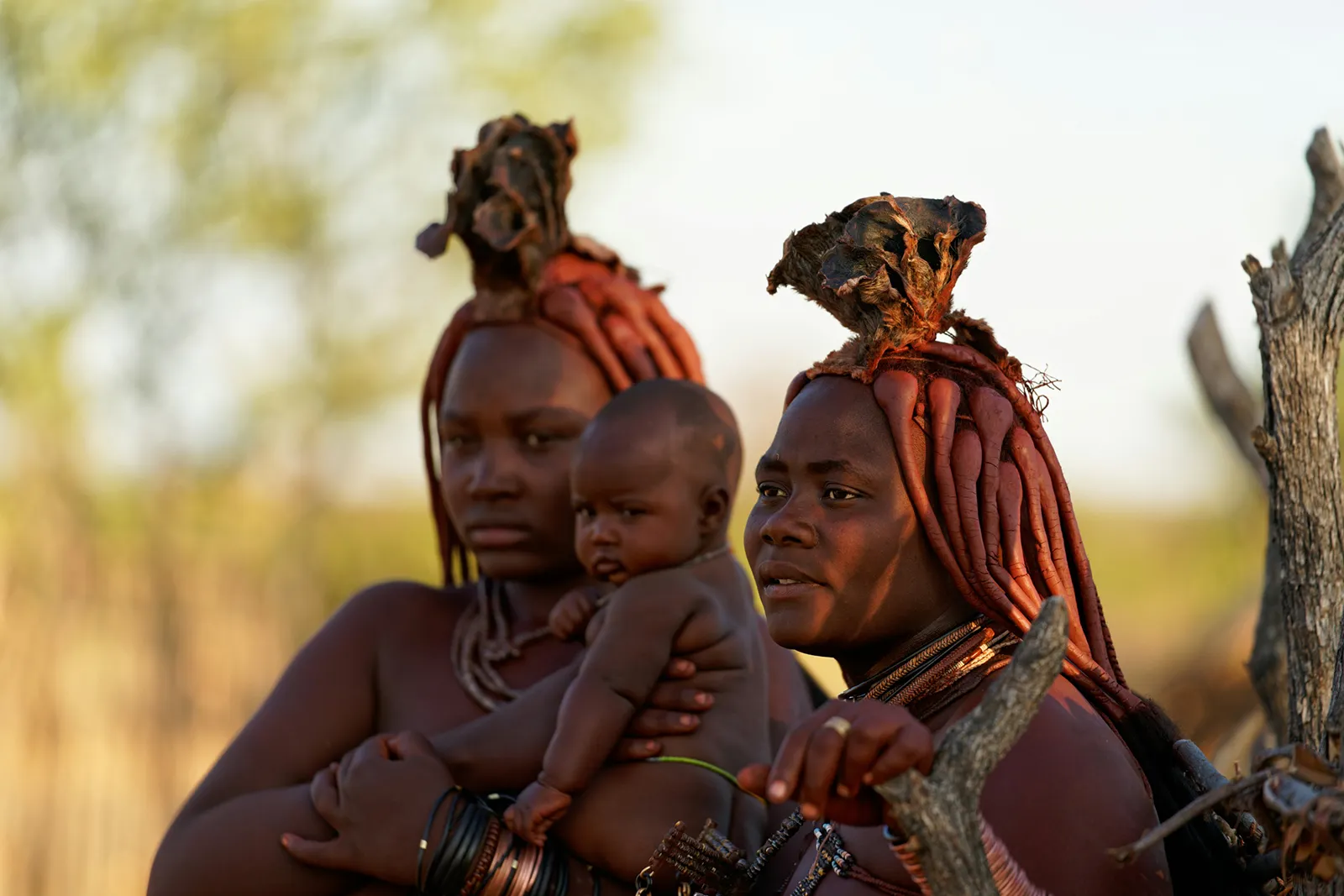
If you've dreamt of a true African adventure, far from the beaten path, Bushmanland is your place. Here you won't find luxury resorts or crowds of tourists. Instead, you're invited to immerse yourself in the lives of the local San communities (bushmen), who are the guardians of this land and its secrets. The safari here is much more than just seeking wildlife; it's an opportunity to connect with nature on a deeper level and learn about a way of life that is in harmony with the environment.
What exactly is Bushmanland?
Bushmanland, or officially known as Omaheke, is a region in eastern Namibia, bordering Botswana. It's a land of vast savannahs, dry riverbeds, and unique flora and fauna adapted to the harsh conditions of the Kalahari Desert. The name "Bushmanland" comes from the local San population, who are some of the oldest inhabitants of Southern Africa and whose culture and traditions are closely linked with this land.
A safari in Bushmanland usually includes:
Walks with local San guides: This is the heart of the experience. These amazing people possess encyclopedic knowledge of the region's flora, fauna, and history. They will teach you to recognize animal tracks, find water in the desert, and share stories and legends of their culture.
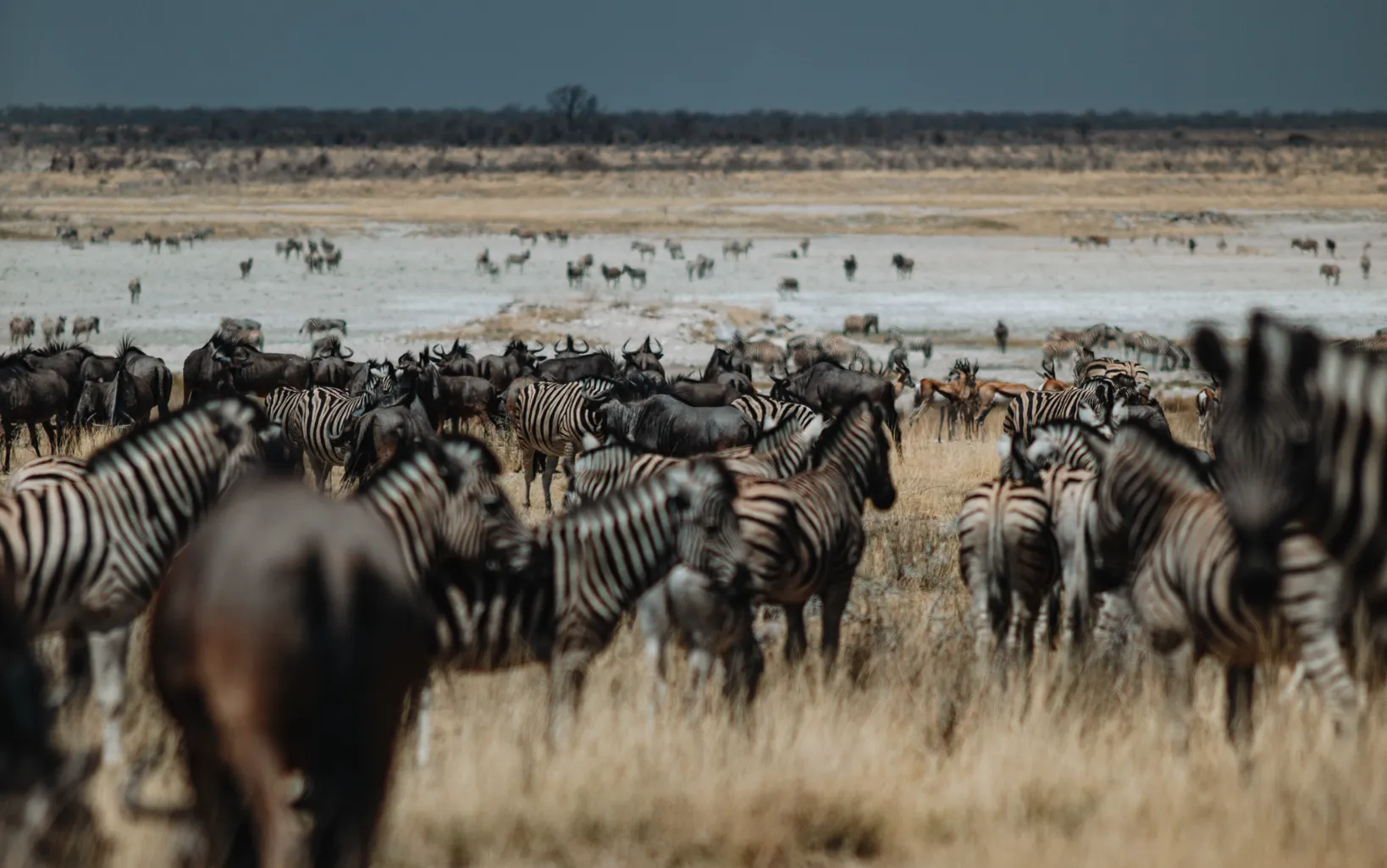
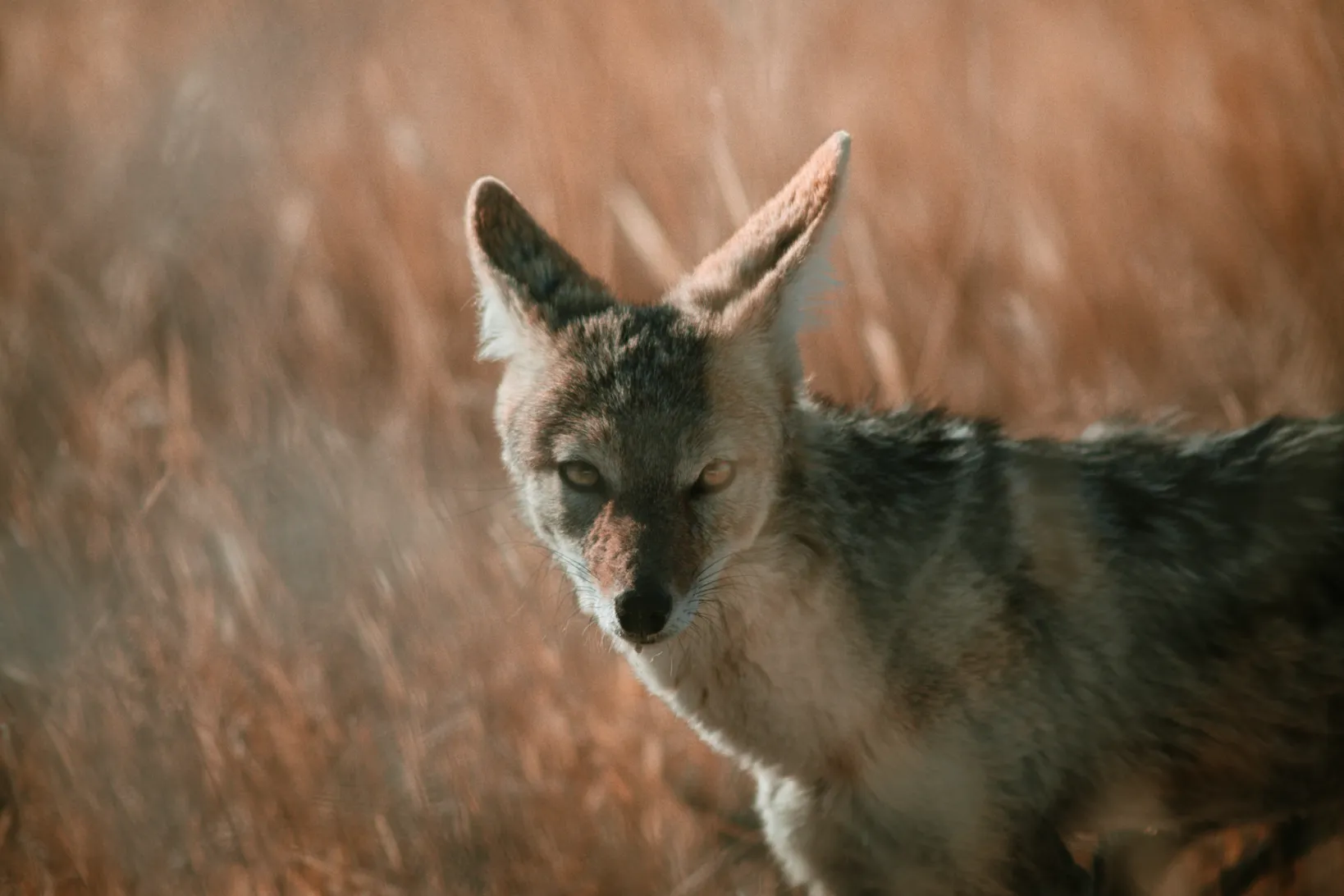
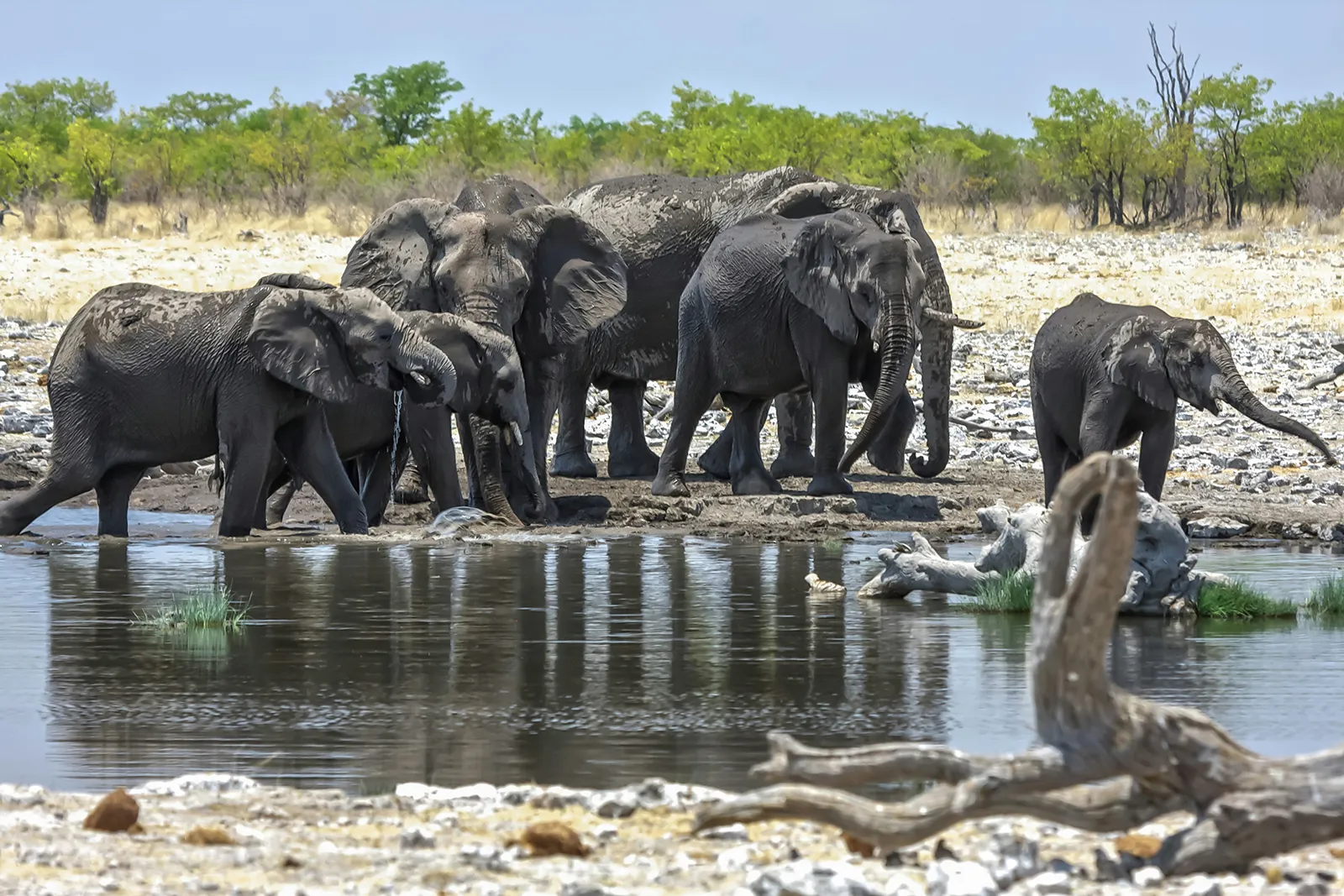
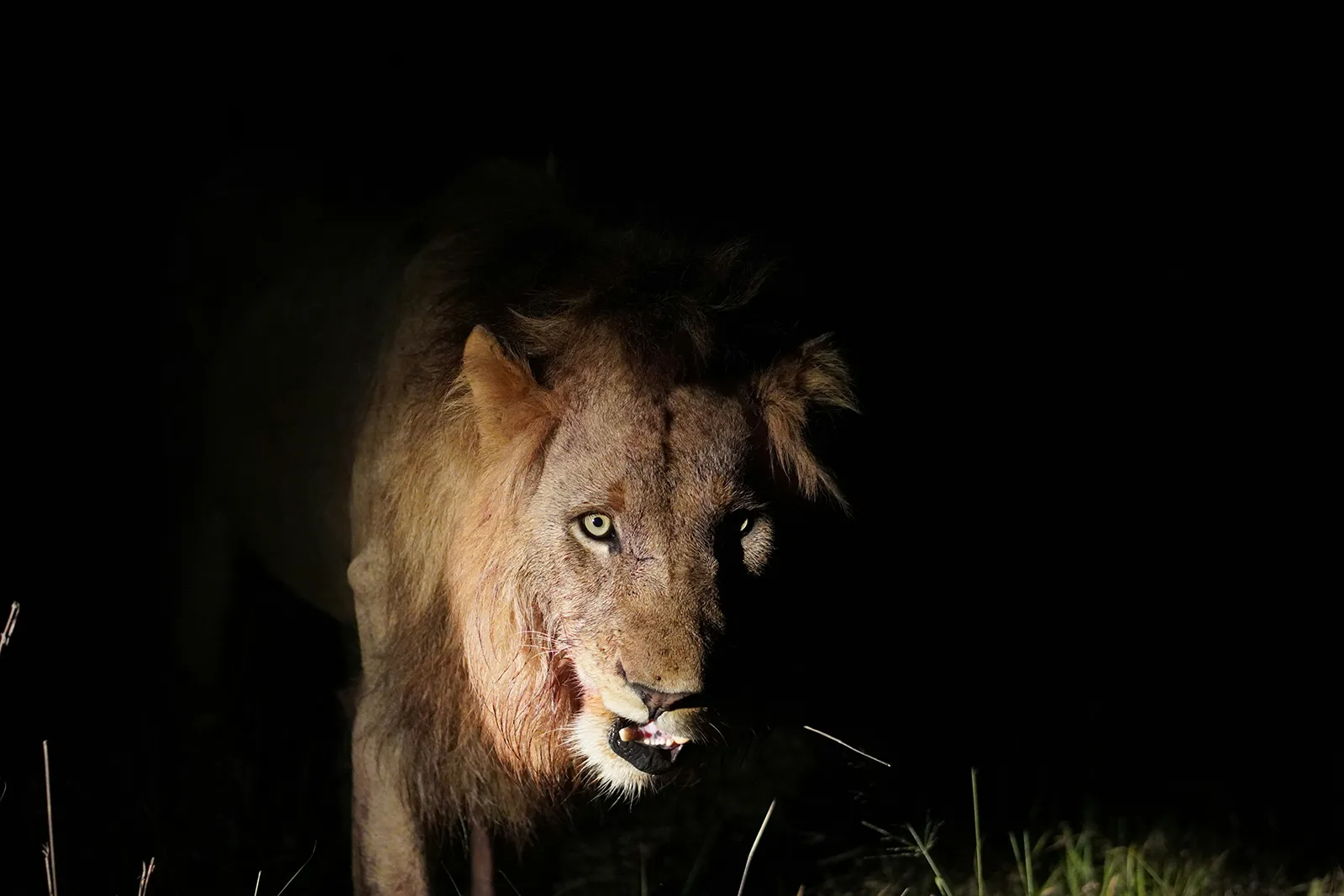
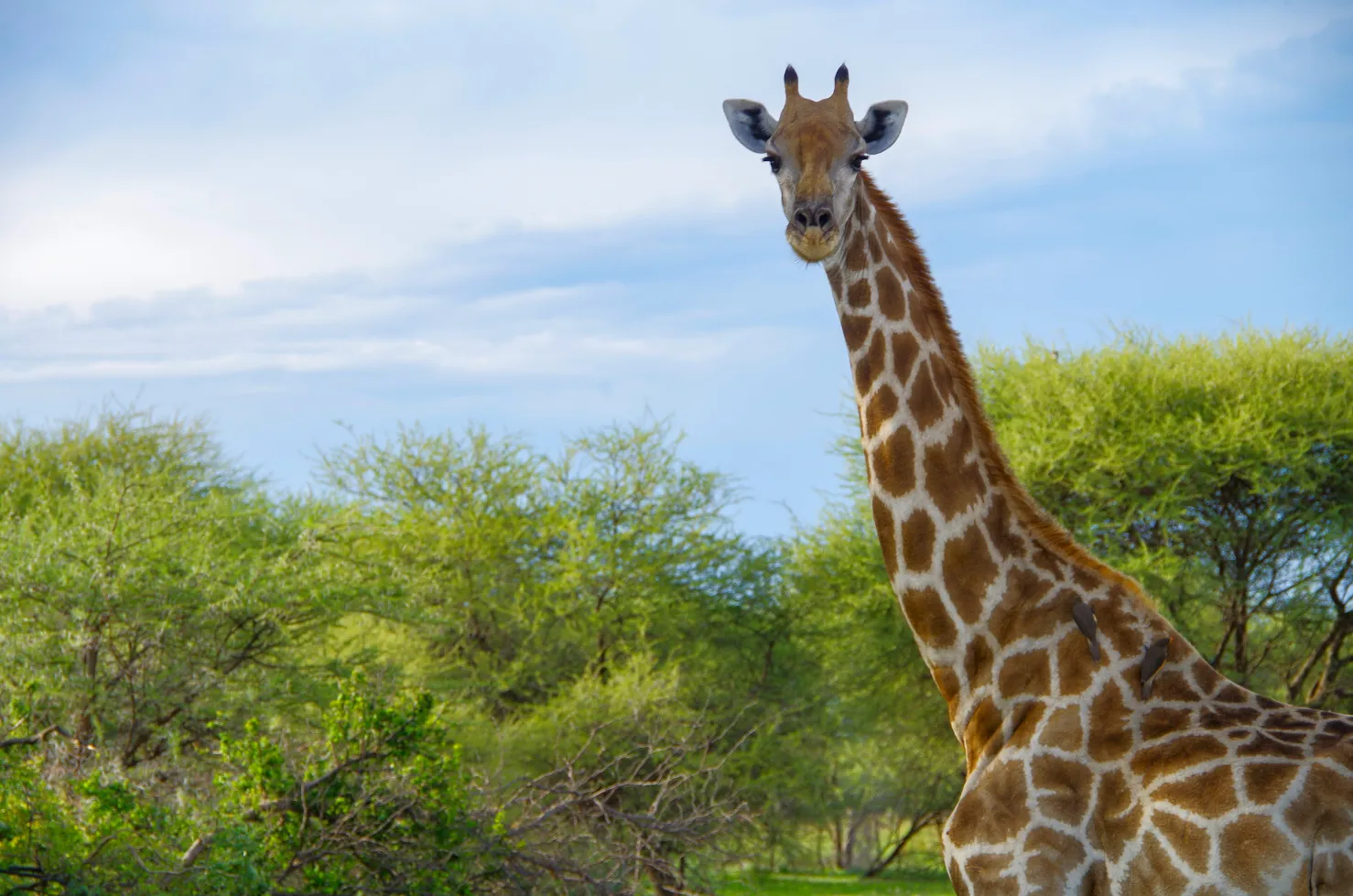
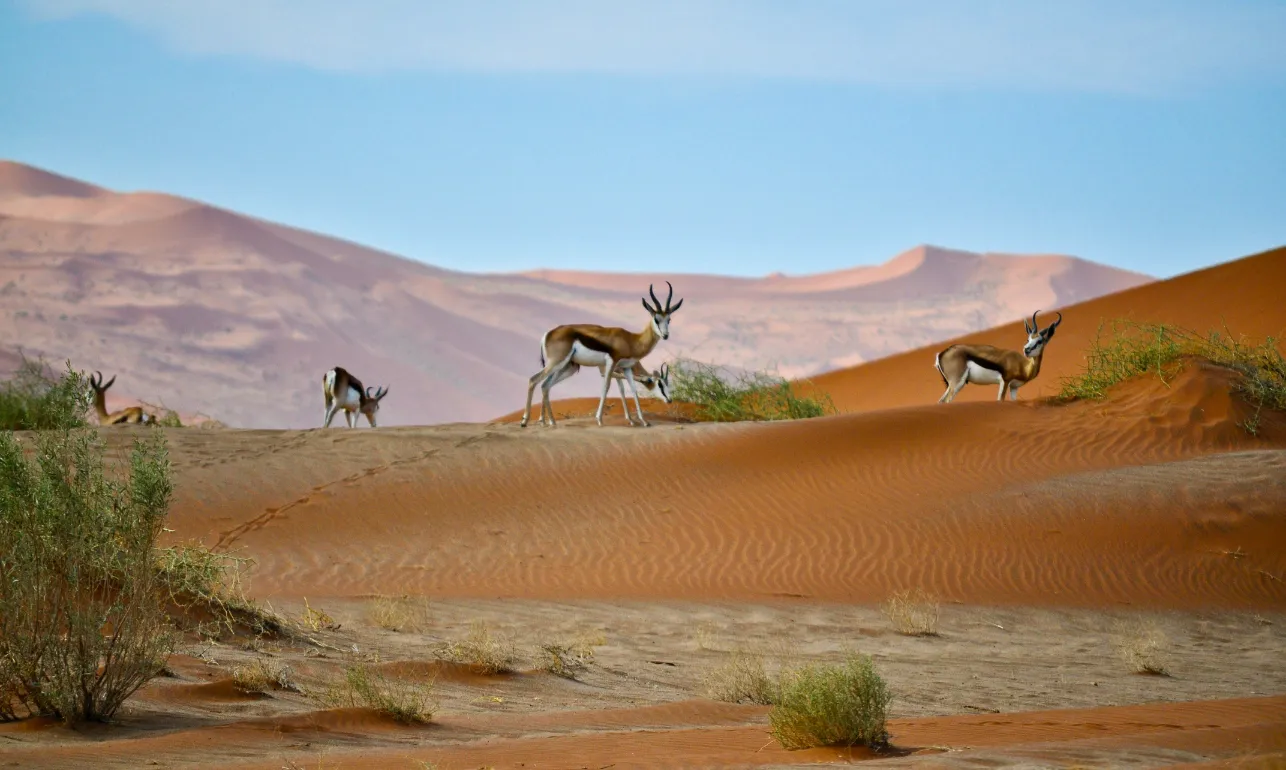
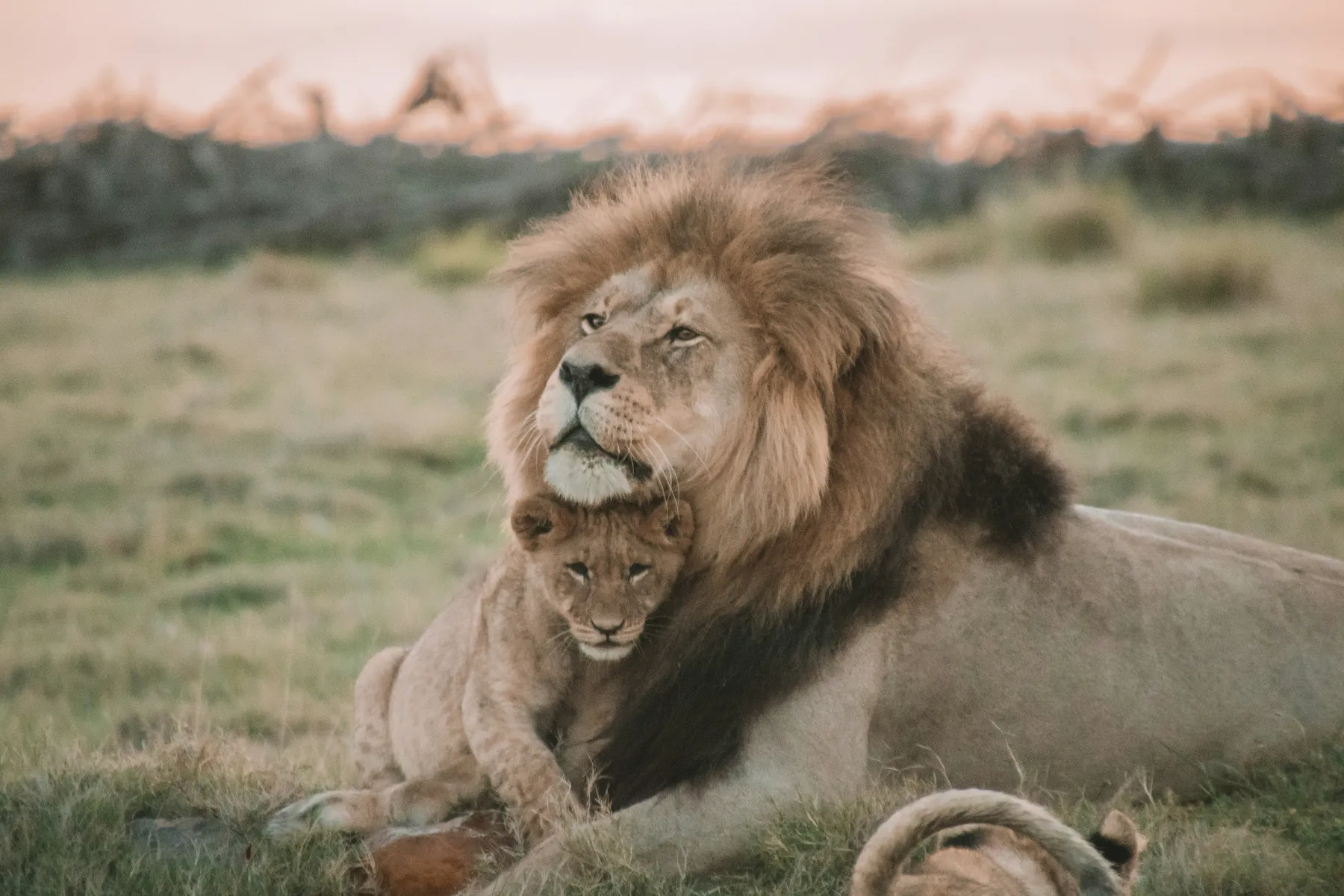
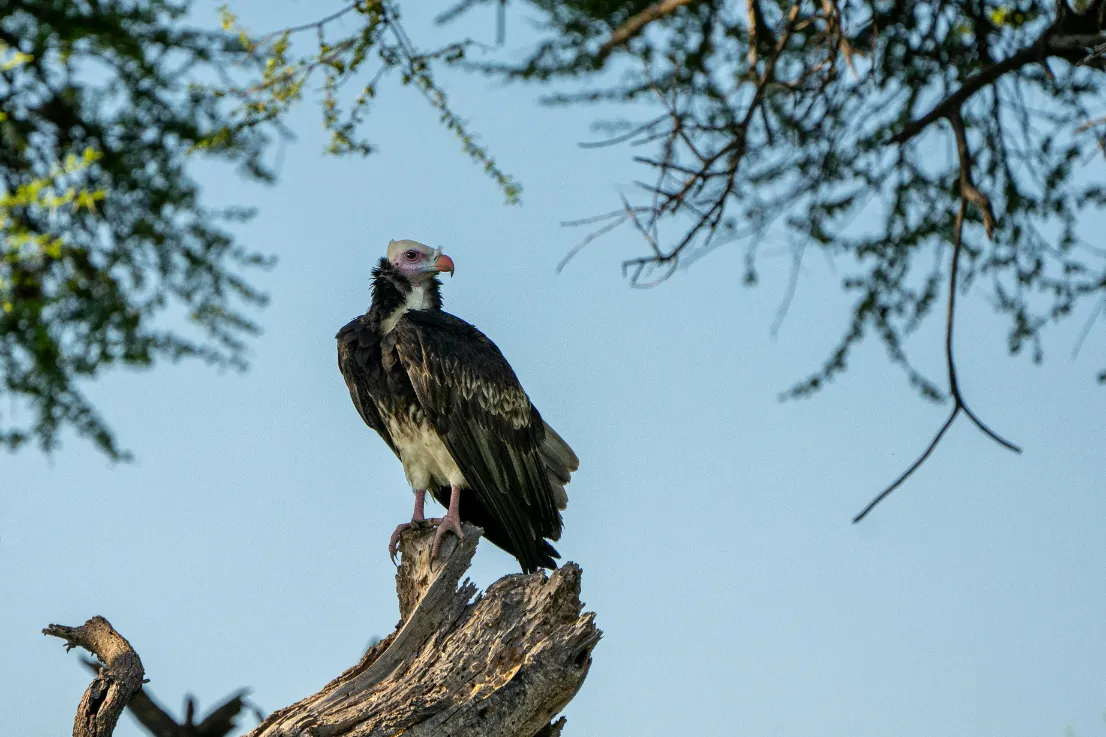
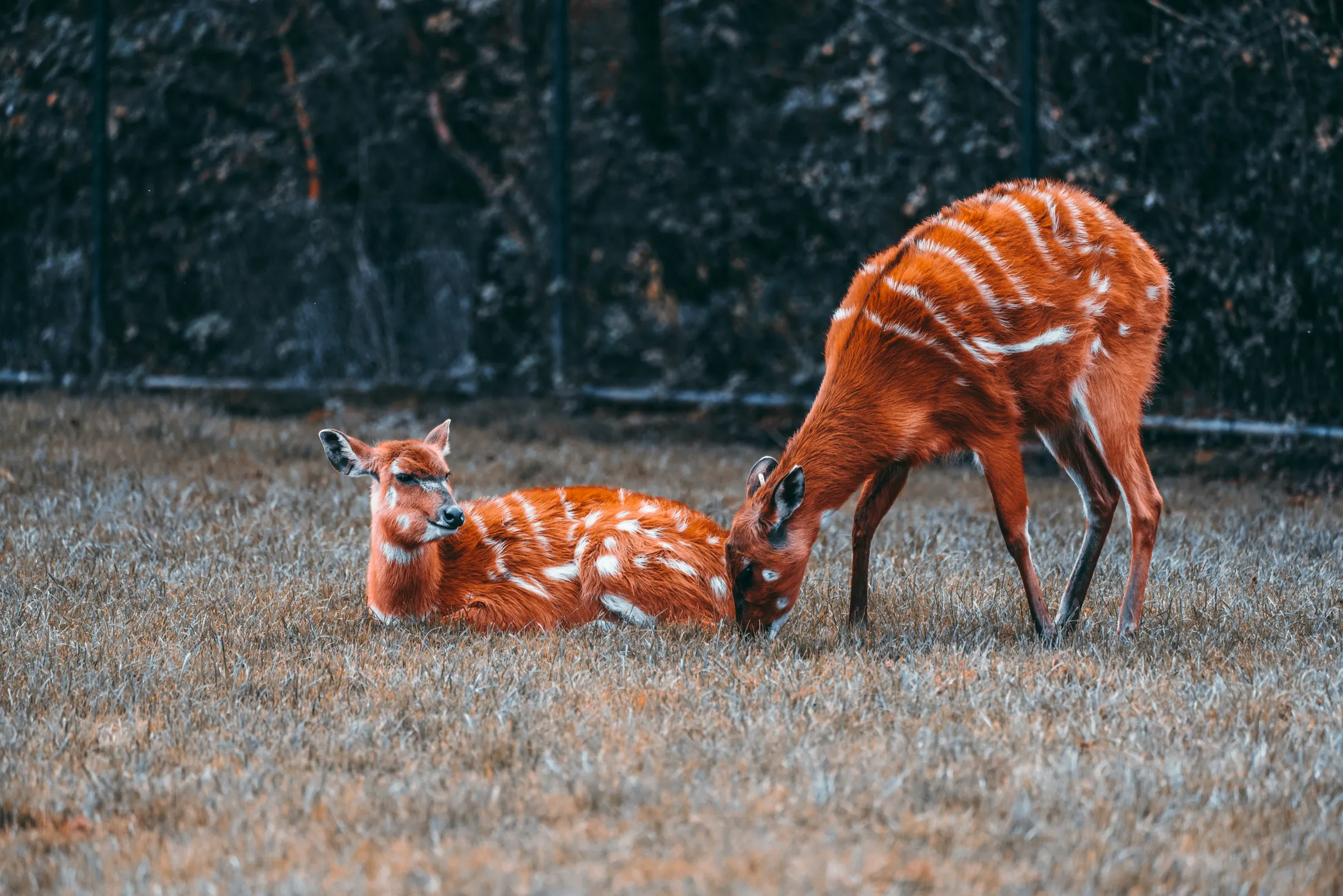
Wildlife observation: While Bushmanland is not as known for large herds as some other parks in Africa, here you can see unique species adapted to the dry environment, like oryx, springbok, kudu, giraffes, and sometimes hyenas, cheetahs, and even lions. The birdlife is also remarkably rich.
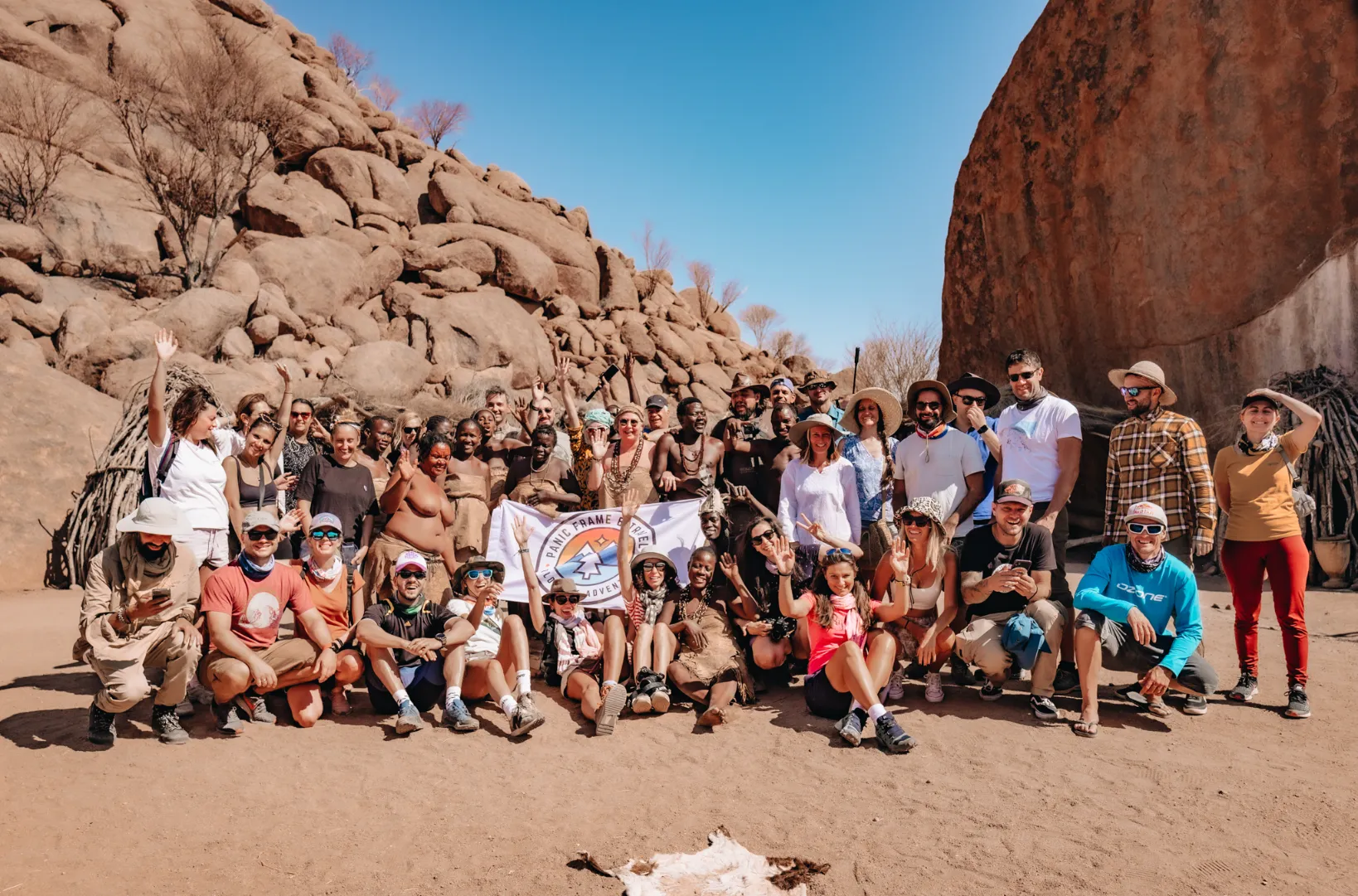
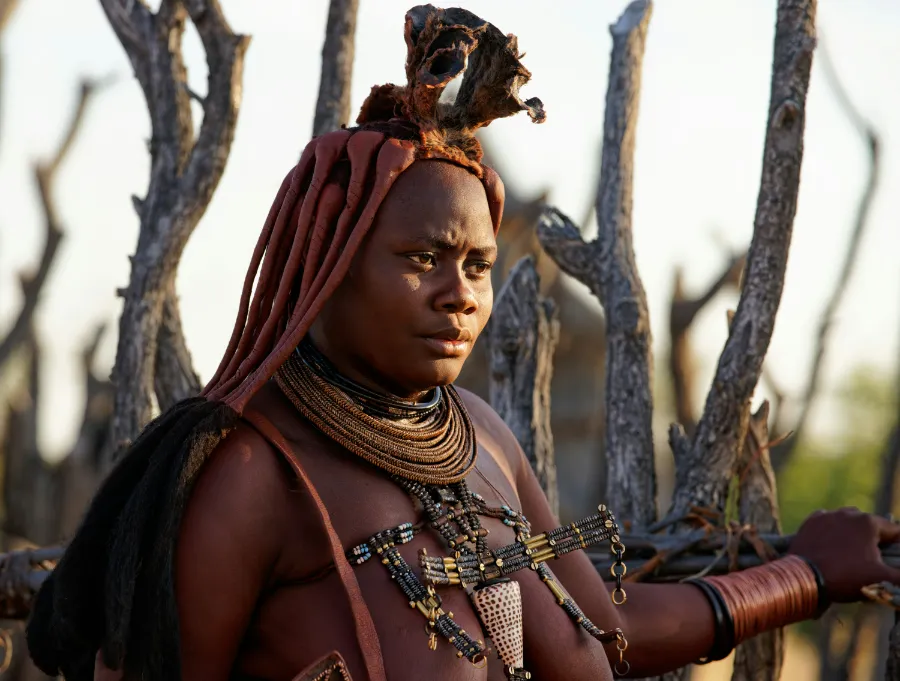
Visiting local communities: You will have the opportunity to get to know the life of the San people, see their traditional dwellings, and learn about their customs, music, and dances. It's an incredibly enriching cultural experience.
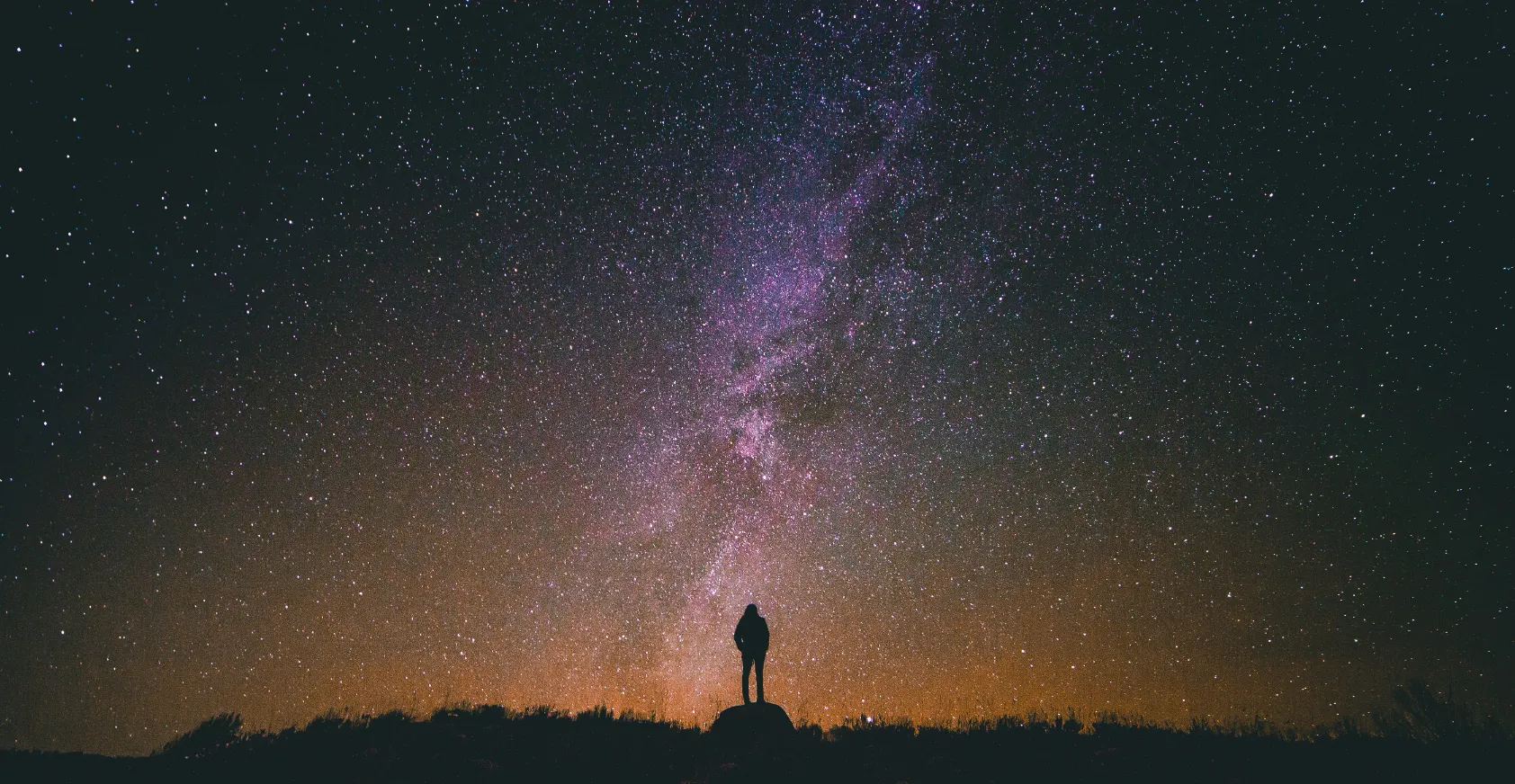
Overnight stays under the starlit sky: Sleeping under millions of stars in complete silence, far from light pollution, is an unforgettable experience. Often campsites are organized in the desert, allowing you to fully immerse in the atmosphere.
What to expect from the experience?
Expect authenticity. Expect simplicity. Expect to be challenged and inspired. A safari in Bushmanland is not a luxury vacation, but a plunge into the reality of wild nature and local culture.
Immersion in the San culture: This is the main attraction. You will spend time with local guides who will show you how their ancestors lived and how they continue to maintain their connection with the land. You will learn about their hunting techniques, the use of plants for food and medicine, their beliefs, and art.
Silence and tranquillity: Far from the city noise, here you will discover true silence, interrupted only by nature's sounds. It's an ideal place for meditation, reflection, and connecting with yourself.
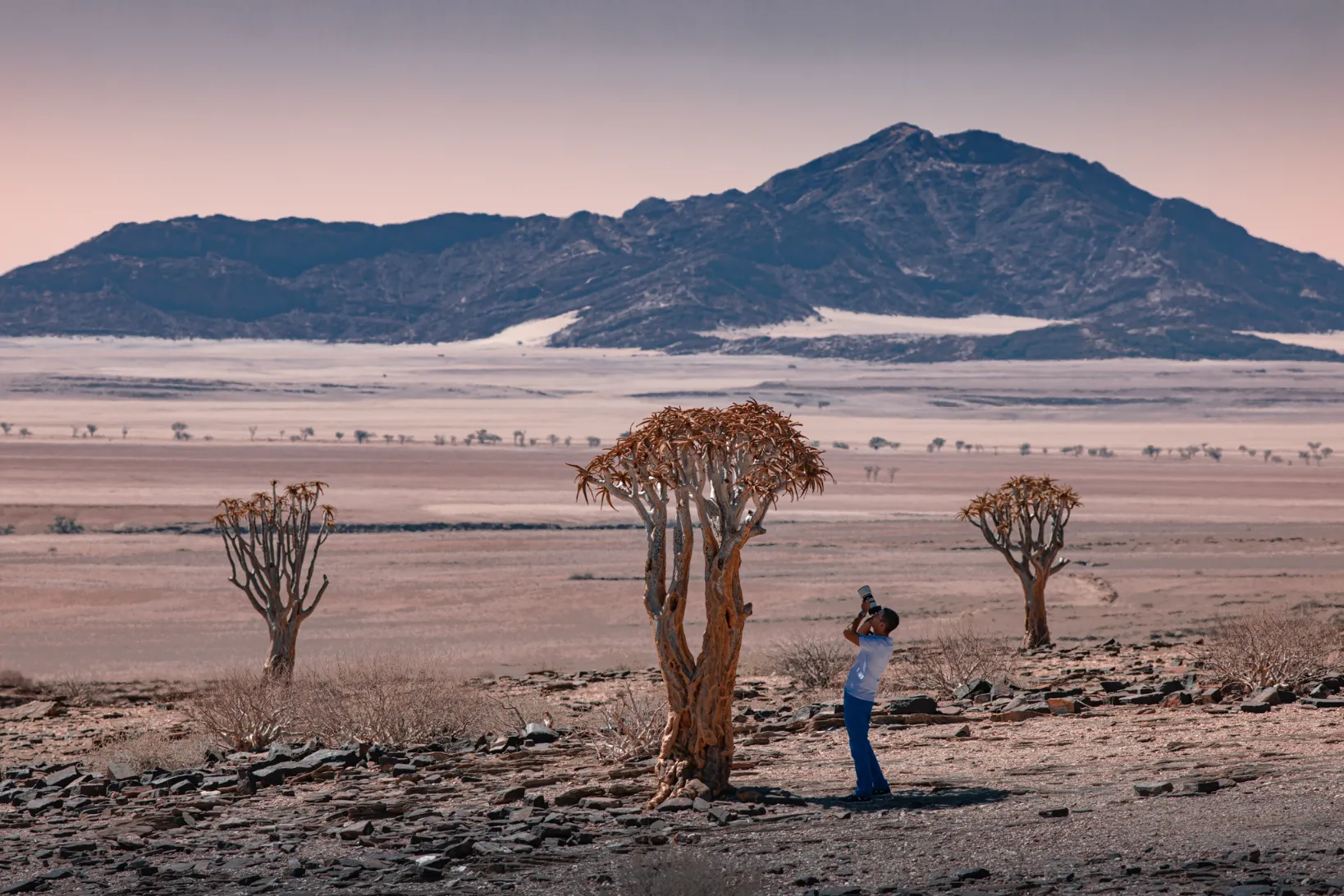
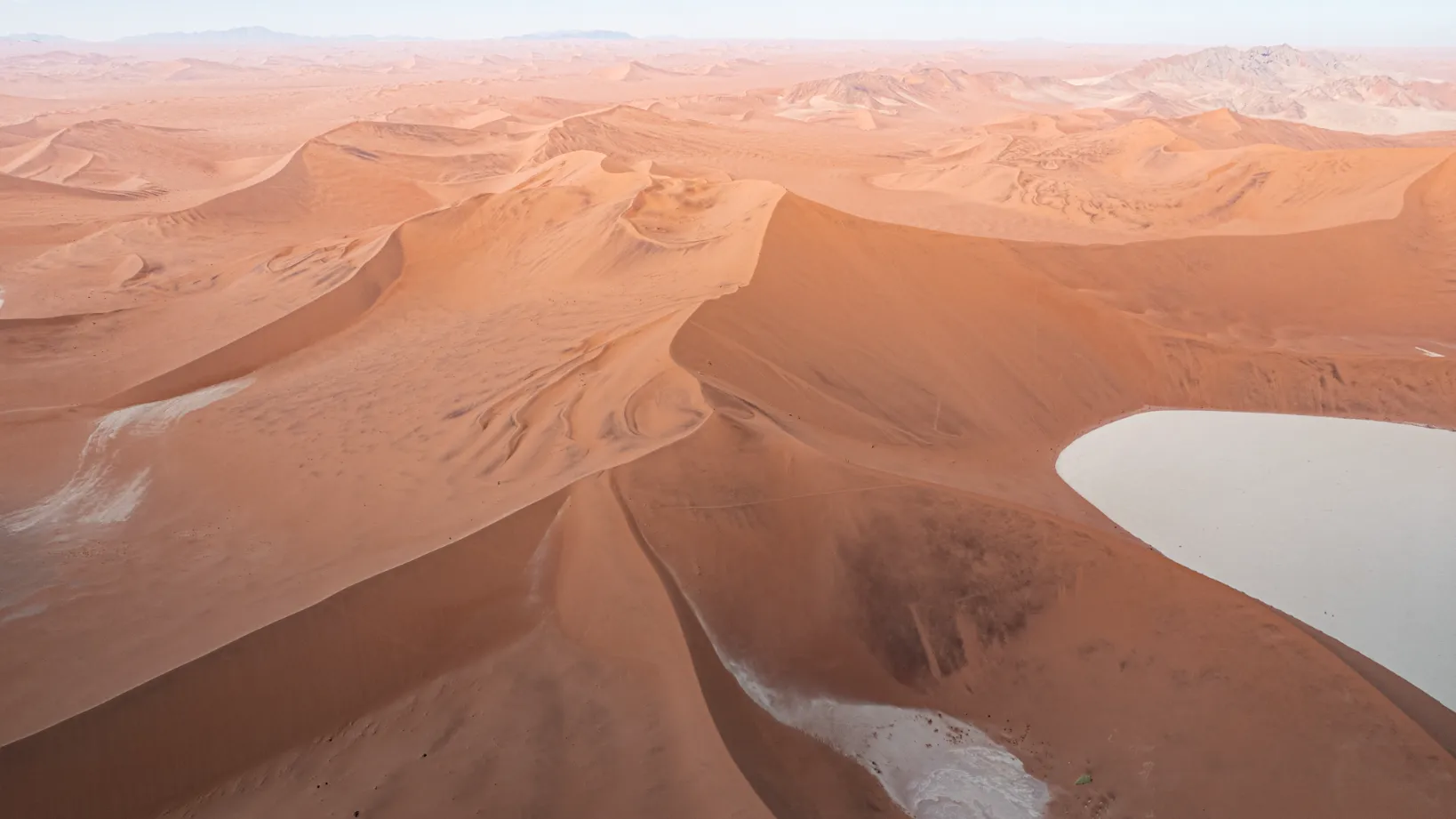
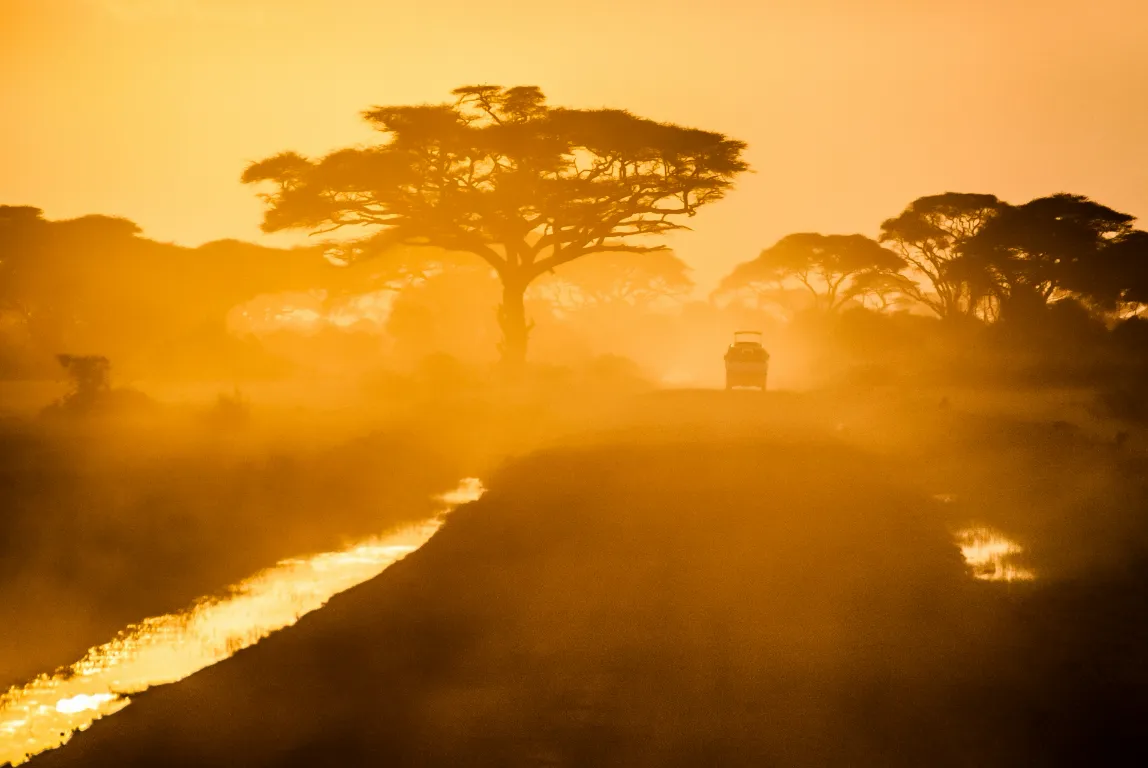
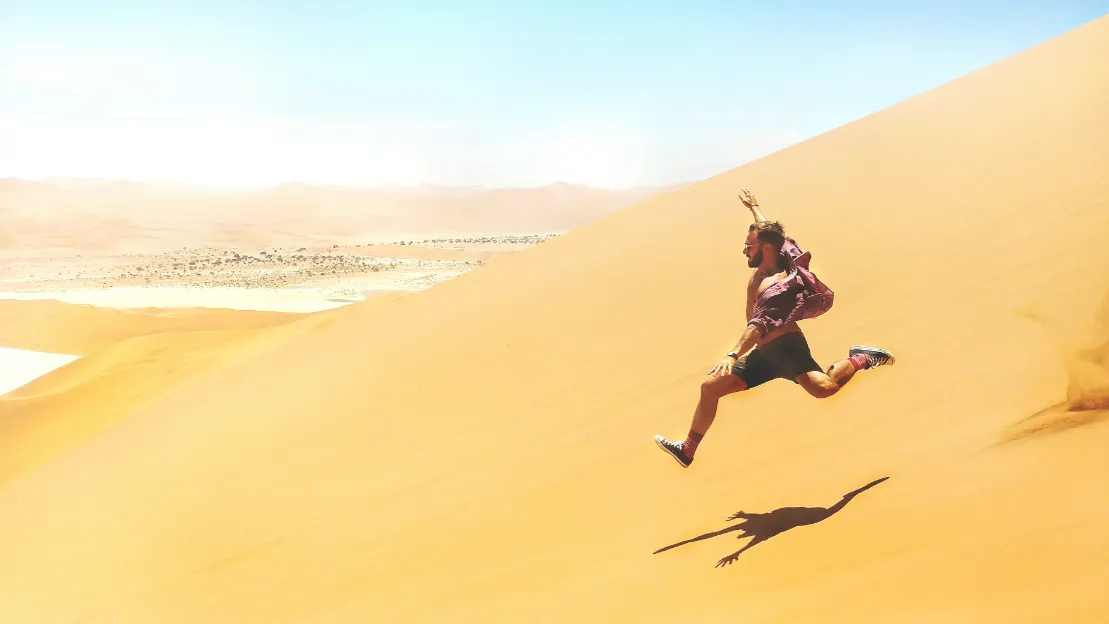
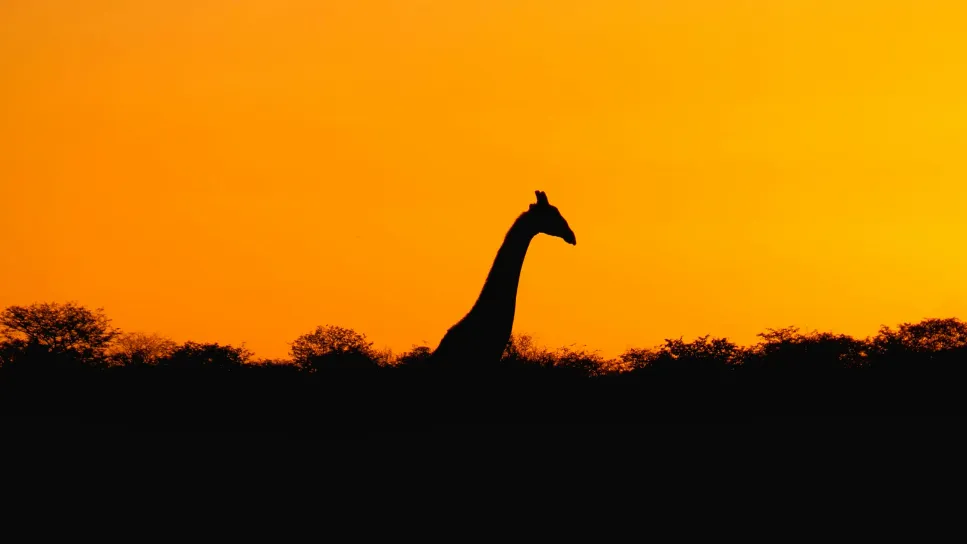
Amazing landscapes: While not as dramatic as the Namib Desert, Bushmanland's landscape has its own unique beauty – vast plains covered with grasses and acacia trees stretching as far as the eye can see. The sunrises and sunsets here are breathtaking.
Encounters with wild animals: Although not as numerous, encounters with animals in Bushmanland are more intimate and special. To see an oryx gracefully crossing the plain, or a giraffe feeding from the treetops, is unforgettable.
Challenge: The conditions can be harsh – daytime heat, cool nights, dusty roads. But this is what makes the experience so real and rewarding.
Hidden treasures and unique moments
Bushmanland is full of hidden treasures that reveal themselves only to those ready to immerse in its atmosphere.
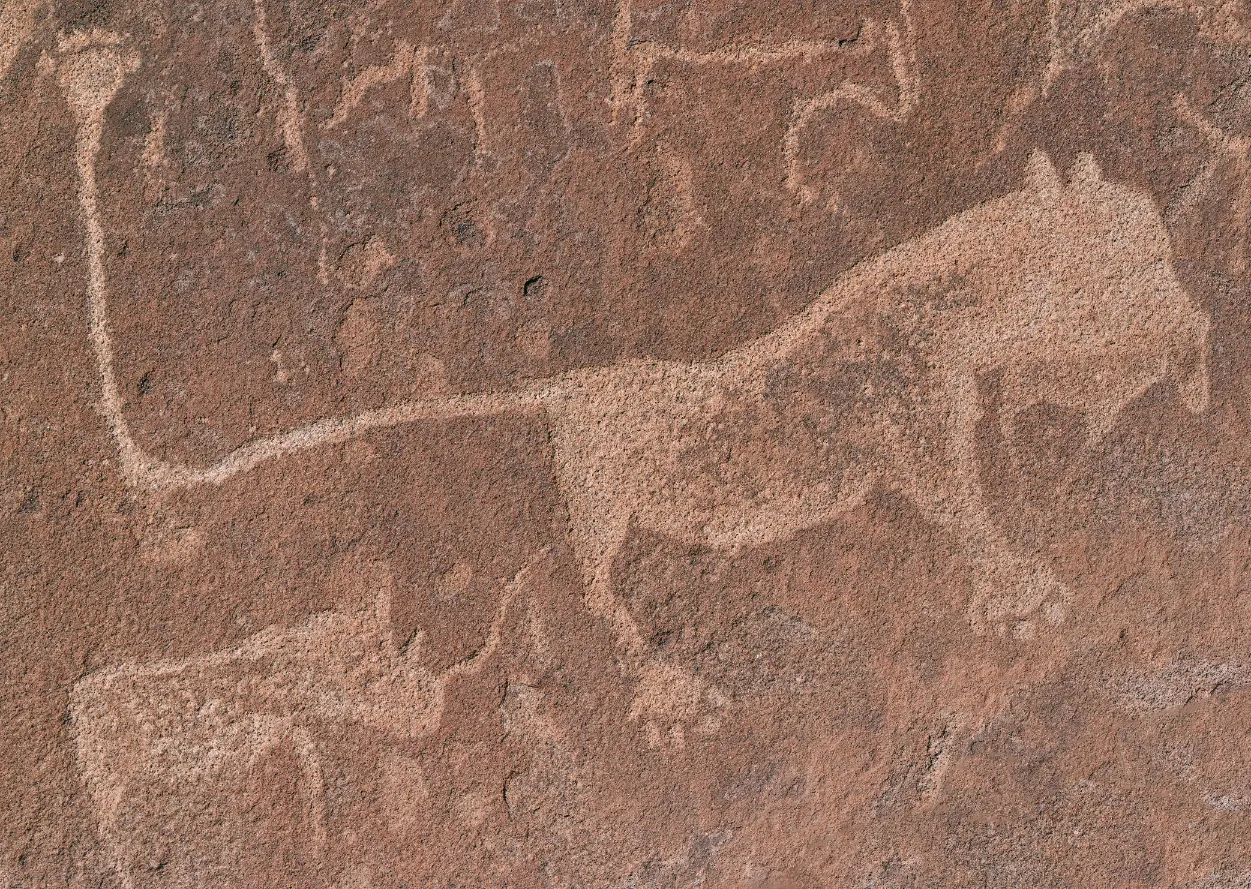
Rock art: In some areas of Bushmanland, ancient rock paintings left by the ancestors of the San can be found. These paintings tell stories of hunting, rituals, and everyday life and are a priceless cultural heritage.
The night sky: Far from any light pollution, the night sky over Bushmanland is simply incredible. The Milky Way can be seen clearly, and the stars are so numerous they appear like diamonds scattered on black velvet.
Sounds of the desert at night: Listen carefully and you'll hear the sounds of nocturnal animals – the howl of hyenas, bird calls, rustling in the bushes. This is the music of the desert.
Survival lessons: Local guides can show you how to find water in the roots of plants, light a fire without matches, and use plants for medicinal purposes. These are ancient skills that are extremely intriguing.
Storytelling around the fire: Evenings around the campfire, listening to local people’s stories about their lives, beliefs, and connection with nature, are some of the most treasured moments.
How does it feel being there?
In Bushmanland, you feel small before the grandeur of nature. You feel connected to the land and the people who inhabit it. You feel at peace, despite the harsh conditions. And most importantly – you feel alive.
There's a distinct sense of freedom and vastness that envelops you in Bushmanland. No walls, no boundaries, just endless horizons. It’s a place that makes you forget everyday worries and focus on the present moment.
The connection with the local people is deeply emotional. Their smiles, wisdom, and resilience are inspiring. They share their world with you with open hearts, making you feel welcome.
Practical tips for your safari
To make the most of your safari in Bushmanland, it's good to be prepared.
Best time to visit:
The dry season (from May to October) is generally considered the best time for a safari in Namibia, including Bushmanland. During this period, day temperatures are more moderate, and nights are cool. Vegetation is sparser, making it easier to spot animals as they gather around water sources. The rainy season (from November to April) can bring heavy storms and high temperatures but also turns the desert into a green oasis and is the time for the birth of young animals.
How to get there:
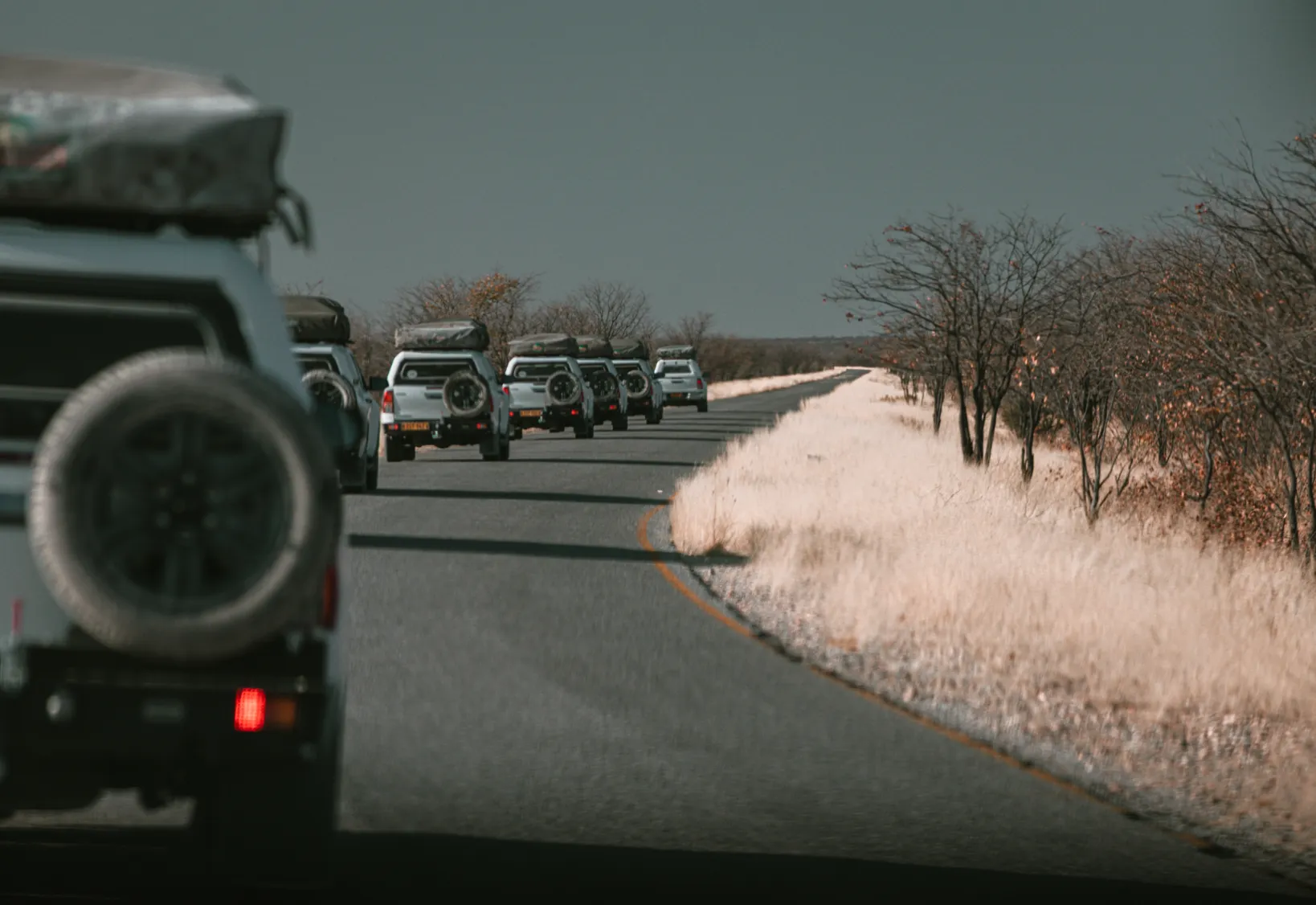
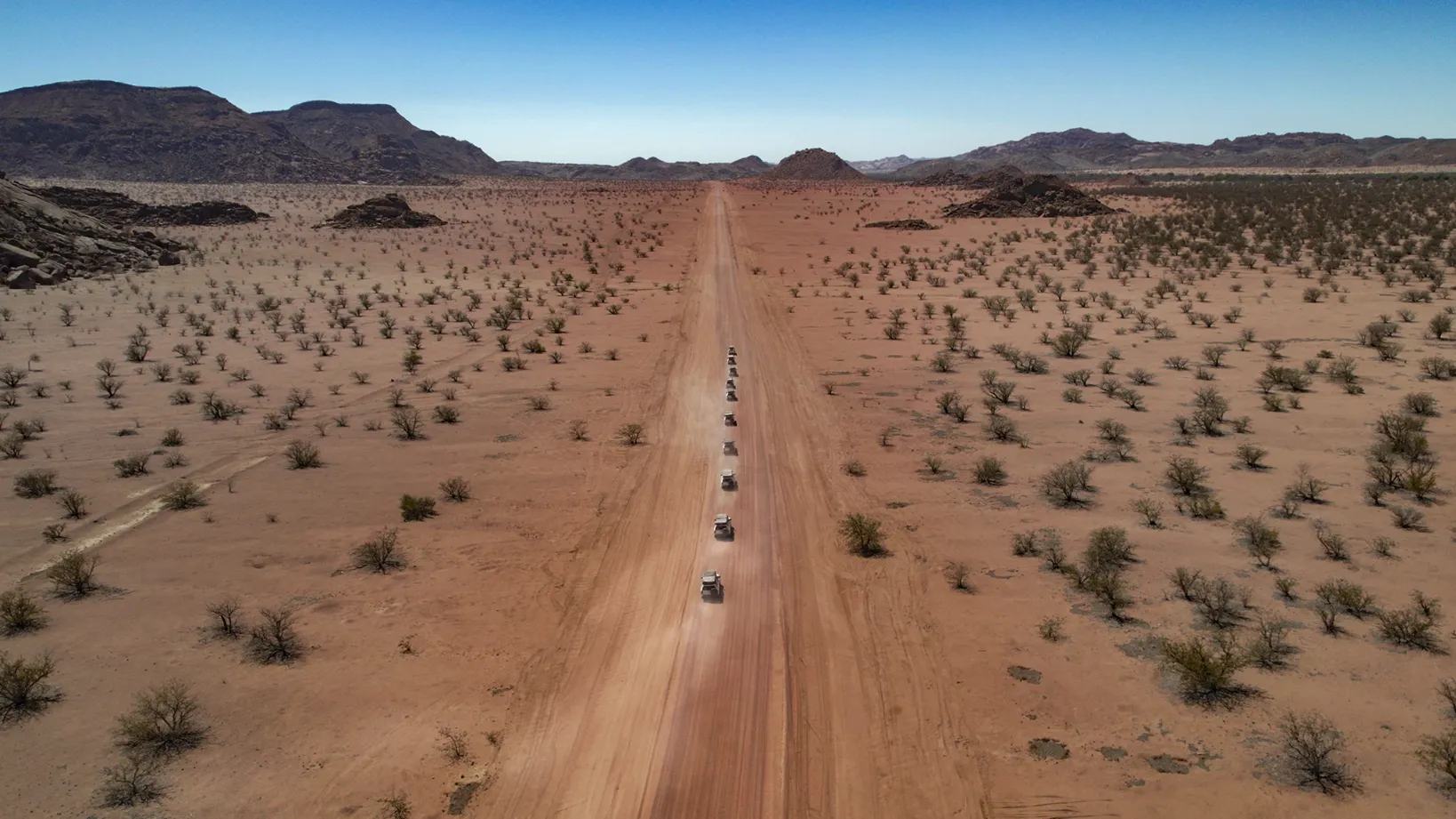
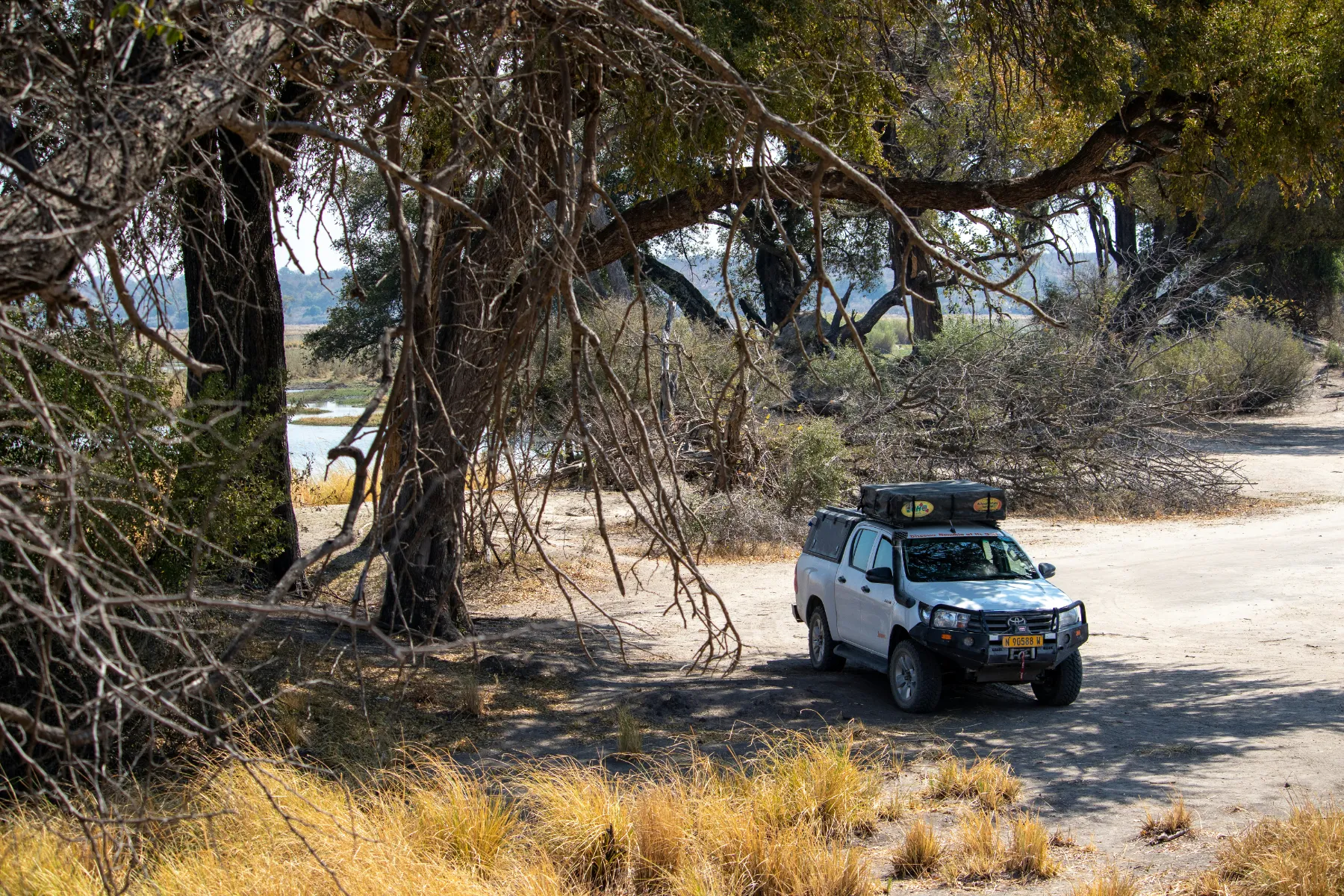
Bushmanland is relatively remote. The nearest major town is Gobabis. It is usually reached by 4x4 vehicle, as roads can be sandy and rough. Most safaris to Bushmanland are organized and include transport from Windhoek (Namibia's capital) or other larger towns.
What to pack:
Light clothing in neutral colours: Cotton or linen clothes in khaki, green or brown are ideal for safari. Avoid bright colours.
Long trousers and long-sleeved shirts: Protect from sun, insects, and scratches from bushes.
Warm clothing: Evenings and mornings can be cool, especially during the dry season.
Comfortable closed shoes: For walks and trekking.
Wide-brimmed hat and sunglasses: For protection from the strong sun.
Sunscreen with high SPF.
Insect repellent.
Camera and extra batteries/memory card.
Binoculars: For animal and bird watching.
Small backpack: For daytime excursions.
Reusable water bottle.
Headlamp or flashlight: For night time.
Medications: Personal medicines and basic first aid medications.
Culturally sensitive gifts (optional): Small gifts like notebooks, pencils, or clothes for the local communities are appreciated, but always ask your guide for the best way to present them.
Important notes:
Water: Drinking enough water is vital in the hot climate.
Respect for local culture: Be open, curious, and respectful of the San people's traditions and customs. Always ask before taking pictures of people.
Stay with your guide: Never wander off alone, especially during bush walks.
Be patient: Wildlife observation requires patience.
Leave no trace: Do not leave rubbish and do not take anything from nature.
Frequently asked questions
Here are a few questions that often arise when people plan a safari in Bushmanland:
Is a safari in Bushmanland safe?
Yes, a safari in Bushmanland is safe, especially with experienced local guides. They know the area and animal behaviour well. It's essential to follow their instructions and not wander off alone.
Will I see the "Big Five"?
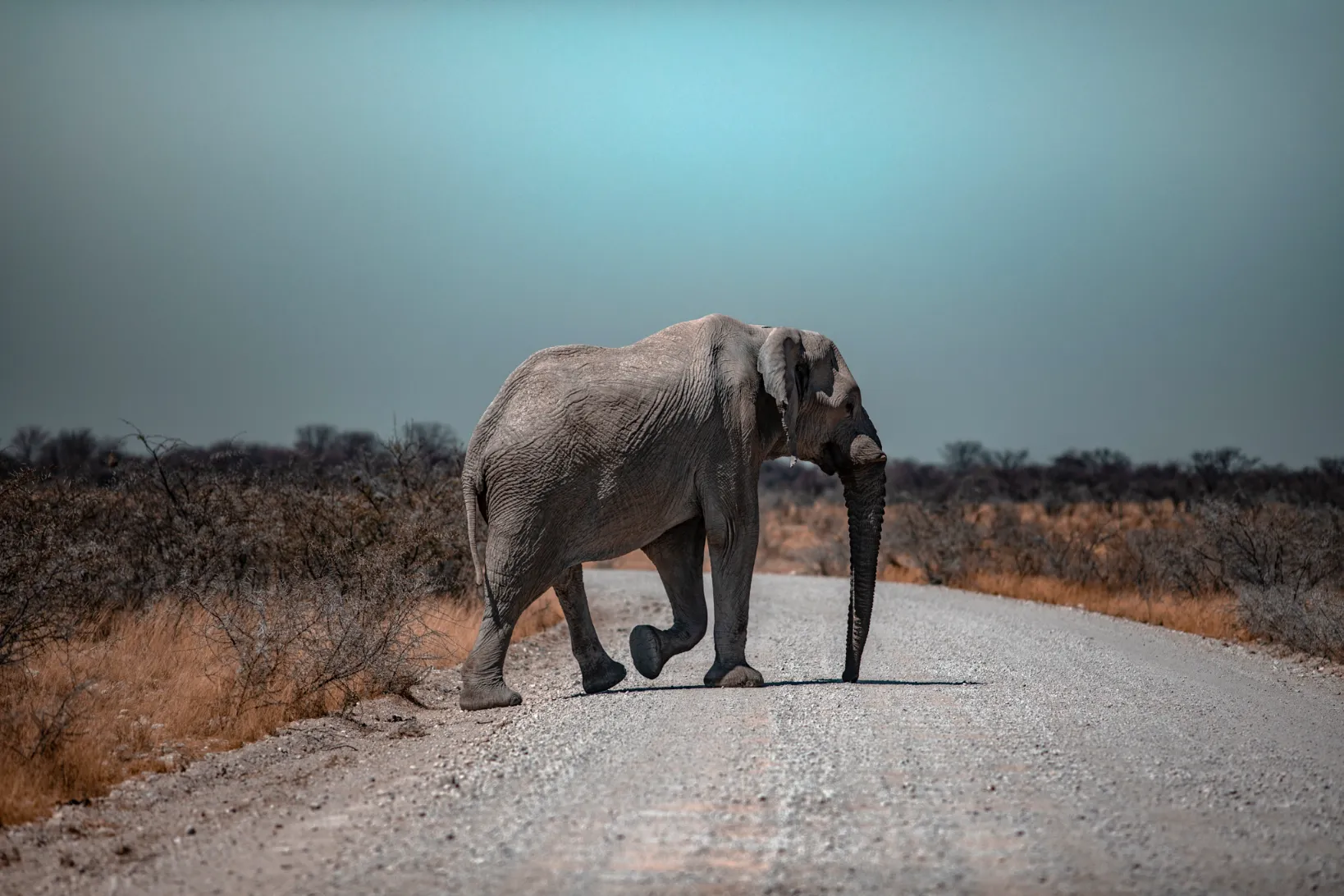
Bushmanland isn't known for the "Big Five" (lion, leopard, elephant, rhino, buffalo) as much as some other parks. You might see lions and cheetahs, but such encounters are not guaranteed. The focus here is more on the unique adaptation of animals to the desert environment and the cultural experience.
What level of physical fitness is required for a safari?
Most safaris include easy bush walks that don't require special physical fitness. If you have specific health issues, it's advisable to discuss them with the trip organizers.
Can I visit Bushmanland independently?
While it's possible, it's highly recommended to visit Bushmanland with an organized safari and local guides. The area is remote, roads are challenging to navigate, and local knowledge of the area and culture is invaluable.
What is the impact of tourism on local communities?
Responsible tourism in Bushmanland aims to support local San communities by providing income and opportunities to preserve their culture and land. It's crucial to choose tour operators that work closely with local communities and respect their rights and traditions.
Feel the call of Bushmanland with Panic Frame & Travel
A safari in Bushmanland is an experience that will leave a lasting mark on your heart. It's an opportunity to disconnect from the hustle of daily life, connect with nature, and learn about an ancient and wise culture.
If you're ready to embark on this unforgettable adventure, we at Panic Frame & Travel are here to help you. We organize authentic and responsible safaris to Bushmanland, allowing you to fully immerse in the magic of this place, in close collaboration with local communities.
Let us take you to the heart of Namibia, where endless horizons, wildlife encounters, and unforgettable moments with the San people await you. Discover Bushmanland with us and create memories that will stay with you forever.
Contact us today and plan your dream safari in Bushmanland!
More about Eastern Namibia
The Bushmen of the Kalahari | The Wildlife of Eastern Namibia
Explore
Author: Martin Bonov