Experience the magic of the Okavango River in Namibia
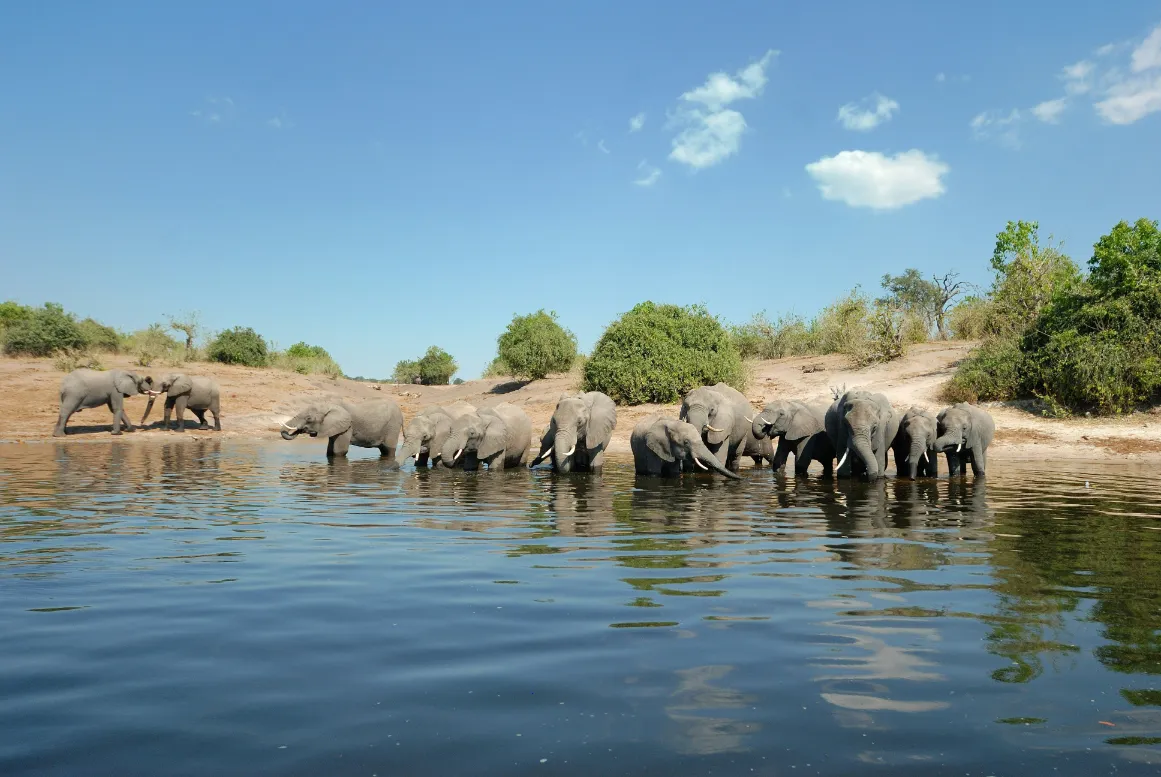
The Okavango River winds through Eastern Namibia like a slender green ribbon in the arid savannah. Where there's water, there's life, and along the banks of this river, life is vibrant and bustling.
Imagine a place where time flows differently. Where nature is at its purest, and animals roam freely, unbothered by human presence. A place where silence is broken only by the songs of birds and the splash of water. Welcome to the Okavango Delta in Namibia – one of Africa's most incredible natural wonders.
If you have the soul of an adventurer seeking an authentic experience far from the beaten path, Okavango is your destination. This isn't just a location; it's an emotion that will stay with you forever.
What makes Okavango so special?
The Okavango Delta is one of a kind. Unlike most deltas that flow into an ocean or sea, Okavango spreads out into the continent, creating a vast, ever-changing network of channels, lagoons, and islands. It is a true oasis in the heart of the Kalahari Desert, supporting an incredible variety of life.
The waters of Okavango originate from rains in Angola, traveling thousands of kilometers to reach the delta during Namibia's dry season. This phenomenon transforms the dry land into a lush paradise, drawing thousands of animals searching for water and food.
What to expect from a journey to Okavango?
Prepare yourself for an adventure that will stimulate all your senses. Here's what you can expect:
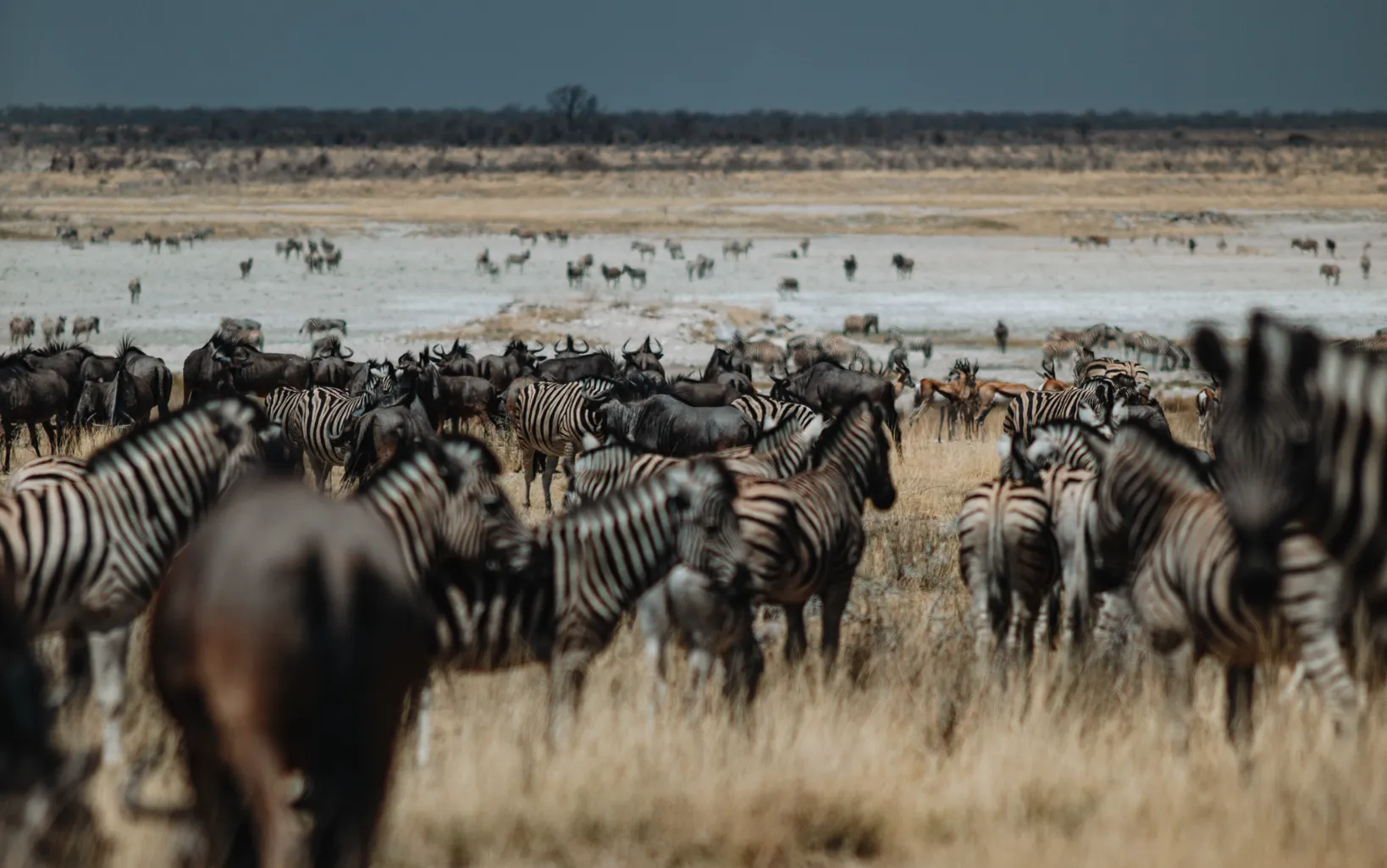
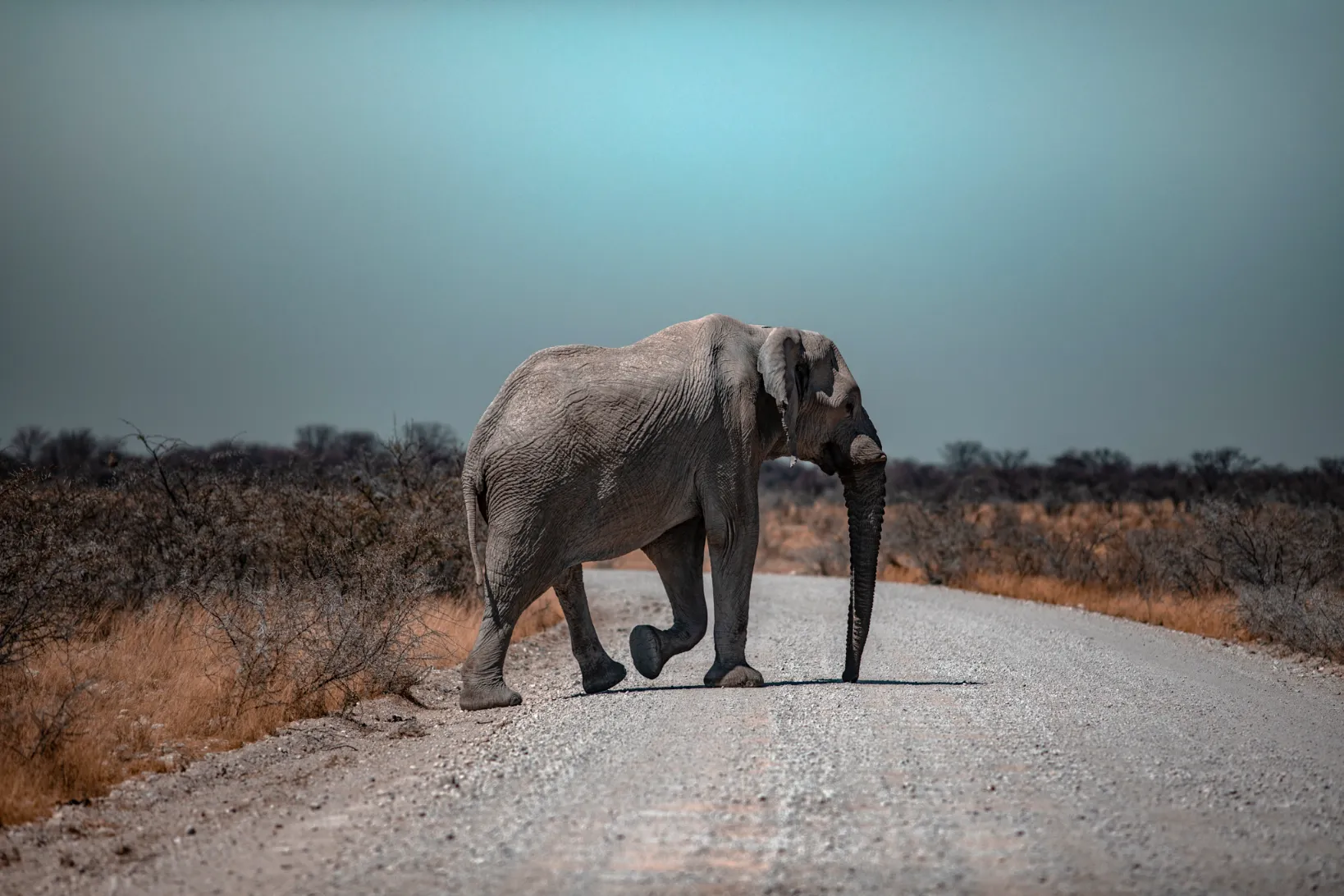
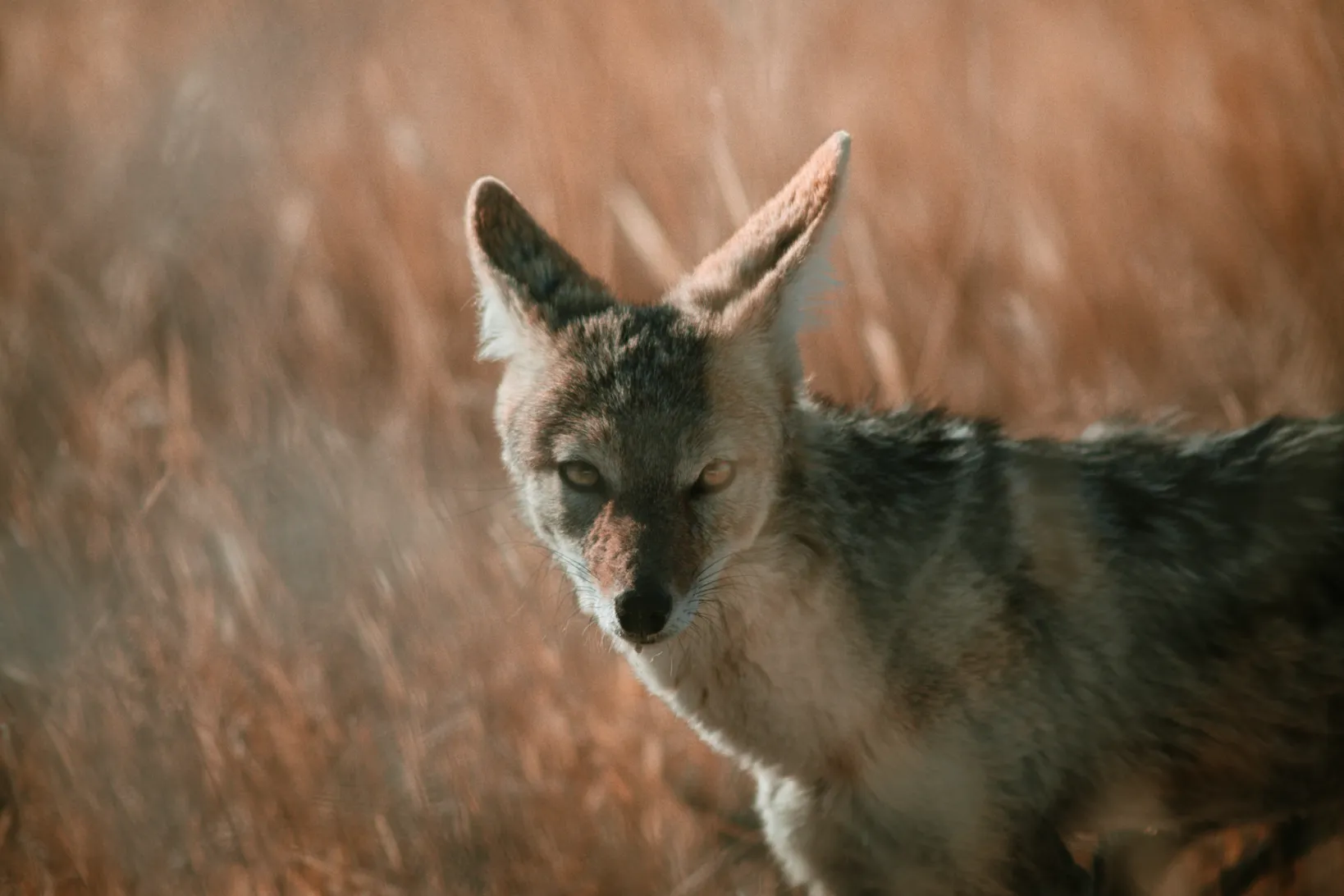
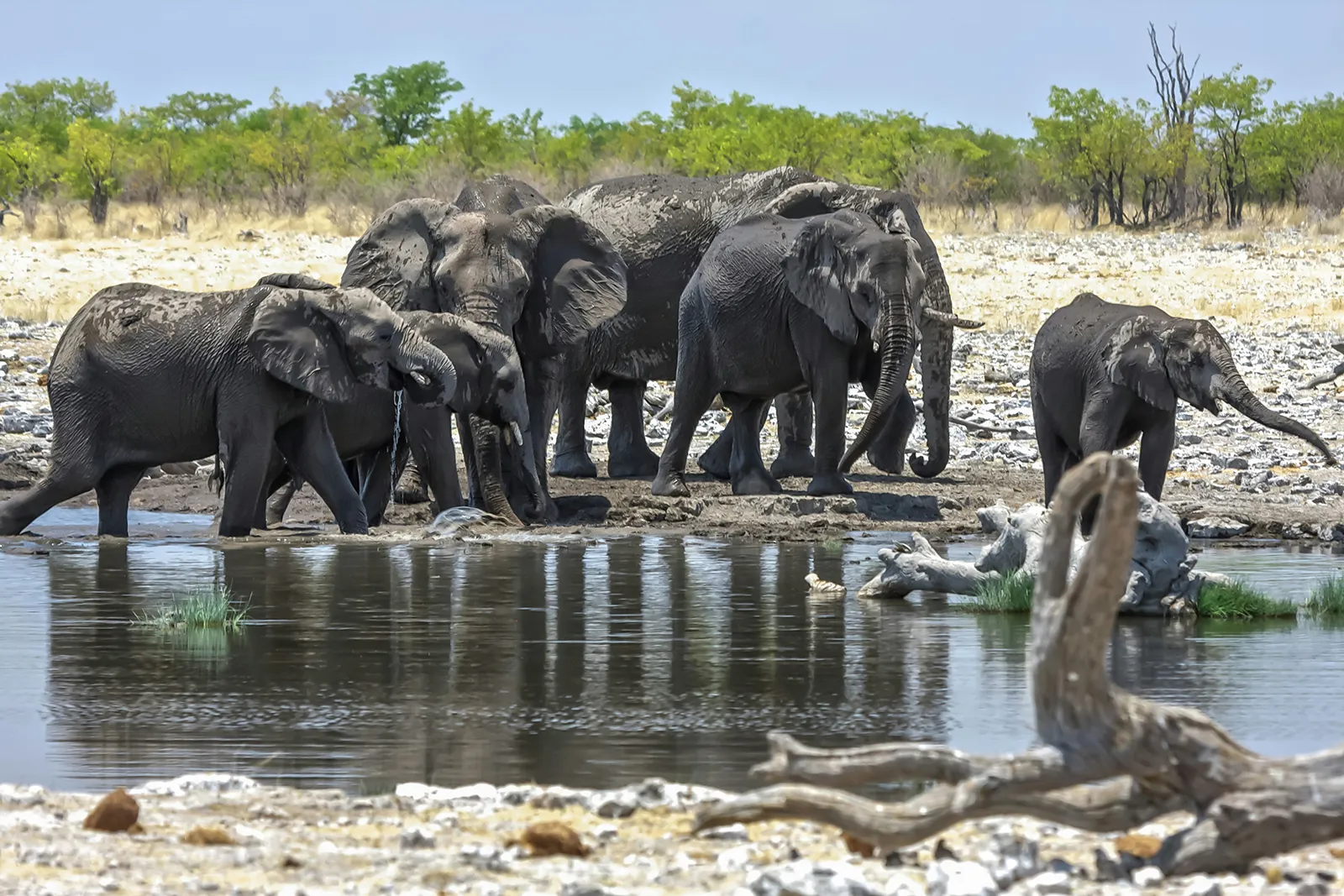
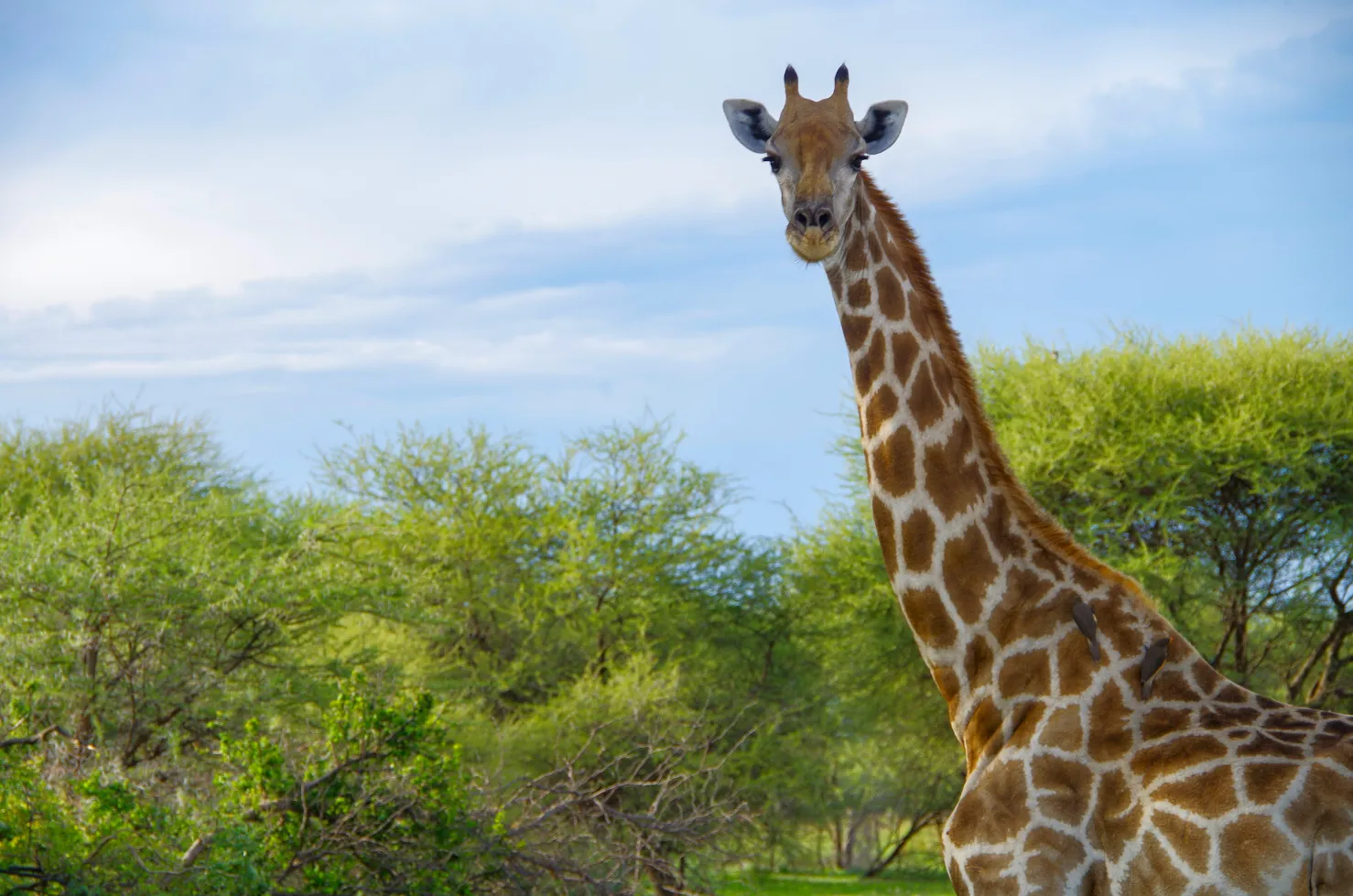
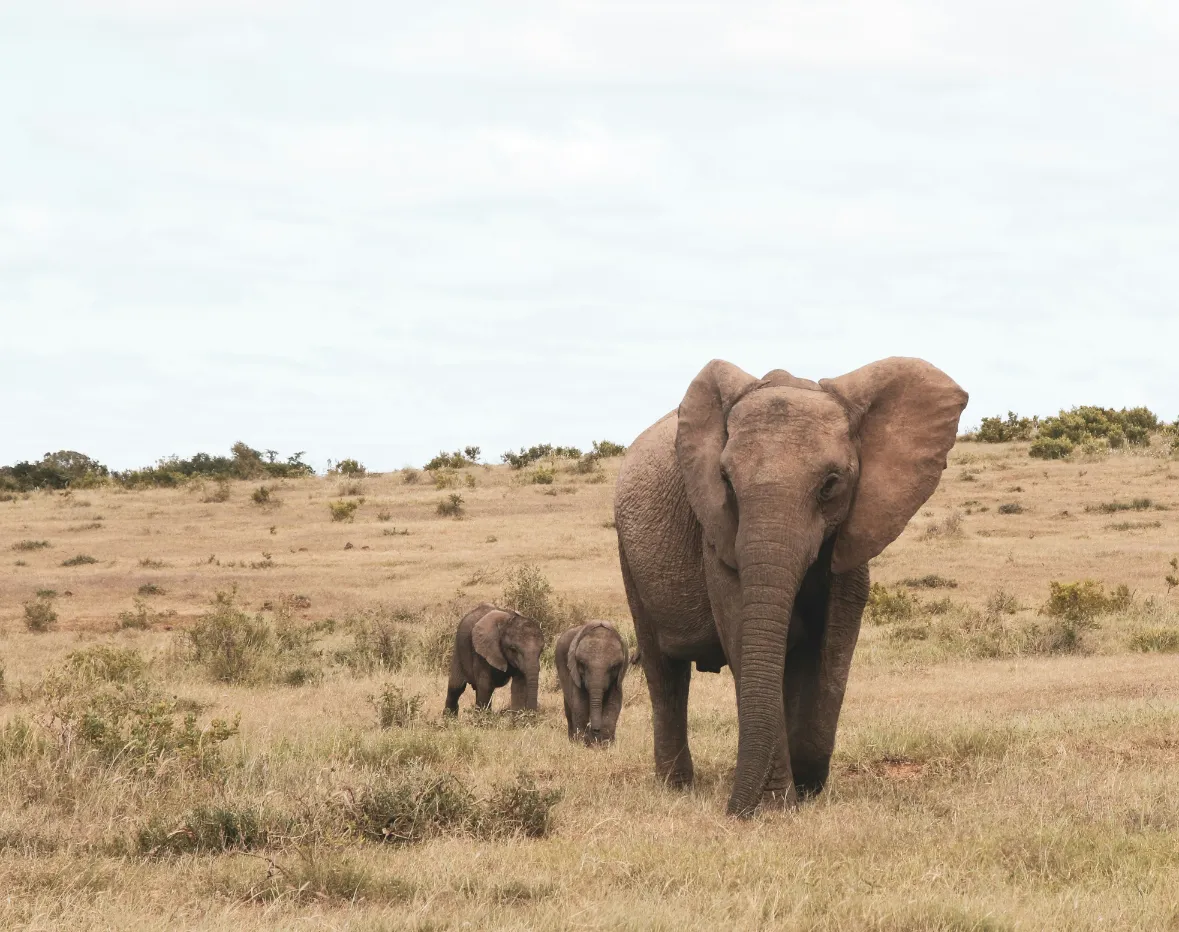
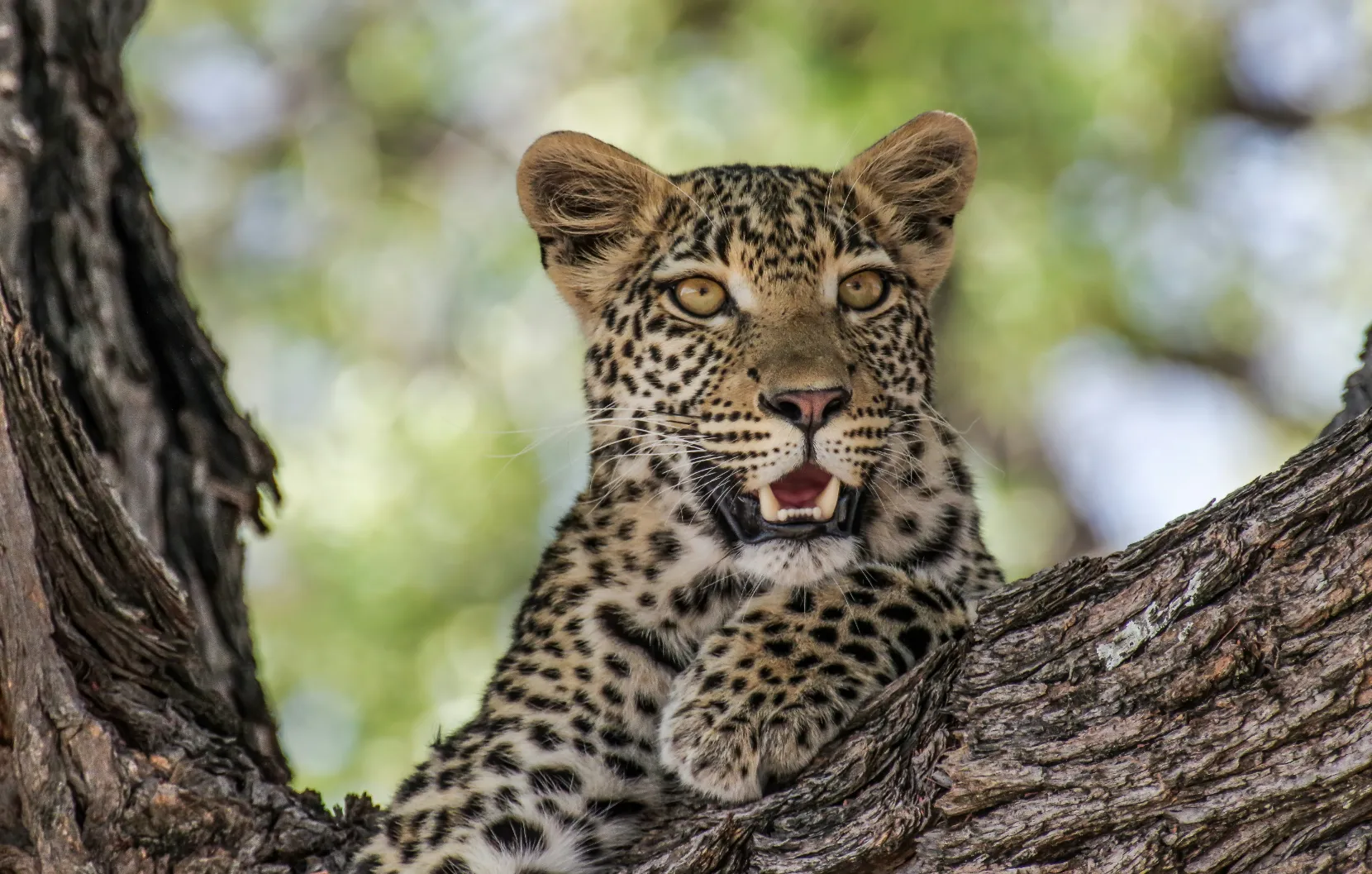
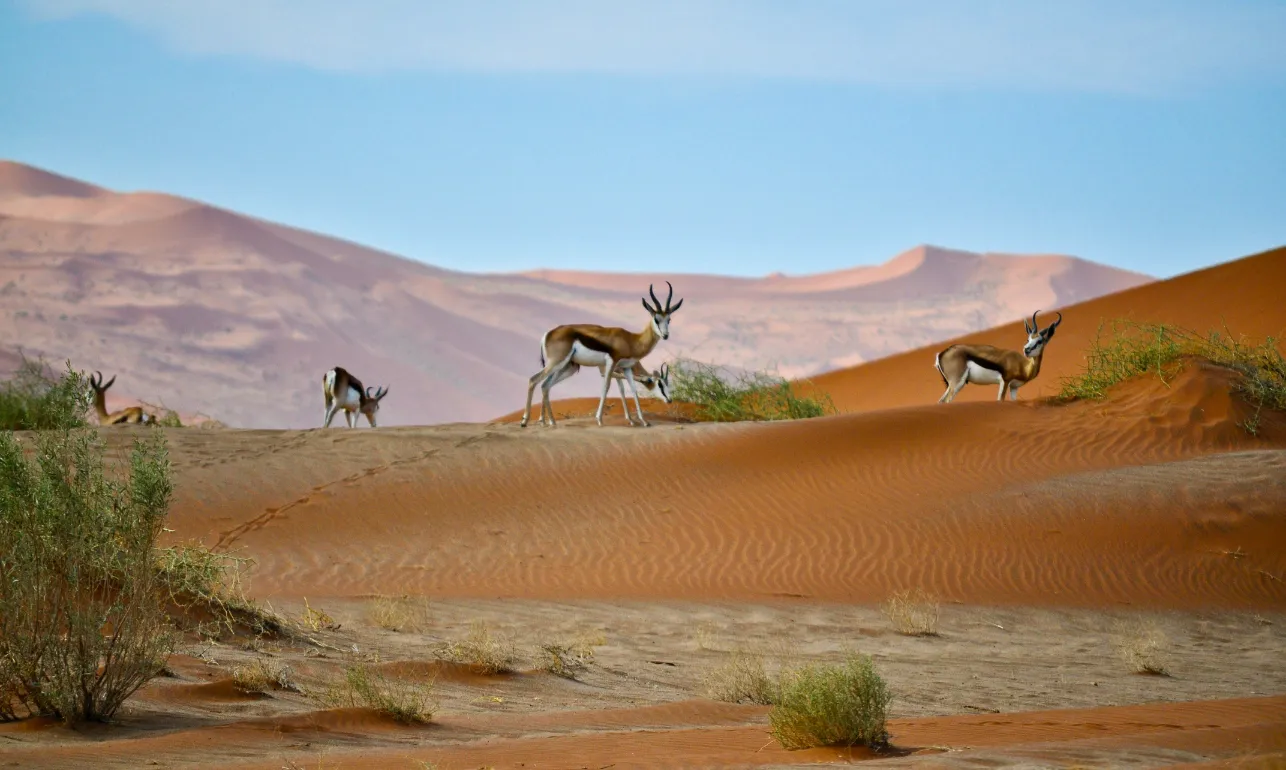
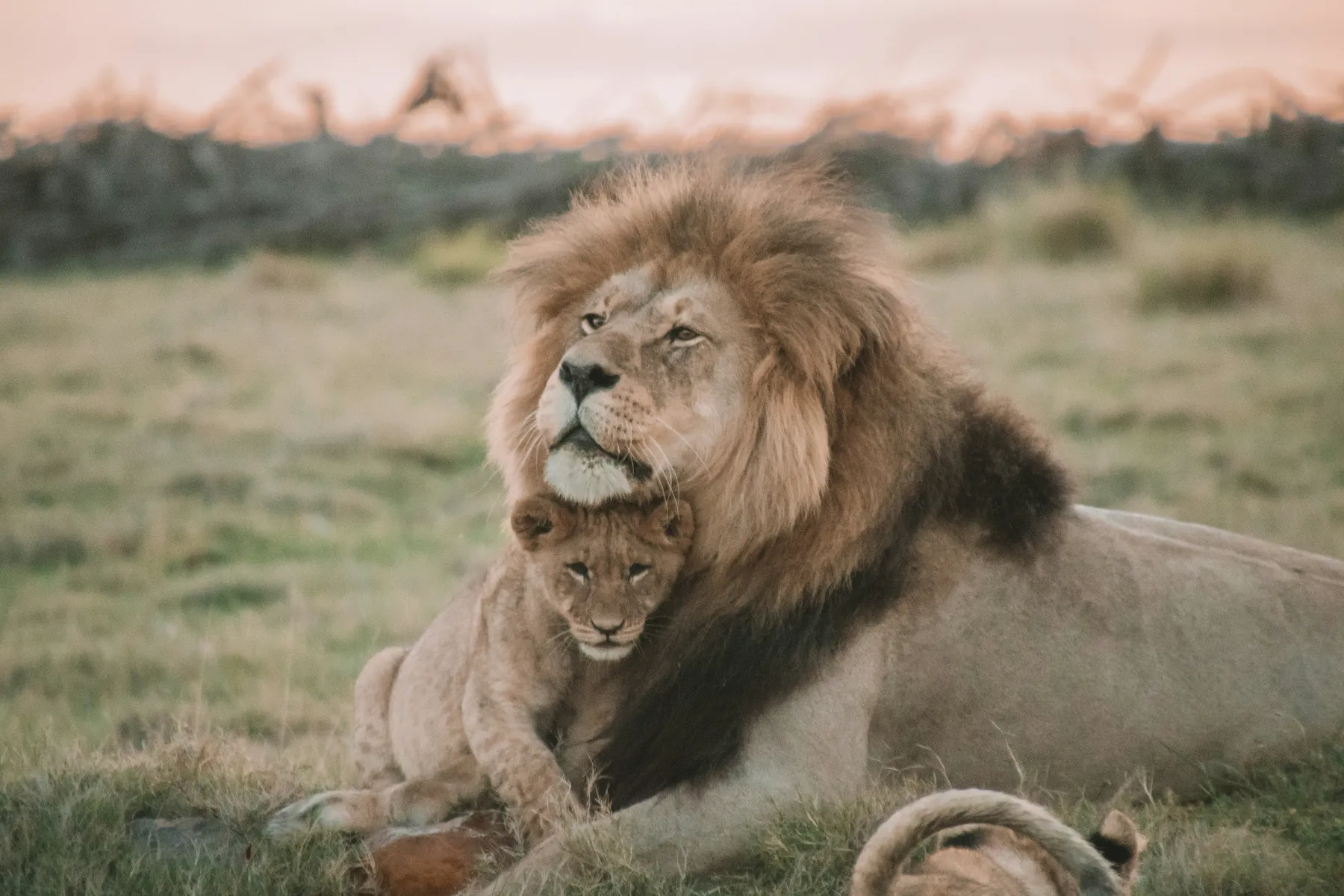
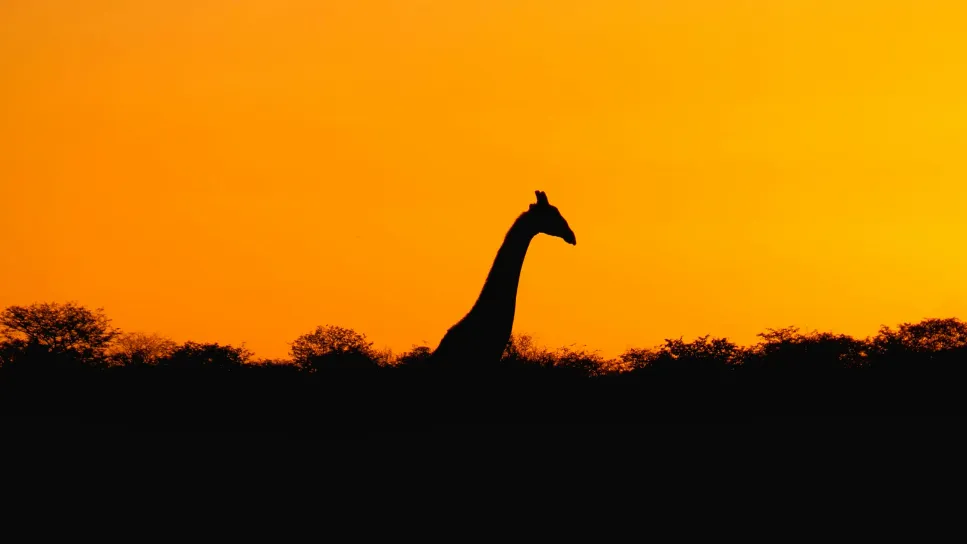
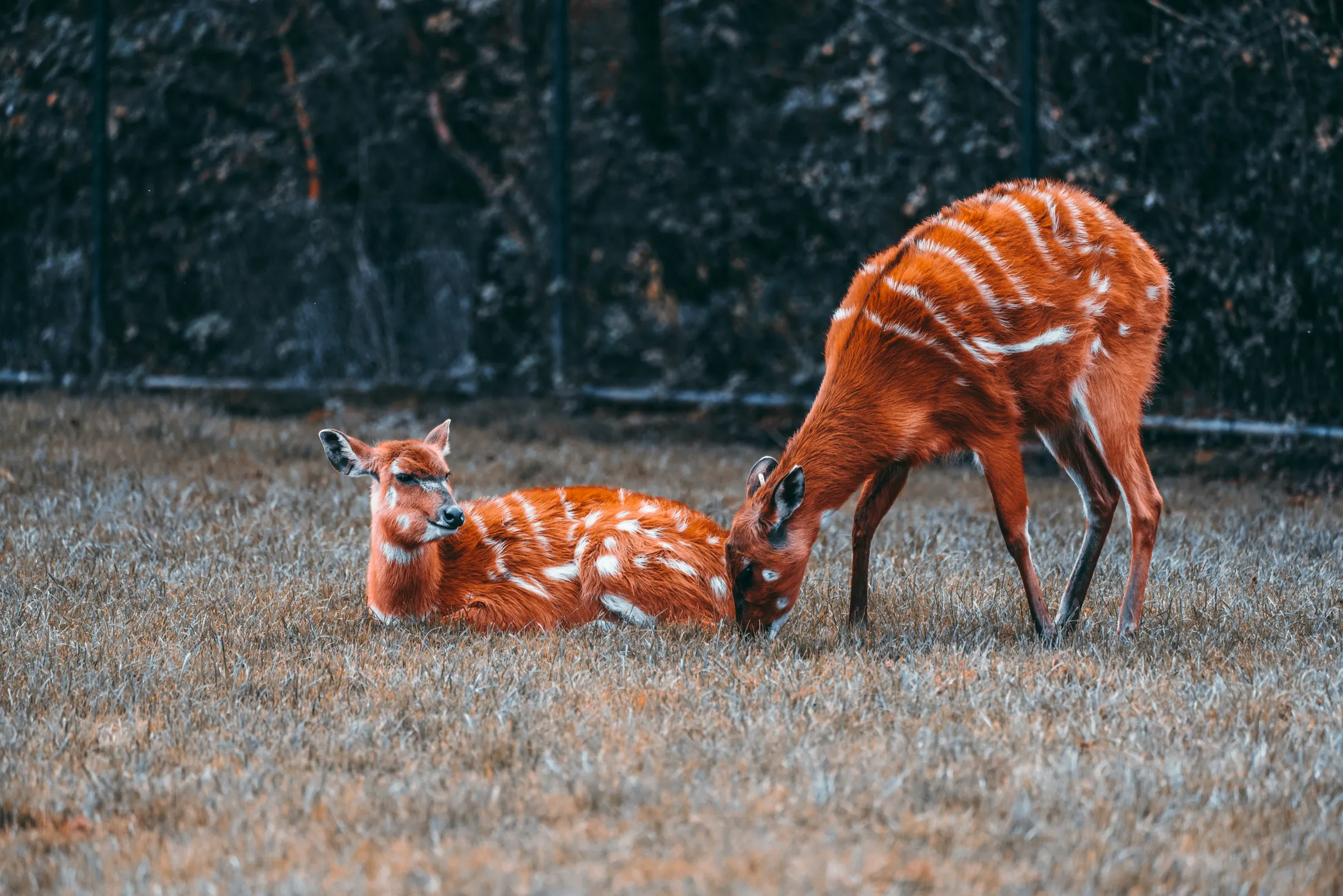
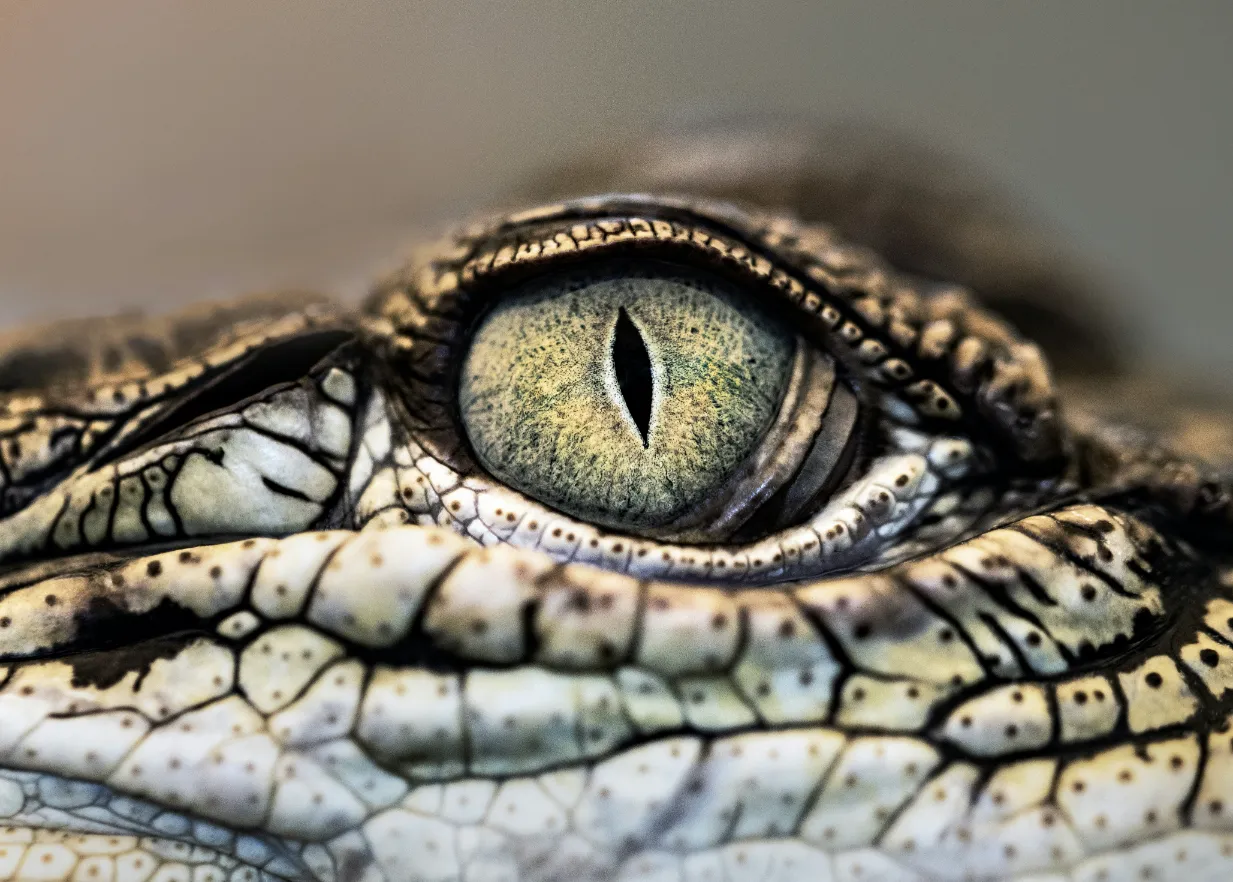
Incredible encounters with wildlife: Okavango is home to the "Big Five" (lion, leopard, elephant, rhinoceros, buffalo), as well as hippos, crocodiles, zebras, giraffes, antelopes, and hundreds of bird species. The safaris here are unforgettable.
Mokoro journey: The traditional wooden canoe, navigated by a local poler, is the most authentic way to explore the narrow channels of the delta. You glide quietly on the water, surrounded by lilies and reeds, observing life up close.
Walking safaris: Guided by an experienced ranger, you can walk on islands and connect with nature uniquely. The feeling of being so close to the wild is both thrilling and humbling.
Peace and quiet: Away from the noise of cities, here you can relax and connect with nature. The sounds of the delta are soothing and rejuvenating.
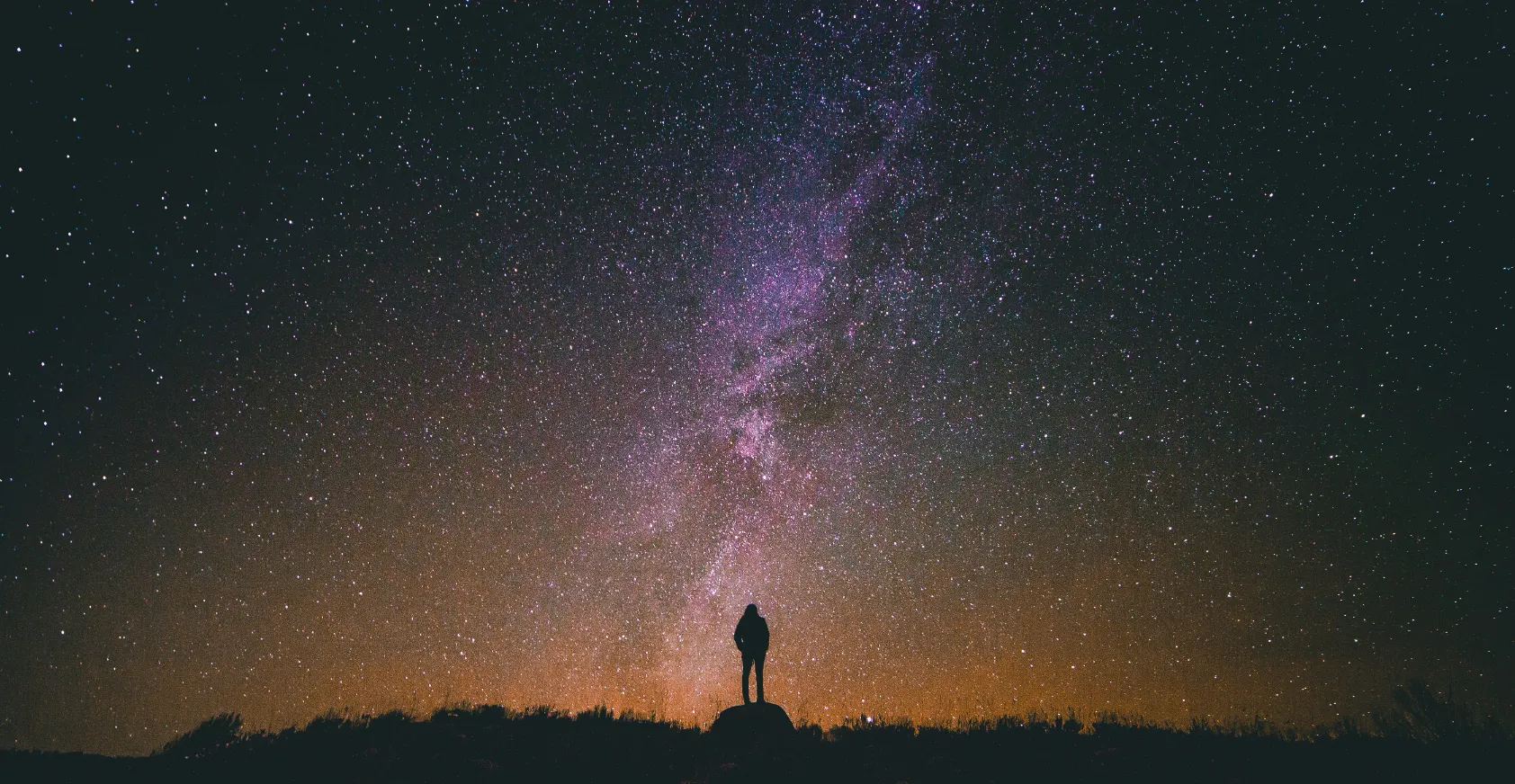
Starry sky: At night, the sky over Okavango is adorned with millions of stars. The lack of light pollution makes the view breathtaking.
Hidden treasures and authentic experiences
Besides classic safaris, Okavango offers deeper experiences:
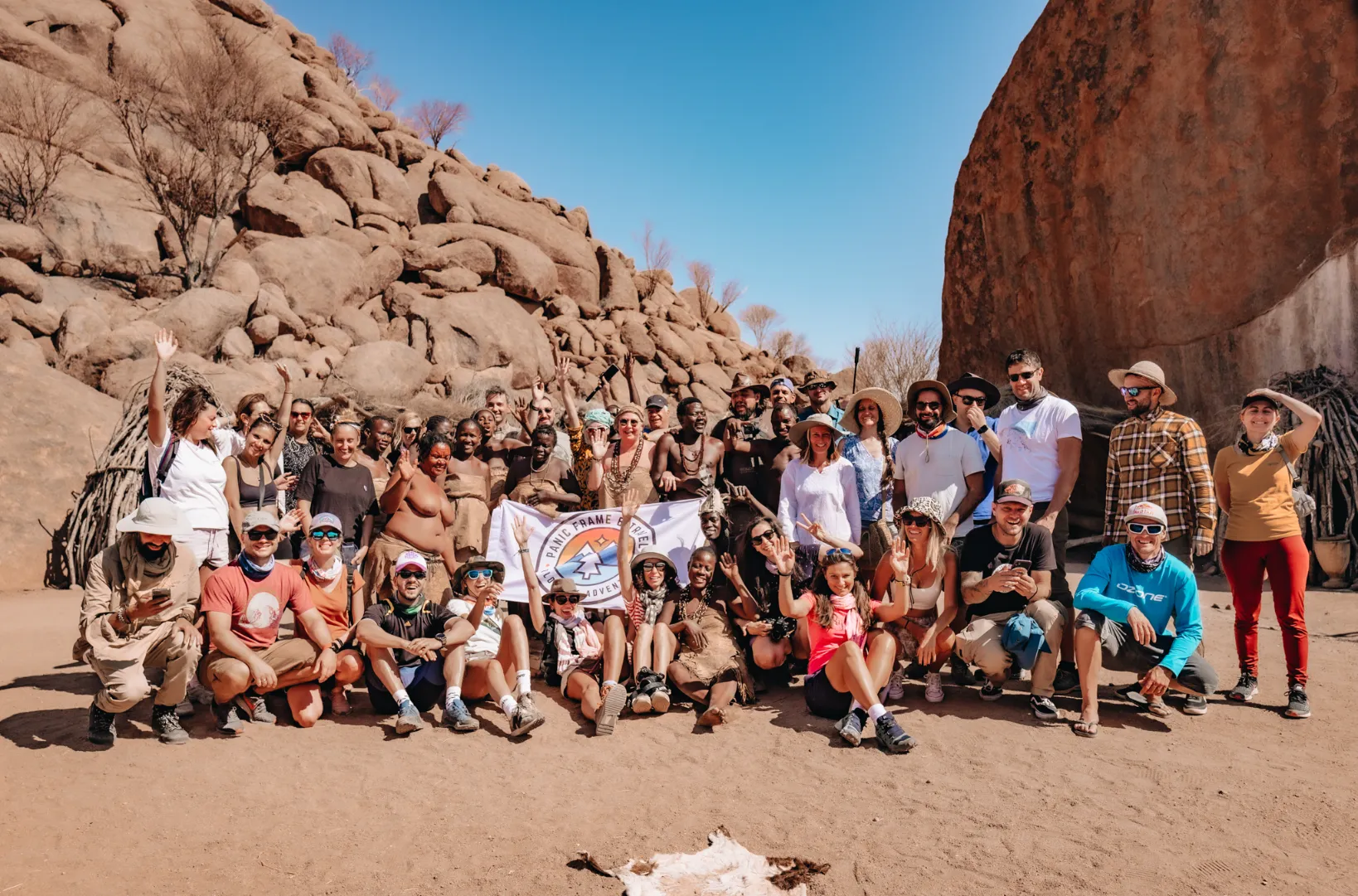
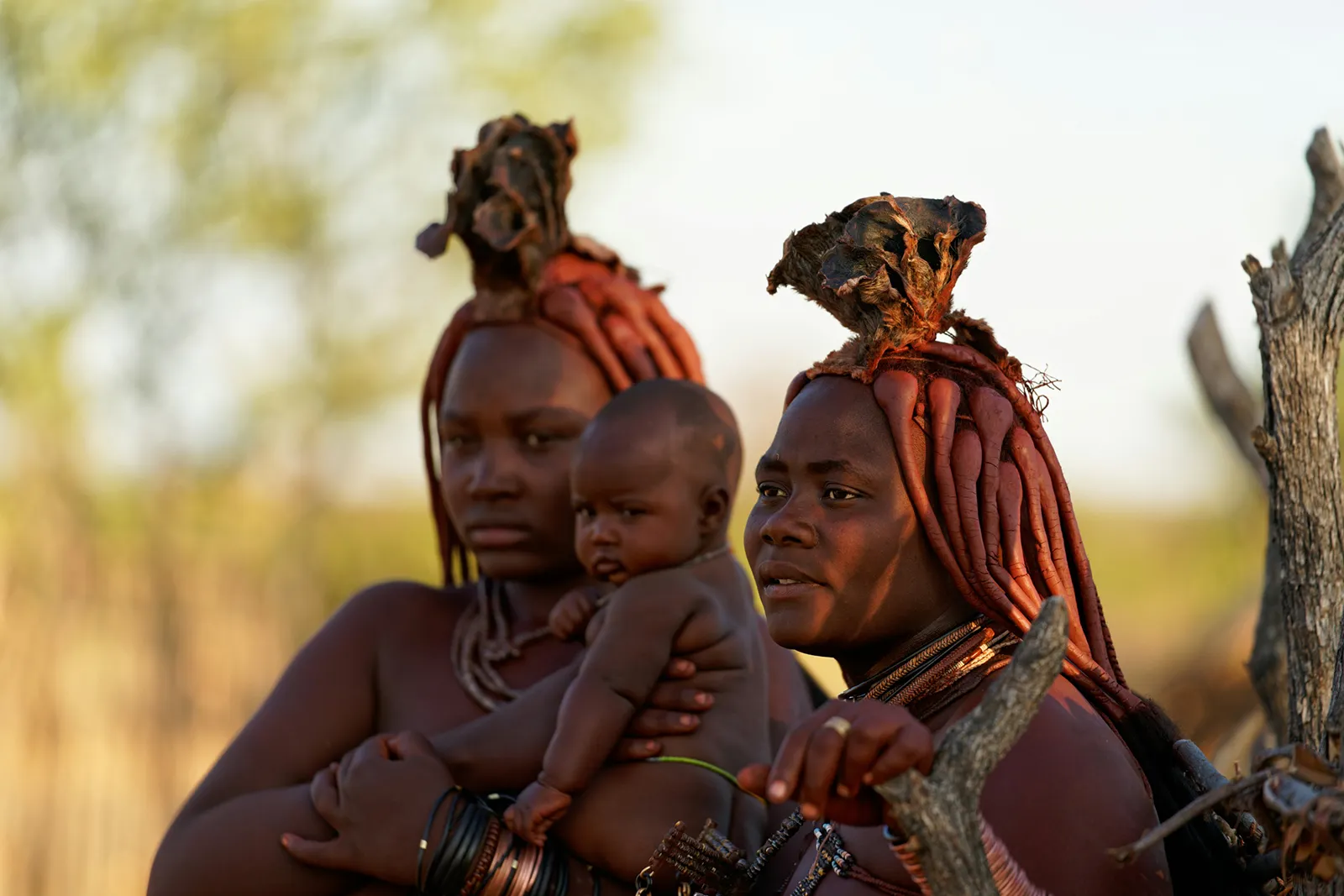
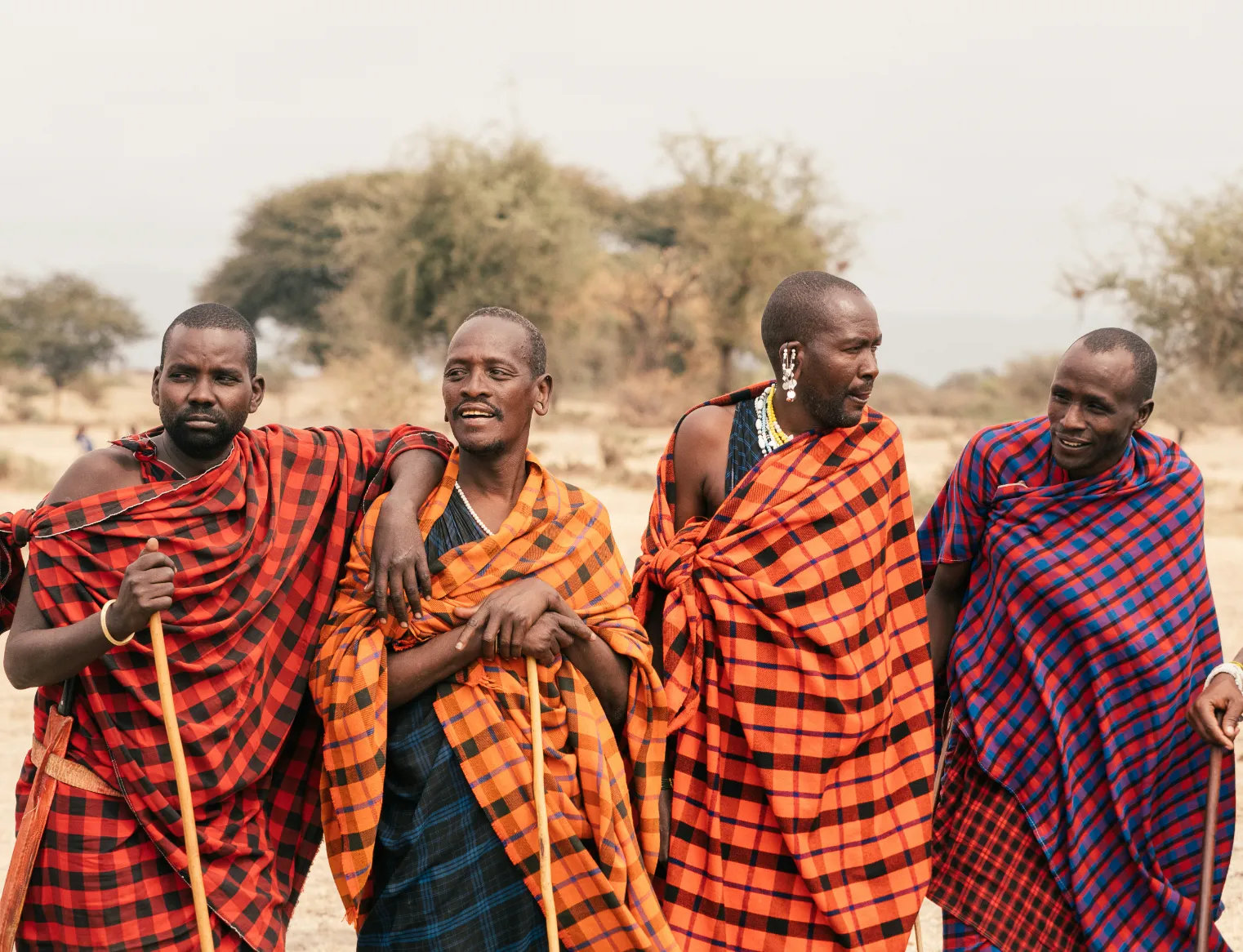
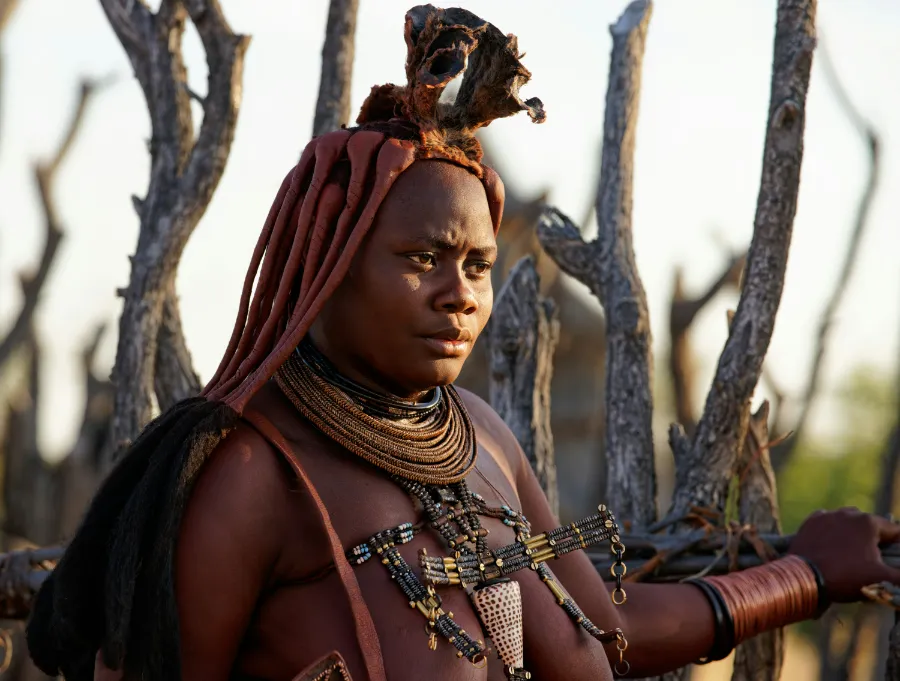
Visit to local communities: Some camps offer the opportunity to visit nearby villages and learn about the local culture and lifestyle. It's a great way to understand the region's way of life better.
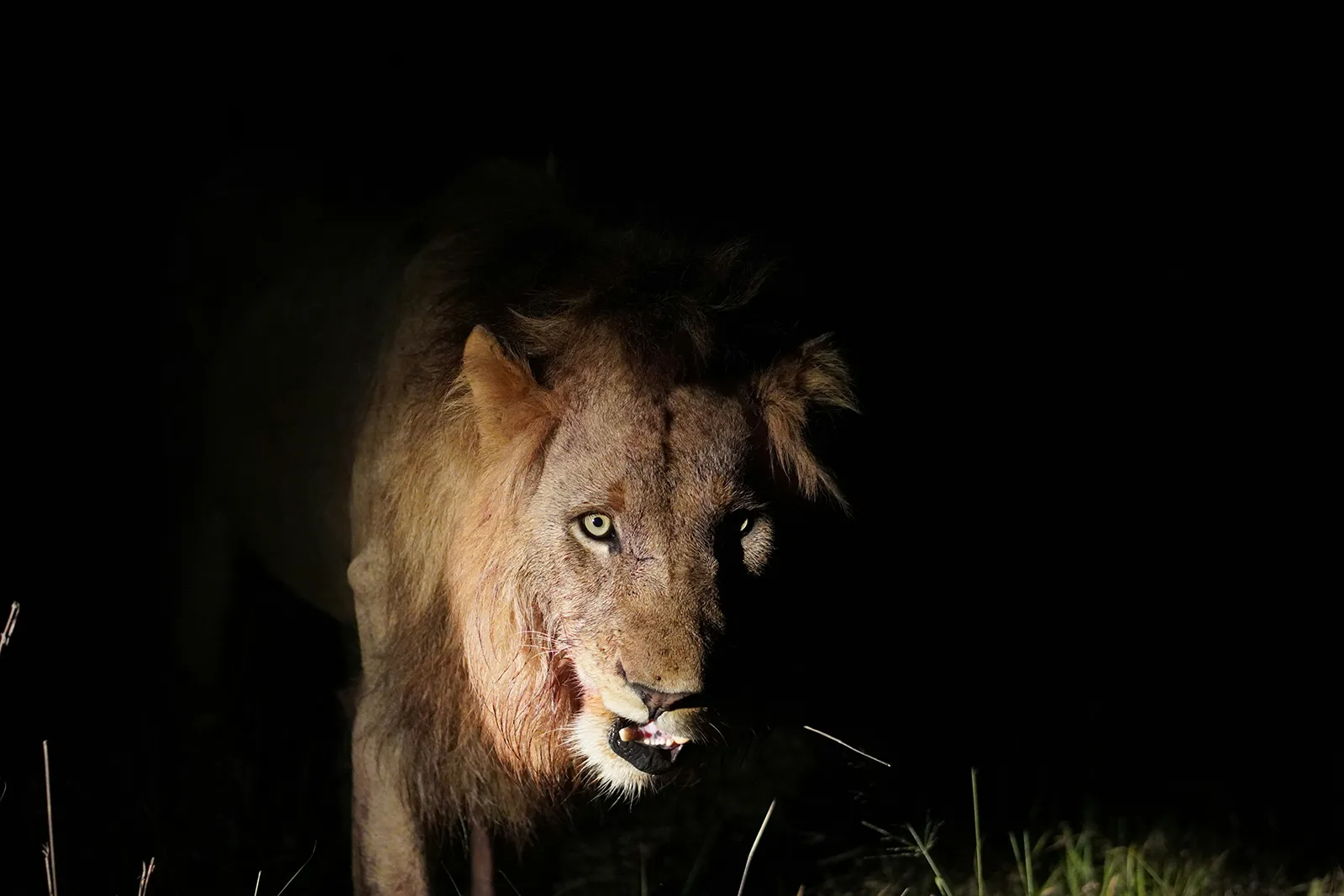
Night safaris: Experience the delta after sunset when many nocturnal animals become active. The chance to see a leopard or other predators is higher.
Fishing: If you're a fishing enthusiast, Okavango offers excellent opportunities to catch various fish species.
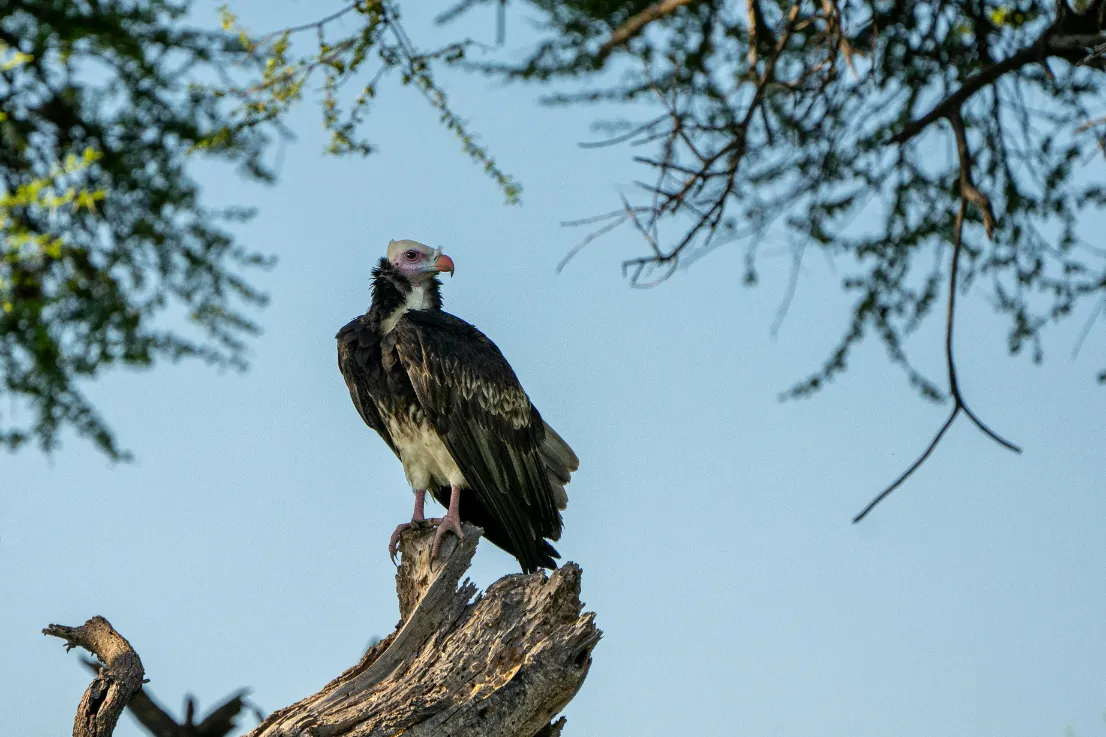
Birdwatching: The delta is a paradise for birdwatchers with over 400 bird species.
How does it feel there?
Being in Okavango is like stepping into another world. The feeling is one of peace, humility, and deep connection with nature. The air is clean, the sounds are natural, and the sights are breathtaking. You feel small before the grandeur of nature, yet part of it. It's a place that makes you forget about daily worries and immerse yourself fully at the moment.
Practical tips for your journey
When is the best time to visit?
The best time to visit the Okavango Delta is during the dry season, which typically lasts from May to October. During this period, the waters from Angola reach the delta, attracting large numbers of animals to the water sources. The vegetation is less dense, making it easier to spot wildlife. Temperatures are pleasant during the day, but nights can be chilly.
The rainy season (November to April) also has its advantages – the landscape is lush and green, there are many newborn animals, and it's a paradise for birdwatching. However, some areas may become inaccessible due to flooding, and there are more mosquitoes.
How to reach Okavango?
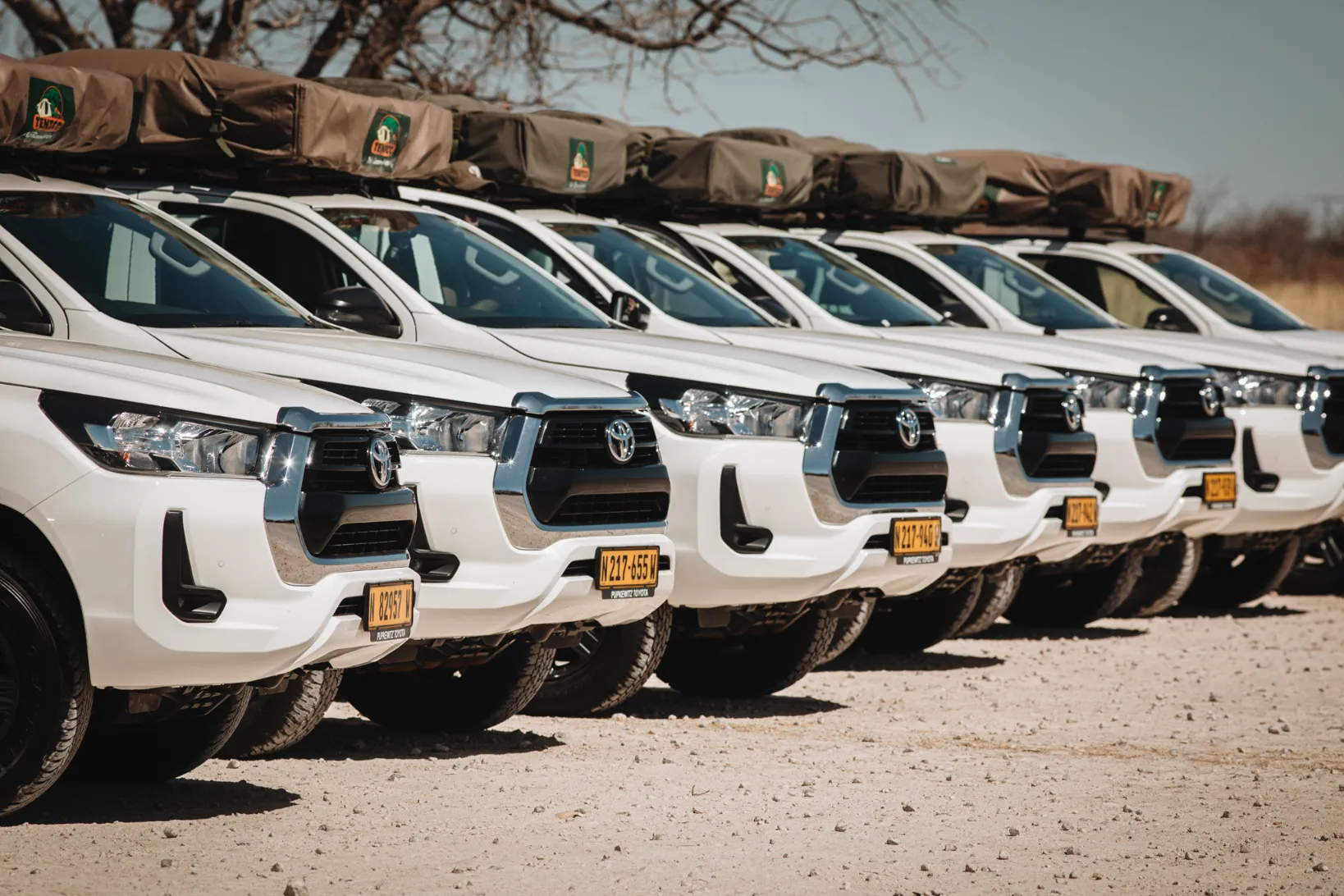
Access to the Okavango Delta is usually by small aircraft from cities like Maun (Botswana) or Windhoek (Namibia). Most camps have their airstrips. This is part of the adventure and offers incredible aerial views.
What to bring with you?
Light clothing in neutral colours: Avoid bright colours, especially blue and black, which attract tsetse flies. Long sleeves and trousers are useful for protection against insects and the sun.
Warm clothes: Nights and early mornings can be cool, especially during the dry season.
Comfortable shoes: For walking safaris and strolls.
Hat and sunscreen: The sun is strong.
Insect repellent: Especially important during the rainy season.
Binoculars: For observing animals and birds from a distance.
Camera: With extra batteries and memory cards.
Medications: Personal medicines and anti-malaria measures (consult your doctor).
Small backpack: For daily outings.
Plug adapter: Namibia uses type D and G plugs.
Safety
Always listen to your guide's instructions. Do not wander away from the camp alone and don’t try to get close to wild animals. Okavango is a wild territory and should be treated with respect.
Frequently asked questions
Is there malaria in Okavango?
Yes, the Okavango Delta is a malaria-risk zone. It is advisable to take antimalarial medication and use mosquito repellents, especially during the rainy season.
How much time is needed to explore Okavango?
To truly feel the magic of Okavango and have enough time for safaris and other activities, it’s recommended to dedicate at least 3-4 nights in the delta.
What are the accommodation options?
Okavango offers various accommodation types – from luxurious lodges to more modest campsites. Most camps are secluded and include safaris and activities.
Can I travel alone to Okavango?
It is possible, but more complicated and expensive. Most visitors travel on organized tours, which include transportation, accommodation, and safaris. It is also the safer option.
Immerse yourself in the magic of Okavango with us
A journey to the Okavango Delta is much more than just a holiday. It’s an encounter with wildlife at its purest, an opportunity to disconnect from everyday life and experience something truly unique. The sensation of freedom, peace, and excitement intertwine in a way that is difficult to describe with words.
If you're ready for an unforgettable adventure that will touch you deeply, come and discover the magic of the Okavango River with Panic Frame & Travel. We will take care of every detail, so you can fully immerse yourself in this incredible experience. Contact us, and let's plan your journey to the heart of Africa together!
More about Okavango
Okavango's Elephant Herds | The Birds of Mahango and Bwabwata
Explore
Author: Martin Bonov