Why Eastern Namibia Will Change Your Perception of Africa
Eastern Namibia is the Africa you envision in your dreams, but without tourists, fences, or asphalt. Here, the savannah, the Kalahari, and the Okavango River meet in a landscape that has remained unchanged for millennia.
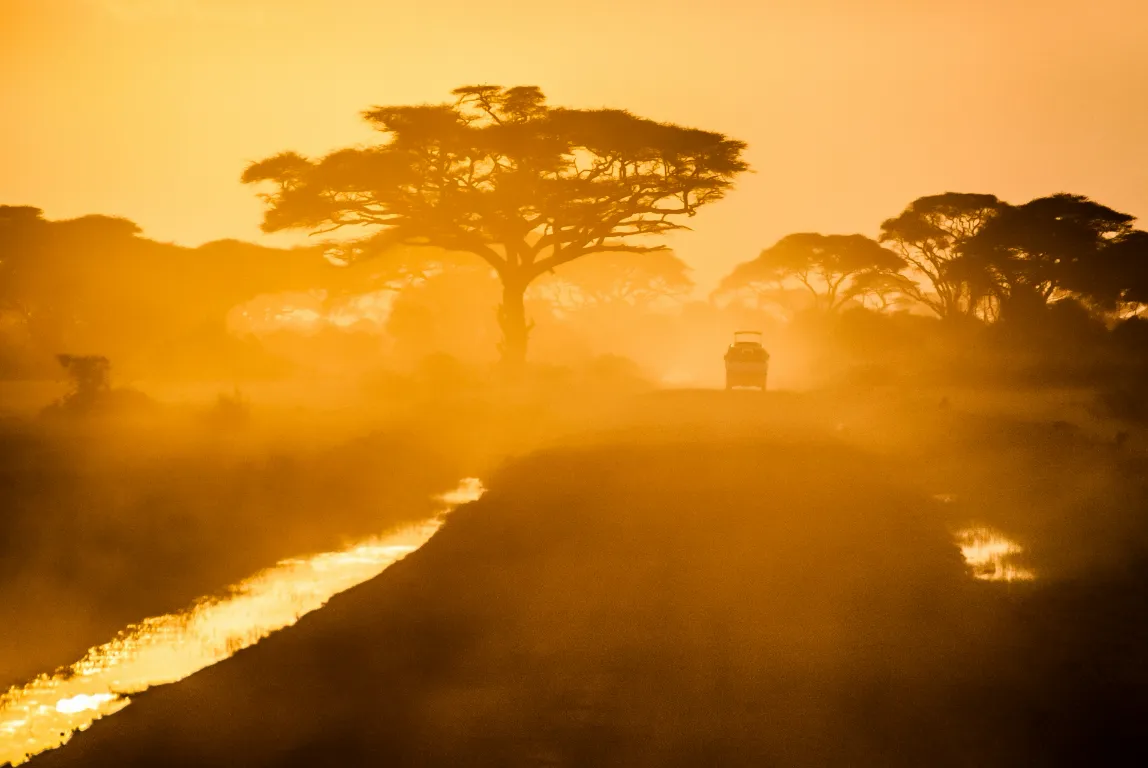
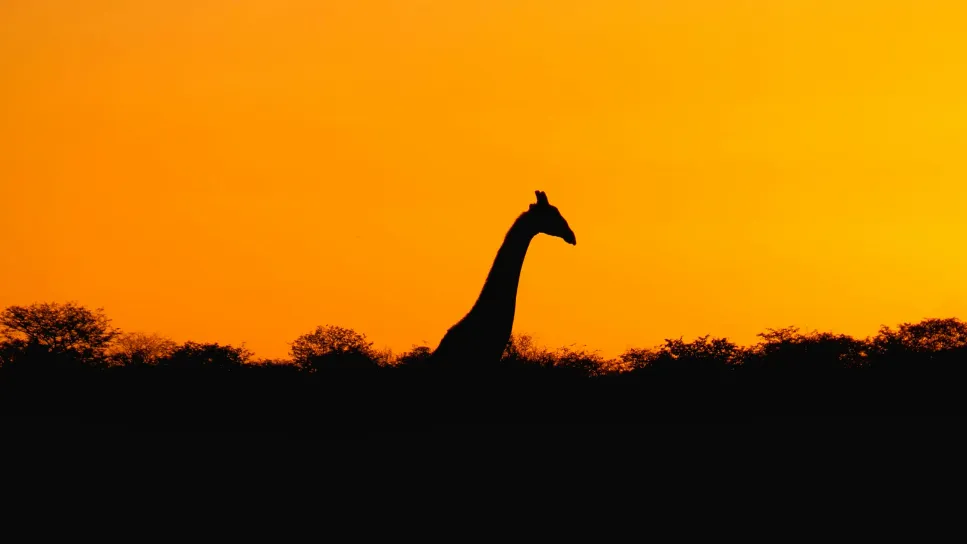
Africa. What comes to mind when you hear that word? Probably endless savannas, majestic lions, elephants, gazelles, red sunsets over the horizon... And all of that is true. But Africa is much more. There are places that will surprise you, make you rethink everything you thought you knew about this continent. Eastern Namibia is just such a place.
Forget about clichés. Eastern Namibia is not the typical "safari" destination you imagine. You won't see huge herds of animals at every corner (although wildlife is present!). Here you'll discover something deeper, more authentic – the soul of the desert, the silence that speaks, and the people who live in harmony with this harsh but beautiful land.
What to Expect from Eastern Namibia?
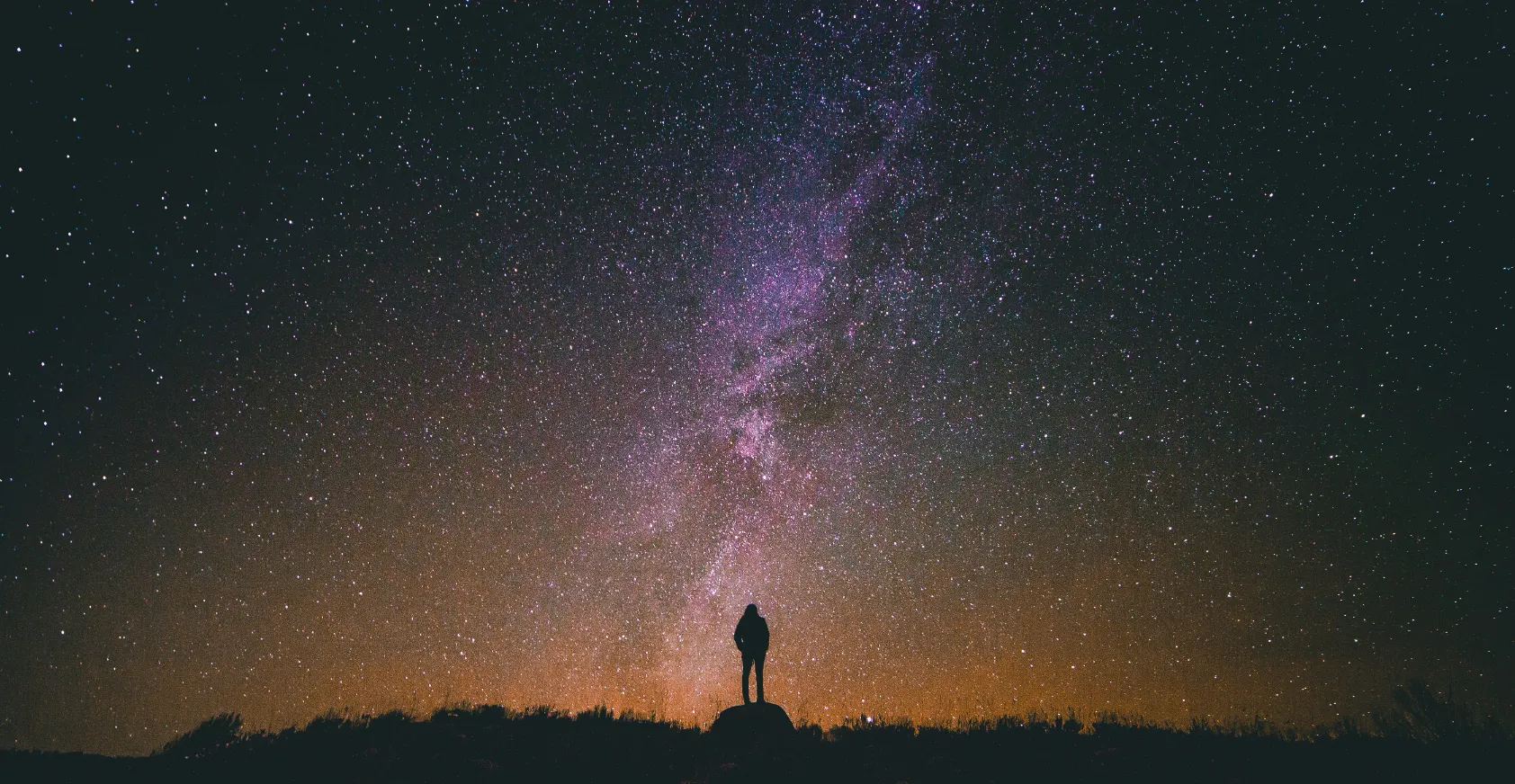
Eastern Namibia is a land of contrasts. On one hand, you'll be greeted by endless, almost surreal landscapes – dunes stretching as far as the eye can see, rock formations with bizarre shapes, and a sky that is deep blue during the day and transforms into a canvas painted with millions of stars at night.
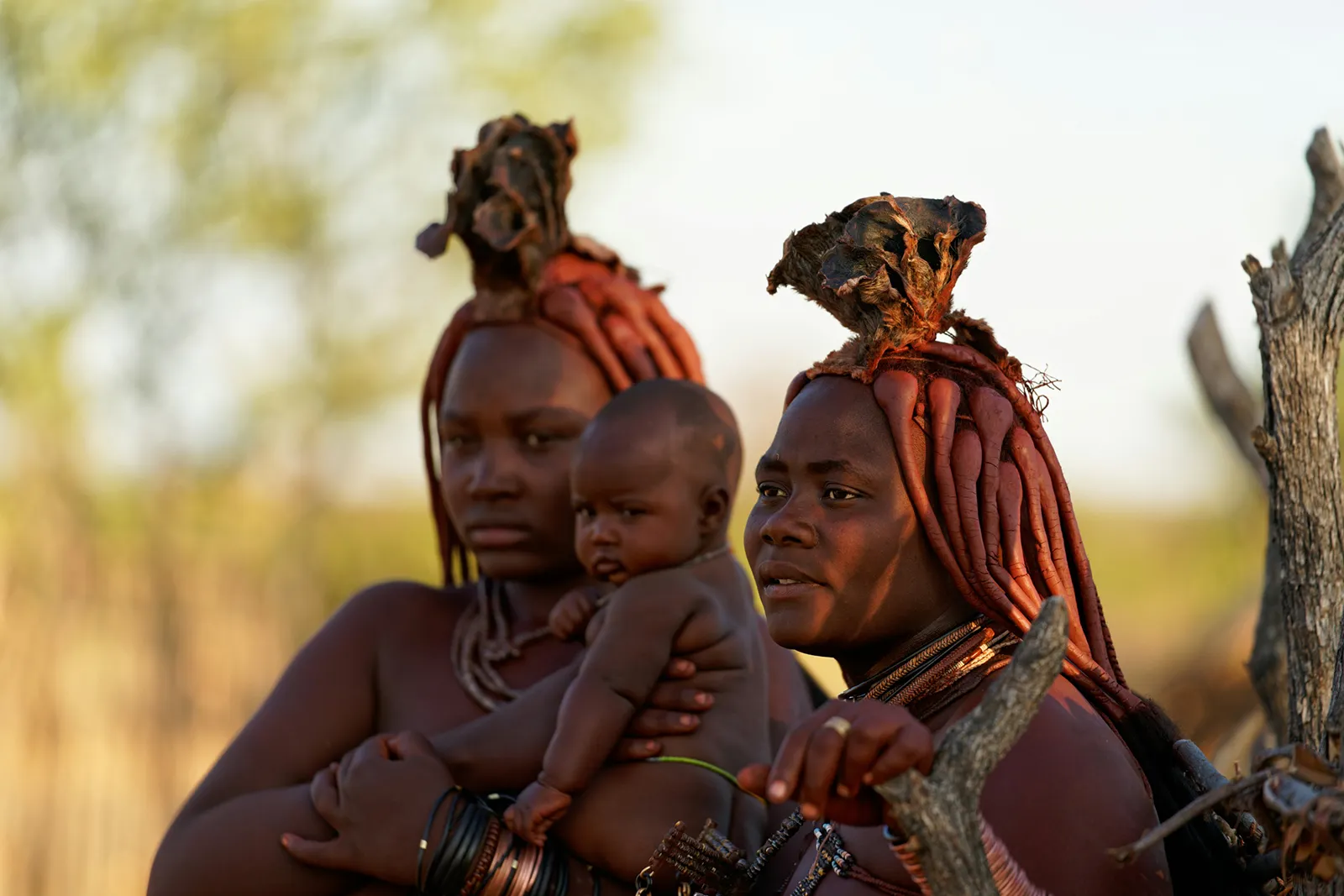
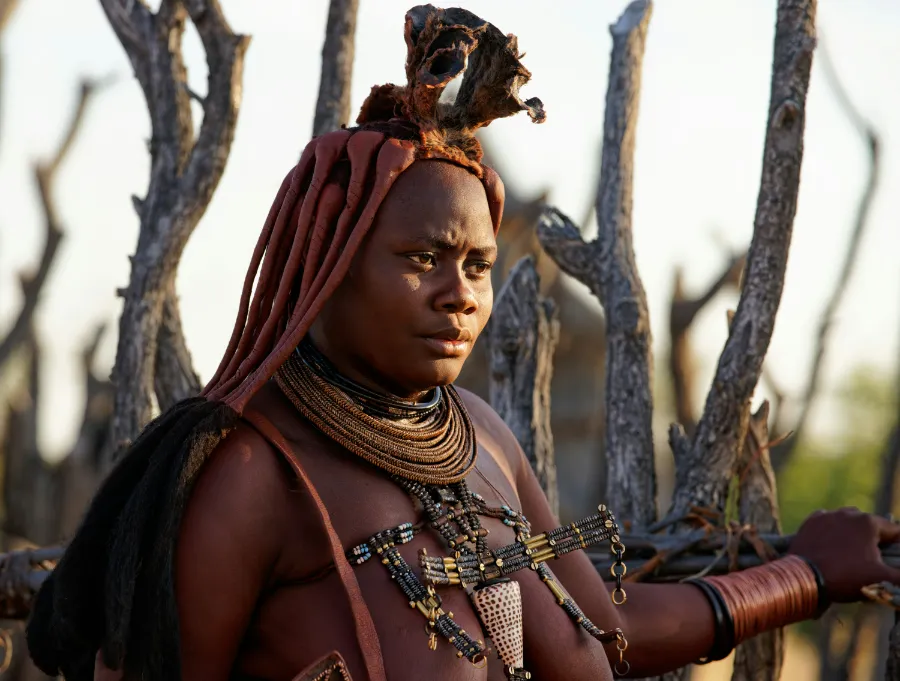
On the other hand, you'll encounter a rich culture and history. Various tribes live here, each with its unique traditions, languages, and ways of life. Meeting them is an experience that will leave a lasting impression on your heart.
Breathtaking Landscapes
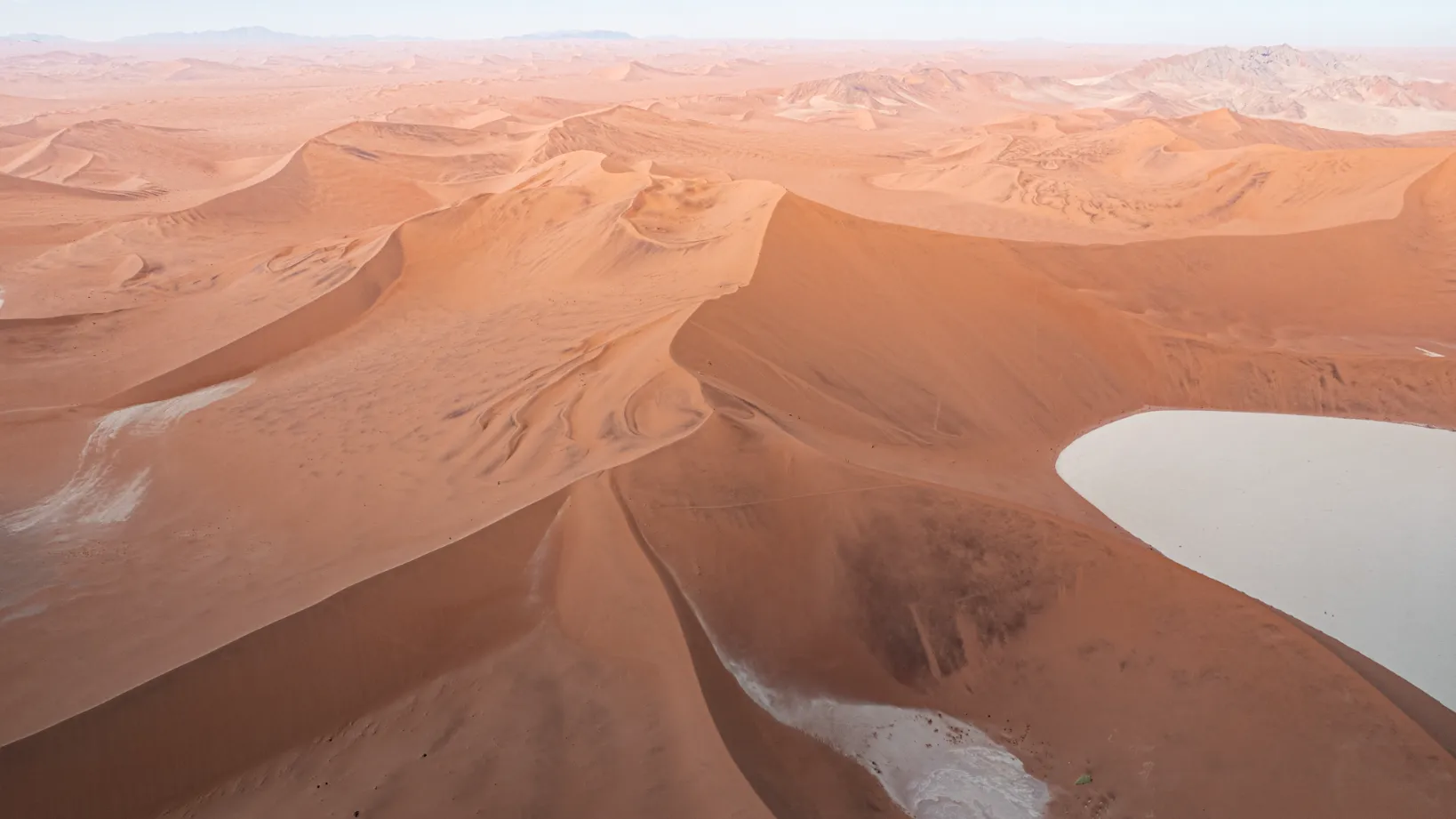
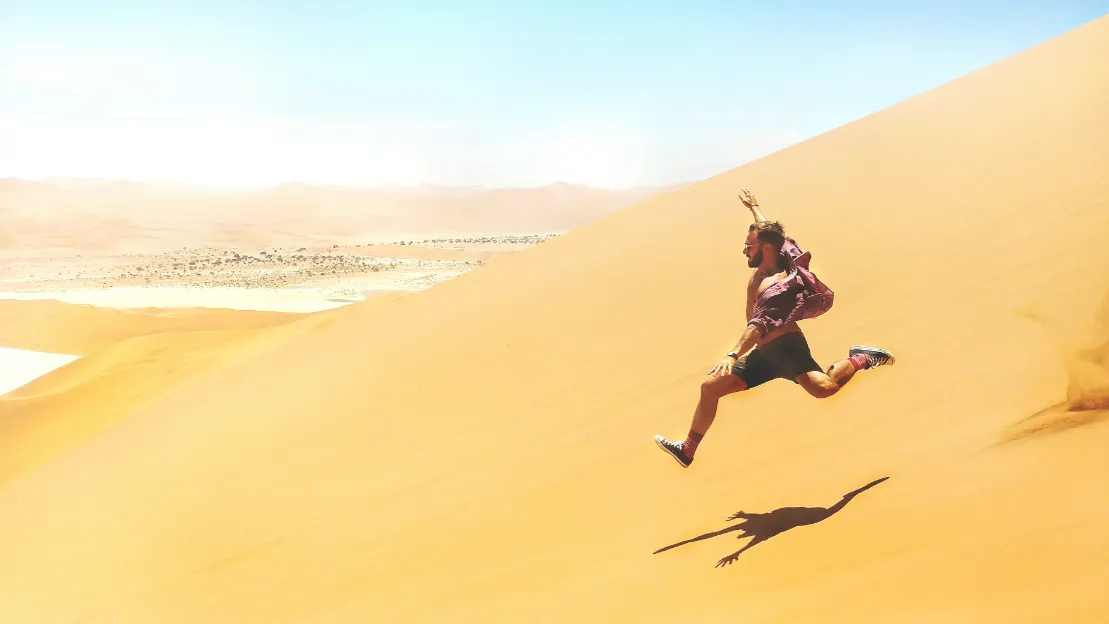
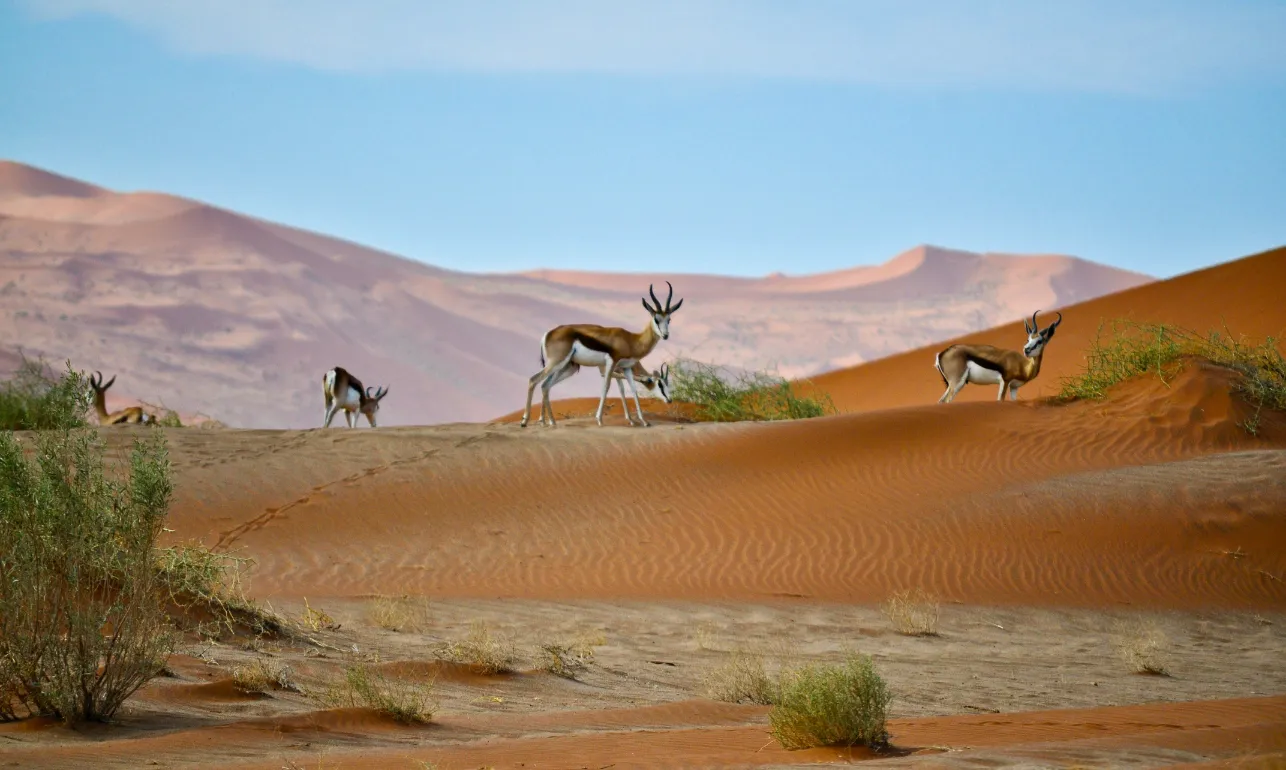
The Dunes of Kalahari: Although not as famous as those in Sossusvlei, the dunes in the eastern part of the Kalahari have their own magic. They are more reddish, wilder, and you'll often have them all to yourself. A walk along the dune crest, especially at sunrise or sunset, is an unforgettable experience.
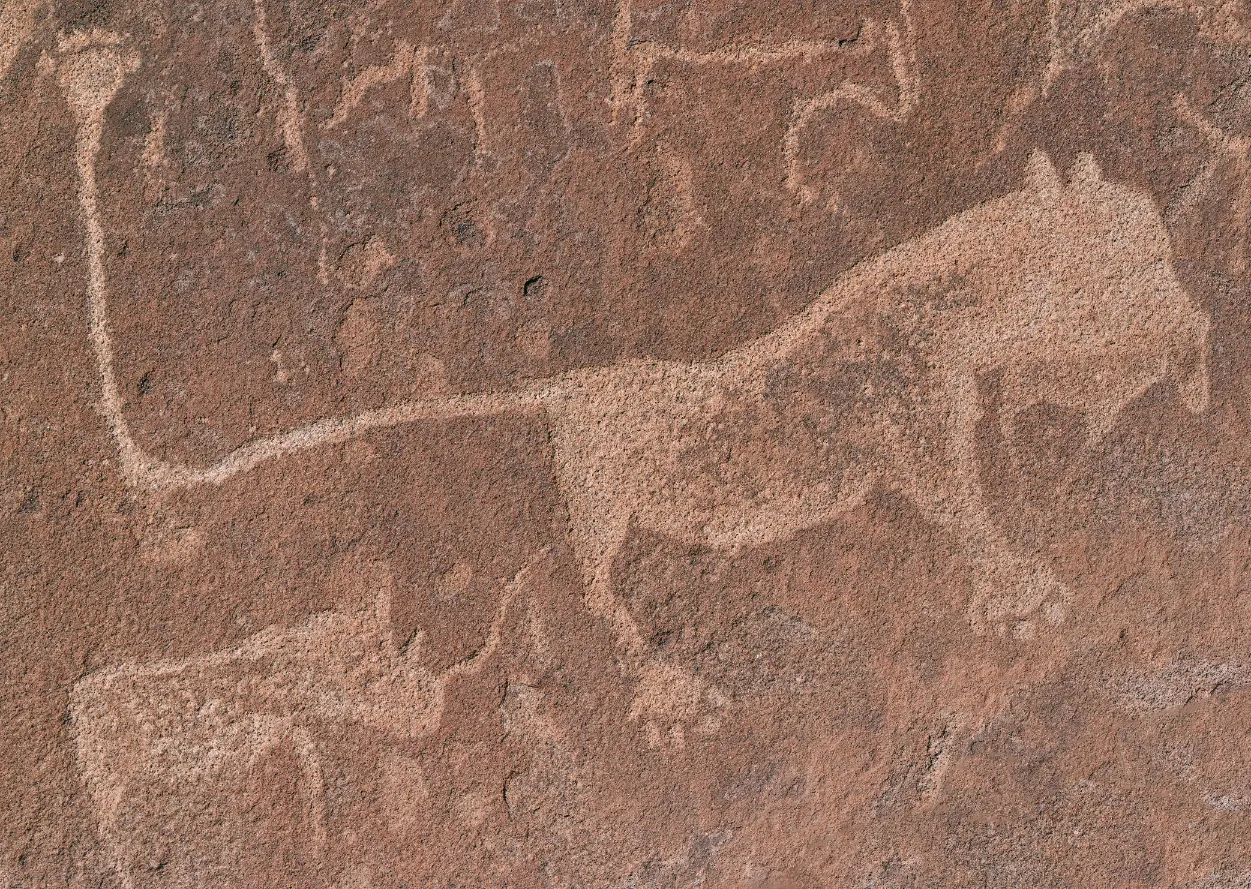
Rock Formations: In some areas of Eastern Namibia, you'll find astonishing rock formations sculpted by wind and time. They often hide ancient rock paintings, testament to the people who lived here thousands of years ago.
Salt Pans and Depressions: During the rainy season (if there is one!), some of the salt pans fill with water, attracting birds and other animals. Even dry, they are impressive with their cracked, white surfaces.
Encounters with Local Communities
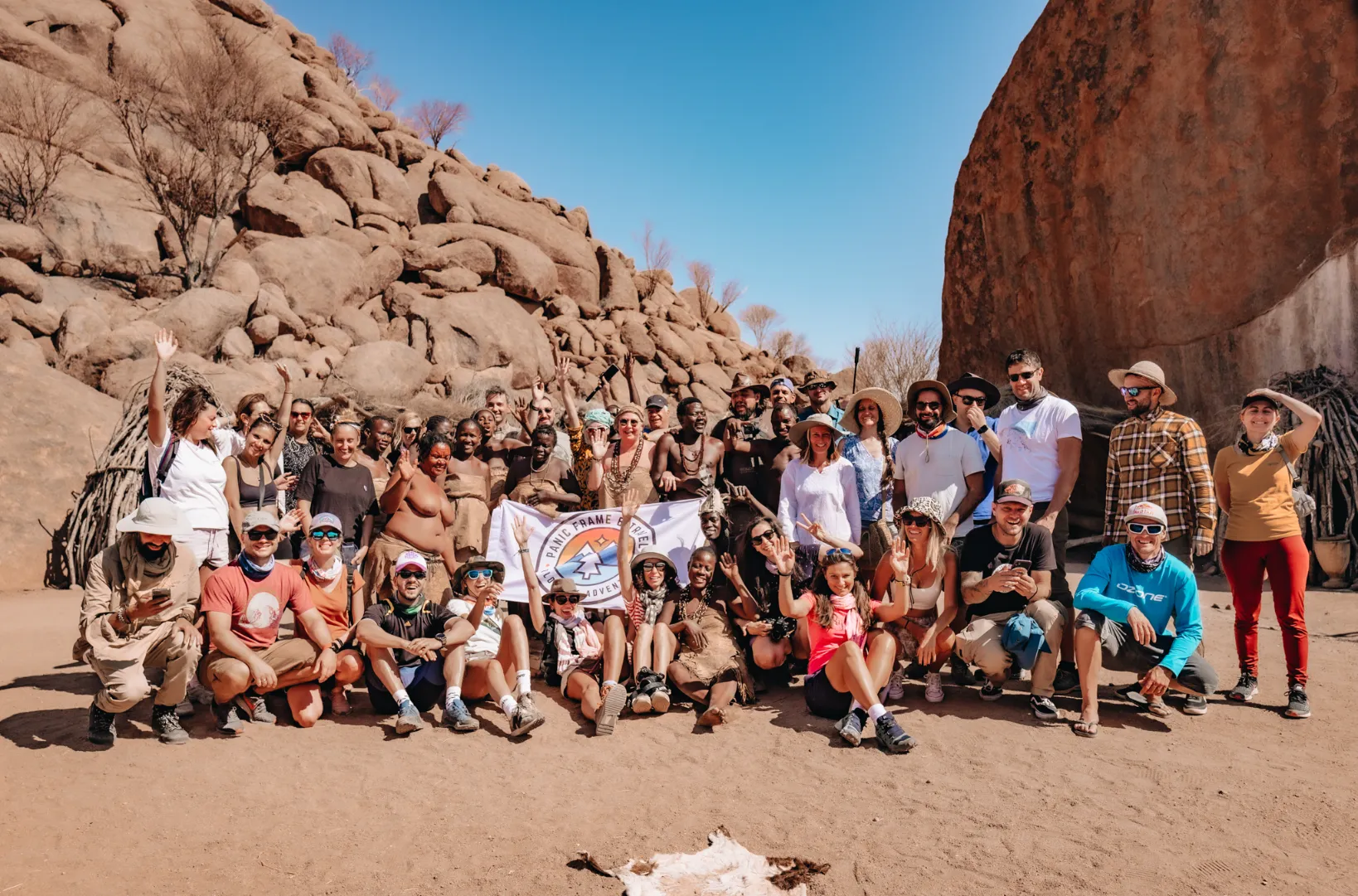
One of the most valuable things in Eastern Namibia is the opportunity to meet the local people. Tribes such as the San (Bushmen), who are some of Africa's oldest inhabitants, live here. They have incredible knowledge of the desert, plants, and animals, and are ready to share some of their wisdom with you.
Visiting a traditional village, participating in a hunting demonstration, or simply having a conversation with the locals will give you a completely different perspective on life and the world.
Hidden Treasures of Eastern Namibia
Eastern Namibia is full of hidden treasures waiting to be discovered. Here are some of them:
Cheetah Farms: The area is home to several farms dedicated to cheetah conservation. Visiting such a farm gives you the unique opportunity to see these graceful cats up close and to learn more about the efforts to save them.
Hoba Meteorite: Located near Grootfontein, it is the largest known meteorite on Earth. It's impressive to stand next to this cosmic giant, which fell thousands of years ago.
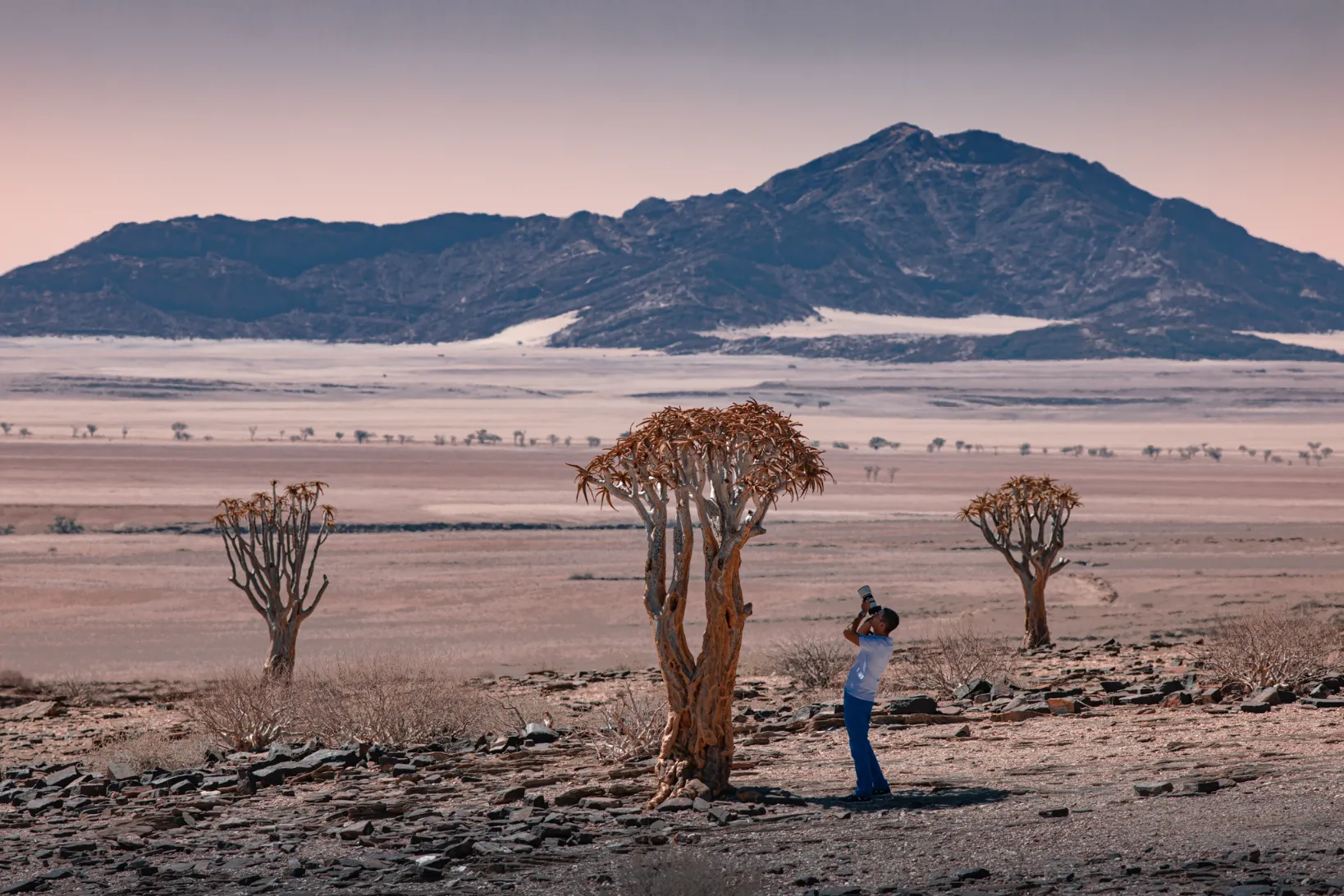
Quiver Tree Forest: Although more famous in southern Namibia, there are smaller but equally beautiful groves of these unique trees in the east. They are exceptionally photogenic at sunset.
Rock Art: In remote areas, ancient rock paintings left by the San ancestors can be found. Discovering them is like a journey back in time.
How Does It Feel to Be There?
Eastern Namibia is a place that makes you feel small in the face of nature's grandeur. The silence is almost palpable and allows you the space to hear your own thoughts. The air is clear and dry, and the night sky is so clear that you can see the Milky Way with the naked eye. The feeling is one of tranquility, a connection to the land, and awe at the endurance of life in such harsh conditions.
Encounters with the local people are warm and genuine. They are hospitable and eager to share their world with you, creating a sense of connection and understanding.
Practical Tips for Traveling to Eastern Namibia
When Is the Best Time to Visit?
The best time to visit Eastern Namibia is during the dry season, typically from May to October. During this period, temperatures are more moderate during the day, and nights are cool. Rainfall is minimal, making it easier to travel and observe wildlife (as animals gather around water sources).
In the summer months (December to March), it can be very hot, and afternoon thunderstorms are common. However, this period can be interesting because of the lush vegetation and the birth of young animals.
How to Get There?
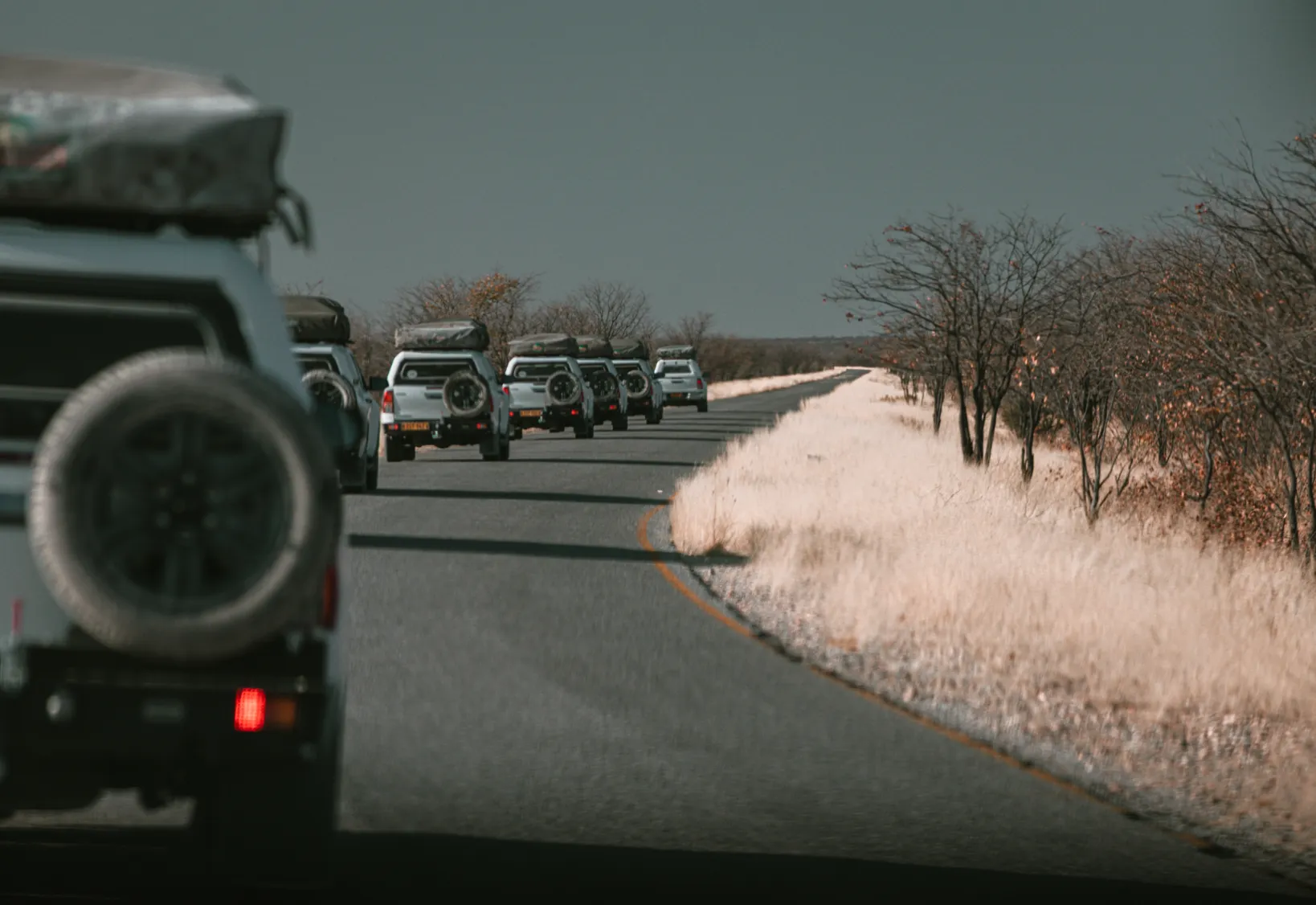
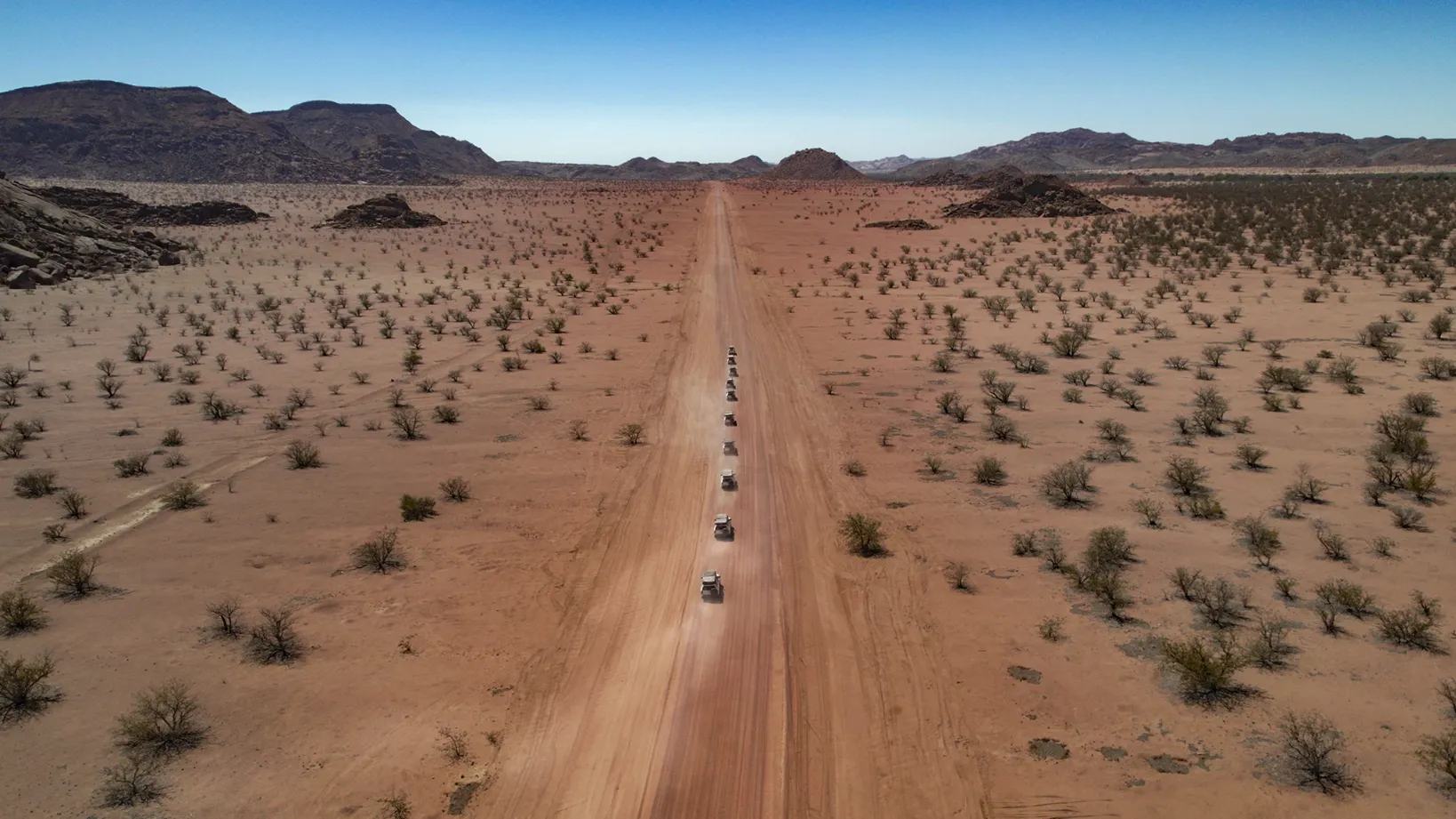
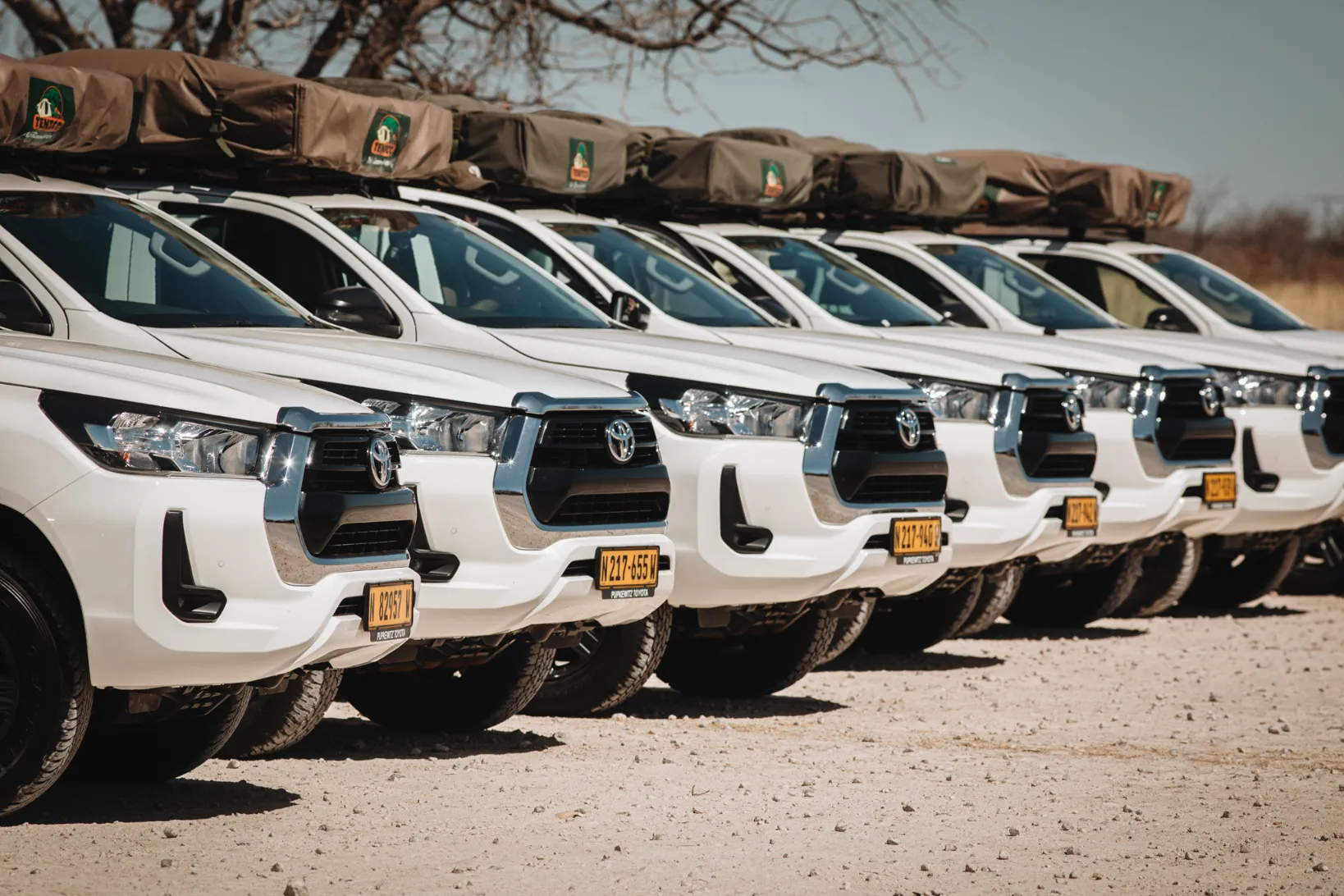
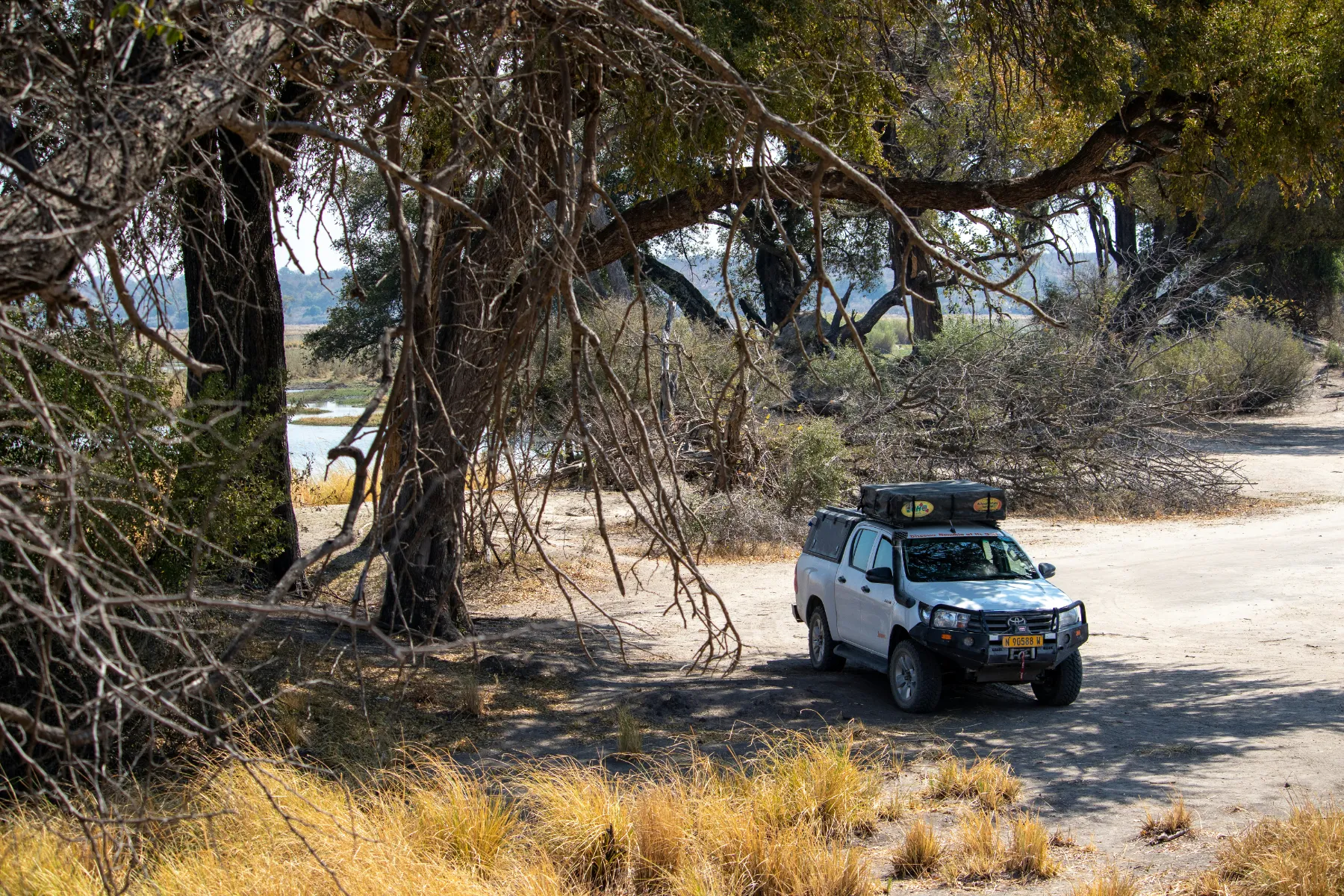
The most convenient way to get to Eastern Namibia is by flying to Hosea Kutako International Airport (WDH) near Windhoek, the capital of Namibia. From there, you can rent a car (4x4 is recommended, especially if you plan to go off the main roads) or join an organized tour.
The roads in Namibia are mostly gravel but well maintained. Distances are great, so plan your journey carefully and allow enough time for travel.
What to Bring?
Light Clothing: Cotton or linen clothes in neutral colours are most suitable for the daytime heat.
Warm Clothing: Evenings and mornings, especially during the dry season, can be chilly. Bring a sweater, jacket, and long trousers.
Comfortable Shoes: For walking and exploring the terrain.
Hat and Sunglasses: The sun is strong.
Sunscreen: With a high SPF.
Insect Repellent: Especially during the rainy season.
Camera: You'll need it!
Binoculars: For wildlife observation.
Reusable Water Bottle: It's important to stay hydrated.
Small First Aid Kit: With basic medication.
Torch or Headlamp: For the evening.
Power Adapter: Namibia uses type D and M plugs.
Important Tips:
Water: Always carry enough water with you. Dehydration is a serious risk in the desert.
Fuel: Plan your route and refuel whenever possible. Petrol stations are rare in remote areas.
Communication: Mobile coverage is limited outside cities. Let someone know your route.
Respect for Local Cultures: Be respectful of local customs and traditions. Always ask for permission before photographing people.
Nature Conservation: Leave no trace behind. Don't litter and don't disturb wildlife.
Frequently Asked Questions
Is It Safe to Travel in Eastern Namibia?
Yes, Namibia is generally a safe country to travel in. As with anywhere in the world, you should take basic precautions against petty theft, especially in cities. In the desert, the main risks are related to nature – heat, dehydration, and encounters with wild animals (though rare in this part). Follow safety advice and travel informed.
Can I See the "Big Five" in Eastern Namibia?
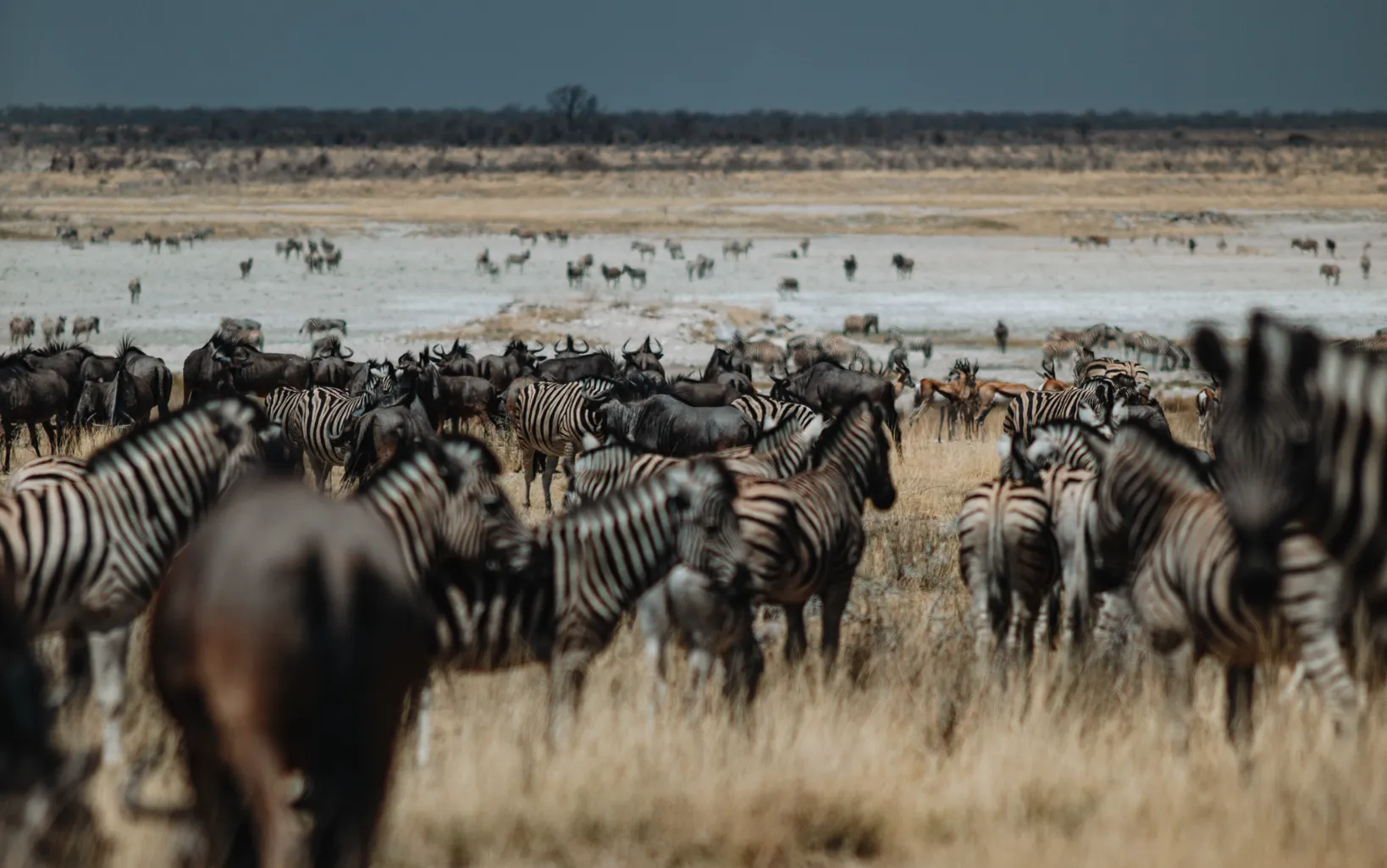
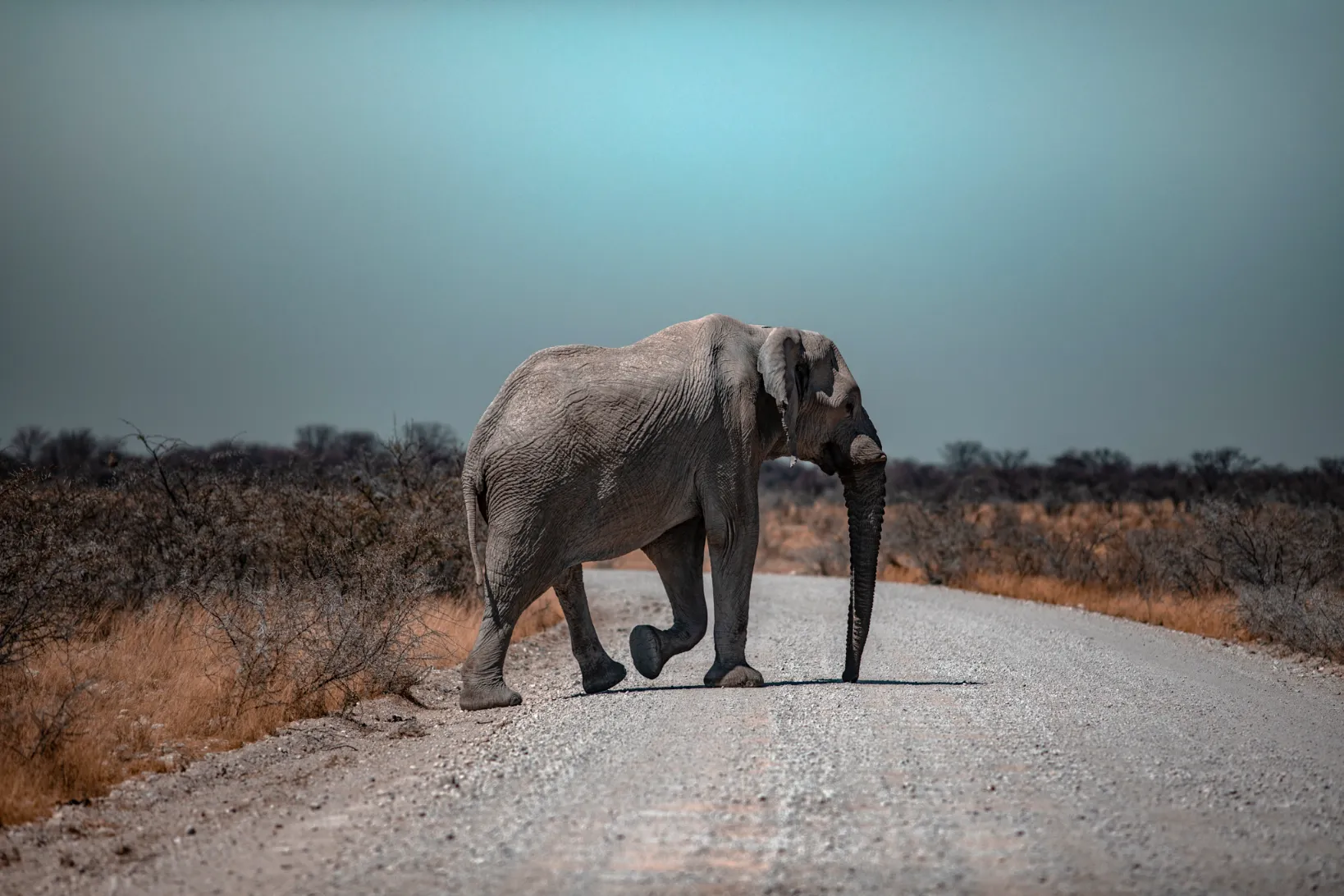
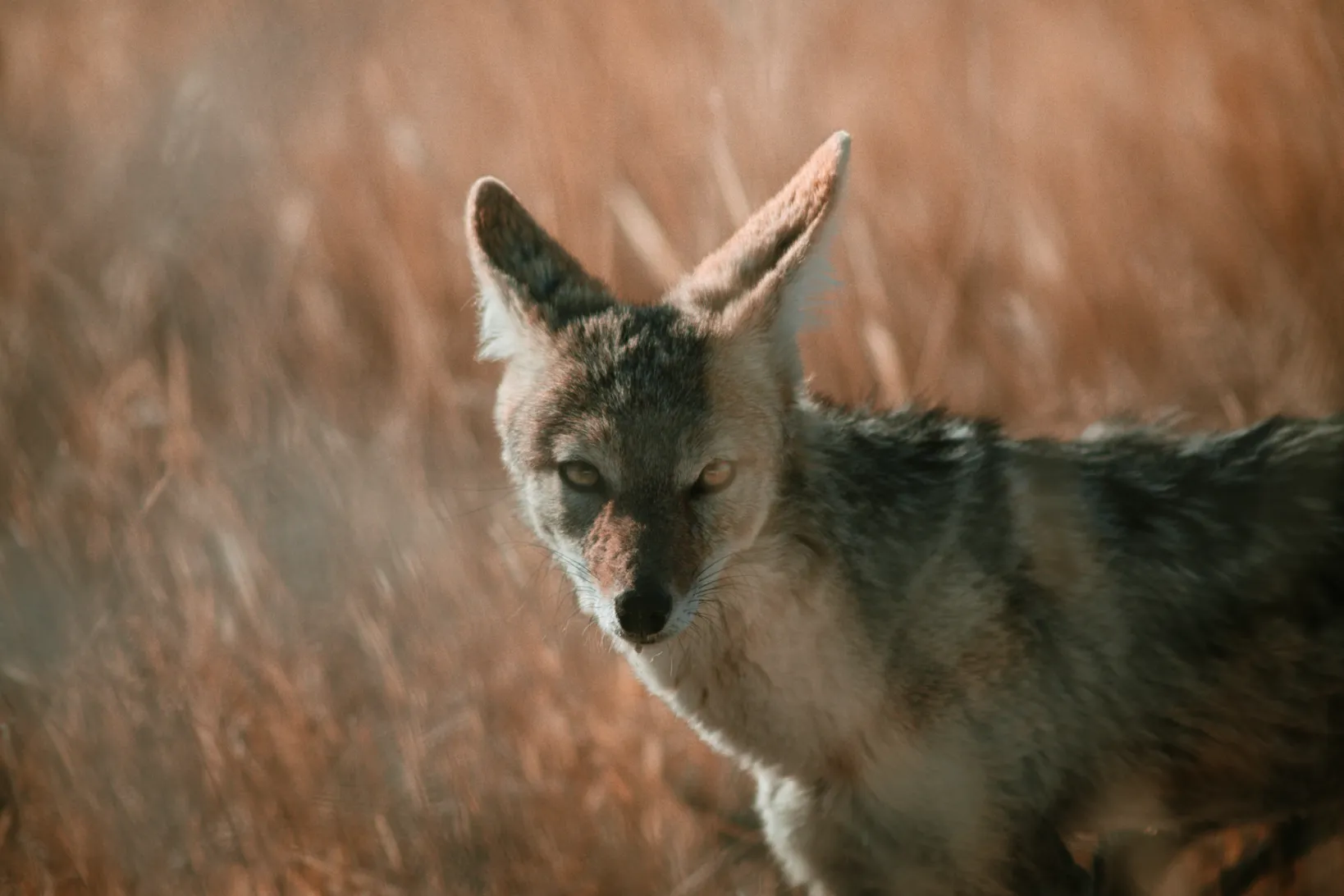
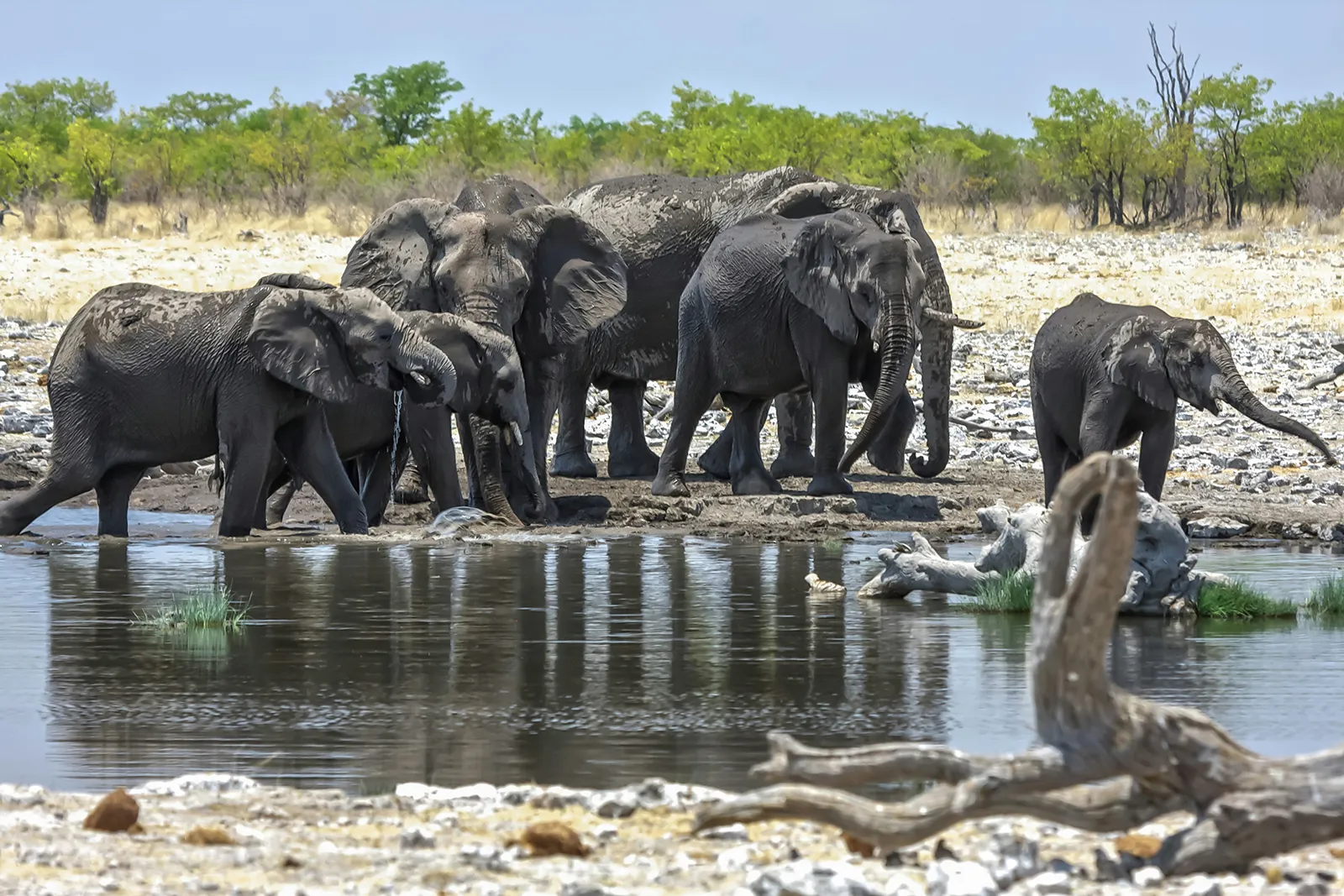
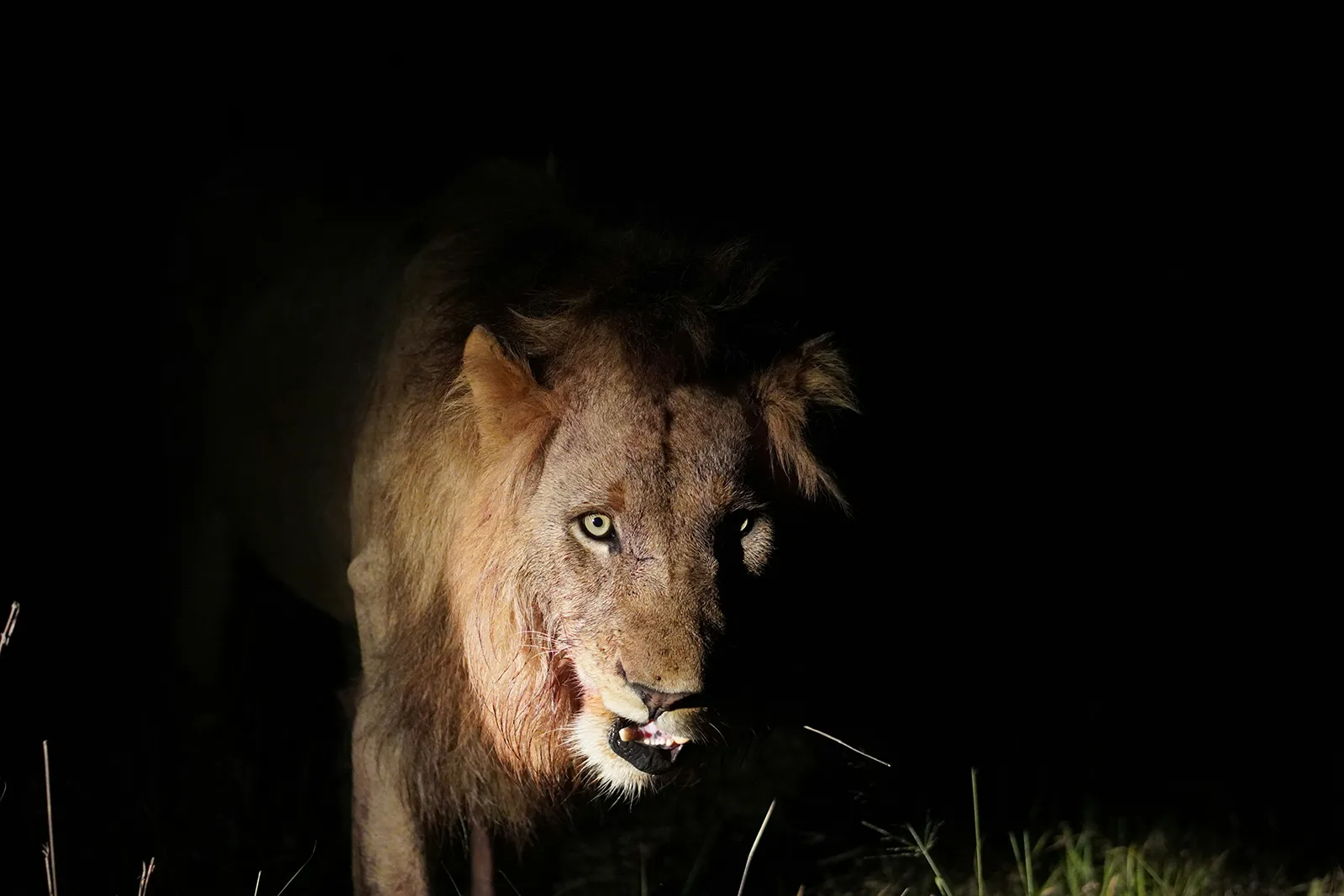
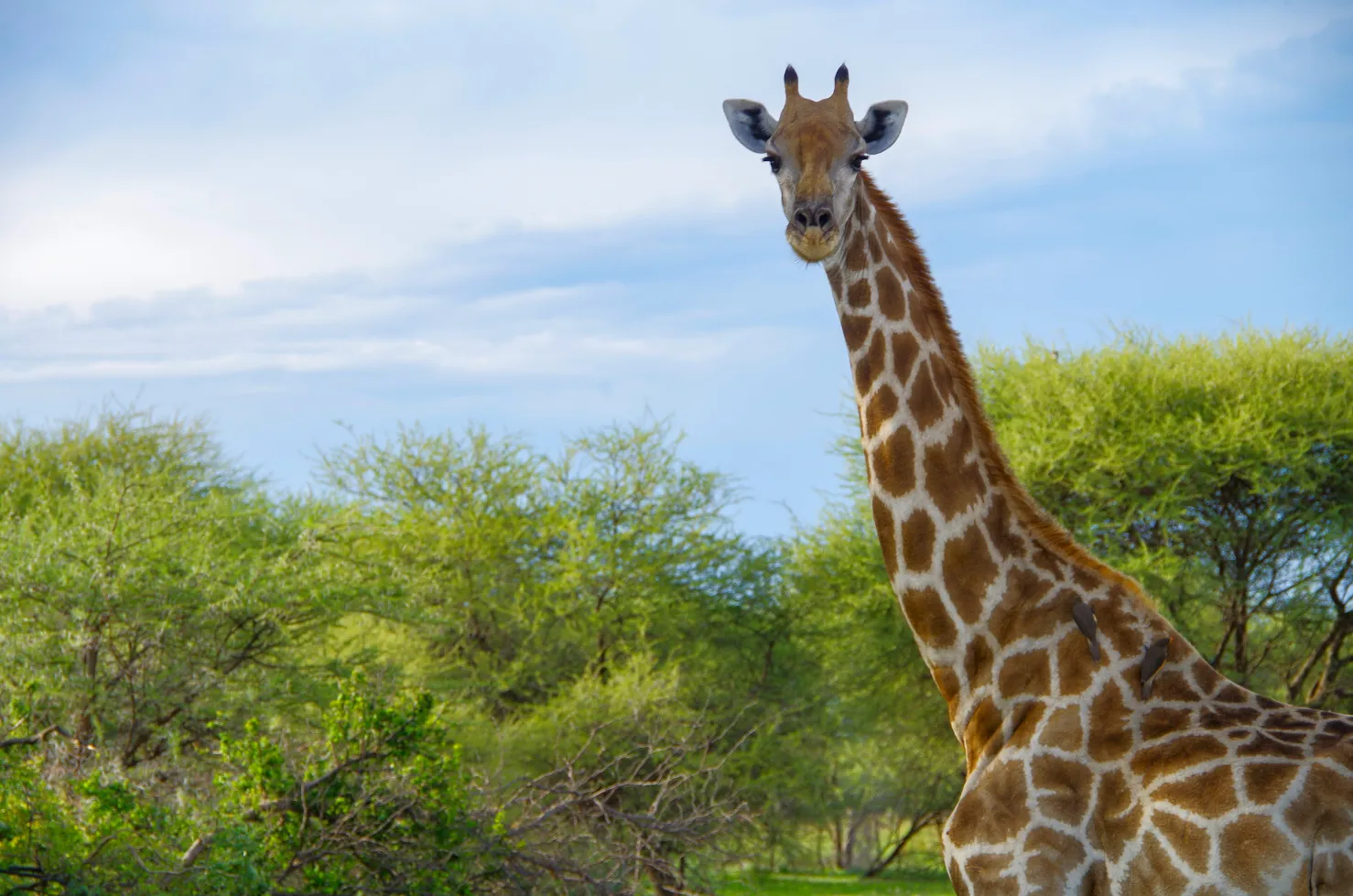
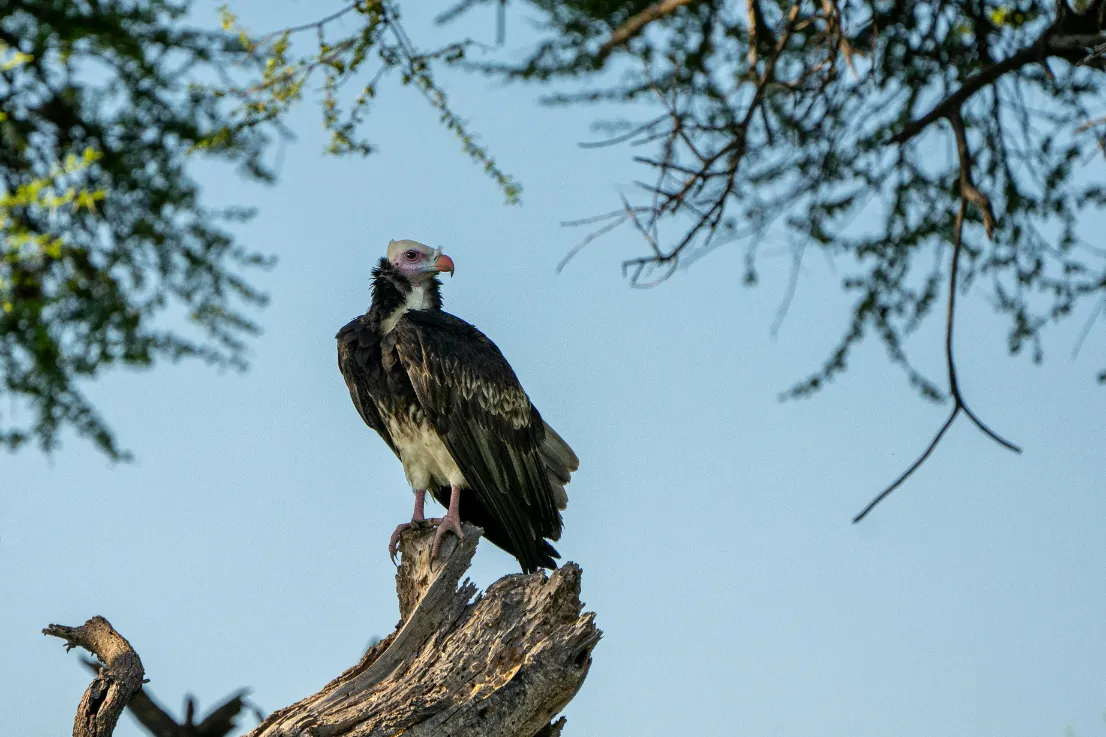
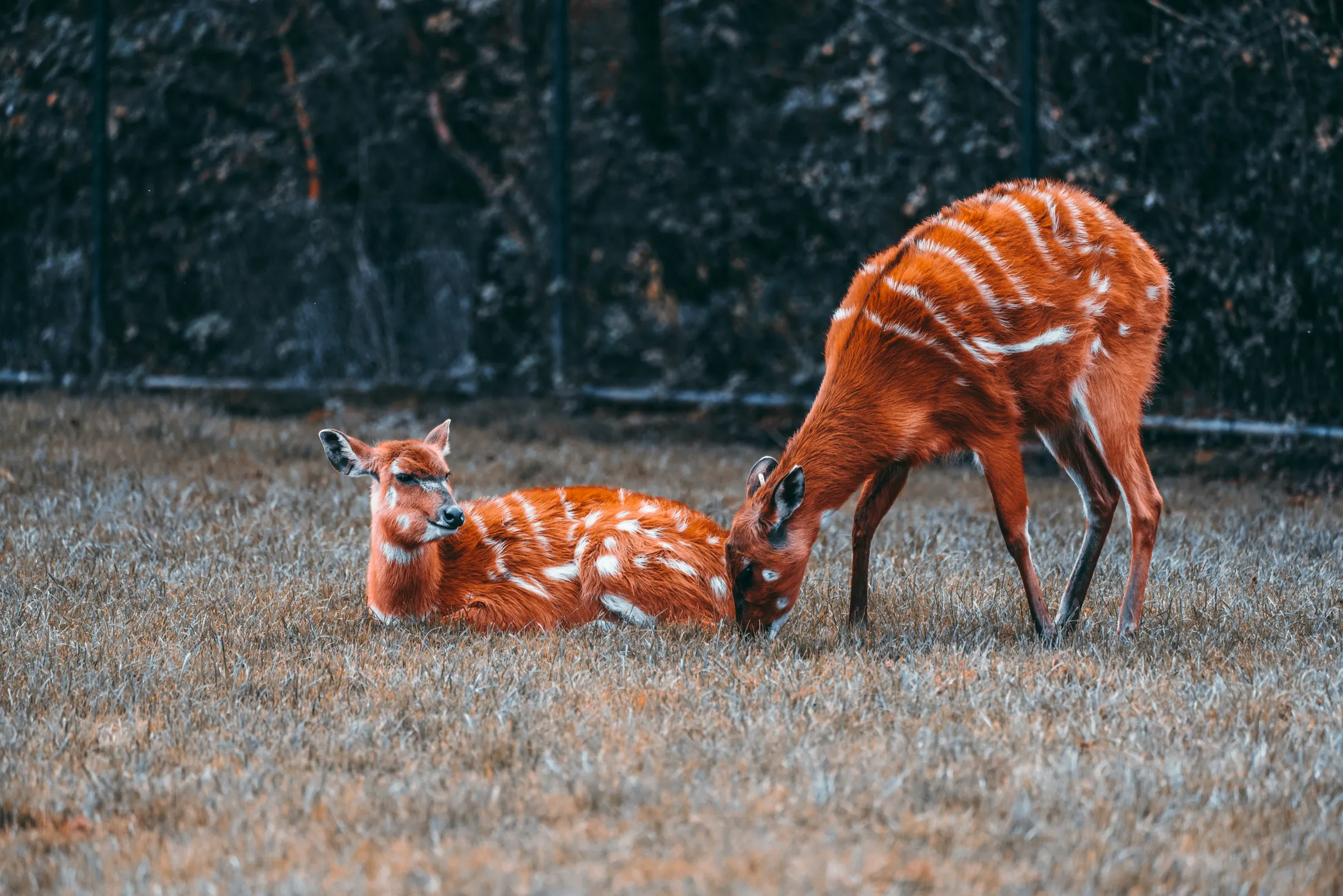
Eastern Namibia is not the typical "Big Five" destination (lion, elephant, buffalo, leopard, rhino). These animals are more commonly found in national parks like Etosha. In Eastern Namibia, you can see cheetahs, hyenas, various species of antelopes, zebras, ostriches, and many birds. The focus here is more on the desert ecosystem and smaller but equally intriguing inhabitants.
What Makes Eastern Namibia Unique Compared to Other Parts of the Country?
While southern Namibia is known for its dramatic red dunes in Sossusvlei and the Fish River Canyon, and the north for Etosha National Park, Eastern Namibia offers a calmer, more authentic, and less touristy experience. Here you'll find wilder landscapes, a deeper connection with local communities, and a sense of true desert.
Conclusion
Eastern Namibia is a place that will challenge you, inspire you, and change your perception of Africa. It's not a destination for everyone, but if you're seeking authenticity, tranquility, incredible landscapes, and encounters with people living in harmony with nature, then Eastern Namibia is your place.
Allow yourself to get lost in endless horizons, feel the silence of the desert, and touch the ancient wisdom of the local tribes. This is a journey not just to a place, but inward within yourself.
Are you ready to overturn your perceptions of Africa? Come and discover the magic of Eastern Namibia with us. We at Panic Frame & Travel are here to show you the most beautiful and authentic corners of this amazing land. Get in touch with us, and let's plan your unforgettable adventure!
More About Eastern Namibia
The Okavango River in Namibia | The Bushmen of the Kalahari | The Animals of Eastern Namibia
Explore
Destination Eastern Namibia | Destination Namibia | Wildlife Expeditions
Author: Martin Bonov