Khaudum – the wildest national park in Namibia
Khaudum is the national park where Namibia reveals its wildest side. No fences, no marked trails, and animals unaccustomed to humans.
Hello, traveller! Today, I'm taking you to a place that's a real treasure for anyone seeking authenticity and a rendezvous with wildlife in its purest form. We're talking about the Khaudum National Park in Namibia – a destination often left off the beaten tourist tracks, which is precisely what makes it so special.
If you've dreamed of seeing Africa as it was centuries ago, without crowds and commercialisation, Khaudum is your place. There are no luxury lodges with pools and gourmet restaurants here. It's just you, the vast savanna, and the animals in their natural environment. It's an experience that will touch you deeply and leave an indelible mark on your heart.
What Makes Khaudum So Special?
Khaudum is known as one of the wildest and most remote national parks in Namibia. Located in the northeastern part of the country, close to the border with Botswana, it's part of the larger Kavango-Zambezi (KAZA) ecosystem. The park covers an area of about 3,842 square kilometres and is home to an extremely rich diversity of flora and fauna.
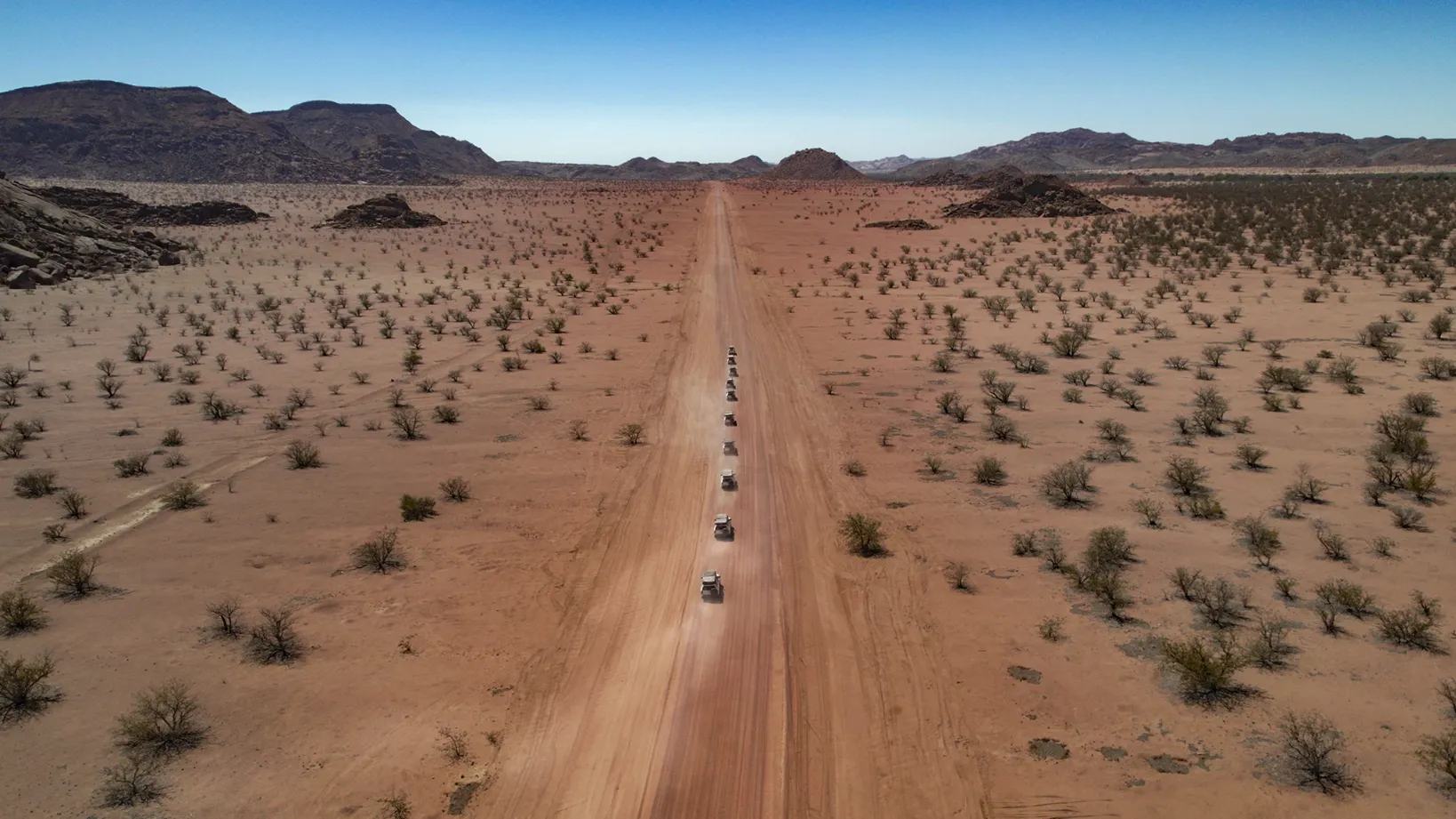
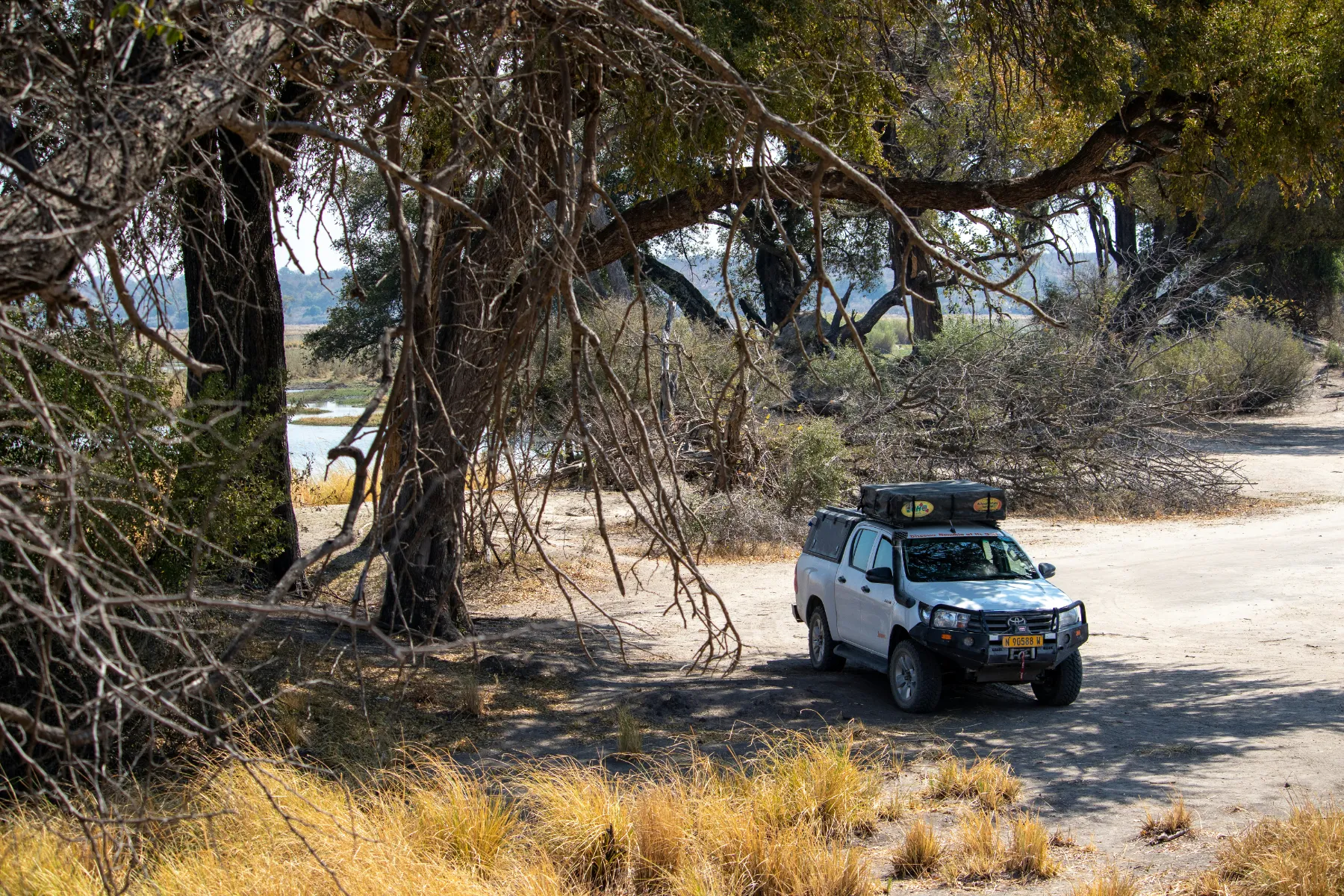
What distinguishes Khaudum is its inaccessibility and lack of mass tourism. The roads are mostly sandy, requiring a 4x4 vehicle, and the infrastructure is minimal. Yet this "difficulty" is part of the charm. It ensures that you'll share this incredible place with only a few others and gives you the chance to fully immerse yourself in the silence and tranquillity of the wild.
What to Expect in Khaudum?
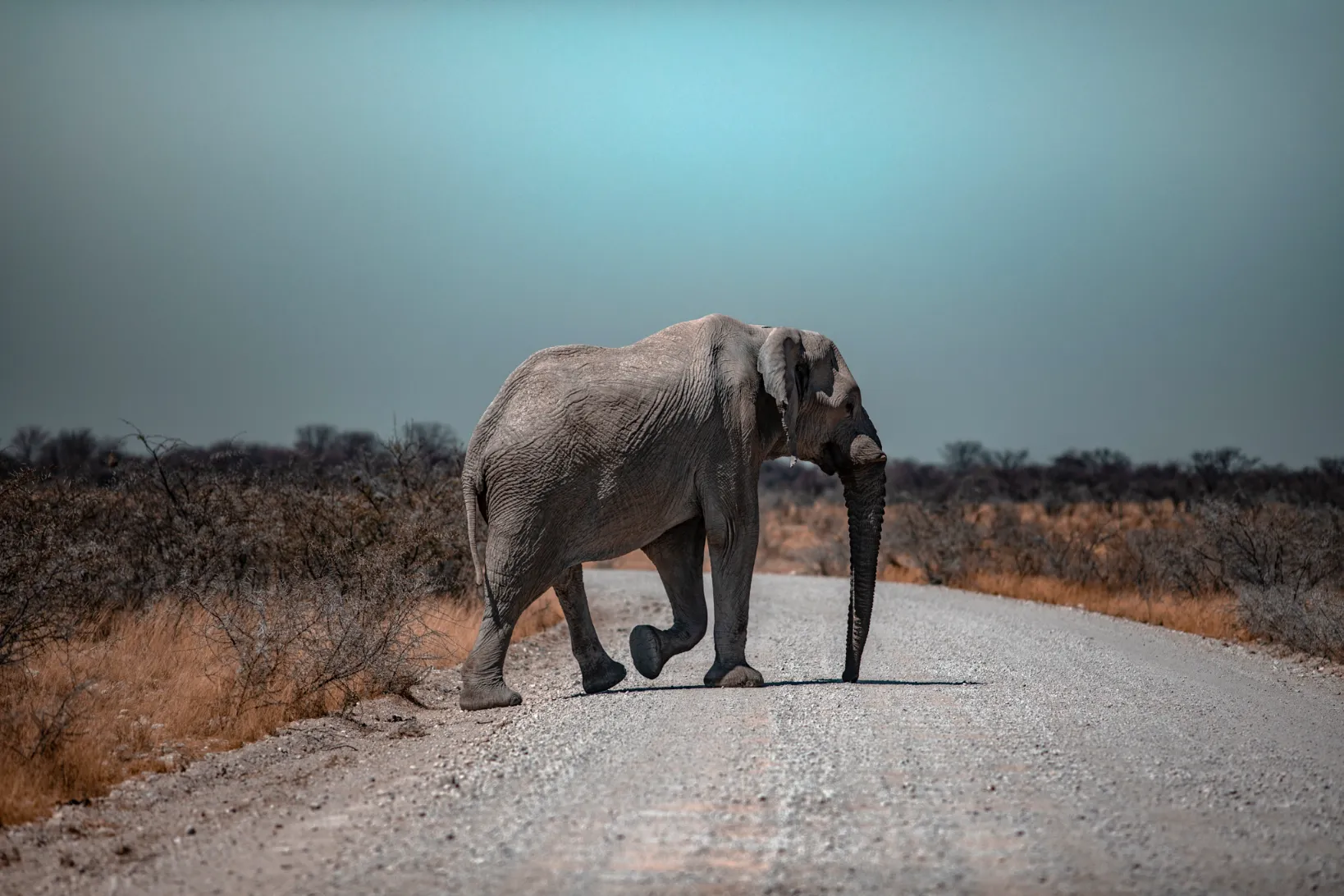
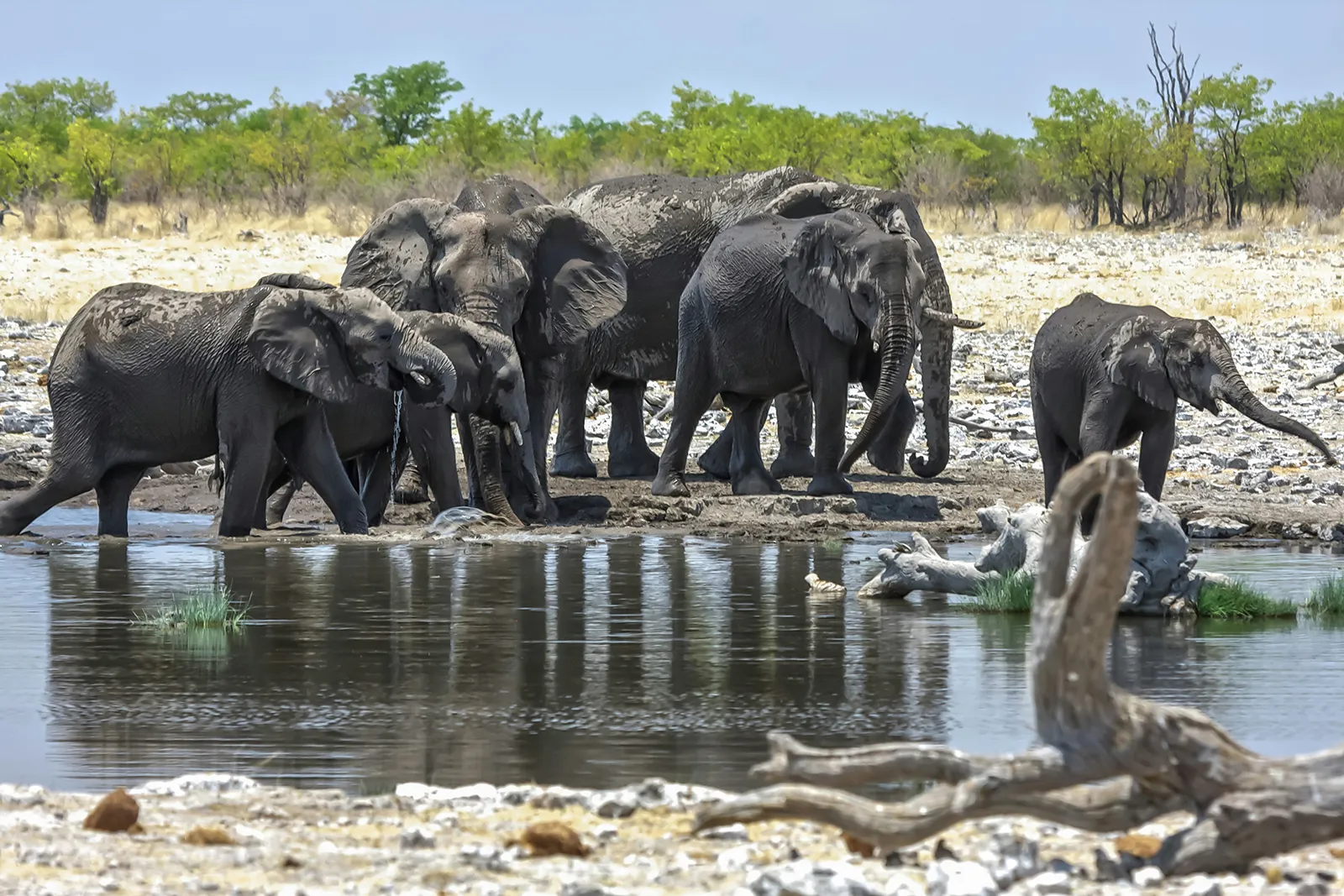
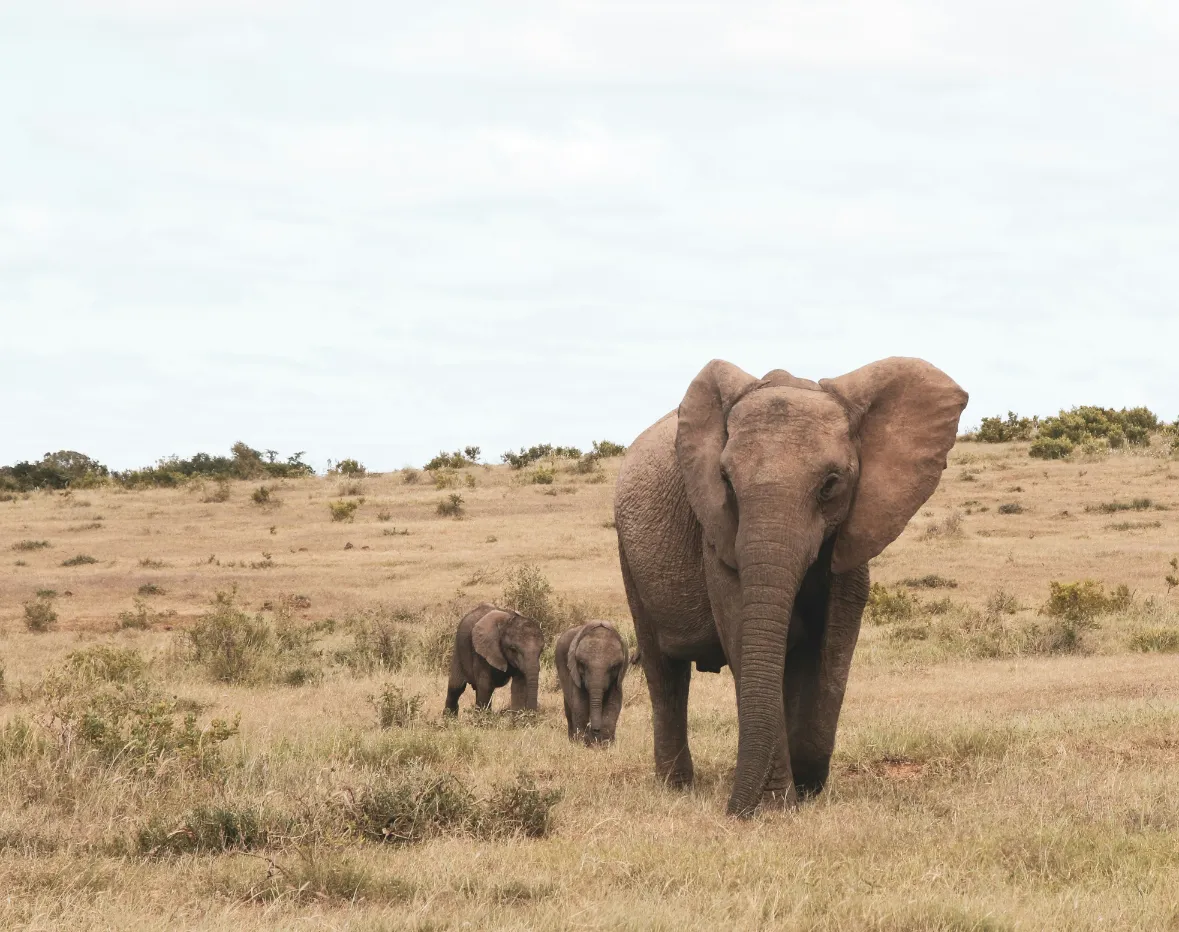
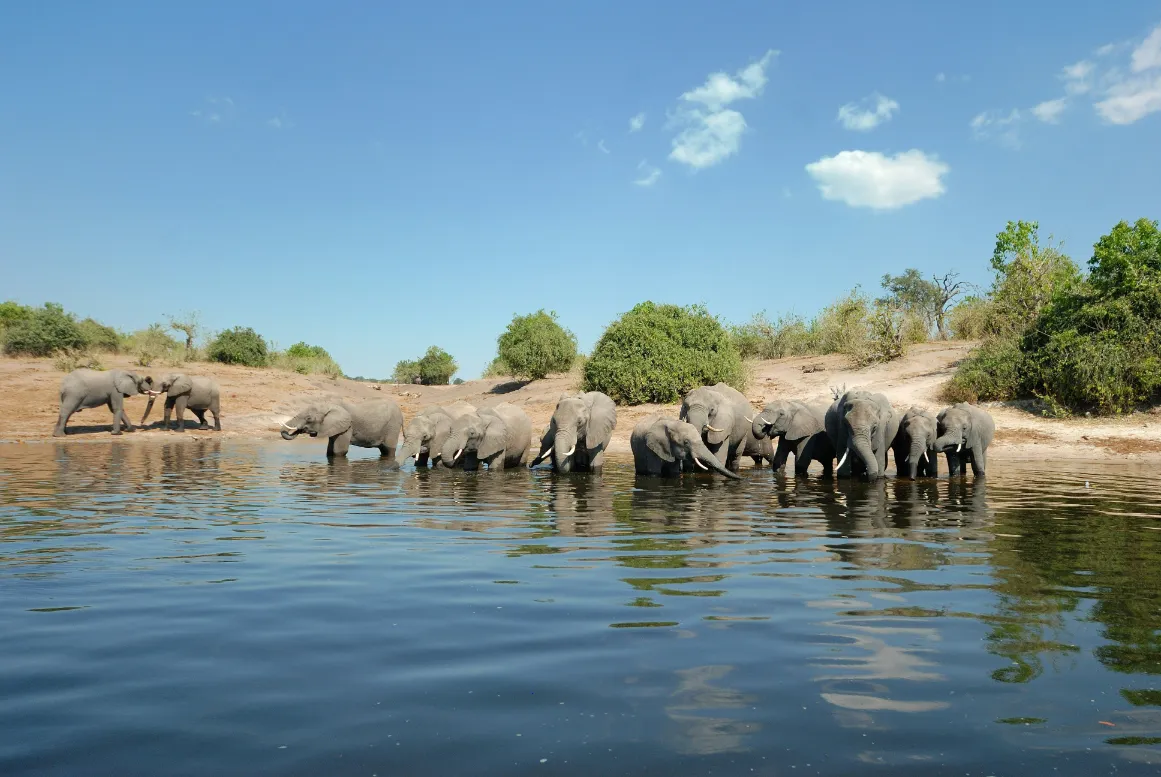
Prepare yourself for a true safari adventure! Khaudum is famous for its large herds of elephants, often seen strolling freely or drinking from the waterholes. But the park offers much more:
Elephants: As mentioned, elephants are one of the main inhabitants. The sight of these majestic animals in their natural habitat is simply breathtaking.
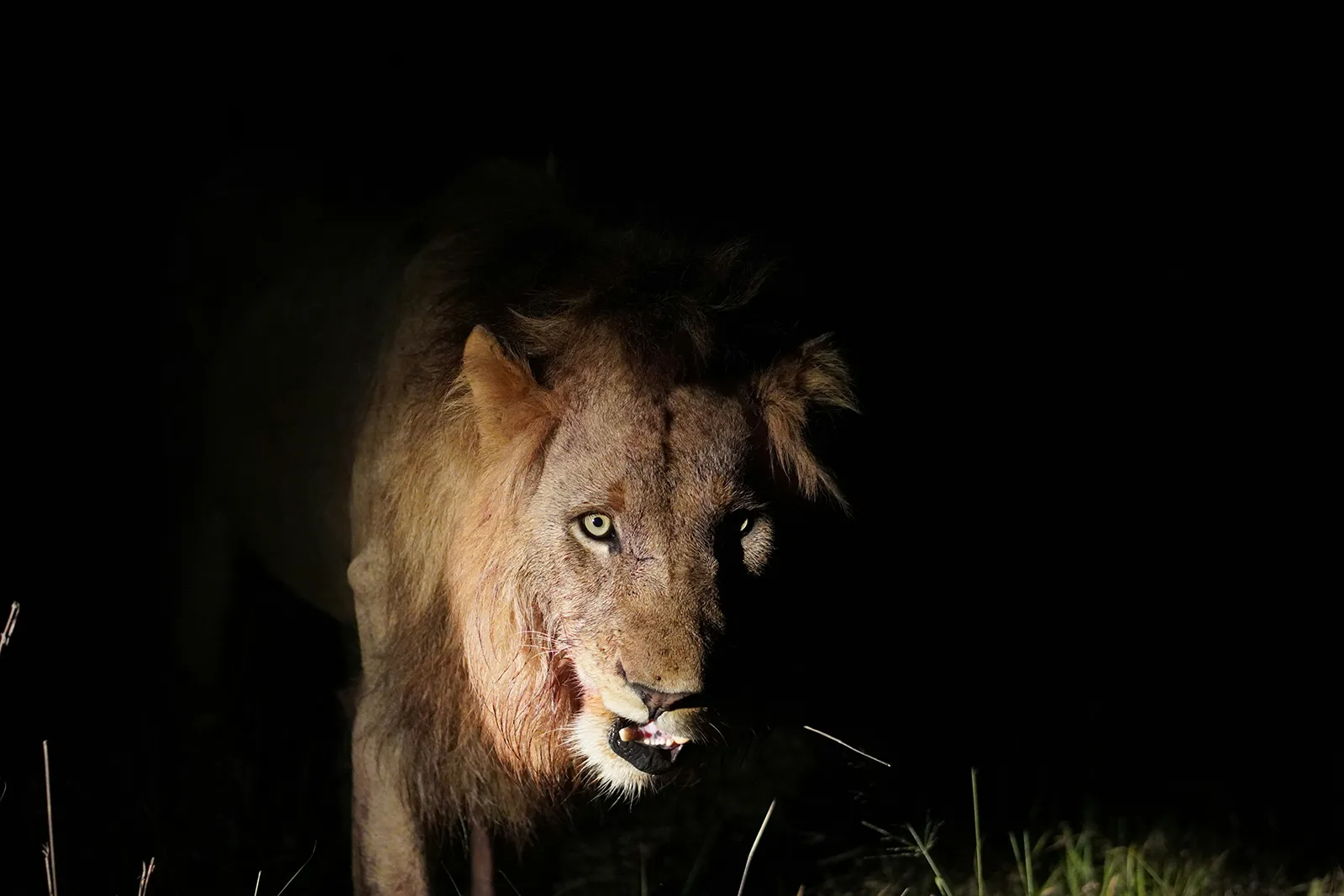
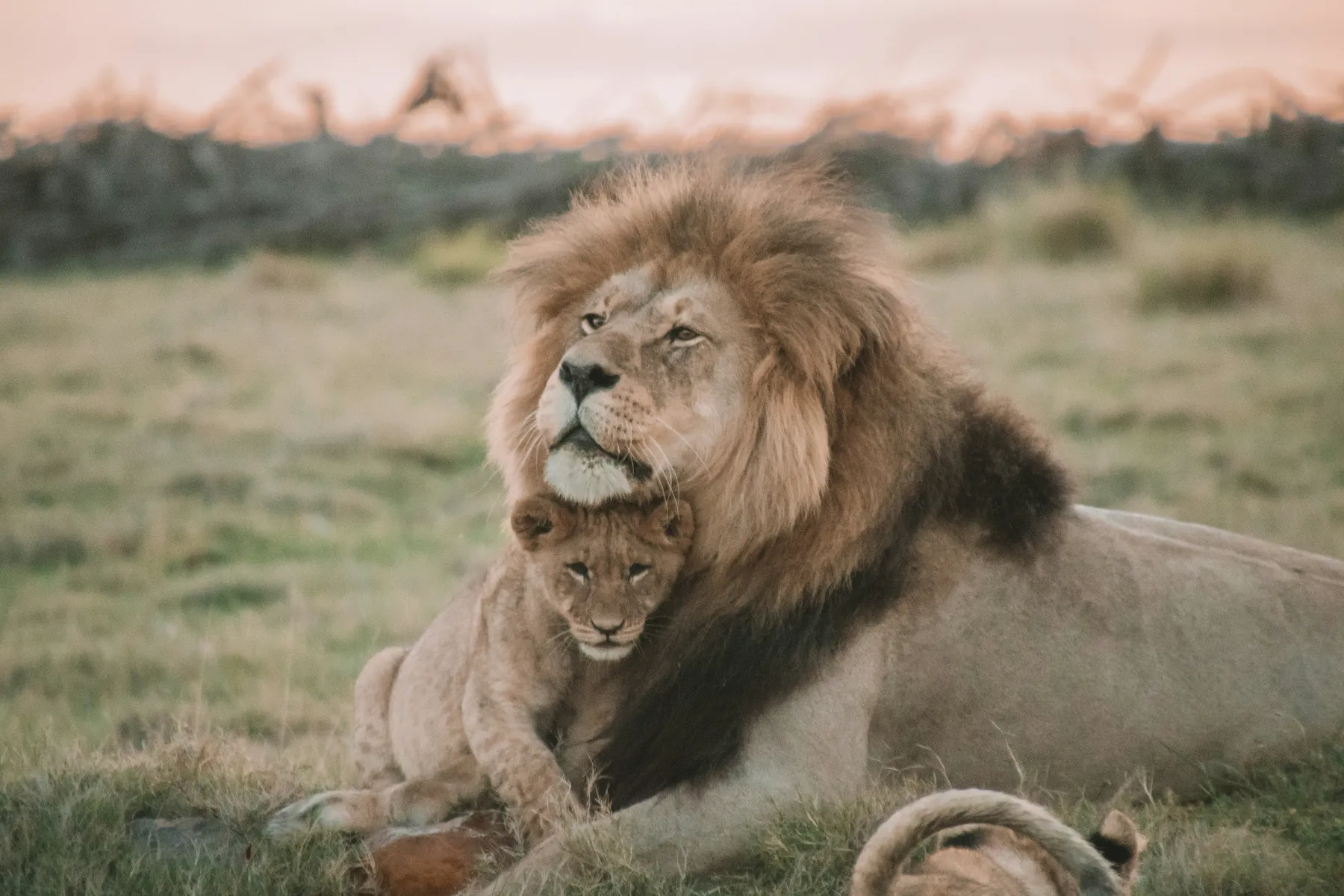
Lions: Khaudum is home to a healthy lion population. The chance to see them is high, especially early in the morning or late afternoon.
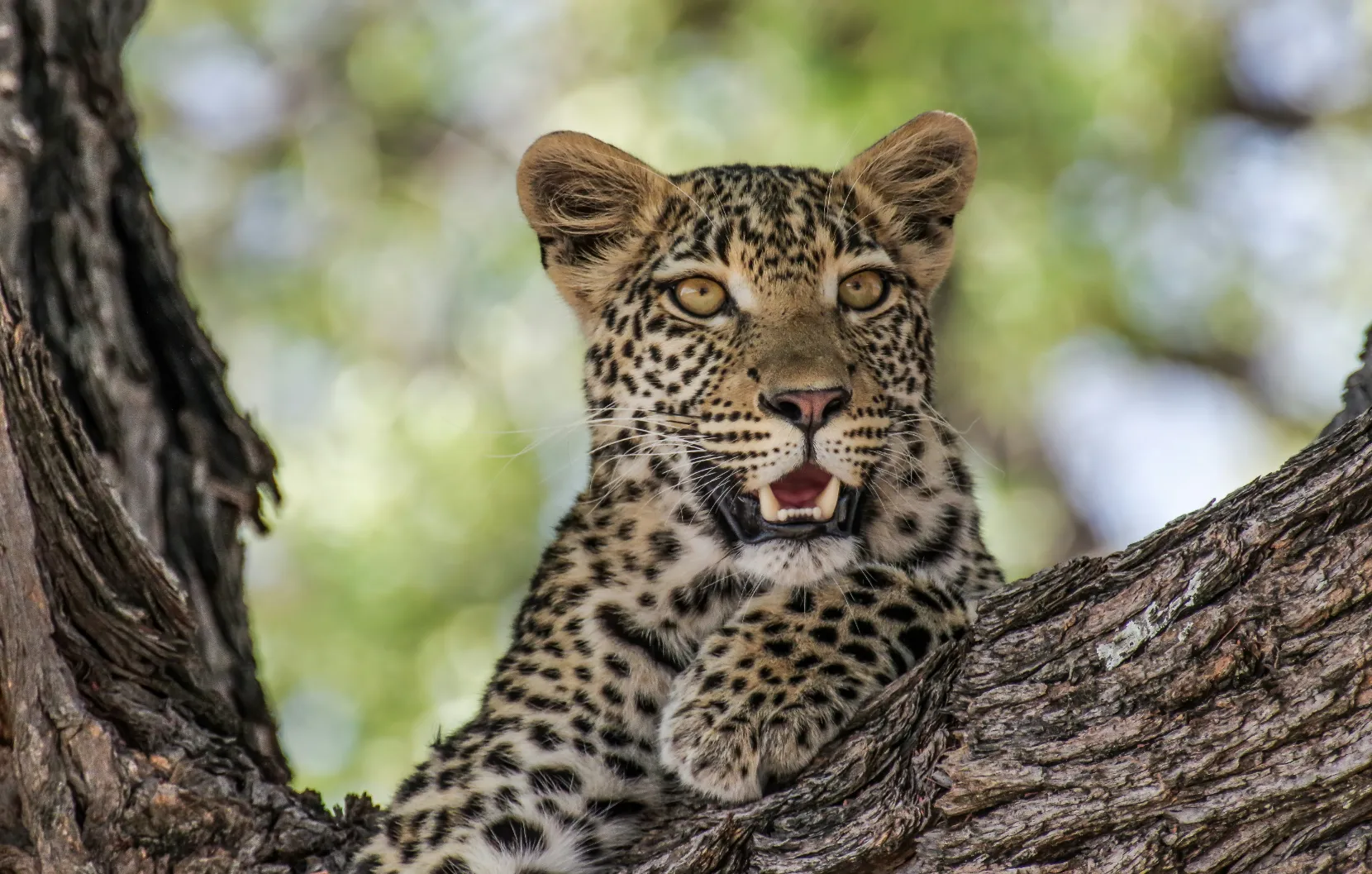
Leopards and Cheetahs: Although harder to spot, these graceful cats also inhabit the park. Patience is often rewarded!
Wild Dogs: Khaudum is one of the few places where you can see endangered African wild dogs. Encountering them is truly lucky.
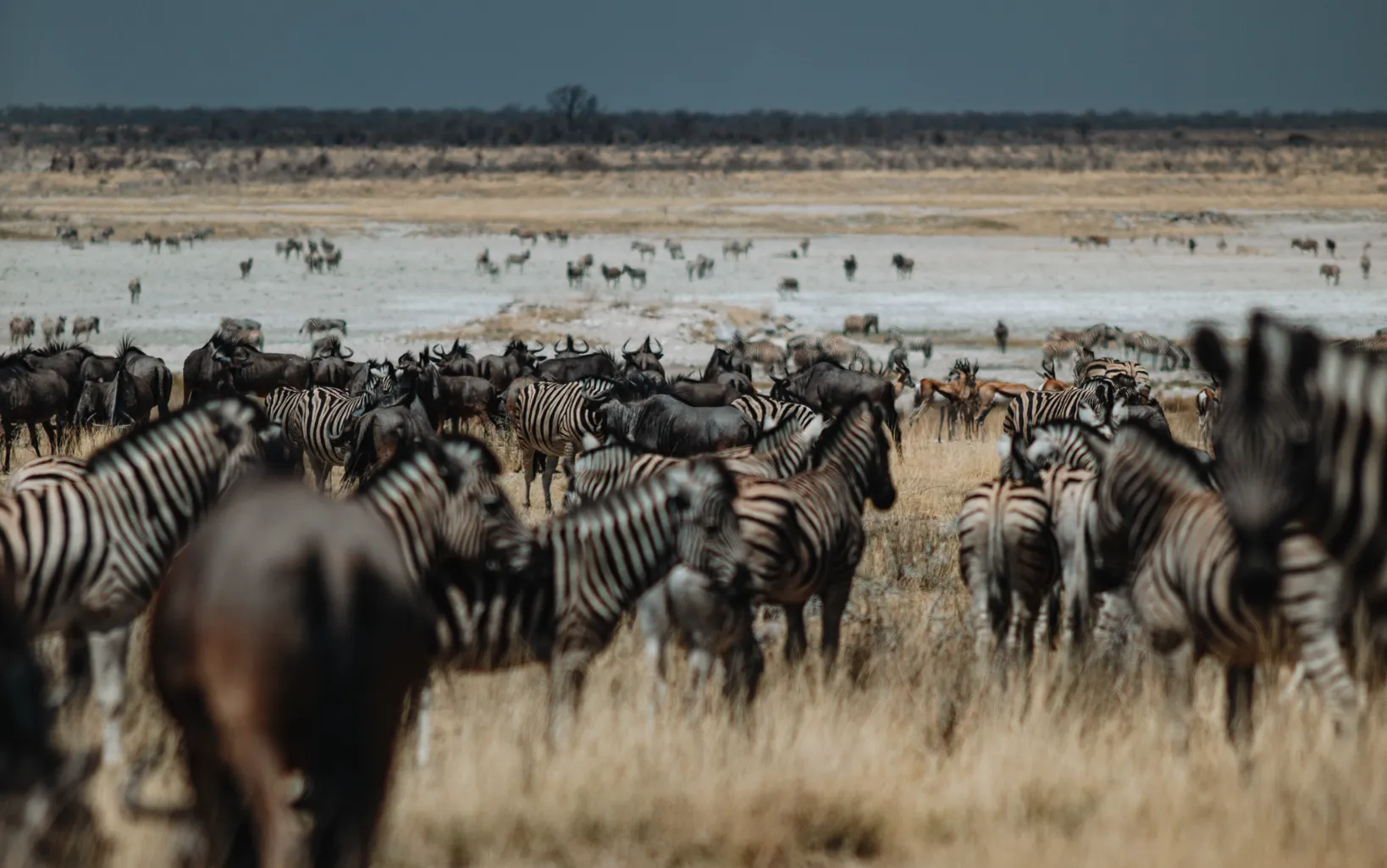
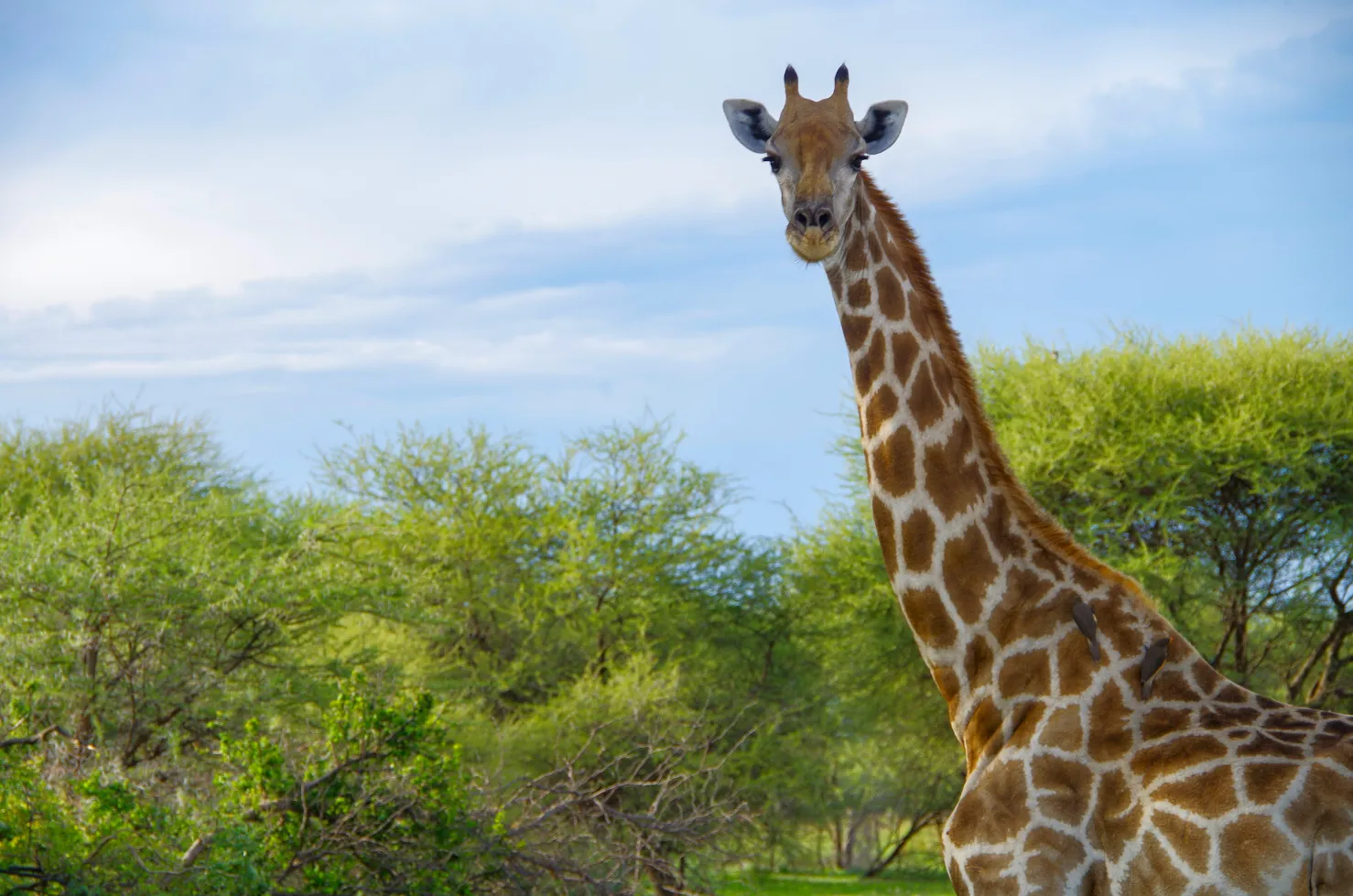
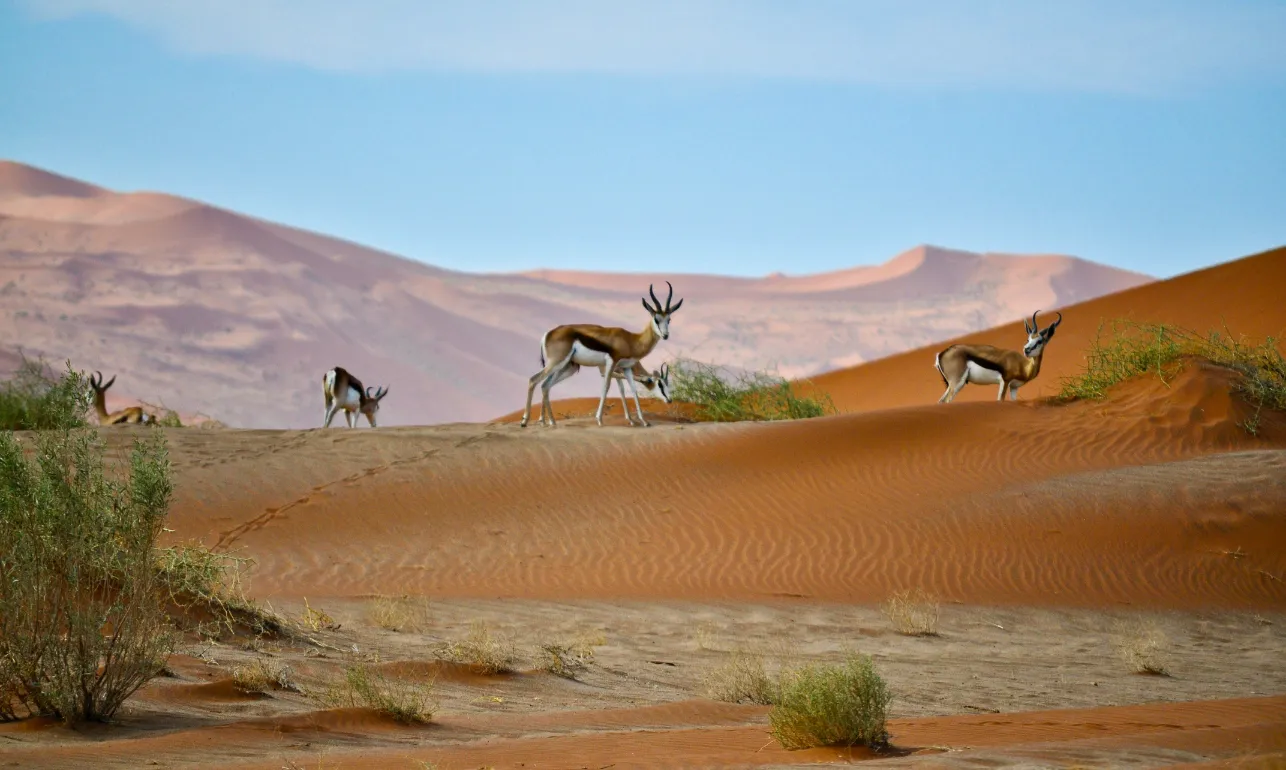
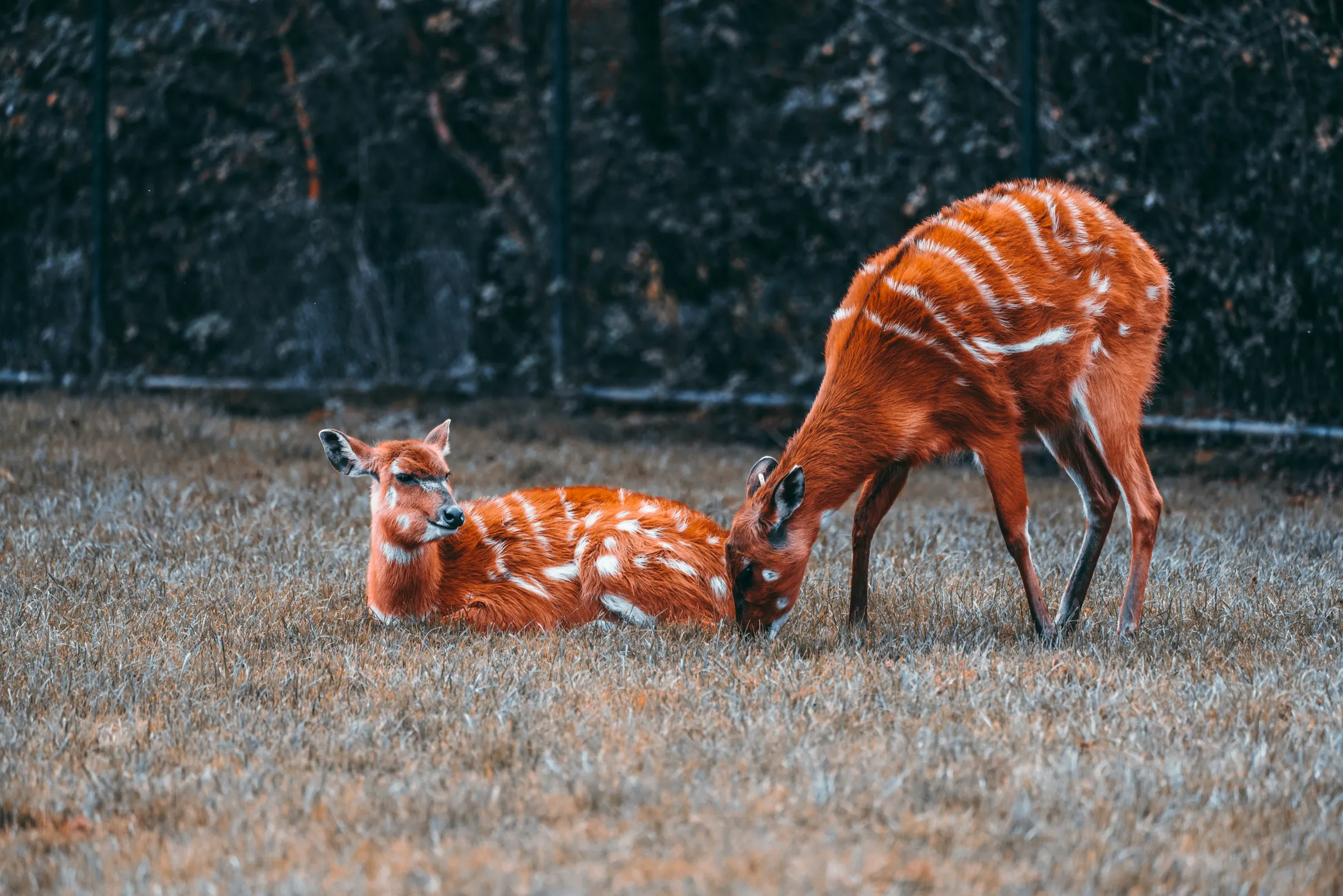
Variety of Antelopes: You'll see numerous antelope species, including kudu, oryx, wildebeest, impala, and others.
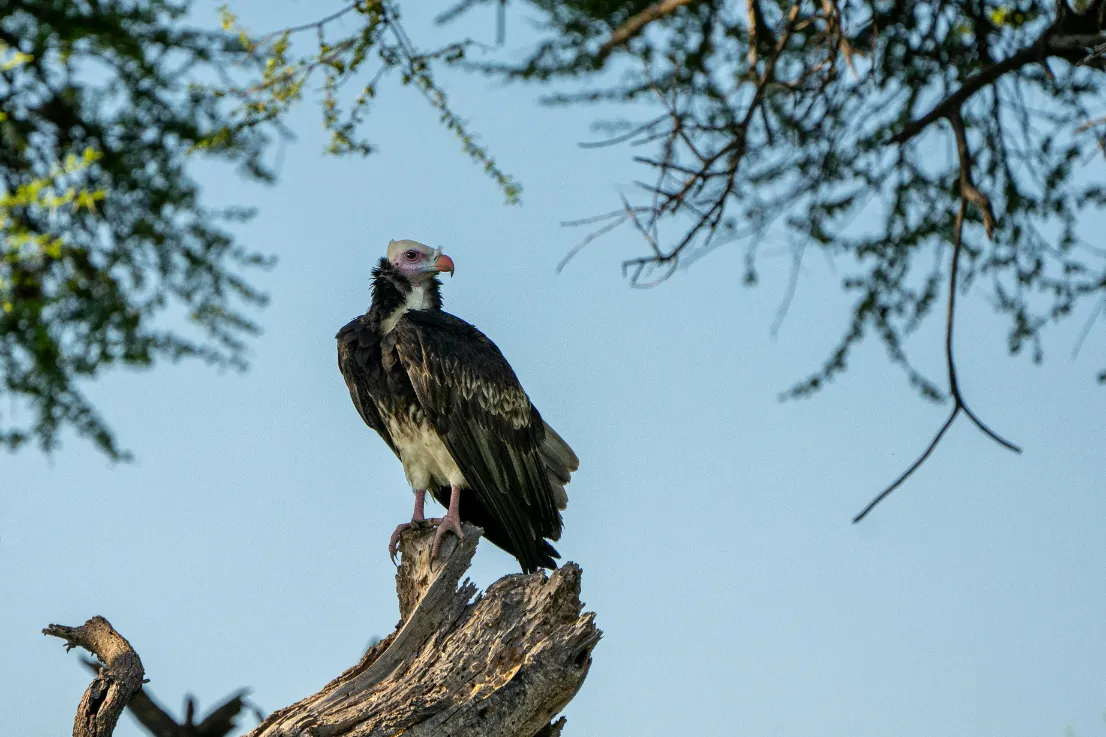
Birds: The park is a paradise for bird watchers with over 320 bird species, including many birds of prey and water-loving species.
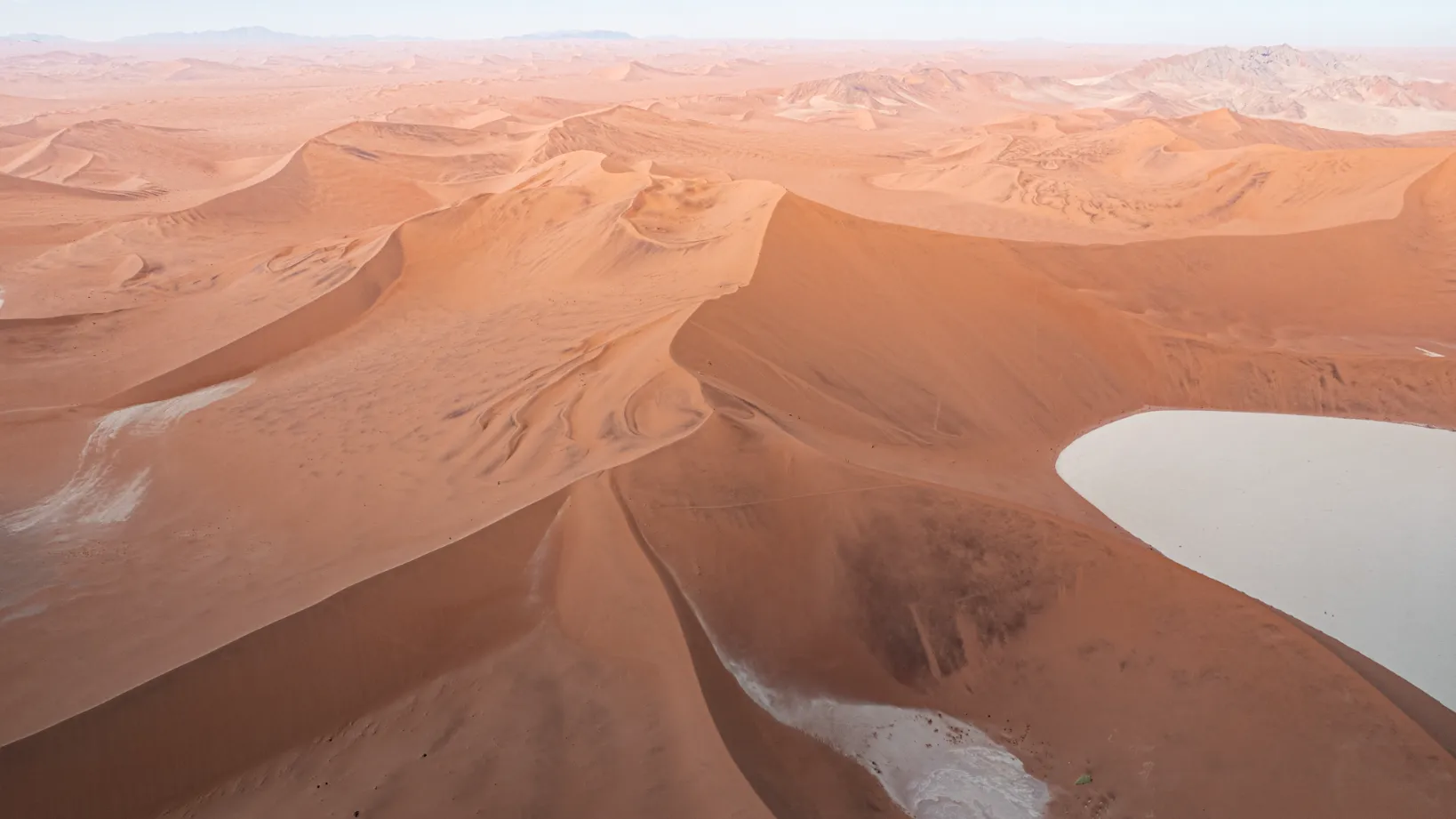
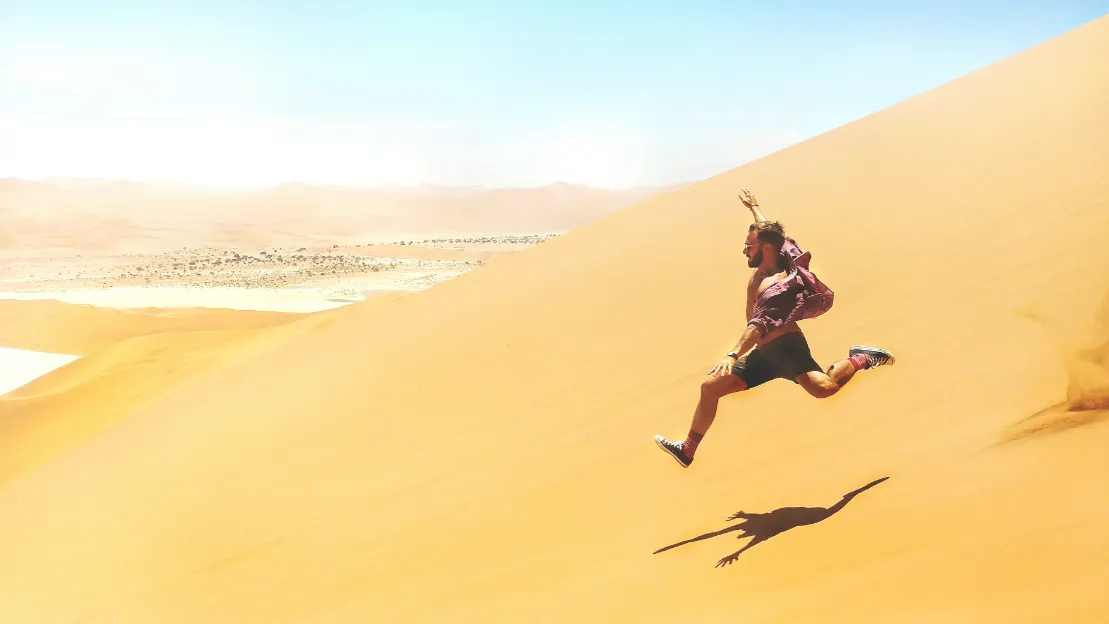
Landscapes: Khaudum offers varied landscapes – from dense forests and shrubs to open savannas and sandy dunes.
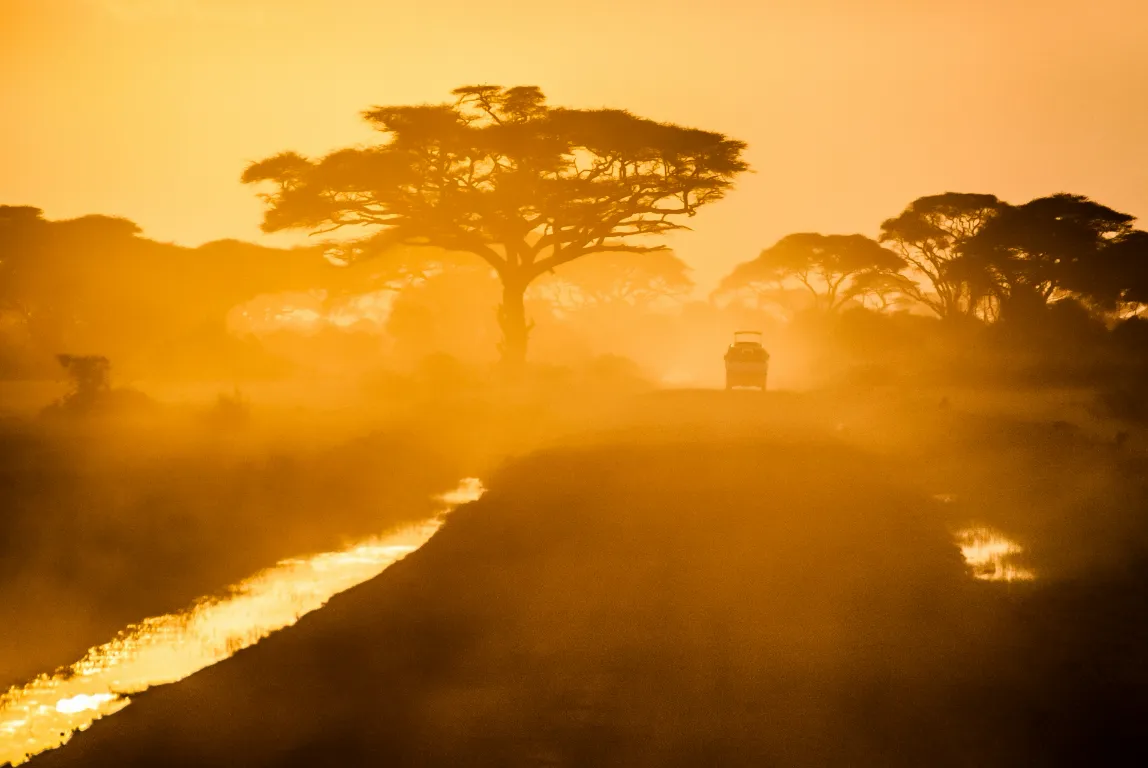
Experience in Khaudum is raw but exceptionally rewarding. You'll spend hours searching for animals, listen to the sounds of the savanna, and enjoy the amazing sunsets.
Hidden Treasures of Khaudum
Besides the obvious encounters with large animals, Khaudum hides its smaller, yet no less interesting treasures:
Waterholes: These are the heart of the park, especially during the dry season. Observing the animals that come to drink is one of the most exciting experiences. Each waterhole has its unique atmosphere and visitors.
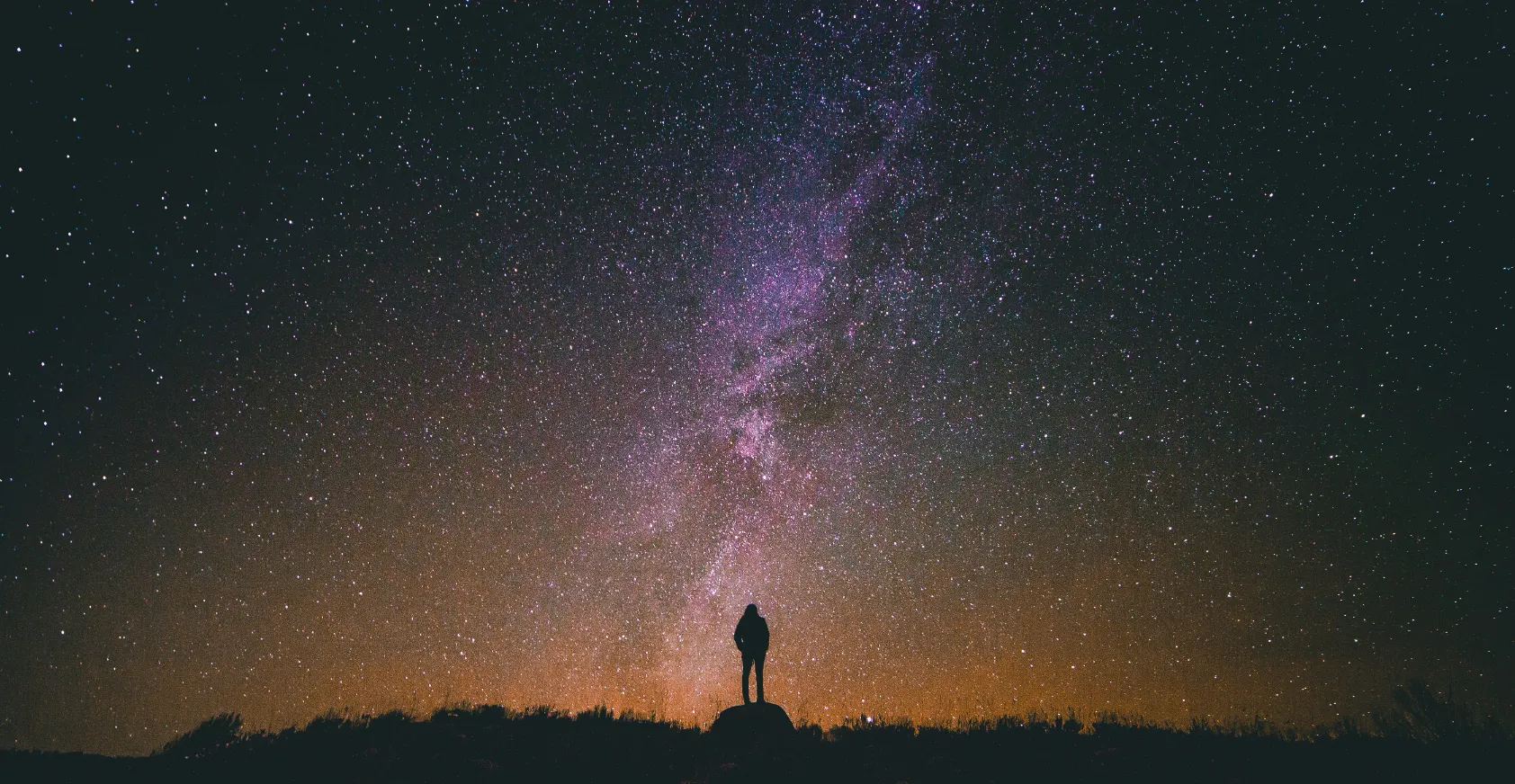
The Night Sky: Far from city lights, the night sky over Khaudum is simply amazing. The Milky Way is visible with incredible clarity, and the stars are countless.
Silence: One of the most valuable things in Khaudum is the silence. It allows you to connect with nature on a deeper level and hear sounds that usually go unnoticed.
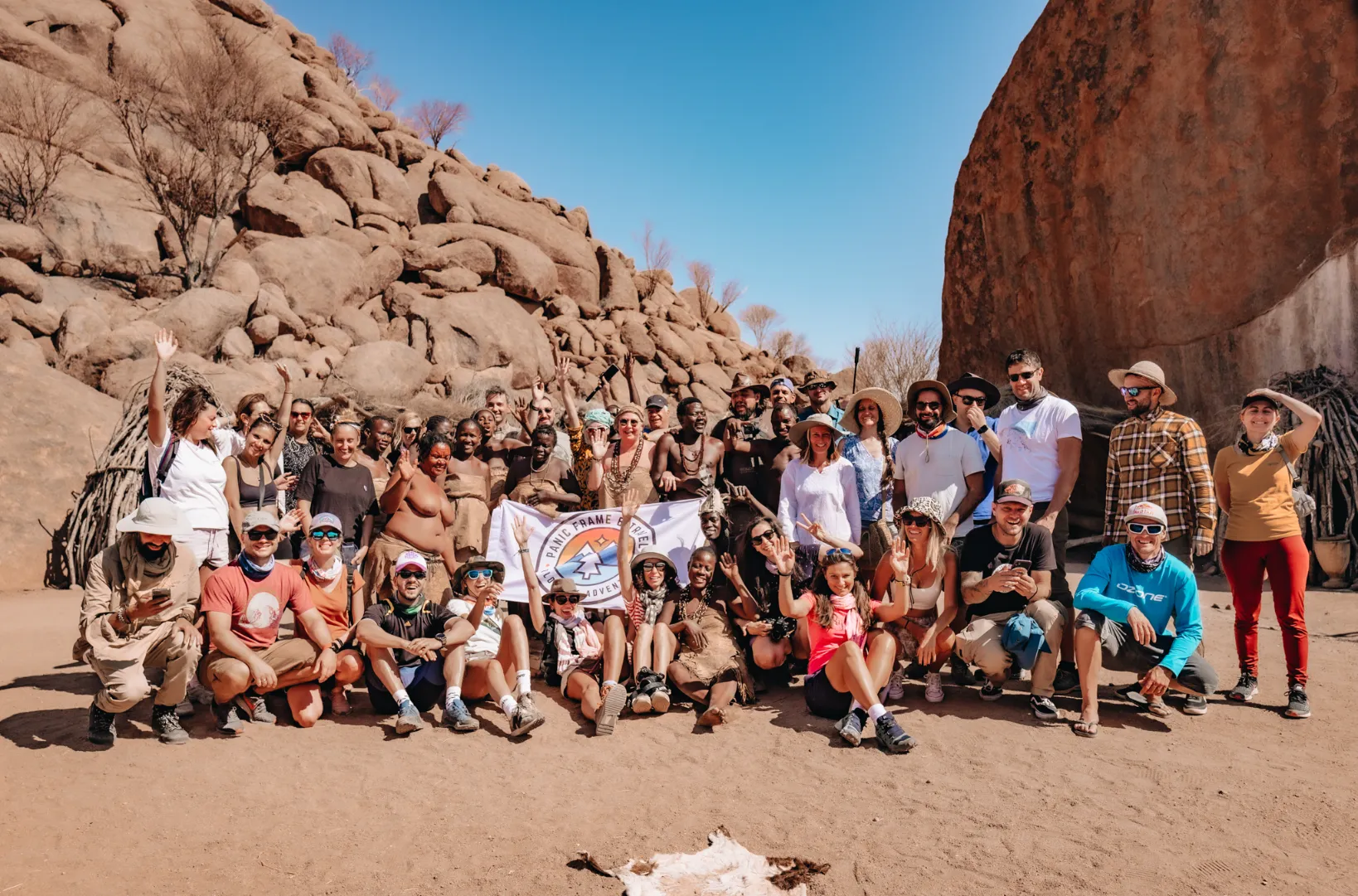
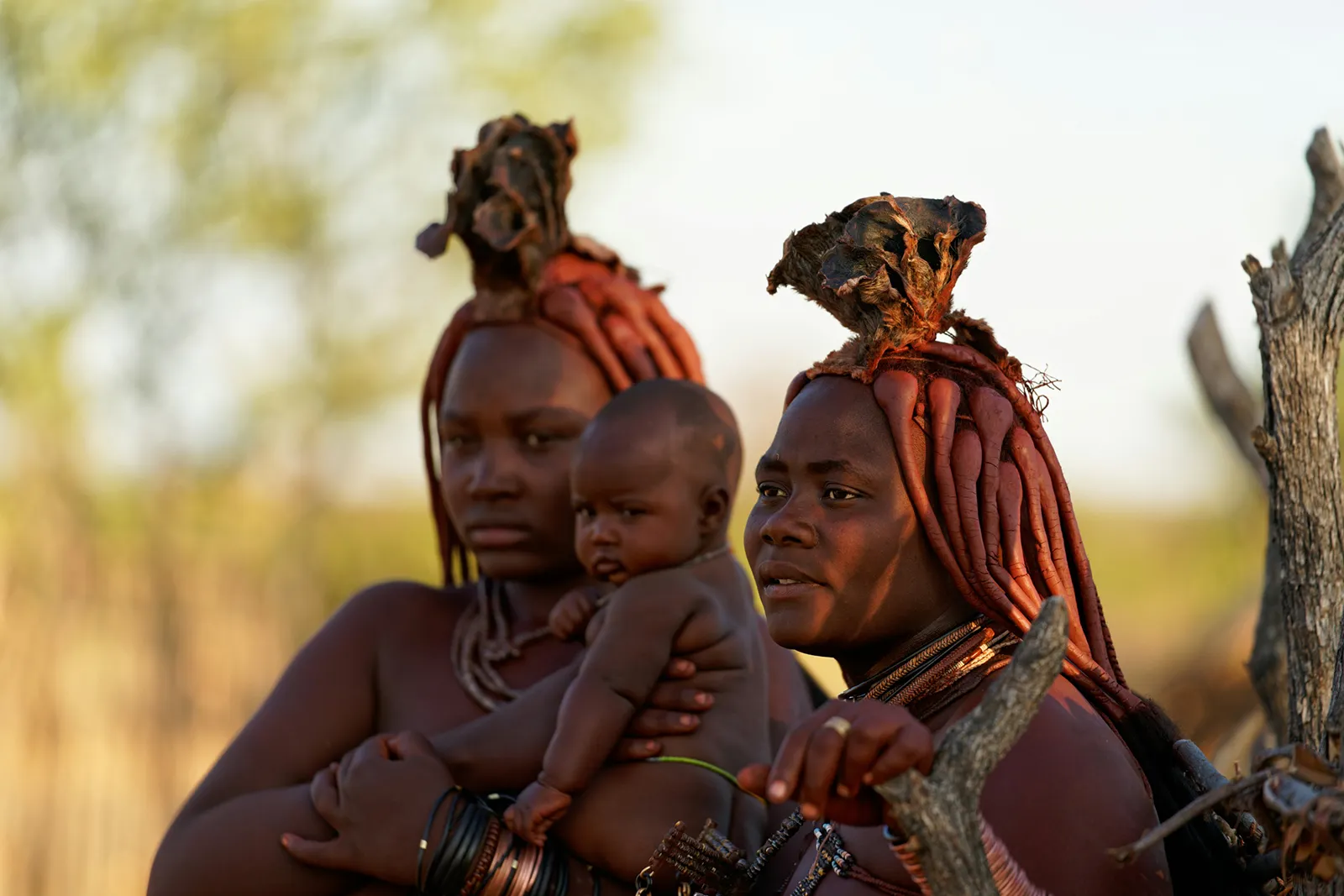
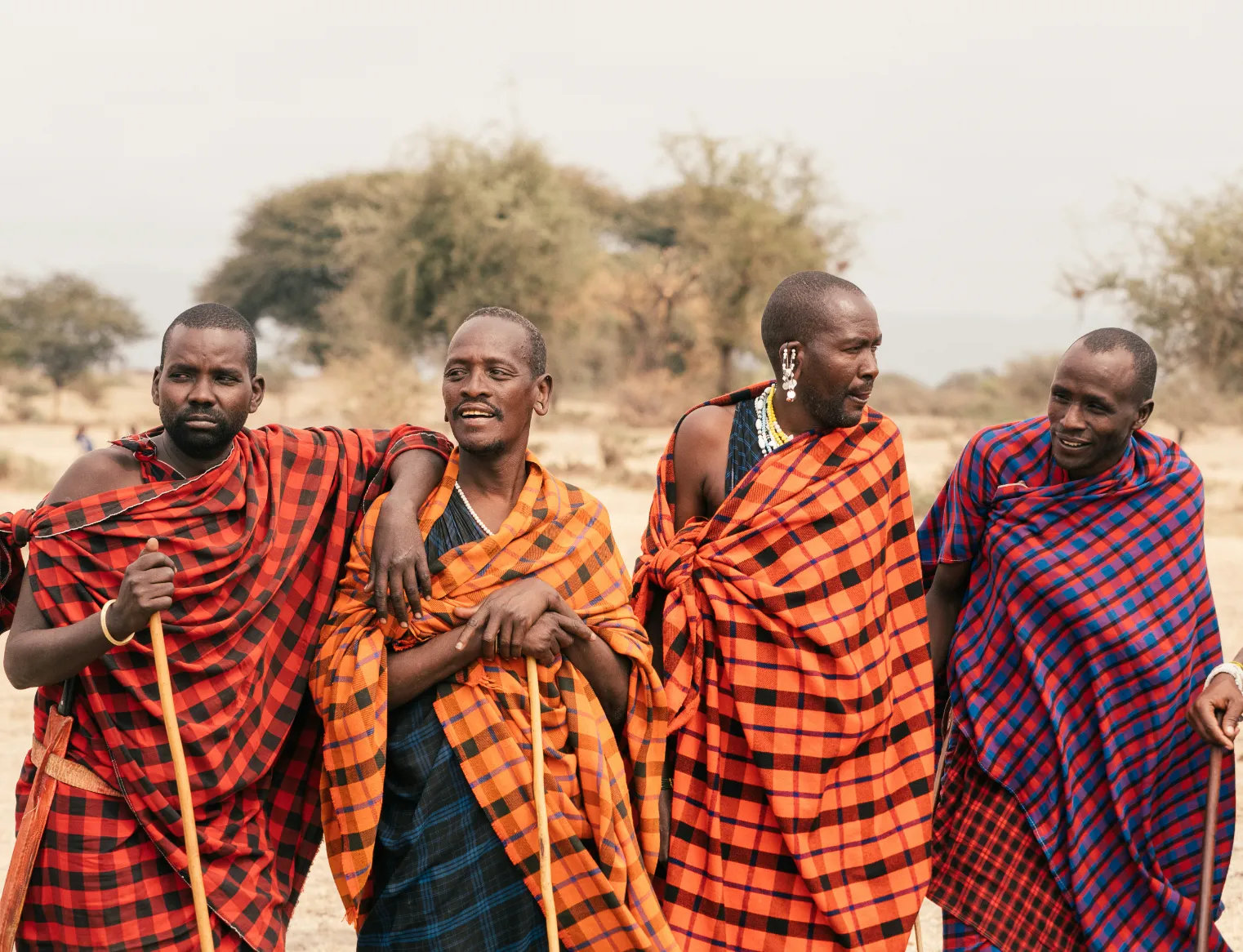
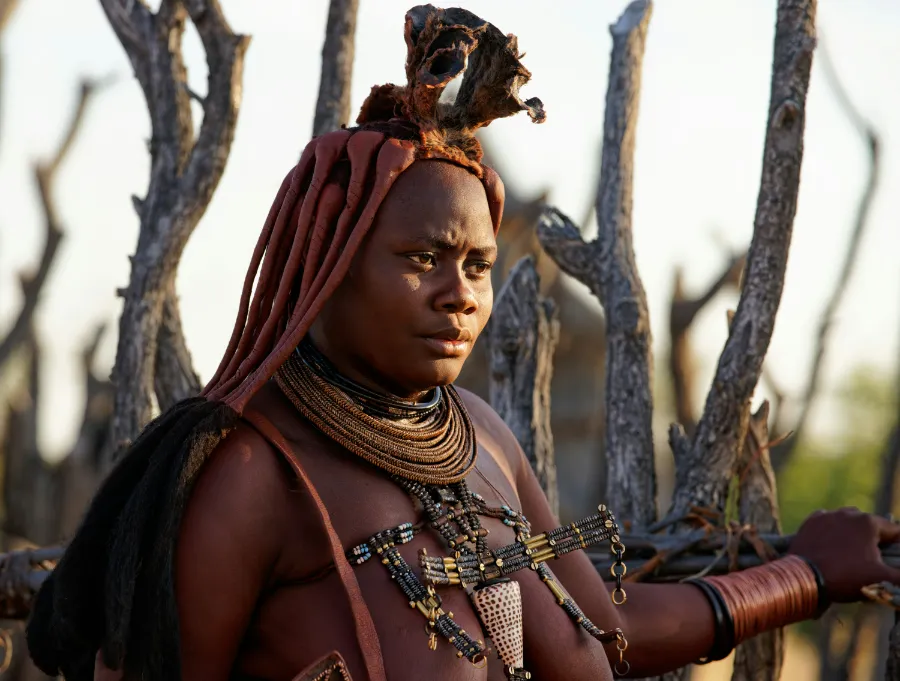
Encounters with Local Culture: Nearby the park live communities of the San people (Bushmen). Meeting them and discovering their way of life can be an extremely enriching experience.
How Do You Feel in Khaudum?
Being in Khaudum is like stepping back in time. You feel small in the vastness of nature, yet part of it. There's a sense of adventure and discovery. The air is clean and filled with the aromas of the savanna. The sounds are different – the roar of a lion in the distance, the buzz of insects, the calls of birds. This is a place that makes you forget everyday worries and focus on the present moment.
There's also a dose of adrenaline, especially when you encounter large wildlife up close. But that's part of the magic – the sensation of wildness and unpredictability.
Practical Tips for Visiting Khaudum
Visiting Khaudum requires good preparation. Here are some important tips:
Best Time to Visit:
The dry season (from May to October) is the best time to visit. During this period, vegetation is sparse, and animals gather around the waterholes, making them easier to spot. Daytime temperatures are more moderate, but nights can be chilly.
The rainy season (from November to April) brings lush greenery and births, but roads can become impassable, and animals are more dispersed.
How to Get There:
Khaudum is mostly accessible by land with a 4x4 vehicle. The roads are sandy and require experience in driving on such terrain. Entry is usually from the south (via Tsumkwe) or from the north (via Mukuso). There's also a small airport in the park for charter flights.
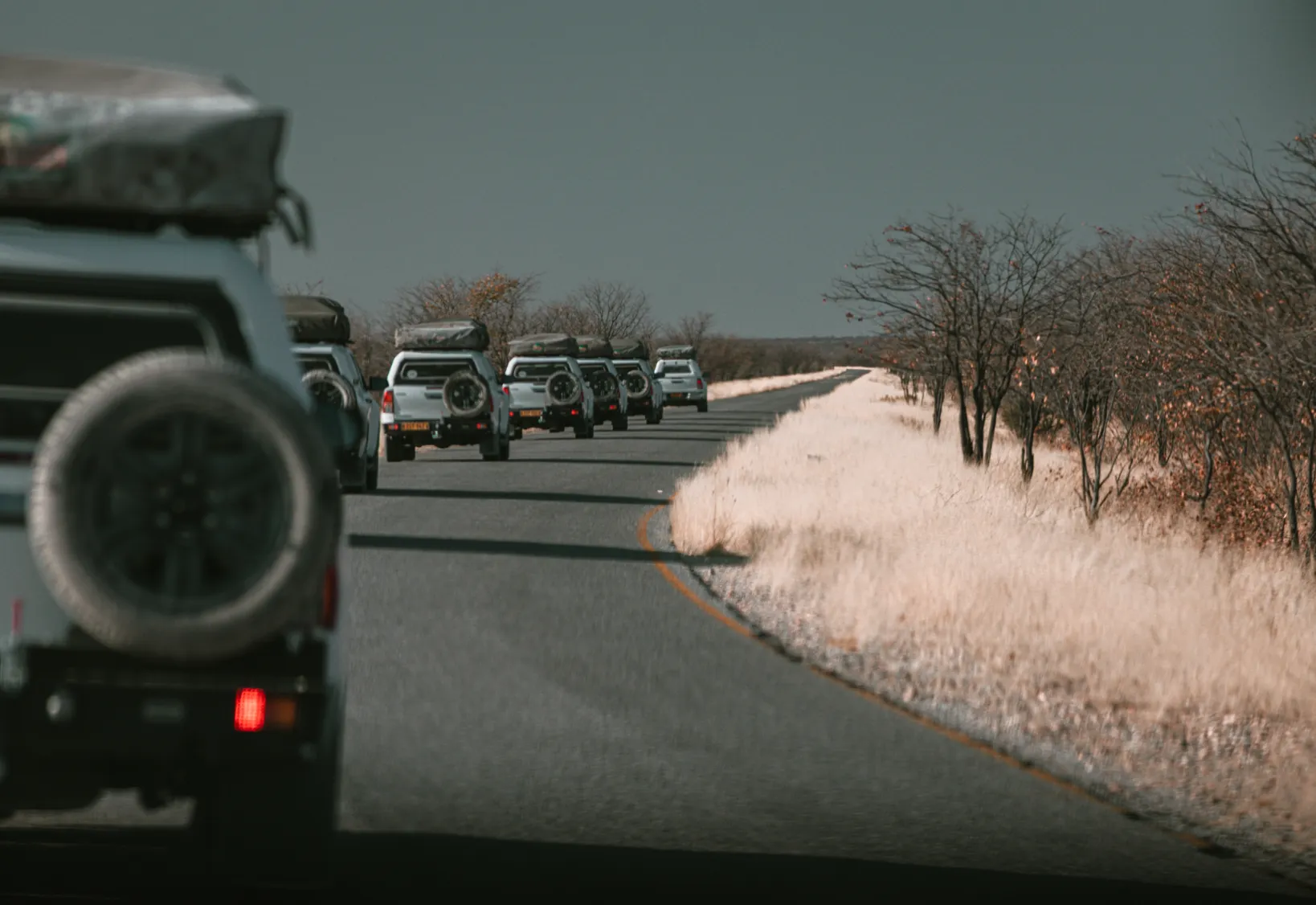
Important: Don't travel alone in Khaudum unless you're extremely experienced. It's advisable to travel in a convoy of at least two vehicles or to hire a local guide.
Where to Stay:
The park has several campsites offering basic amenities (toilets, showers, fire places). They are located in strategic spots, often close to waterholes. Reservations are highly recommended, especially during peak season.
There are also a few more luxurious accommodation options outside the park, but for an authentic experience, camping in Khaudum is unbeatable.
What to Bring:
4x4 vehicle: Essential! Ensure it's in good condition and you have spare tyres and tools.
Enough fuel: There are no petrol stations in the park. Carry additional fuel cans.
Water and food: Bring enough water for drinking and cooking, as well as food for the entire stay.
Camping equipment: Tent, sleeping bag, mat, eating utensils, stove, etc.
Clothing: Light clothing for daytime, warm clothing for evening and morning. Hat, sunglasses.
Insect repellent: Especially important during the rainy season.
Sunscreen: The sun in Namibia is strong.
Binoculars: For observing wildlife from a distance.
Camera: You'll have many opportunities for great photos.
Headlamps or torches: For the evening.
First aid kit: With basic medications and supplies.
Map and GPS: Roads aren't always well marked.
Satellite phone or satellite communicator: Mobile signal is limited or non-existent.
Safety:
Khaudum is a wild place and safety rules must be followed:
Do not leave the vehicle except in designated areas.
Do not approach animals too closely.
Do not feed animals.
Be cautious around waterholes.
Do not leave food or litter outside your campsite.
Only light fires in designated areas and extinguish them completely.
Inform rangers of your route.
Frequently Asked Questions about Khaudum
Here are some questions that often arise when planning a trip to Khaudum:
Q: Is a 4x4 vehicle required?
A: Yes, it's absolutely essential. The roads are mostly sandy and without a 4x4 you risk getting stuck.
Q: Can I visit Khaudum alone?
A: It's not advisable unless you're very experienced. It's safer to travel in a convoy or with a local guide.
Q: Are there petrol stations in the park?
A: No. You must bring enough fuel with you.
Q: Are there shops or restaurants?
A: No. You must bring all your food and water.
Q: Is there mobile reception?
A: Mobile reception is very limited or non-existent in most of the park. It's advisable to have a satellite phone for emergencies.
Q: How long is suitable for a visit?
A: To feel the atmosphere and have good chances of wildlife sightings, it's recommended to spend at least 2-3 nights in the park.
Q: Is it dangerous?
A: Khaudum is a wild place with large predators. If you follow safety rules and are careful, the risks are minimal. Don't underestimate nature.
Feel Wild Africa with Panic Frame & Travel
Visiting Khaudum is an adventure that requires planning and preparation. But the reward is incomparable – an encounter with wildlife in its most authentic form.
If your dream is to explore the heart of wild Namibia and dive into the atmosphere of Khaudum, we at Panic Frame & Travel are here to help you make this dream come true. We have experience organising journeys to remote and wild places like Khaudum. We can provide you with the necessary 4x4 vehicle, an experienced guide who knows the park in detail, and take care of all logistical details to allow you to focus entirely on the experience.
Imagine – a morning safari as the sun rises over the savanna, a meeting with majestic elephants by the waterholes, an evening by the fire under the starry sky, listening to the sounds of the night. This is Khaudum. This is Africa.
Let's discover this incredible place together. Contact us and let's plan your unforgettable adventure in Khaudum National Park!
We're waiting for you!
More on Wild Namibia
Preparation for Isolation Parks | Camping Among Wildlife
Explore
Author: Martin Bonov