Bushmen of the Kalahari: The Ancient Way of Life
The Bushmen of the Kalahari live as people did tens of thousands of years ago. Here, you don't come as a tourist, but as a guest of a culture older than any civilization.
Hello, travellers and lovers of authentic experiences! Today, I'm taking you to a truly unique place where time seems to stand still and where you'll touch one of the oldest ways of life on the planet. I'm talking about the Bushmen of the Kalahari—the people who have inhabited this harsh yet incredibly beautiful desert for millennia.
If you're looking for an adventure that goes beyond the usual tourist routes, if you want to understand how people lived in harmony with nature long before modern civilization, then meeting the Bushmen is just for you. This isn't just a visit; it's a dive into a different reality, a lesson in survival, wisdom, and a deep connection with the earth.
Who are the Bushmen of the Kalahari?
The Bushmen, also known as the San, are some of the oldest inhabitants of Southern Africa. They are hunter-gatherers whose lives are inextricably linked to the Kalahari Desert. Their knowledge of flora and fauna, of water and survival in extreme conditions, is unparalleled. They don't just live in the desert; they are part of it.
Their language, known for its distinctive clicking sounds, is unique and bears witness to their ancient history. Despite the challenges of the modern world, many San communities continue to uphold their traditions, customs, and way of life, passing them down from generation to generation.
What to Expect from the Encounter?
An encounter with the Bushmen usually takes place in their traditional villages or during demonstrations of their skills. Don't expect luxury or conveniences. Expect authenticity, simplicity, and deep human interaction.
You'll have the opportunity to see how they light a fire without a match, how they track animals by their footprints, how they find water in the arid desert. You'll learn about the healing properties of plants, their beliefs, and rituals. Maybe they'll teach you a few words of their language or show you traditional dances.
This is an experience that makes you ponder the essentials in life, our connection with nature, and the resilience of the human spirit.
Hidden Treasures of the Kalahari
The Kalahari Desert may seem lifeless at first glance, but it hides an incredible diversity of life. With the help of the Bushmen, who know every corner, you'll discover hidden treasures:
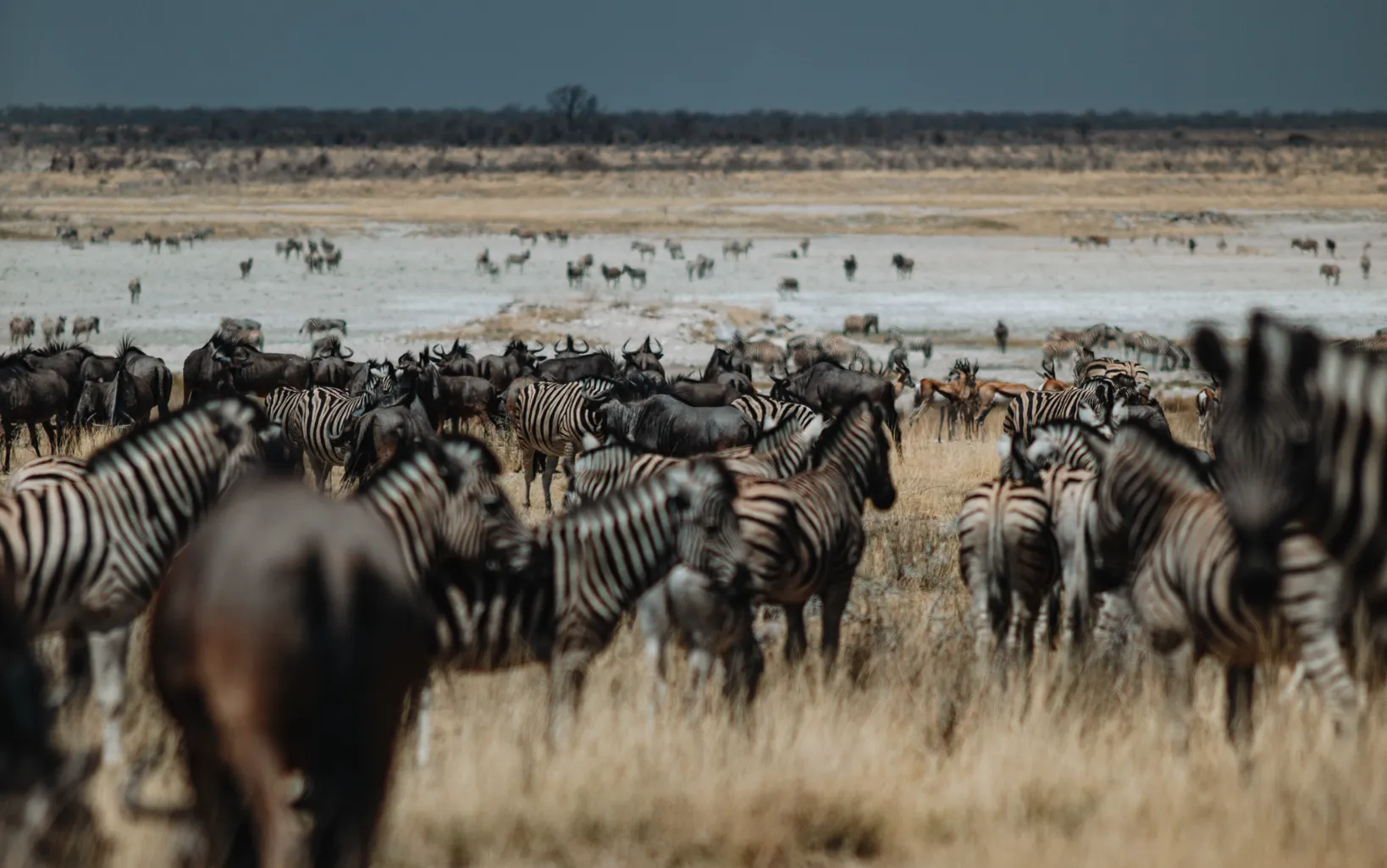
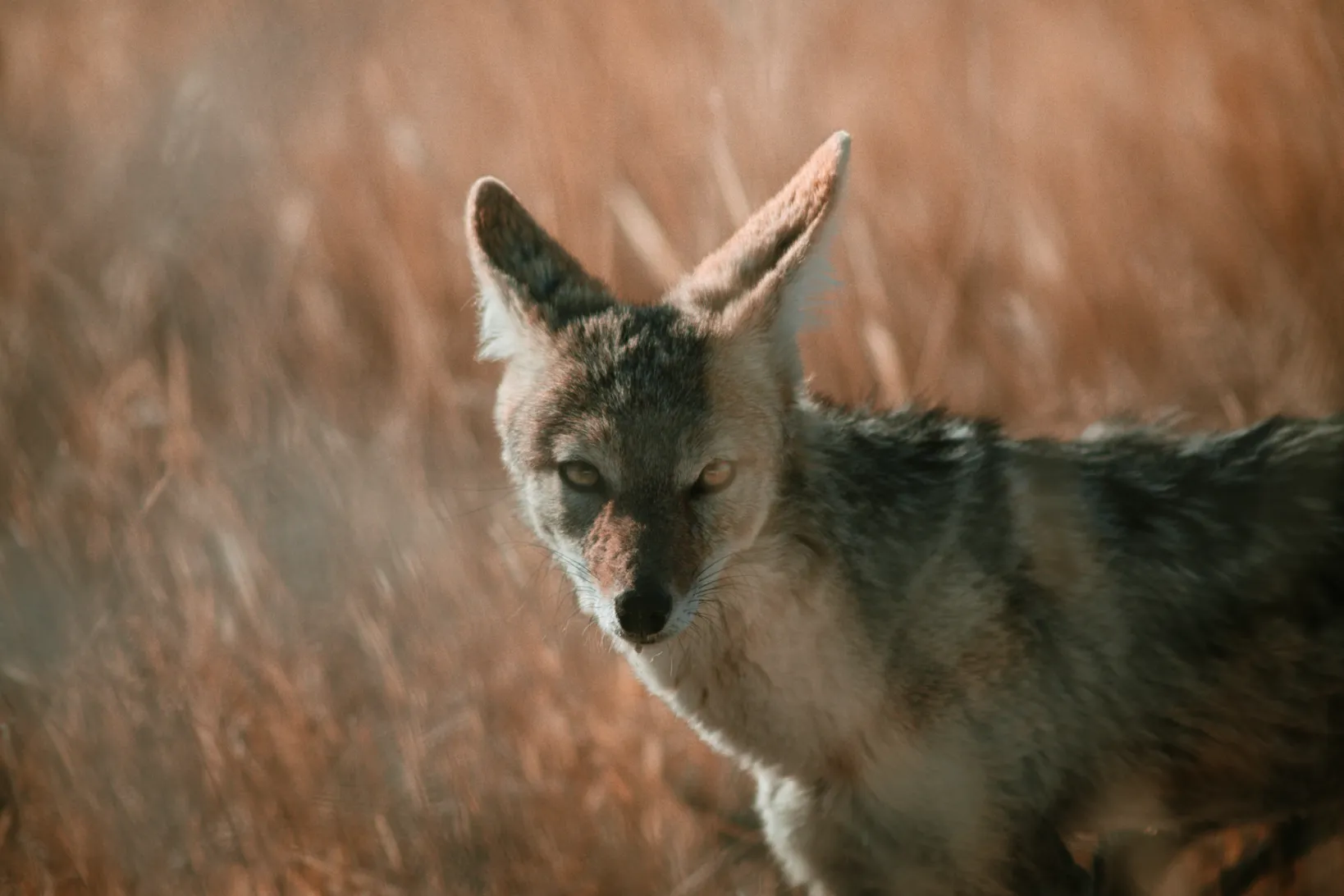
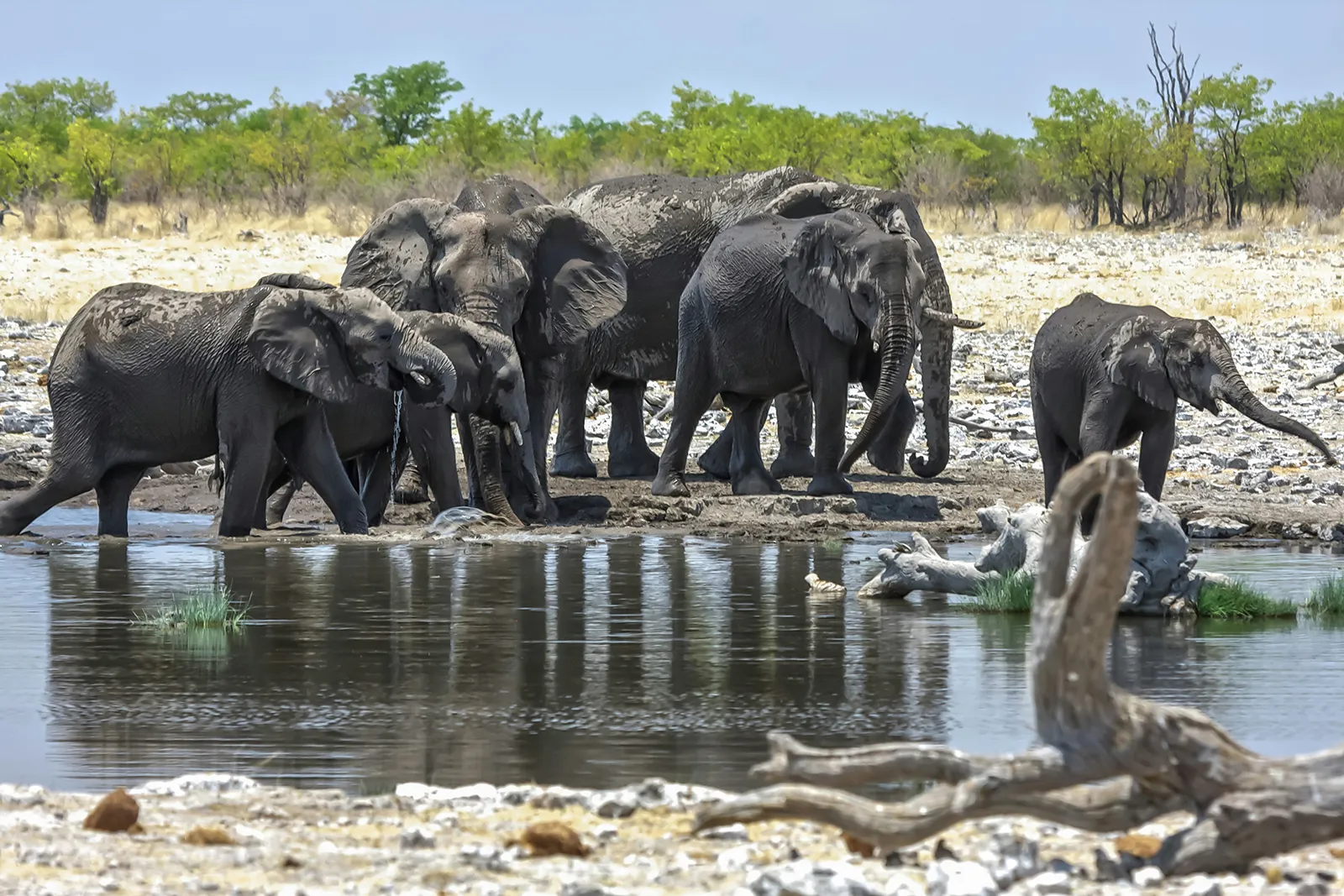
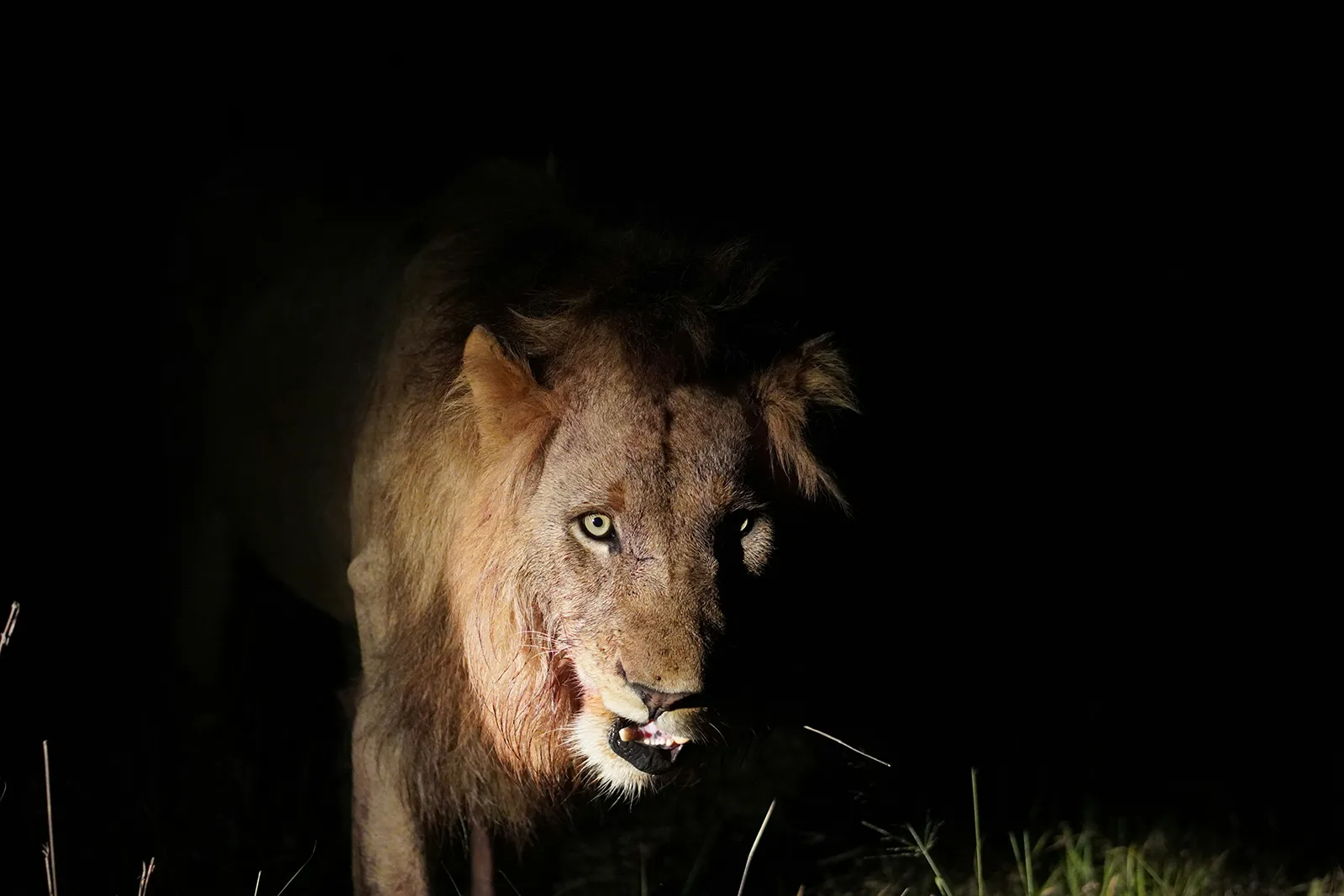
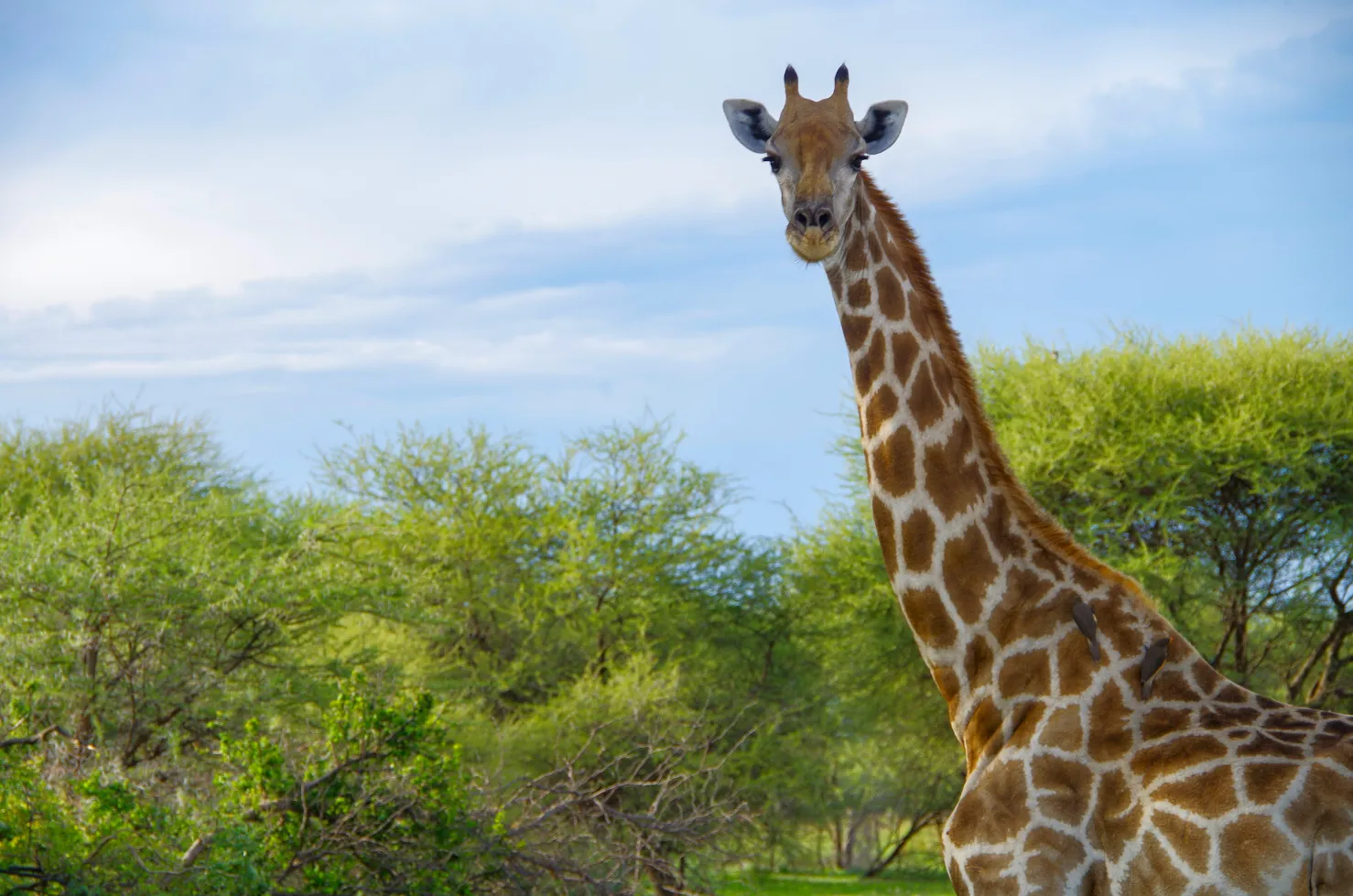
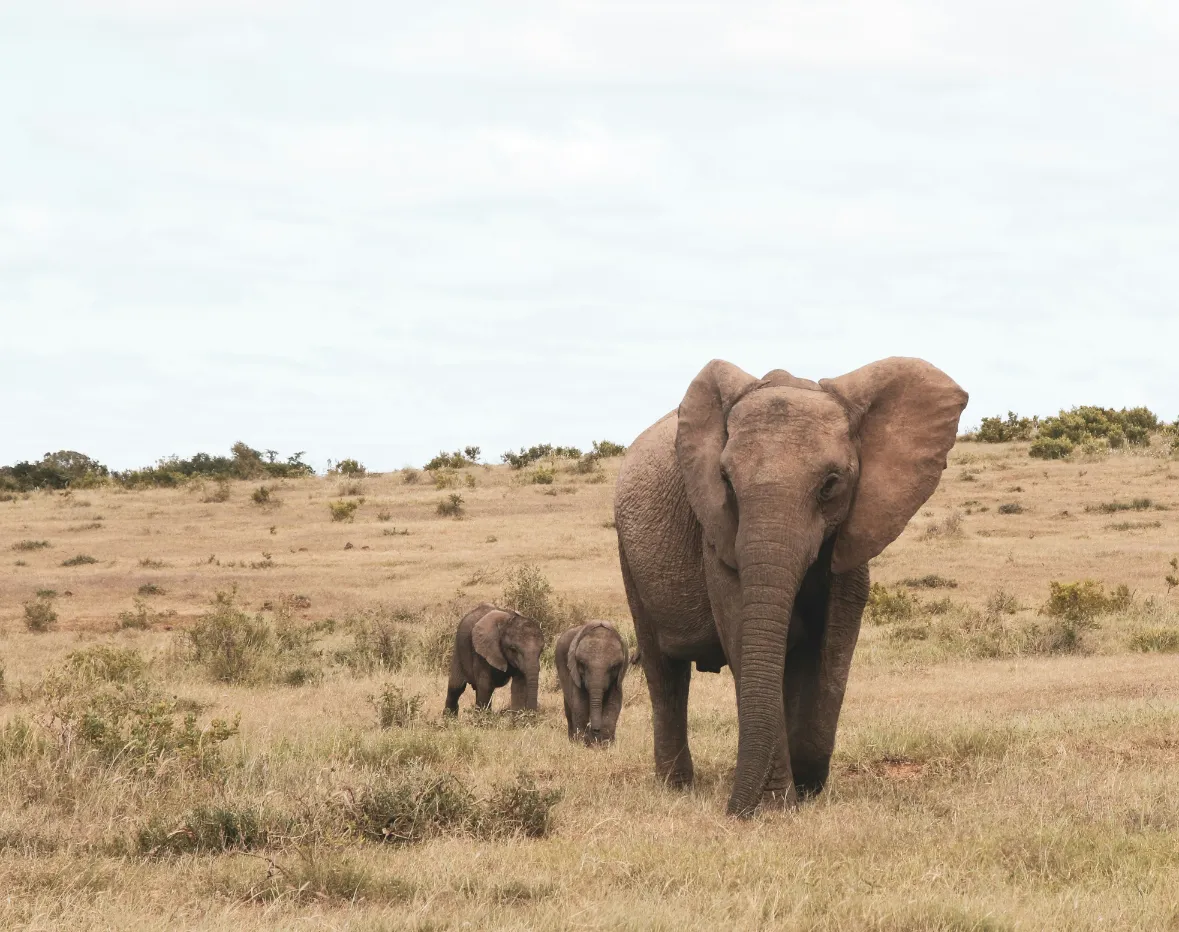
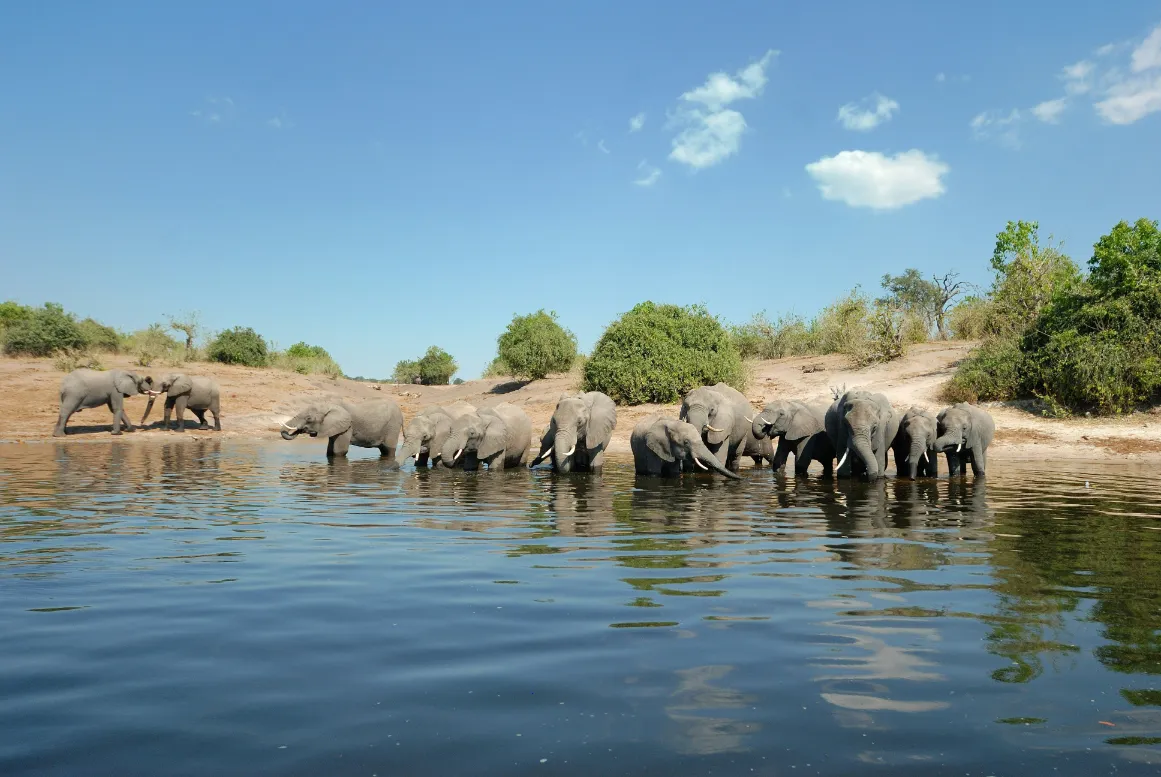
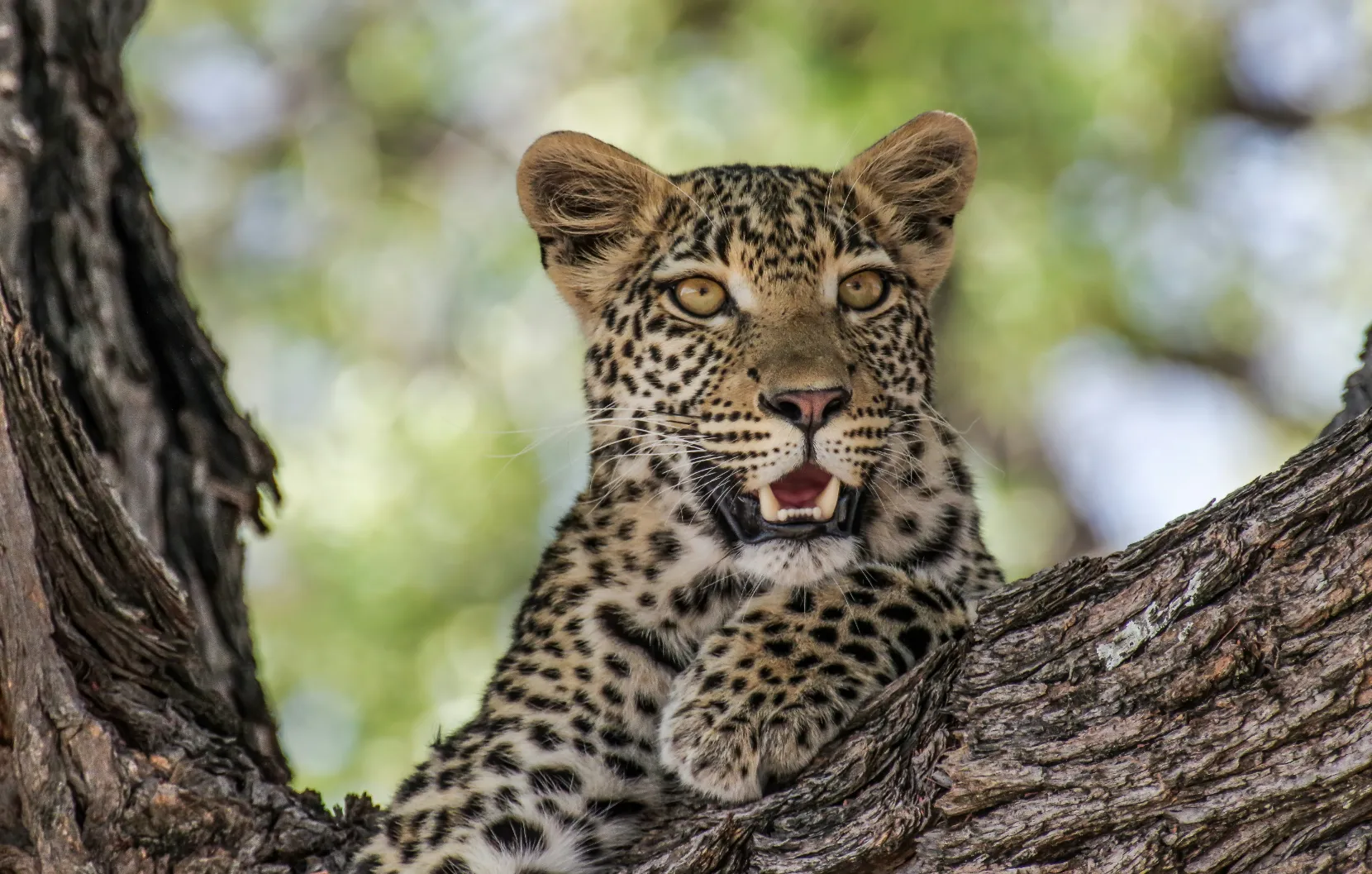
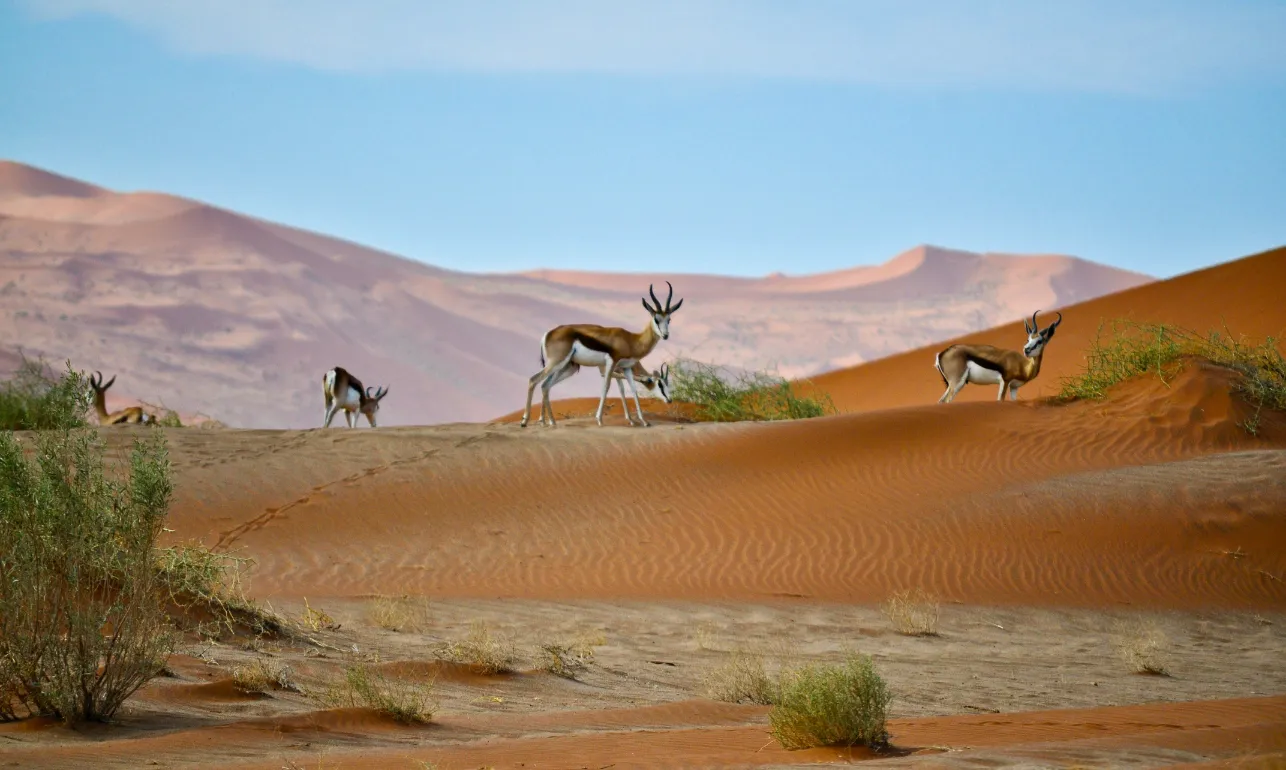
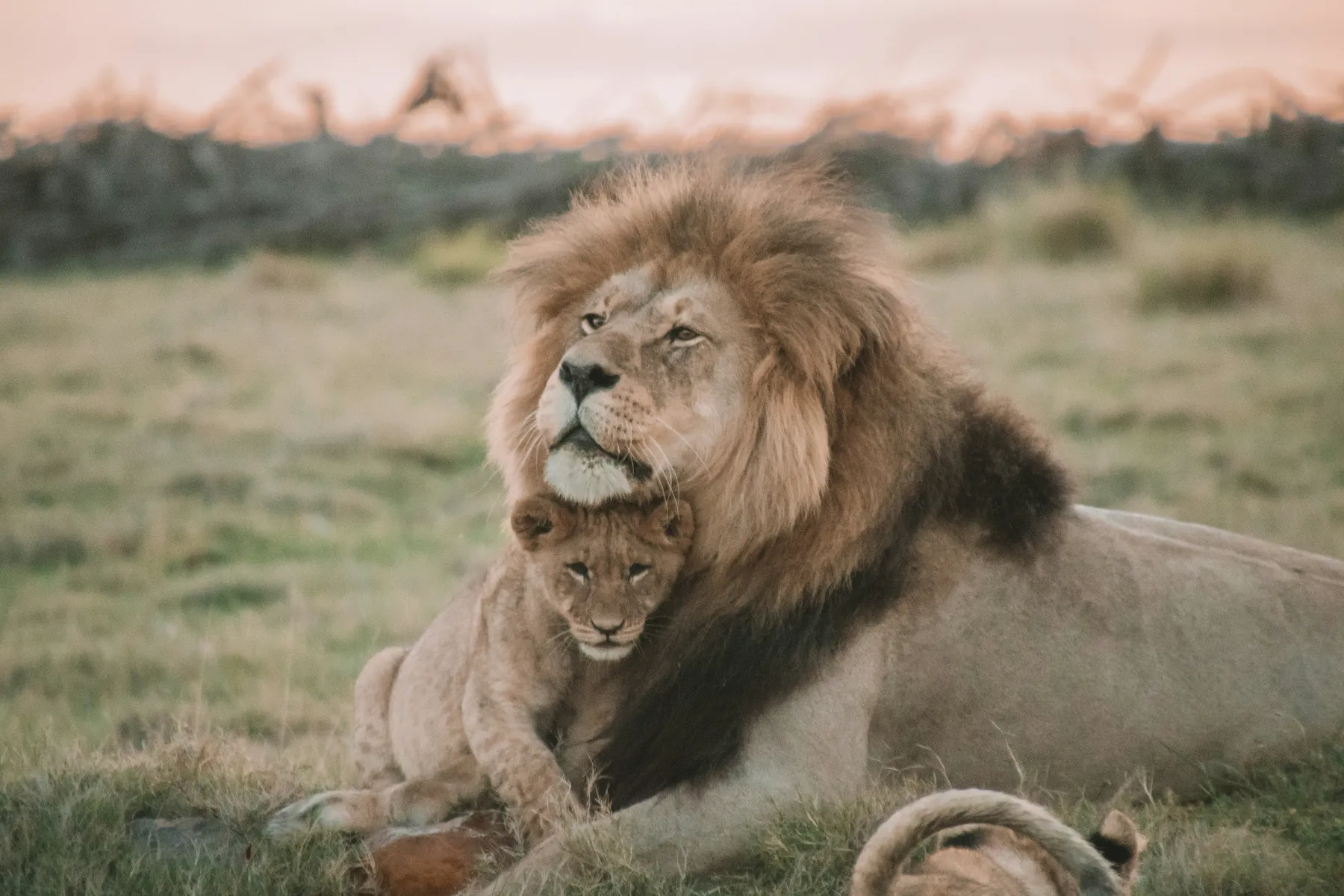
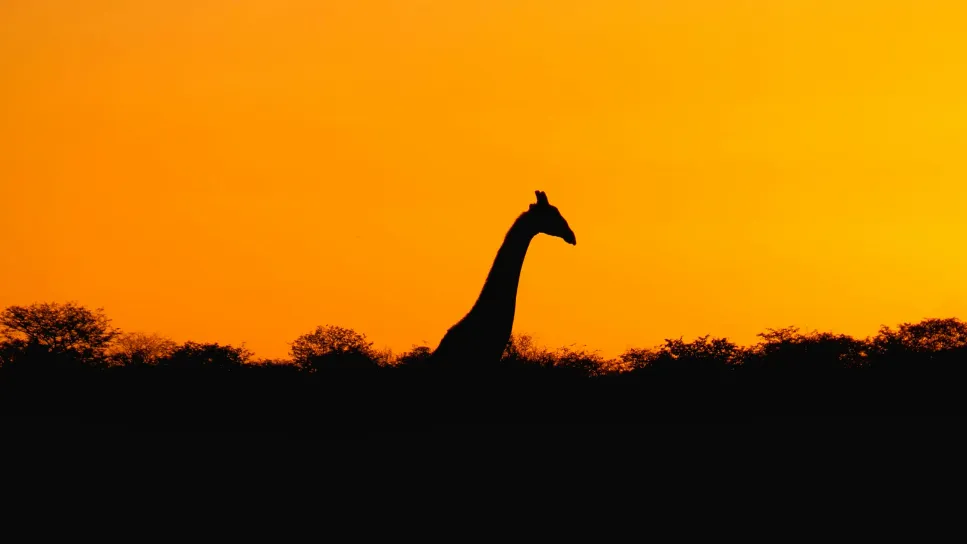
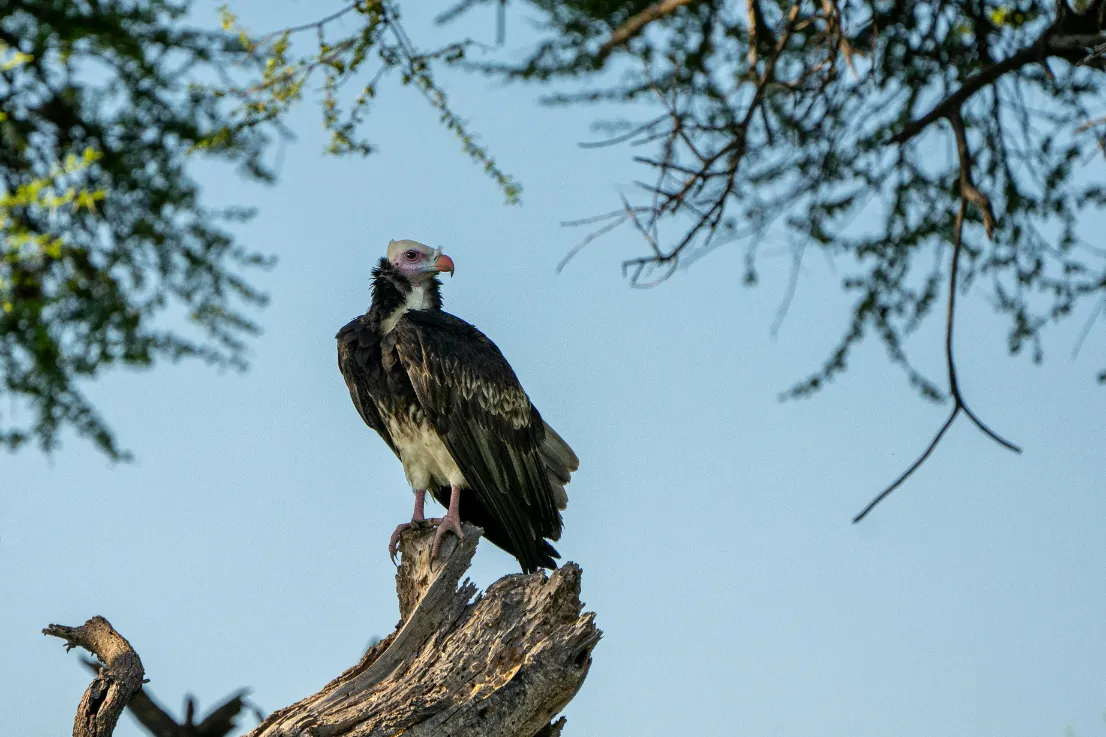
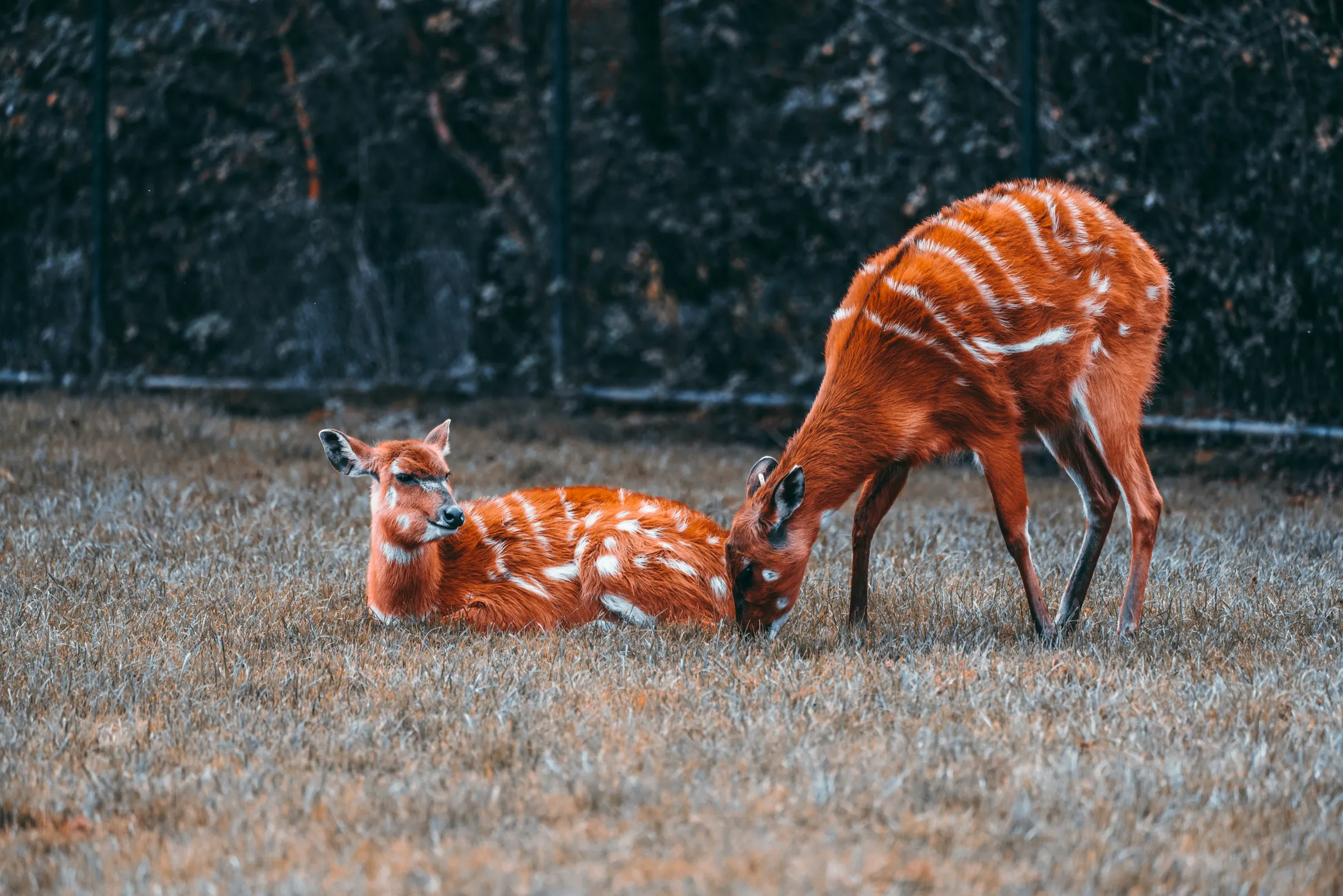
Amazing Fauna: Antelope, zebras, giraffes, hyenas, jackals, and even lions and leopards inhabit the Kalahari. The Bushmen are masters of tracking and will help you see these animals in their natural environment.
Unique Flora: Despite the drought, the desert is home to many adapted plants, including the famous wild Tsama melon, which is an important source of water for the Bushmen.
A Starry Sky: Far from the light pollution of the cities, the sky over the Kalahari at night is breathtaking. Billions of stars, the Milky Way—the view is unforgettable.
Silence and Tranquility: The desert offers unmatched silence, allowing you to connect with yourself and nature in a deep way.
How Do You Feel There?
Being in the Kalahari and spending time with the Bushmen is an emotional and spiritual experience. You feel humbled by the vastness of the desert and the wisdom of the people who live in it. There's a sense of returning to the roots, to something primal and real.
You might feel a bit uncomfortable at first, as this is a completely different world from the one you know. But the openness and hospitality of the Bushmen will quickly melt away any barriers. You'll feel accepted and part of their community, even if only for a short time.
This is a place that challenges you to step out of your comfort zone, adapt, and learn. In return, it gives you life lessons you won't find in any textbook.
Practical Tips for Your Adventure
To make your experience with the Bushmen of the Kalahari as pleasant and rewarding as possible, here are some practical tips:
When is the Best Time to Visit?
The best time to visit the Kalahari is during the dry season, which is usually from May to October. Temperatures are more moderate during the day, and nights are cool. During the rainy season (from November to April), it can be very hot and humid, and roads can become impassable.
How to Get There?
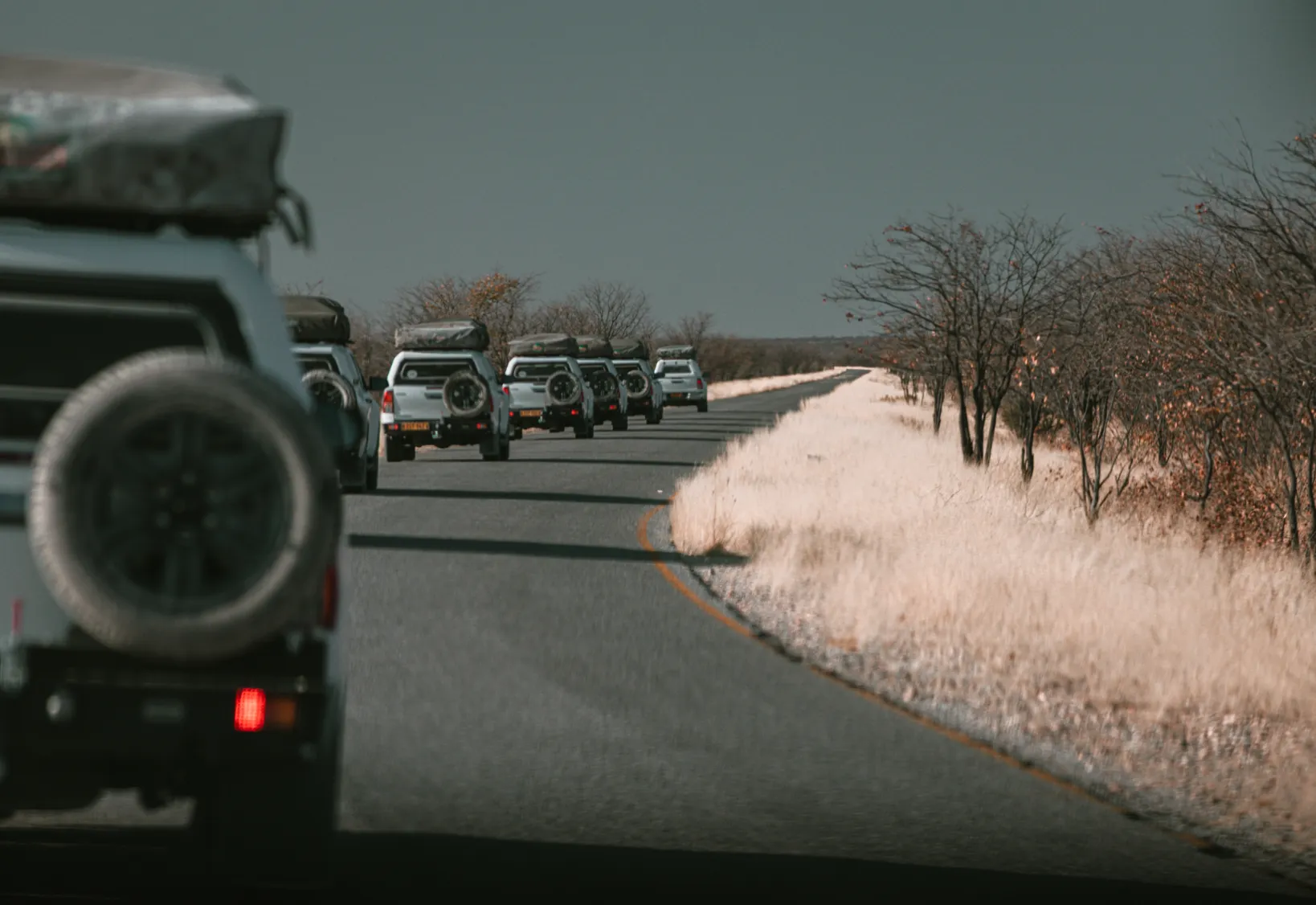
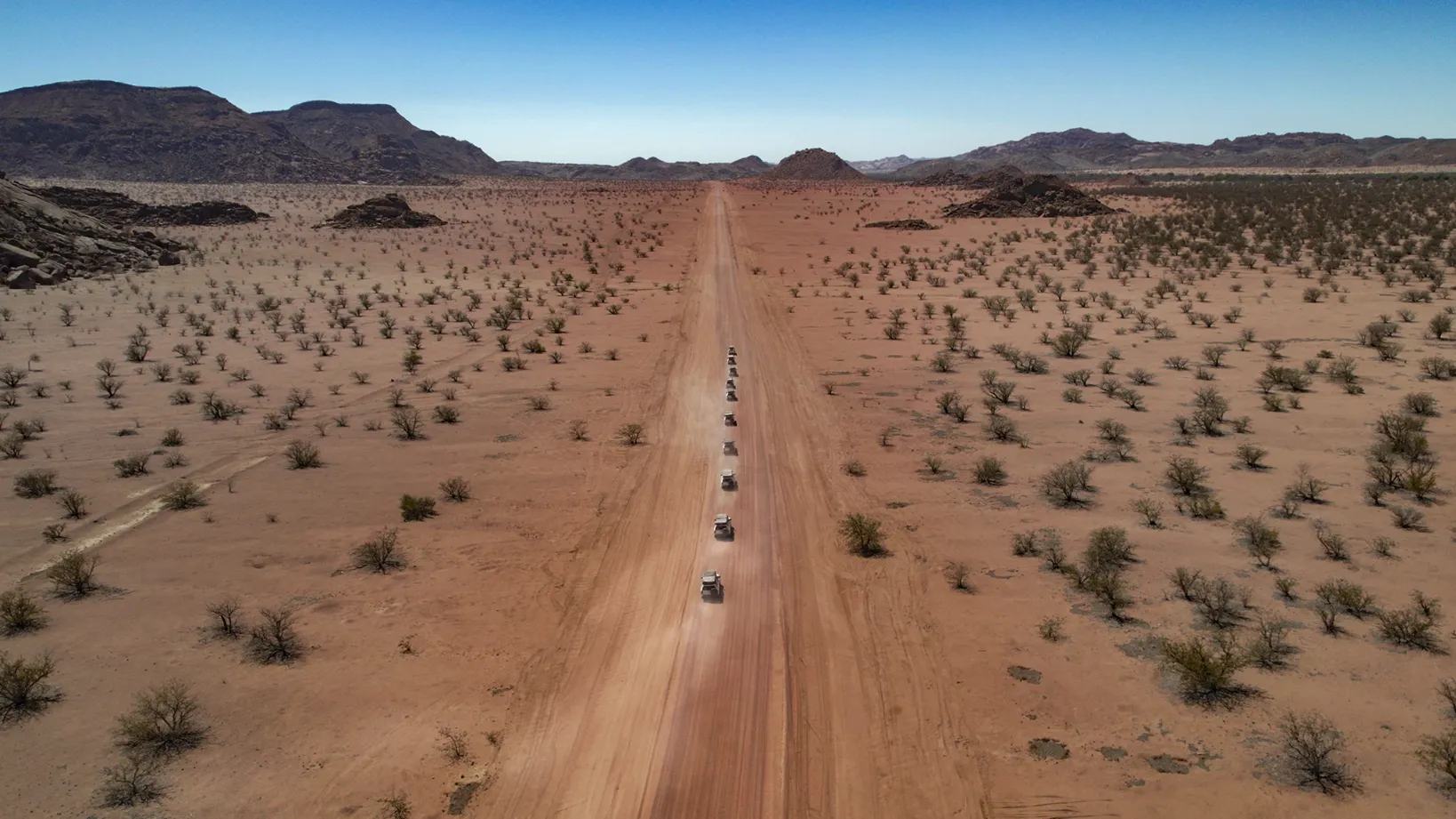
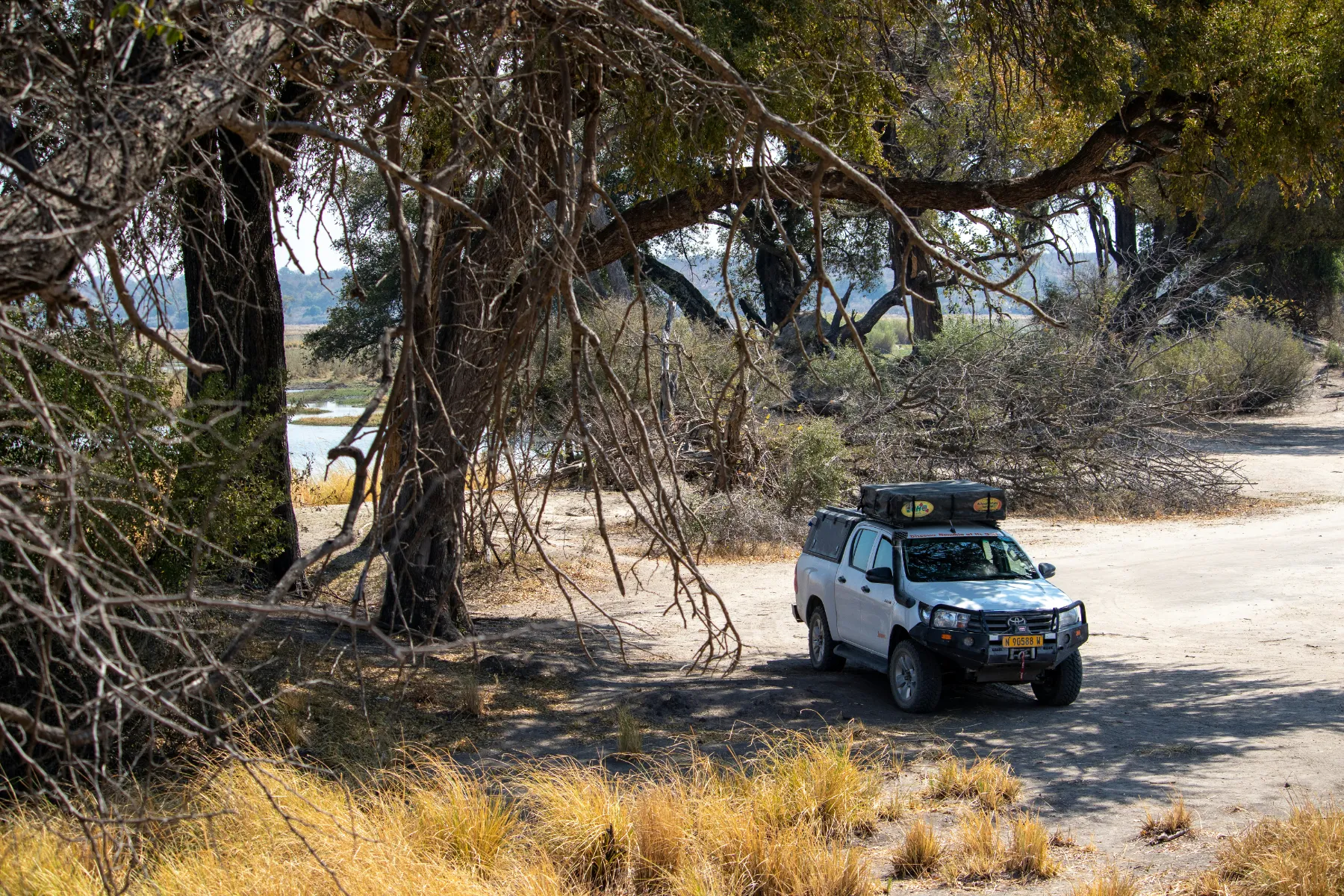
Access to the Bushmen communities usually occurs through organized tours. These tours often include transport with high-clearance vehicles, as the roads in the Kalahari can be challenging. The nearest large cities from which tours depart are in Botswana (such as Maun or Gaborone) or Namibia (such as Windhoek).
It's important to choose a tour operator that works closely with local communities and respects their traditions and way of life. Sustainable tourism is key here.
What to Bring?
Preparation is crucial for traveling to the Kalahari. Here's a list of essentials:
Light, breathable clothes: Cotton or linen in neutral colours are ideal. Long sleeves and trousers will protect you from the sun and insects.
Warm clothing: Nights in the desert can be very cold, especially during the dry season. Bring a sweater, jacket, and long trousers.
Comfortable closed shoes: For walking in the desert.
Wide-brimmed hat and sunglasses: For protection from the strong sun.
Sunblock: With a high factor.
Insect repellent: Especially important during the rainy season.
Reusable water bottle: Hydration is vital.
Small backpack: For day hikes.
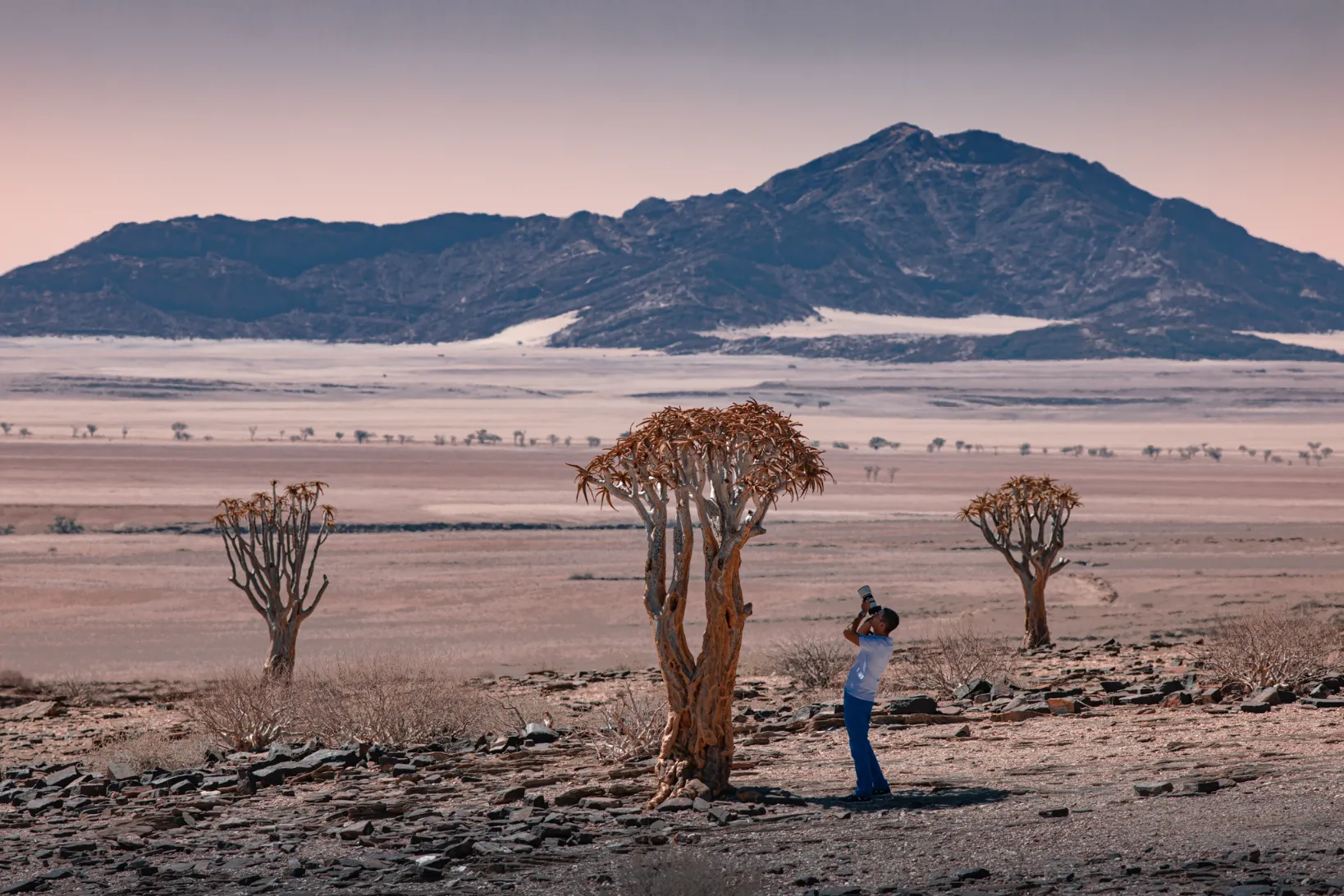
Camera: To capture the moments, but always ask for permission before photographing people.
Small gift for the community (optional): Something practical like flour, sugar, or other basic goods is more suitable than money. Consult with your tour operator about what would be most helpful.
Openness and respect: The most important thing to bring is an open heart and deep respect for the culture and lifestyle of the Bushmen.
Important Considerations
Respect for the culture: Always behave respectfully. Ask before photographing. Don't try to impose your own ideas or lifestyle.
Water: Drink plenty of water! Dehydration is a serious risk in the desert.
Health: Consult a doctor about necessary vaccinations and malaria precautions if you are travelling through risk areas.
Money: There are no ATMs or shops in the Bushmen villages. Bring enough cash for souvenirs or other needs if such opportunities exist.
Frequently Asked Questions
Is it safe to visit?
Yes, it is generally safe, especially if you are travelling with an organized tour. Tour operators have experience and knowledge of the area and work with local guides. Of course, as with any journey, it's important to follow the instructions of the guides and be cautious.
What is the impact of tourism on the Bushmen?
This is a complex question. Tourism can provide economic benefits to communities, but it also poses risks of cultural erosion and dependency. It is important to support tour operators who practice sustainable and responsible tourism, which prioritizes the well-being and preservation of the Bushmen's culture.
Can I stay to live with them?
No, this is not possible. Visits are organized for a set period of time and focus on cultural exchange and education.
How can I help the Bushmen?
The best way to help is by participating in responsible tourism that directly supports the communities. You can also support organizations that work to protect the rights and lands of the Bushmen.
Immersion in Depth: What Else Can You Learn?
Beyond the basic demonstrations, spending time with the Bushmen will teach you a lot about their worldview. You'll understand how deep their connection with nature is, how every plant and animal has its place and significance. You'll see how the community works together, how everything is shared, and how they support each other.
Their stories and myths, passed down from generation to generation, are full of wisdom and understanding of the world. You'll hear about the spirits of the ancestors, the power of nature, and the importance of harmony.
This is an experience that makes you rethink your own life and values. To appreciate simplicity, resilience, and a deep connection with all living things.
Are You Ready for the Adventure?
Meeting the Bushmen of the Kalahari is not just an excursion but a journey to yourself and to the roots of humanity. It's an opportunity to touch an ancient world, to learn from people who have lived in harmony with nature for millennia.
If you're seeking an authentic, meaningful, and transformative experience, the Kalahari and its inhabitants await you.
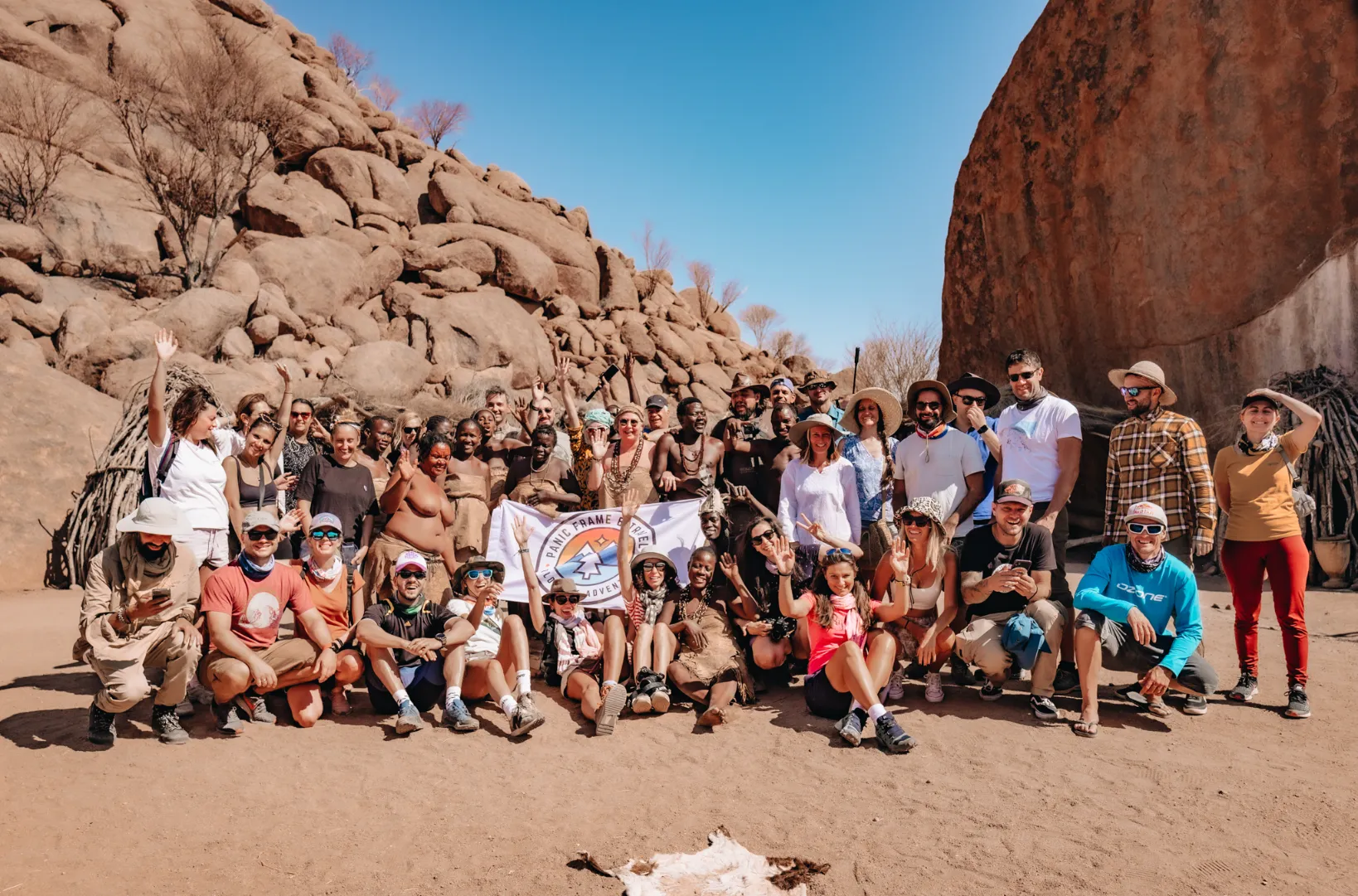
We at Panic Frame & Travel believe in the power of authentic experiences and in encounters with diverse cultures. That's why we are thrilled to take you on this incredible journey. Join us and discover the magic of the Kalahari and the wisdom of the Bushmen. Immerse yourself in an ancient way of life that will leave a lasting mark on your heart.
Contact us to plan your unforgettable adventure in the Kalahari!
More on the Cultures of Namibia
In the World of the Oldest Population | The Himba Tribe - Red People | Meeting the Peoples of Eastern Namibia
Explore
Author: Martin Bonov