Mahango National Park – a haven for birds and wildlife
Mahango National Park in eastern Namibia may be small in size, but it holds a world of diversity. A river, savannah, and swamps come together in one place, home to birds, elephants, and hippos.
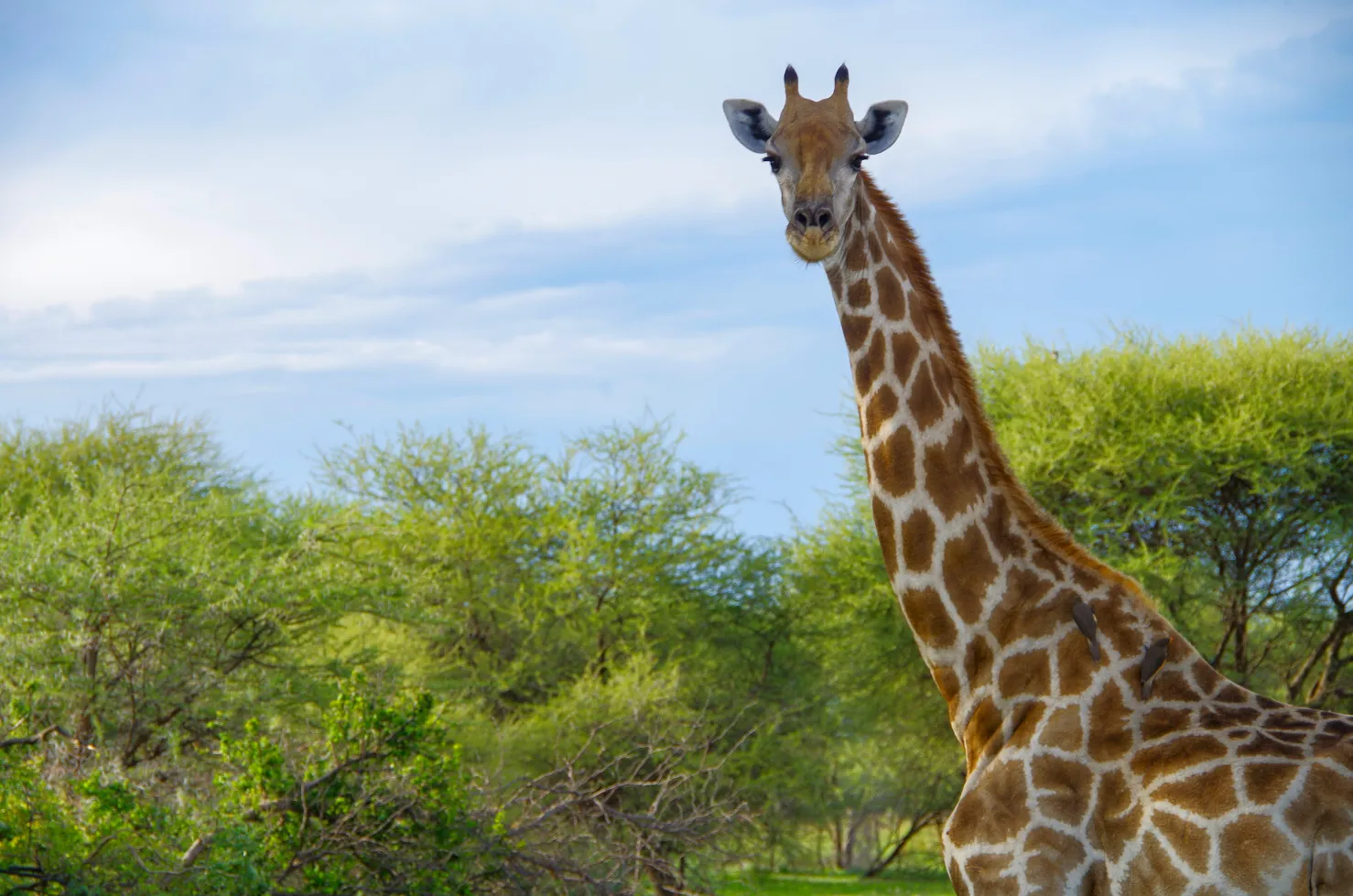
Hello, traveller! Today, I will take you to a place that is a true treasure for any nature lover and wildlife enthusiast. Imagine endless savannahs, dense forests, crystal-clear rivers, and skies filled with thousands of birds. Sounds like a dream, right? Welcome to Mahango National Park – one of Namibia's best-kept secrets, where the wilderness remains untouched and authentic.
Mahango is not as famous as Etosha, but that's exactly where its charm lies. You won't encounter crowds of tourists here; instead, you'll have the chance to immerse yourself entirely in the tranquility and beauty of the African wilderness. The park is part of the larger Kavango-Zambezi Transfrontier Conservation Area (KAZA), making it an important corridor for animal migration and home to incredible biodiversity.
What to expect in Mahango?
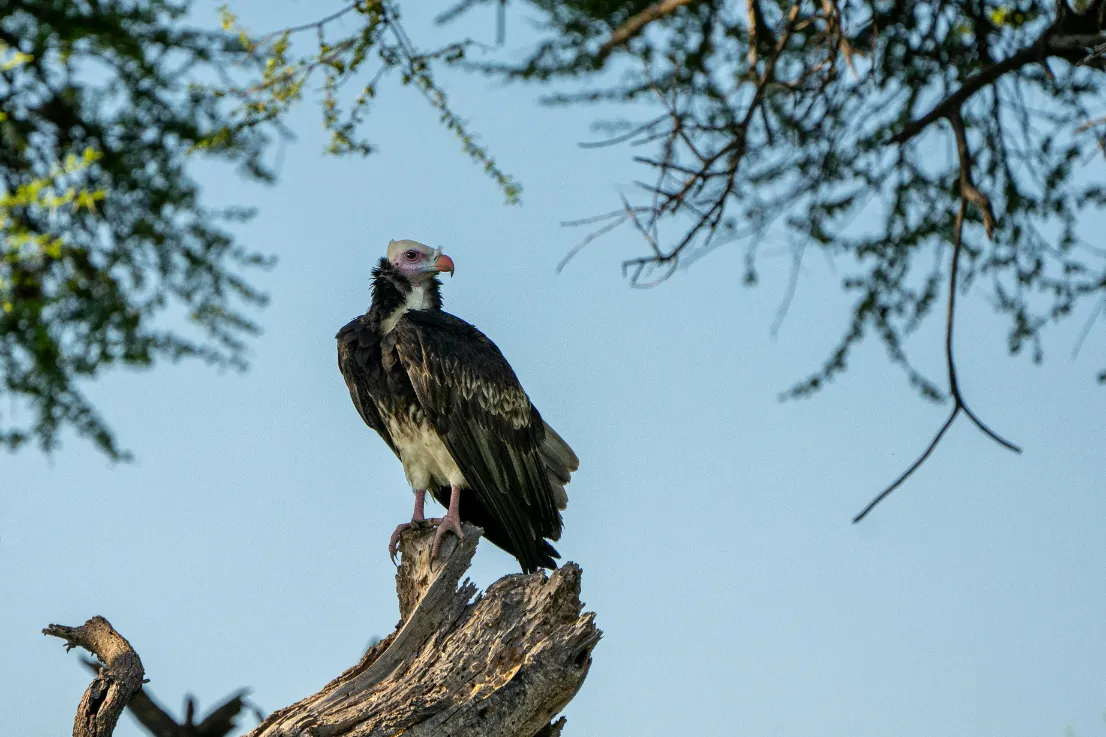
Mahango is a paradise for ornithologists and bird lovers. Over 400 species of birds have been recorded here, including rare and endemic varieties. Imagine witnessing the majestic African fish eagle, the colourful bee-eater, or the elegant crane in the wild. The sounds of the birds will accompany you throughout your stay, creating an unparalleled atmosphere.
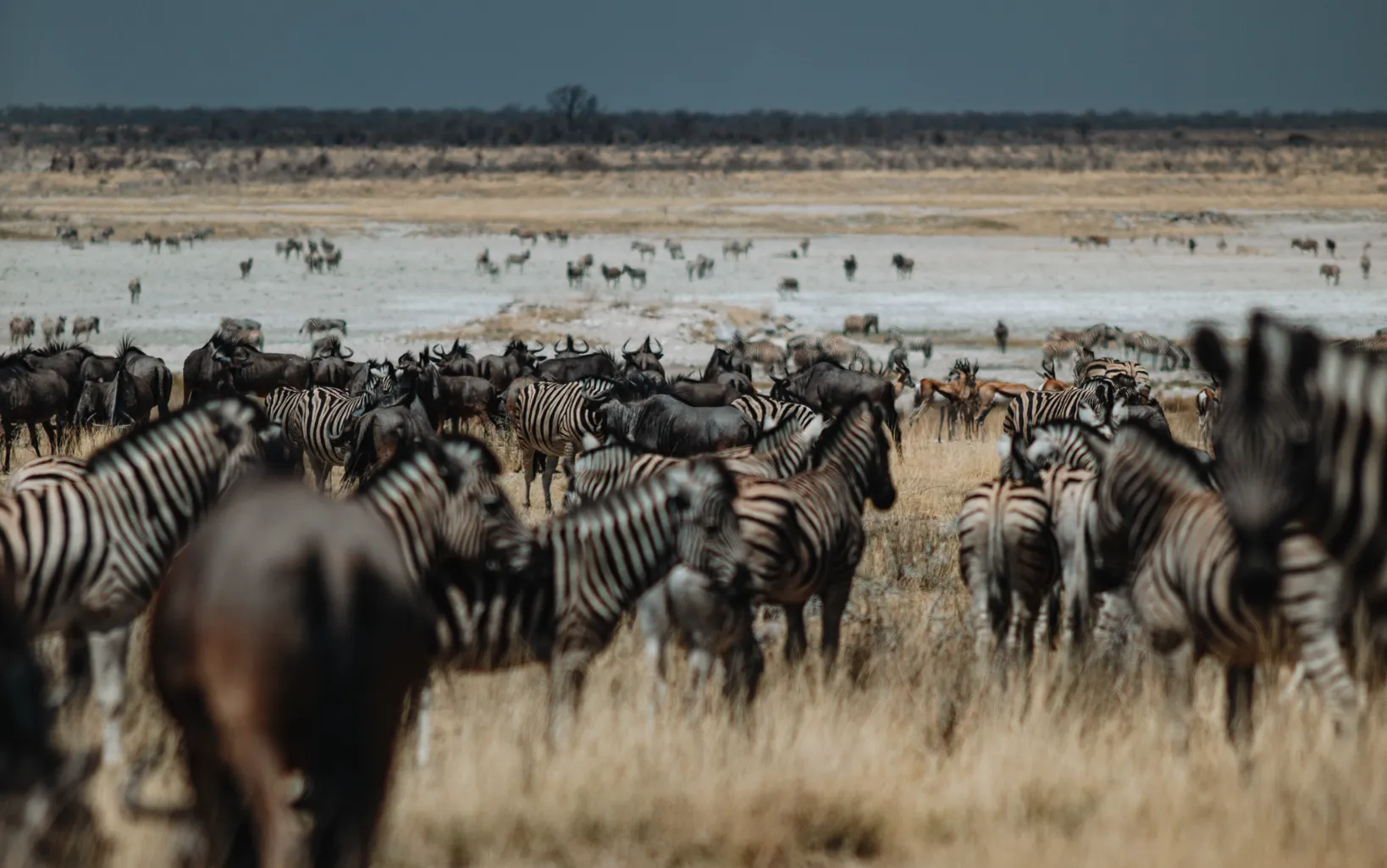
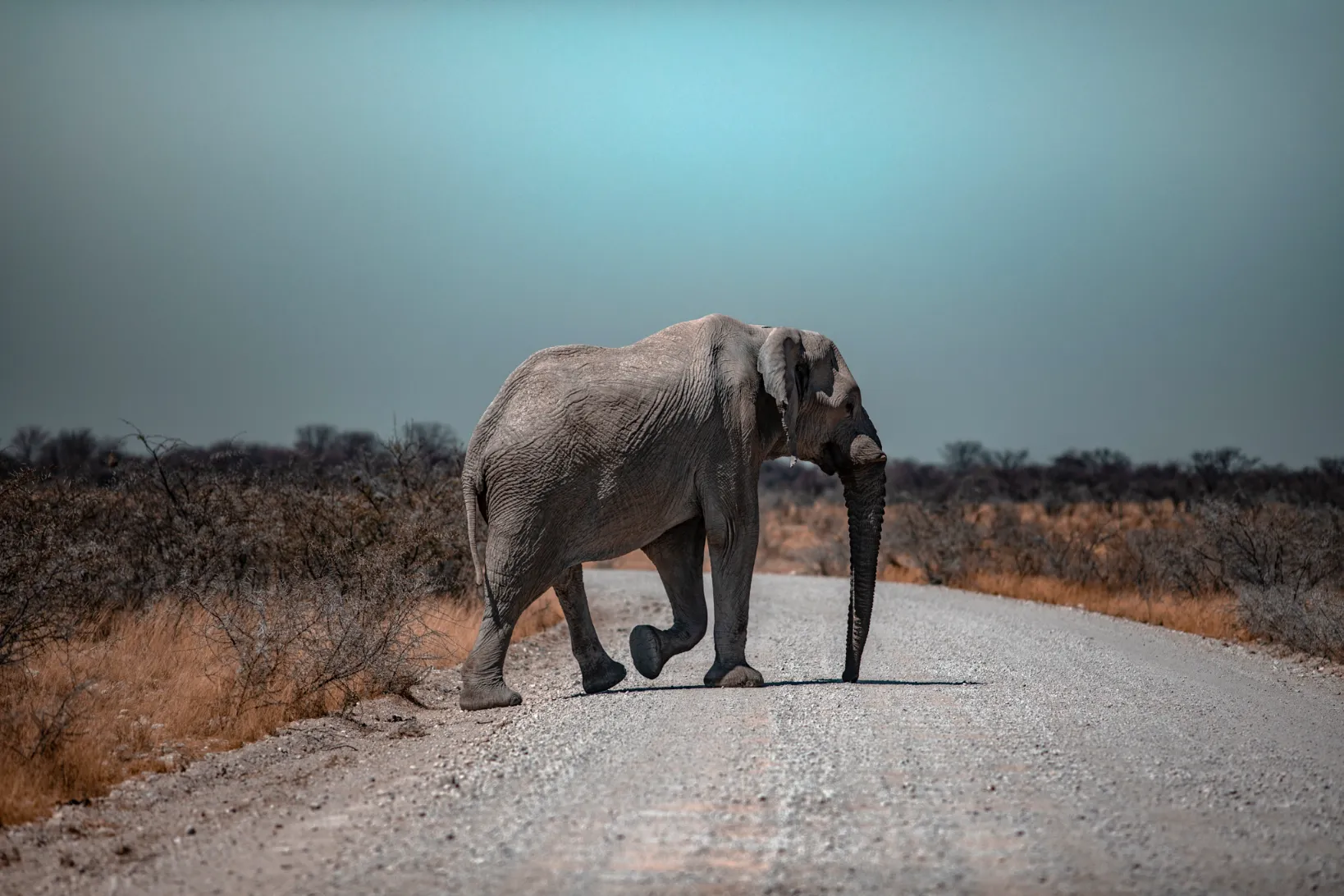
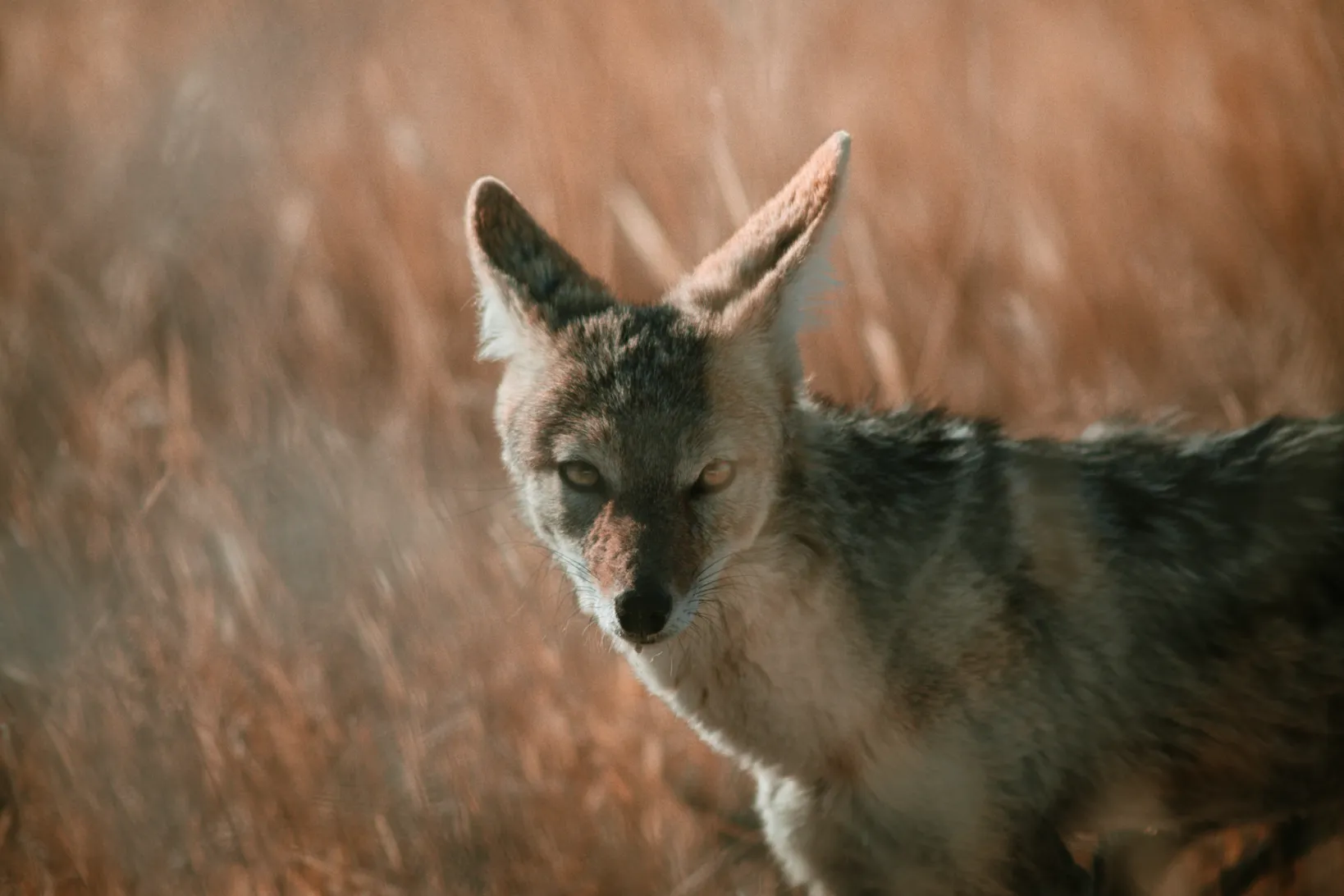
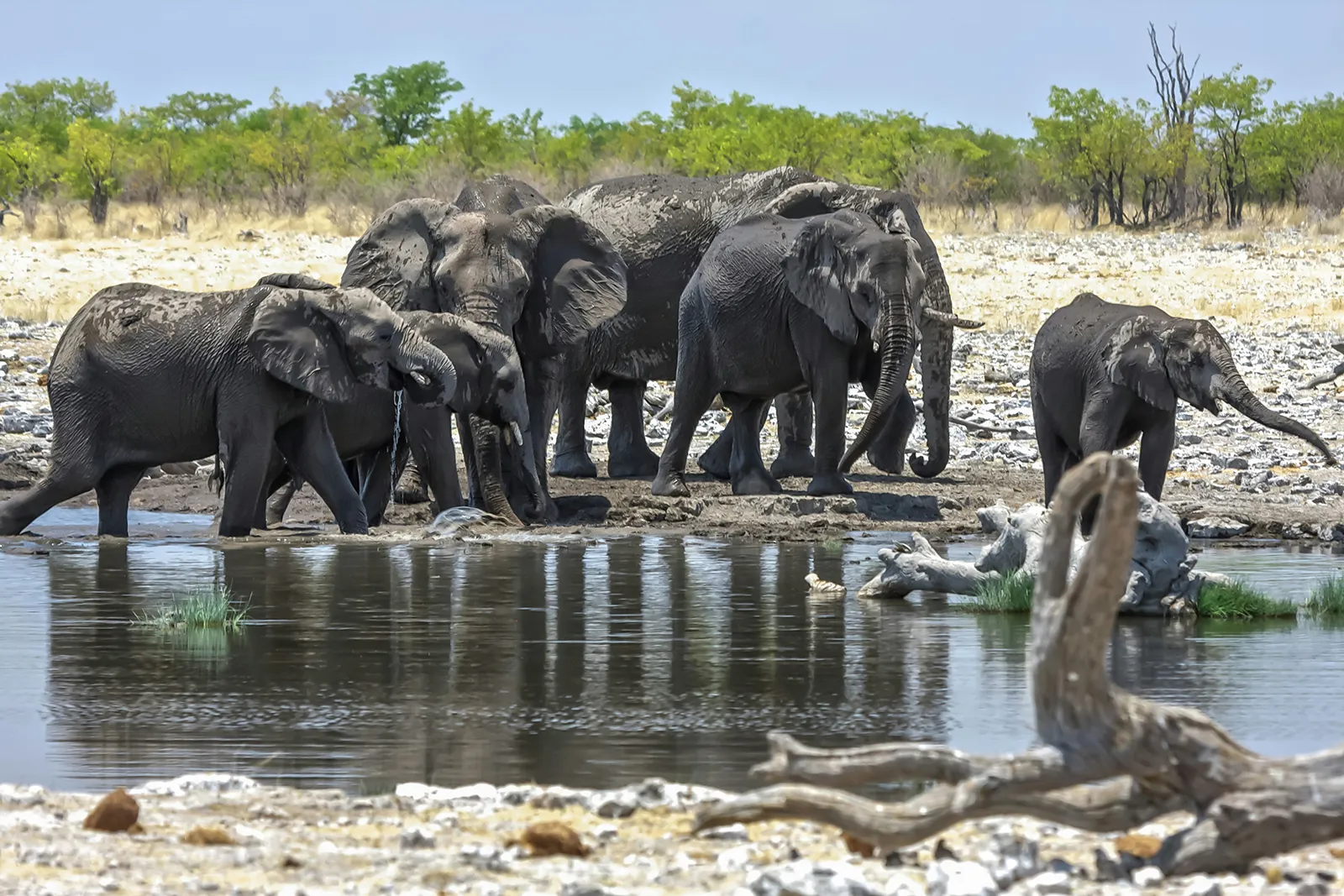
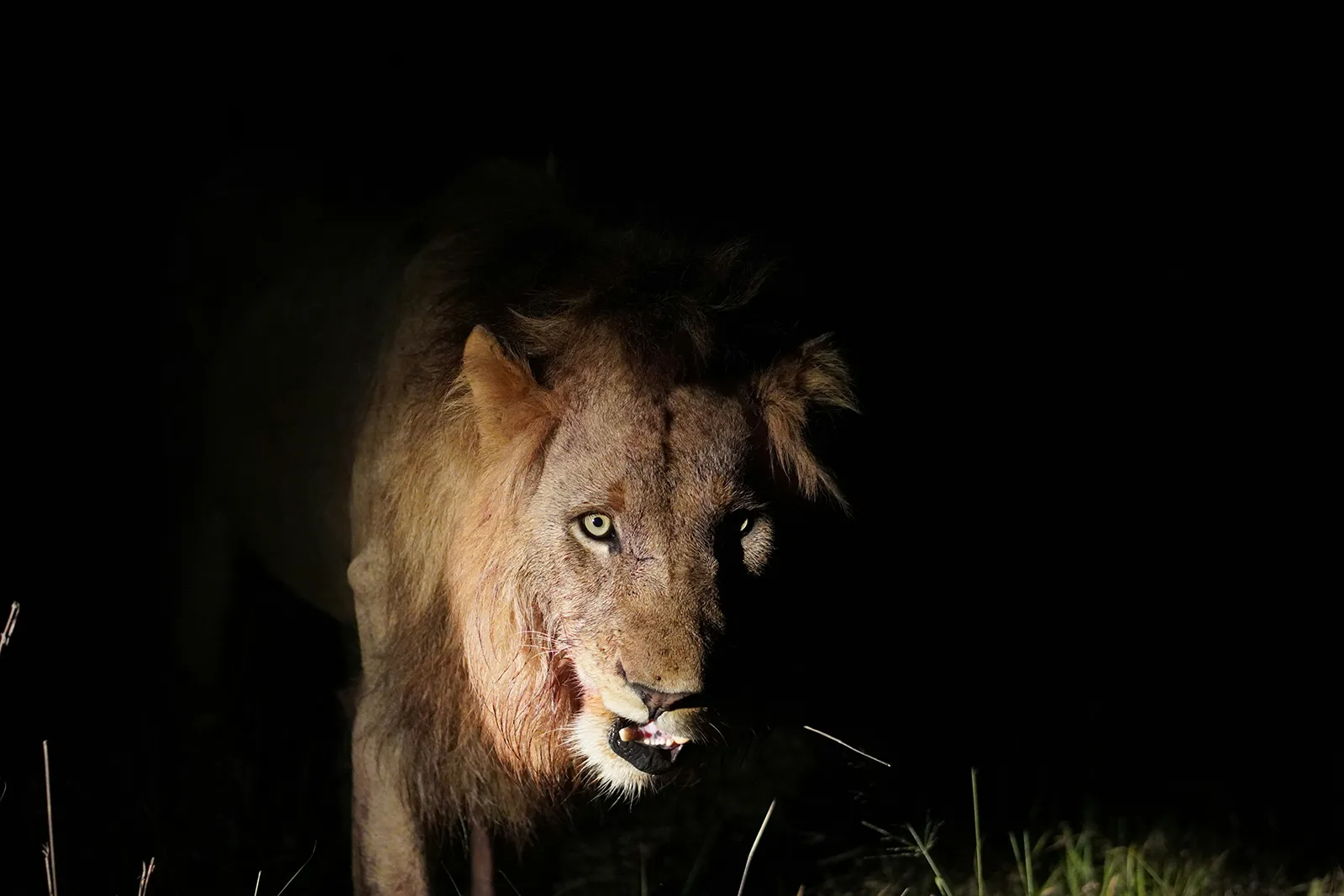
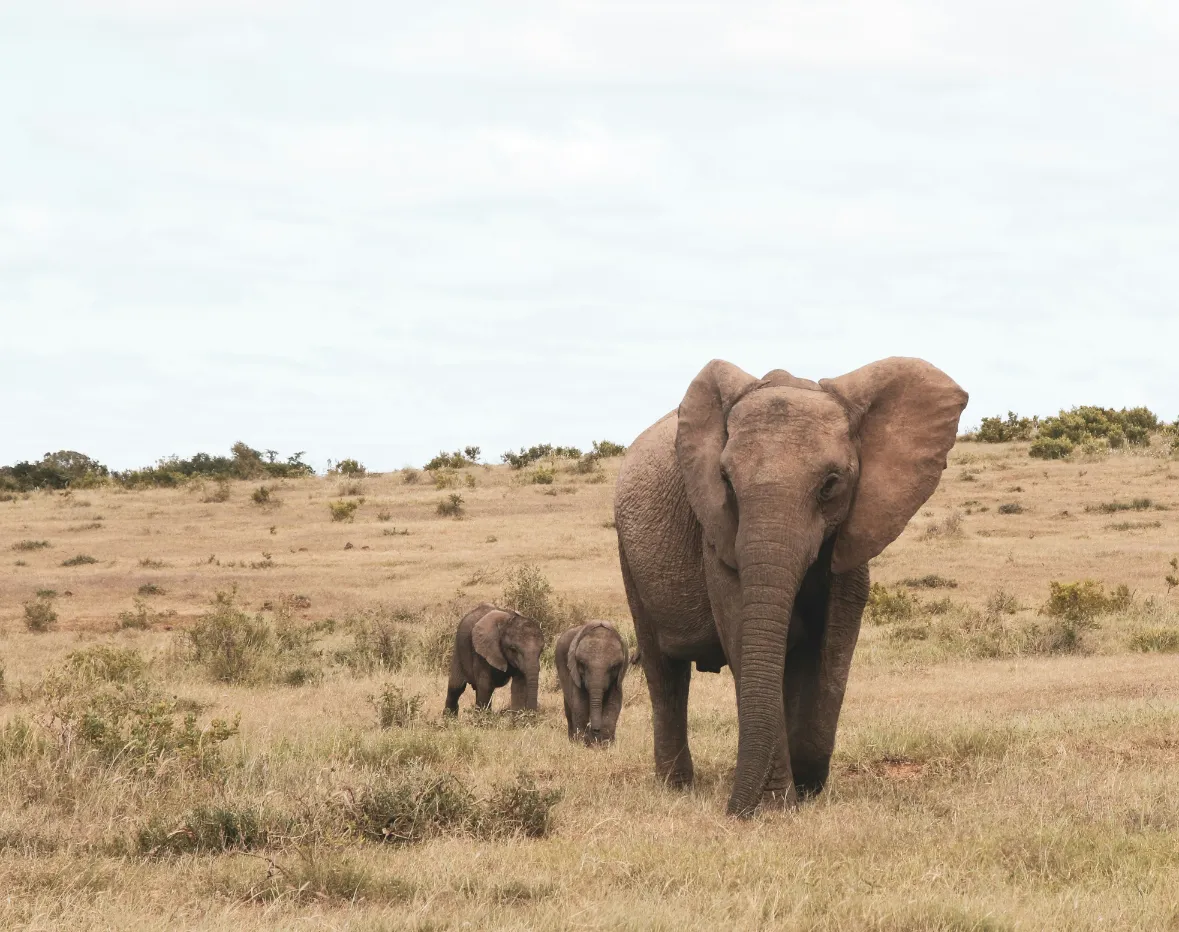
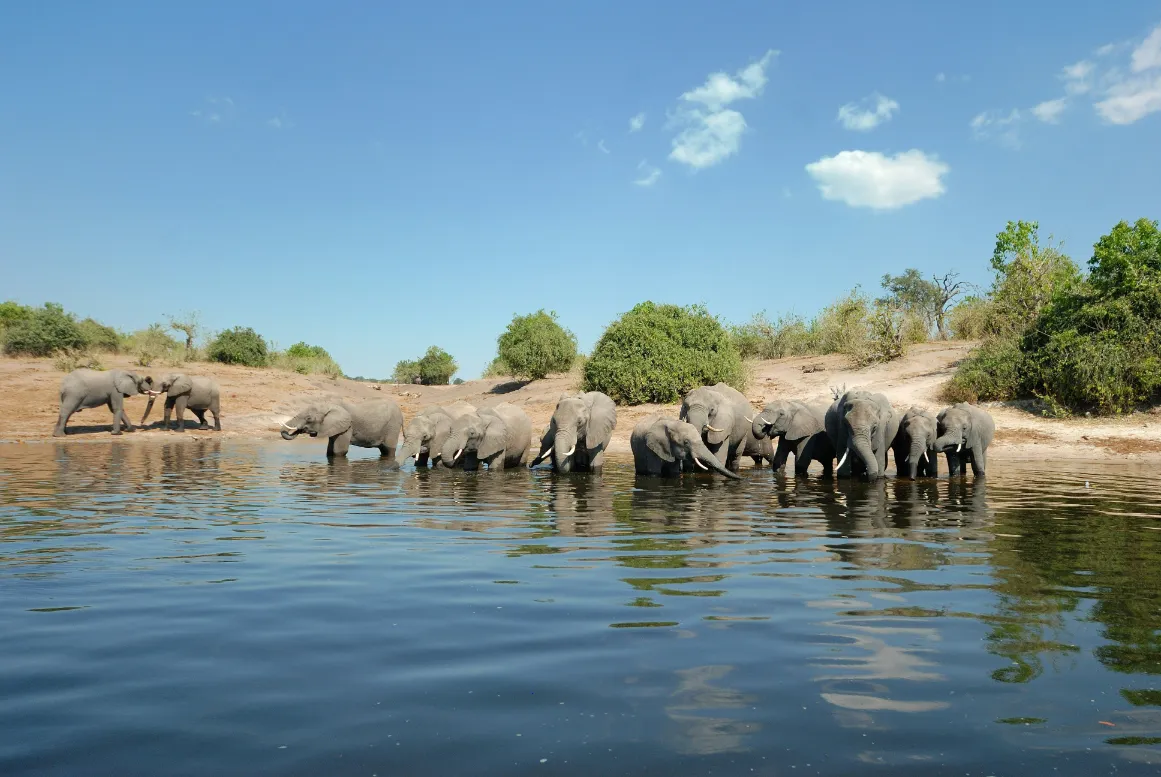
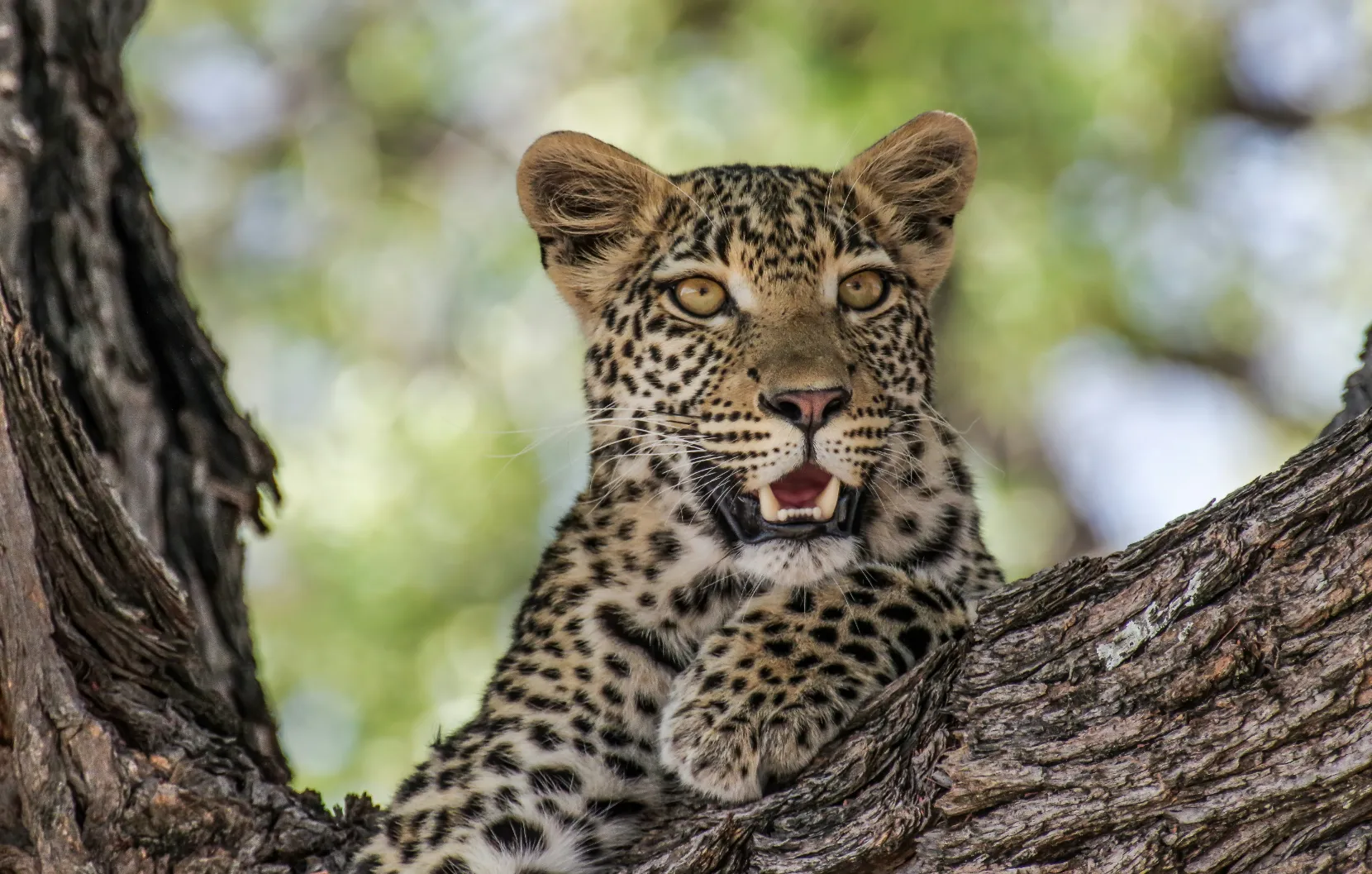
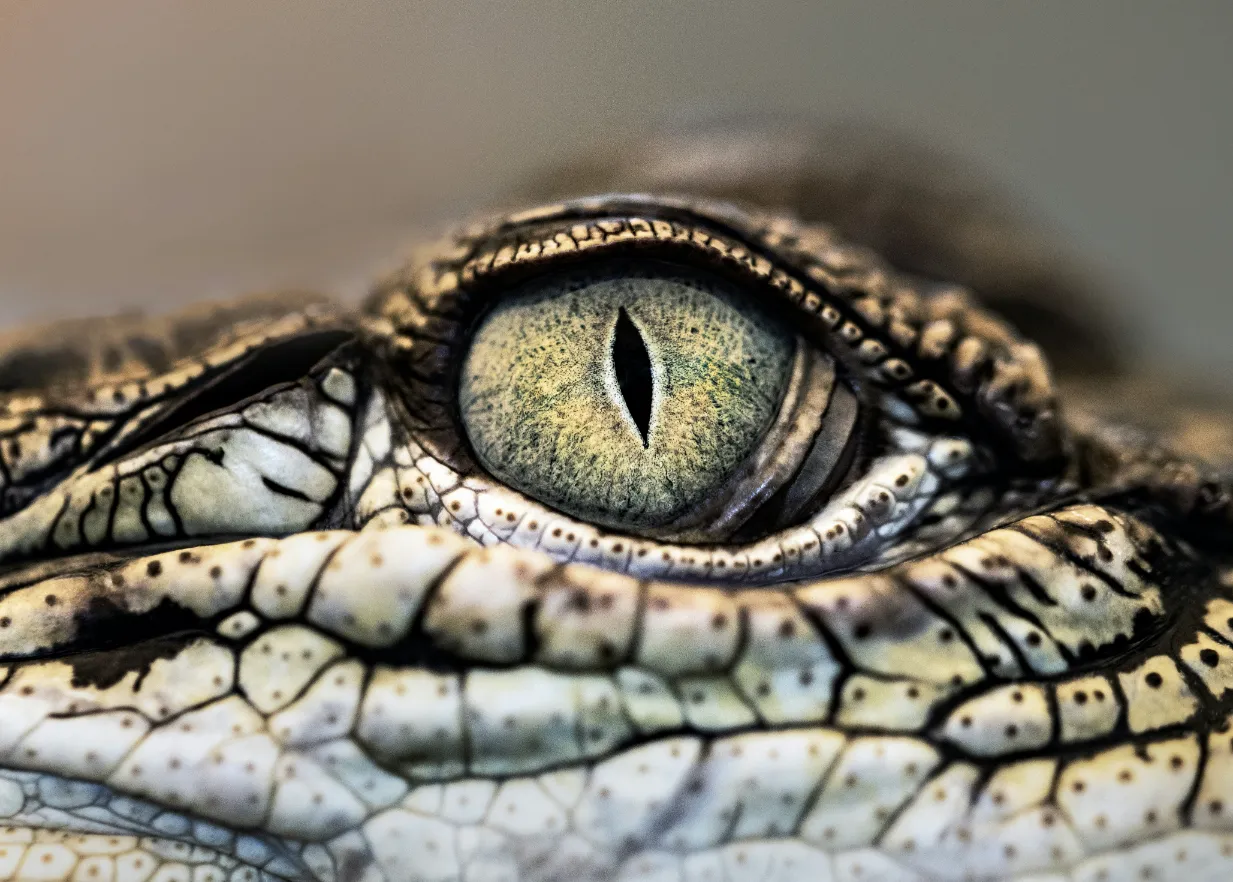
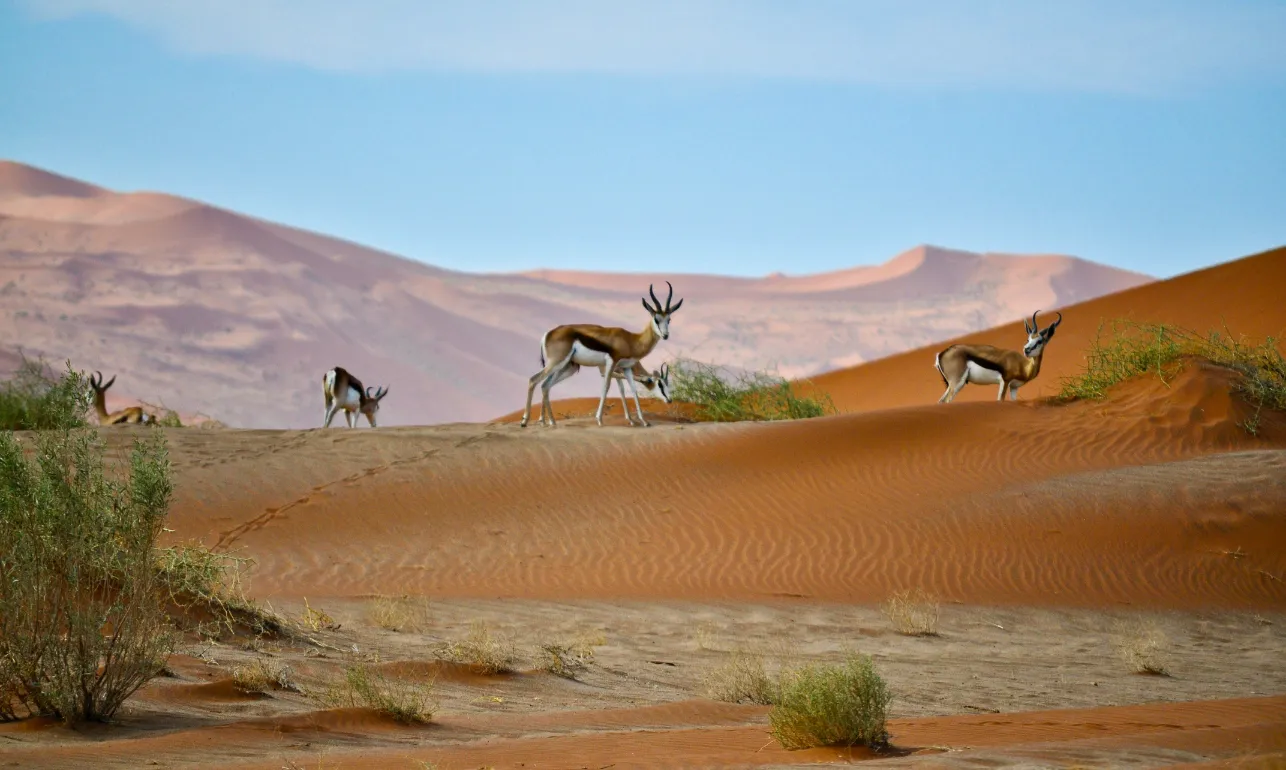
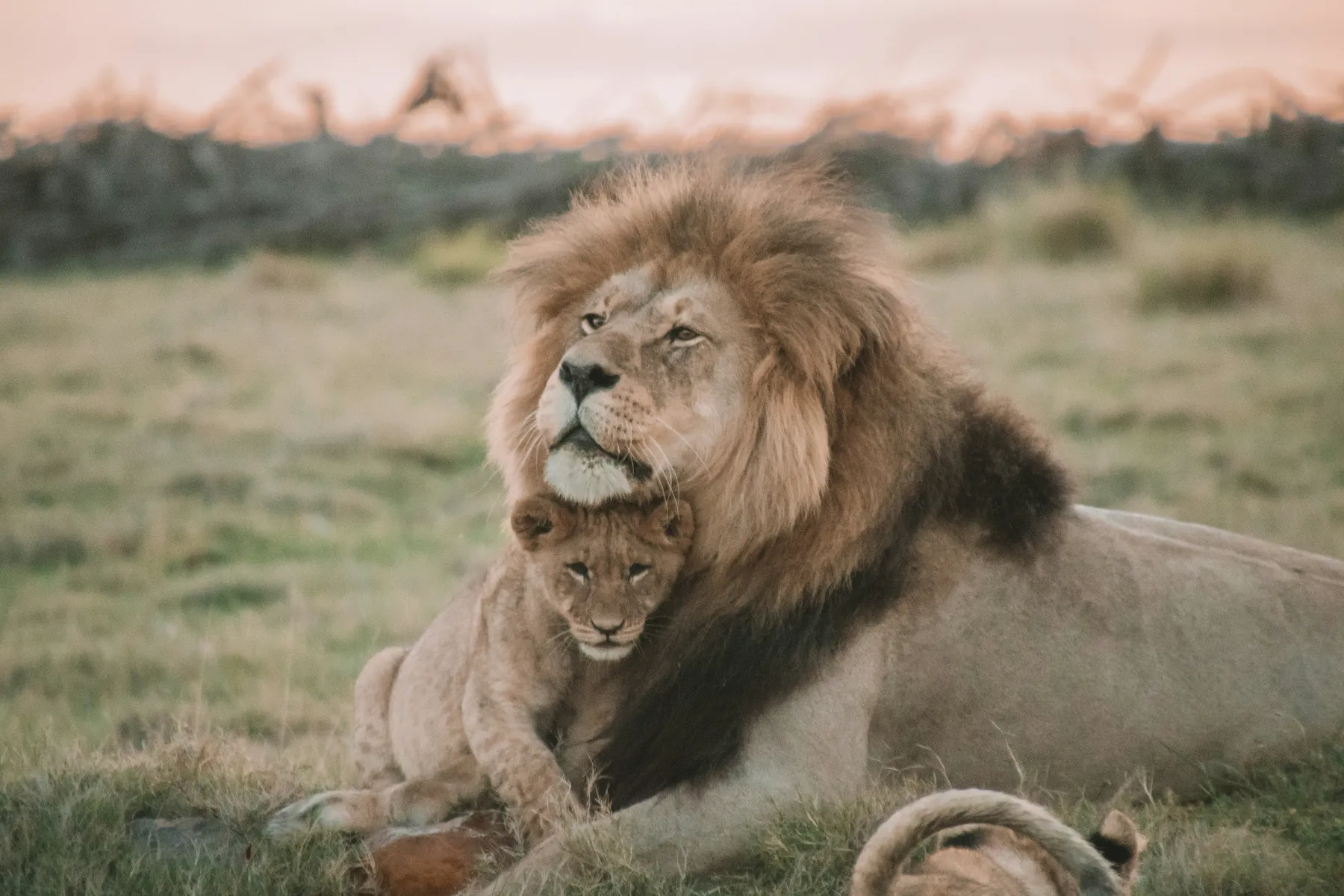
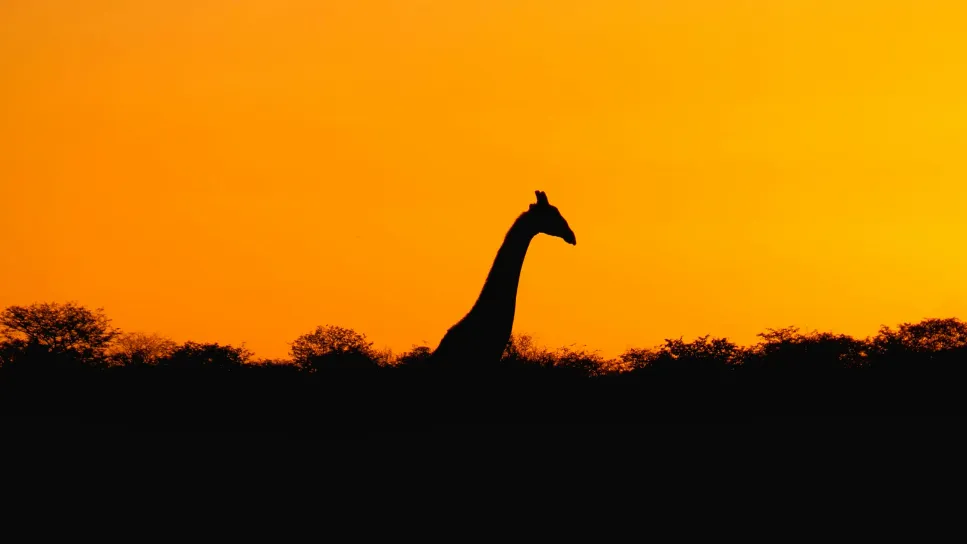
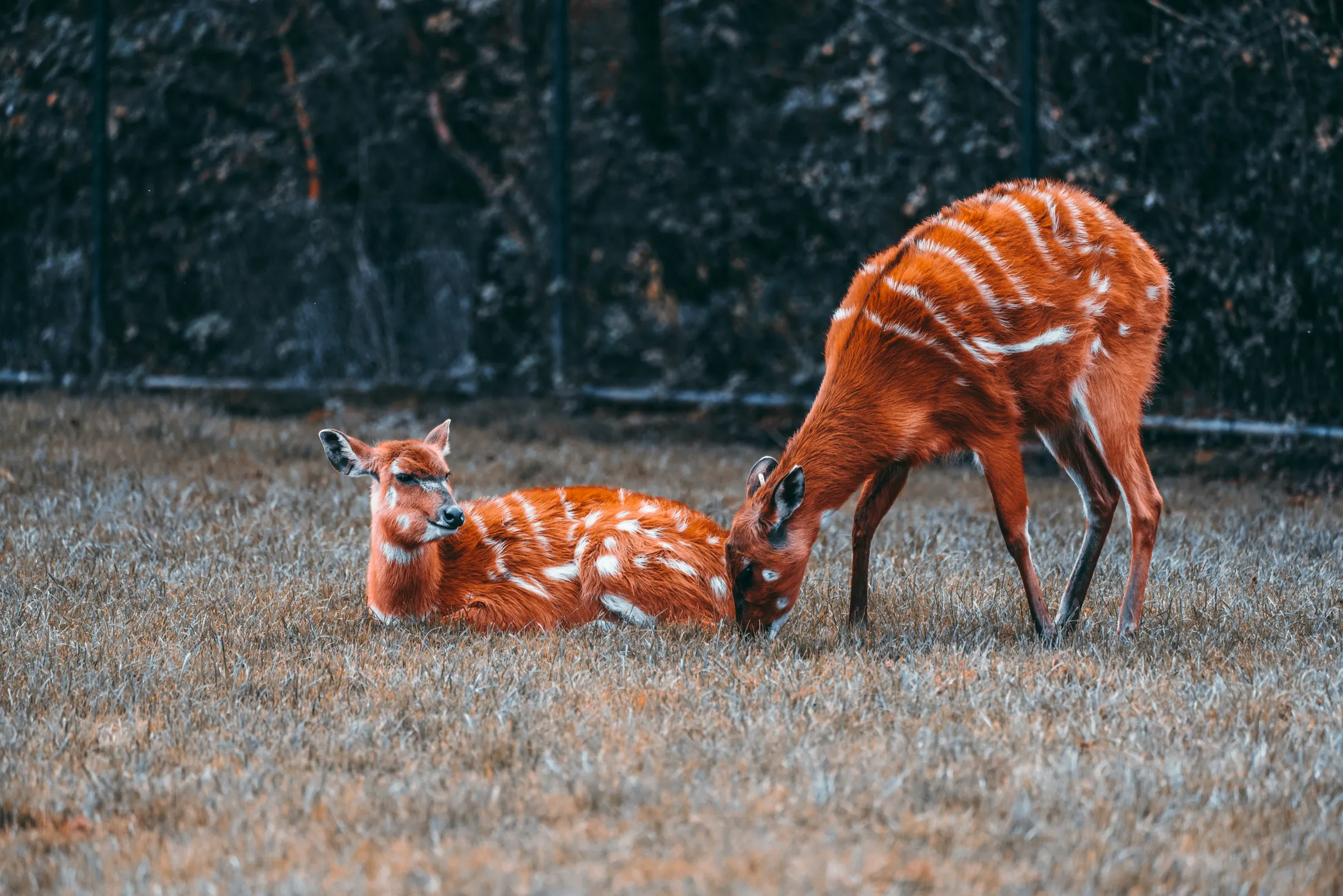
But Mahango is not just for birds. The park is home to a vast array of mammals. You might encounter elephants, buffalo, hippos, crocodiles, various types of antelope like the sitatunga and lechwe, zebras, giraffes, and even predators such as lions, leopards, and hyenas. The Okavango River, running through the park, is a vital source of water and attracts animals from all around.
One of the most thrilling experiences in Mahango is a boat safari along the Okavango River. As you glide over the calm waters, you'll have the chance to observe animals drinking, to see hippos lounging in the river, and crocodiles basking in the sun. The view is breathtaking, especially at sunrise or sunset when the sky is painted in extraordinary colours.
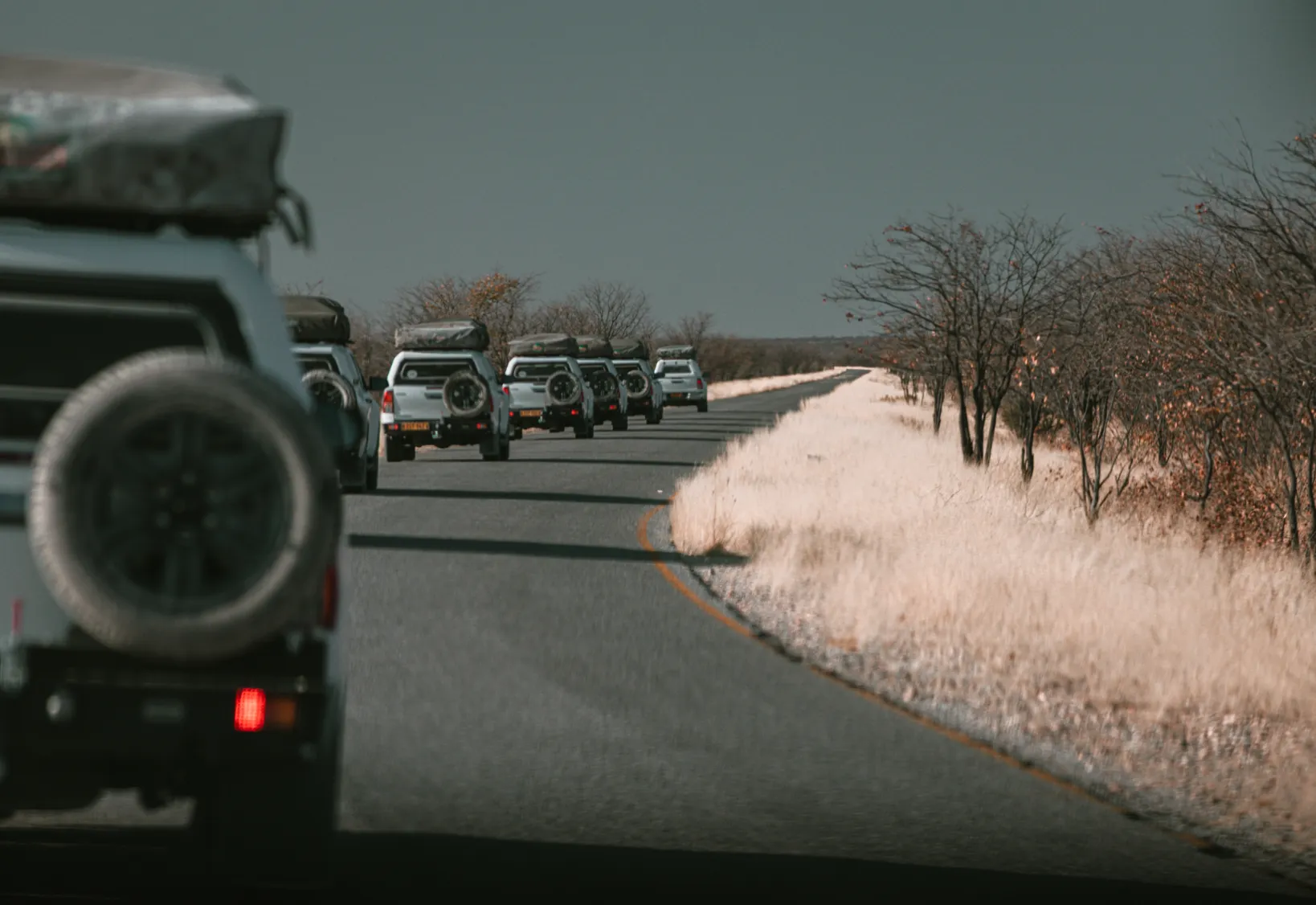
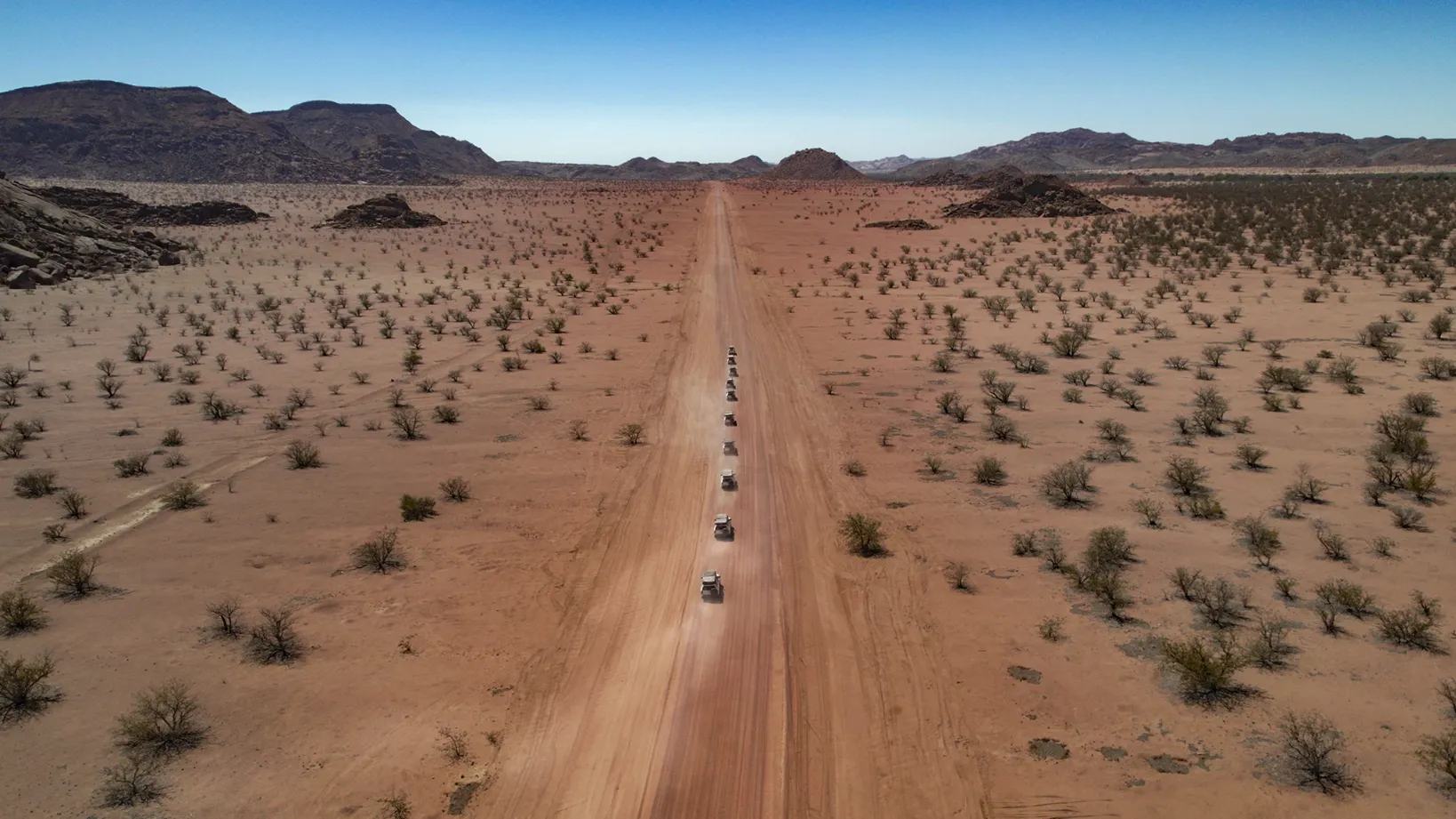
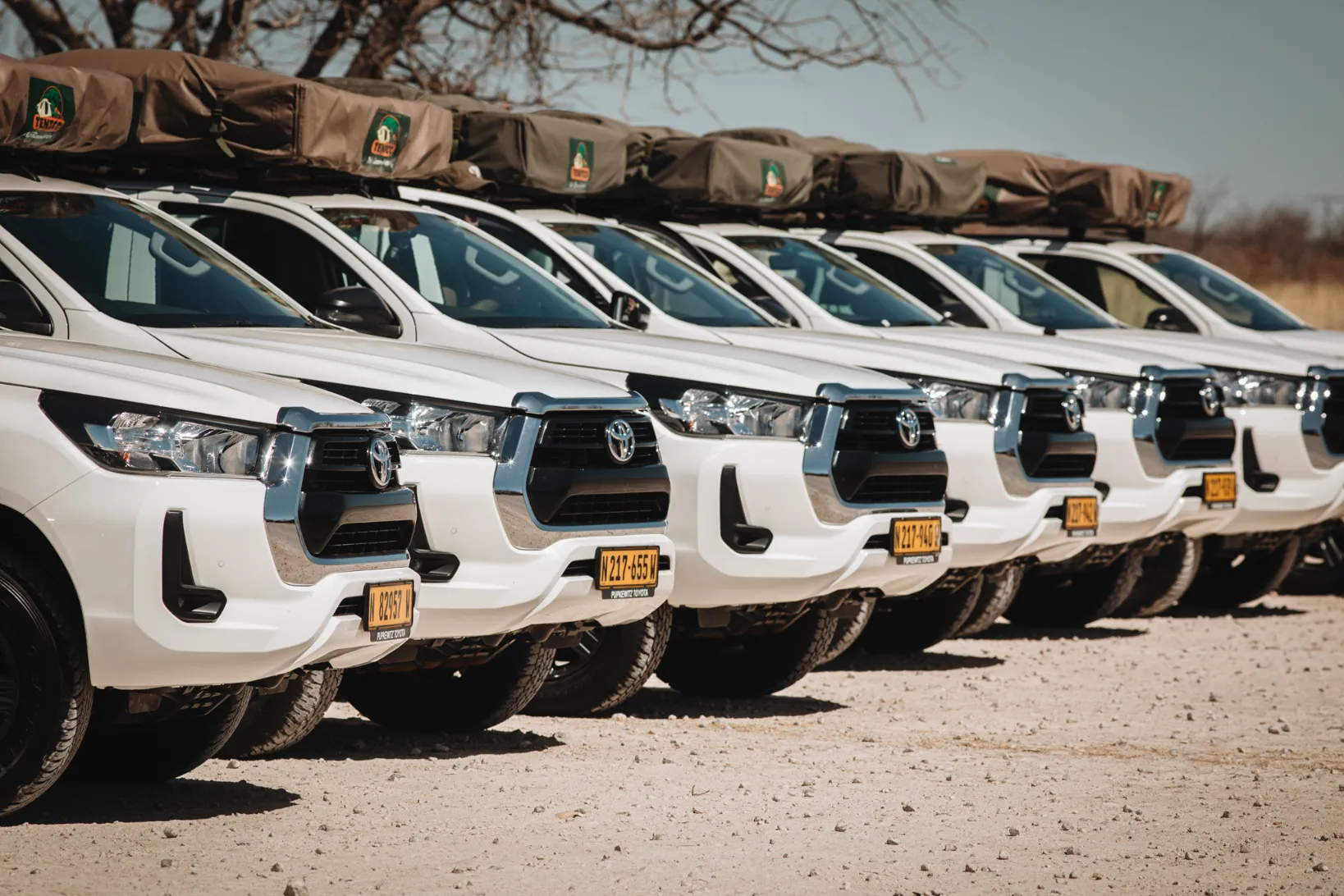
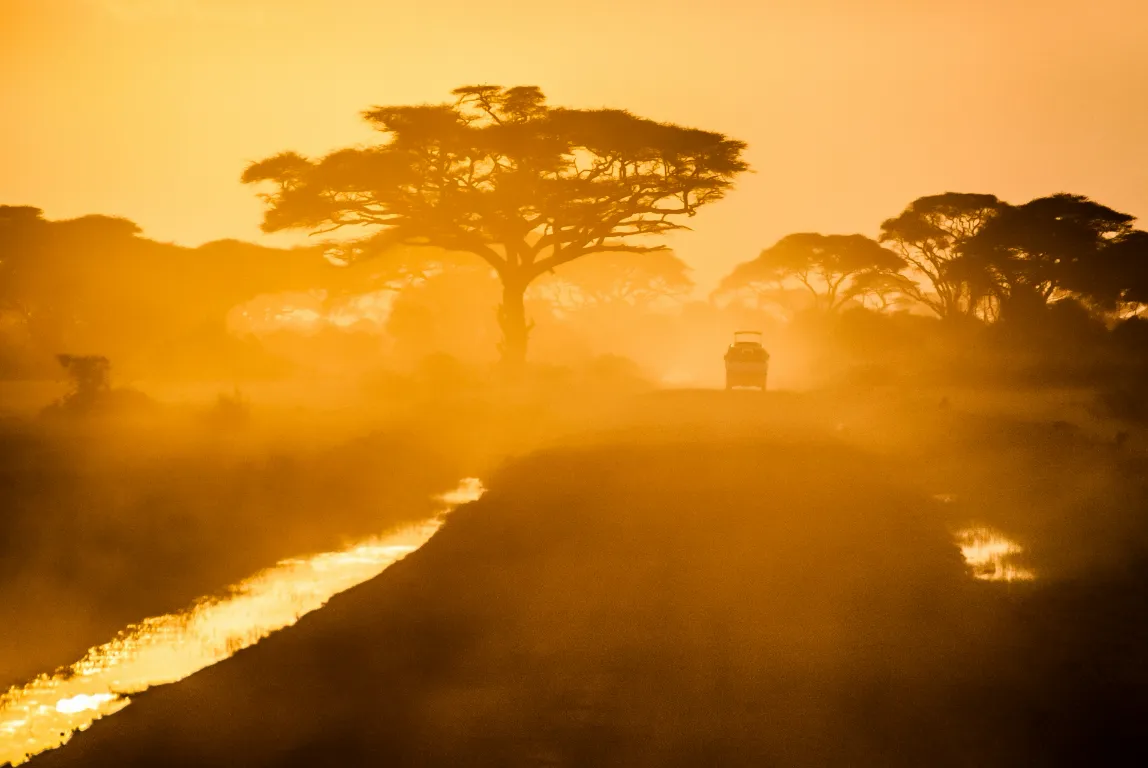
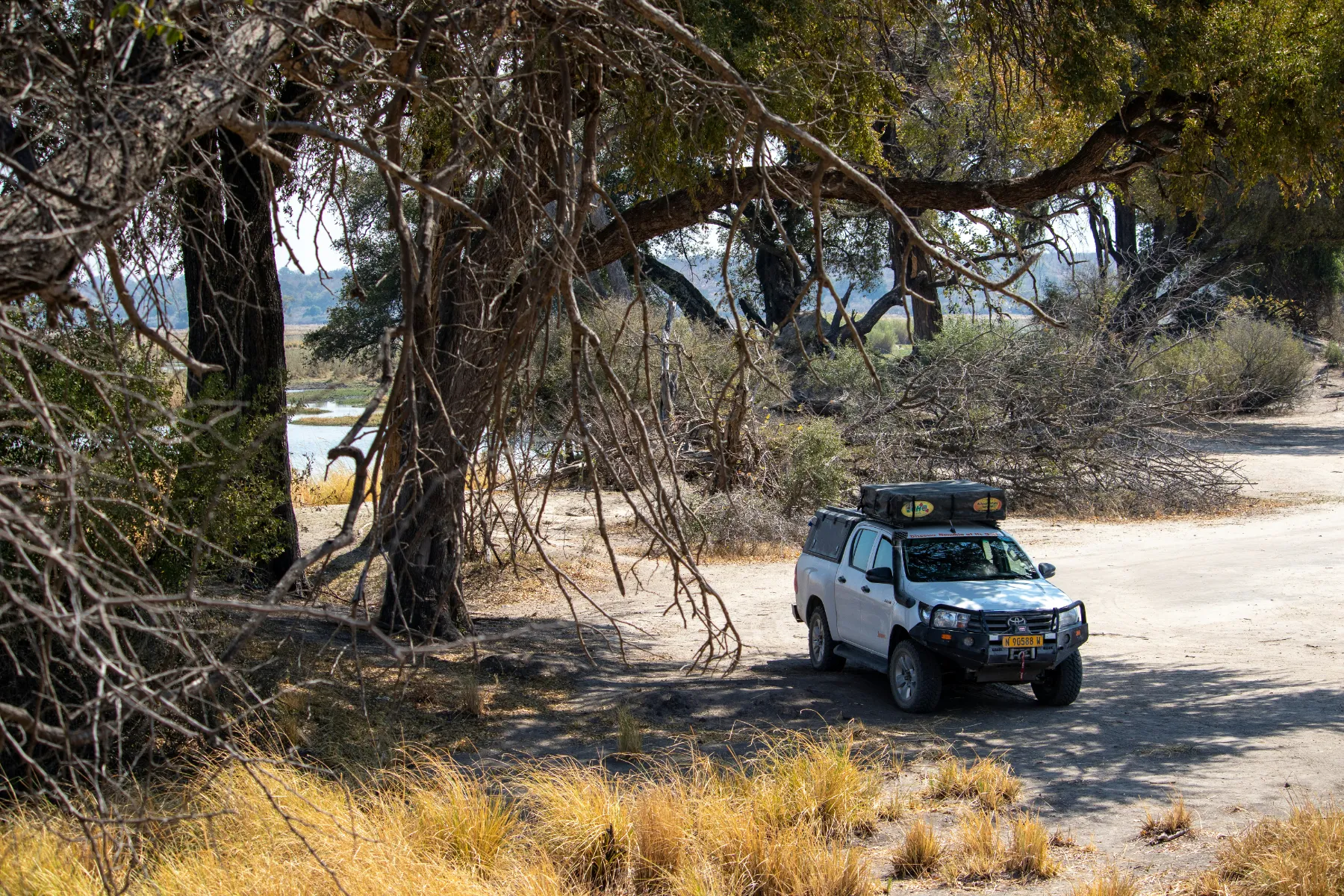
Besides boat safaris, you can also enjoy traditional jeep safaris. The roads in the park are well maintained, but it's advisable to use a 4x4 vehicle, especially during the rainy season. Experienced rangers will guide you through the most interesting spots and tell you about the local flora and fauna.
The hidden treasures of Mahango
Mahango hides some lesser-known but equally impressive places. One of them is Kwando Island, accessible only by boat. The island is home to a large population of sitatunga – a type of antelope that's exceptionally adapted to living in wetlands. A walk on the island is a unique experience that brings you close to the wilderness.
Another interesting spot is the area around the Popa Falls. Though not as grand as Victoria Falls, the Popa Falls offer beautiful views and are a great place for relaxation and bird watching. Near the falls, there are also several campsites and lodges where you can stay.
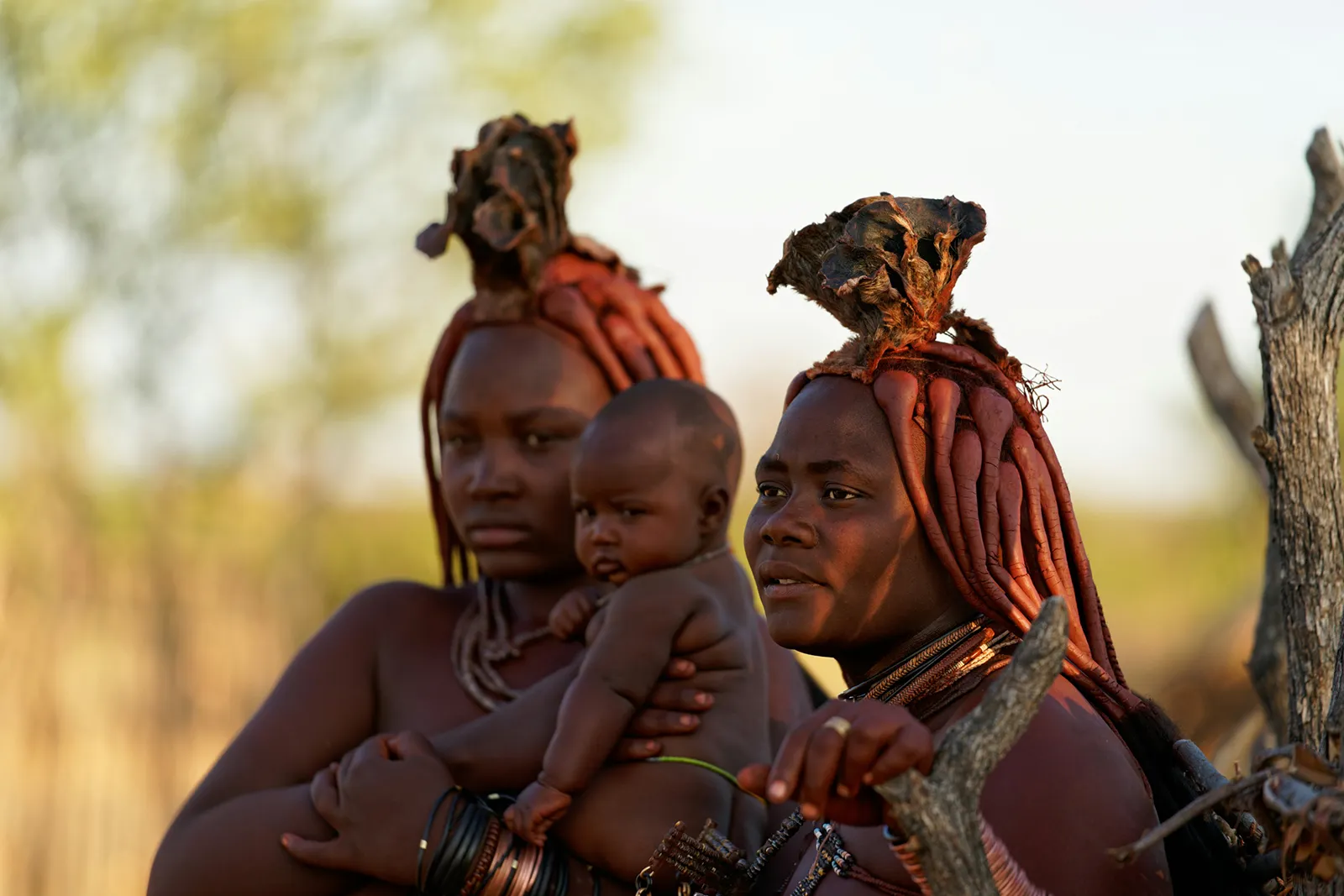
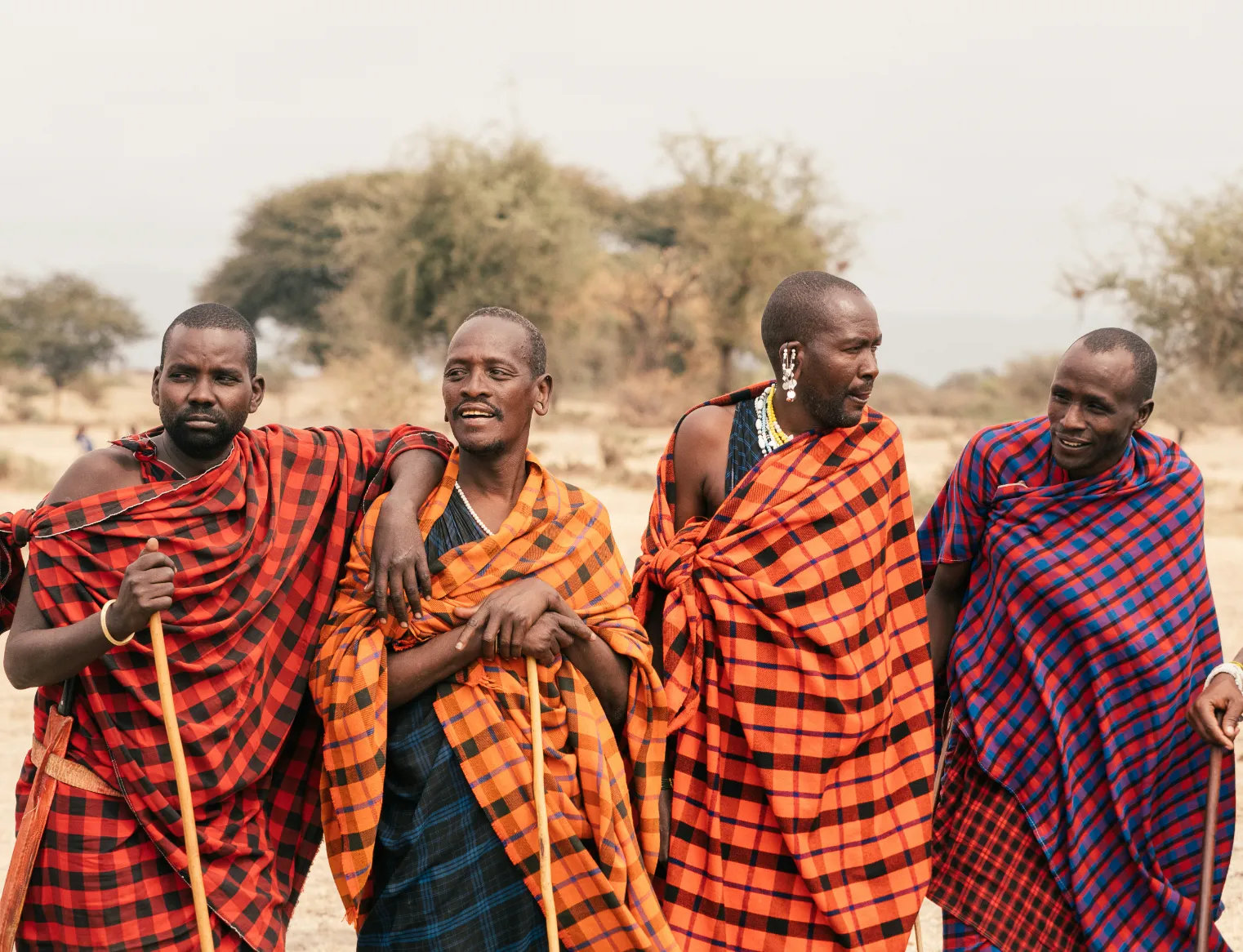
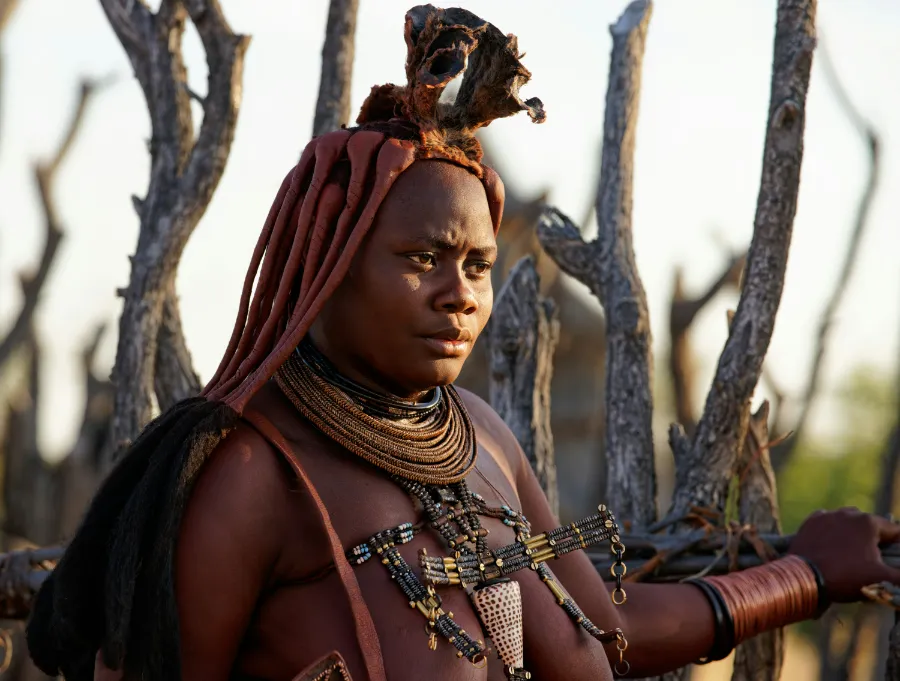
Don't miss visiting the local communities living near the park. Learning about their culture and traditions will enrich your experience and give you a deeper understanding of life in this region.
How do you feel in Mahango?
Being in Mahango is like stepping back in time to when nature reigned supreme. The air is clean and fresh, the only sounds are those of nature, and the views are breathtaking. You feel small and humbled before the grandeur of the wild. There's a particular calm and peace that envelopes you as you watch animals in their natural habitat.
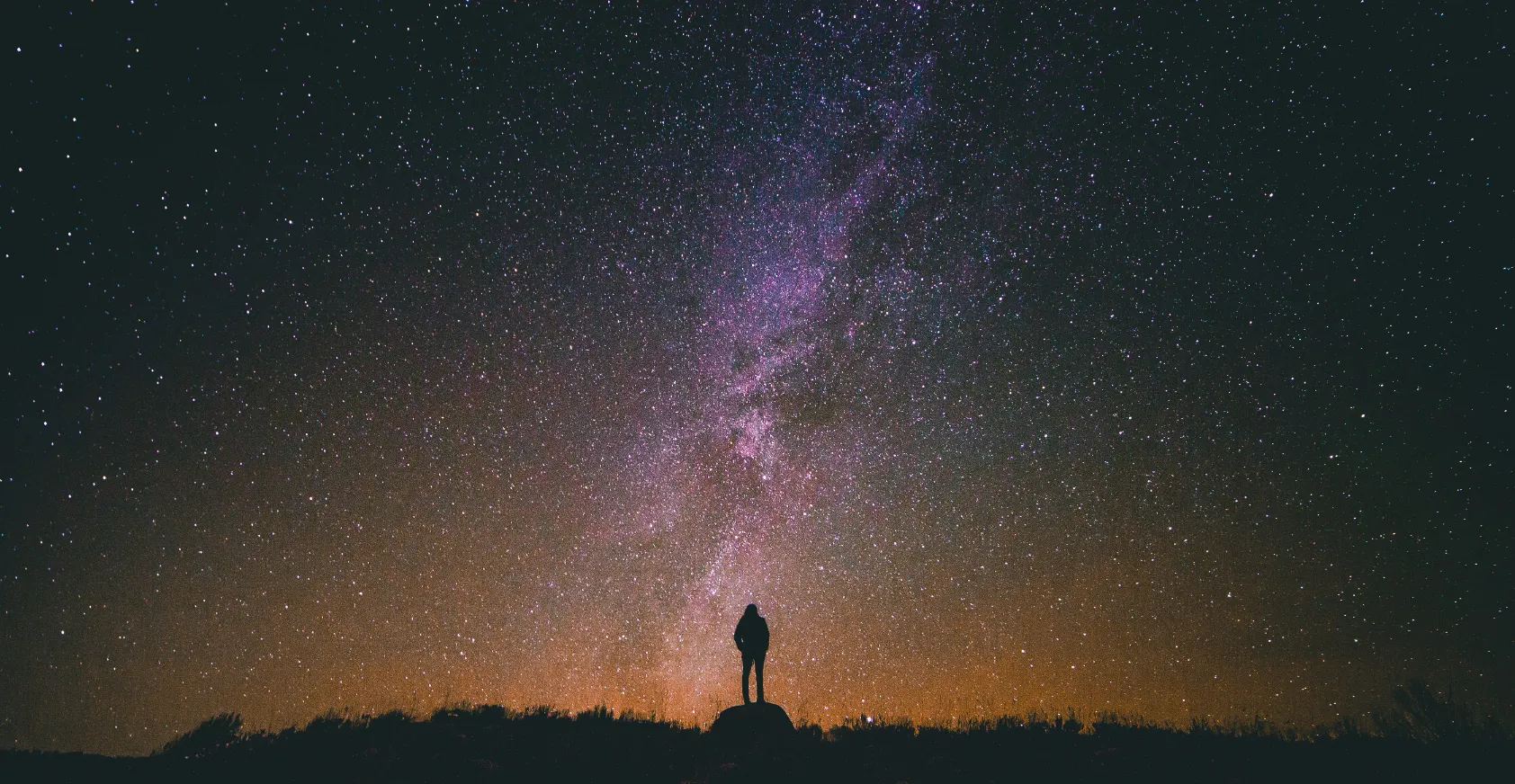
Every morning, you're greeted by rays of sunshine breaking through the trees and the songs of birds. Evenings are filled with the sounds of nocturnal animals and a sky full of stars. This is a place where you can disconnect from the everyday world and reconnect with nature.
Practical tips for visiting Mahango
Best time to visit: The dry season (from May to October) is the best time to visit Mahango. During this period, animals gather around water sources, making them easier to spot. Temperatures are lower, and mosquitoes are fewer. The rainy season (from November to April) brings lush green landscapes and is excellent for bird watching, but roads might be impassable.
How to get there: The easiest way to get to Mahango is by car. The park is located in northeastern Namibia, near the border with Botswana. You can fly into Rundu Airport and from there rent a car or arrange a transfer. It's advisable to use a 4x4 vehicle.
What to bring: Light clothing in neutral colours, comfortable walking shoes, a hat, sunglasses, sunscreen, insect repellent, binoculars, a camera, a flashlight, a first-aid kit. Don't forget a reusable water bottle.
Accommodation: In and around Mahango, there are various accommodation options – from campsites to luxury lodges. Book in advance, especially if travelling in peak season.
Safety: Always follow the rangers' instructions and don't get too close to the wildlife. Be cautious when moving outside of campsites or lodges, especially at night.
Frequently asked questions
Q: Is a 4x4 vehicle necessary to visit Mahango?
A: Yes, it is highly recommended to use a 4x4 vehicle, especially if you plan to explore the park independently and during the rainy season. Some roads might be sandy or muddy.
Q: Can I walk in the park?
A: Walking is possible only with a companion – an experienced ranger. This is important for your safety, as there are wild animals in the park.
Q: Are there mosquitoes in Mahango?
A: Yes, there are mosquitoes, especially during the rainy season and around water sources. It's advisable to use repellent and take preventive measures against malaria if necessary.
Q: Can I see the "Big Five" in Mahango?
A: Mahango is home to elephants, buffalo, and lions. Leopards and rhinos are rarer but not impossible to spot. The park is more renowned for its wide variety of birds and aquatic animals.
Q: How long is needed to visit Mahango?
A: To fully enjoy Mahango and have the opportunity to see more animals and birds, it's advisable to allocate at least 2-3 days for visiting the park.
Conclusion
Mahango National Park is a place that will leave a lasting impression on your heart. It's a place where you can connect with nature in a way that's rare in today's fast-paced world. If you dream of an authentic African adventure, far from the beaten paths, then Mahango is your place.
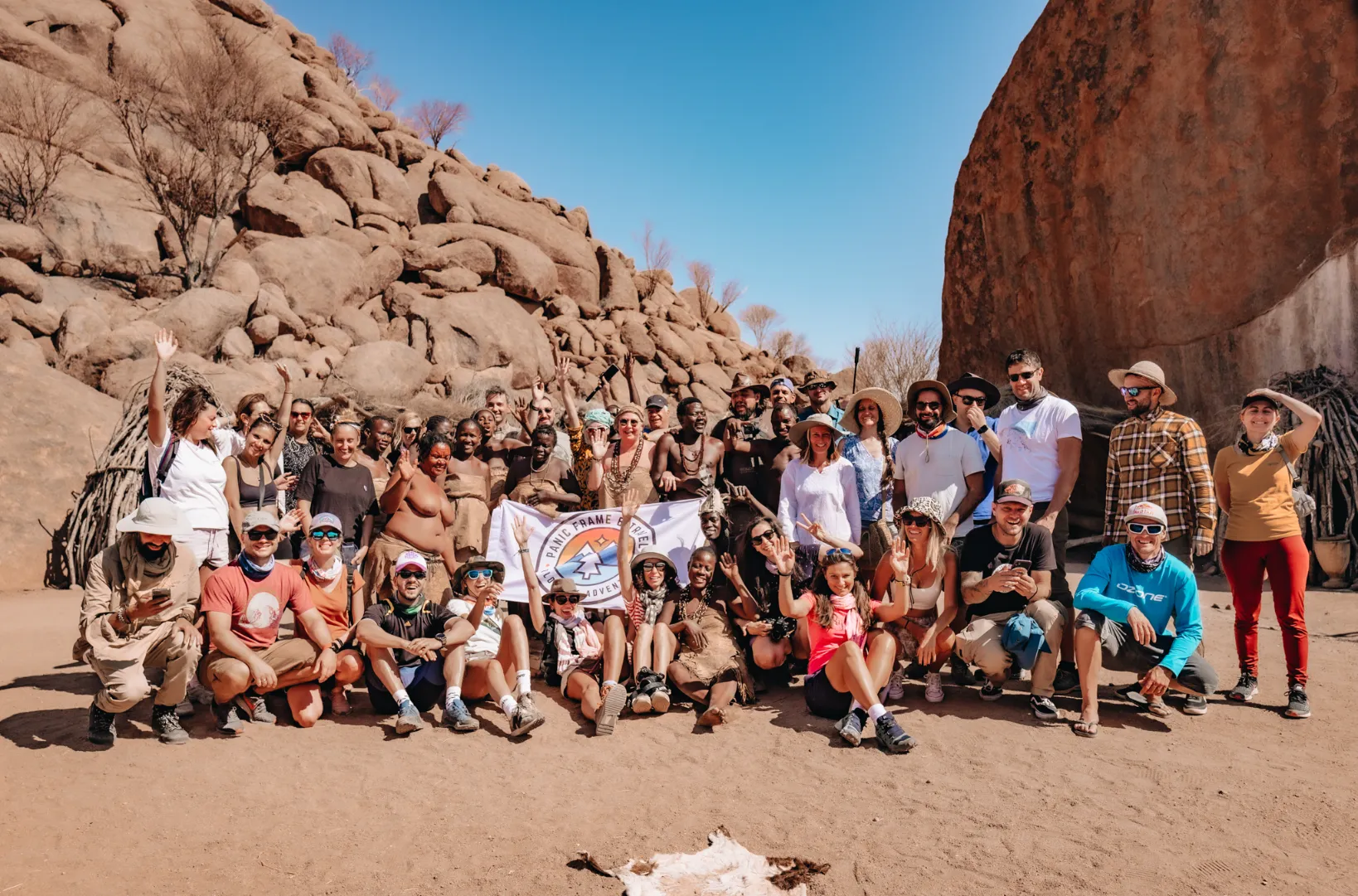
Ready to immerse yourself in this paradise for birds and wildlife? We at Panic Frame & Travel are here to help you plan your unforgettable journey to Mahango. Get in touch with us and let's discover the beauty and tranquillity of this amazing park together. We're looking forward to seeing you!
More about the wildlife
The Birds of Mahango and Bwabwata | Bwabwata - Wild Elephants
Explore
Author: Martin Bonov