5 Emotions You'll Experience Only in Wild Namibia
The wilds of Namibia can't be described, only felt. Five emotions that come without warning, from the silence of the desert to the gaze of an elephant just metres away.
Hello, traveller! Today, I'm taking you to a place that will shake your senses and leave an indelible mark on your soul – the wild and vast Namibia. It's not just a destination; it's an experience. A journey that will introduce you to five emotions you'll only feel here, amidst endless deserts, ancient rocks, and wild animals.
1. Humility before the majesty of nature
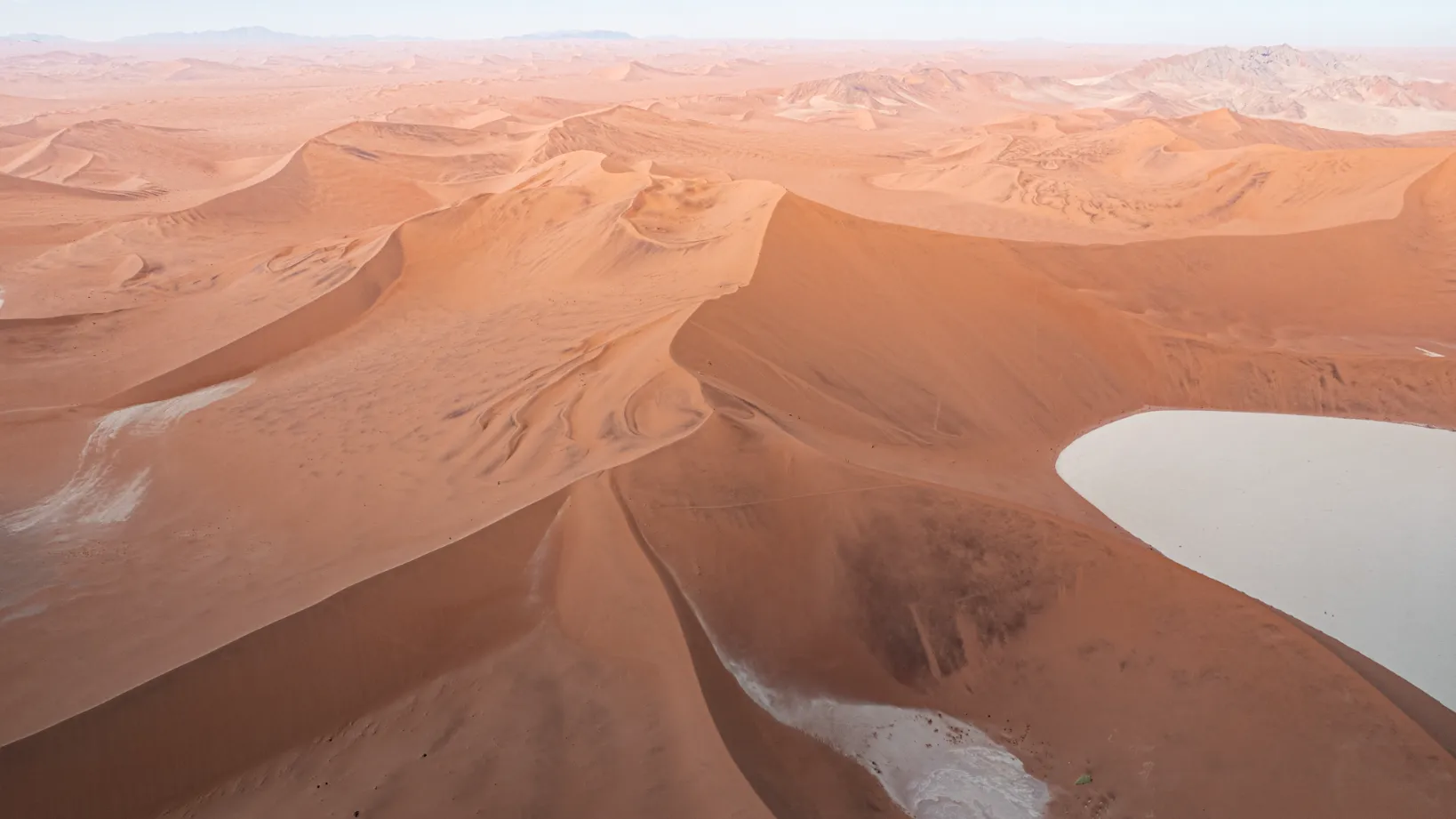
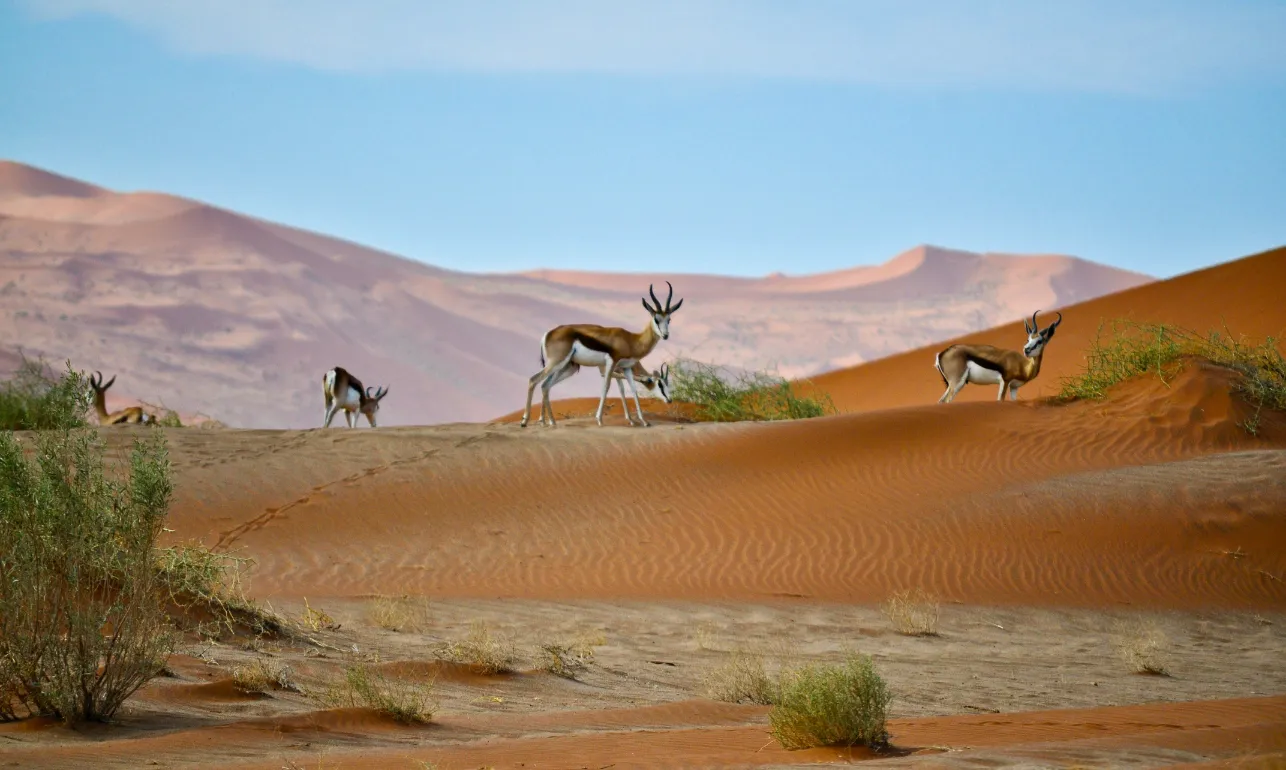
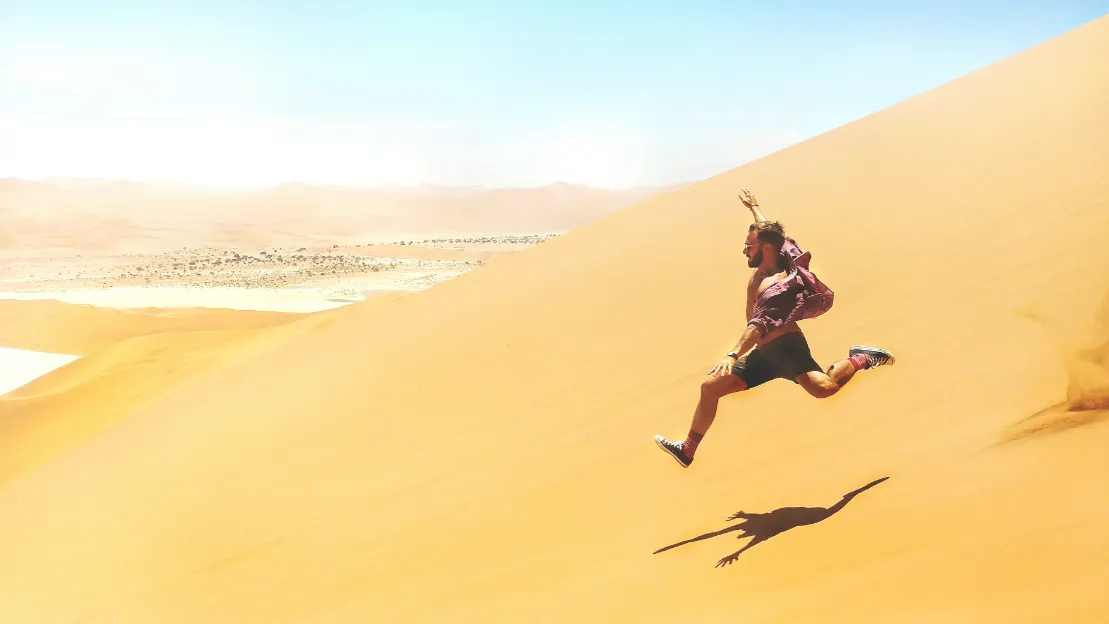
Imagine: you're standing at the base of a dune in Sossusvlei, hundreds of meters high, coloured in deep orange by the rising sun. The wind caresses your face, and the silence is so profound that you hear your own heartbeat. In this moment, you realise how small you are before the grandeur of nature. Namibia will teach you humility; it will make you rethink your place in the world and appreciate the beauty of the untamed.
What it feels like: A sense of awe, lightness, liberation from everyday worries. It seems as if time stops and only this moment exists.
Hidden gem: Climb Dune 45 at sunrise. The view is breathtaking, and being the first to leave footprints on the crest is indescribable.
2. Admiration for life's resilience
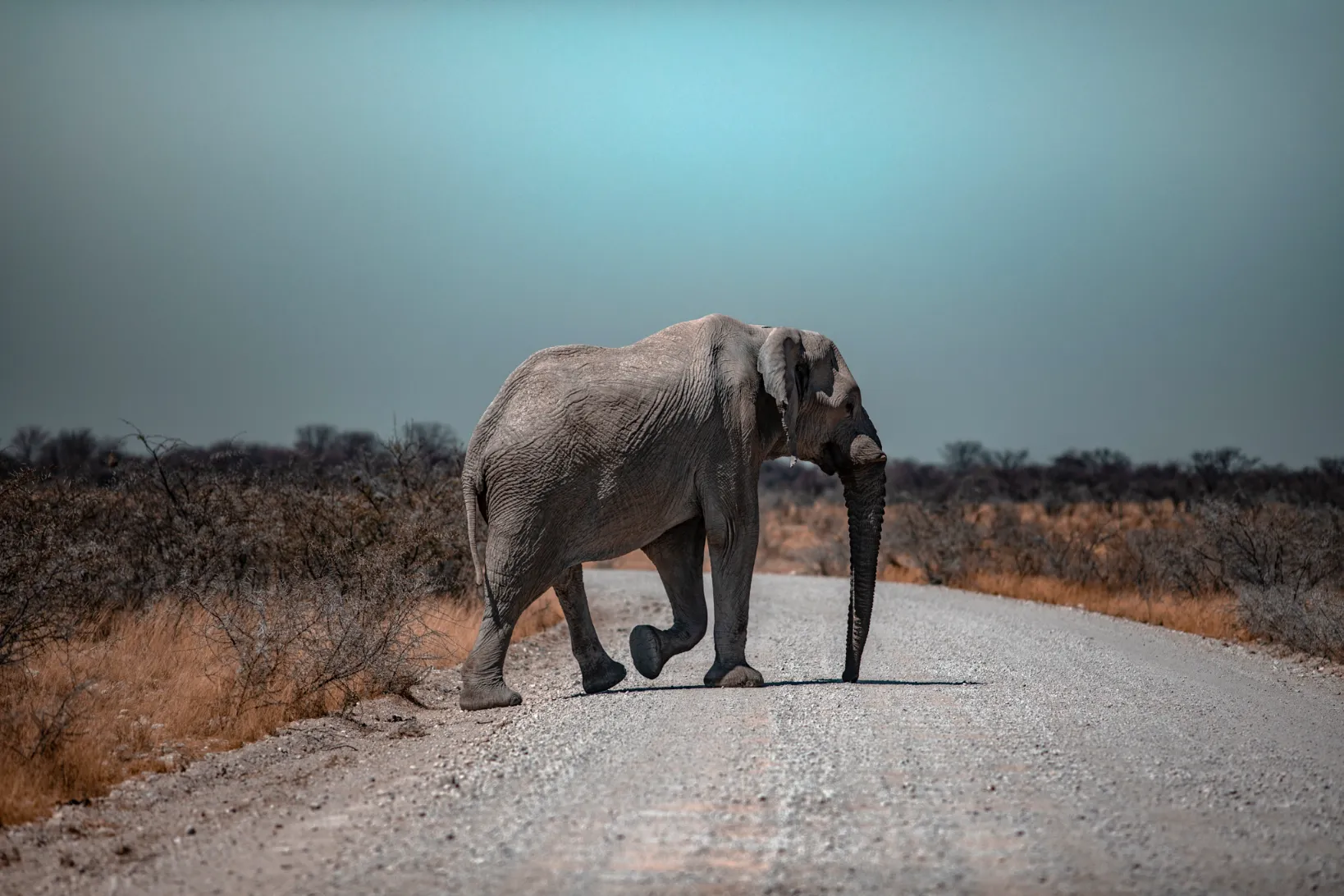
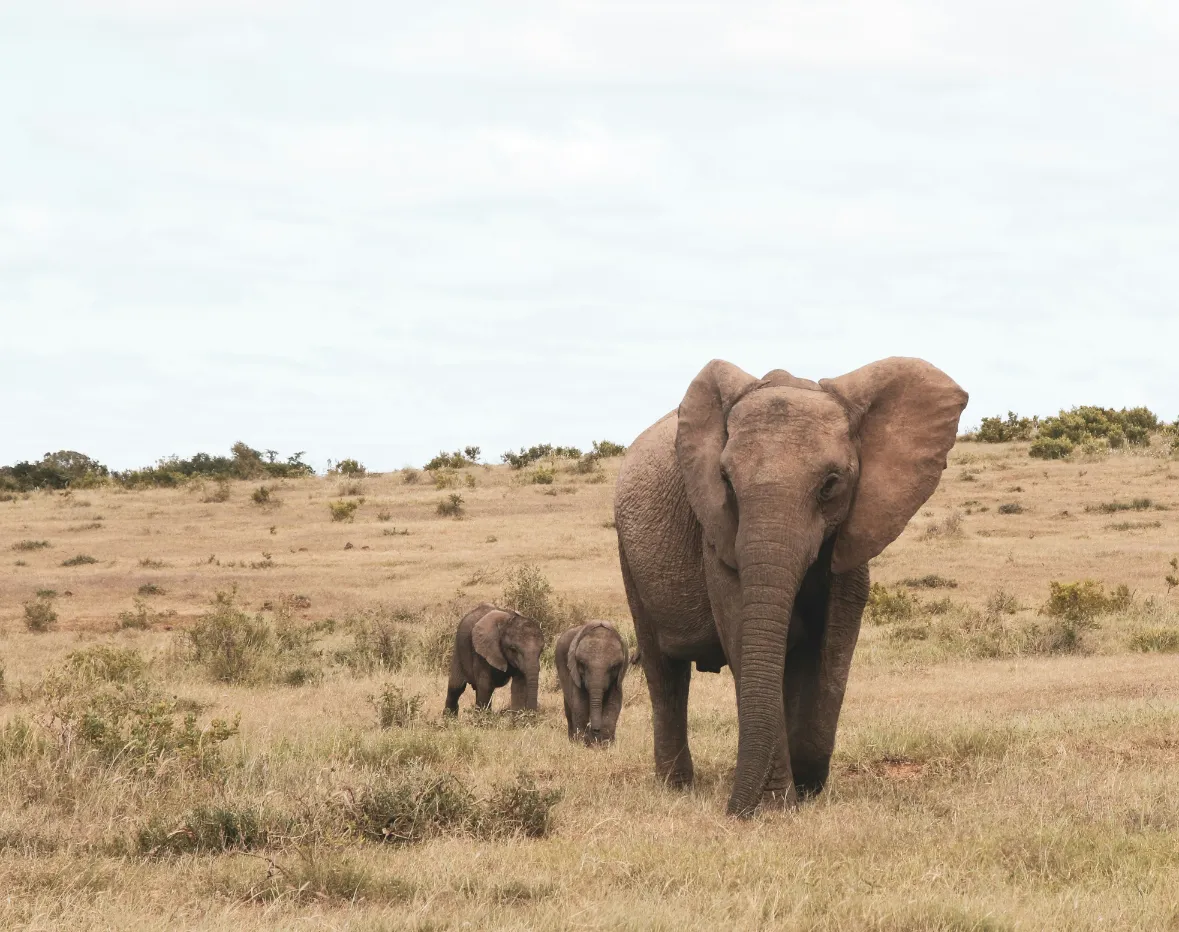
Namibia is a land of extremes. The Namib Desert, one of the oldest in the world, is harsh and unforgiving. Yet, life finds a way to flourish here. You'll see the welwitschia – an ancient plant that can live for thousands of years, drawing moisture from the fog. You'll encounter desert elephants that have adapted to survive in these conditions. This resilience is inspiring and will make you admire the strength of life.
What it feels like: A feeling of hope, admiration, an awareness of the power of adaptation.
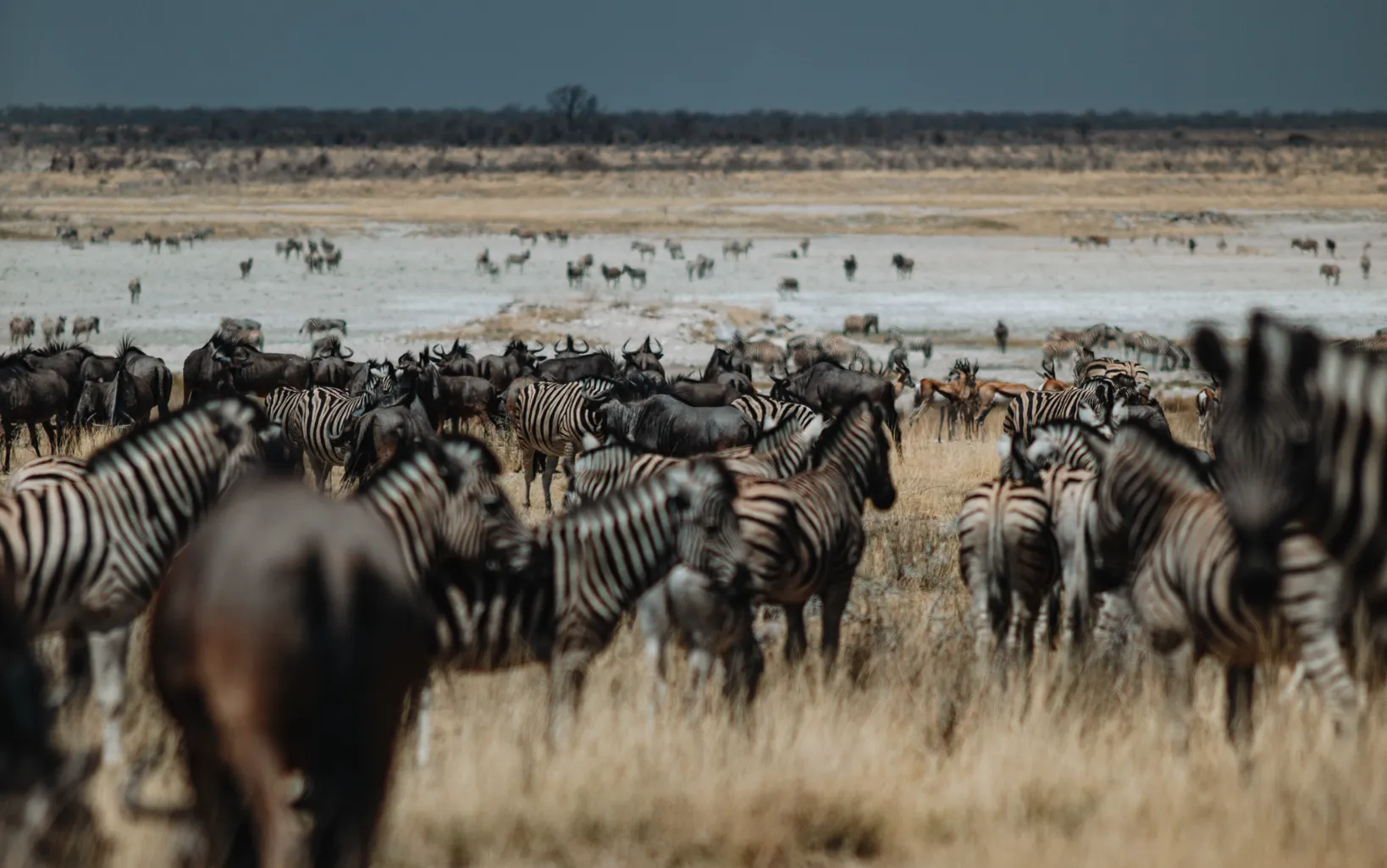
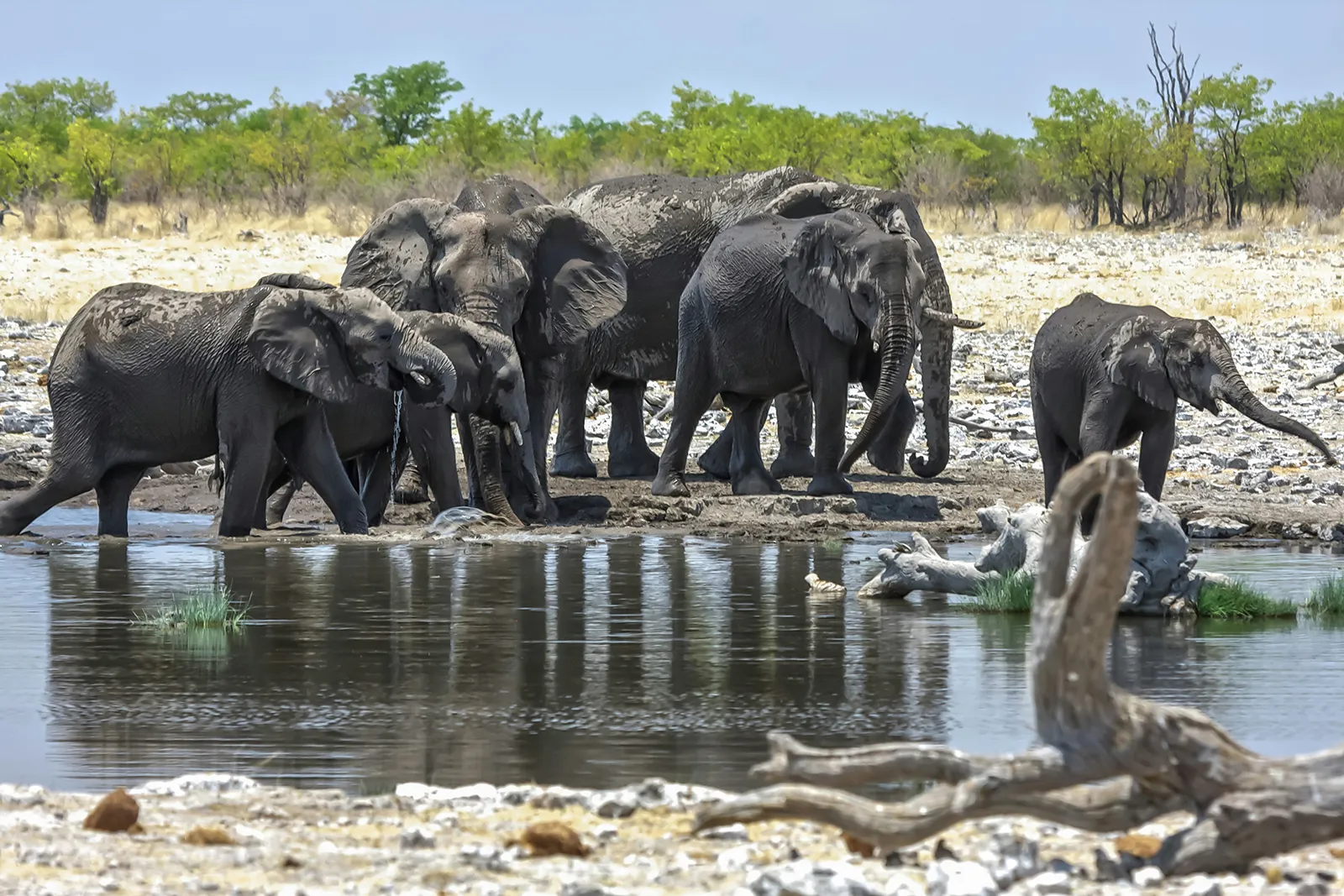
Hidden gem: Visit Etosha National Park during the dry season. Animals gather around the waterholes, and you'll have the opportunity to observe them up close in their natural habitat.
3. Excitement from encounters with wildlife
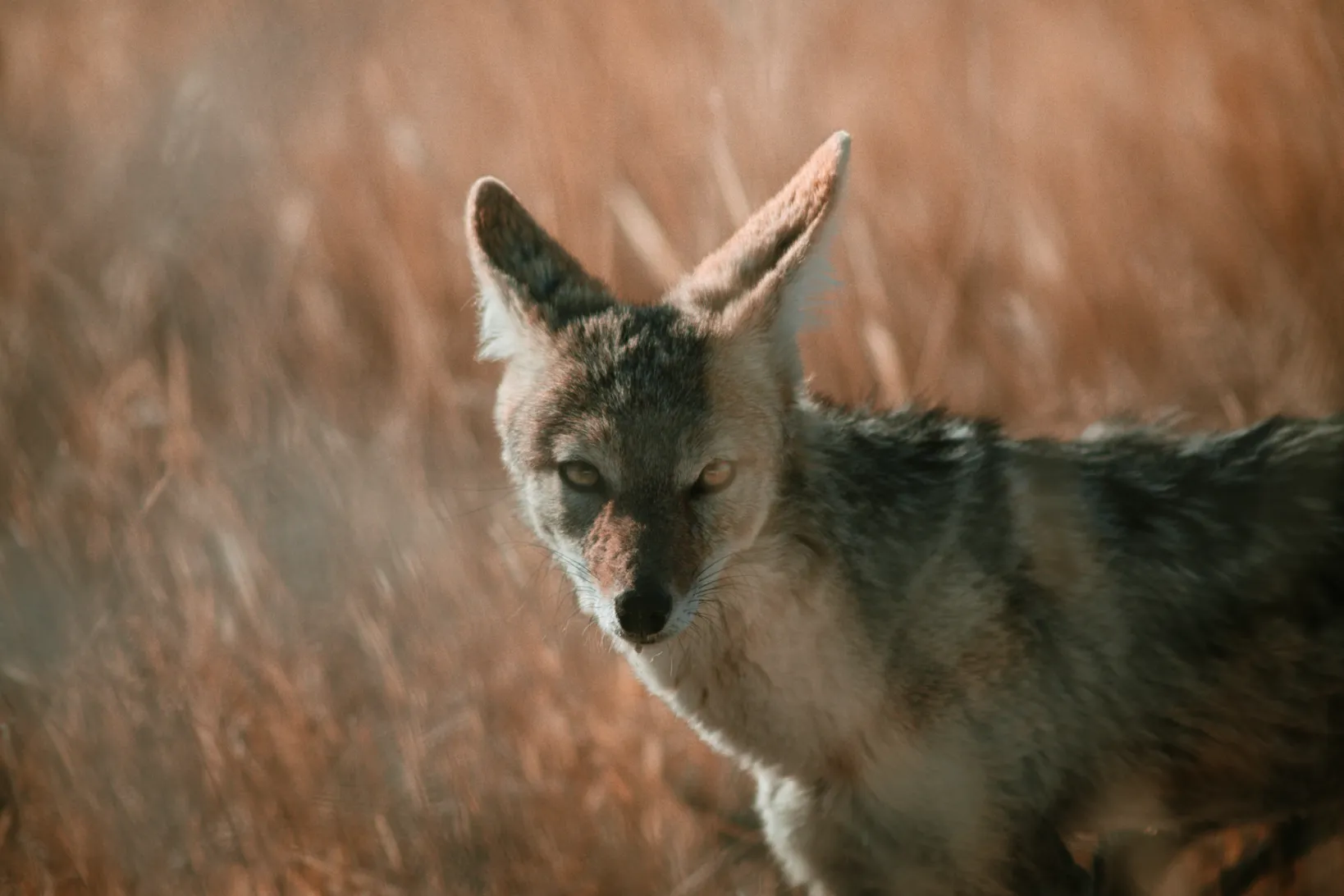
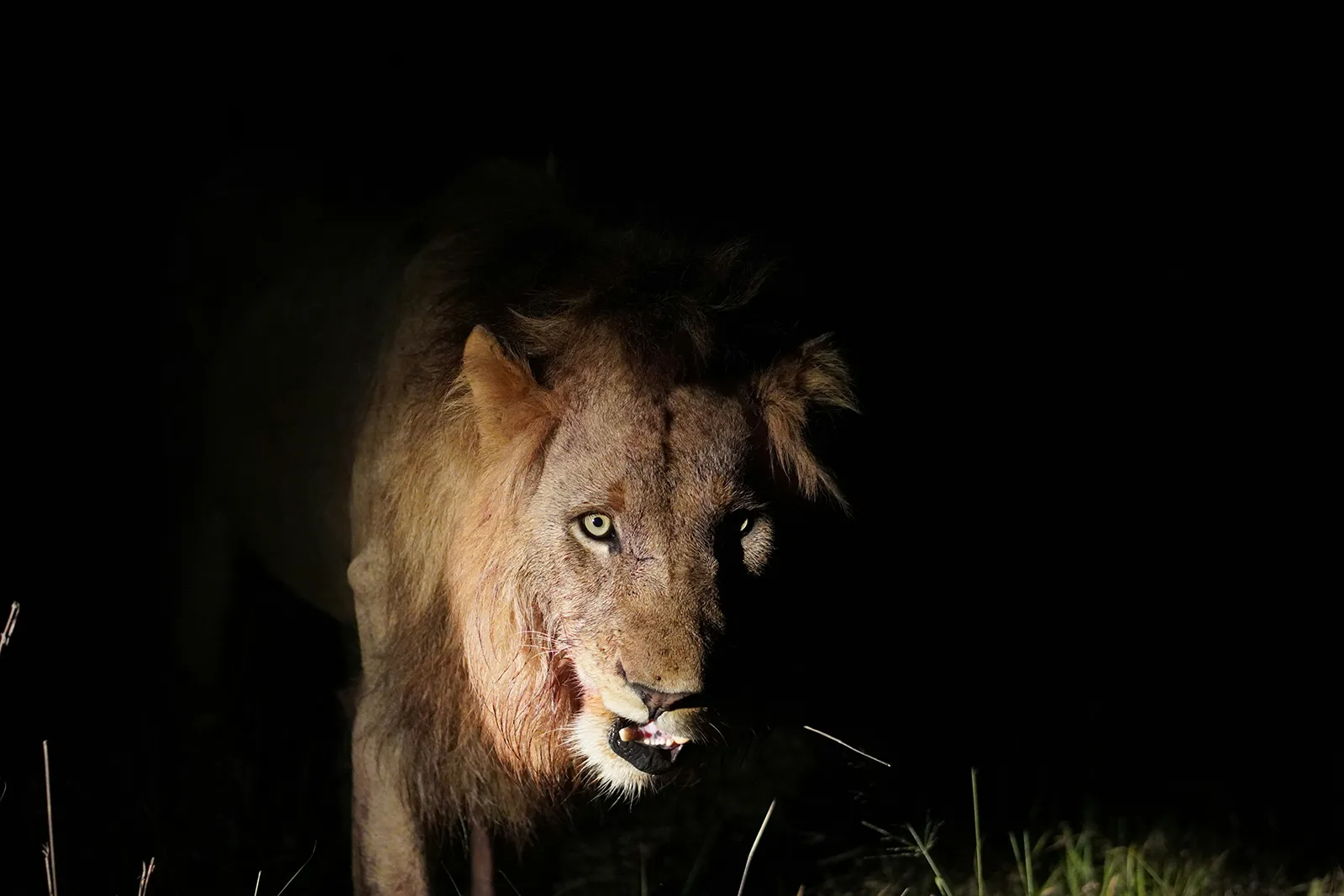
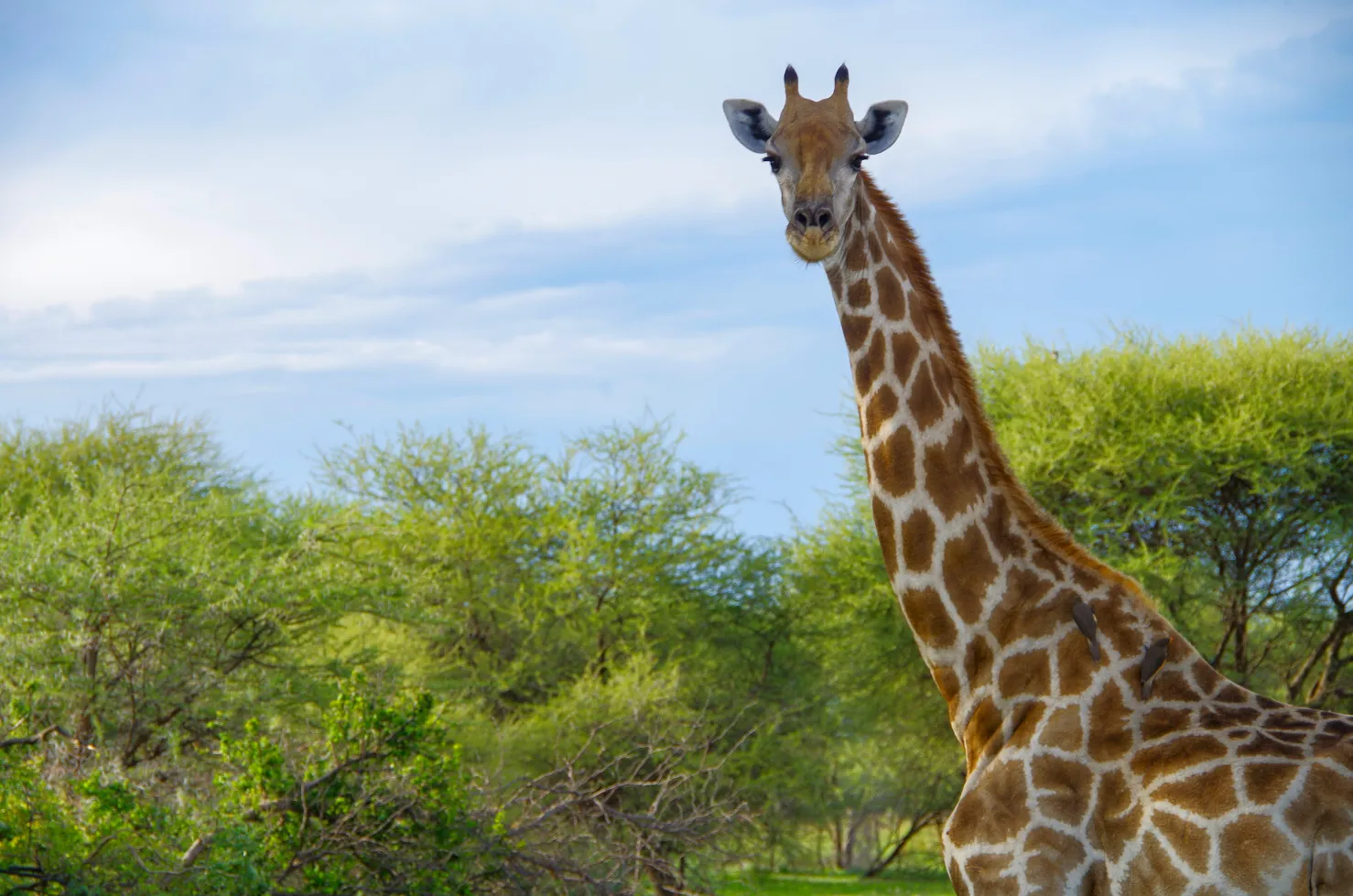
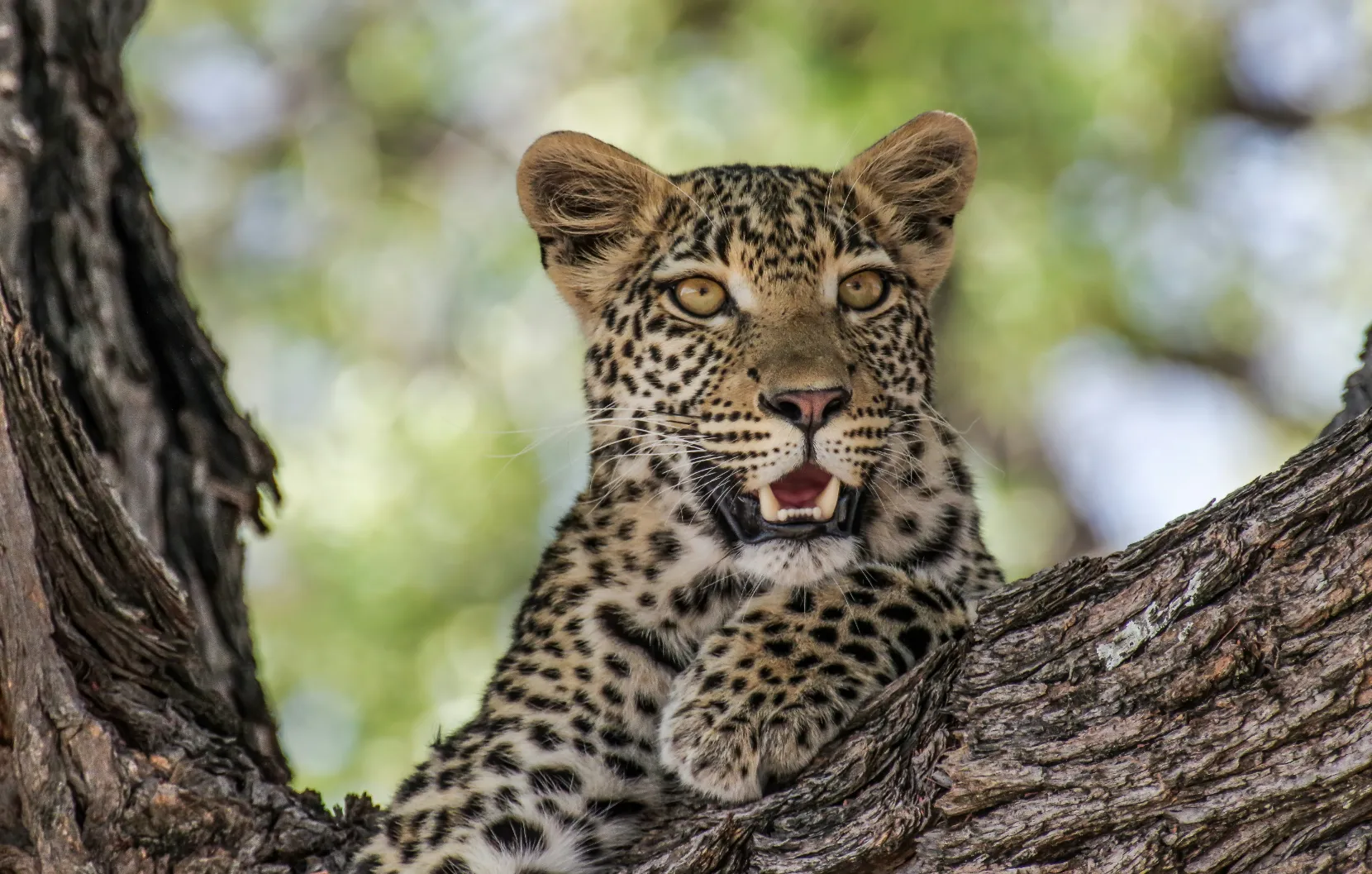
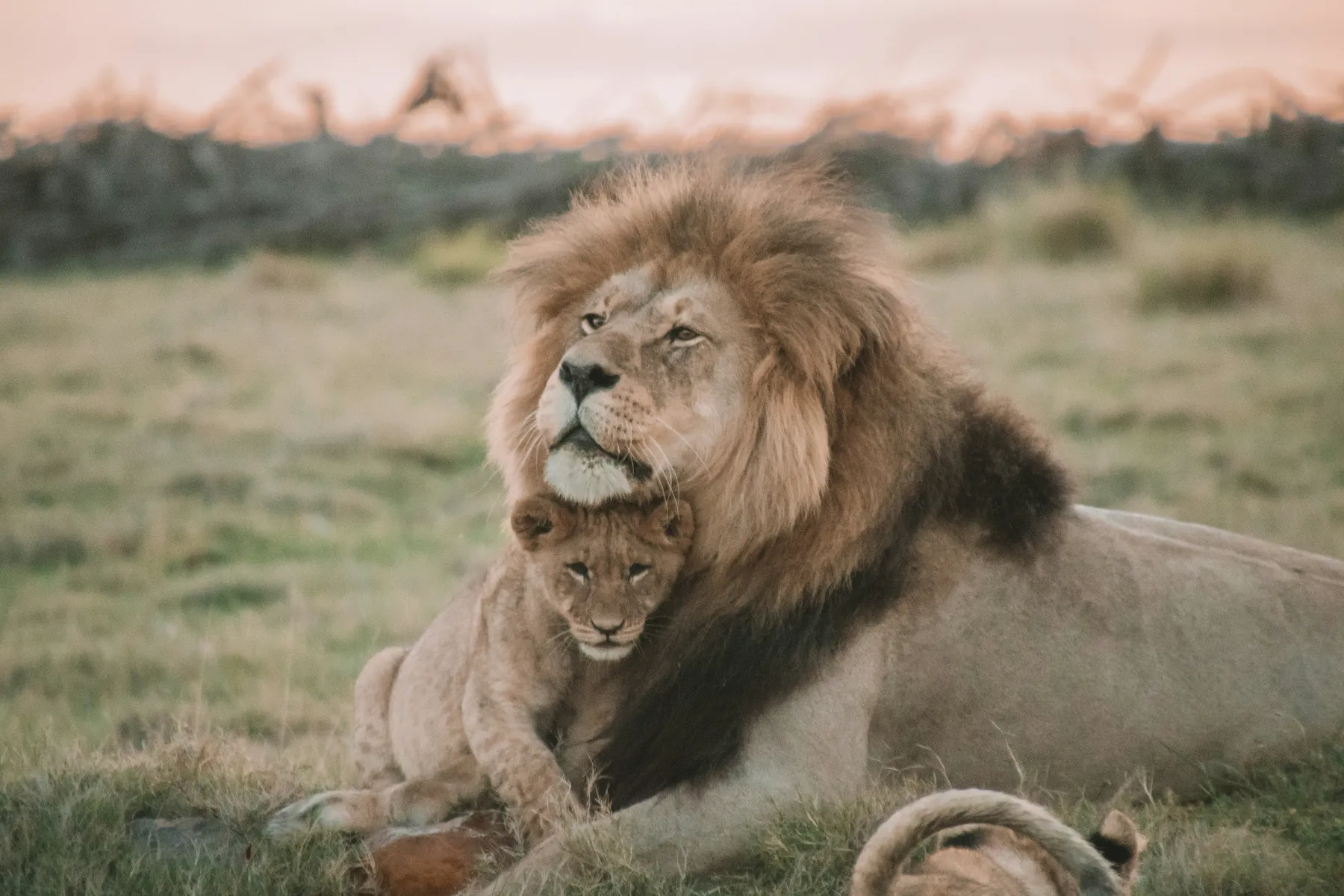
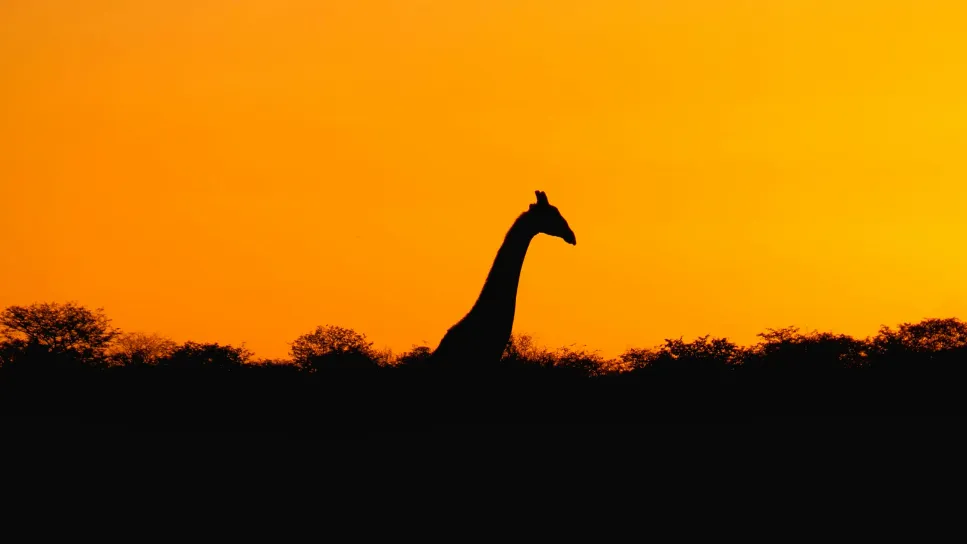
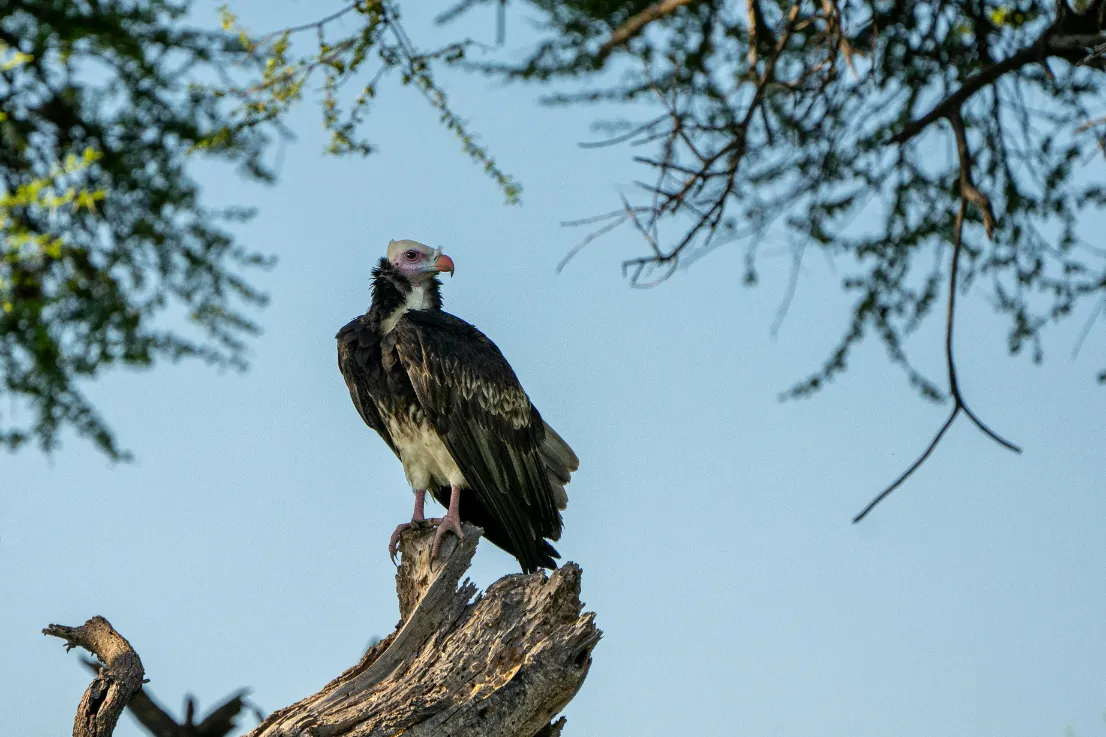
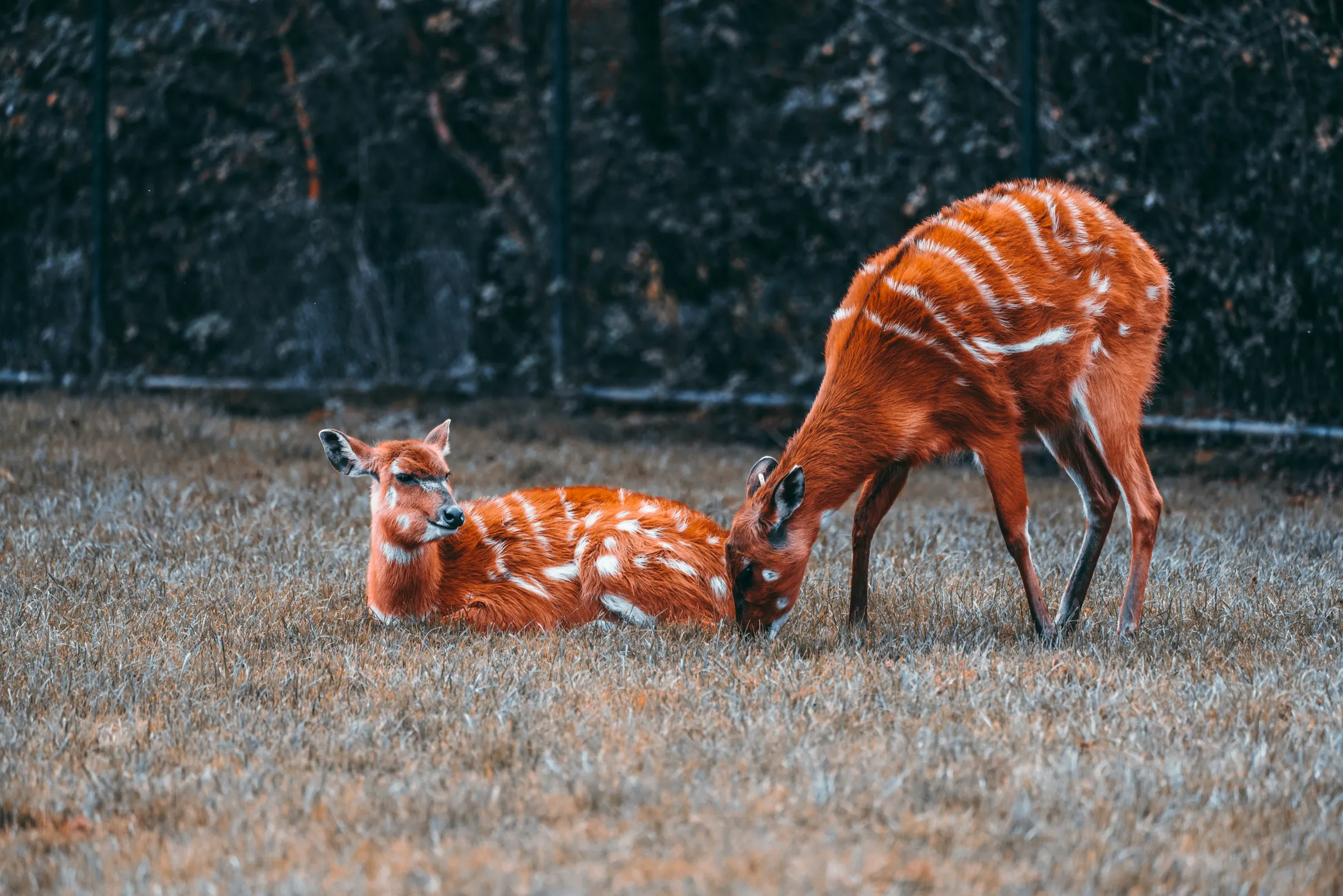
Namibia is paradise for wildlife enthusiasts. Here you can see the "Big Five" (lion, leopard, elephant, rhino, buffalo), along with many other unique species. A safari in Etosha is an unforgettable experience. You'll drive through the savannah, with animals only a few meters away. The thrill of encountering wild creatures in their natural environment is incomparable.
What it feels like: Adrenaline, excitement, joy from watching the animals.
Hidden gem: Go for a night safari in Etosha. You'll see animals that are active at night and feel the desert's magic under a starry sky.
4. Peace among endless horizons
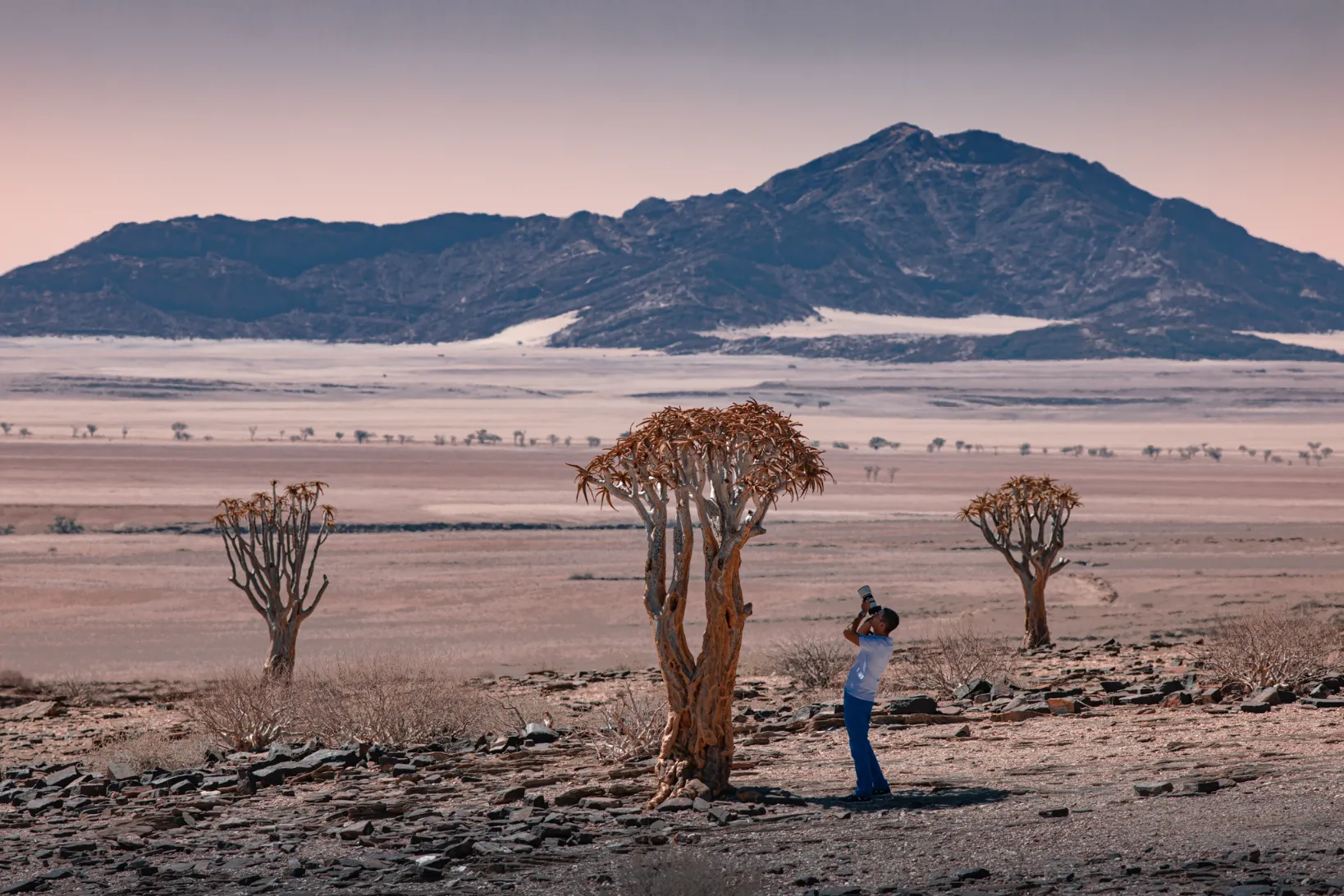
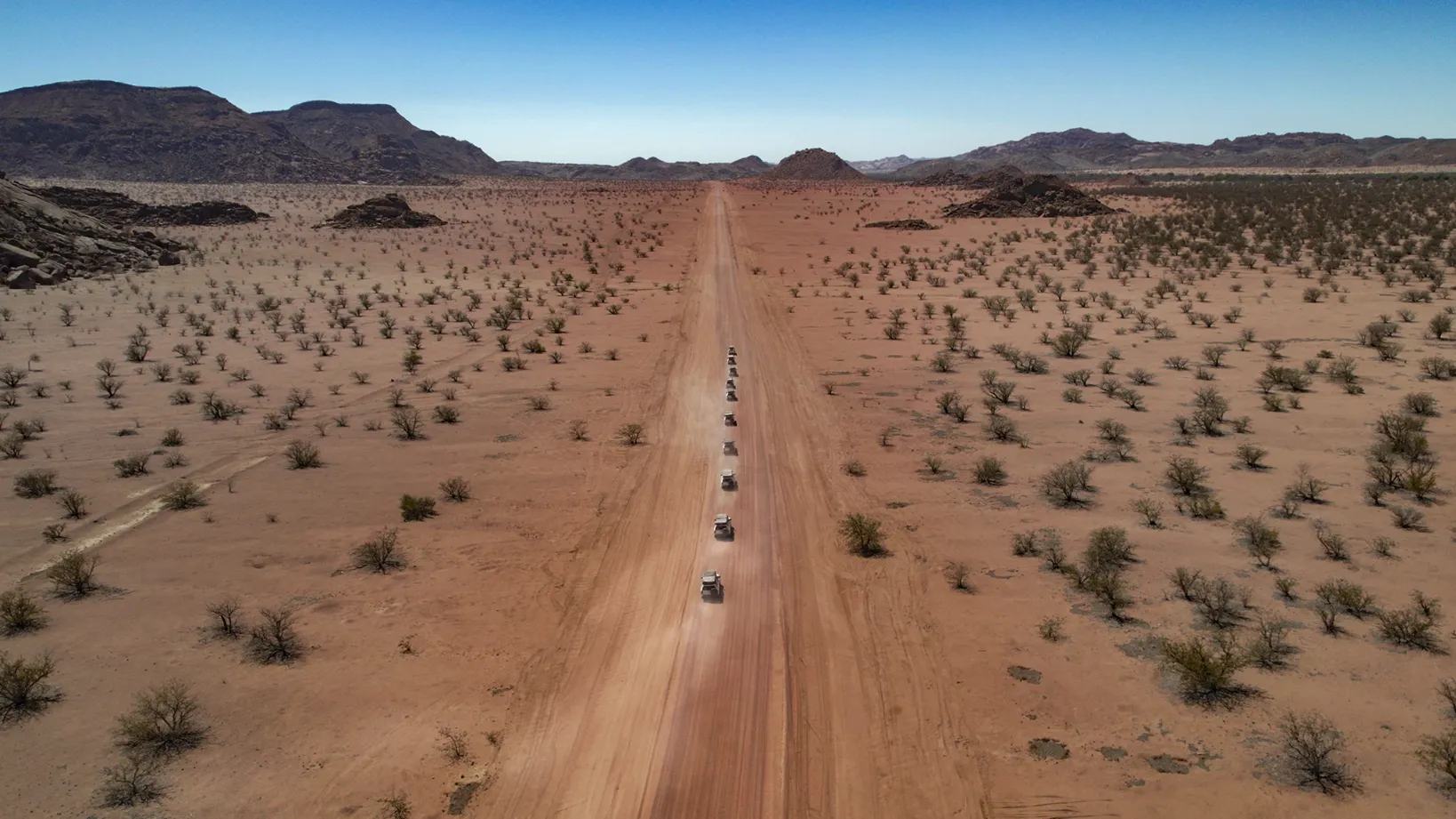
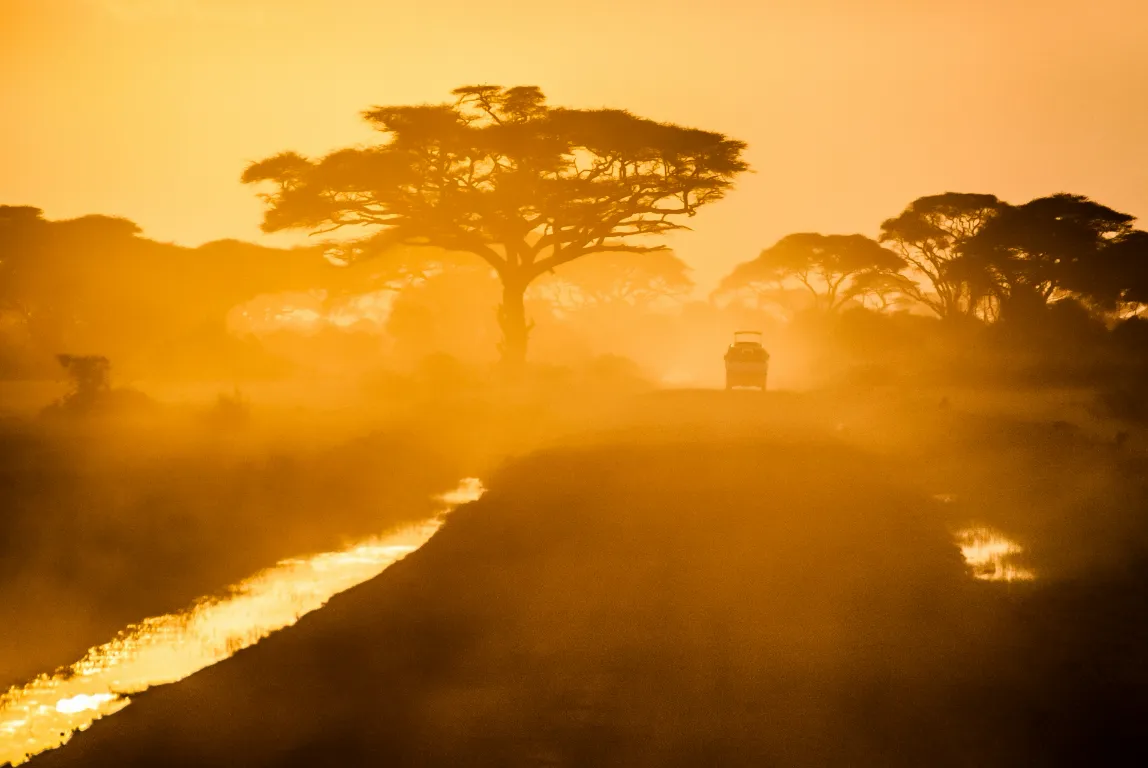
In Namibia, there's no city noise, no crowds, no rush. There are only endless horizons, silence, and tranquillity. You'll spend hours travelling through the desert, watching as the landscape changes before your eyes. This isolation and peace allows you to disconnect from daily life, connect with yourself, and find inner peace.
What it feels like: Serenity, peace, stress relief.
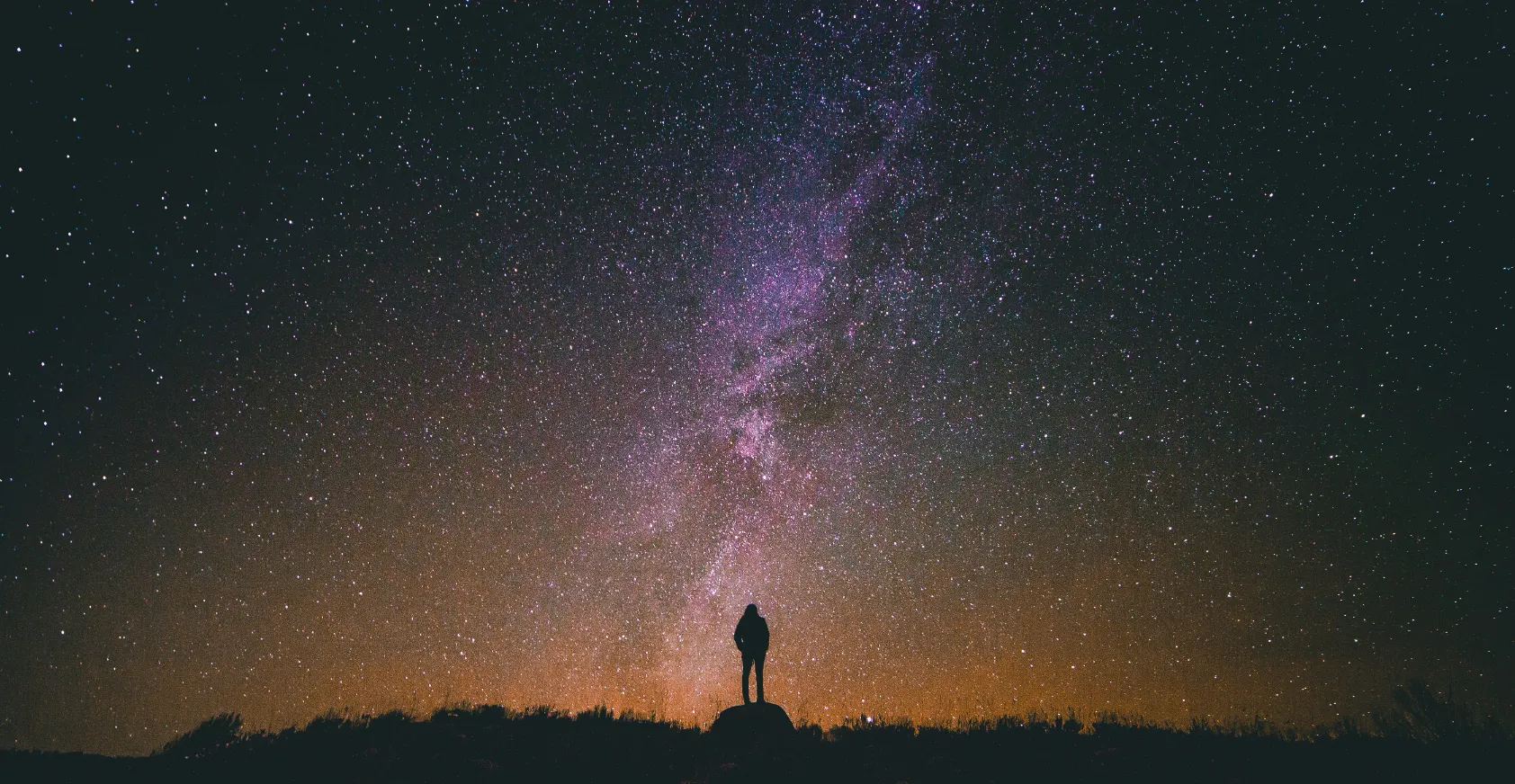
Hidden gem: Spend a night at a lodge in the desert. You'll sleep under millions of stars, and silence will be your only companion.
5. Inspiration from culture and history
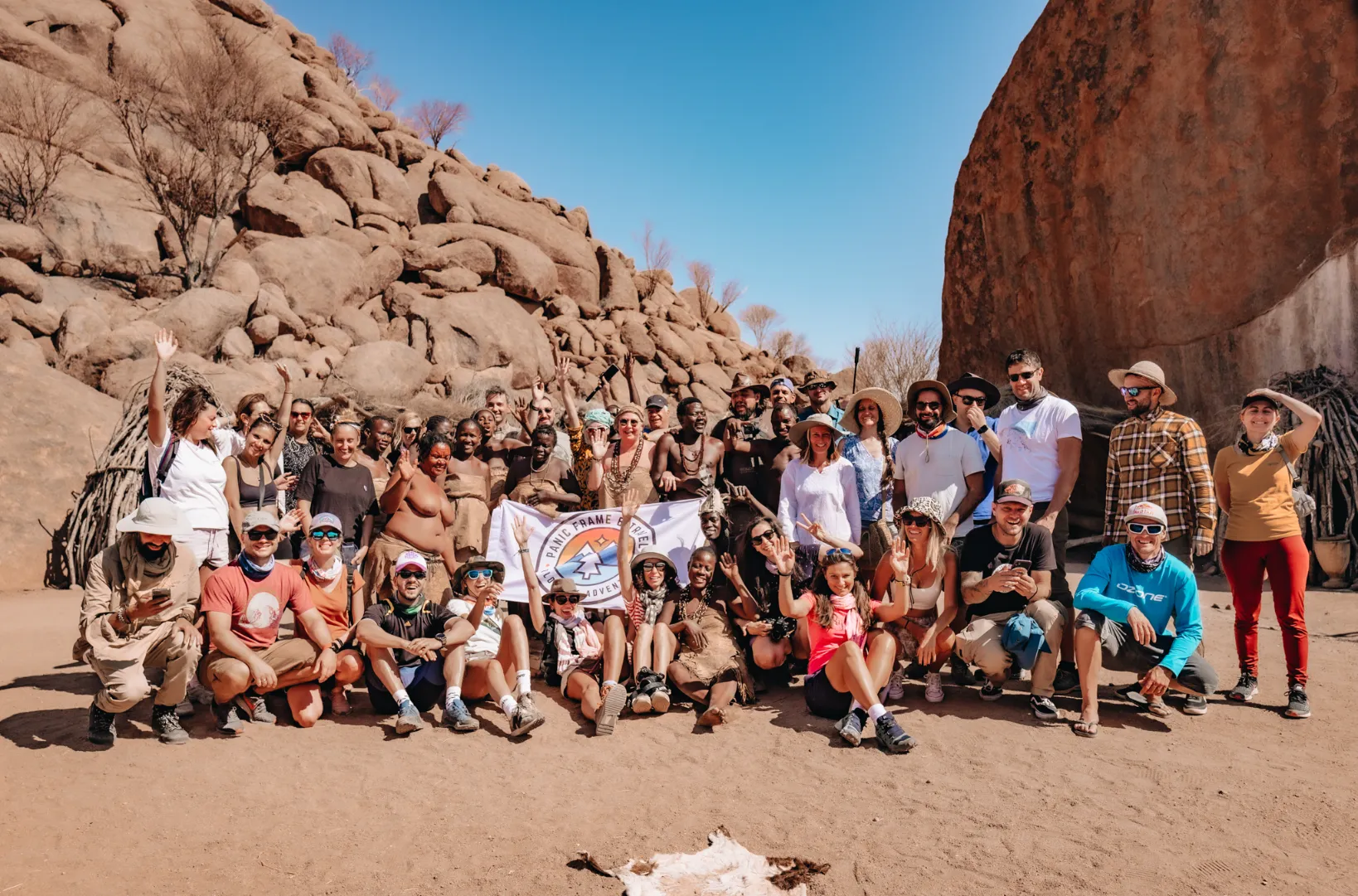
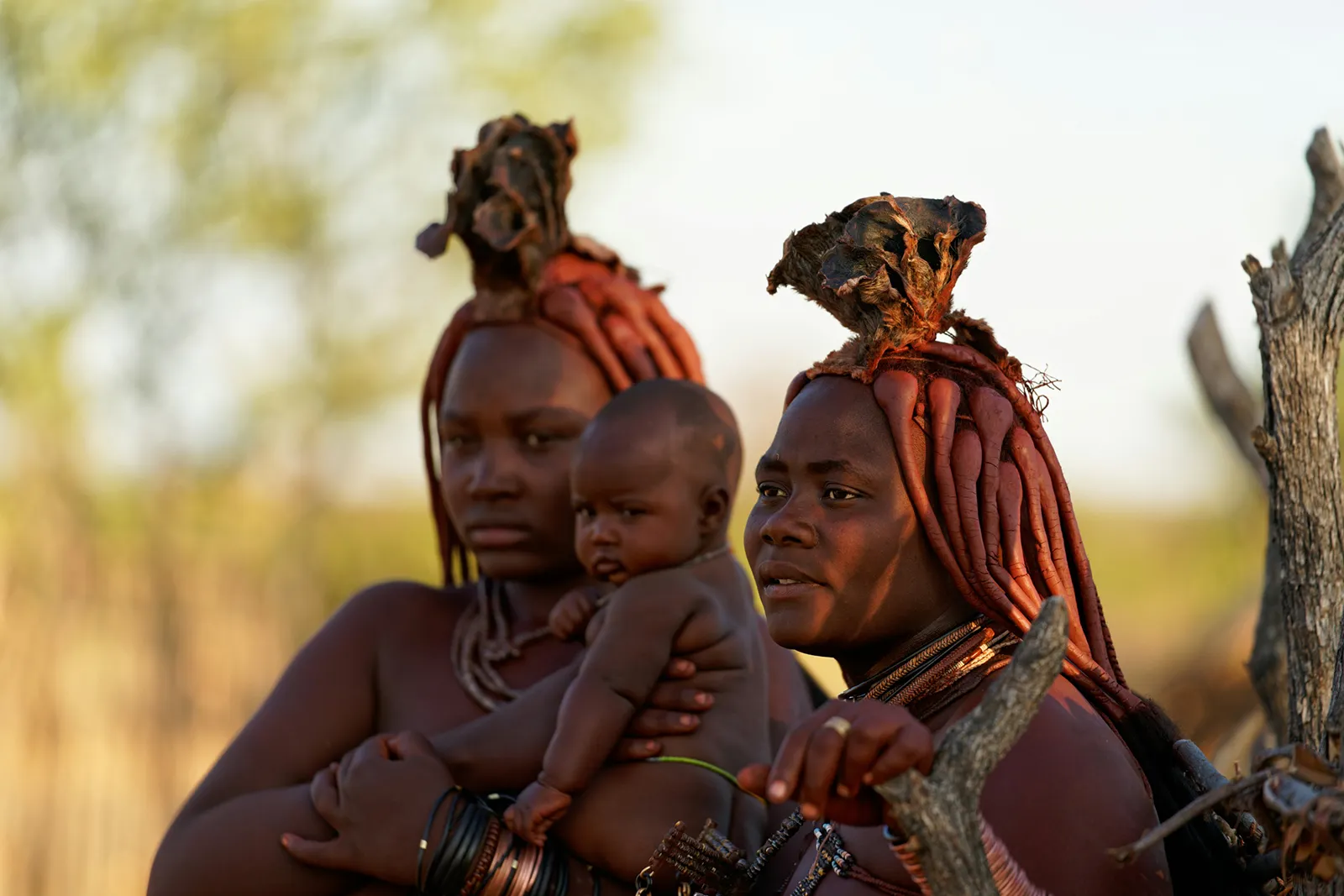
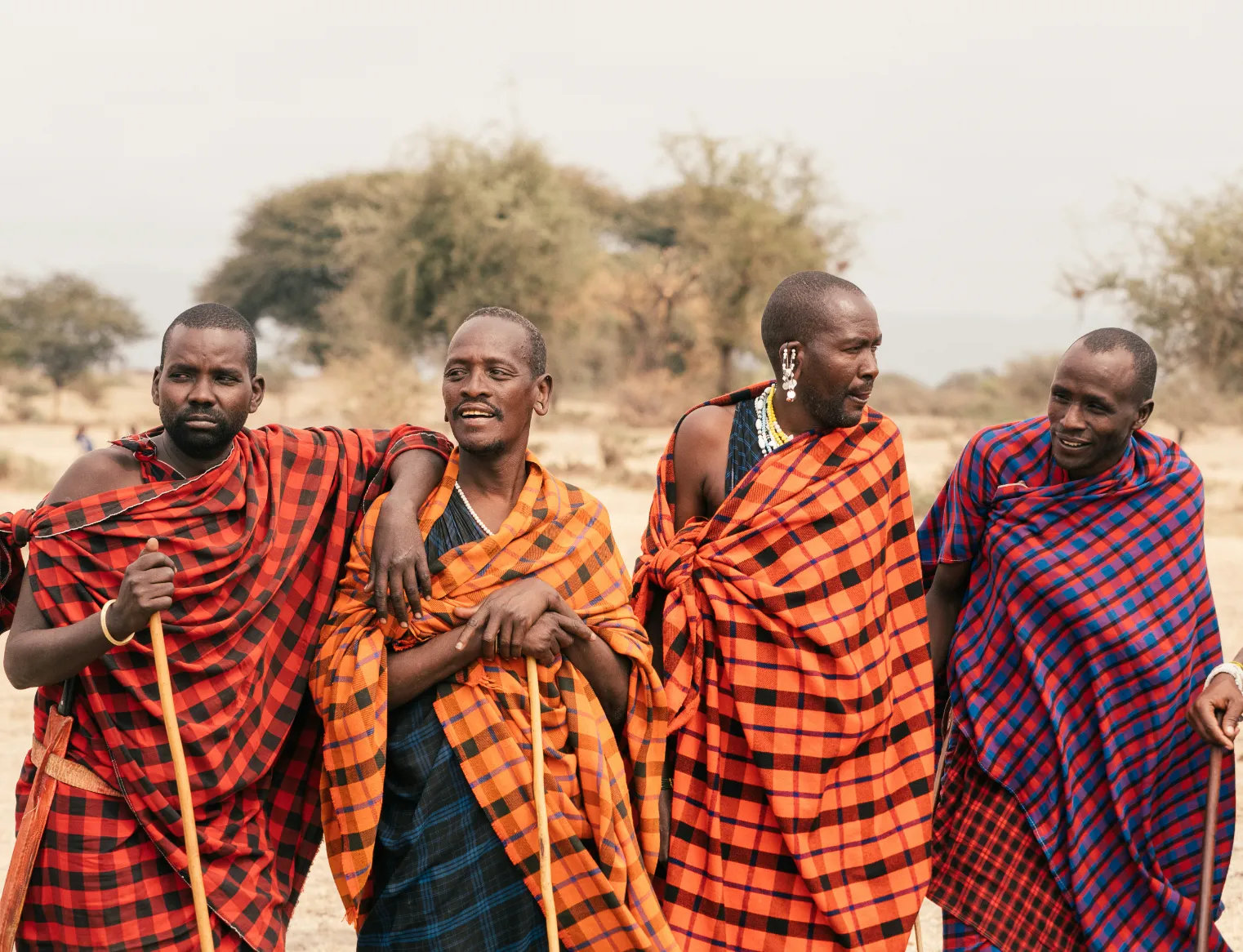
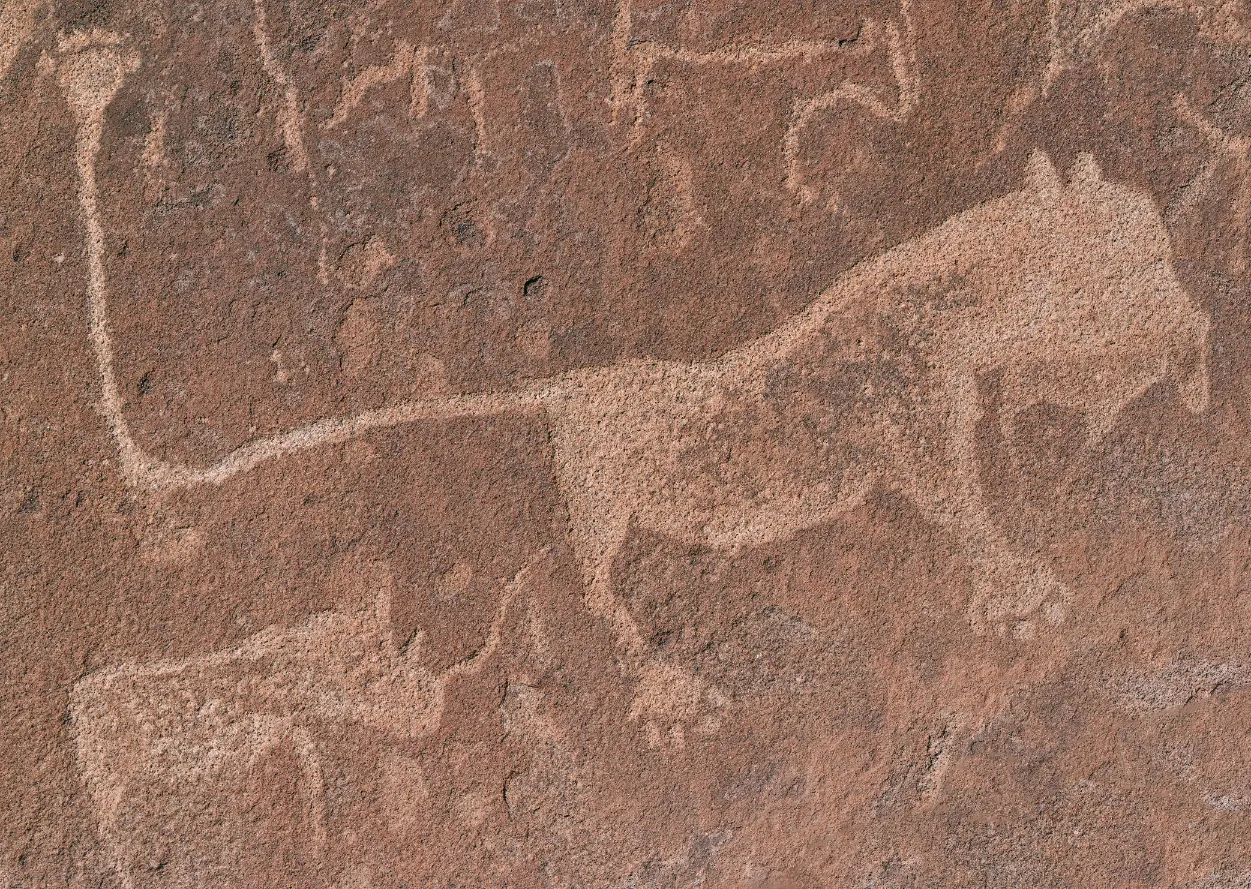
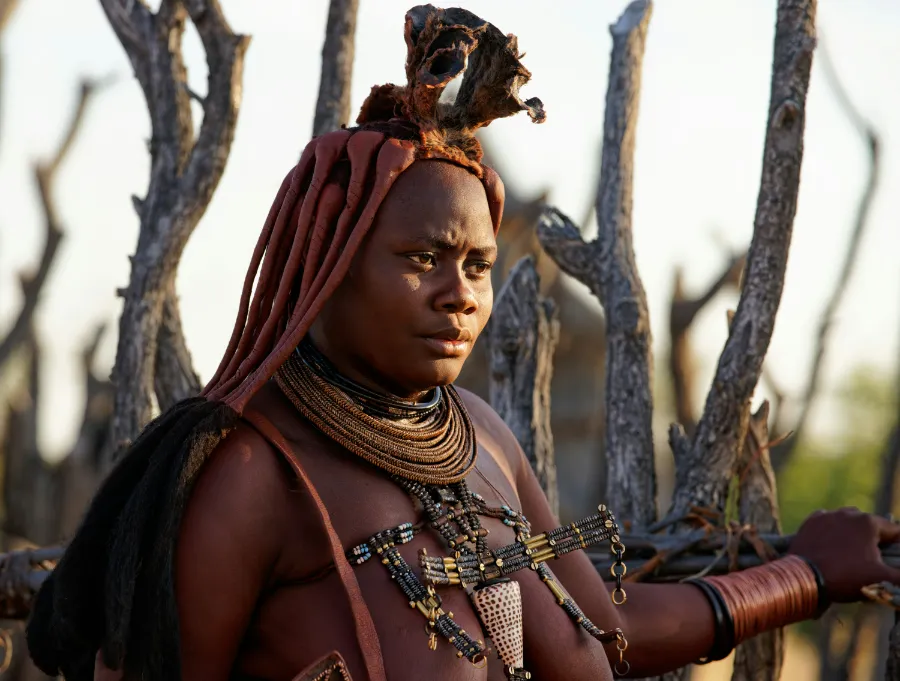
Namibia has a rich and complex history. You'll meet various tribes, each with its unique traditions and way of life. You'll visit places that tell stories of colonial past and the struggle for independence. This encounter with culture and history will inspire you and expand your horizons.
What it feels like: Curiosity, respect, awareness of the world's diversity.
Hidden gem: Visit the town of Swakopmund – a charming coastal city with German colonial architecture. Here you can enjoy seafood and stroll along the promenade.
Practical tips for your journey in Namibia
Best time to visit: The dry season (May to October) is best for wildlife viewing, as animals gather around the waterholes. Temperatures are lower and more pleasant.
How to get there: The most convenient way is to fly to the international airport in Windhoek.
What to bring: Lightweight clothes for the day, warm clothes for the evening (temperatures in the desert can drop significantly), comfortable walking shoes, a hat, sunglasses, sunscreen, insect repellent, a camera with extra batteries.
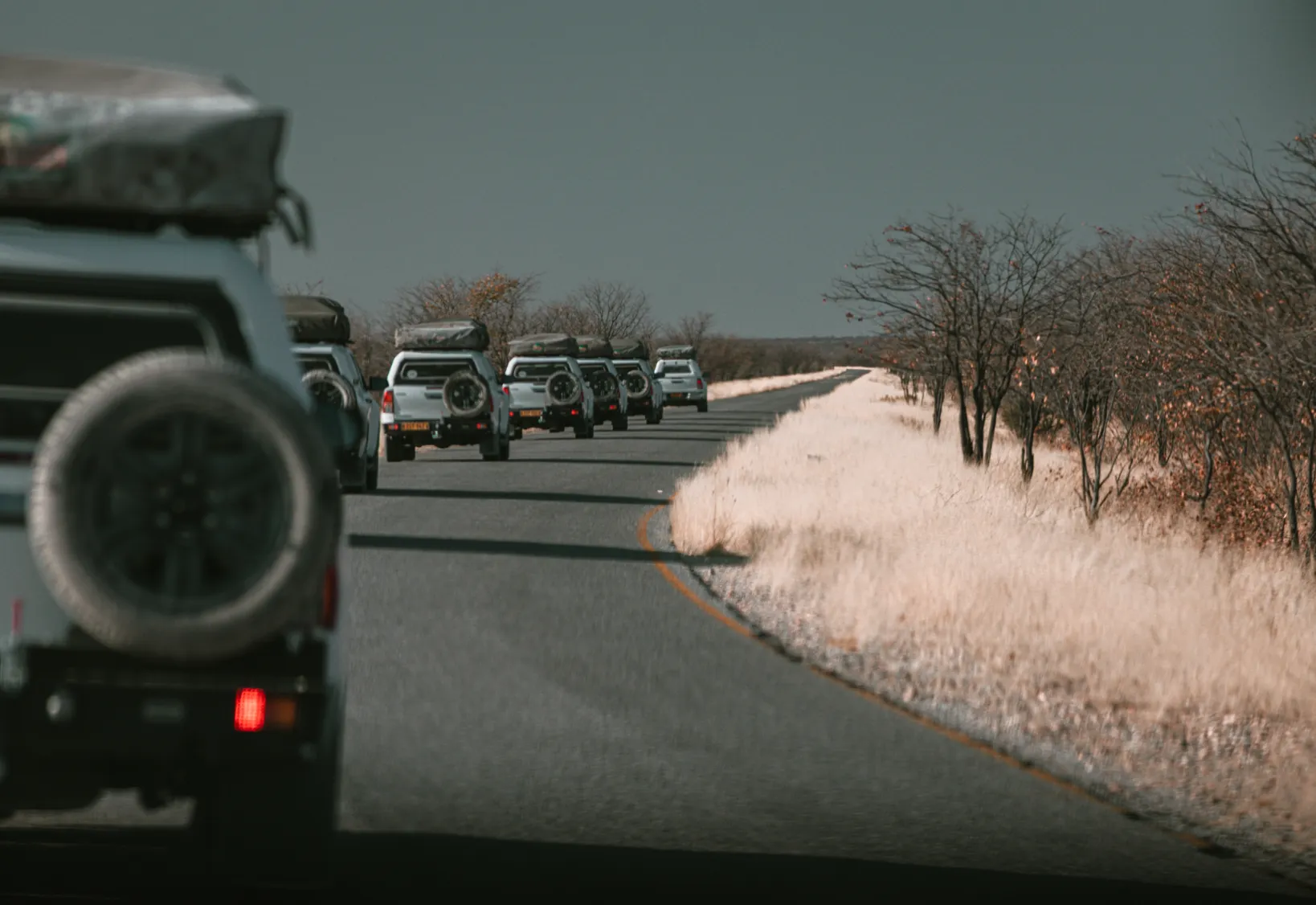
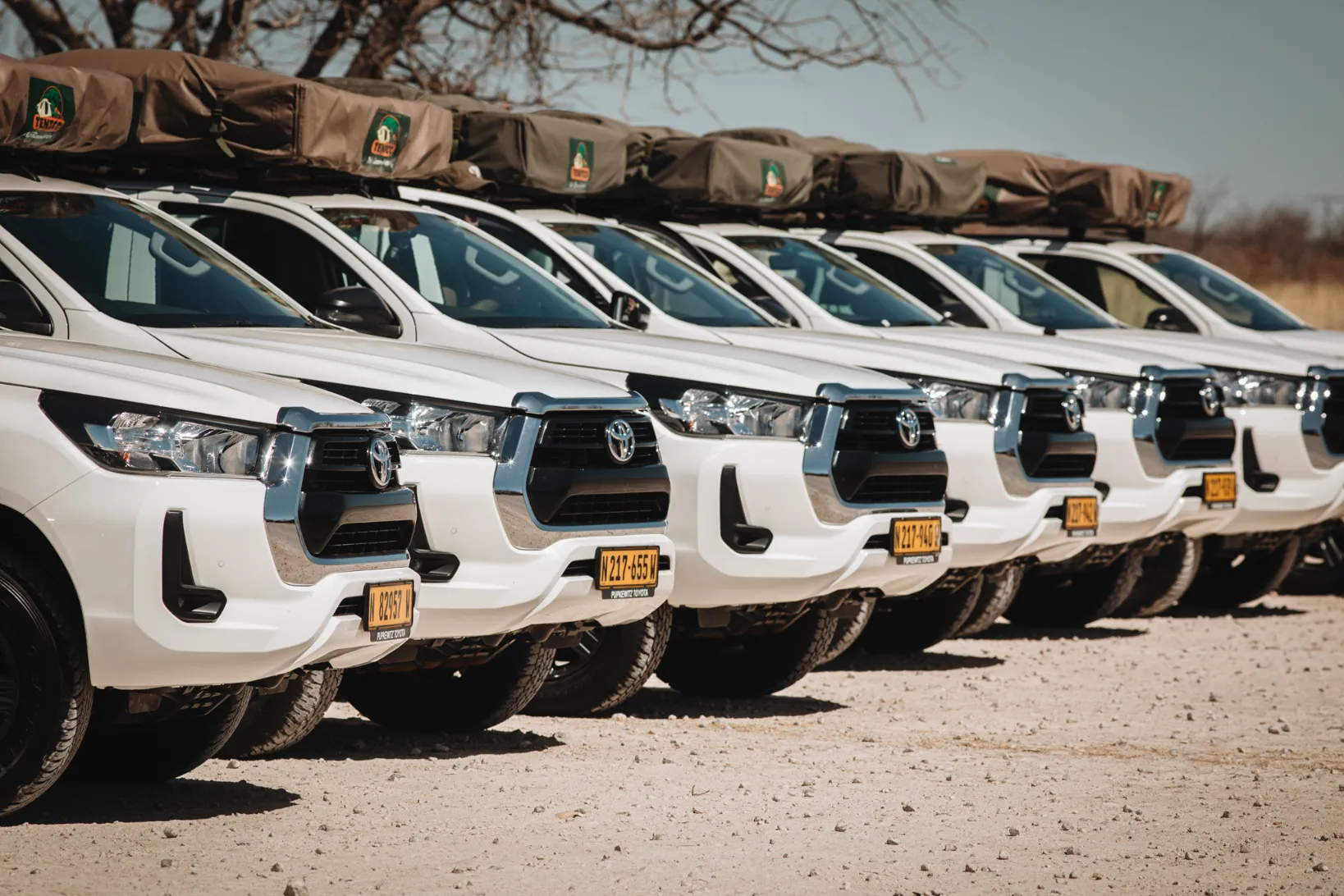
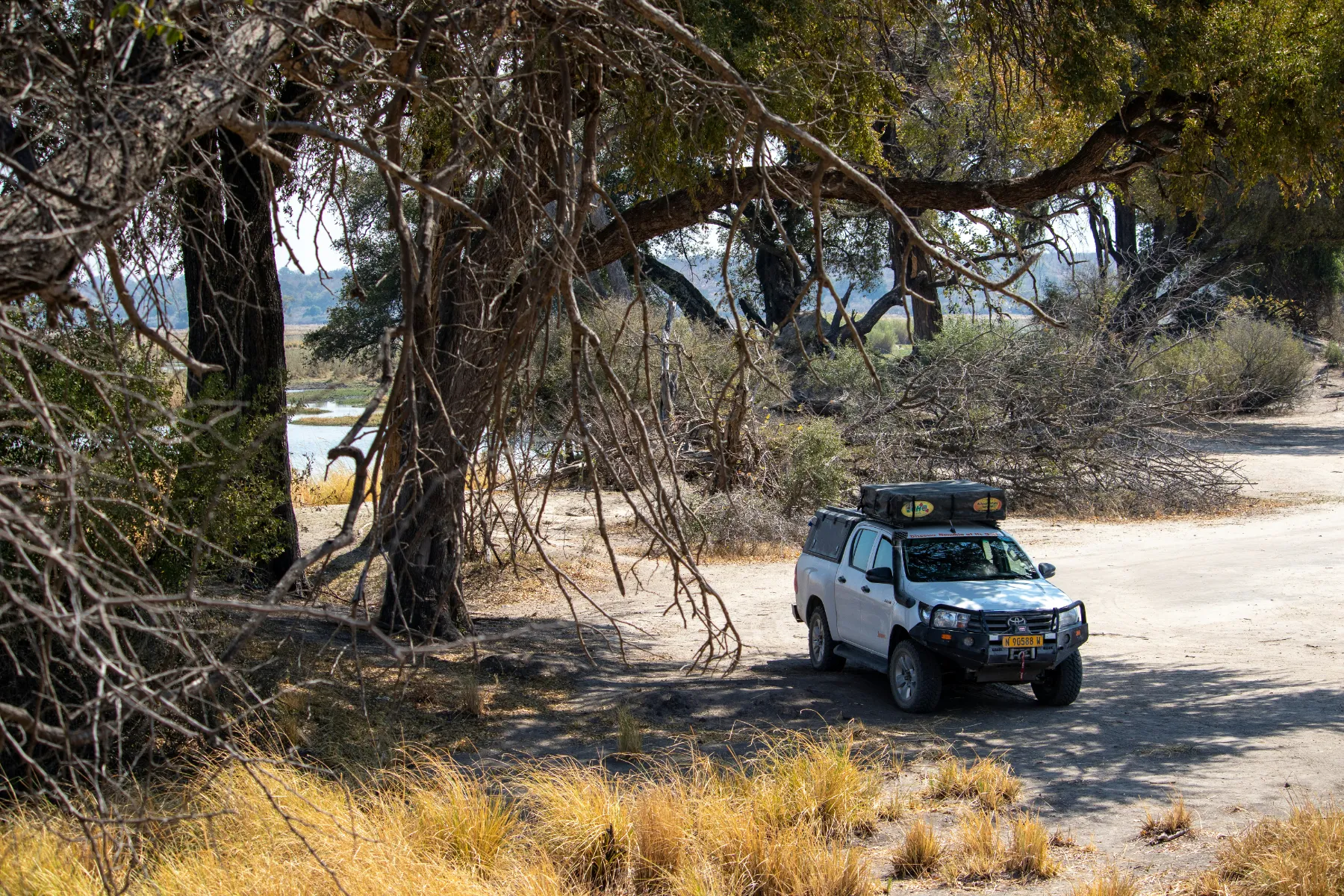
Transport: The best way to get around Namibia is by rented vehicle (preferably a 4x4) or as part of an organised tour. Roads outside main cities are often unpaved.
Water: Always carry enough water with you, especially when travelling through the desert.
Health: Consult a doctor regarding necessary vaccinations and malaria precautions.
Frequently Asked Questions
Is it safe to travel in Namibia?
Yes, Namibia is relatively safe for tourists. However, like anywhere, it's good to follow basic safety measures, especially in cities.
What is the currency?
Namibian Dollar (NAD). The South African Rand (ZAR) is also widely accepted.
Is a visa necessary?
A visa is required for Bulgarian citizens. It's advisable to check the current information at the Namibian embassy or online.
Can I travel alone?
Yes, it's possible to travel alone, especially if you rent a car. However, for a better experience and security, especially in remote areas, a guided tour is recommended.
Is there internet and mobile connectivity?
In cities and tourist areas there is internet and mobile connectivity, but in the desert and remote areas, coverage may be limited or unavailable.
Feel Namibia with us
Namibia is a place that must be experienced, not just seen. It will challenge you, inspire you, and change you. If you're ready for an unforgettable adventure, meeting wild nature, endless horizons, and deep emotions, then Namibia awaits you.
Come and discover these five emotions with us! We at Panic Frame & Travel are here to help you plan your dream journey to Namibia. We'll take care of every detail so you can fully immerse yourself in the magic of this incredible country. Get in touch with us and let's create lifelong memories together!
More about Eastern Namibia
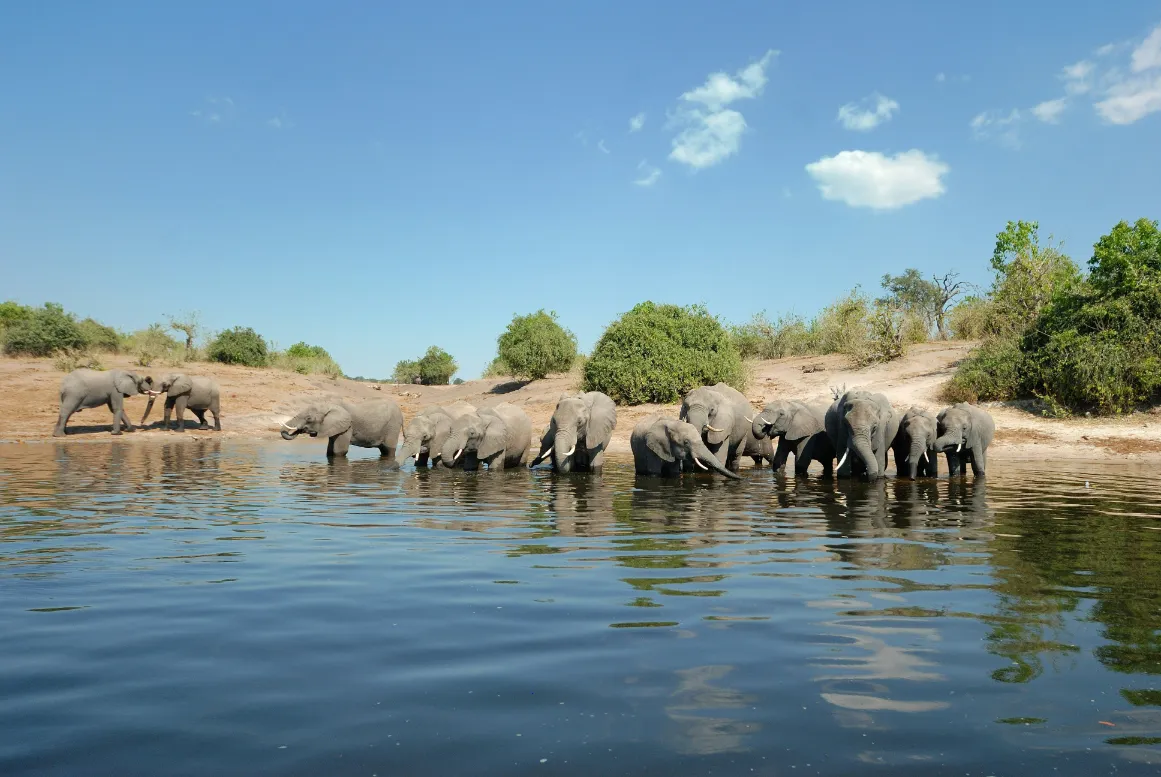
Eastern Namibia - a new vision of Africa | Herds of elephants at the Okavango River
Explore
Author: Martin Bonov