Bwabwata – where wild elephants roam free
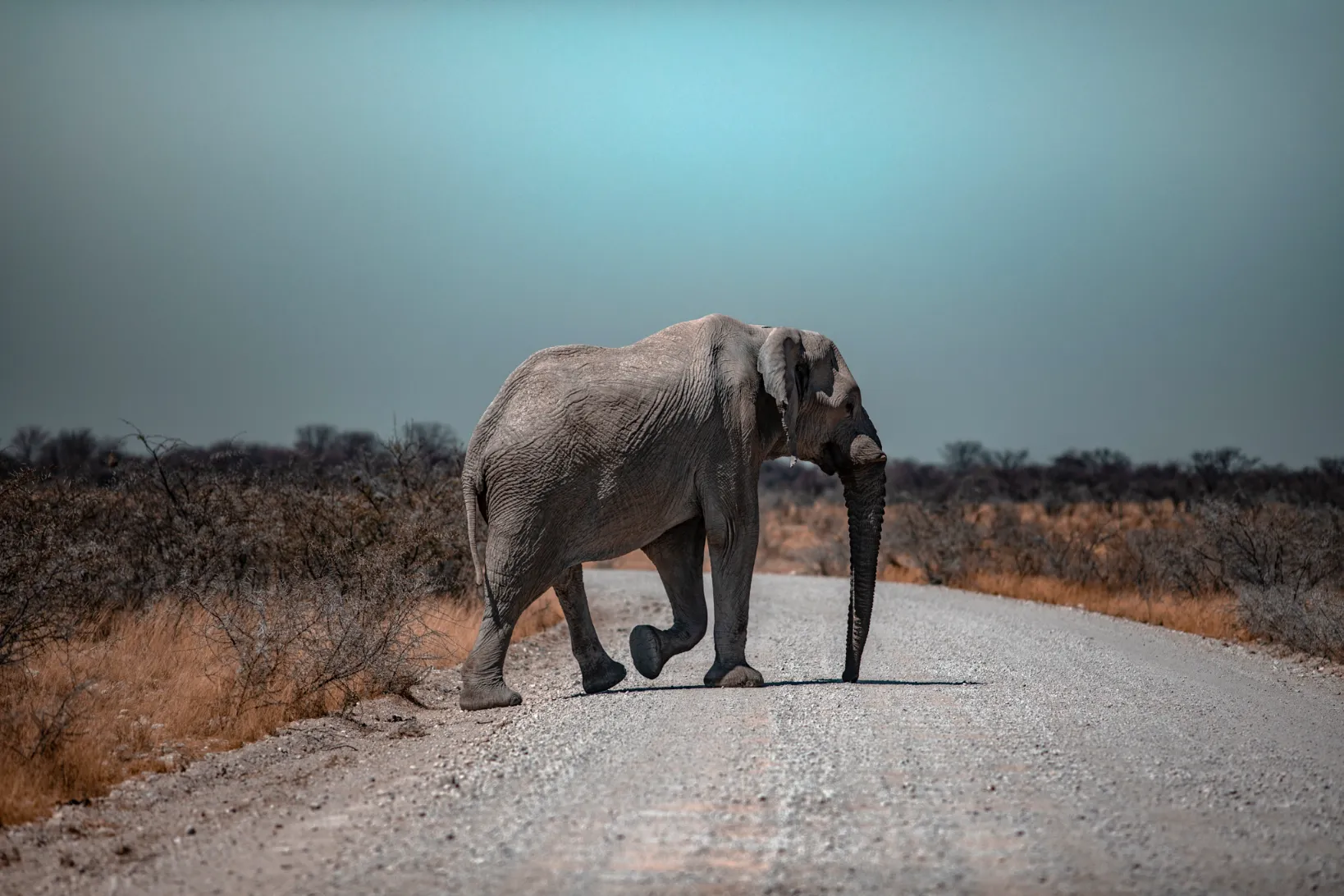
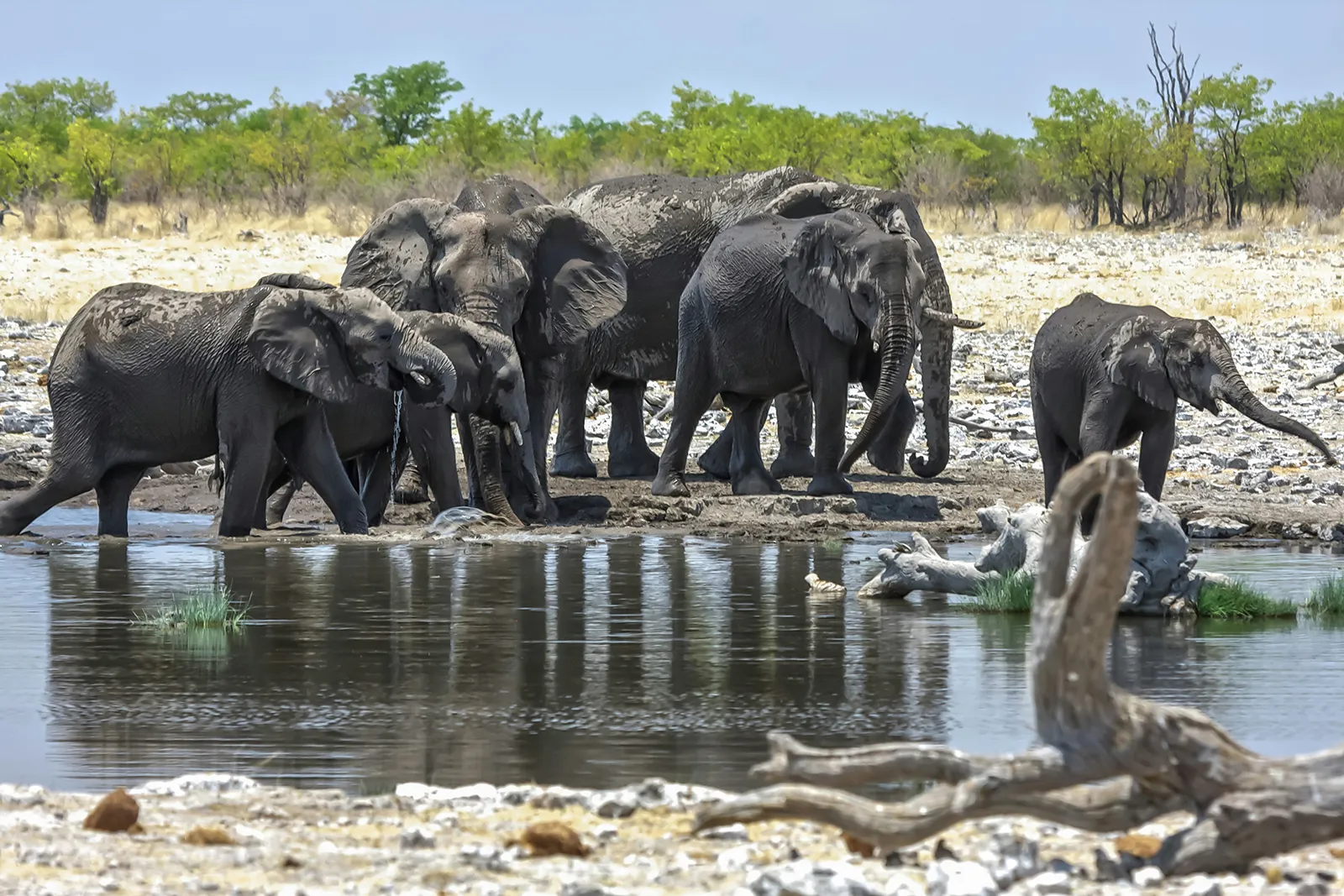
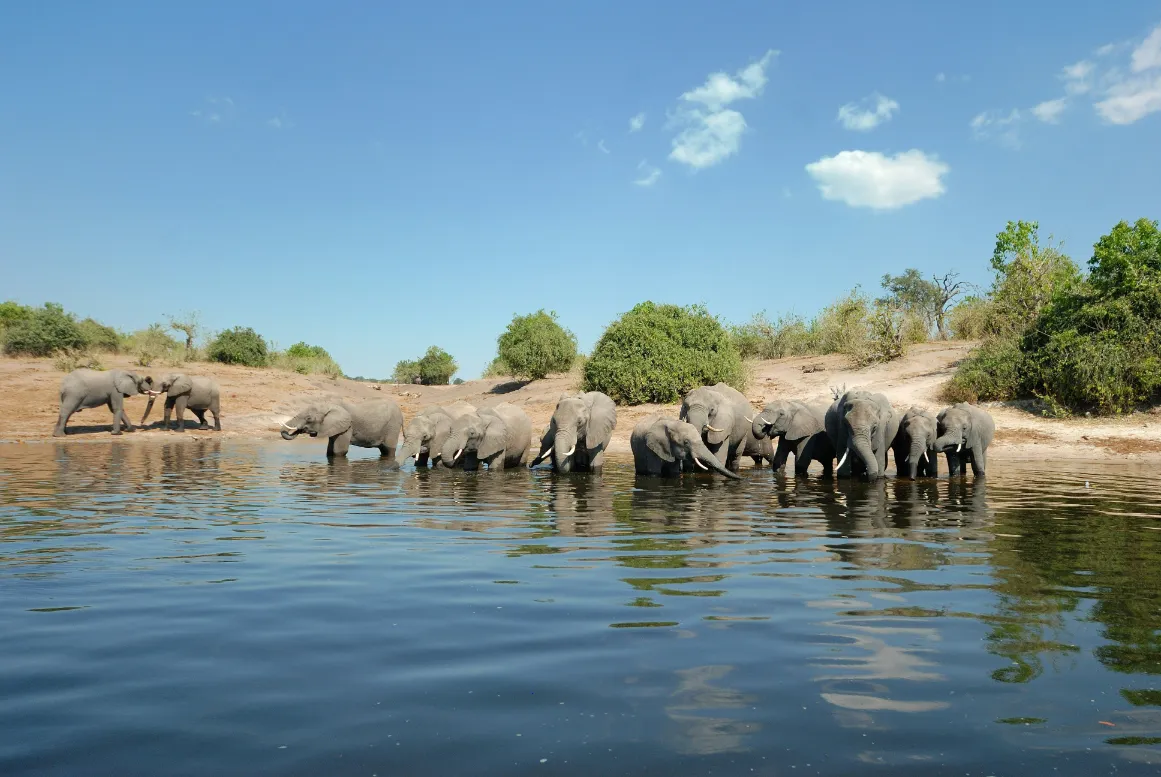
Bwabwata National Park in Eastern Namibia is home to elephants that don't know what a fence is. They roam freely between the rivers and the savannah, while you follow from a dusty track where you're the only one.
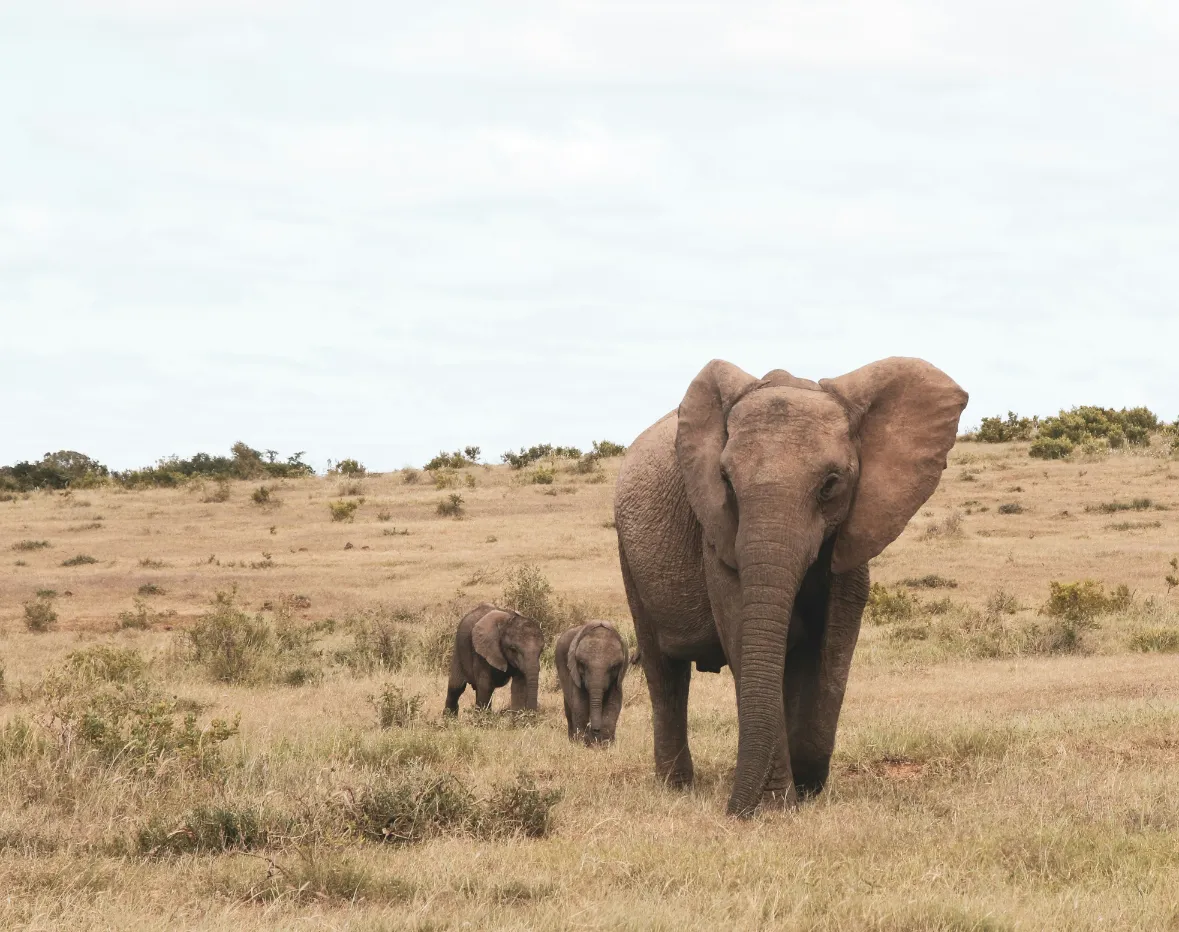
Imagine a place where time seems to stand still. A place where nature is in its purest, unspoiled form, and majestic creatures roam freely, undisturbed by the hustle and bustle of the modern world. Welcome to Bwabwata – one of the last true wild havens of Africa, where encountering wild elephants is not just a possibility but almost a certainty.
If you're like me and yearn for authentic experiences far from the beaten tourist tracks, then Bwabwata is your destination. This is not just another national park; it's an experience that touches the soul and leaves an indelible mark.
What makes Bwabwata so special?
Bwabwata, nestled in the heart of the Caprivi Strip in Namibia, is a unique ecosystem. Here, the Okavango River spreads into vast wetlands, creating a paradise for wildlife. But what truly sets Bwabwata apart is its population of wild elephants. These giants move freely between Namibia, Botswana, Angola, and Zambia, following ancient migration paths. In Bwabwata, you have the opportunity to see them in their natural environment, without fences or restrictions.
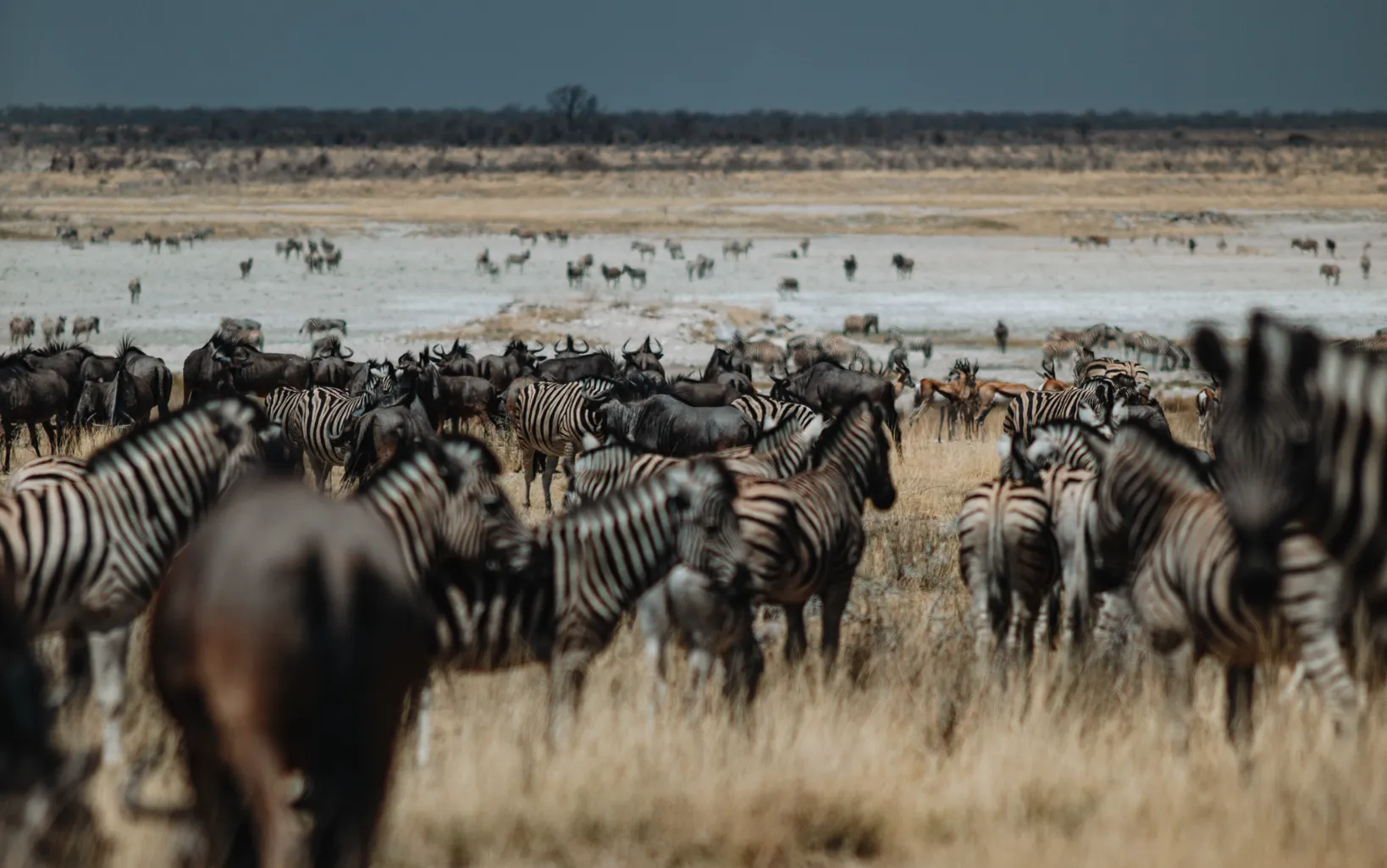
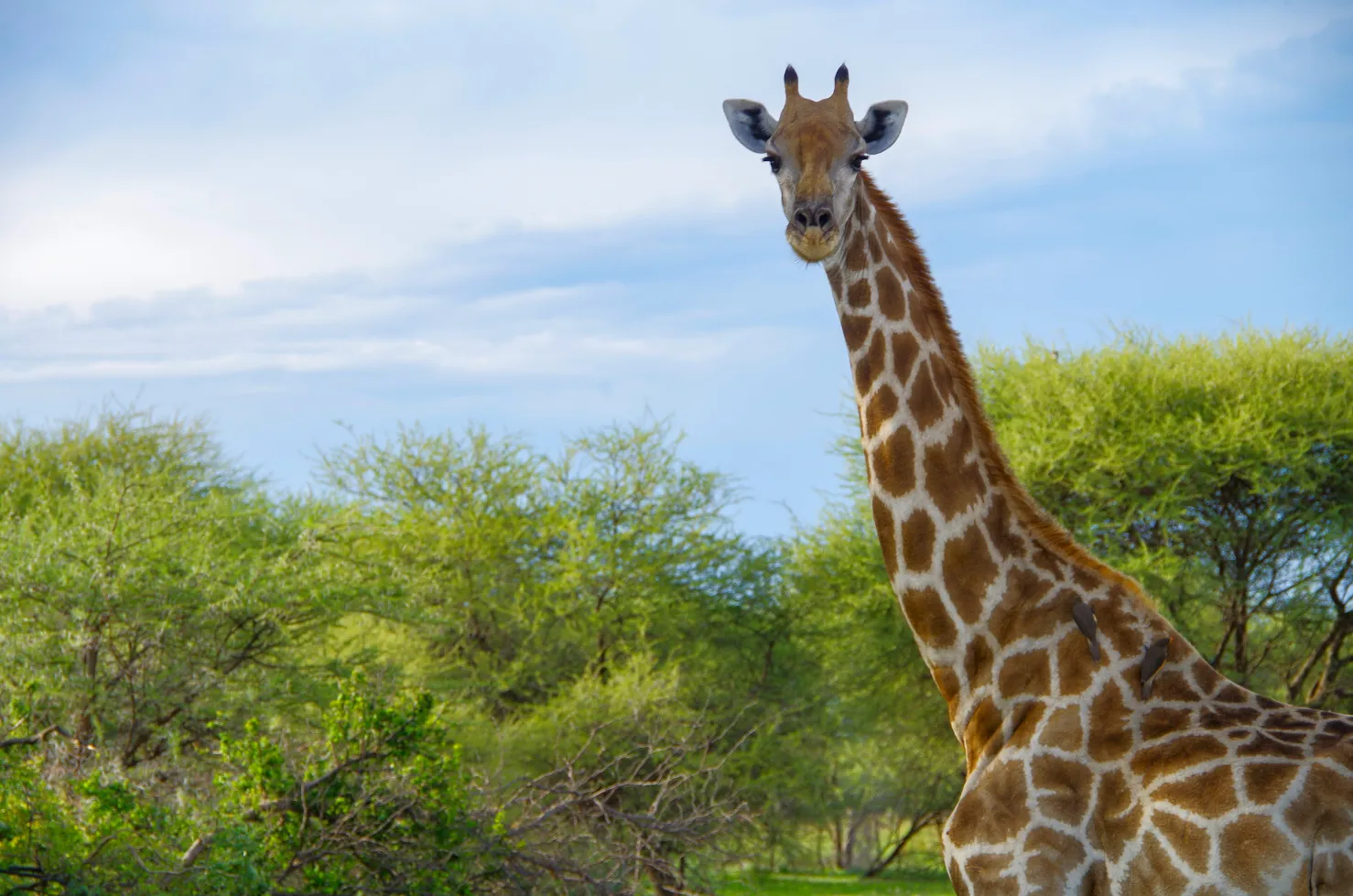
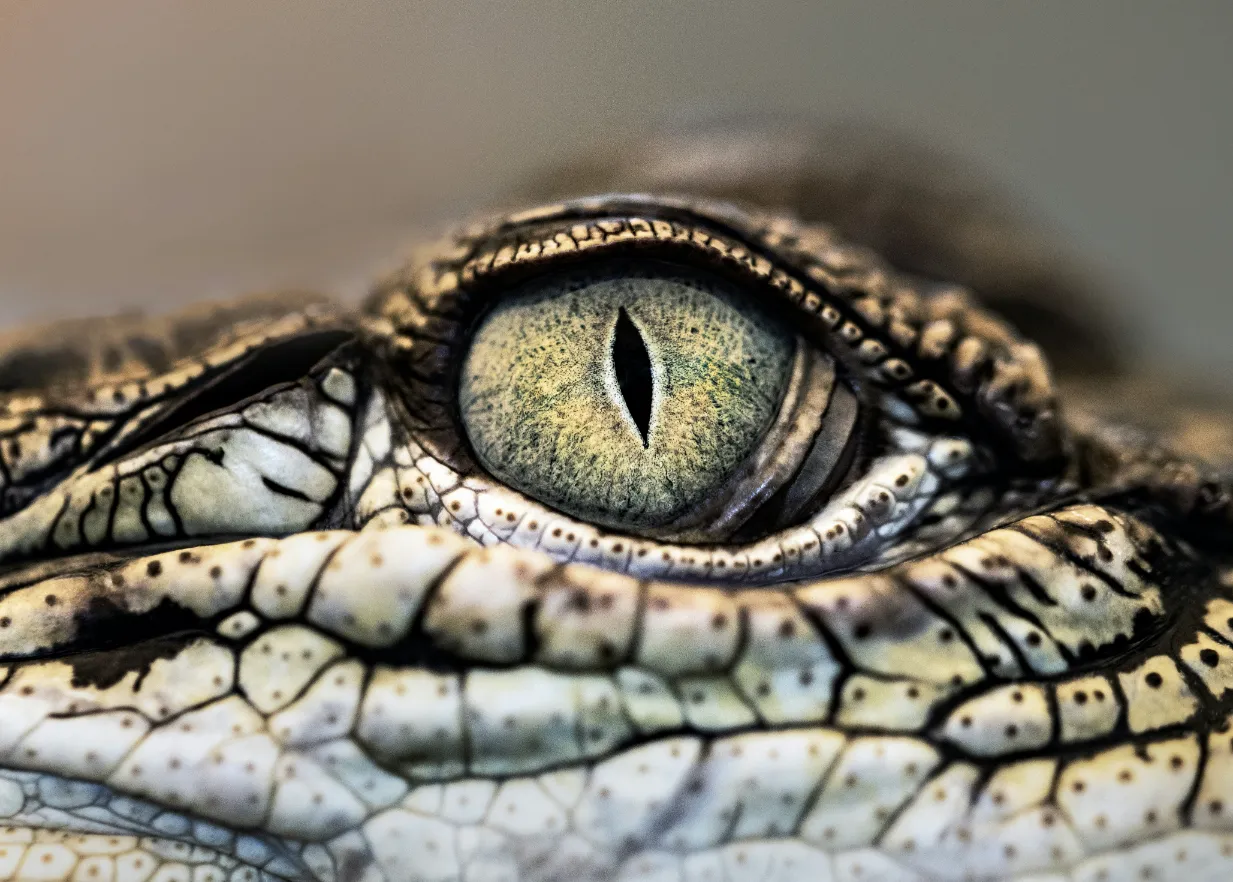
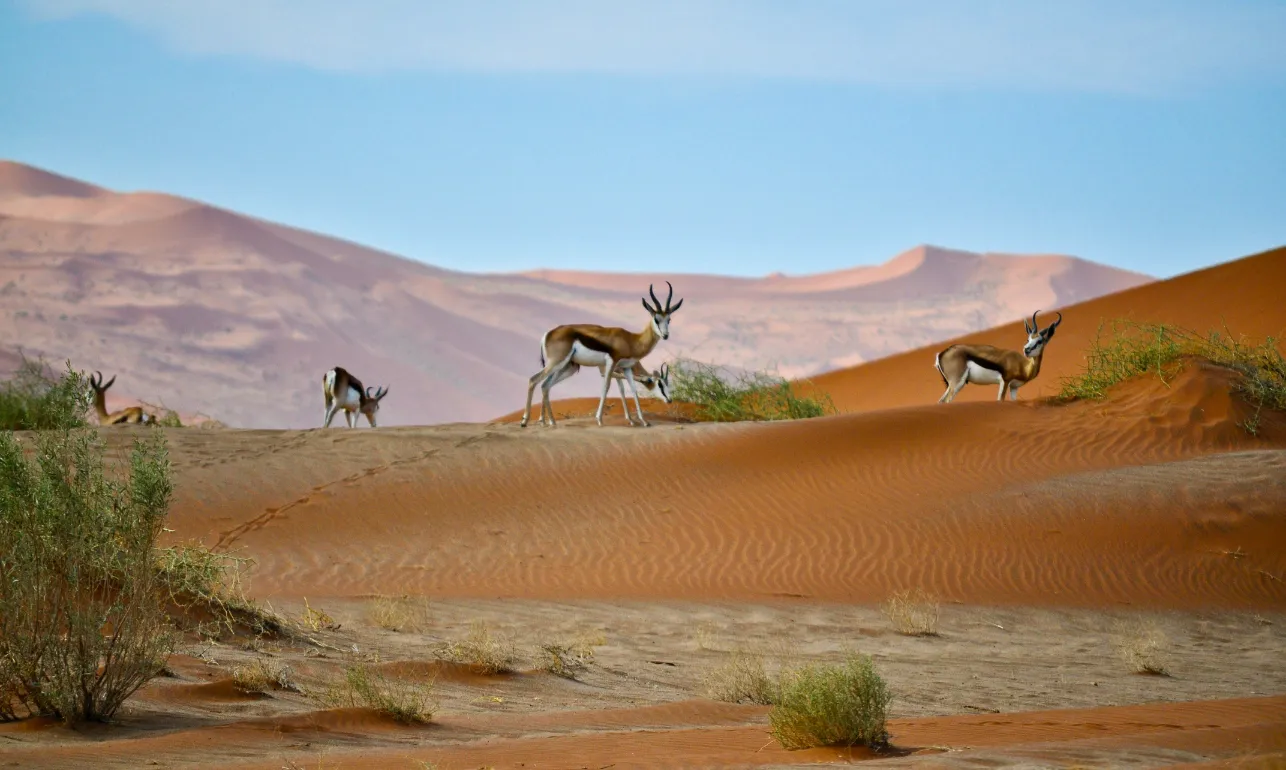
Besides the elephants, you will encounter other inhabitants of the African savanna and wetlands: hippos, crocodiles, buffaloes, various species of antelopes, zebras, and a wealth of birds. The sounds of nature are the only "music" you'll hear here, and the starry night sky is simply breathtaking.
What to expect from an adventure in Bwabwata?
Prepare for a real safari experience. There are no luxury resorts and paved roads here. Accommodation is usually in cozy lodges or campsites located near the river or wetlands. Days unfold in:
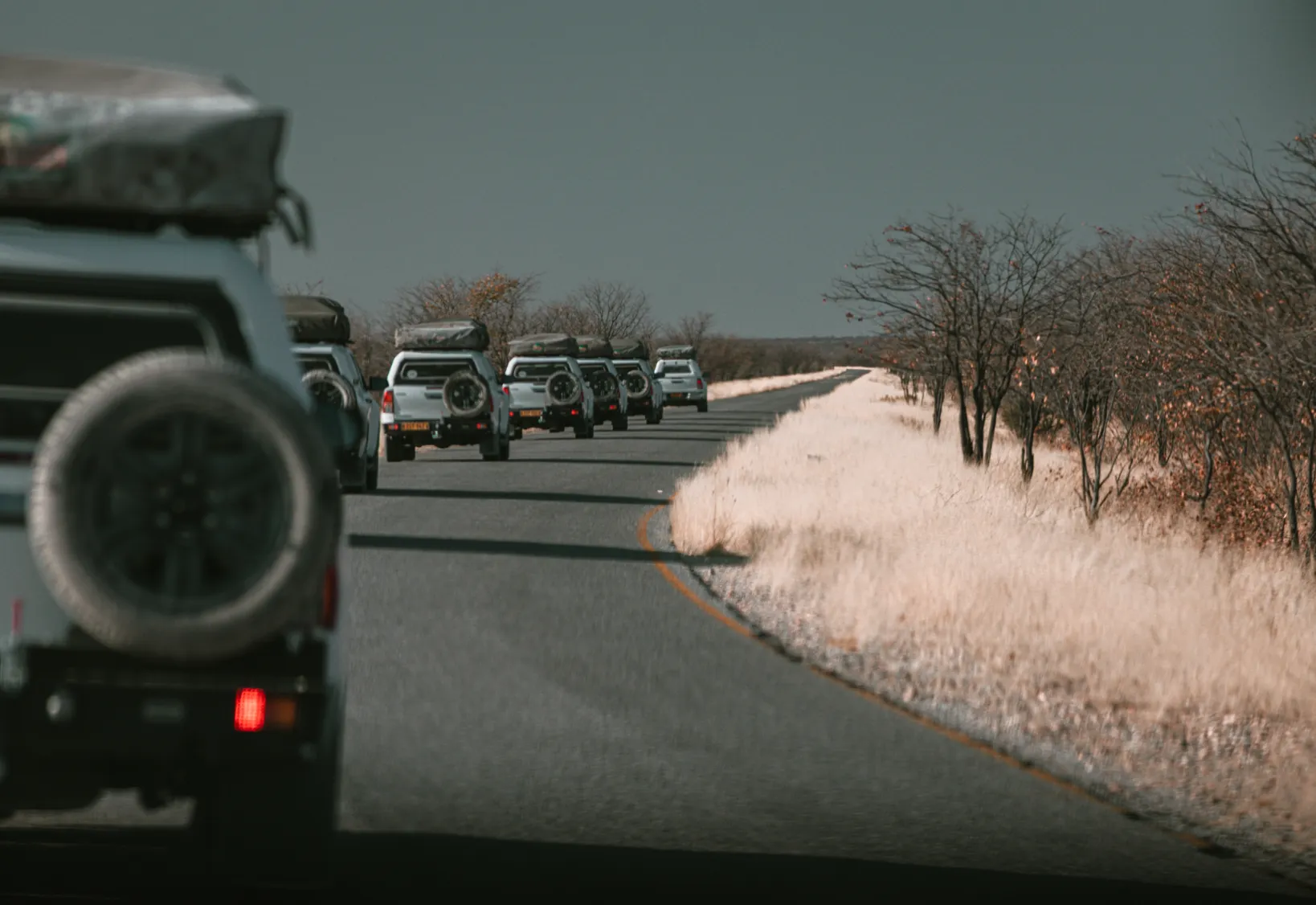
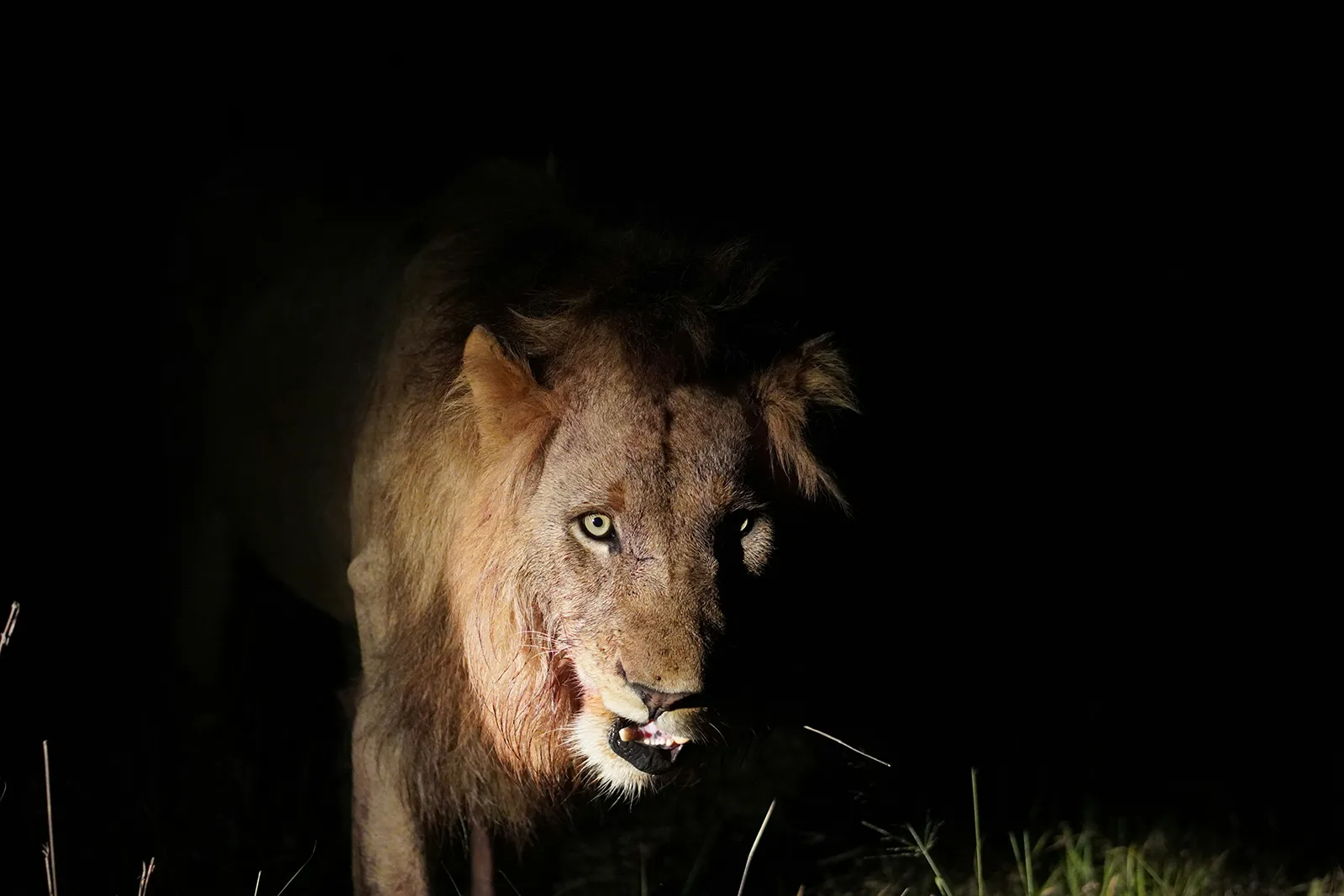
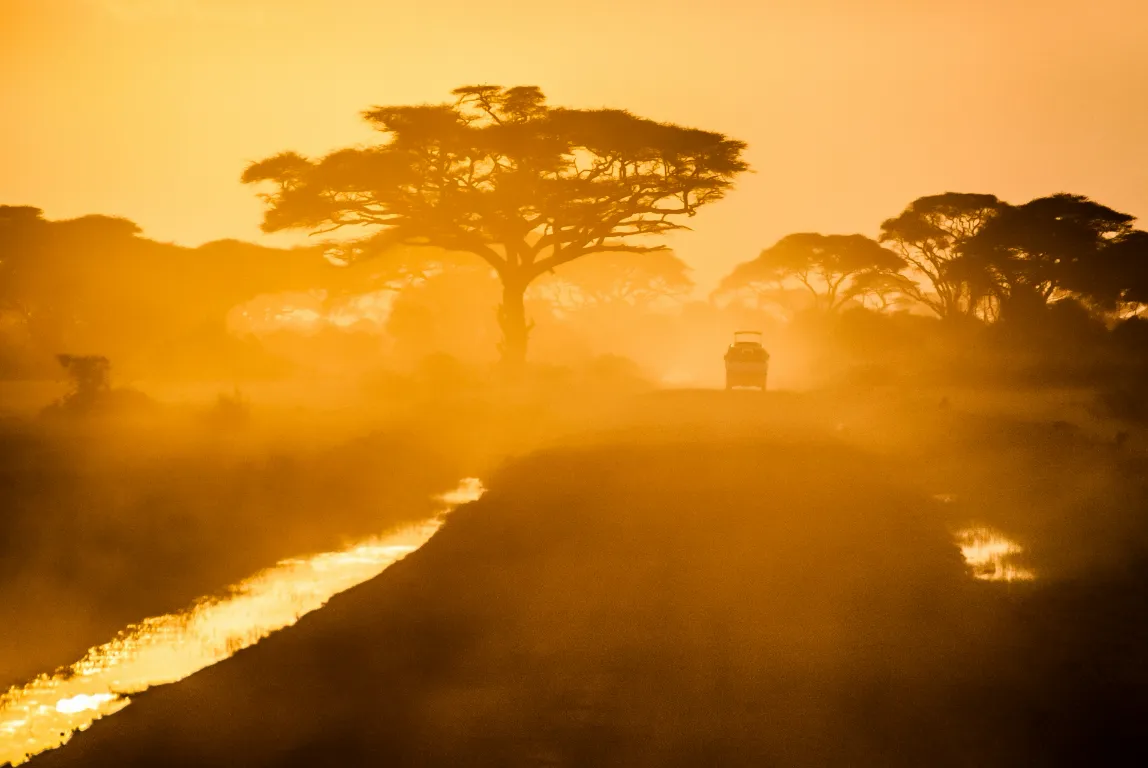
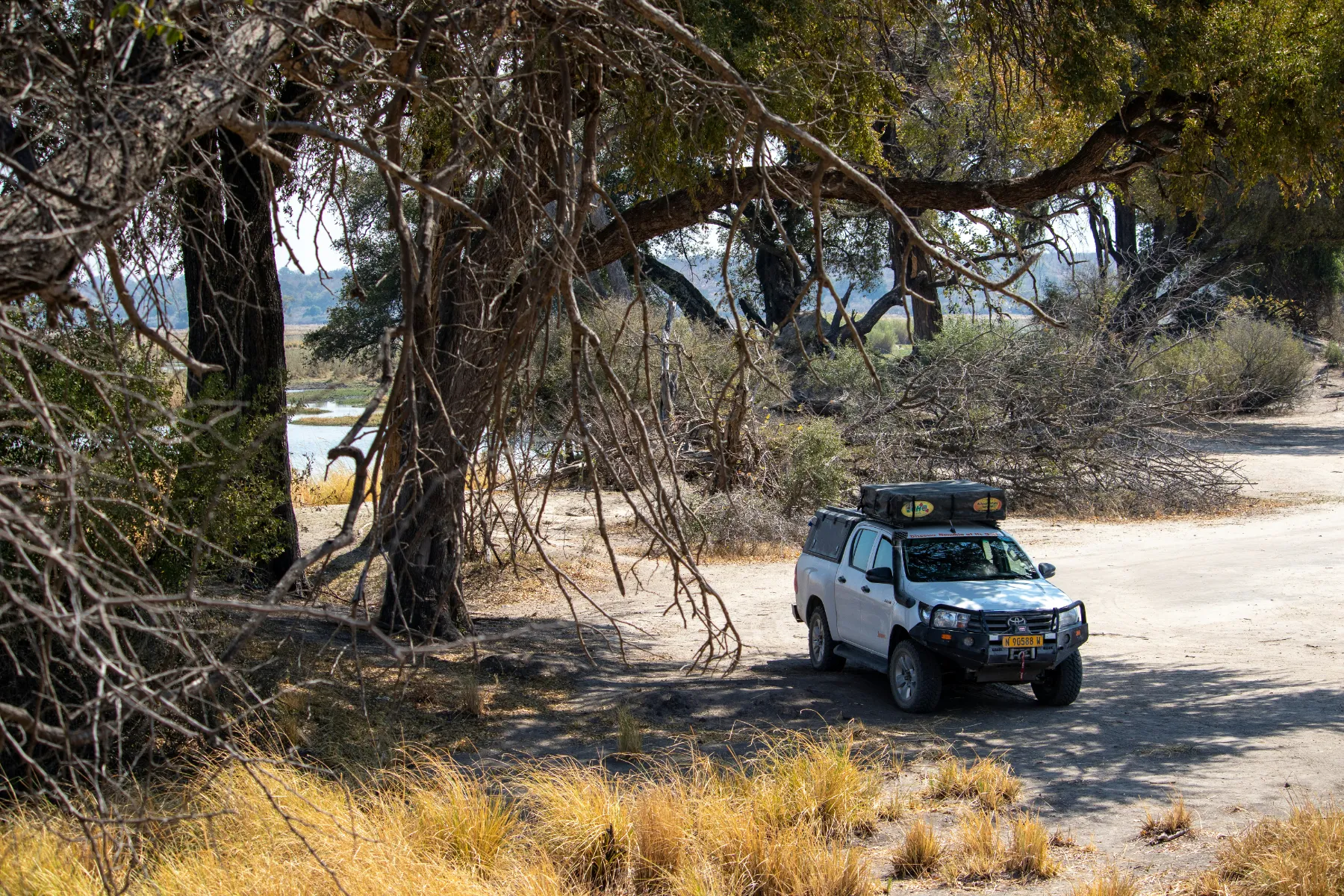
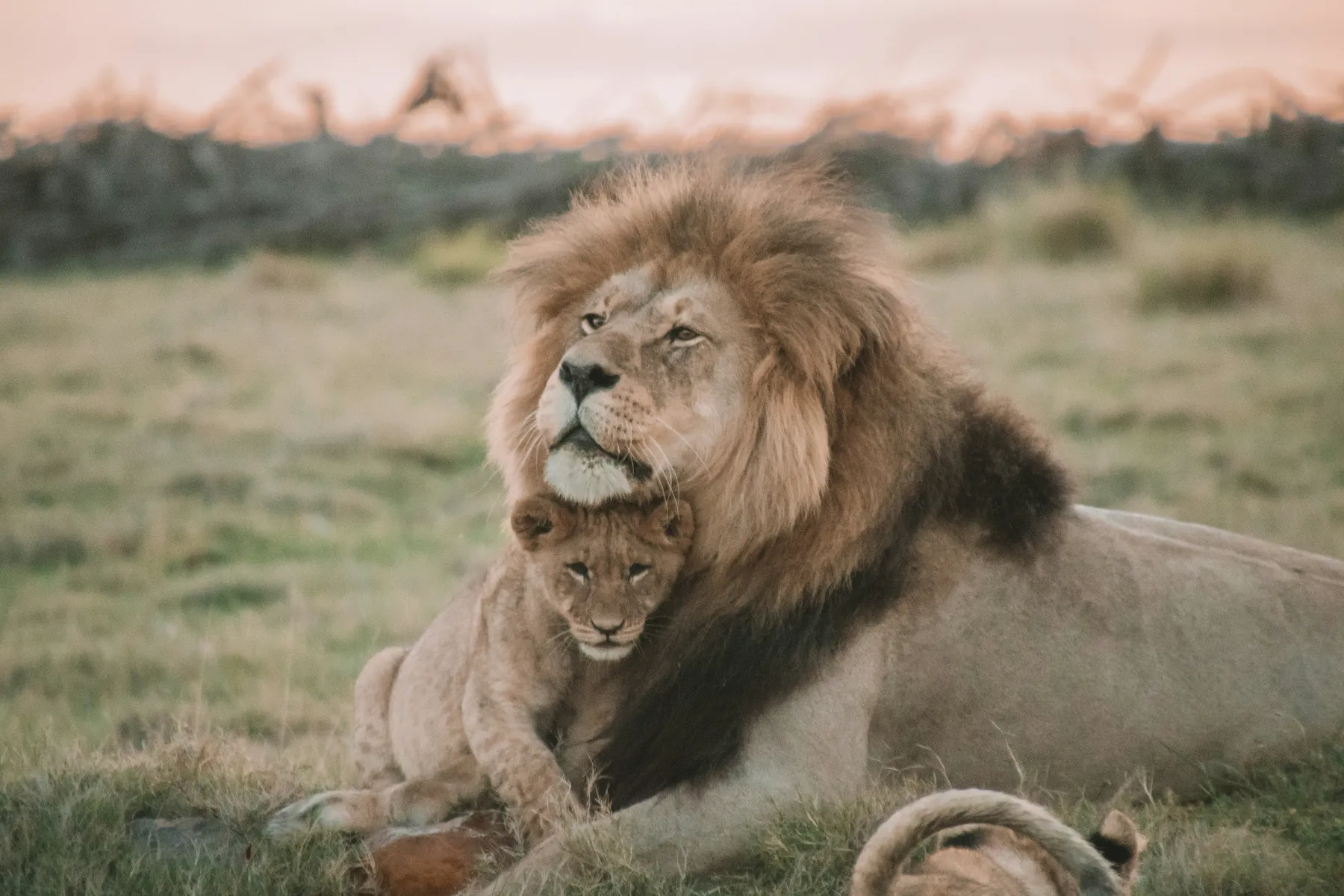
Jeep safaris: Open safari jeeps take you deep into the park, where experienced rangers will help you spot the wildlife. The thrill of encountering a large herd of elephants or a lion resting under a tree is indescribable.
Boat trips: This is one of the most magical ways to explore Bwabwata. Sailing on the calm waters of the Okavango, you'll see hippos peeking from the water, crocodiles basking on the shore, and countless birds. The sight of elephants crossing the river is something you'll never forget.
Walking safaris: For the more adventurous, a walking safari with an armed ranger offers a unique perspective and the chance to connect with the finer details of the ecosystem.
Evenings usually unfold around the campfire, under the endless African sky, sharing stories from the day and listening to the distant sounds of the wild.
The hidden treasures of Bwabwata
Beyond the obvious encounters with the big animals, Bwabwata holds its smaller, yet equally exciting secrets:
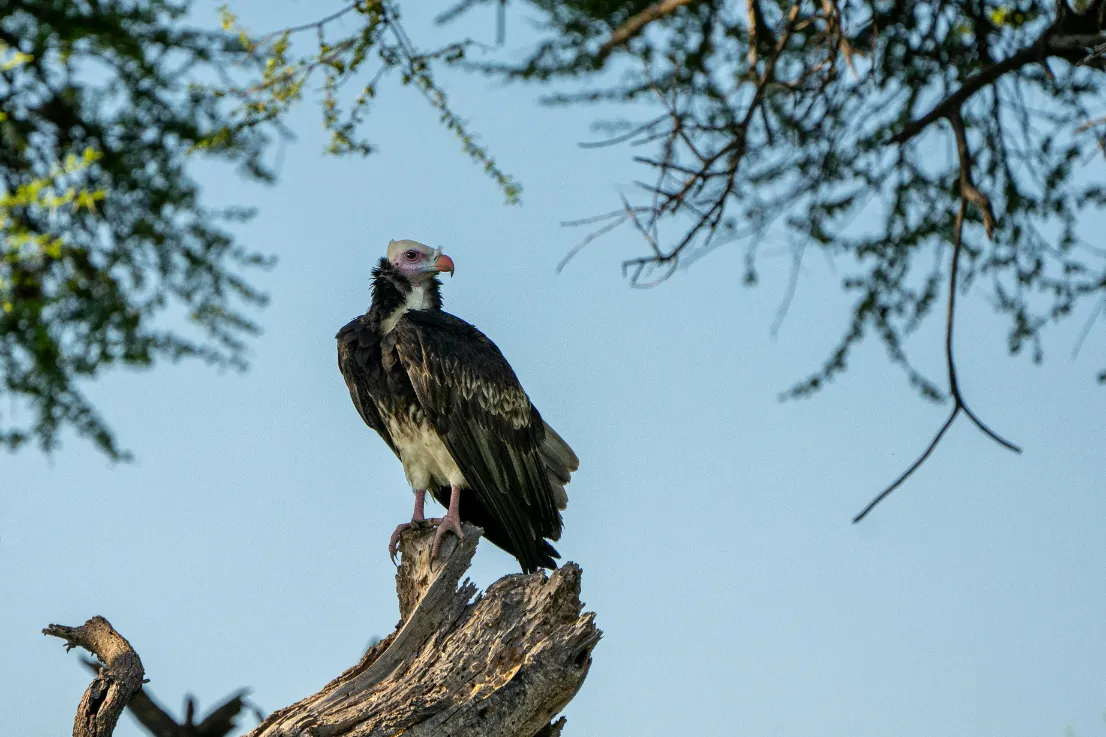
Bird paradise: If you're a bird lover, Bwabwata will enchant you. Hundreds of species are found here, including rare and endemic ones. The morning and evening hours are perfect for bird watching.
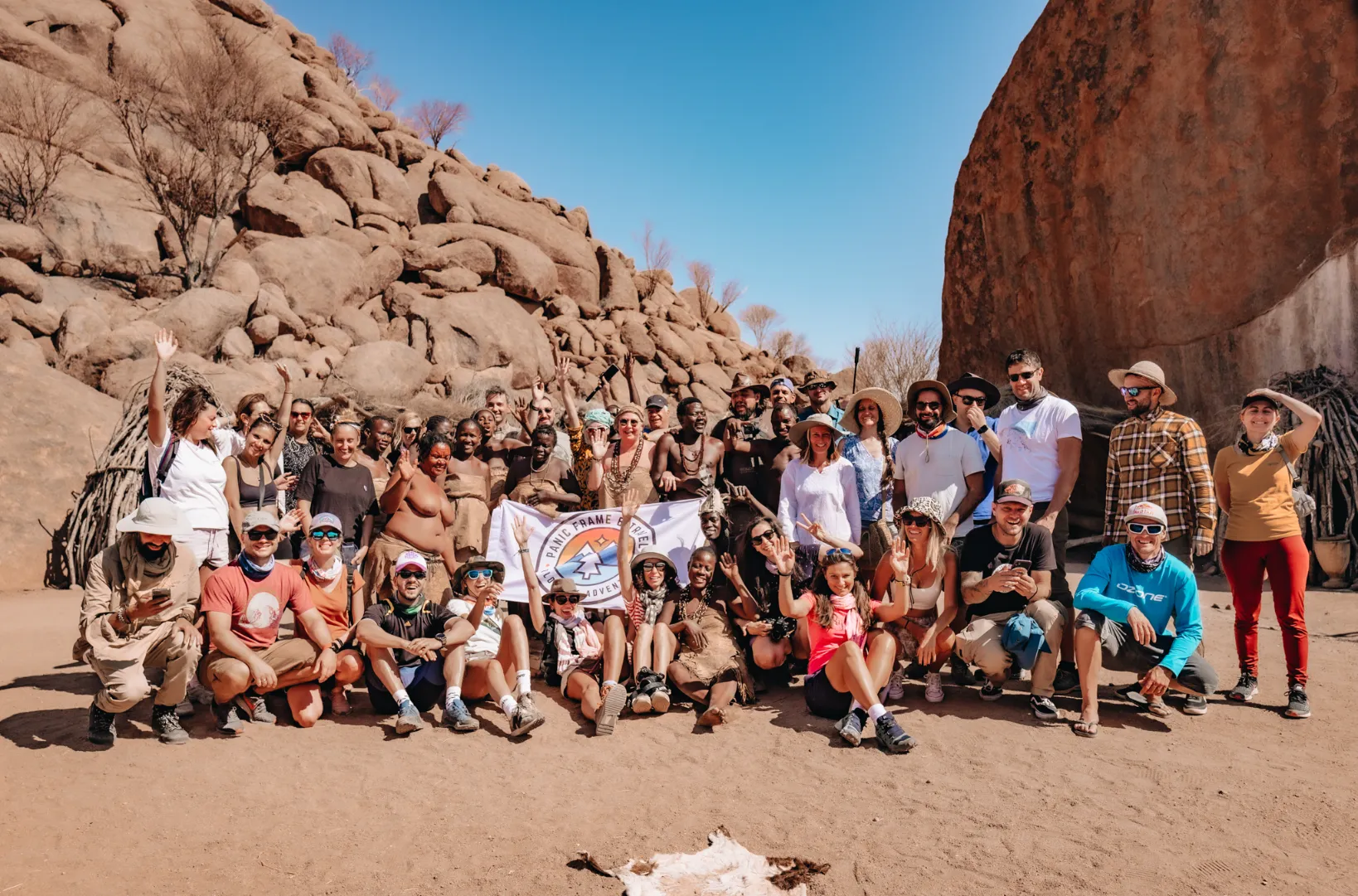
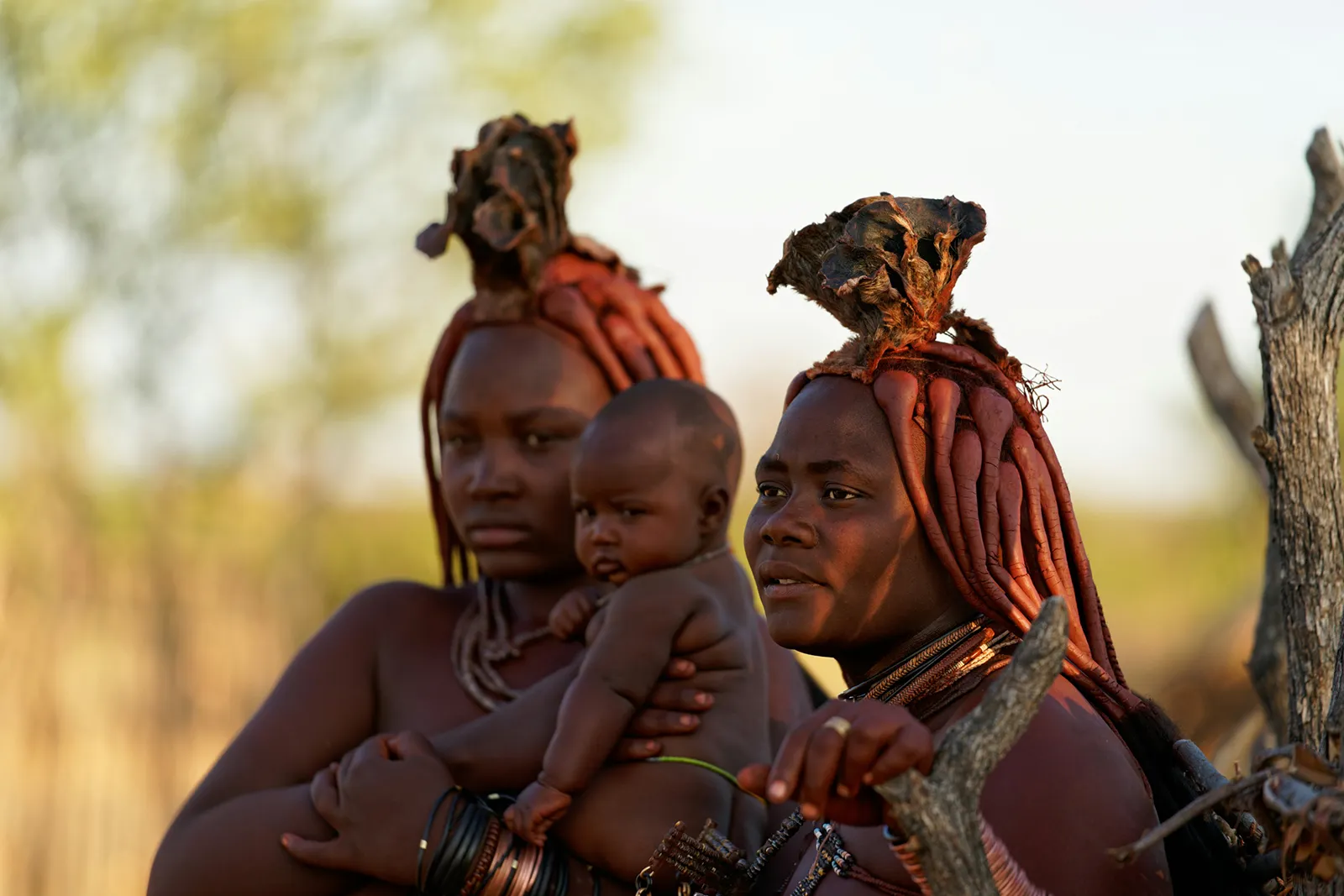
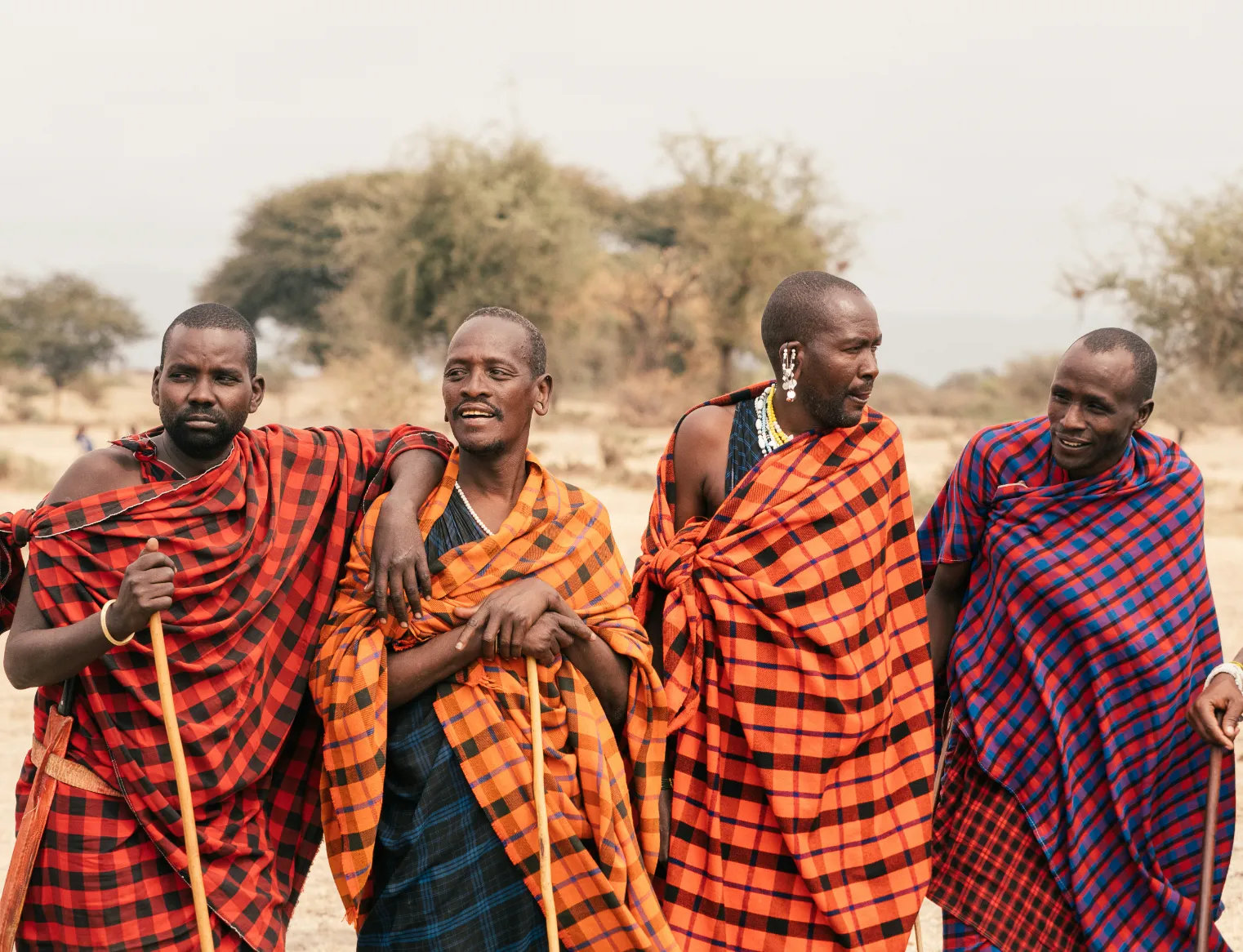
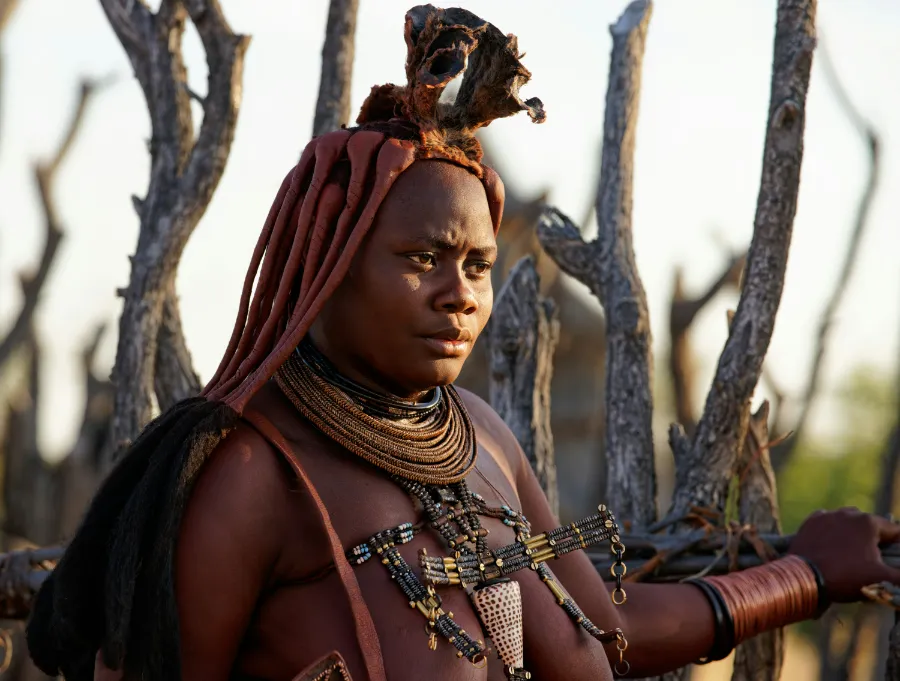
Local culture: Nearby the park, local communities live. Visiting a traditional village can give you insight into their way of life, customs, and connection with nature. It's an opportunity for authentic cultural exchange.
The silence and peace: In today's fast-paced world, the silence of Bwabwata is a true treasure. Here, you can disconnect from everything and connect with yourself and nature in a deep and meaningful way.
How do you feel at Bwabwata?
Bwabwata is a place that makes you feel small against the grandeur of nature. There's a sense of adventure, of returning to the roots. The air is clean, filled with the scents of earth and vegetation. The sounds are natural – the buzzing of insects, the cries of birds, the distant roar of a lion, or the trumpet of an elephant. You feel alive, awake, and filled with awe.
There is also a calmness that comes from knowing you are part of something much larger. Encountering wild animals in their natural habitat is a humbling and inspiring experience.
Practical tips for your journey to Bwabwata
To make the most of your adventure in Bwabwata, it's good to be prepared:
When is the best time to visit?
The dry season (from May to October) is usually considered the best time for safari. Vegetation is sparser, making it easier to spot animals, which gather around water sources. Daytime temperatures are more moderate, but nights can be cool.
The rainy season (from November to April) brings lush greenery and is ideal for bird watching. Animals are more spread out, but the landscape is exceptionally beautiful. Temperatures are higher, and there are more mosquitoes.
How to get to Bwabwata?
The most common way is by plane to Maun Airport in Botswana or Katima Mulilo Airport in Namibia. From there, a jeep transfer to your lodge or campsite in Bwabwata is usually arranged. Roads in the area can be challenging, especially during the rainy season, so it's advisable to travel with an experienced guide.
What to bring?
Clothing: Light, comfortable clothes in neutral colours (beige, green, brown). Long sleeves and trousers for sun and insect protection, especially in the evening. Warm clothing for cool mornings and evenings. A wide-brimmed hat.
Footwear: Comfortable closed shoes for safaris and walks. Sandals for relaxation.
Sun protection: High-factor sunscreen, sunglasses.
Insect protection: Mosquito repellent (especially important).
Camera and binoculars: To capture incredible views and observe animals up close.
Medications: Personal medications, first-aid kit. Consult a doctor regarding vaccinations and malaria prevention.
Others: Torch, portable battery charger for devices, electrical adapter.
Important considerations:
Health: Consult a doctor about required vaccinations and malaria prevention for the region.
Safety: Always listen to your ranger's or guide's instructions. Do not get too close to wild animals and do not feed them.
Respect for nature and local communities: Be a responsible tourist. Leave no trace, take nothing from nature, and respect local customs.
Frequently asked questions about Bwabwata
Here are some questions we often receive:
Q: Is it safe to travel to Bwabwata?
A: Yes, it is generally safe, especially if you travel with an experienced local guide and follow safety instructions related to wild animals.
Q: Can I see the "Big Five" in Bwabwata?
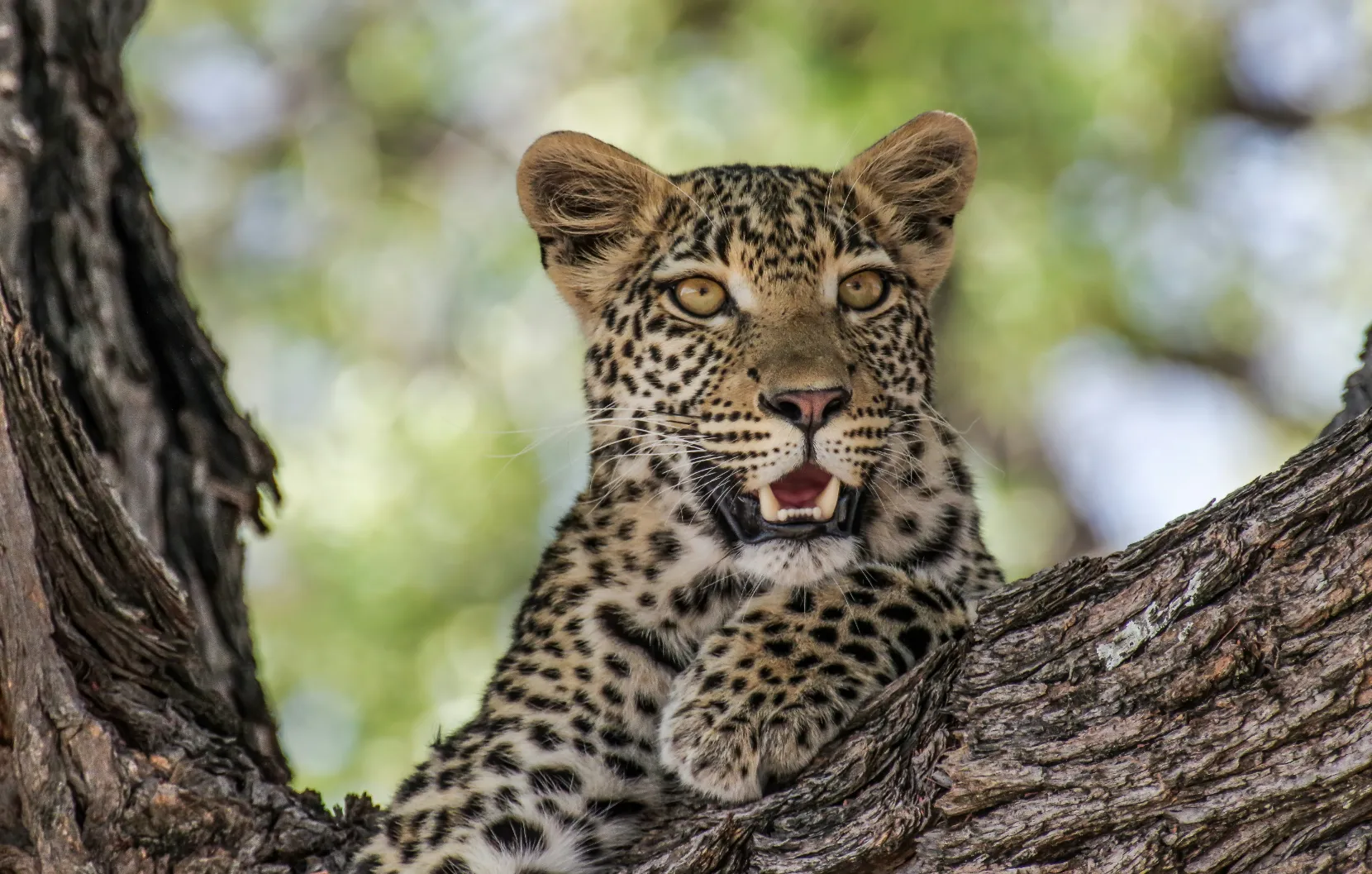
A: Bwabwata is most renowned for its large herds of elephants and buffalo. You can also see lions, but leopards and rhinos are less common in this area.
Q: What is the accommodation like?
A: Accommodation ranges from more basic campsites to comfortable lodges. They are usually located in scenic areas and offer an authentic safari experience.
Q: Is there internet and mobile connectivity?
A: Most lodges have limited Wi-Fi, usually in common areas. Mobile connectivity can be unstable or non-existent. Consider it a chance to disconnect from the digital world.
Q: What is the impact of tourism on Bwabwata?
A: Responsible tourism plays a significant role in conserving Bwabwata and supporting local communities. By choosing eco-friendly lodges and tour operators, you contribute to the sustainable development of the region.
Why choose Panic Frame & Travel for your adventure in Bwabwata?
At Panic Frame & Travel, we believe that travel should be more than just visiting places. It should be an experience that changes, enriches, and inspires you. We are passionate travellers and want to share the magic of Bwabwata with you.
We offer carefully planned itineraries that allow you to fully immerse yourself in the atmosphere of this unique place. We work with experienced local guides who know the area like the back of their hand and will show you the best of Bwabwata. We take care of every detail so you can relax and fully enjoy your adventure.
With us, you'll have the opportunity to see wild elephants in their natural environment, sail the waters of the Okavango, connect with local culture, and create memories for a lifetime.
Are you ready for the adventure?
Bwabwata is not just a destination, but an invitation to adventure. An invitation to connect with nature, to break away from the everyday, and to experience something truly authentic.
If you long for encounters with wildlife, for silence and peace, for unforgettable moments under the African sky, then Bwabwata awaits you.
Don't delay your dreams! Come and discover Bwabwata with us. Let us guide you on a journey that will leave a lasting mark on your heart. Contact us today, and let's plan your unforgettable adventure where wild elephants roam free!
More about wildlife
The Elephant Herds of Okavango | Mahango - The Bird Paradise
Explore
Author: Martin Bonov