What It's Like to Drive in the Wildest Part of Namibia
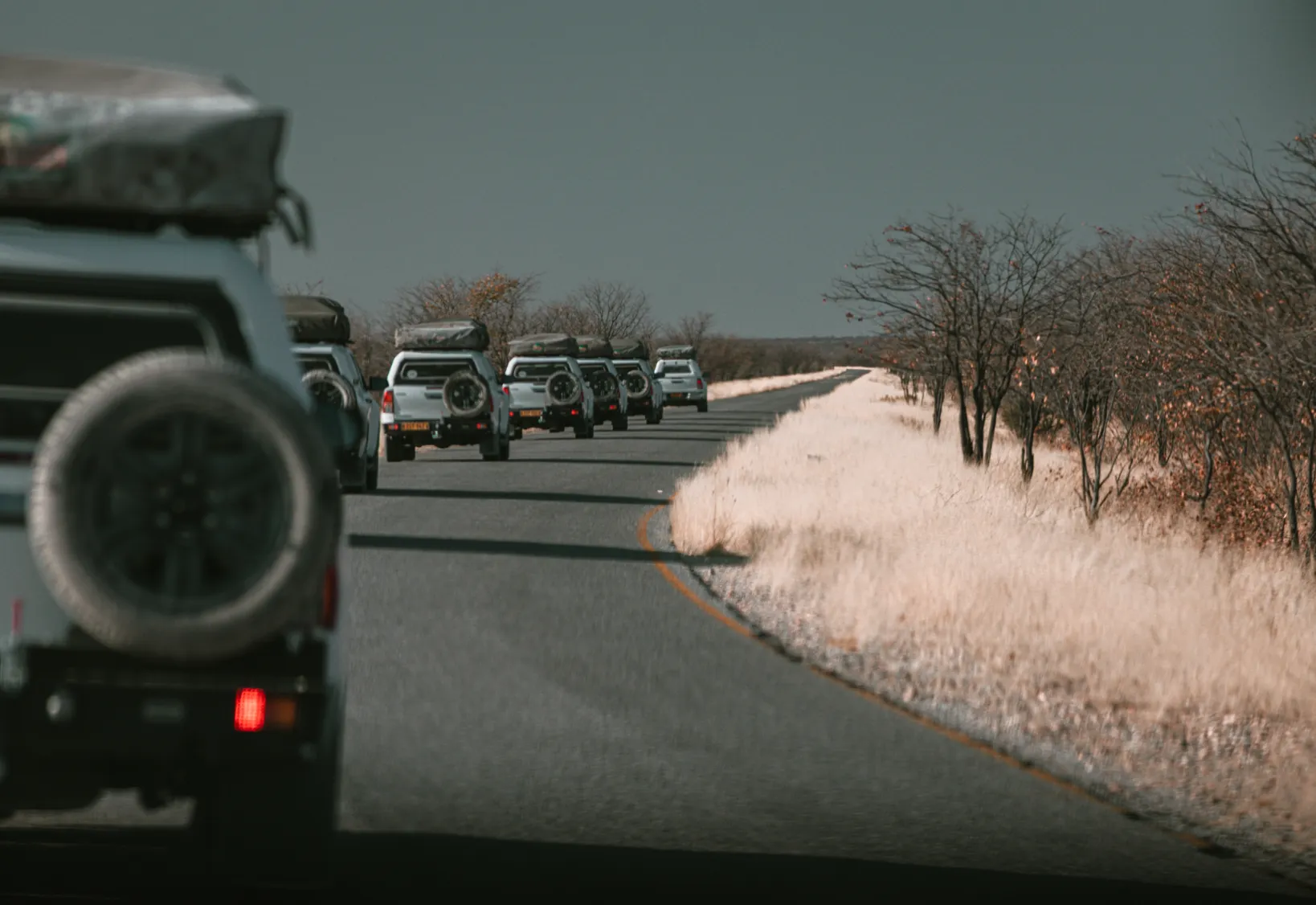
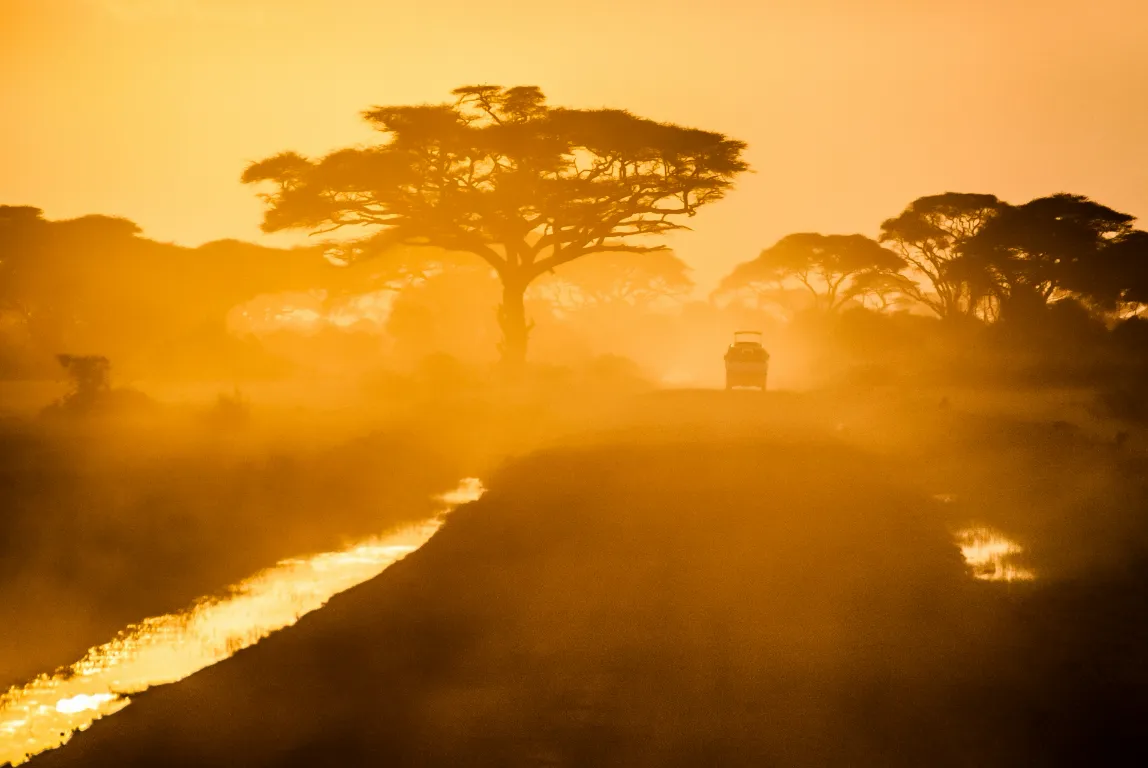
Eastern Namibia is a land where roads are more of an idea than a reality. Driving here is a safari in itself, with wild animals on the road and dust that lingers for hours.
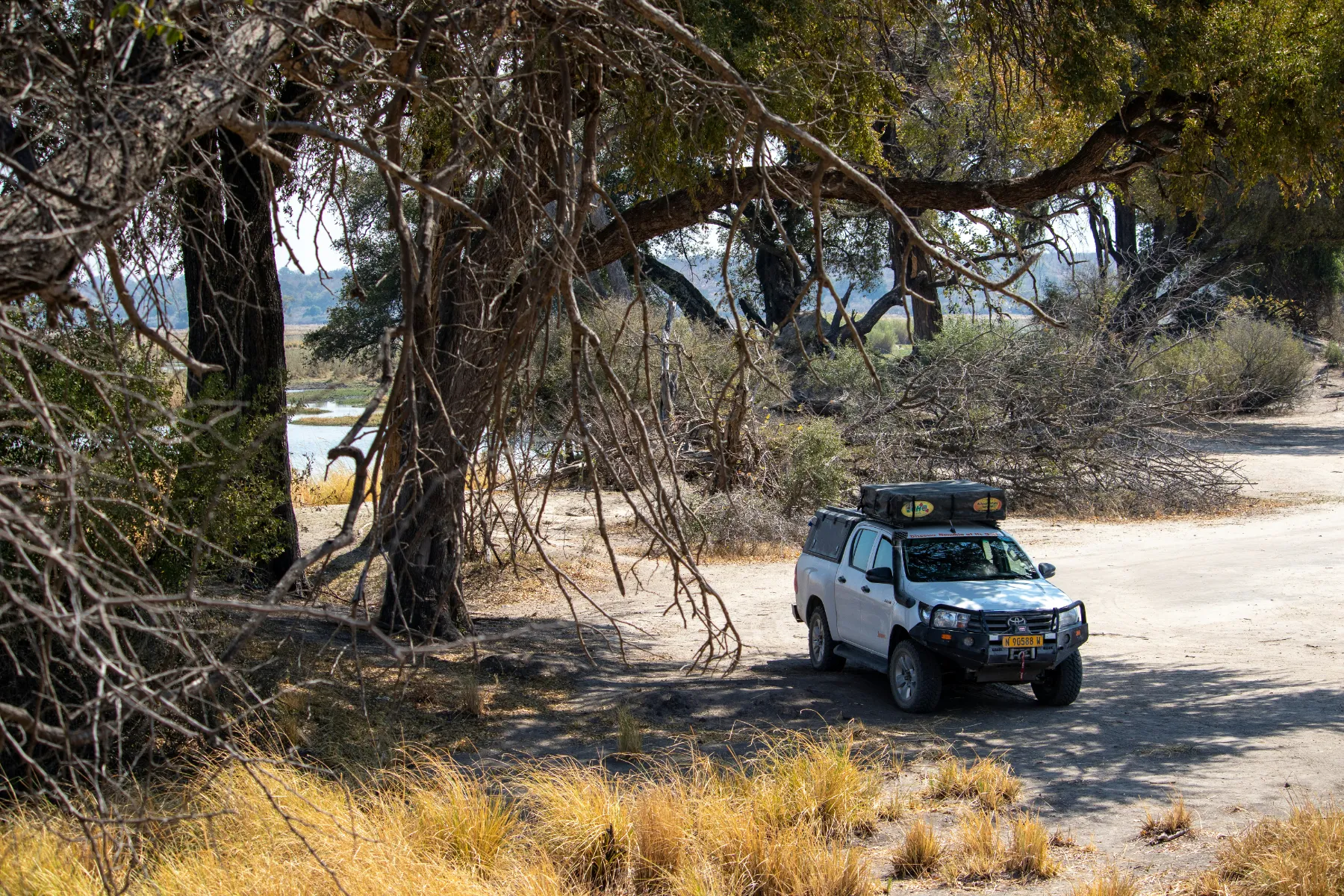
Imagine endless horizons, where the red sand blends with the sky in thousands of shades. Imagine silence, broken only by the wind and the distant cry of a wild creature. Picture an adventure that takes you out of your comfort zone and immerses you in the raw, yet captivating beauty of Africa. This is Namibia – a country that offers one of the most unforgettable experiences for any traveller: driving through its wild and vast expanses.
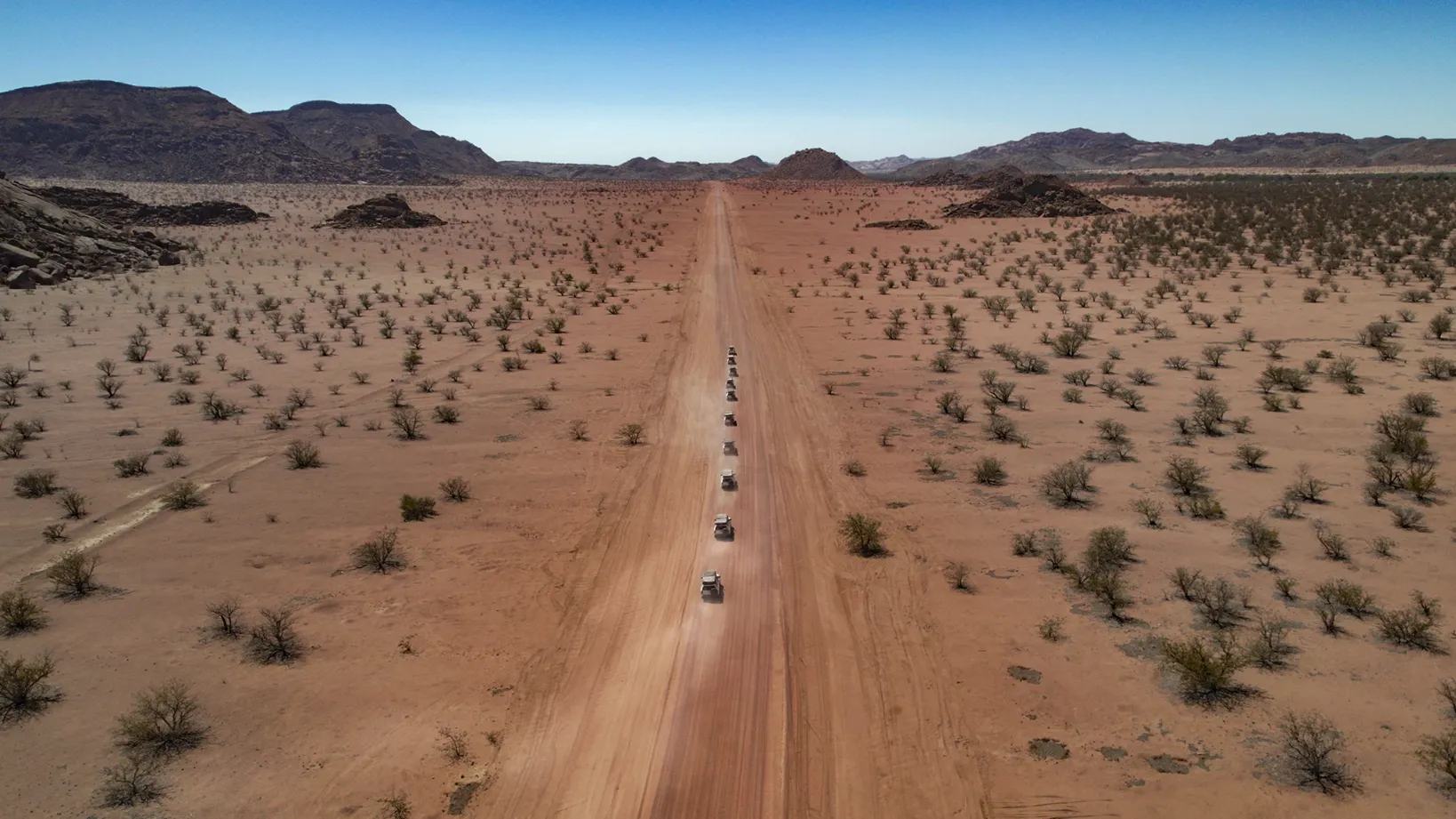
If you're like me and love the feeling of freedom on the road, discovering hidden corners and encountering nature in its purest form, then driving in Namibia is just for you. But don't imagine smooth highways and well-marked roads. Here, we're talking about Adventure with a capital A – driving on gravel paths, through sand dunes and over rocky terrains. This is a challenge worth every minute.
Why is Namibia the perfect driving destination?
Namibia is one of the world's most sparsely populated countries, meaning you have vast spaces to explore without the crowds of tourists. The road network, although not entirely paved, is relatively well-maintained by African standards, especially the main arteries. But the real charm lies in veering off the beaten paths and delving into the heart of the desert.
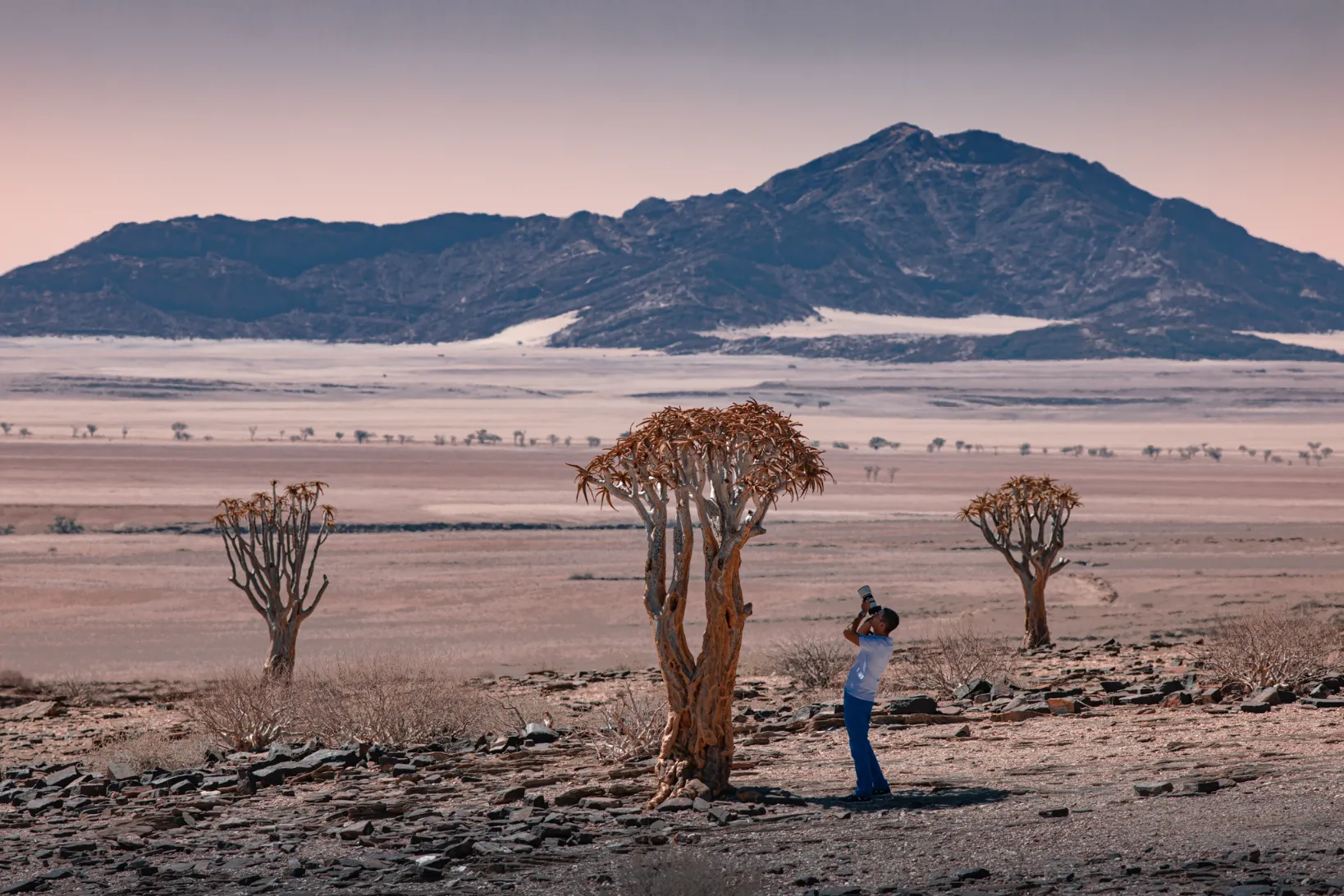
Driving gives you unparalleled freedom. You can stop whenever you wish to savour the view, take a photo of some wild animal or simply take a deep breath and feel the magic of the place. No schedules, no rush. Just you, the road and infinity.
What to expect when driving in wild Namibia?
Prepare for a variety of terrains. You will be driving on:
Gravel Roads: These are the main roads outside towns. They can be smooth and well-maintained or rough and full of potholes. The speed is usually limited to 80 km/h, but you will often need to drive slower.
Sandy Roads: Especially in areas like Sossusvlei or along the coast. It's essential to know how to drive on sand and have an appropriate vehicle (4x4 is mandatory!).
Rocky Roads: In mountainous regions or on the way to some remote lodges. They require more careful driving and higher clearance.
One of the most important things to know is that distances are vast. Often, there are hundreds of kilometres between settlements, and petrol stations are sparse. Plan your route carefully and always fill up when you have the chance.
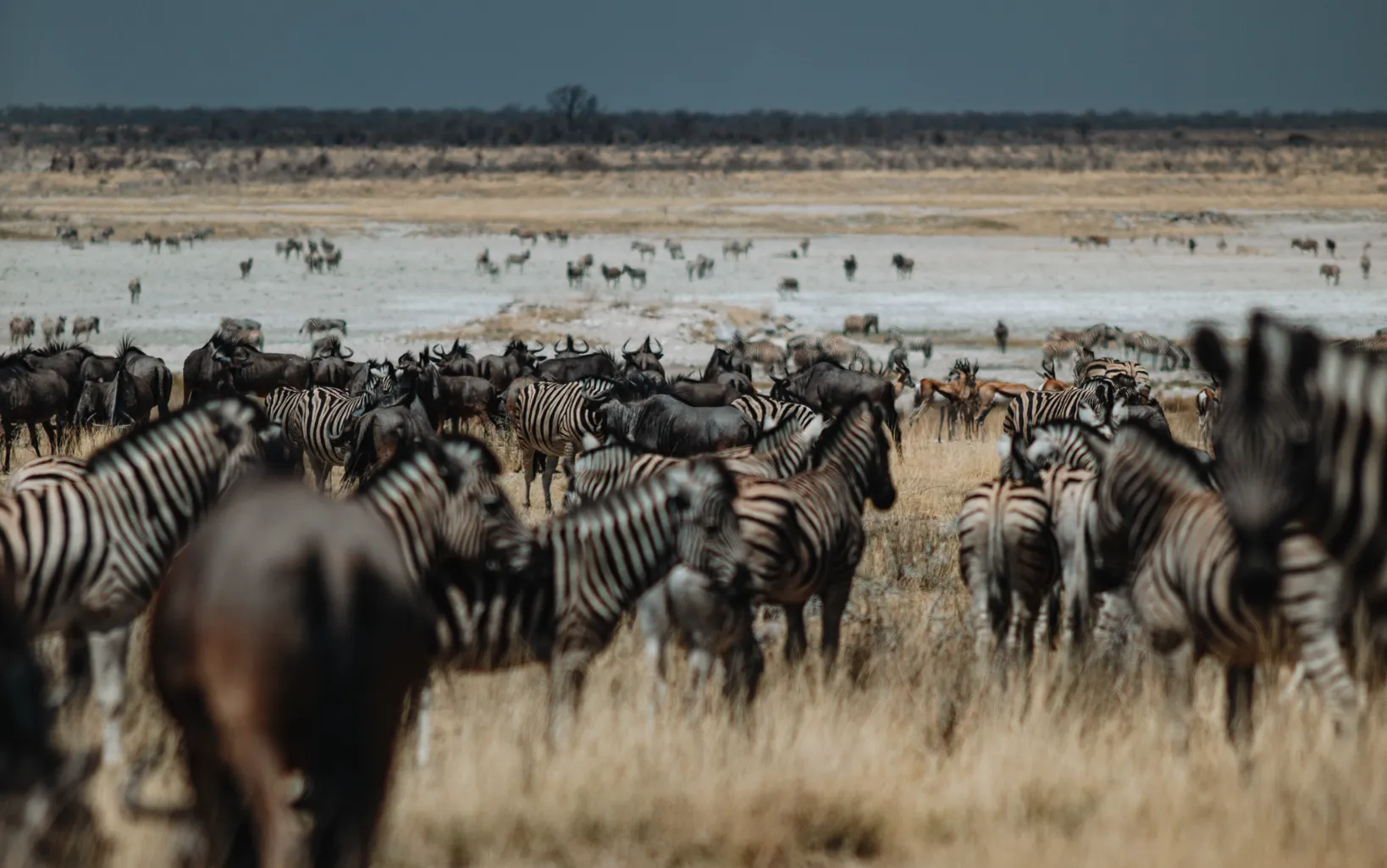
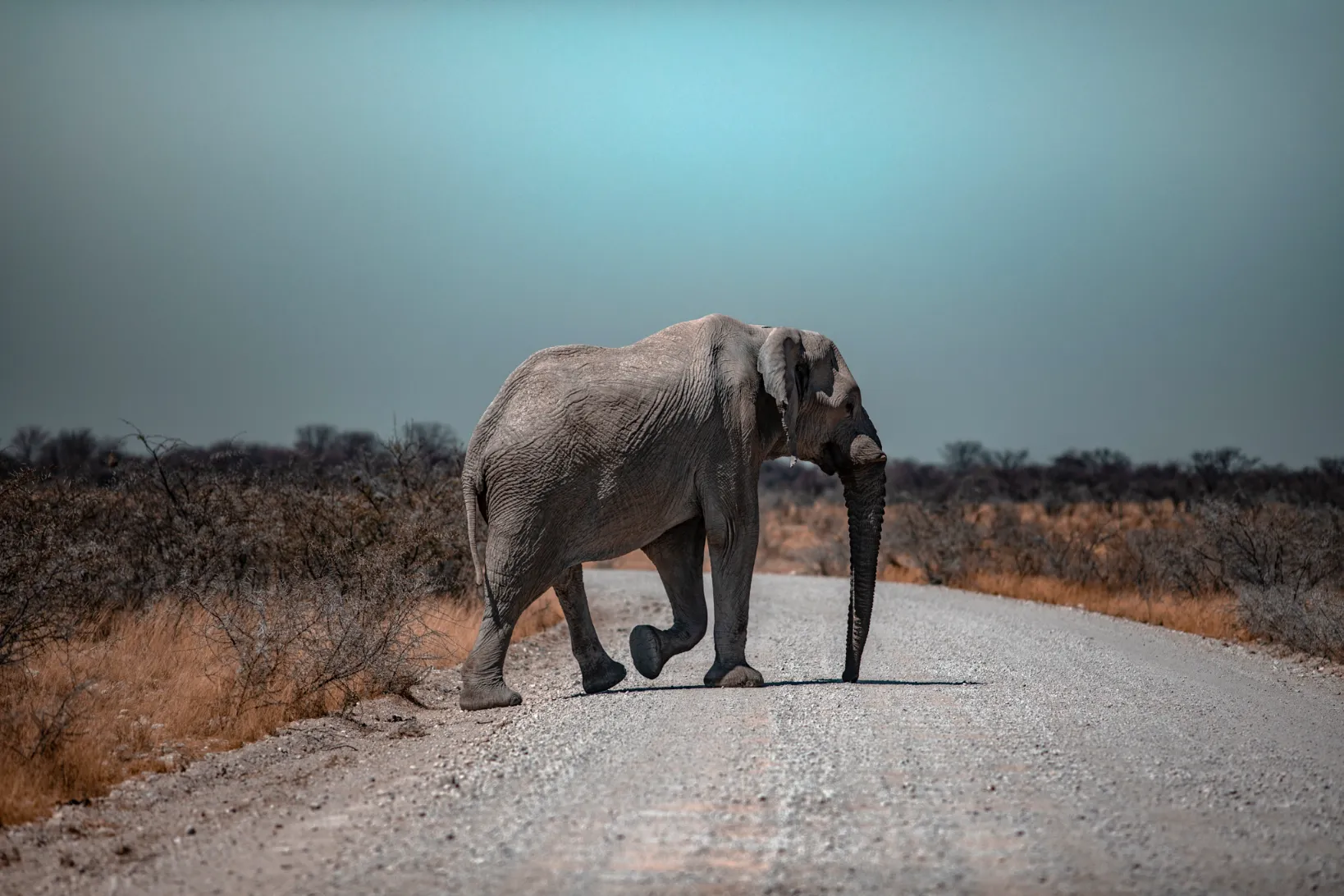
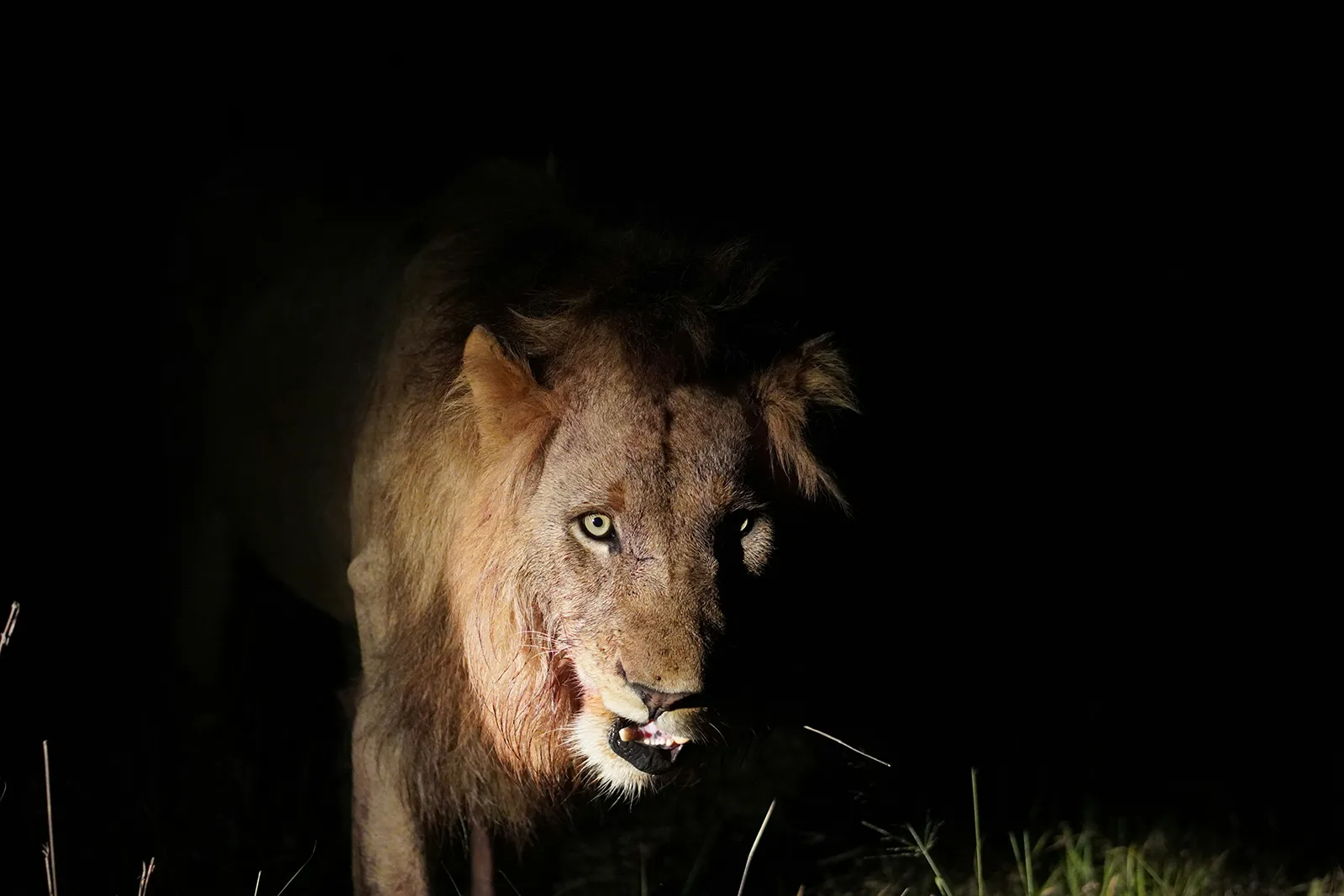
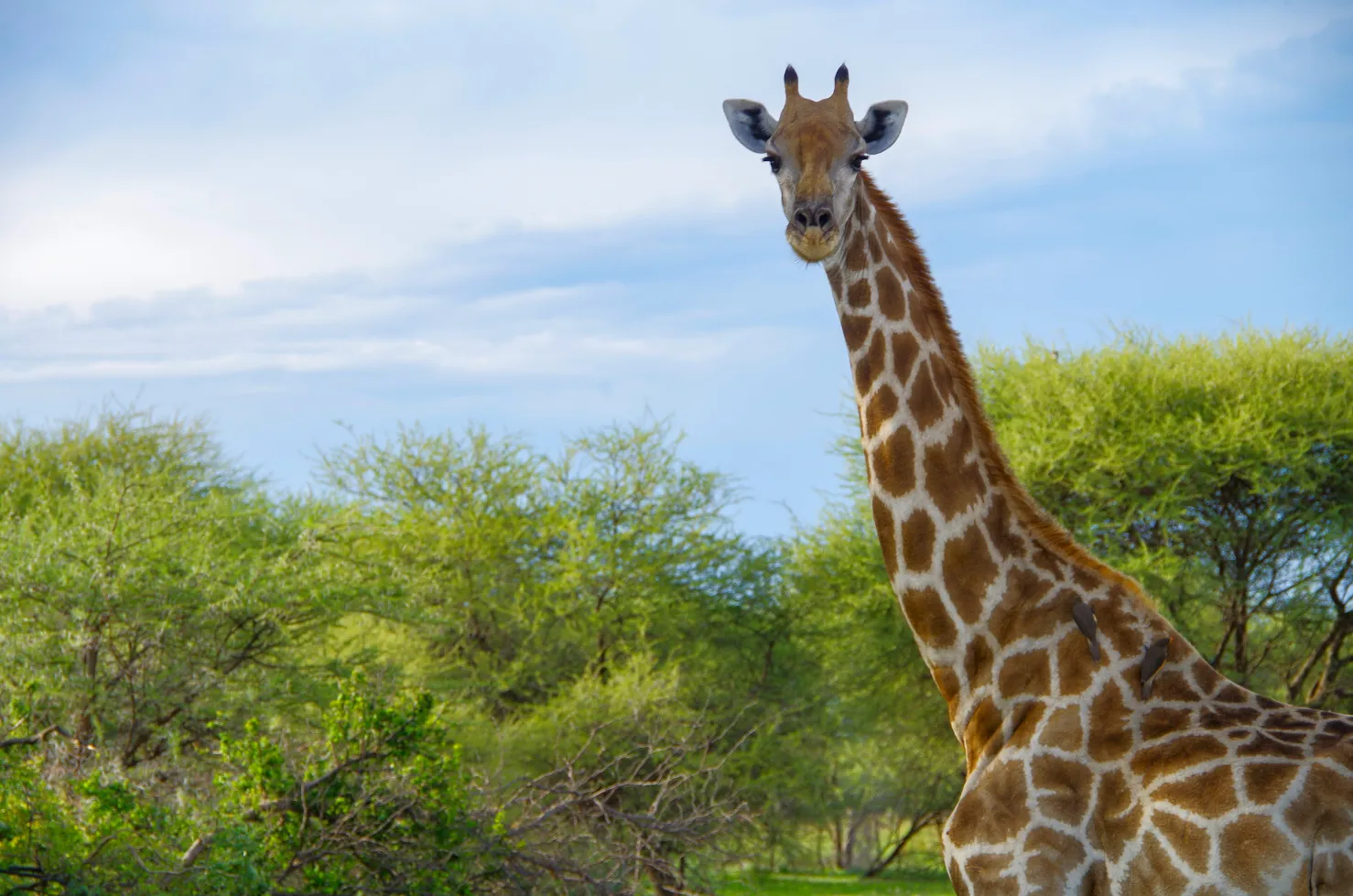
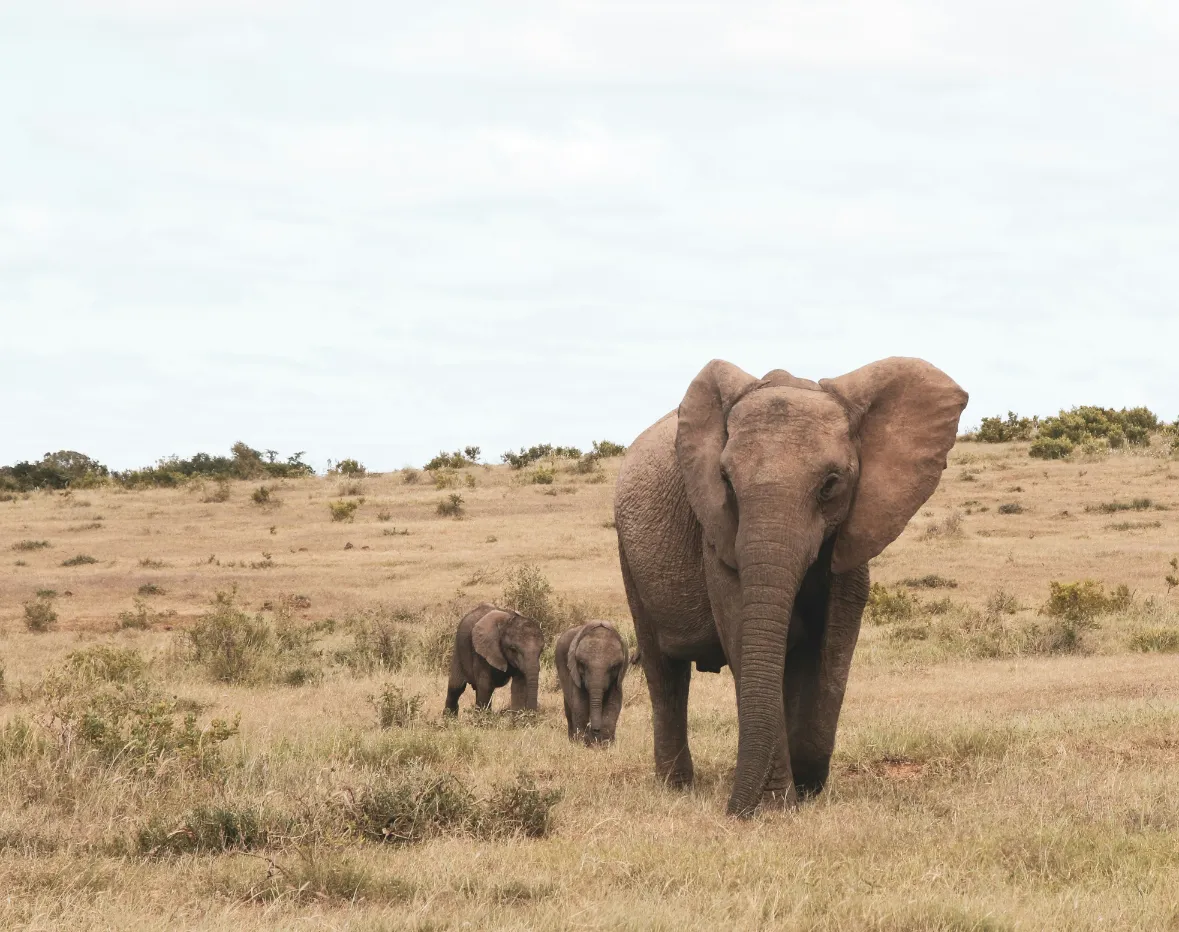
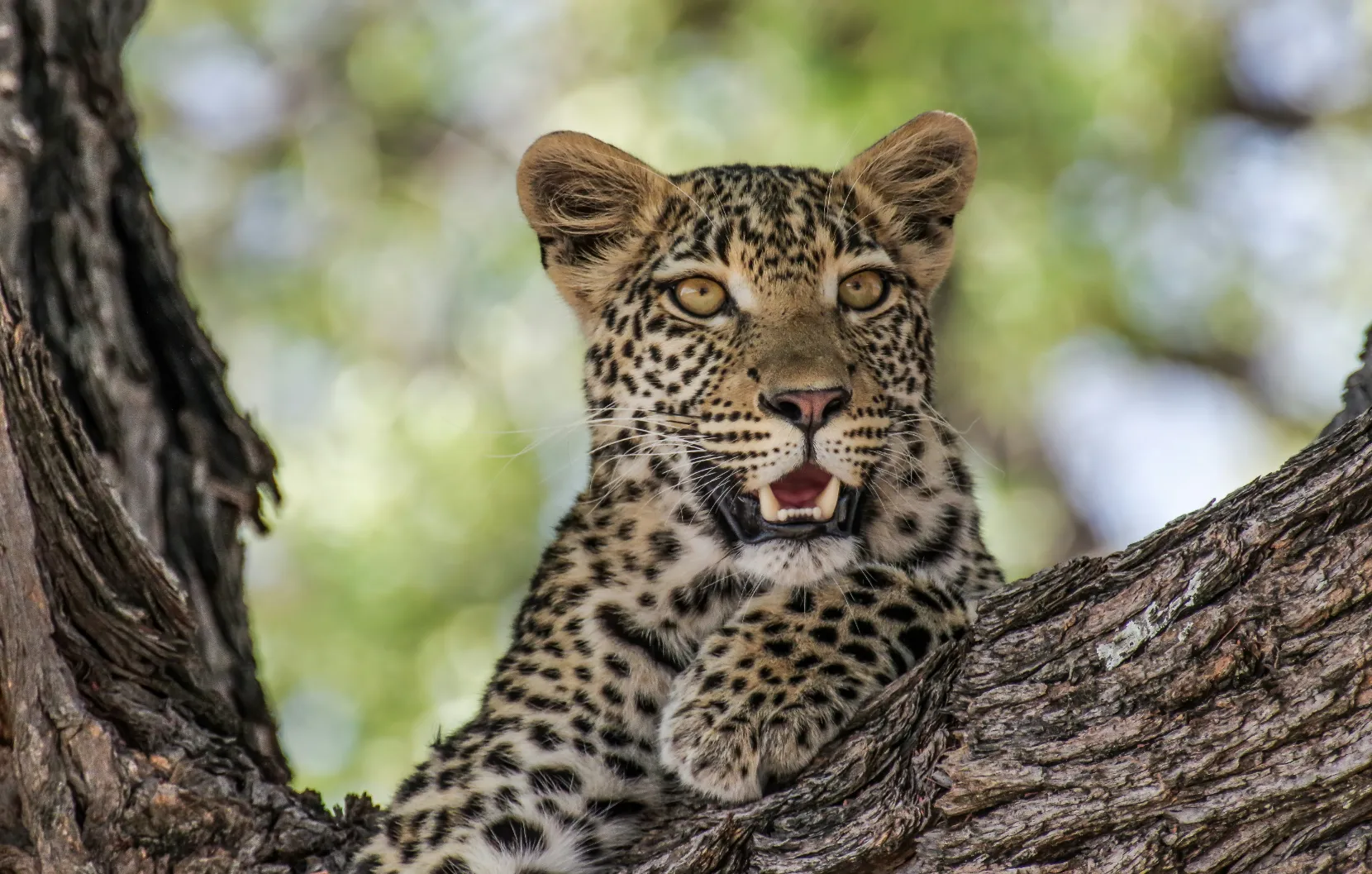
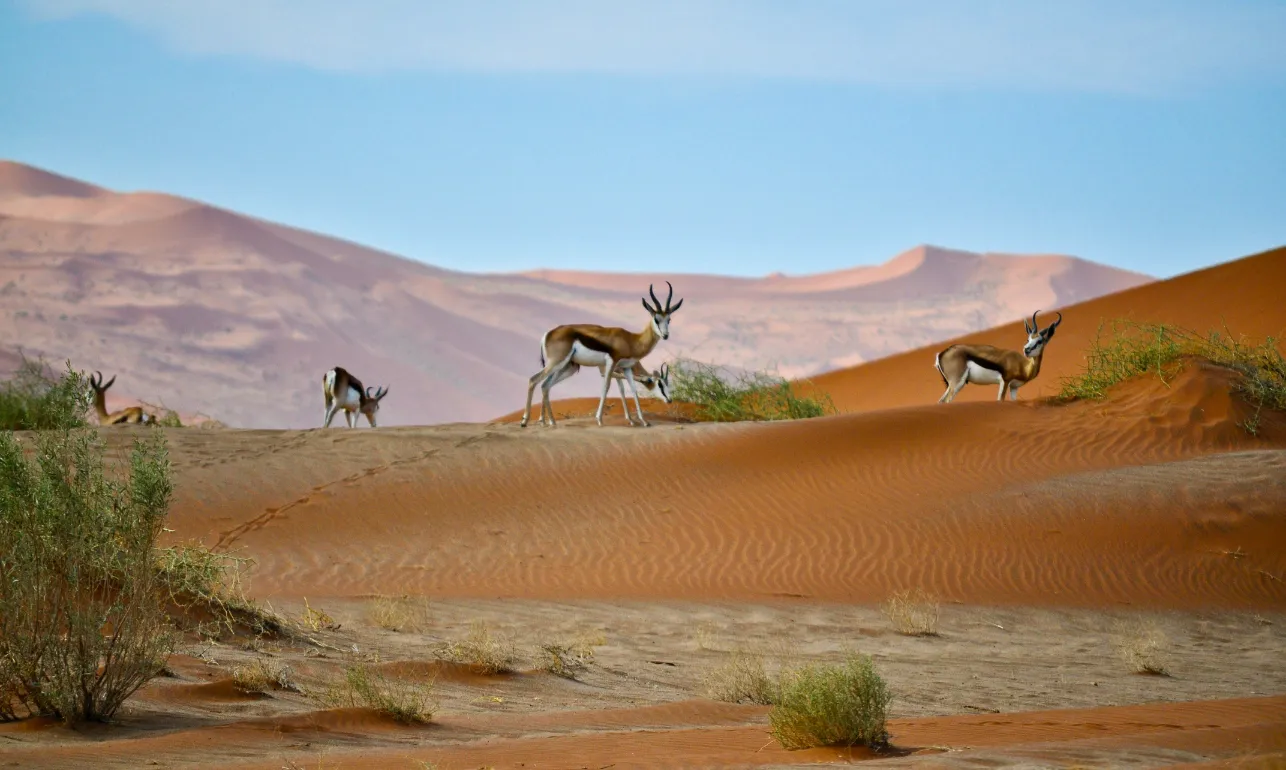
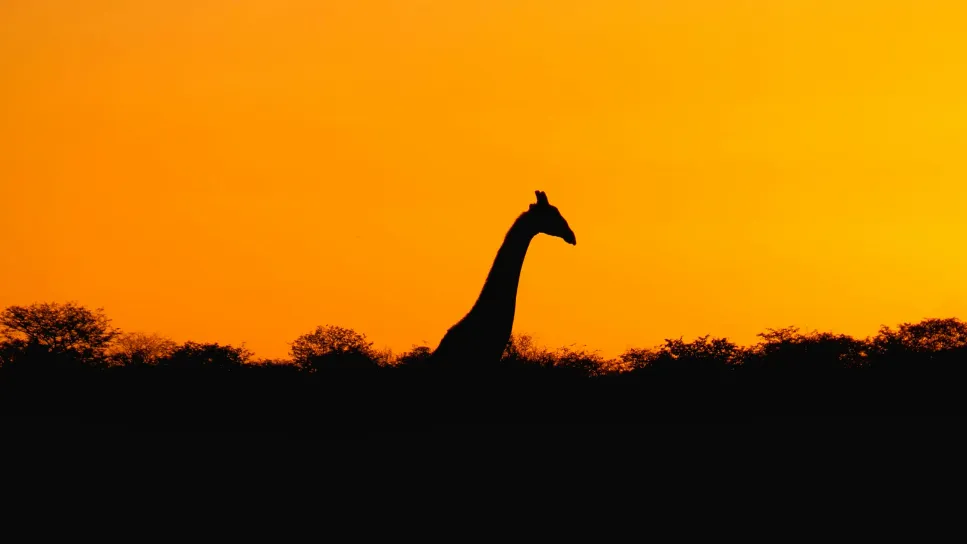
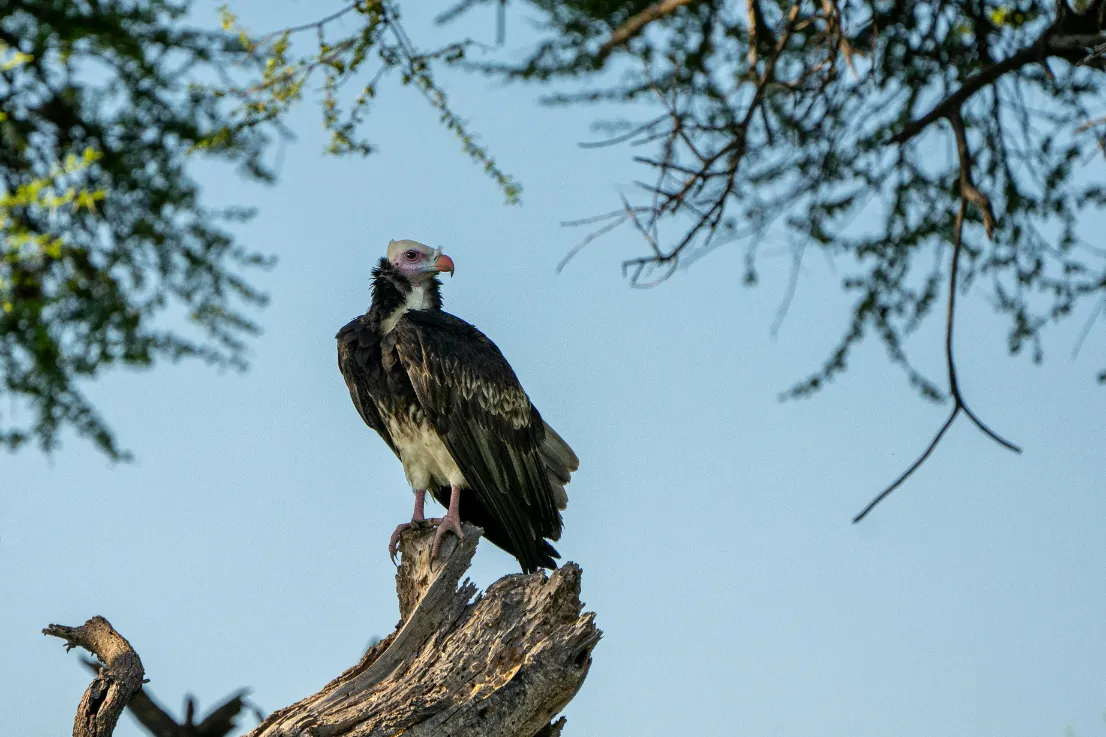
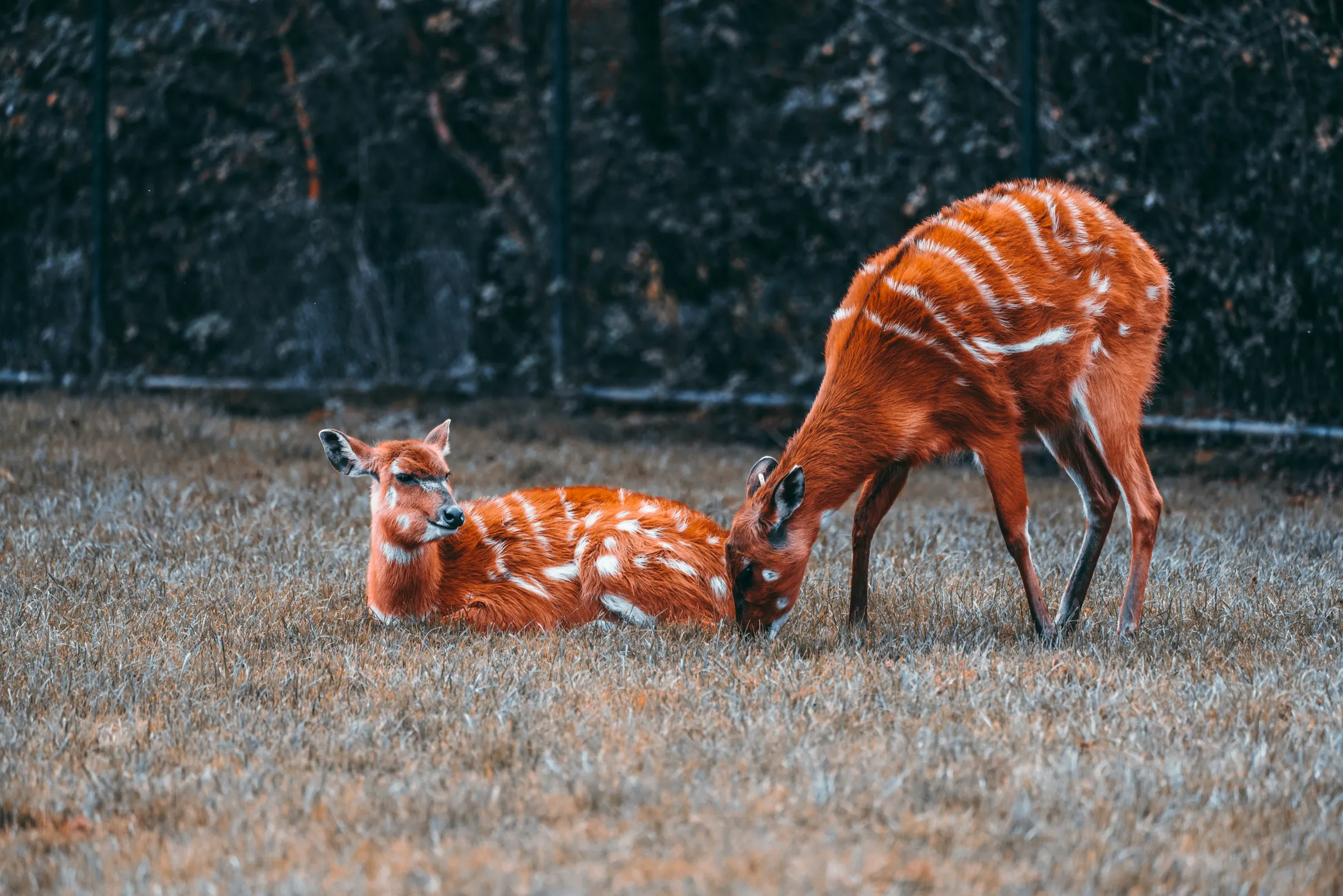
Wild animals are everywhere. Don't be surprised if you see zebras, antelopes, or even giraffes crossing the road. Drive slowly and carefully, especially at dusk and dawn when animals are most active.
How does it feel when you're there?
Driving in Namibia is an emotional experience. There are moments of complete calm and tranquillity when you're surrounded by nothing but nature. There are moments of slight tension when traversing tough terrain or wondering whether the next petrol station is open. But above all, there's the prevailing sense of freedom and adventure.
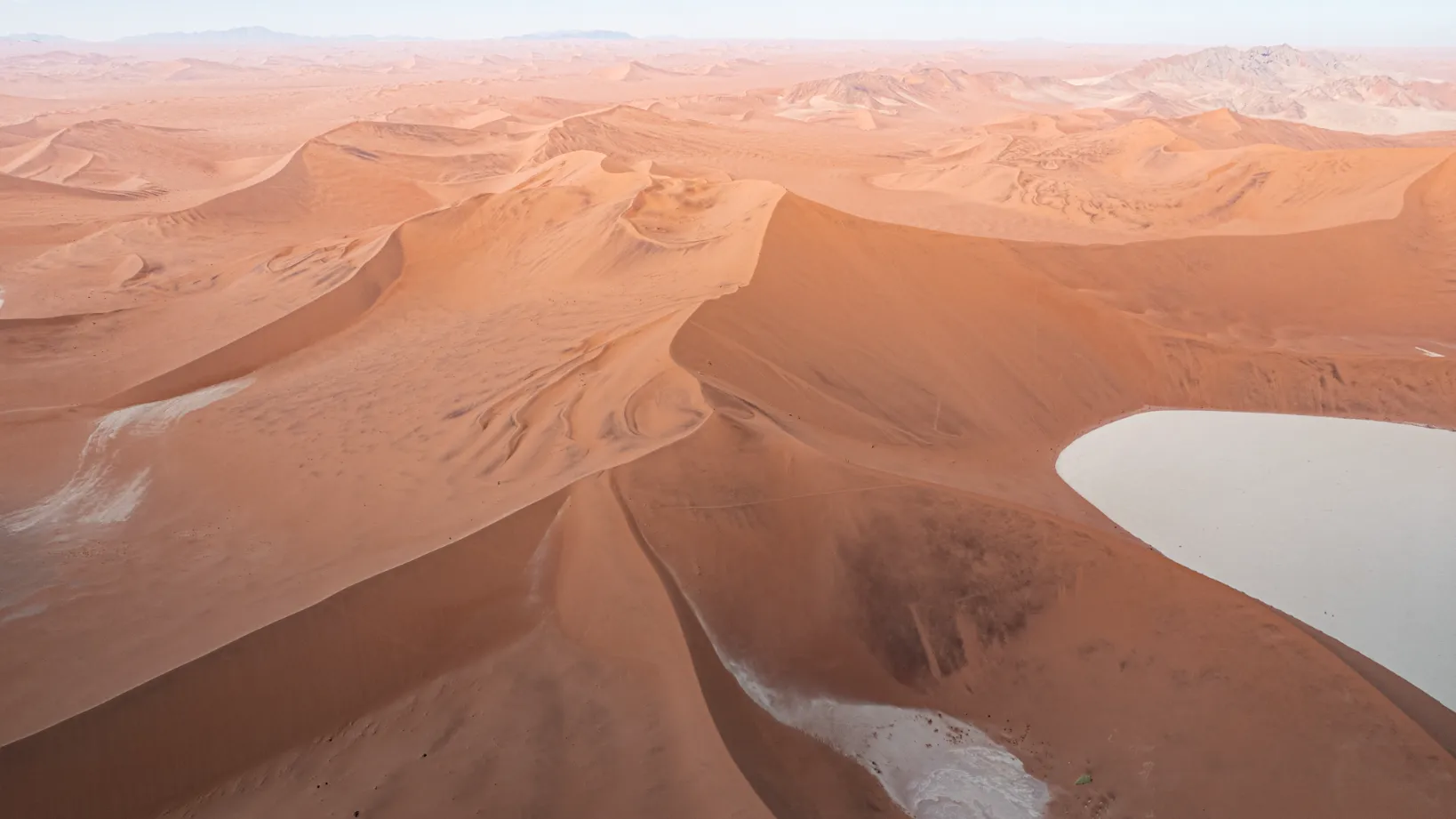
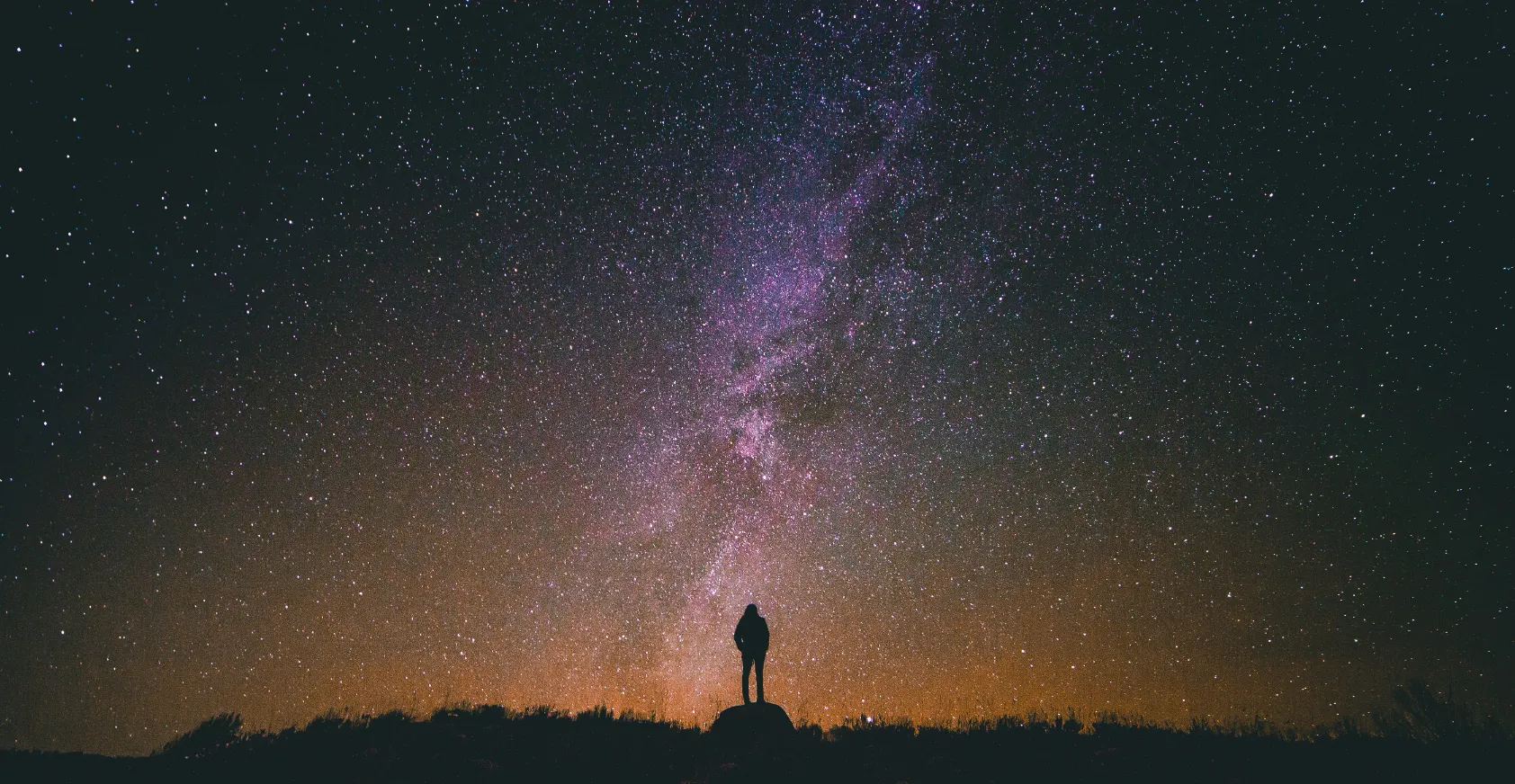
You feel small against the majesty of the desert. The colours are vibrant and changeable throughout the day – from the soft pastel tones of the morning to the fiery reds and oranges of the sunset. The air is dry and clear, and the night sky is filled with billions of stars, clearer than you've ever seen.
This is a journey that connects you with yourself and nature in a profound way. Away from the hustle and bustle of everyday life, you have time to think, reflect and appreciate the simple things.
Hidden corners and unforgettable moments
While driving, you'll discover many hidden corners that aren't described in every guidebook. It could be a lone baobab tree in the middle of nowhere, an abandoned farm telling stories of the past, or just a breathtaking view that makes you stop and leaves you breathless.
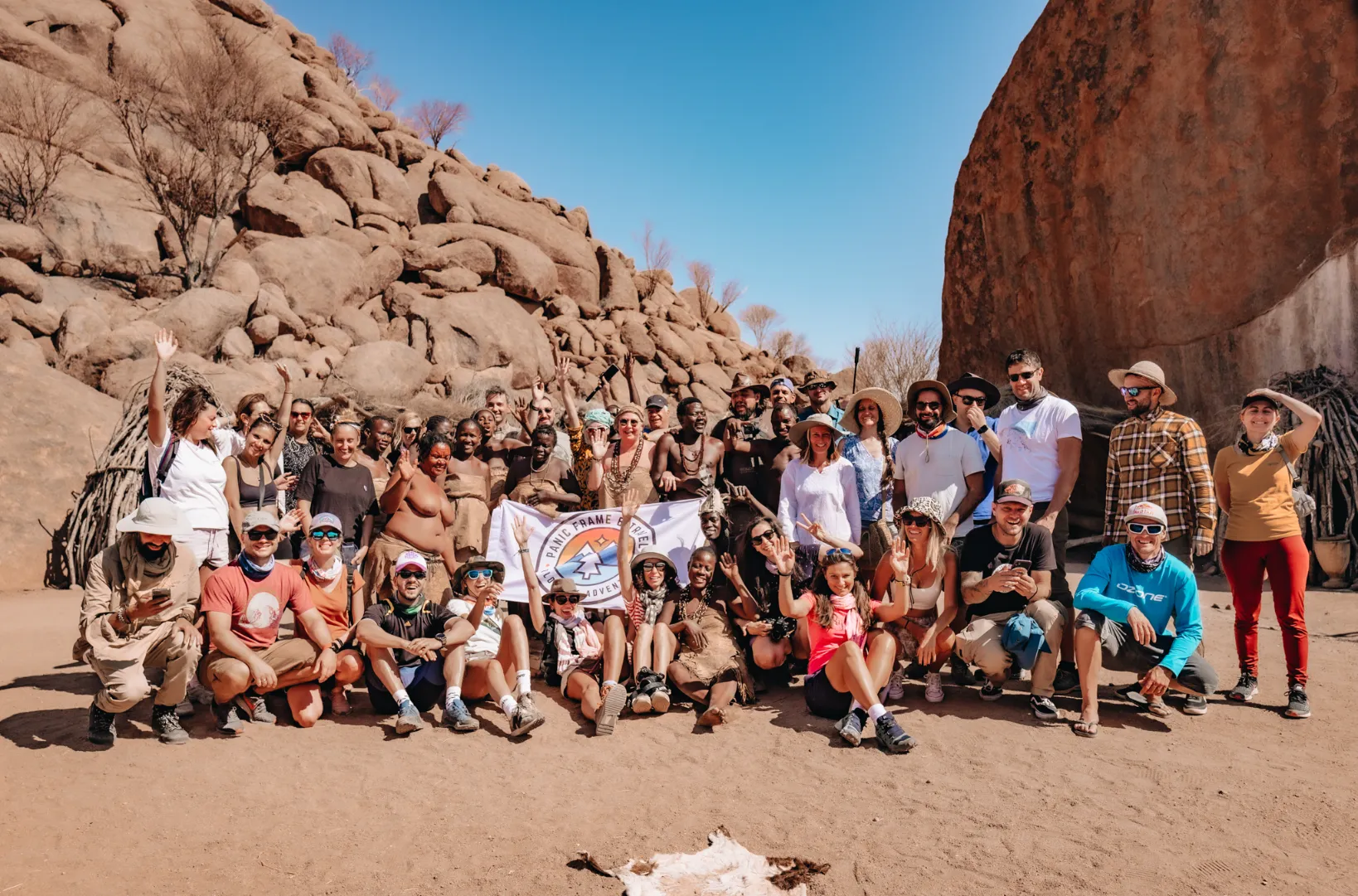
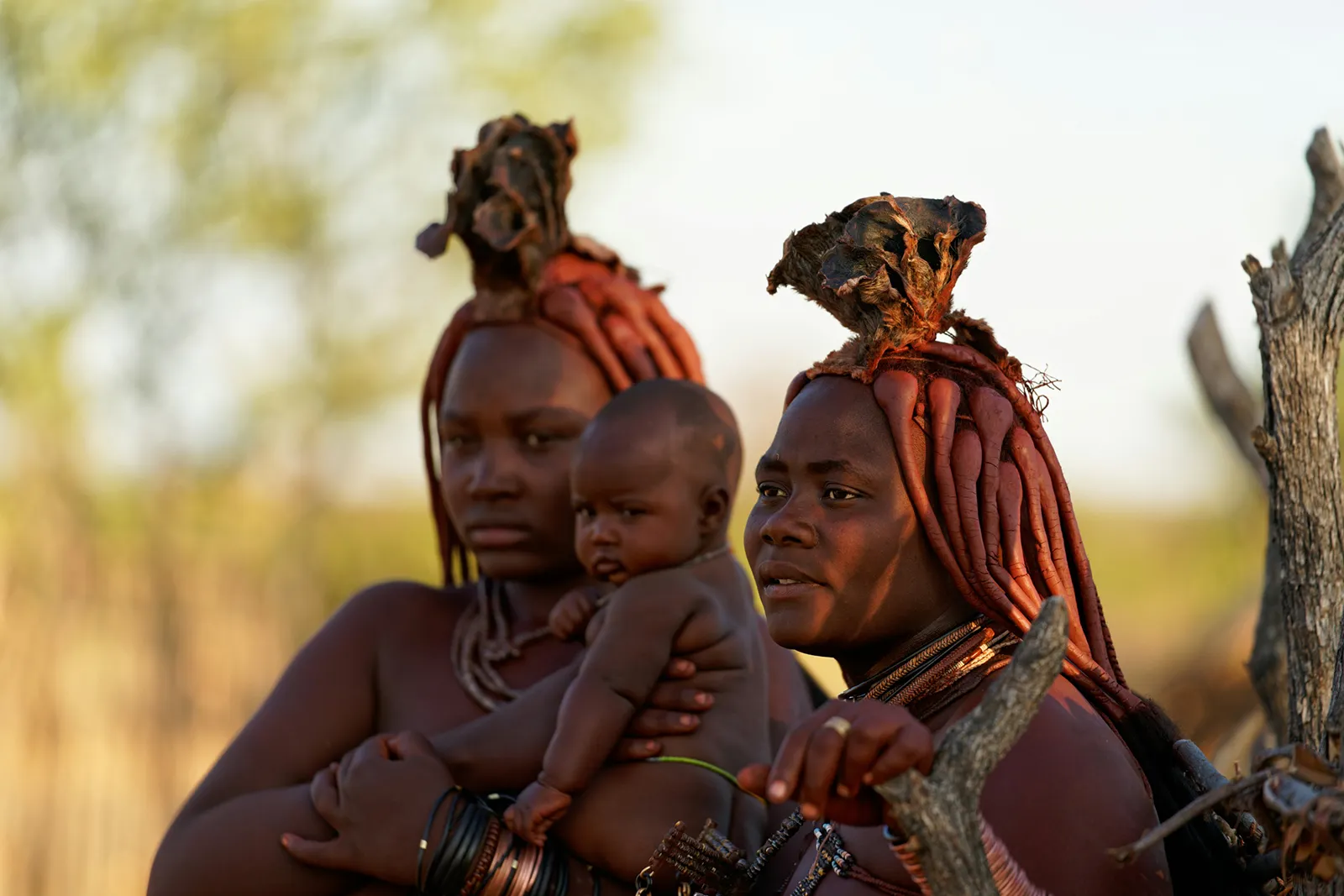
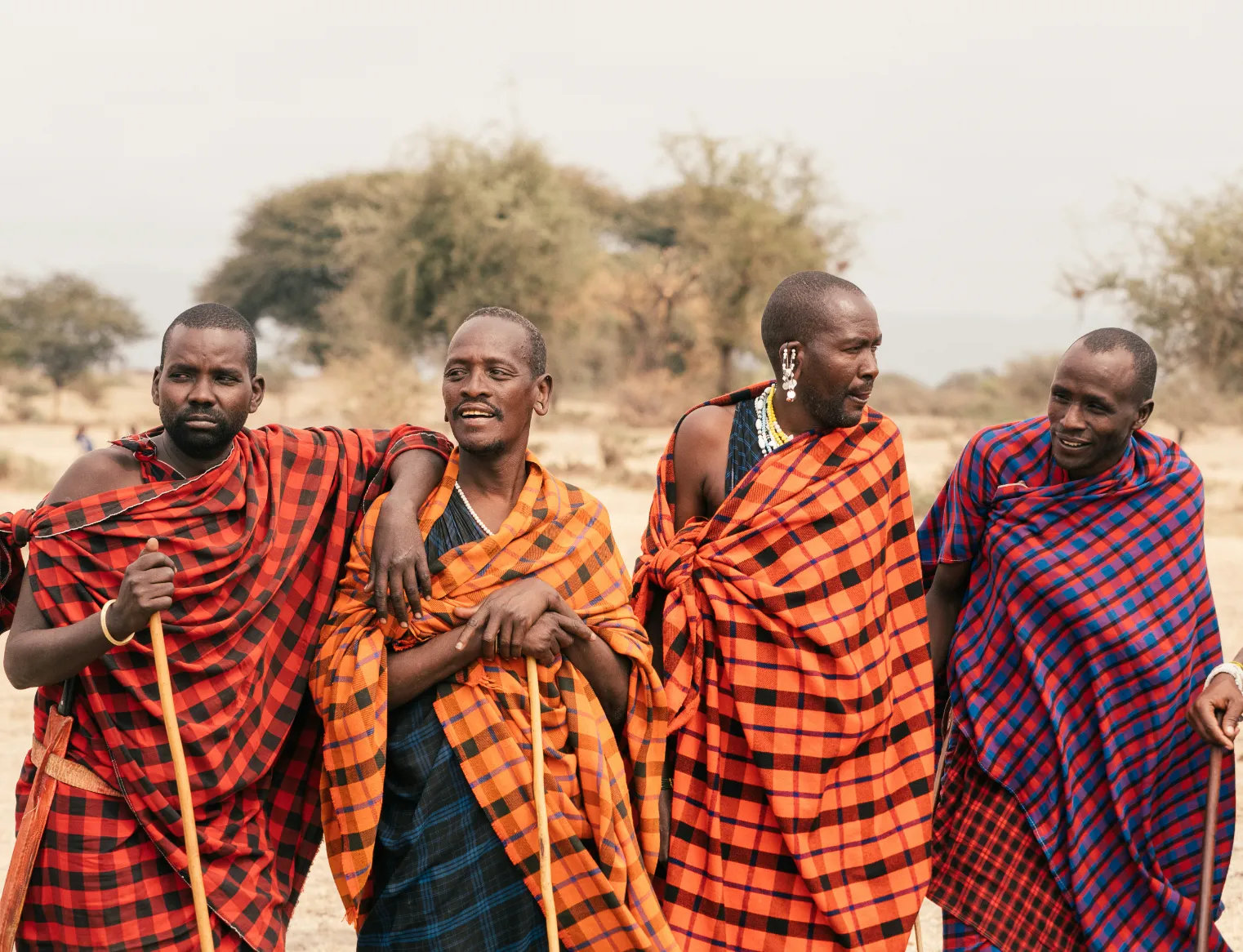
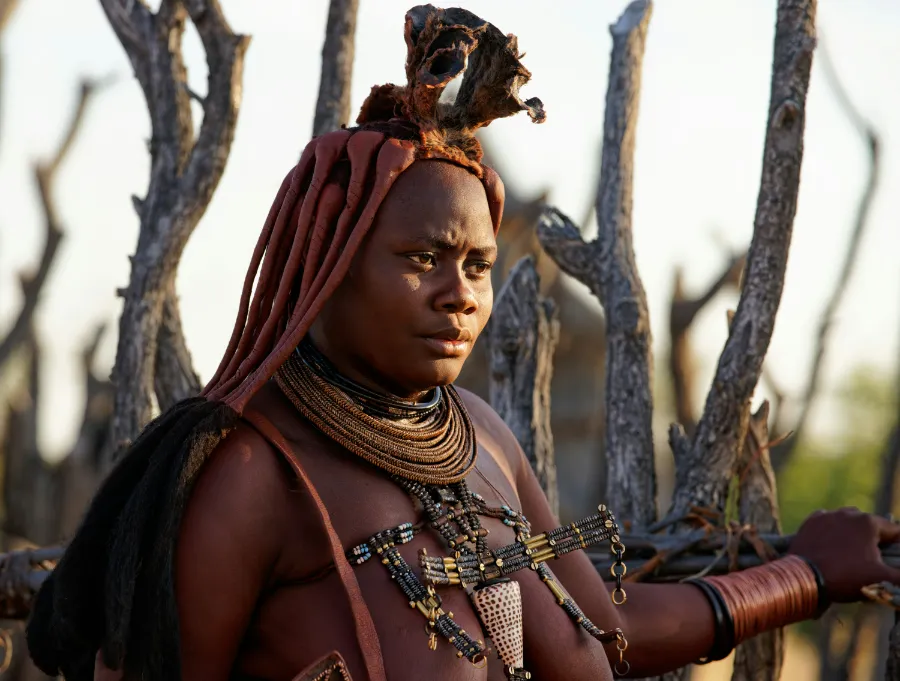
One of my favourite moments was when we stopped in the middle of the Damaraland desert and just sat in silence, listening to the sounds of the wind and feeling the warmth of the sun. Or the encounter with local Himba tribespeople, who live in harmony with nature and preserve their traditions.
Don't miss the opportunity to visit:
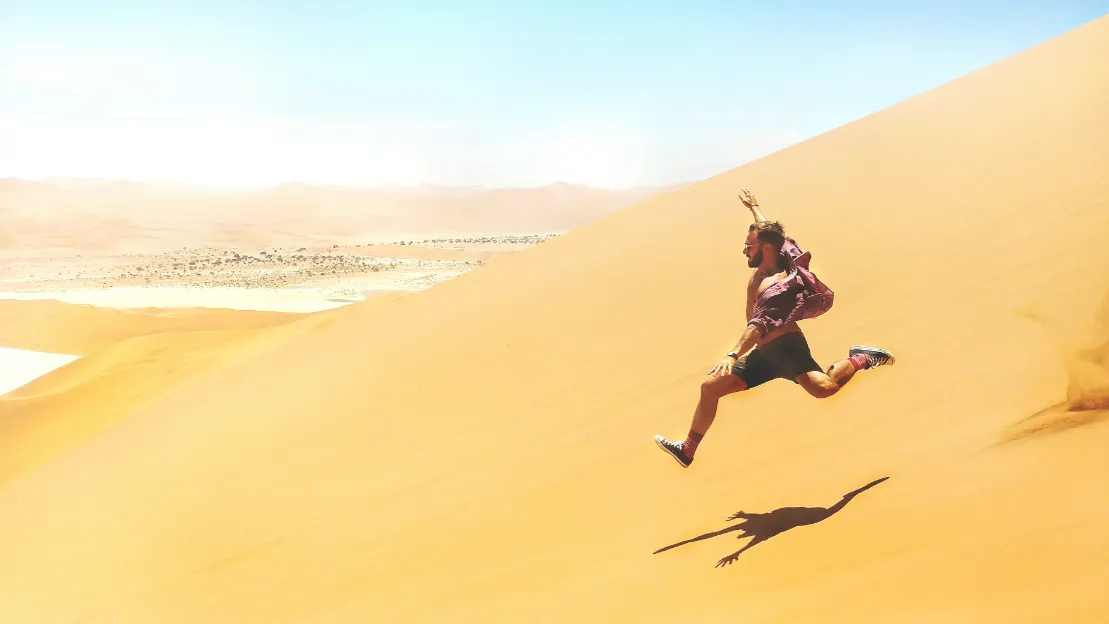
Sossusvlei: With its iconic red dunes and the hauntingly beautiful Deadvlei. Climbing Dune 45 at sunrise is a must!
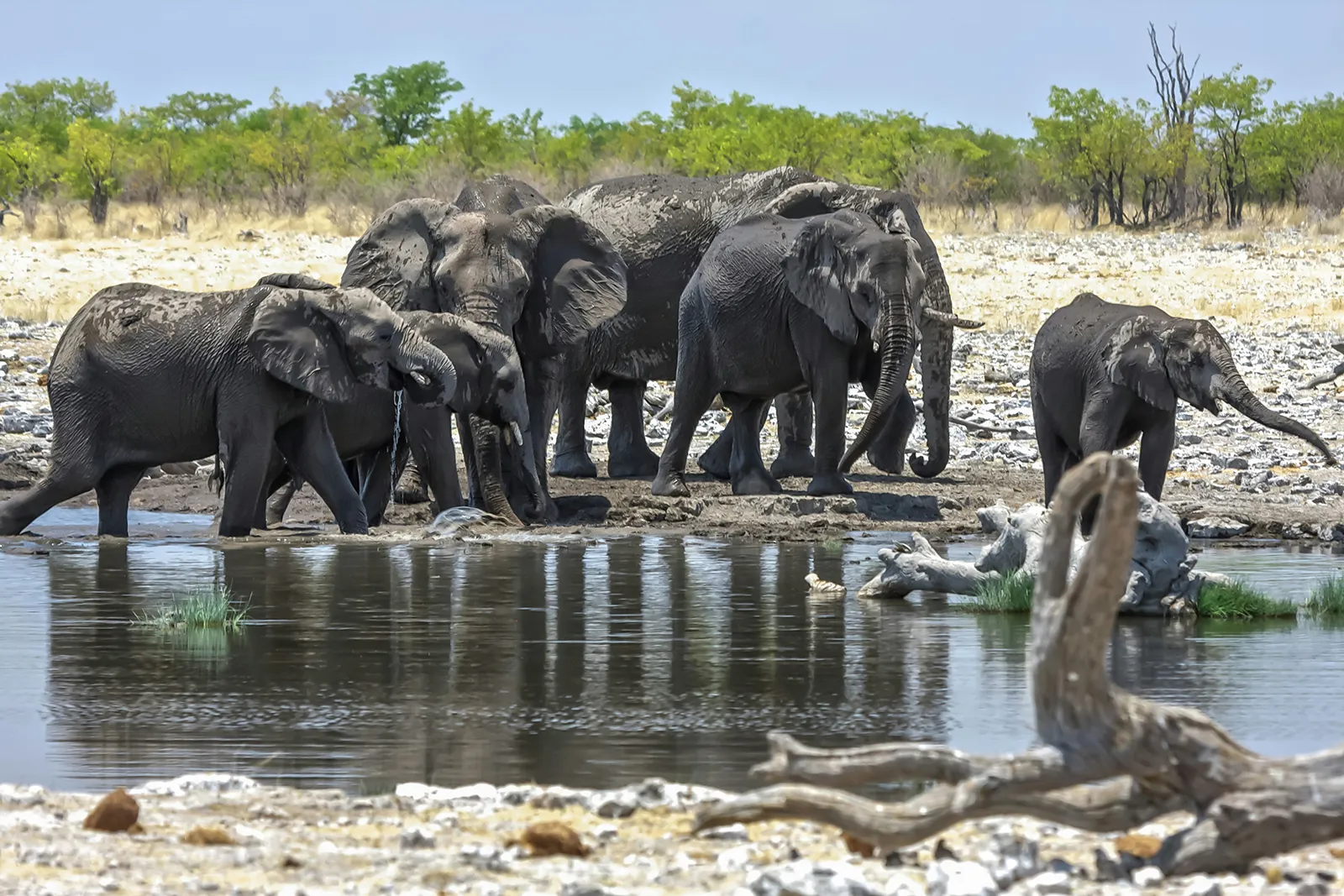
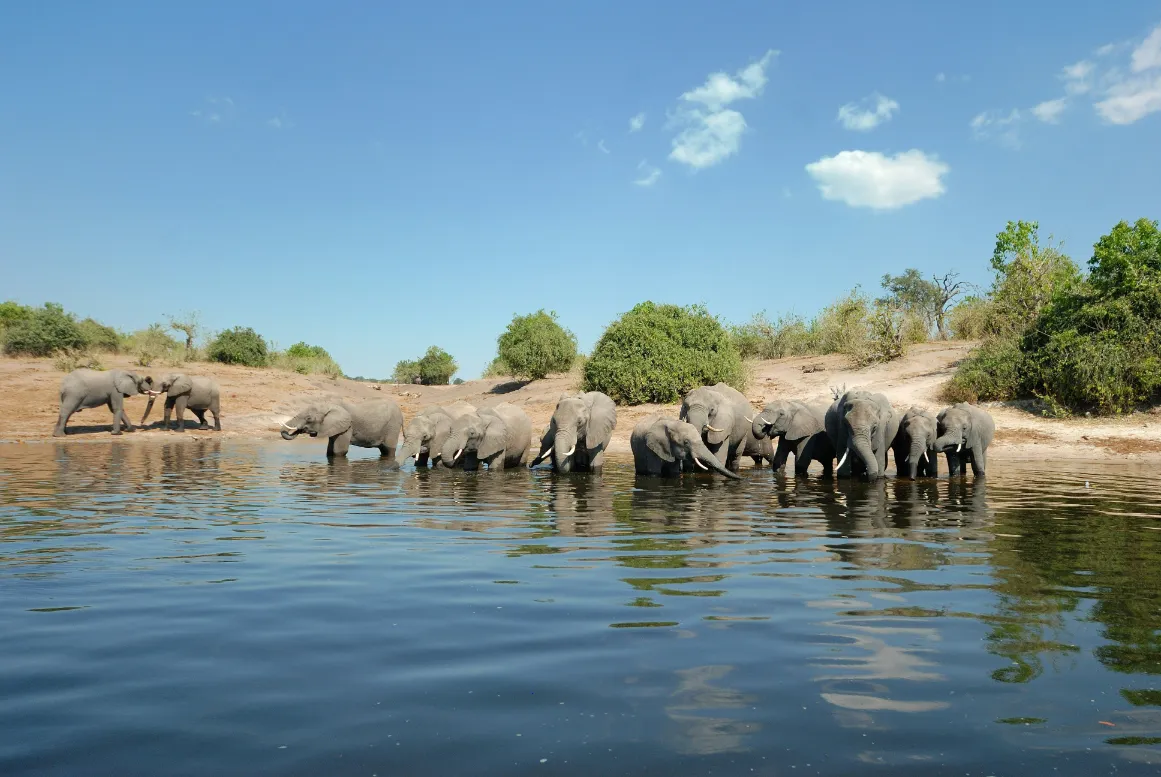
Etosha National Park: One of Africa's best wildlife viewing parks. The waterholes are animal magnets, especially during the dry season.
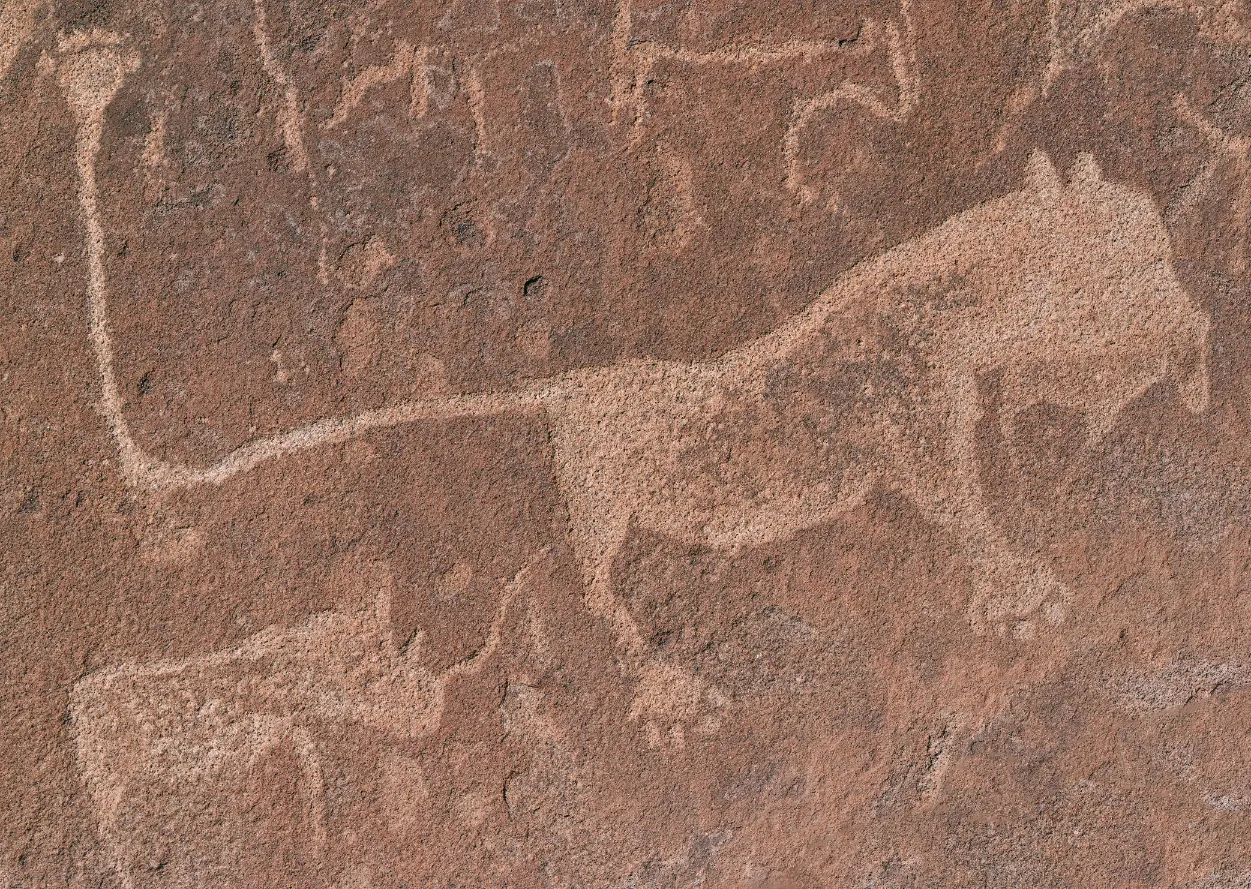
Damaraland: An area with unique rock formations, ancient rock art, and the chance to see desert elephants and rhinos.
Skeleton Coast: A mystical place where the desert meets the ocean, dotted with shipwreck remains.
Practical tips for driving in Namibia
To ensure your adventure is smooth and safe, here are some crucial tips:
When is the best time to visit?
The dry season (May to October) is the most popular time to visit. Temperatures are more moderate, and wildlife viewing in Etosha is excellent as they gather around water sources. The rainy season (November to April) may bring heavy storms that make some roads impassable, but the landscape is greener and there's an abundance of newborn animals.
How do you get to Namibia?
The international airport is in the capital Windhoek. There are flights from Europe and other African cities.
What vehicle should you choose?
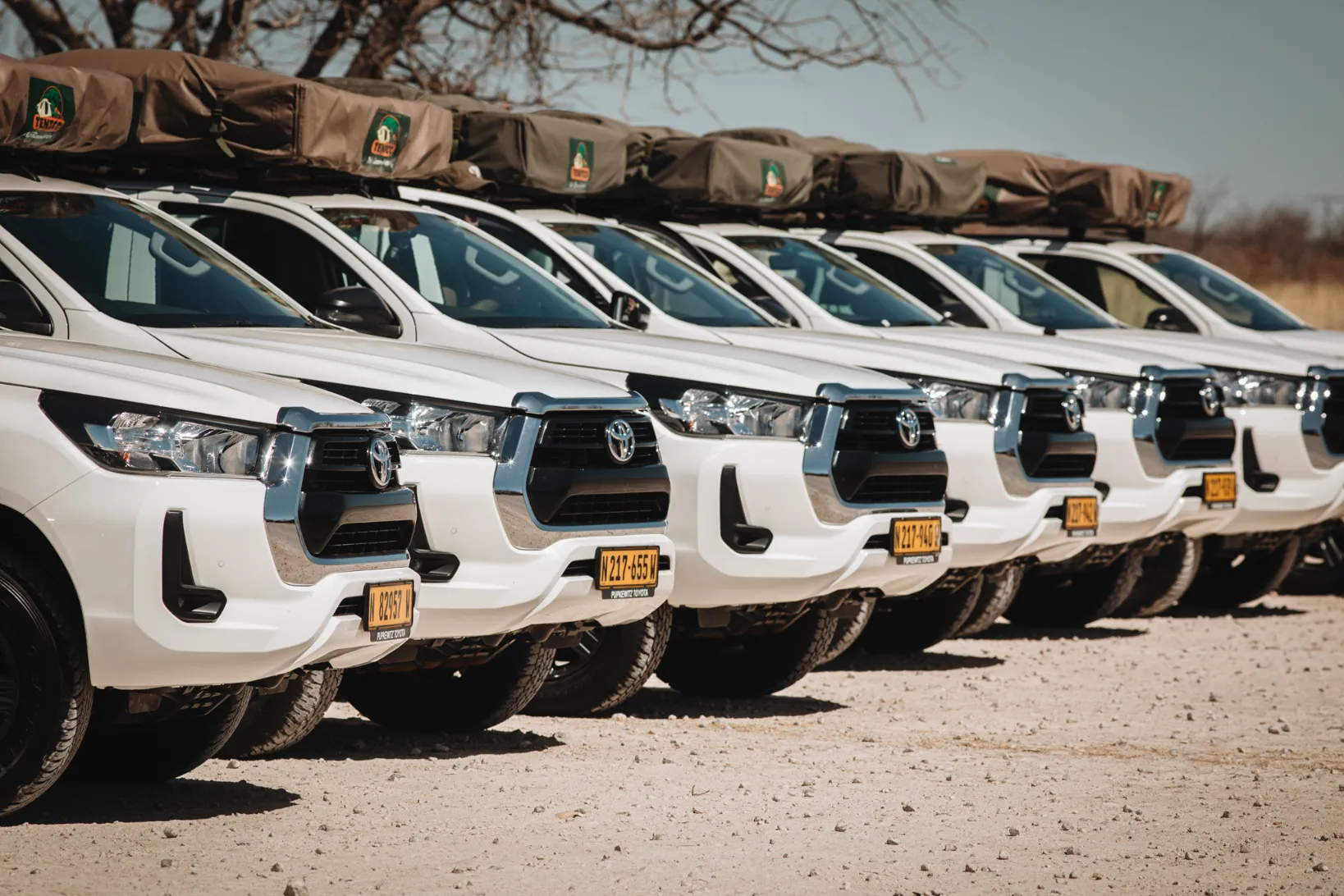
I highly recommend a 4x4 vehicle. Even if you plan to stick to the main gravel roads, a 4x4 provides more security and allows you to explore more remote places. Ensure the car is in good mechanical order and has a spare tyre (or even two!).
What to bring with you?
Water: Lots of it! The desert is dry, and dehydration is a real risk.
Fuel: Always fill up when you can. You might need to carry extra jerry cans.
Food: Especially if you plan on camping or visiting remote areas.
Maps and GPS: Don't rely solely on your phone; coverage is limited. Paper maps and a GPS device are essential.
First aid kit: For any minor injuries.
Spare tyre and tools: Learn how to change a tyre before setting off.
Sunscreen, hat and sunglasses: The sun is strong.
Clothing: Light clothing for daytime and warmer clothes for the evening, especially during the winter months.
Camera: You'll have countless photo opportunities!
Road safety
Drive slowly and carefully, especially on gravel roads.
Be cautious of wildlife, especially at dusk and dawn.
Avoid driving at night.
Inform someone of your route, especially if travelling alone.
When meeting other vehicles on gravel roads, slow down and move slightly aside to avoid stones hitting your windshield.
Frequently Asked Questions
Is it safe to drive alone in Namibia?
Overall, Namibia is a safe country to travel. The main risks are related to road conditions and wildlife. If you are well-prepared, have an appropriate vehicle, and follow basic safety rules, you can drive alone. Nonetheless, travelling with a companion or as part of an organised group can provide extra security and peace of mind.
Is an international driving licence necessary?
Yes, it is advisable to have an international driving permit in addition to your national driving licence.
Is petrol easy to find?
There are petrol stations in major towns and along main roads, but distances between them can be significant. Always fill up and carry extra fuel if planning to leave main routes.
What to do with a flat tyre?
Flat tyres are a common issue on gravel roads. Ensure you know how to change a tyre and have all necessary tools. Having two spare tyres is even better.
Conclusion
Driving through the wilds of Namibia is an adventure that will leave a lasting mark on your heart. It's an opportunity to break away from the everyday, immerse yourself in incredible nature, and experience something truly authentic. The raw beauty of the desert, encounters with wild animals and the sense of boundless freedom make this journey unforgettable.
If your dream is to explore Namibia in this way but feel unsure of doing it alone, we at Panic Frame & Travel are here to help. We can organise your driving adventure by taking care of every detail – from renting the right vehicle to planning the route and booking accommodation. We'll provide all the necessary advice and support so you can fully enjoy this incredible experience.
Don't delay your dream! Come and discover the wild beauty of Namibia with us. Allow yourself to get lost in the endless horizons and create memories that will stay with you forever.
More on off-road in Namibia
Guide to 4x4 in Namibia | Khaudum - the wildest national park
Explore
Author: Martin Bonov