6 Iceland adventures you'll never forget
There are moments that simply cannot be captured in a photo. You try, taking 10, 20, 50 shots, but when you get back and look through them, something is missing. It's not the framing. It's the wind that was battering you. It's the roar of the thundering water. It's the cold creeping under your jacket. Iceland is full of moments like these. Here are six you will never forget.
Iceland is small. Smaller than Bulgaria, with a population smaller than Plovdiv. But within these 103,000 square kilometres, you'll find glaciers, volcanoes, geysers, hot springs, black beaches, canyons, waterfalls, and deserts that look like nothing else in Europe. Every single day on Route 1 brings something else. Not just a "different view", but a different feeling altogether, a different scale, a different texture to the air.
These six experiences aren't a "best of" list (we don't do rankings). They are simply the moments where most people stop taking photos and just stand there, taking it in.
1. Standing on the edge of a volcano
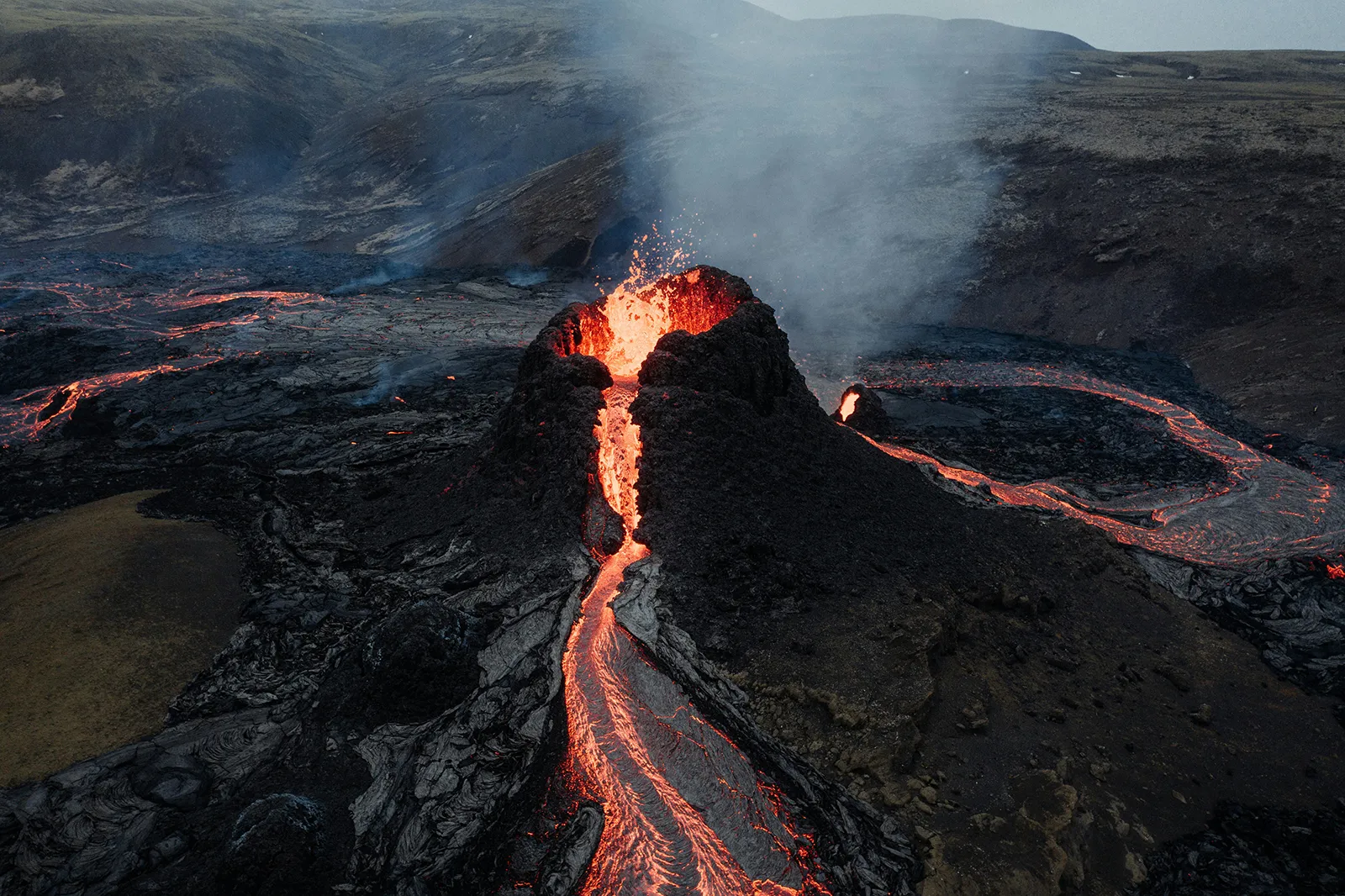
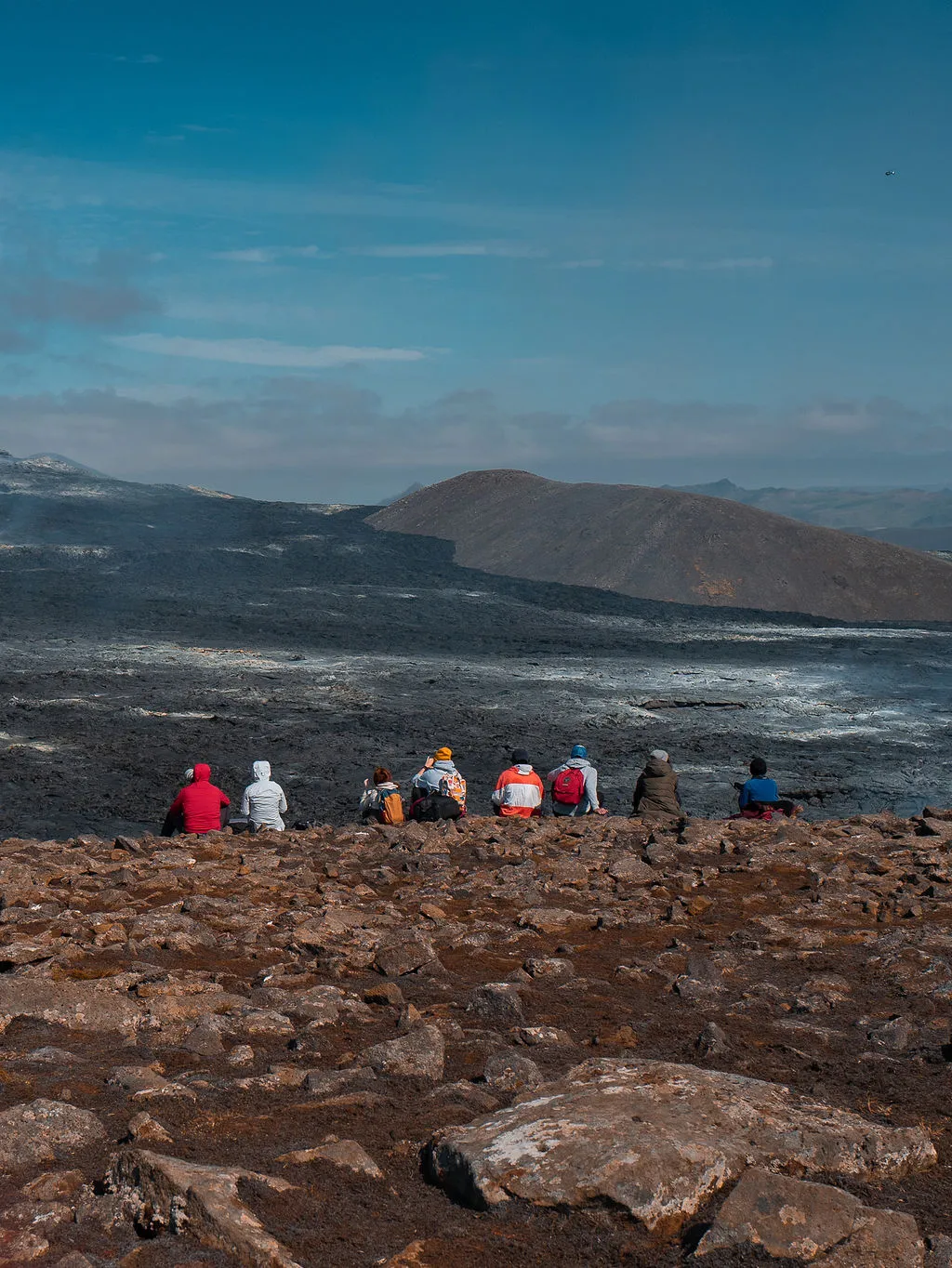
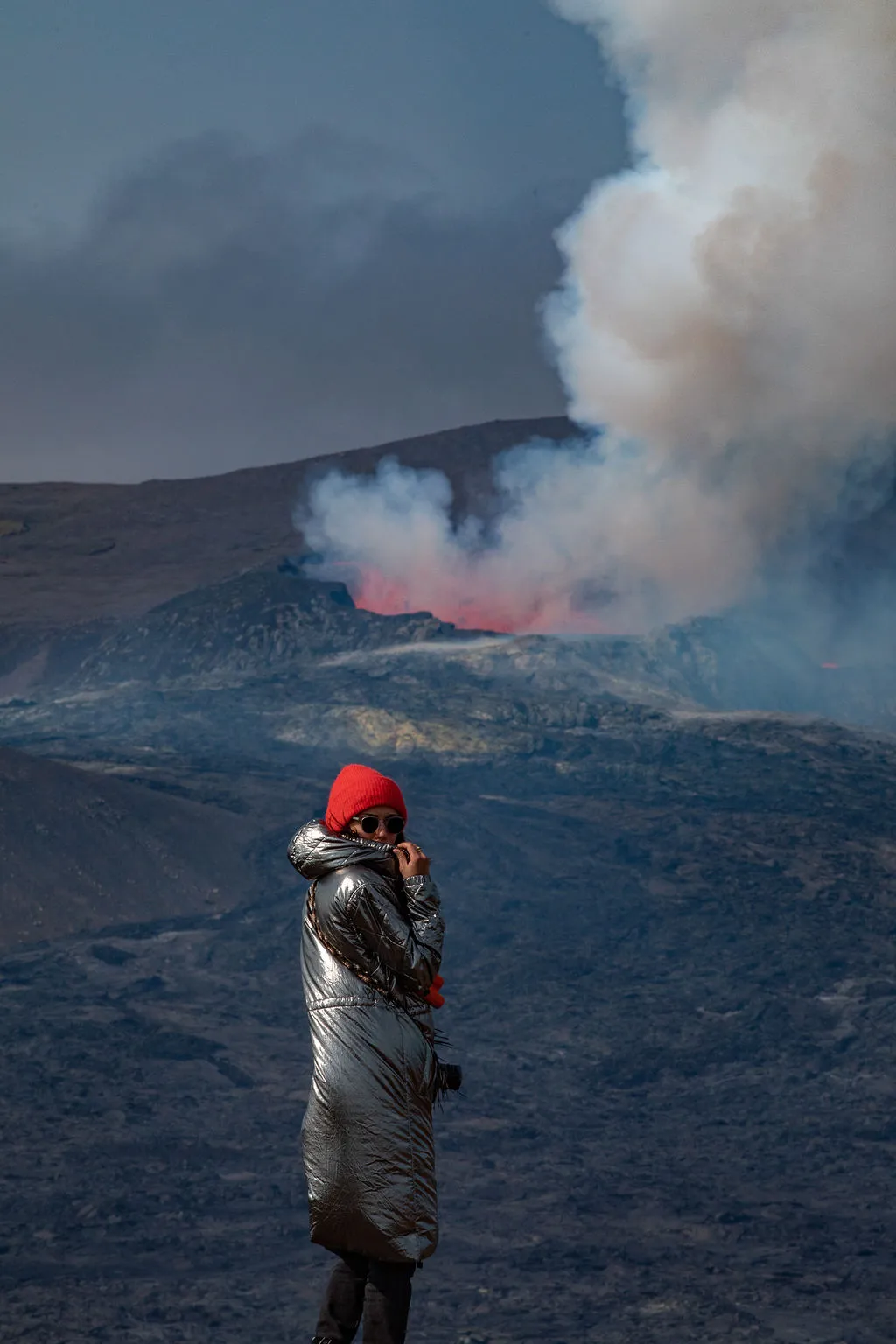
Fagradalsfjall is just an hour and a half from Reykjavik. The volcano was active until recently; the lava is still dark and sharp, and the hike takes about 2 hours along a marked, relatively easy trail.
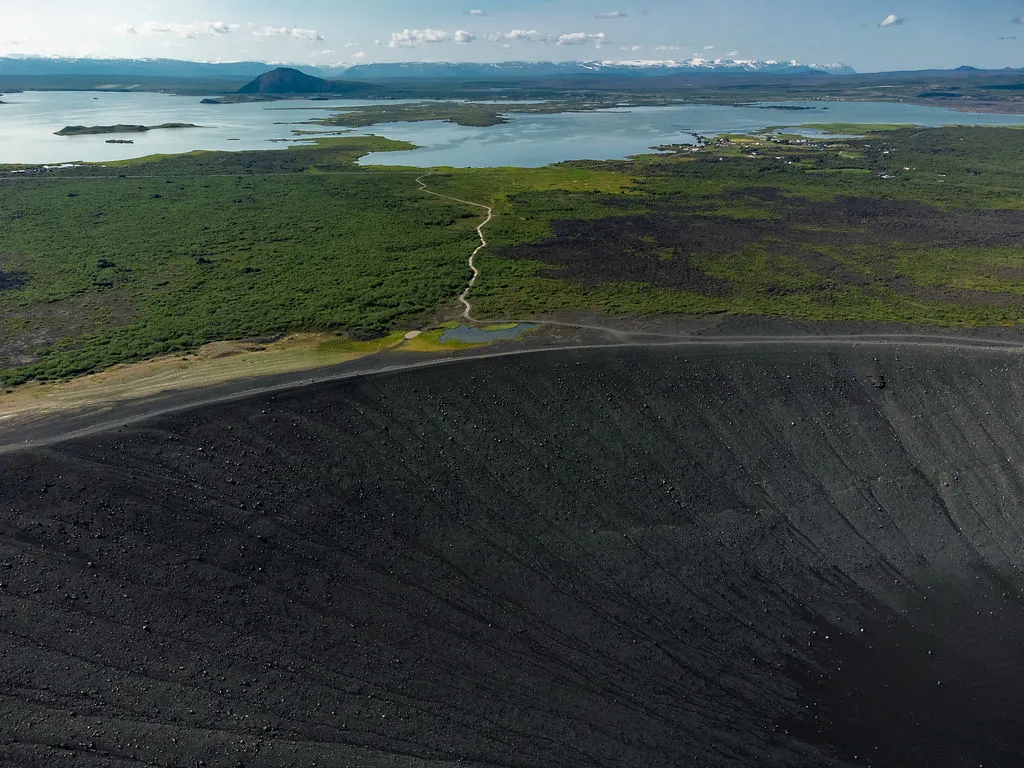
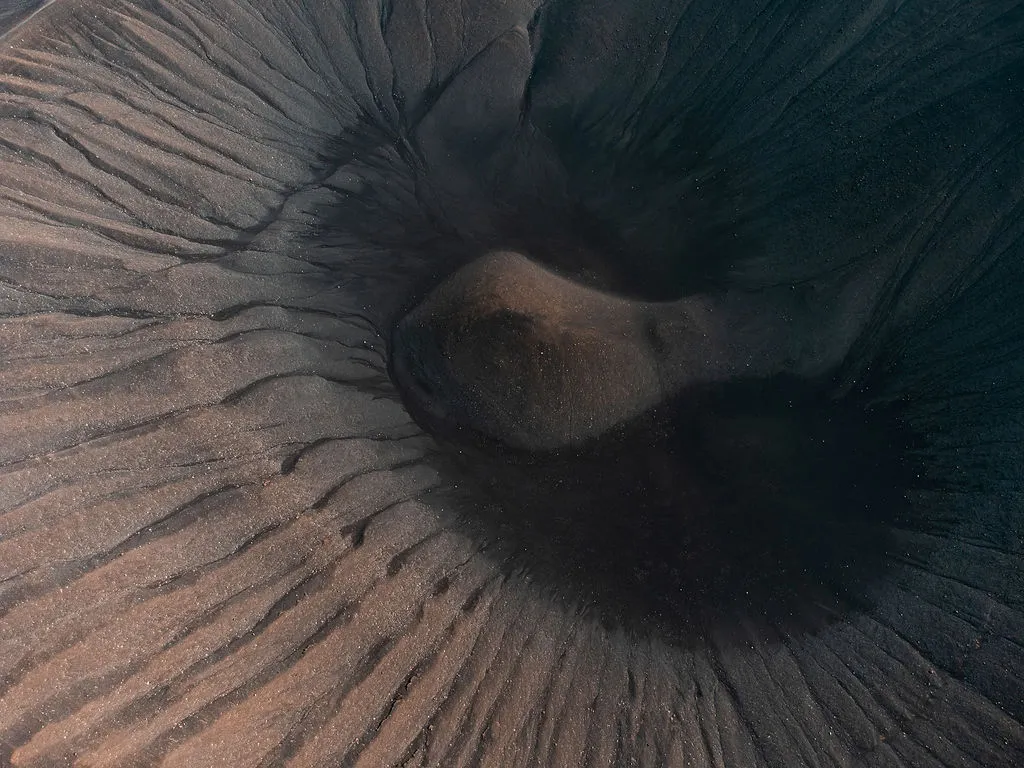
But this is no walk in the park. The landscape is lunar, dead and alive at the same time. Moss has not yet claimed the rocks, and the lava is folded into shapes that look like frozen waves. The air smells of sulphur and stone. At the crater's edge (if accessible), you stand and peer down into the black pit where molten earth was flowing just a few years ago.
The contrast is immense: the ocean spans the horizon, the green hills of Reykjanes lie behind you, and beneath your feet is something that rose from 20 km deep. Few things make you feel so small. This volcano is one of them.
2. Soaking in a hot spring while the snow falls
The Blue Lagoon is the famous choice, but it’s not the only one, and it’s not necessarily the best. Myvatn Nature Baths in the north offer the exact same thing (geothermal water, 38-40°C, mineral-rich, milky-blue liquid) but with fewer crowds and views of a volcanic crater.
The Secret Lagoon in Flúðir is Iceland’s oldest pool (dating back to 1891), intimate and shrouded in steam rising from the surface. Then there are the wild hot pots scattered across the island—free, unmarked, discovered only through local tips or GPS coordinates shared in online forums.
The feeling is always the same: you slide into the warm water, your body completely relaxes, while outside it's 3°C and perhaps snowing. The steam curls around you, visibility drops to 5 metres, and the world shrinks to the temperature of the water and the sound of your own breath. Raw and luxurious all at once. This is Iceland at its most raw.
3. Sidling up to icebergs just 10 metres away
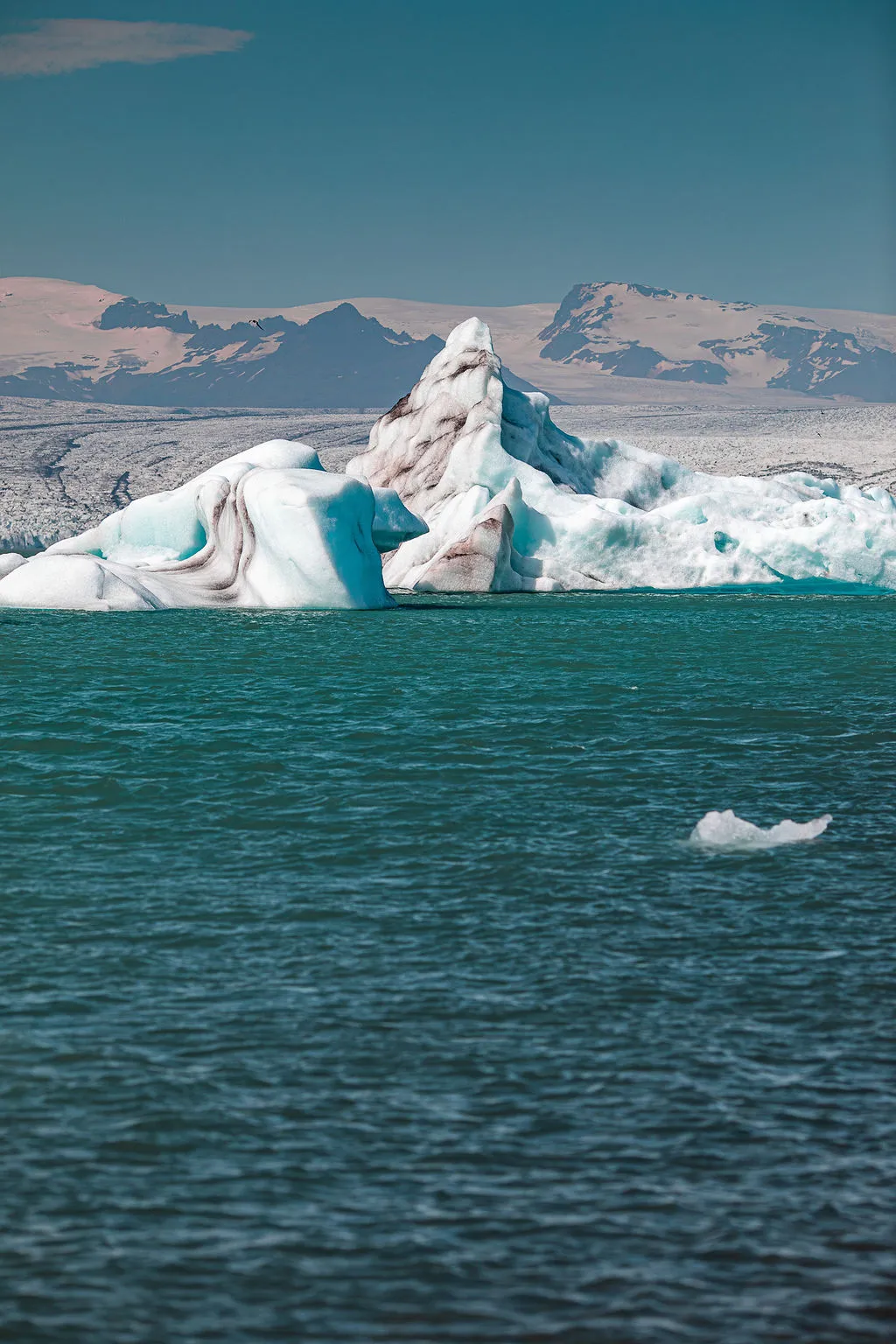
Jökulsárlón isn't something you can prepare for with descriptions. You stand on the shore of the lagoon and just stare. Blocks of ice as big as cars, buses, or houses float slowly towards the ocean. Some are brilliant white, others are electric blue from the inside, while some carry stripes of black volcanic ash, fine as lace.
Seals swim between them, bobbing their heads above water to look at you before diving back down. The ice cracks without warning—a deep, booming sound that echoes through the silence.
Diamond Beach is just across the road. Here, chunks of ice washed up by the tide lie on the black volcanic sand, glittering. Each one is unique, with its own shape, transparency, and shade of blue. The waves wash over them, turning them into mirrors. Kneel down (your trousers will get wet, just accept it) and shoot at sunset, when the light passes through the ice and brings it to life.
This is a place that changes by the hour. Tomorrow these diamonds will be gone, and new ones will have taken their place.
4. Standing beneath a waterfall taller than you
Iceland has over 10,000 waterfalls. Most don't even have a name. But the ones that do stay with you, not because of their height, but because of the sheer sensation of them.
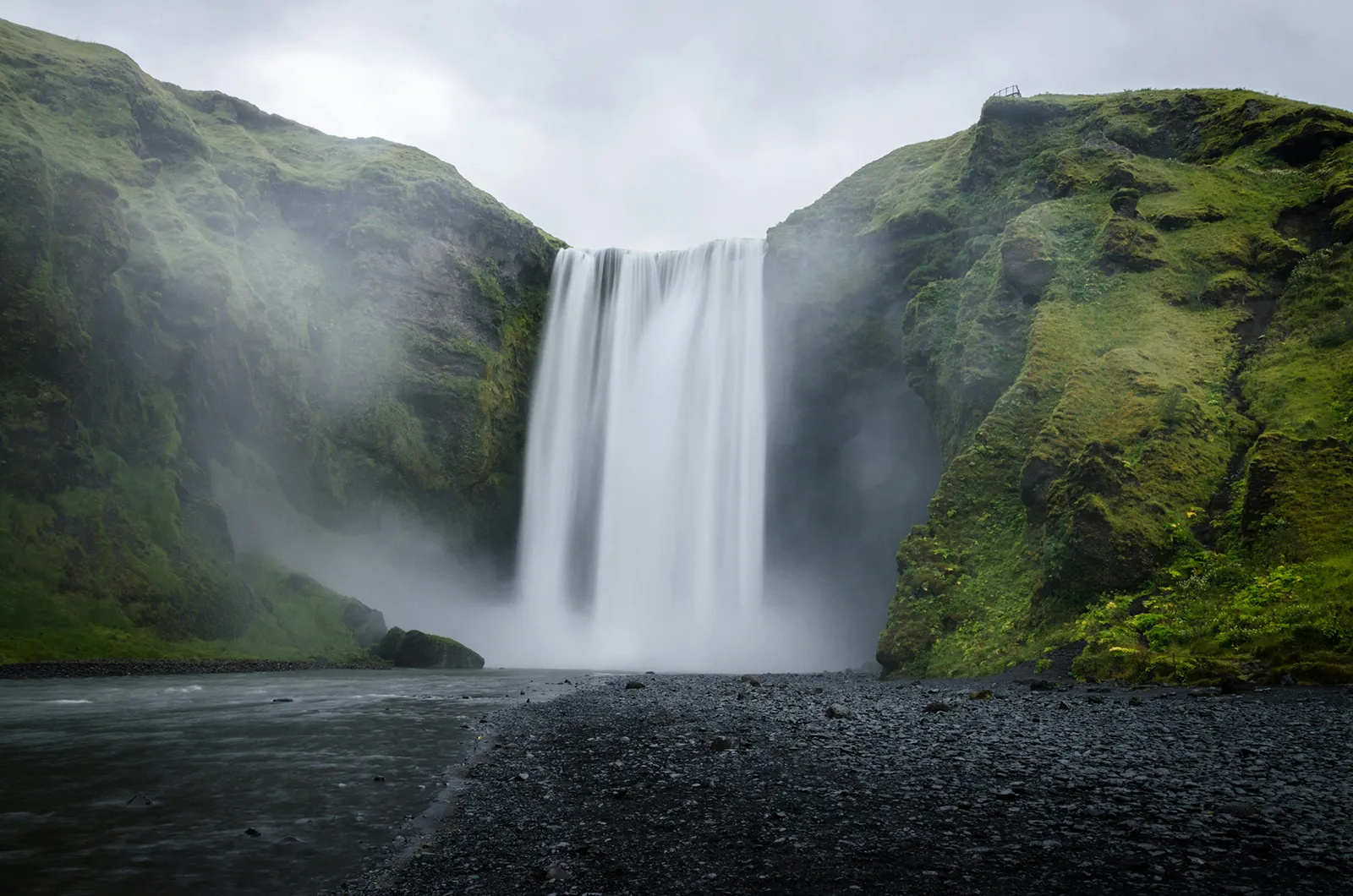
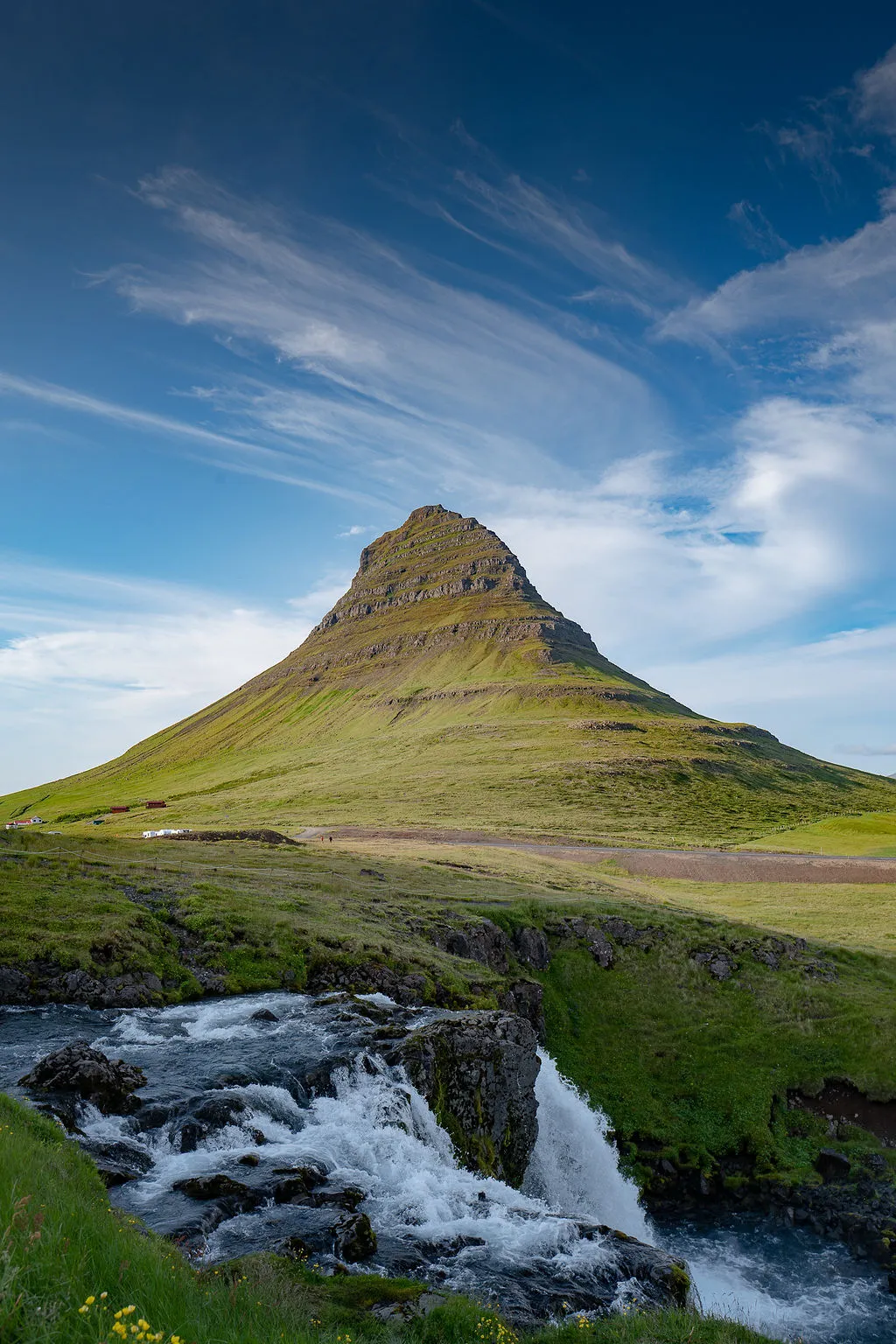
Skógafoss is a 60-metre vertical drop. Standing just 20 metres away, you'll be drenched by the spray. The roar is so loud you have to scream to be heard. On a sunny day, you get a double rainbow. On a cloudy one, the mist wraps around everything, leaving you with just a giant wall of white water and dark rock.
Seljalandsfoss is quieter, more elegant. The path actually goes behind the waterfall, right behind the curtain of water. For 30 seconds, you are enclosed between rock and water; the light is filtered, the sound is all-encompassing, and the damp air is so thick you can practically taste it.
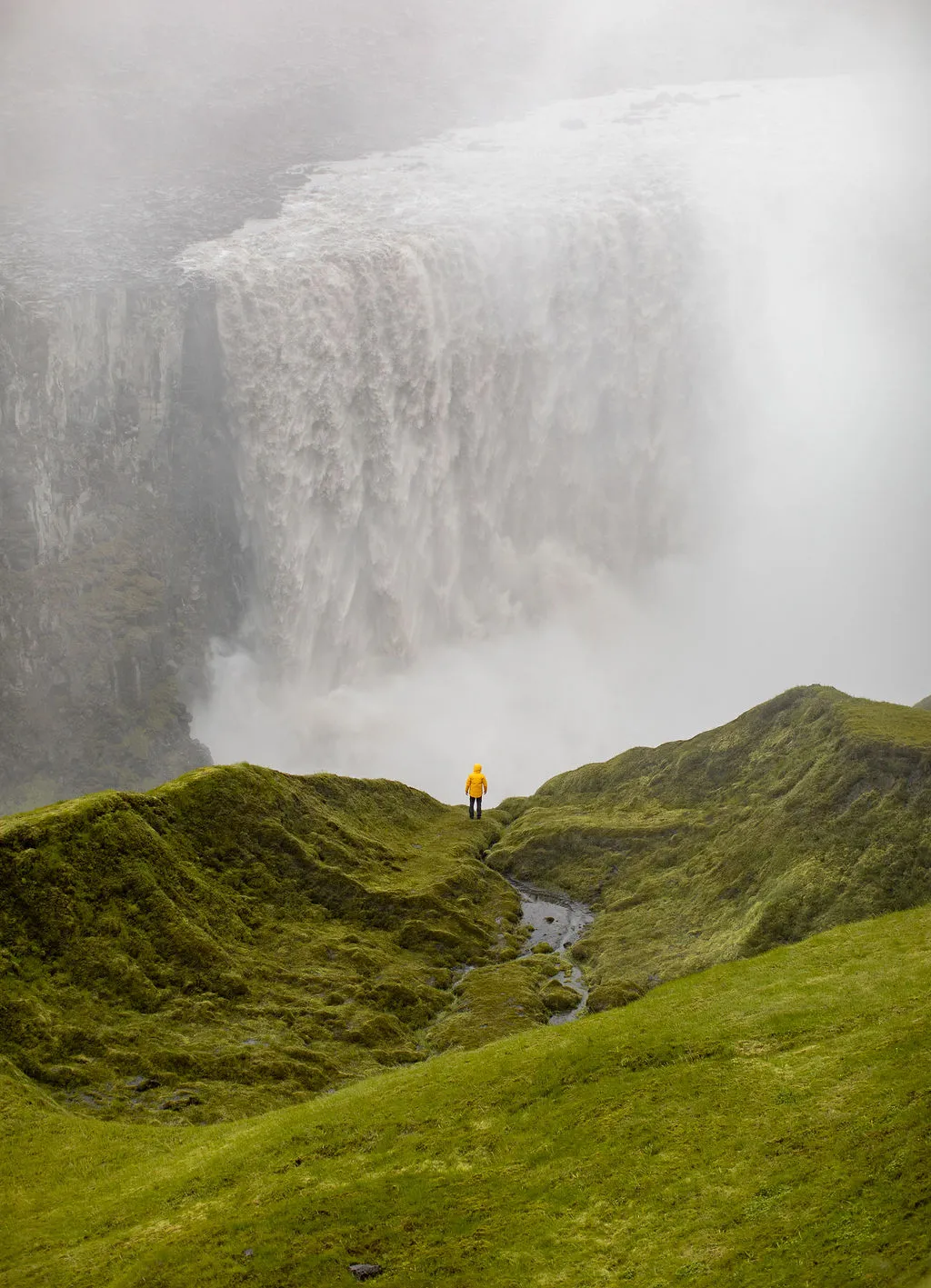
Dettifoss in the north is pure brute force. 500 cubic metres per second. The ground beneath you literally trembles. The spray creates a permanent mist, and the roar doesn't stop, even when you're a kilometre away. Standing on the edge, you realise water has a weight, power, and character that words can't capture.
5. Catching the Northern Lights for the first time
You know what they look like from photos—a green ribbon across a dark sky. But when you see them live, you realise photos lie. Not about the shape, but about the sheer scale of it.
The Aurora Borealis fills half the sky. It moves. It pulses. Sometimes it's a pale green, barely visible to the naked eye (the camera catches it better). Other times it's bright, fast, dancing from horizon to horizon with violet and pink edges that flare up for seconds before vanishing.
The hardest part is predicting it. You need clear skies, a KP index of 3 or more, and darkness far from city lights. The season runs from September to March. Apps like My Aurora Forecast offer real-time predictions, but Iceland's weather is notoriously fickle. You might wait three nights and see nothing, only for the lights to burst out the moment you step inside your campervan.
When they appear, forget the camera for the first five minutes. Just look. That green is unlike anything you've ever seen—it's not a colour from a screen. It's light coming from 100 km above you, created by solar particles colliding with the atmosphere. Space, visible to the naked eye.
6. Waking up to a new wilderness every morning
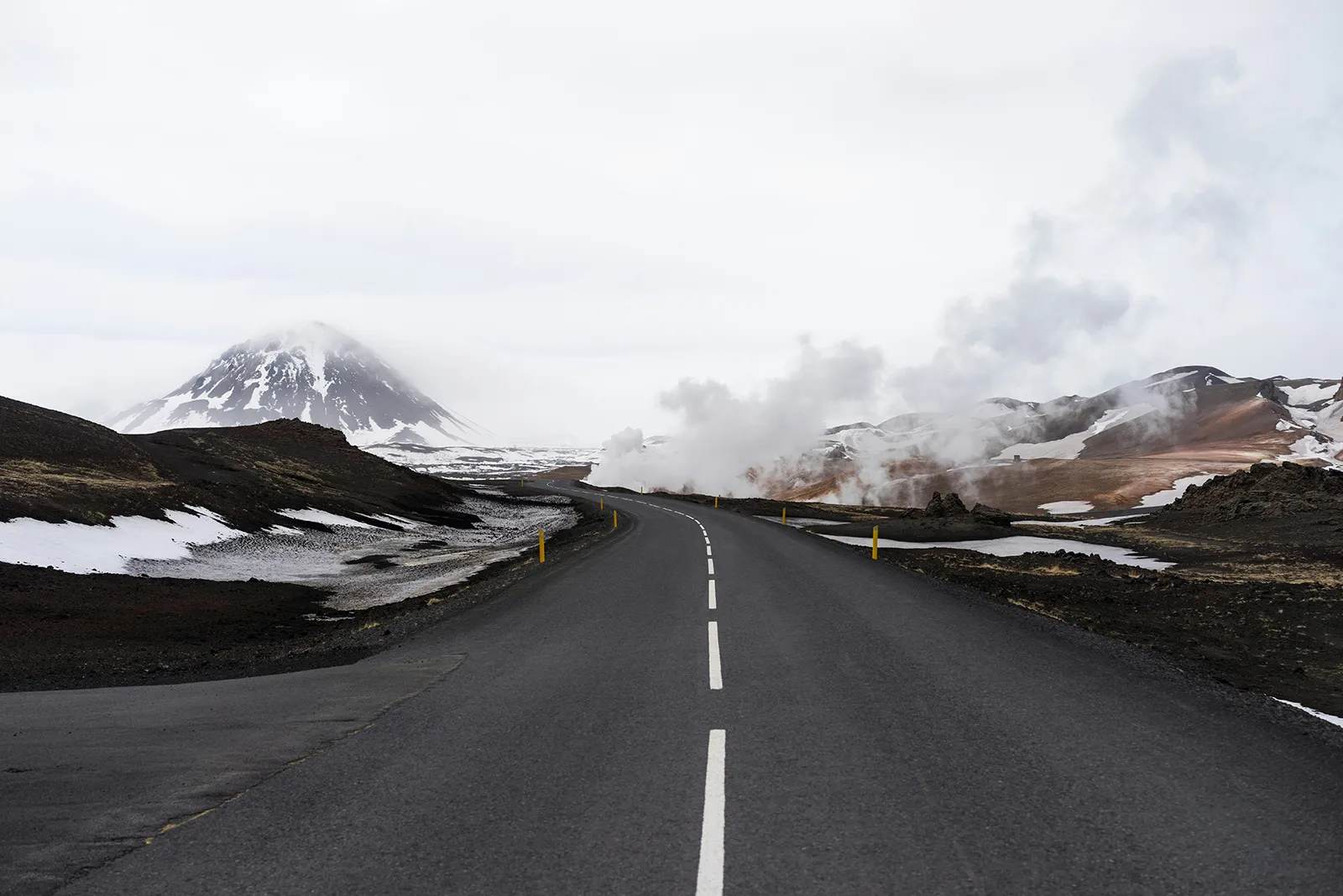
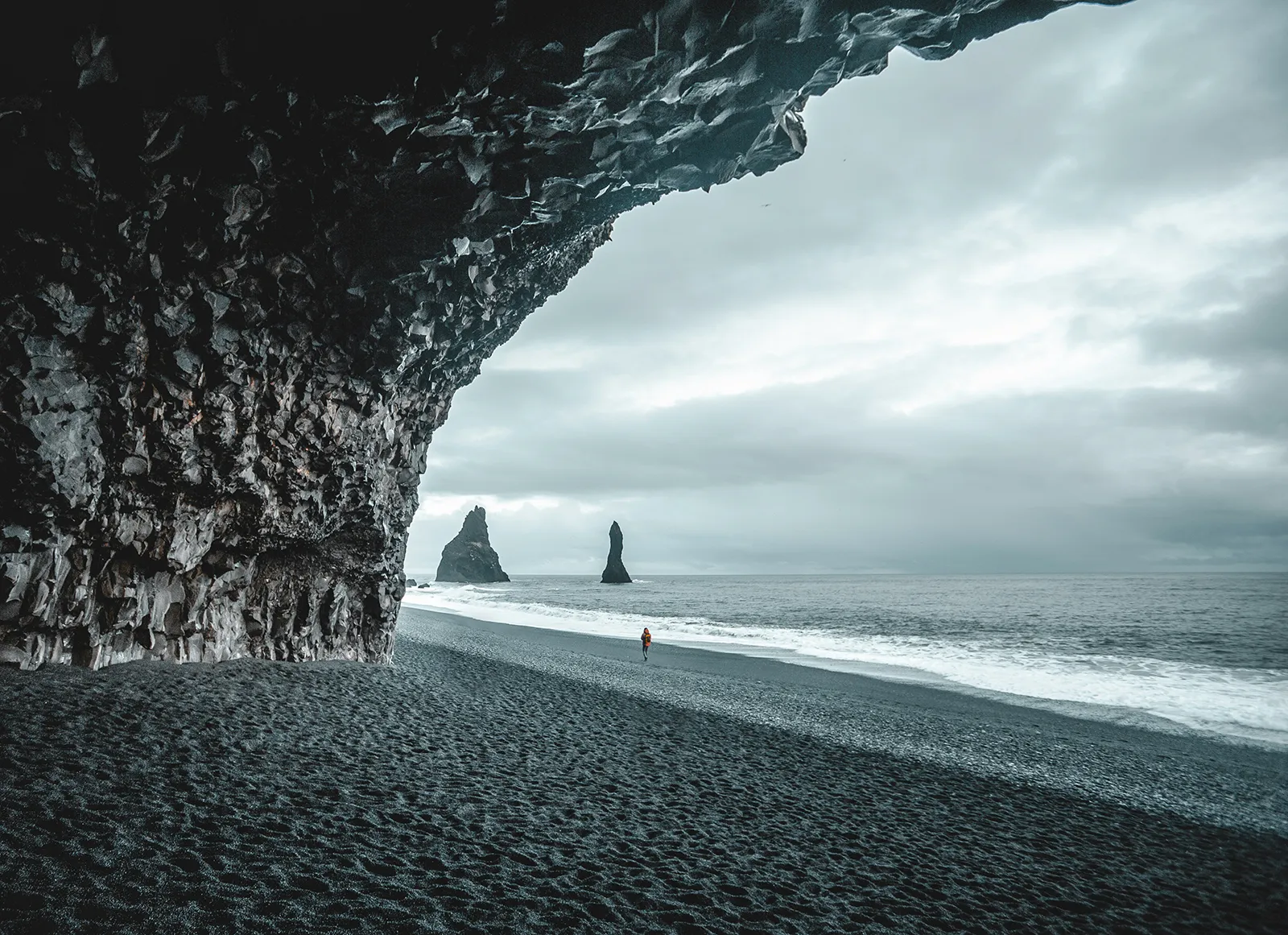
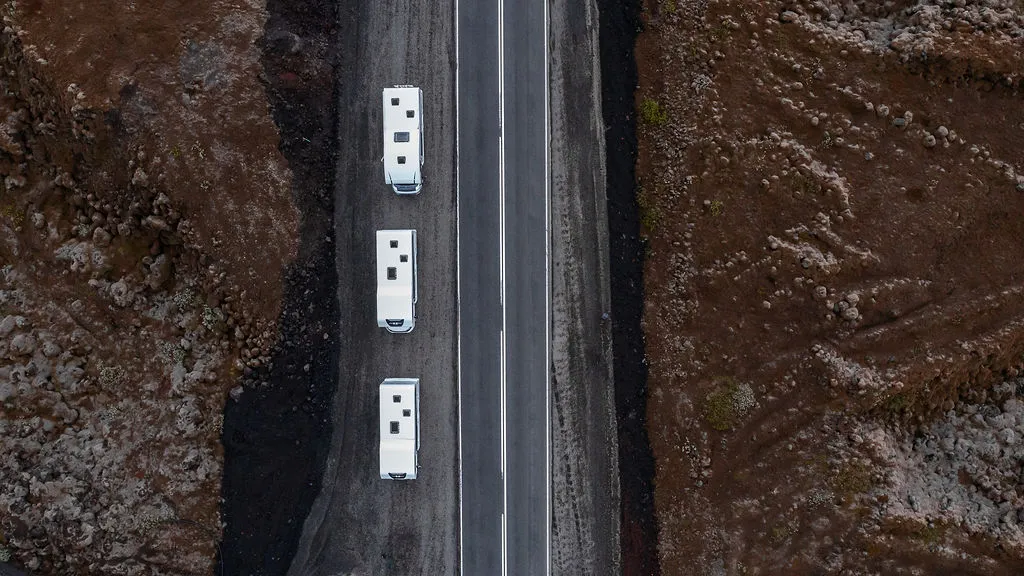
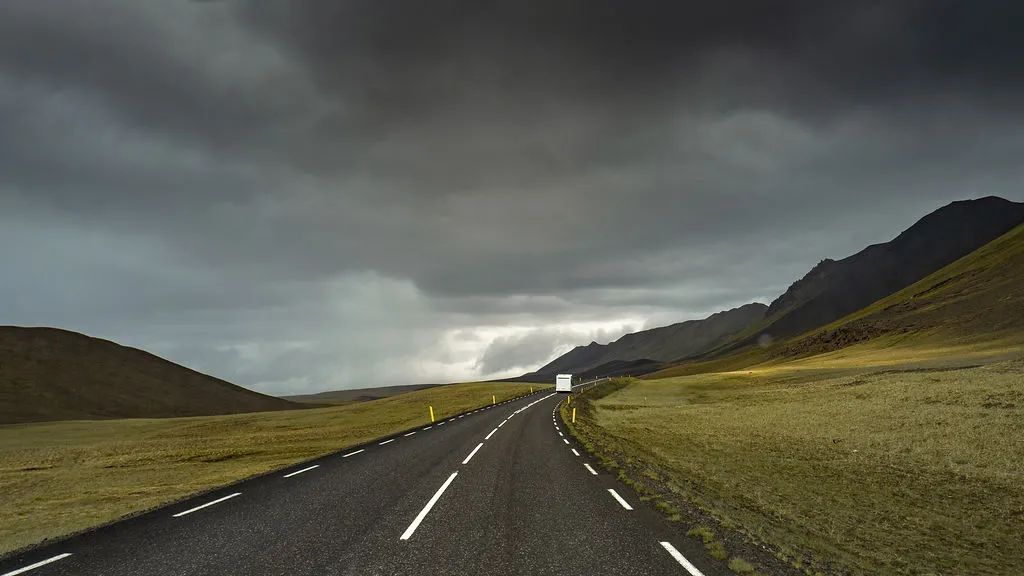
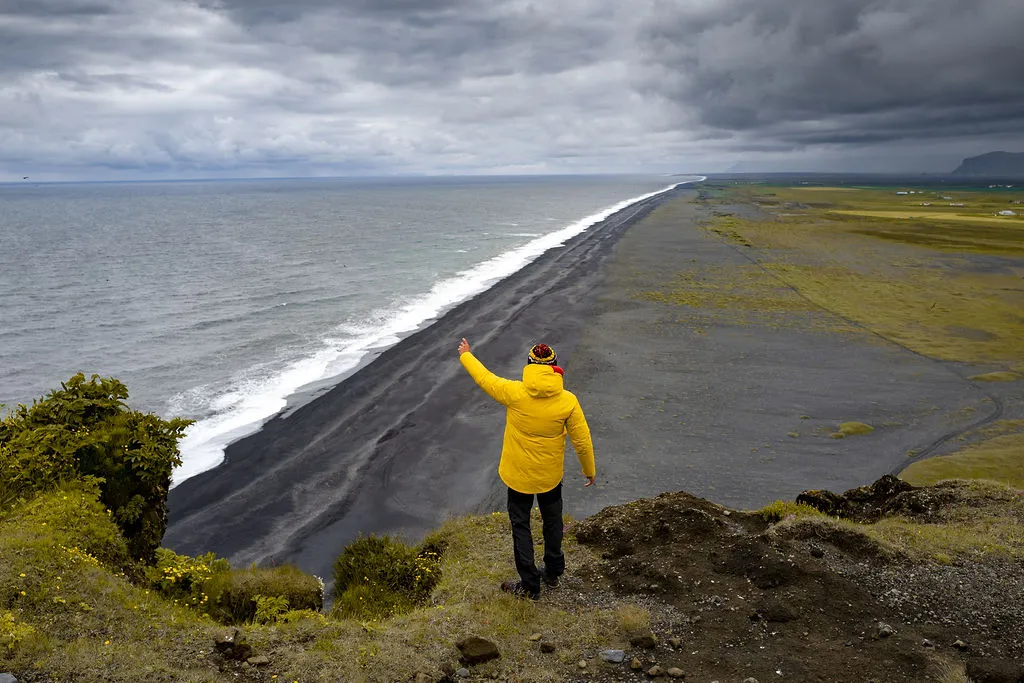
This isn't a single experience; it's the rhythm of an entire campervan road trip. Every morning you open your eyes, and the world outside has changed. Yesterday it was a green valley with sheep; this morning it's a black beach with basalt columns rising from the sea mist; tomorrow it will be a glacier lagoon.
The moment before you pull back the curtain is always the same—a brief spark of excitement, like opening a gift. The camper smells of coffee (if you’ve got the heater on), and outside it’s quiet, or windy, or raining, or simply grey. But the landscape is brand new. Every single time.
There’s a feeling here that you can't get in a hotel. Your home moves with you. The world outside shifts, yet inside remains the same cozy space, the same blanket, the same mug. Stability inside, wild chaos outside. Or vice versa, depending on the wind.
By the ninth day, when you head back to Reykjavik and hand over the keys, your body still expects tomorrow to be different. You've adapted to the road. And that shift in perspective is the one thing you didn't expect.
Six experiences. Six ways to stop and realise where you are. Iceland doesn't do quantity (even though there is plenty of it); it works in intensity. Each of these moments is grand yet intimate, so powerful it silences you, and so personal you can't quite explain it to anyone else. You can only say: "You have to see it." And then say no more, because only those who have been there will truly understand.
"
Author: Martin Bonov
Other articles about Iceland