Iceland's Roads: What to Expect Behind the Wheel
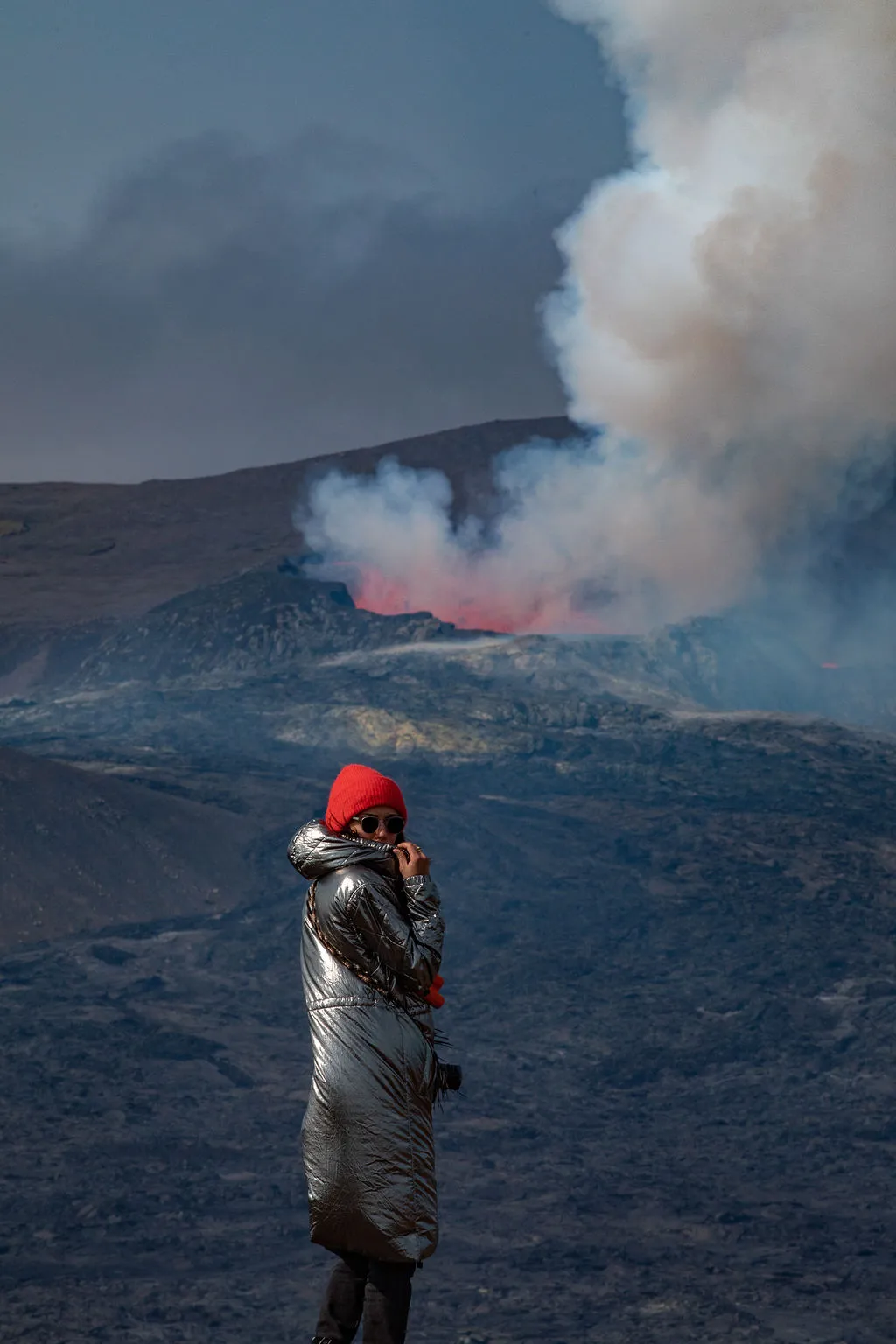
The wind hits from the left so hard that the camper tilts. The steering wheel feels heavy in your hands, and the GPS says the next petrol station is 87 km away. To your left is lava, to your right is the ocean, and ahead is a road so straight it vanishes into the mist. In this very moment, suspended between fear and absolute freedom, you understand why people come here to drive. Iceland isn't a country you just tour. It's a country you experience behind the wheel.
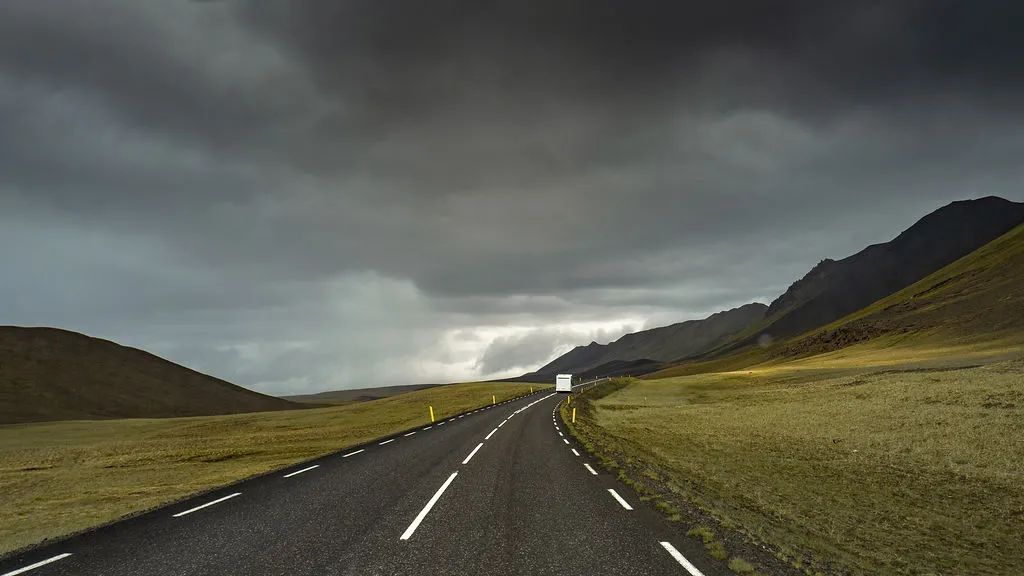
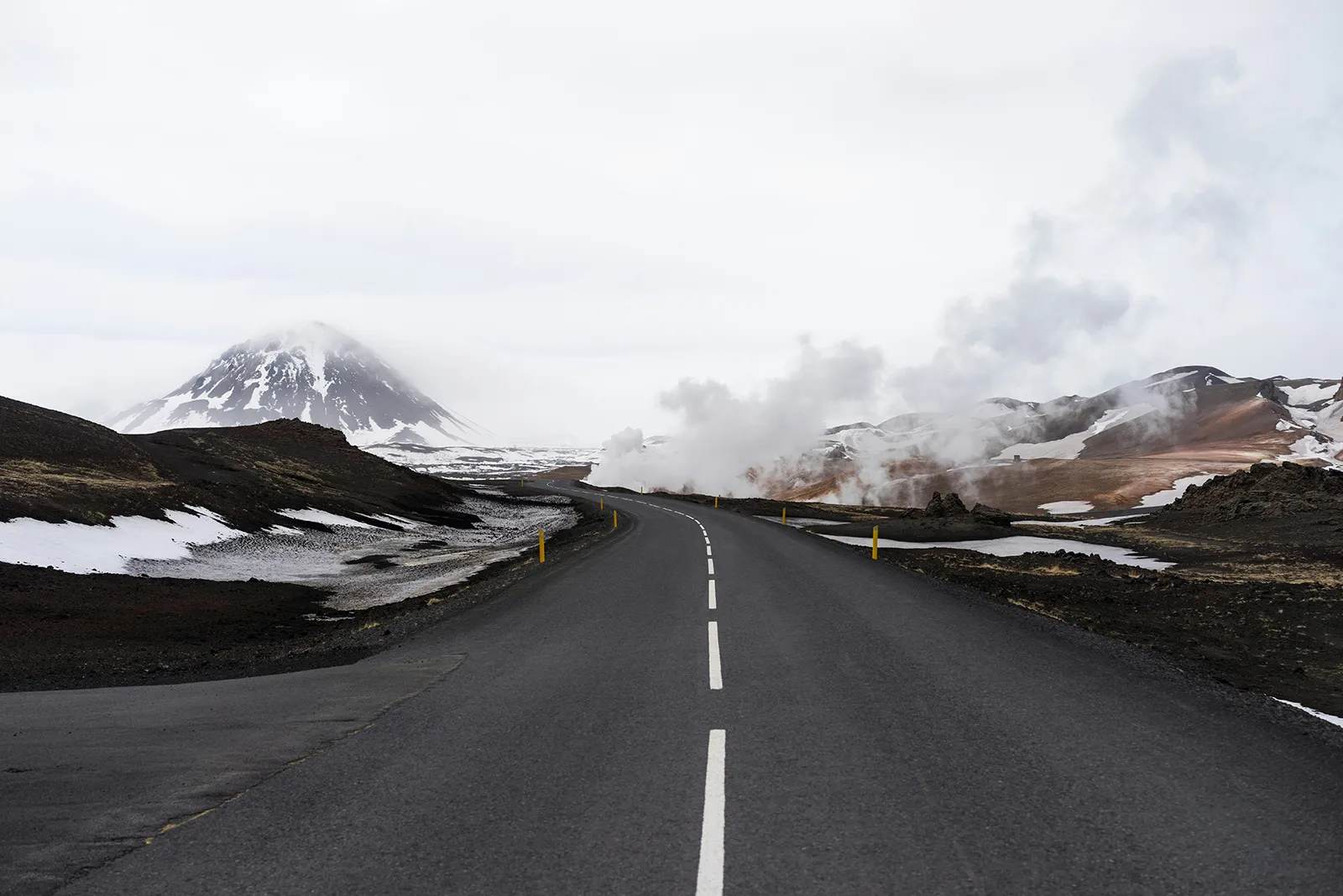
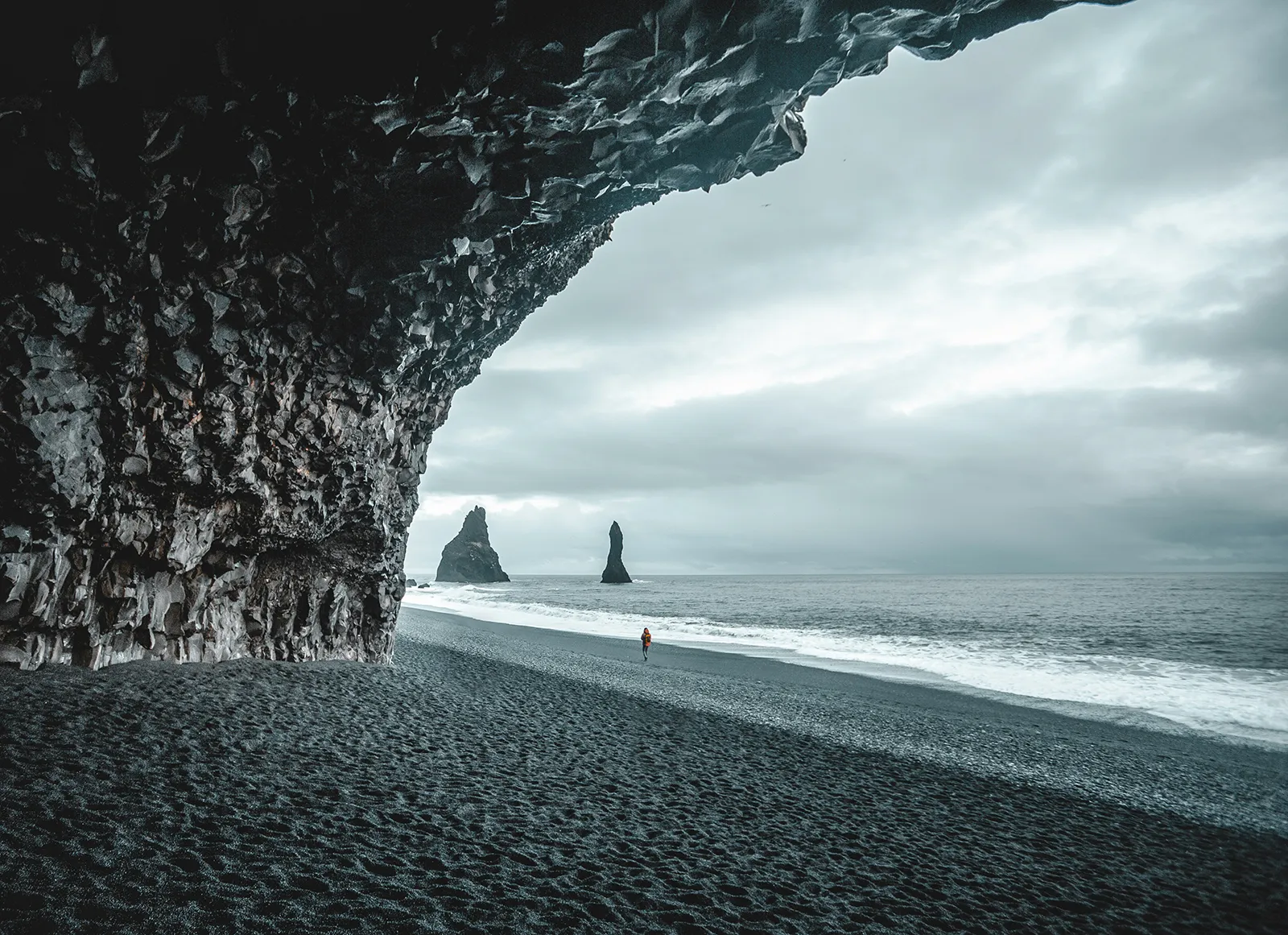
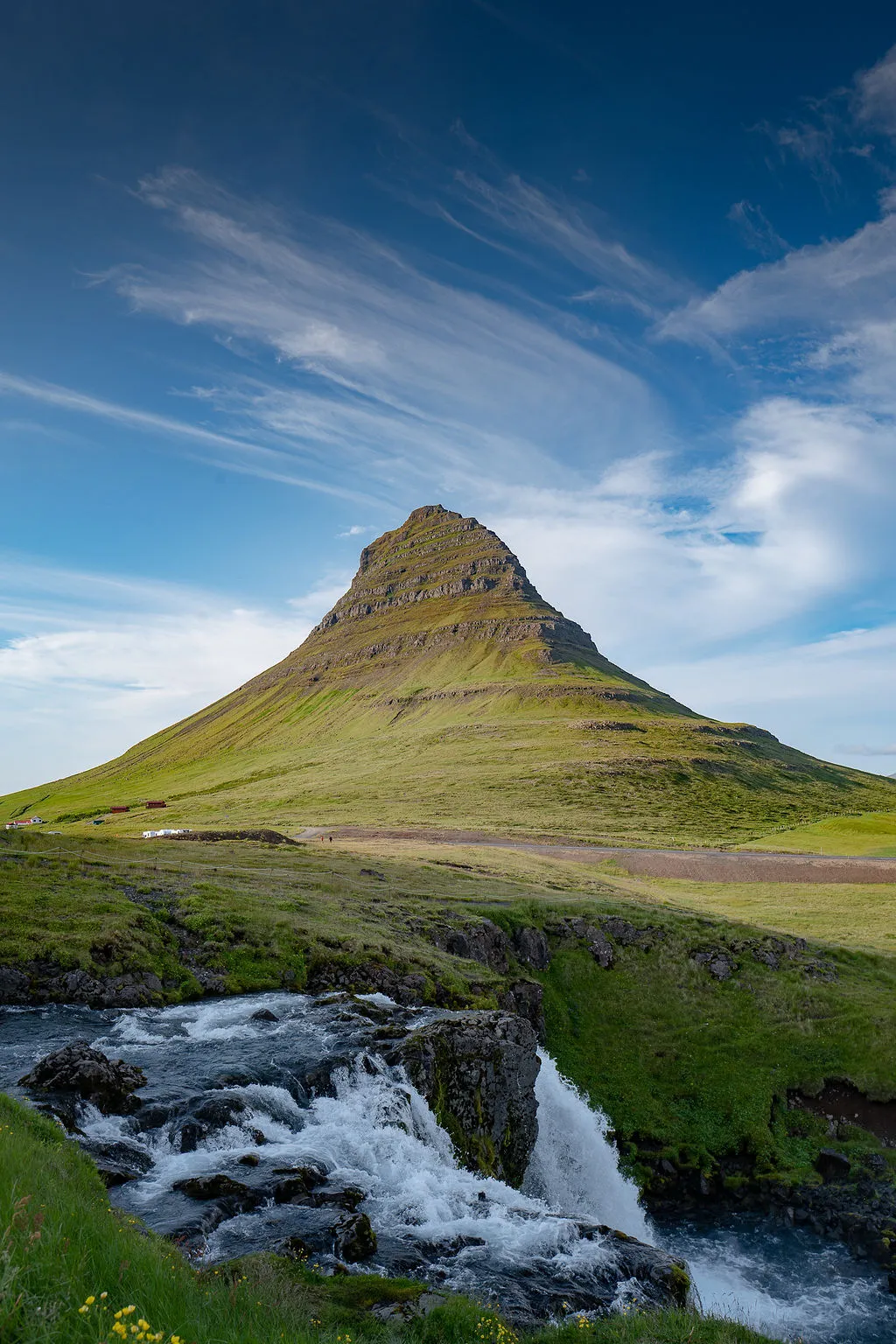
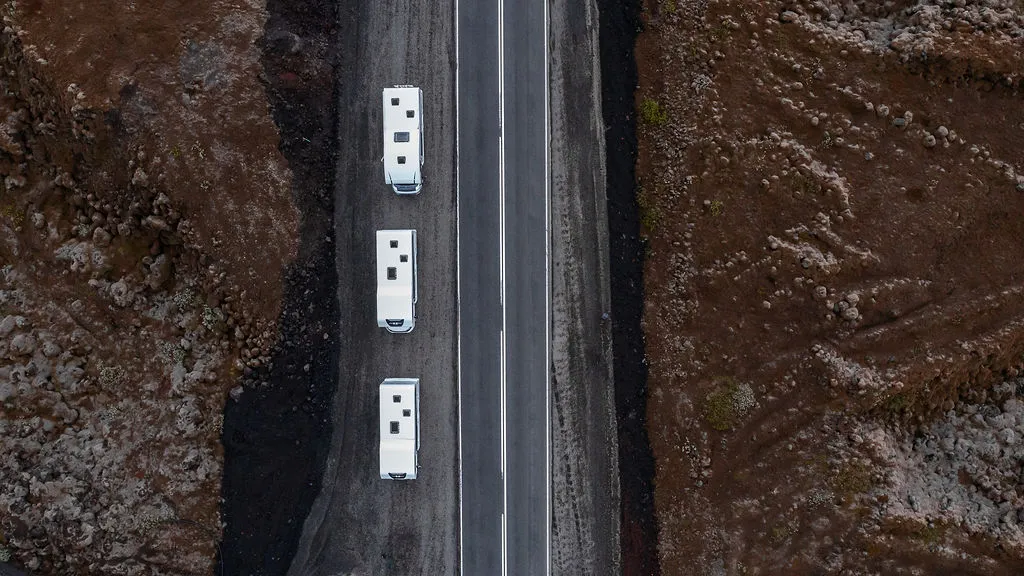
Route 1 (Hringvegur) is the ring road that wraps around the entire island. It’s 1,322 km of tarmac, mostly two-lane, cutting through volcanic fields, glacial valleys, black sand beaches, and tiny fishing villages home to barely 200 people. Most travellers tackle it in 7-10 days, and a campervan is the gold standard for this journey—it lets you stop whenever the landscape demands your attention.
But driving in Iceland is a far cry from back home. Here, the weather shifts every 15 minutes, the wind is a constant travelling companion, and some roads feel more like riverbeds. Knowing the rules and conditions is the difference between a grand adventure and sheer panic.
Route 1: The Ring of Tarmac
The main highway is in good shape almost all the way through. It's a two-lane road, with a speed limit of 90 km/h in rural areas and 50 km/h through towns. On gravel sections (there are still a few in the east), you'll need to drop to 80 km/h.
Single-lane bridges are a constant feature. The rule of thumb is simple: whoever is closest gets right of way. If in doubt, pull over and wait. Nobody is rushing here. In Iceland, there is no point in hurrying anyway, because every 10 minutes you'll spot something that forces you to pull over.
Fuel is pricey (around 300-350 ISK per litre, or roughly 2 euros), but N1 and Olis service stations pop up every 50-100 km along Route 1. Out east, the stretches get longer. Top up at every second station; don't wait for the warning light. Most pumps take cards, but make sure you have your chip and PIN ready for contactless payments.
F-Roads: The Highlands and Beyond
Roads marked with an 'F' (from 'fjall', meaning mountain) are unpaved mountain tracks, open only from June to September. They are strictly 4x4 territory. Unless your campervan is specifically built for this, you have no business being on them.
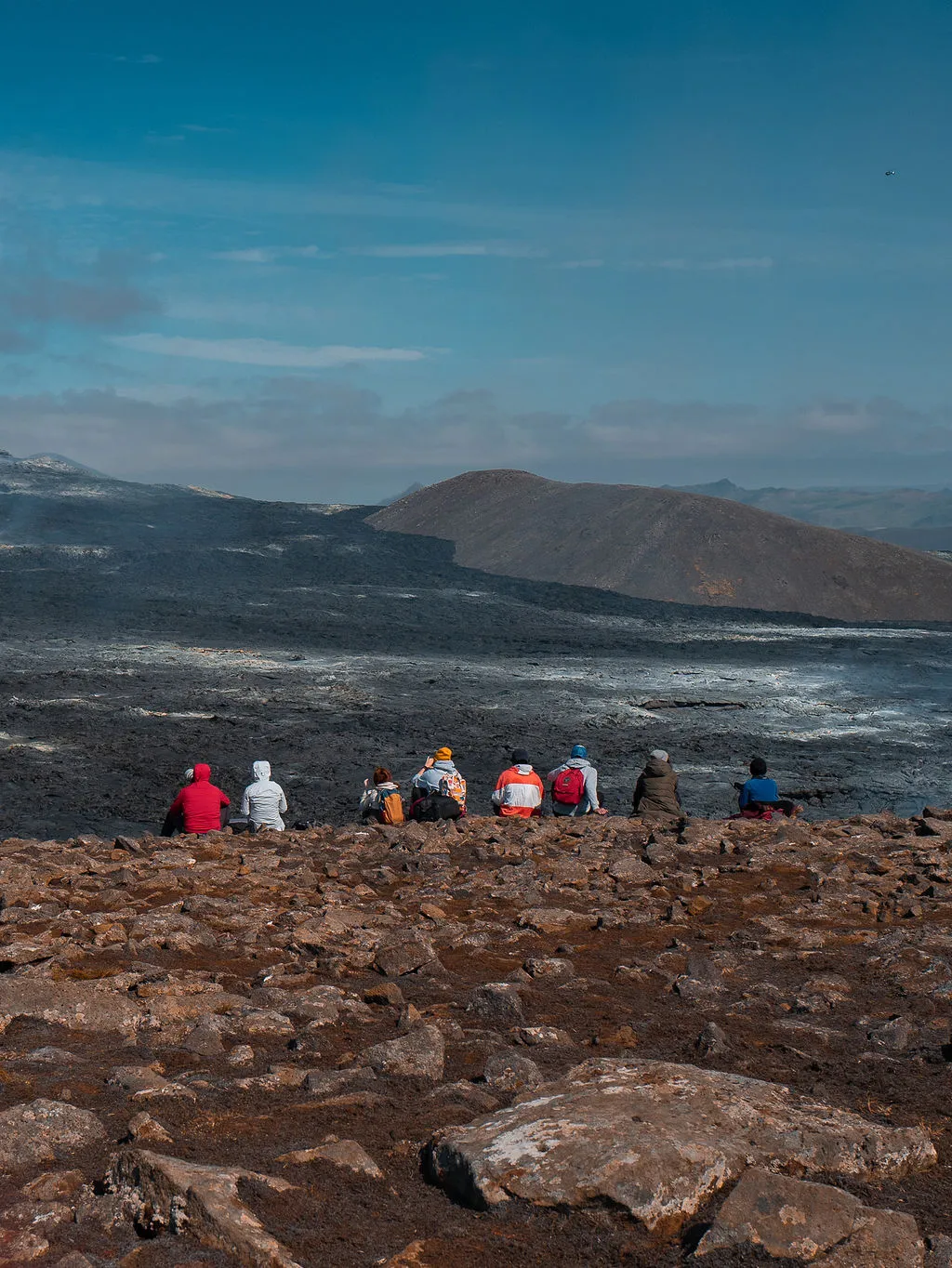
F-roads slice through the wild interior of the island, crossing empty lava deserts, high-altitude barrens, and requiring deep river crossings. Out here, there is no mobile signal, no fuel, and no roadside recovery. It’s not for the faint-hearted, but it’s the exact reason photographers and true adventurers keep coming back.
If your plan is to hit Route 1 in a campervan (like most 9-day road trips), F-roads aren't on your itinerary. But just knowing they are there gives you perspective. What you see from Route 1 is the storefront. The interior is the museum.
The Wind: The Unpredictable Passenger
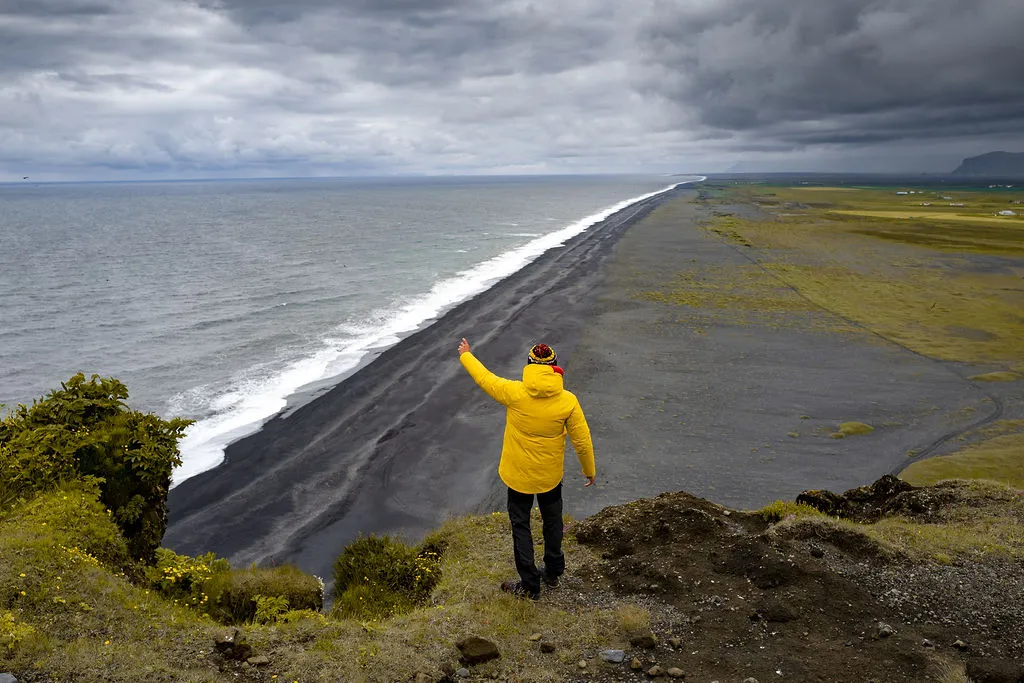
In Iceland, the wind isn't just a weather forecast detail. It is a major force that dictates whether you can drive, where you should park, and how to open your campervan door. Gusts of 80-100 km/h are common, especially along the southern and eastern coasts.
Pro-tips: always park your camper facing into the wind so a sudden gust doesn't rip the door clean off its hinges. Never drive during a yellow or orange weather warning (keep a constant eye on Vedur.is). If you're hit by crosswinds on an exposed strip, slow down to 60-70 km/h and keep both hands glued to the wheel.
The sketchiest spots are bridges and mountain passes. On a bridge, you have zero shelter, and a 90 km/h gust can easily push a campervan out of its lane. Mountain passes (like the Hringvegur between Vík and Höfn) are completely exposed to the ocean, and the wind hits you without warning.
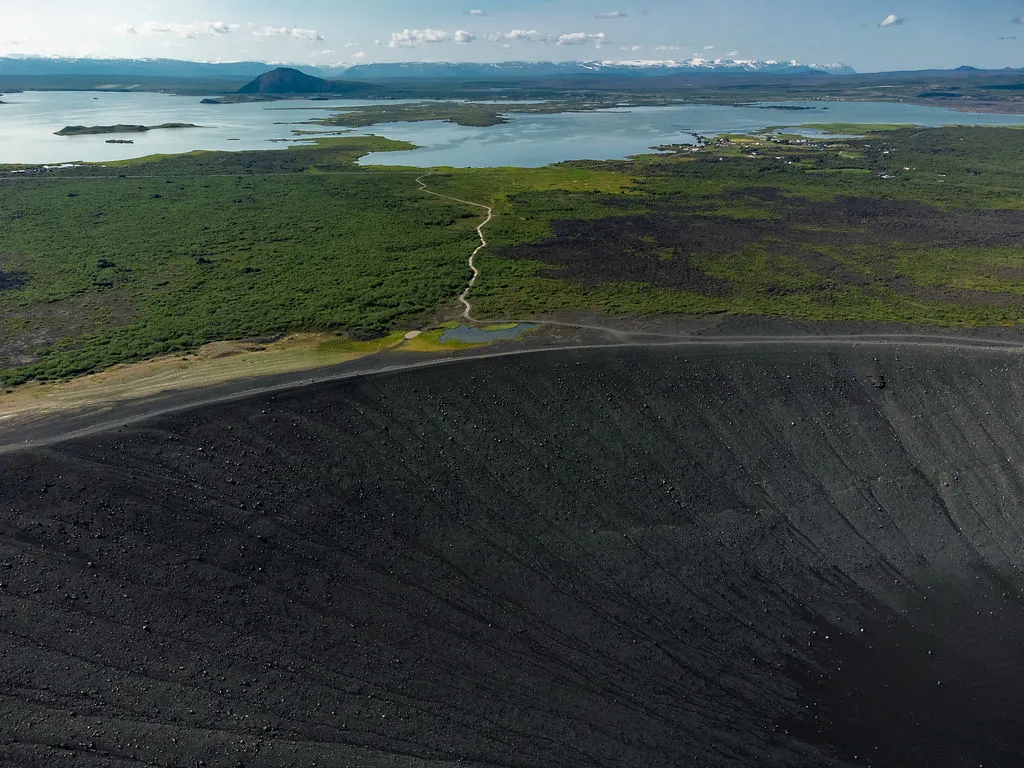
Yet, there's a wild beauty to it. When the wind suddenly dies down (and it does), the silence is so heavy you can feel it physically. The air stands still, the lake surface turns to glass, and the landscape looks like a photograph. These quiet moments between the gusts are the absolute best times to shoot.
The Campervan Life: What to Expect
Your campervan is your bedroom, your kitchen, and your personal lookout. You wake up to a brand-new horizon every single morning. But there are rules of the road.
Wild camping is strictly off-limits (since 2015, you need explicit permission from the landowner). In reality, most travellers spend the night at designated campsites, which cost around 1,500-2,500 ISK per night (10-17 euros) and offer toilets, hot showers, and occasionally charging points.
Cooking inside the van is all part of the charm. The gas stove, the tiny sink, the compact fridge, and that tight space where two people have to choreograph their movements to avoid bumping into each other. Dinner after 6 hours on the road tastes completely different when you're looking out at a volcanic landscape, wrapped in the warmth of the cabin with the smell of fresh coffee brewing.
Filling up your water tank and emptying waste becomes second nature by day two. Most petrol stations have water stations you can use for free. Grey water must be dumped at campsite facilities. It sounds mundane, but these small rituals quickly become the rhythm of your road trip.
Rules, Fines, and Common Sense
Headlights must be switched on 24/7, no exceptions. Seat belts are mandatory for everyone inside. Speed limits (90 km/h on tarmac, 80 km/h on gravel, 50 km/h in towns, 30 km/h on residential gravel roads) are strictly enforced by cameras and mobile speed traps. Fines start at 15,000 ISK (about 100 euros) and escalate fast.
Off-road driving—anywhere off marked paths—is strictly illegal and heavily penalised. Iceland's nature is incredibly fragile: tyre tracks left on moss or lichen can take decades to heal. An Instagram shot is not worth a 500,000 ISK fine and permanent damage to a terrain where nothing new grows for 50 years.
As for alcohol: there is zero tolerance. The legal limit is 0.02%, which basically means not a single drop before you drive.
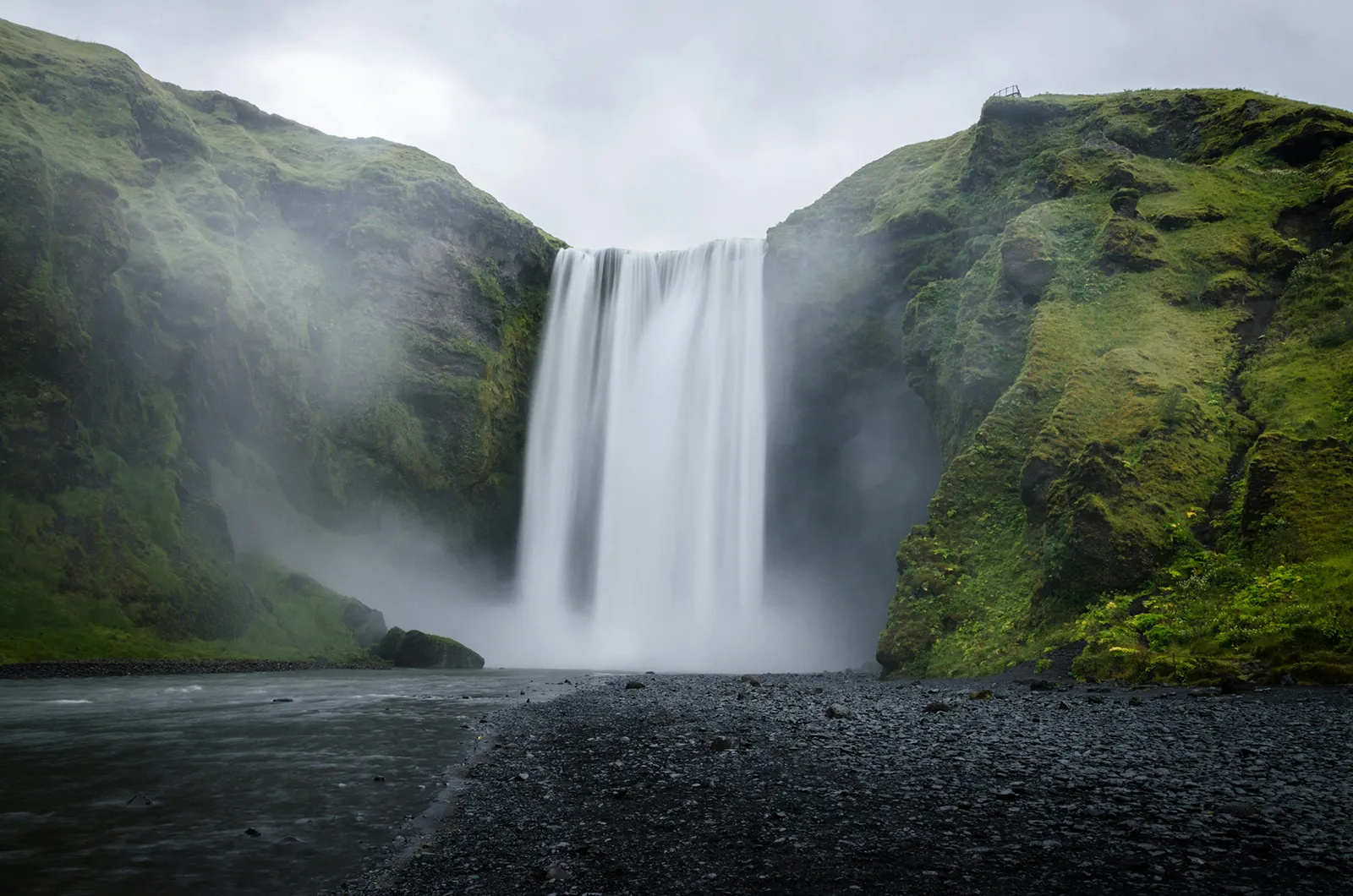
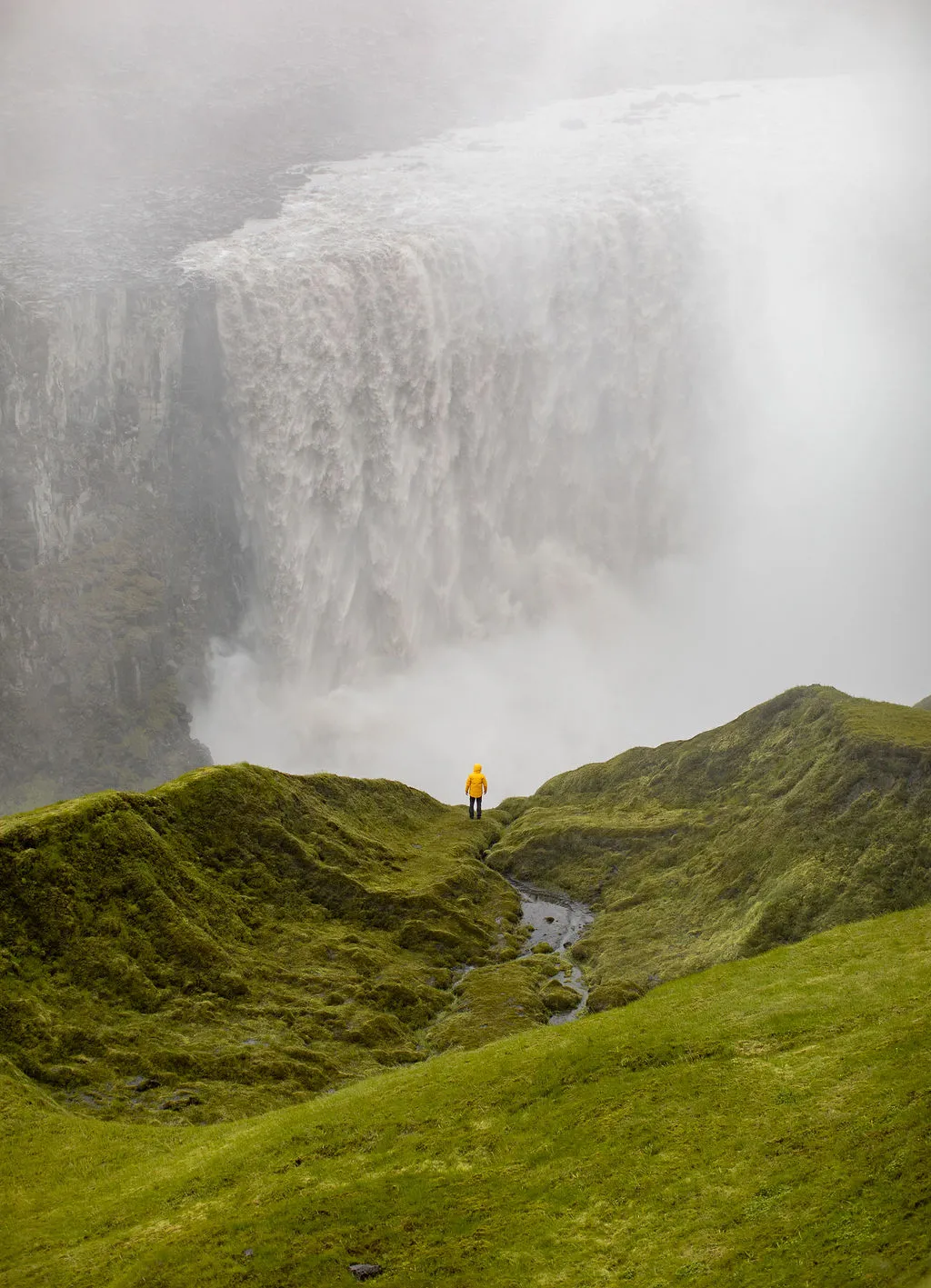
On the final day, you head back to Reykjavik, swap stories, clean up the van, and hand back the keys. The odometer reads 1,400 km more than it did 9 days ago. Behind those numbers are black beaches, waterfalls that roar so loud you hear them before they appear, single-lane bridges where you shared smiles with strangers, and that one stormy evening when the wind blew so hard you decided to just park up, put the kettle on, and watch Iceland do what it does best: remind you how beautifully small you are.
Author: Martin Bonov
Other articles about Iceland