Wild Iceland: What You'll Encounter
A seal watches you from the water. Only its head emerges, black and wet, with eyes like glass marbles. It doesn't move. It doesn't run. It just observes you, as if asking what you are doing on its shore. In Iceland, wild animals do not run from humans. They simply do not find you interesting enough.
Iceland isn't particularly biodiverse if you measure by the number of species. No bears, no wolves, no snakes (not a single one, on the entire island). The only native land mammal is the Arctic fox, which made its way here over the ice thousands of years ago. Everything else arrived later: horses, sheep, the seals lining the shores, the whales in the bays.
But Iceland makes up for it in another way. The species that call this place home are adapted to extremes—vicious winds, biting cold, months of darkness, and total isolation. They aren't just background decoration. They belong to this landscape in the exact same way the waterfalls and glaciers do. And when you run into them, the feeling isn't "look, an animal," but rather "wow, everything here is alive."
Atlantic Puffins: The Island’s Favourite Residents
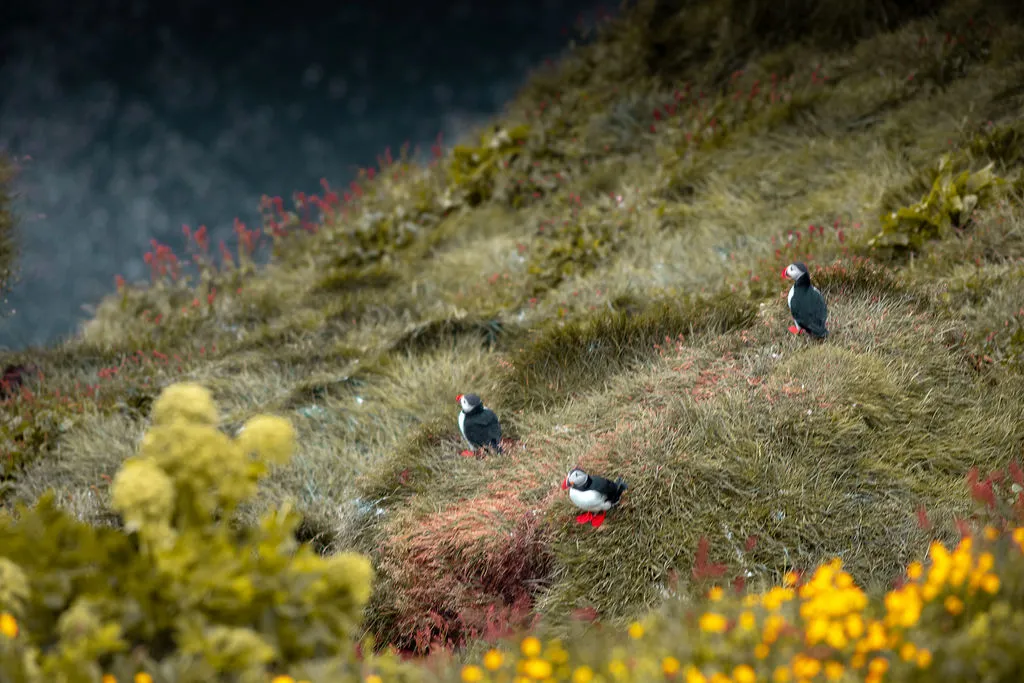
The Atlantic Puffin is the unofficial emblem of Iceland. A small seabird with black-and-white plumage, a bright orange beak, and a waddle that manages to look dignified and comical at the very same time. Around 60% of the world's population nests in Iceland, mostly between May and August.
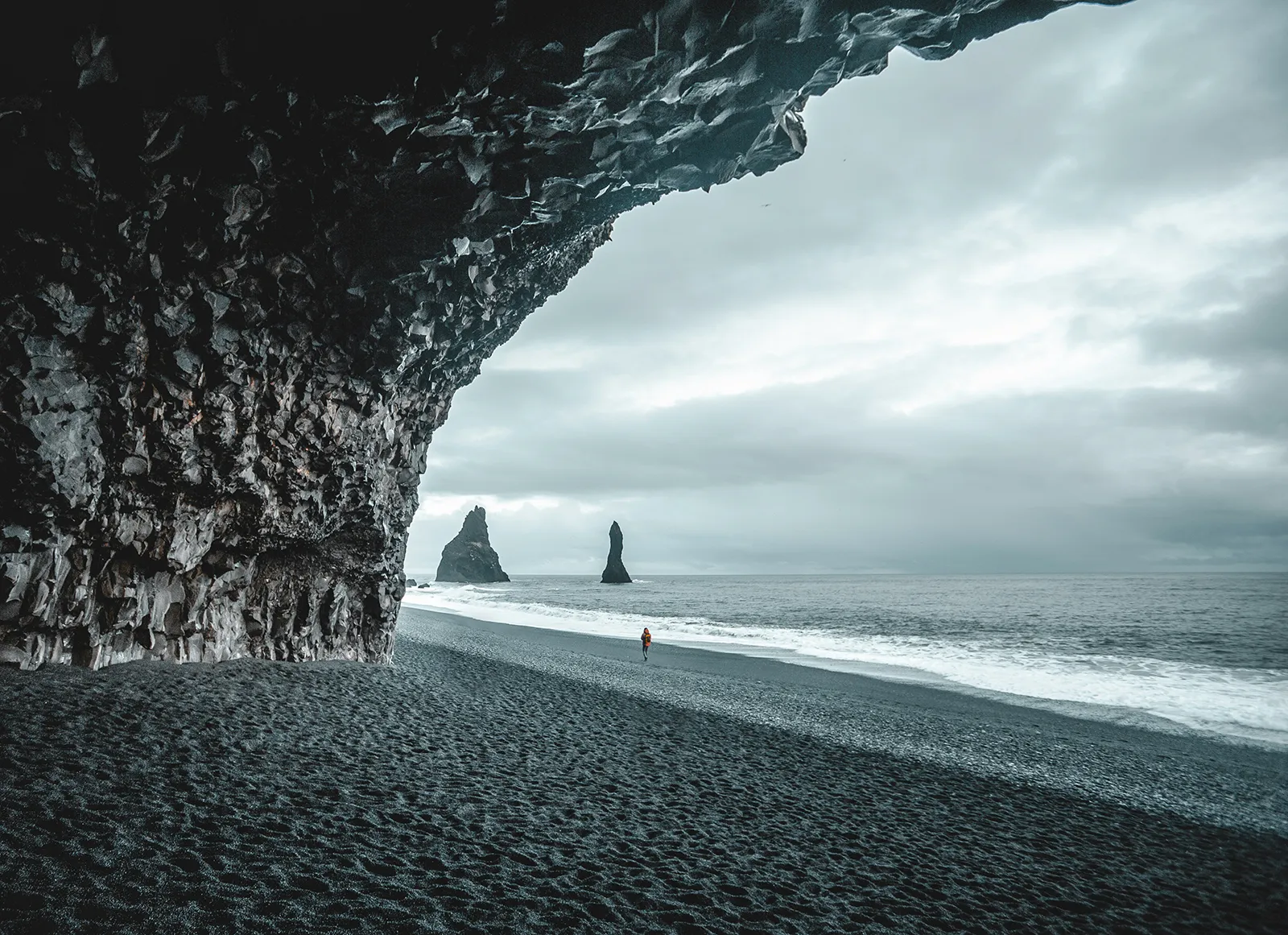
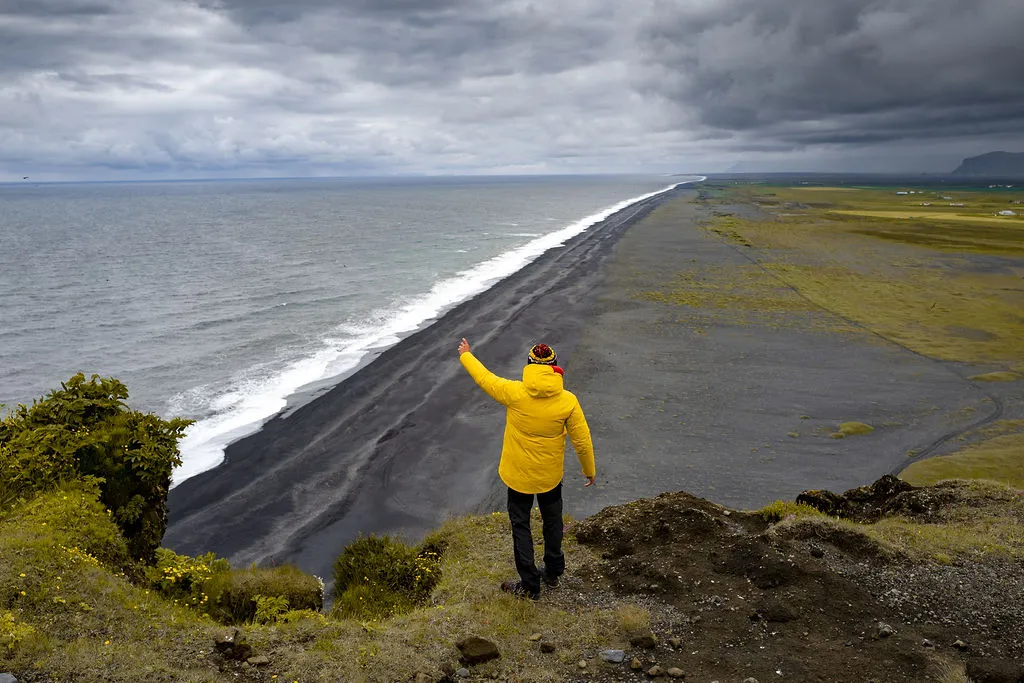
The best places to spot them along the Ring Road are the Dyrhólaey rock arch and Lundey (Puffin Island) near Reykjavík. At Dyrhólaey, puffins nest in the grassy cliffs towering above the black south coast. Standing right on the edge, facing the wind, they look like tiny penguins that decided to run away and join the circus.
They aren't particularly shy. You can watch them from just 5-10 metres away, as long as you don't make any sudden movements. They land with sand eels packed into their beaks (sometimes 10 to 12 at a time, lined up like sardines), feed their chicks down in the burrows, and take off back to sea. The cycle is hypnotic. You could stand there for hours.
The Arctic Fox: Iceland's Only Native Mammal
The Arctic fox (Vulpes lagopus) is the only land mammal native to Iceland. It crossed the ice bridge from Greenland before the last ice age ended. It survived when the ice melted. It survived when the Vikings landed. And it's still surviving now.
The population floats around 10,000. These foxes are small, compact, and wrapped in a thick coat that changes colour: snowy white or steel-blue in winter, brown and mottled in summer. You'll find them mostly in remote corners—Hornstrandir in the Westfjords, the edges of Vatnajökull, and the wilder stretches of the northeast.
Your chances of spotting an Arctic fox from the Ring Road aren't massive, but they aren't zero either. In the early morning or late evening, around quiet campsites or near nesting bird colonies, one might appear soundlessly, lock eyes with you for a split second, and vanish into the moss. A three-second encounter that stays with you for life.
Whales: Giants of the Cold Waters
The nutrient-rich currents surrounding Iceland make these waters a sanctuary for over 20 species of cetaceans. The most common encounters are with humpback whales (Megaptera novaeangliae) and minke whales (Balaenoptera acutorostrata). Orcas put on a show less often, but they are out there.
Akureyri, on the north coast, is a prime whale-watching spot along your route. Húsavík, just an hour's drive from there, is widely considered the whale-watching capital of Europe. You head out on a wooden boat into Eyjafjörður or Skjálfandi Bay and you wait. Sometimes it takes minutes. Sometimes hours.
Then, the water breaks. A dark, slick back arches for a second. A sudden blast of water and steam. And then a tail, as wide as your boat, lifts high, hangs suspended for a heartbeat, and slips beneath the surface. The silence that follows is louder than the sound before. Humpbacks can grow up to 16 metres and weigh up to 30 tonnes. But those numbers mean absolutely nothing until you feel the weight of one breathing close to you.
Seals: The Shoreline Observers
Two seal species reside permanently in Iceland: the harbour seal (Phoca vitulina) and the grey seal (Halichoerus grypus). Harbour seals are smaller, curious, and more tolerant of humans. Grey seals are larger, more independent, and seek out the lonelier shores.
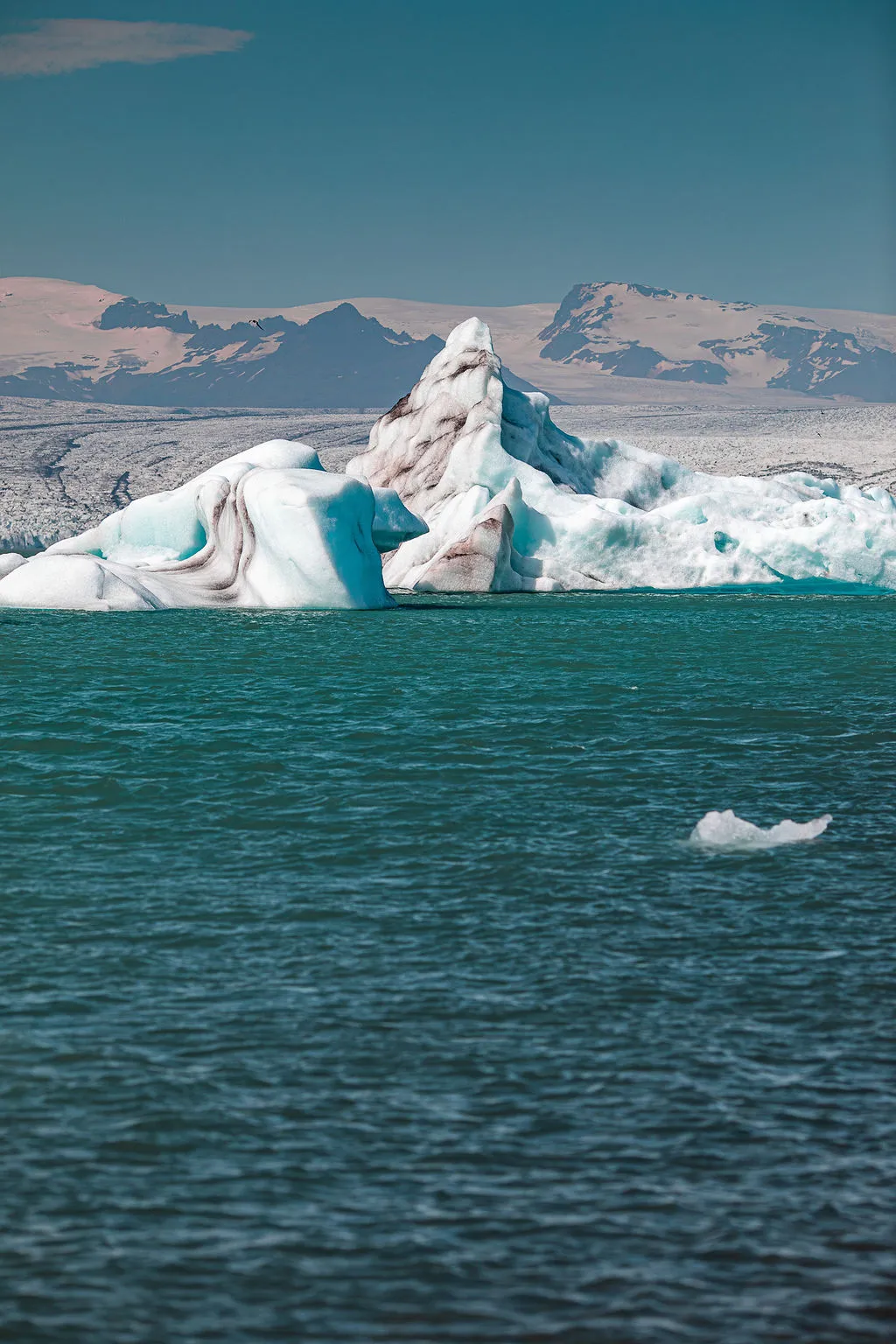
Cruising the Ring Road, you'll spot seals in plenty of places: at Jökulsárlón (bobbing between icebergs, which looks just as unreal as it sounds), along the south coast, around the Snæfellsnes peninsula, and in the Westfjords. They aren't timid. They pop their heads out of the water, watching you with dark, glassy eyes, sometimes shadowing your campervan as you trace the coastline.
The best time to see them is early morning, when they haul themselves onto black rocks or sandbars to catch the sun. They look lazy, indifferent, and entirely pleased with themselves. The contrast between them and the raw landscape around them—jet-black sand, white ice, grey sky—is pure magic.
Icelandic Horses and Sheep: Domestic, Yet Deeply Wild
The Icelandic horse is a purebred line that hasn't crossed with any other for over a thousand years. A law passed in 982 AD bans the import of horses to the island, and any horse that leaves Iceland is never allowed to return. The result is a small, incredibly tough animal with a thick winter coat and five gaits instead of the usual three. Their unique sixth gear, the "tölt", is so smooth that riders can reportedly hold a full glass of water without spilling a drop.
Sheep are everywhere. Literally. In the road, by the road, on the ridge above the road, sometimes grazing on the turf roof of a cottage. Around 800,000 sheep roam the island—outnumbering the human population more than two to one. They run free all summer long, before being gathered in the autumn during the traditional community roundup known as "réttir".
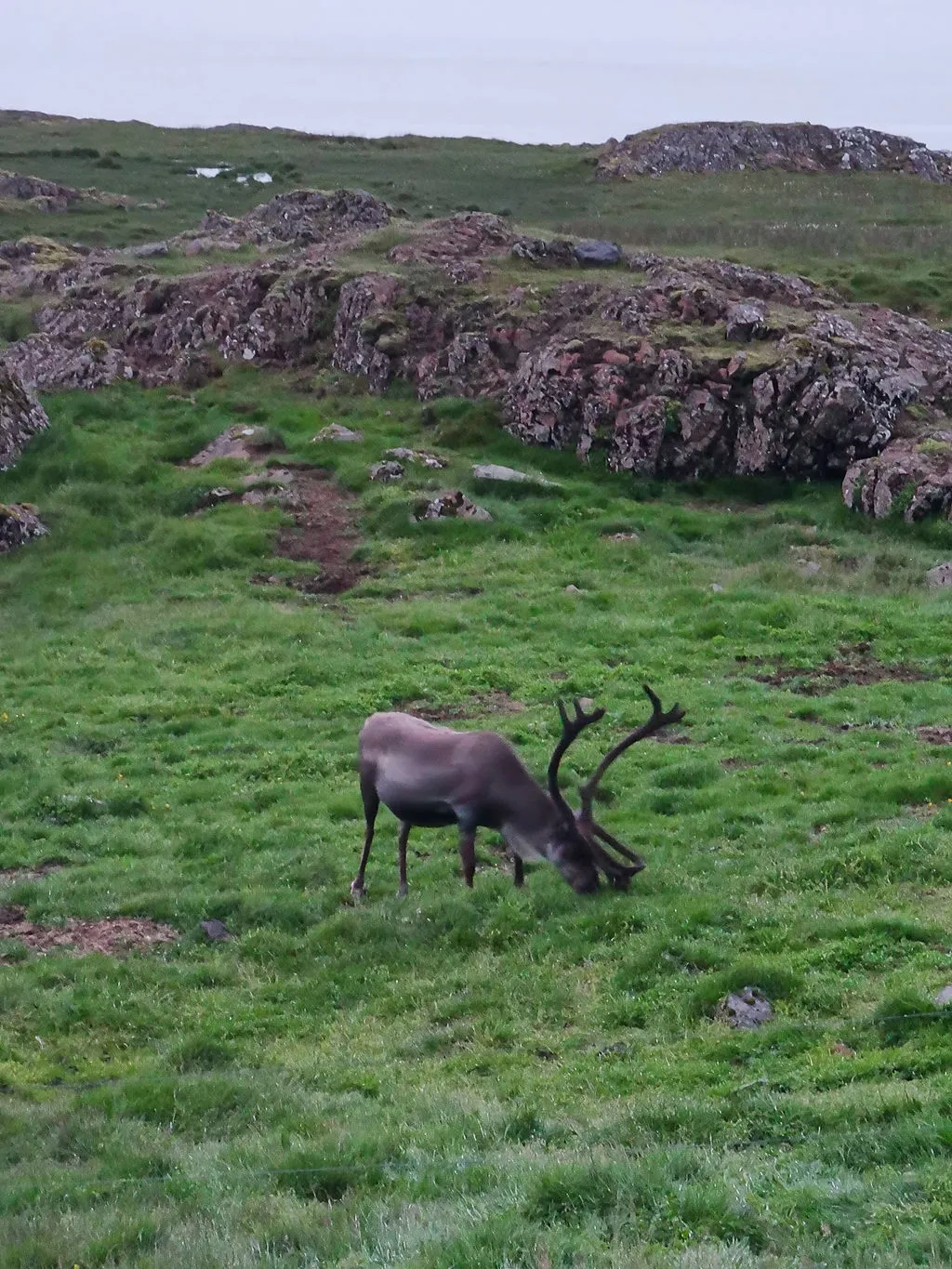
Neither the horses nor the sheep are "wild" in the strictest sense. But in Iceland, the line between domestic and wild is beautifully blurred. Horses graze on windswept hills without a fence in sight for miles. Sheep make their own rules. Everything here lives by the rhythm of the land.
When you return from Iceland, people will ask you about the waterfalls. The glaciers. The northern lights. But you'll find yourself telling them about the seal that watched you from the lagoon. About the puffin that landed a metre away with its beak overflowing with fish. About the whale whose tail was so close you could feel the misty spray on your face. Iceland's landscapes are monumental. But its wildlife is what makes it breathe.
Author: Martin Bonov
Other articles about Iceland