Iceland: The Ultimate Adventure Prep Guide
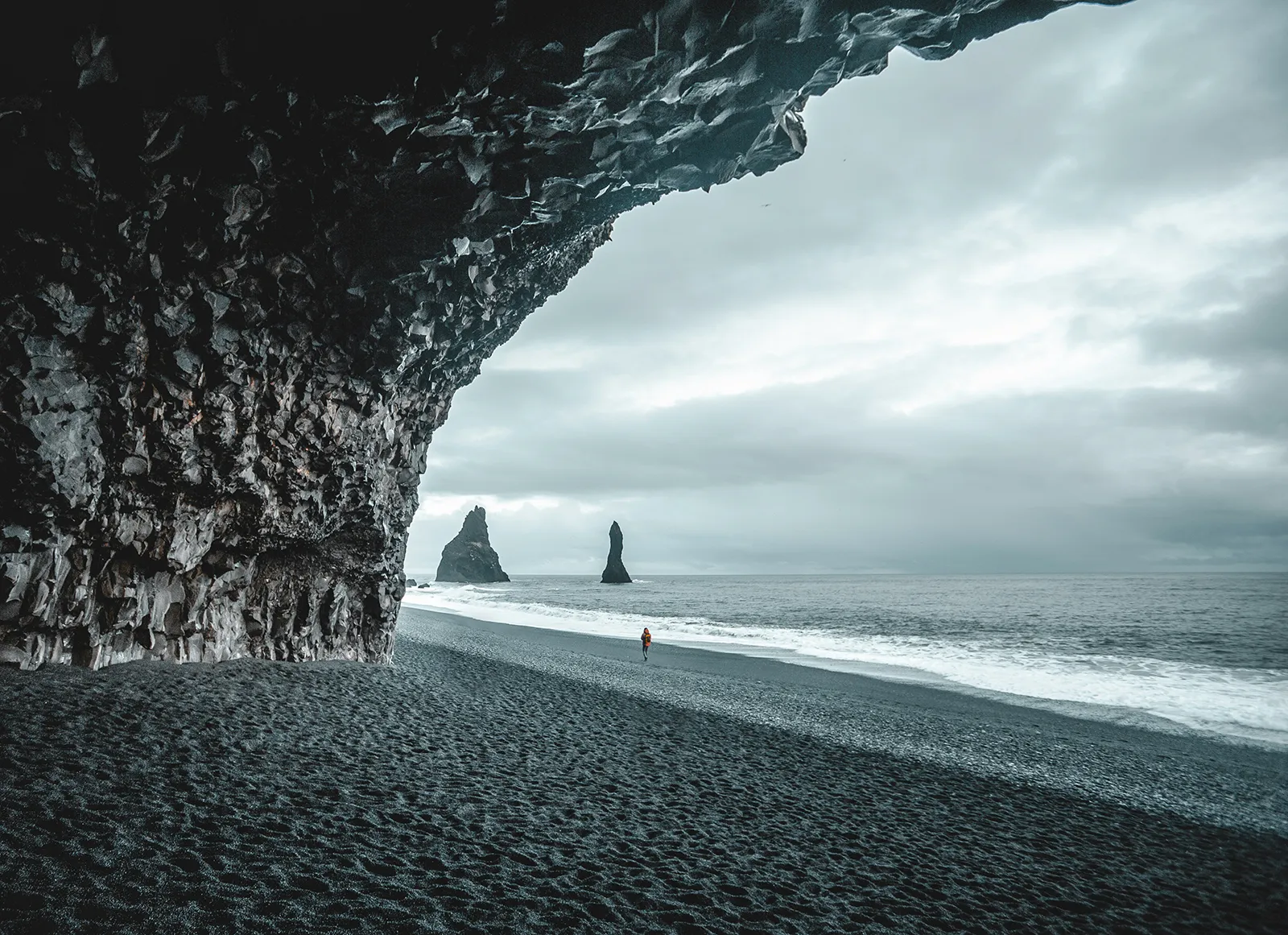
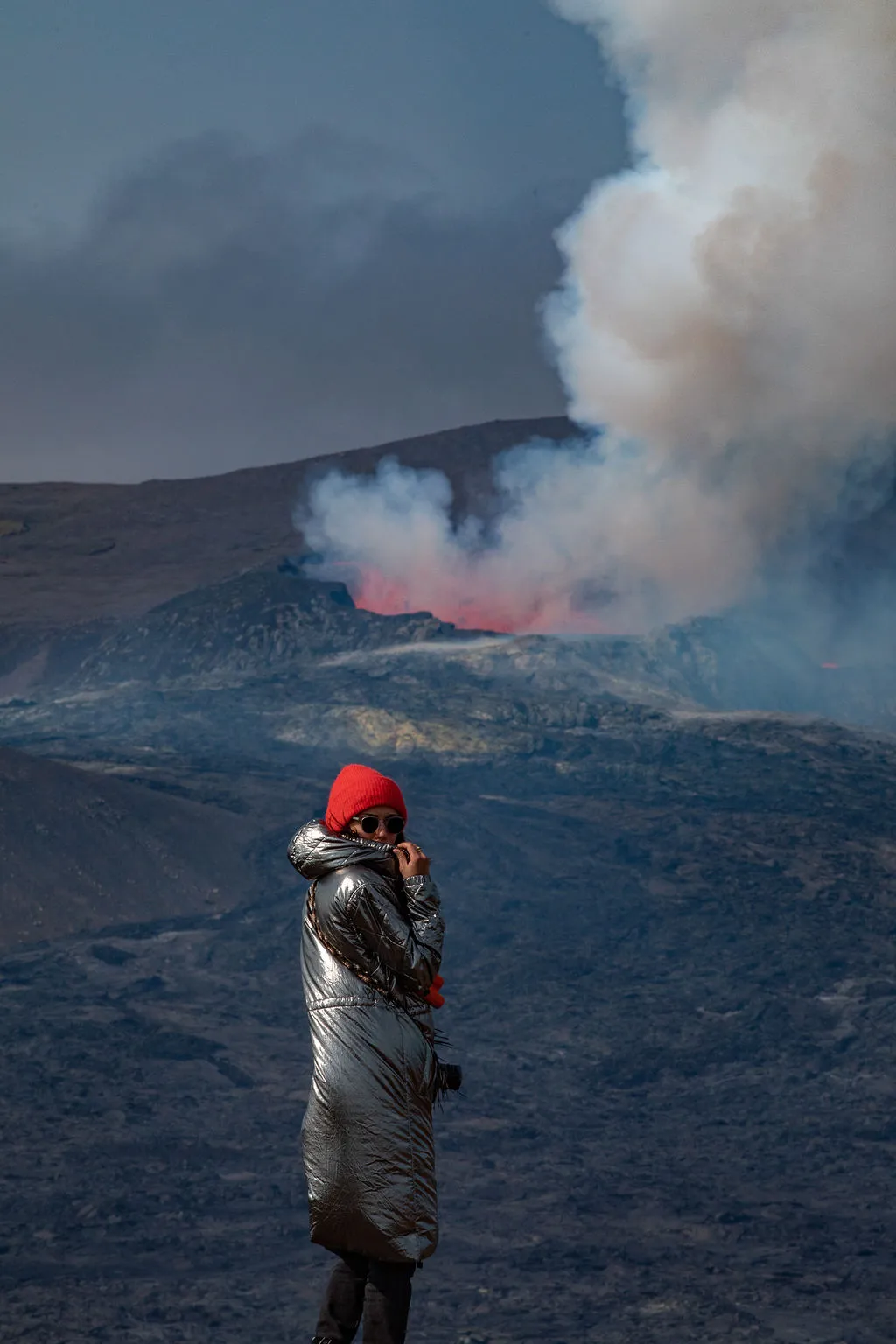
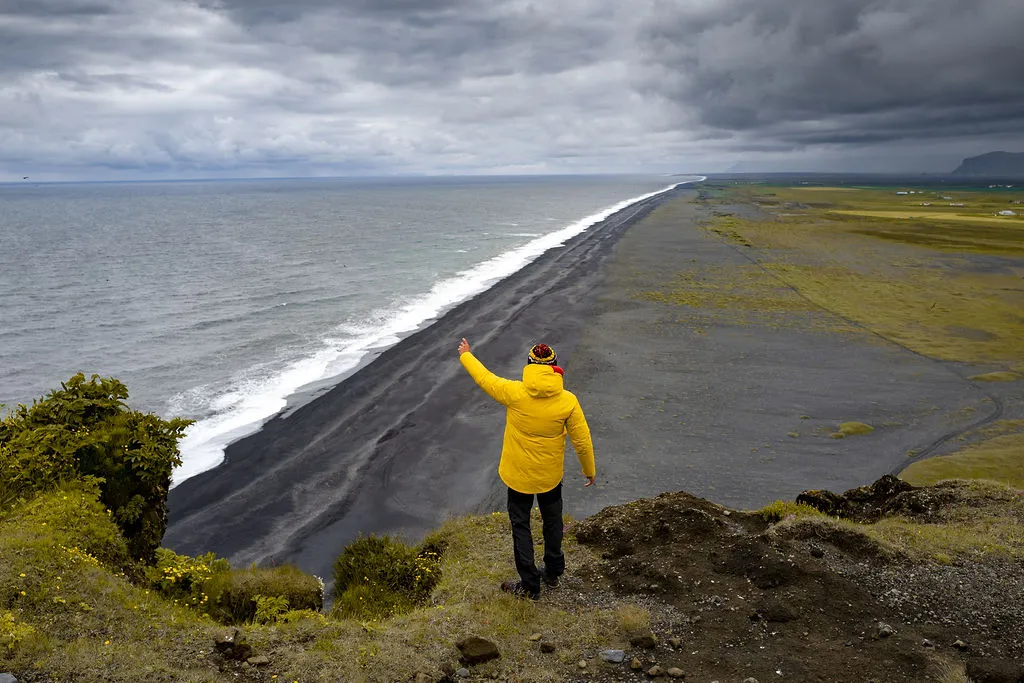
You’re standing on the black sands of Reynisfjara. The wind is howling at 70 km/h, ocean spray stings your face, and it's a brisk 6 degrees. Yet, your hands are dry, your core is warm, and your boots are locked onto the volcanic grip below. Or, picture this: same beach, but you're in trainers and a cotton jacket—soaked to the bone, shivering, unable to even hold your camera. The only difference between these two worlds is preparation. Iceland isn’t just cold; it’s unpredictable. And you don’t conquer the unpredictable with bravery—you conquer it with layers.
Iceland lies between 63 and 66 degrees north latitude, right on the boundary where the Atlantic meets the Arctic. The maritime climate means winters aren't as freezing as you might expect (averaging around 0°C in Reykjavík), but summers never quite heat up (averaging 10-15°C). The real challenge isn't the temperature — it's the biting wind and relentless moisture. The weather changes every 15 minutes: sun, rain, sun, thick fog, wind, and sun again. On any given day, you might experience all four seasons in a single afternoon.
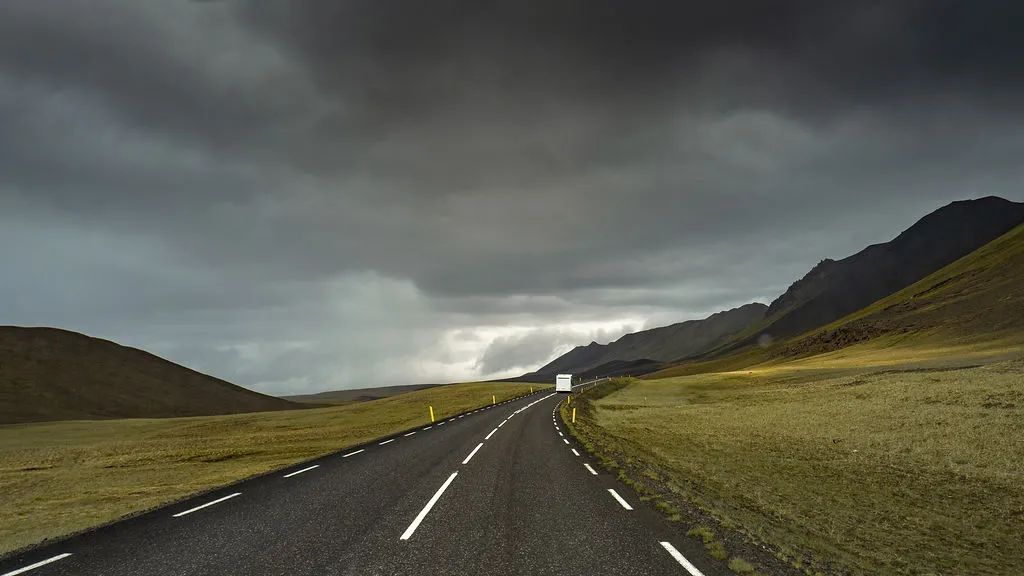
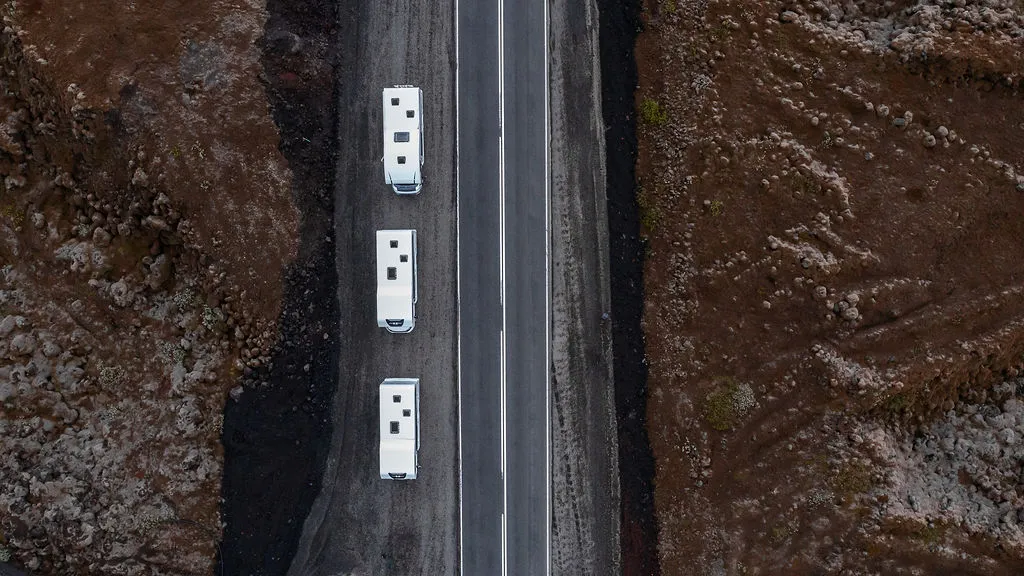
This guide is designed for a 9-day road trip along Route 1 in a campervan. Getting ready isn't complicated, but it is highly specific. The secret lies in a smart layering system and making a few crucial decisions before you hit the road, not while you're on it.
Clothing: the three-layer system
Forget everything you know about "winter" and "summer" clothes. In Iceland, there is only one rule: layers.
The base layer (next-to-skin) must be merino wool or high-performance synthetic thermal underwear. No cotton. Cotton traps moisture and stays damp, and a wet body is a cold body. Merino wool is incredibly comfortable (non-itchy and temperature-regulating), while synthetics are lighter on the pocket and dry faster. Bring a top and bottom set for every day of the trip (or at least 3-4 changes).
The mid-layer (insulation) is your fleece or down jacket. A fleece is highly versatile — warm, quick-drying, and lightweight. A down jacket offers incredible warmth during stops and cold evenings at the campsite, but if it gets wet, it loses its insulating power. Bring both.
The outer layer (protection) must be a waterproof and windproof hardshell jacket. Note: waterproof, not water-resistant. The difference is absolutely critical. Look for a Gore-Tex membrane or equivalent, fully taped seams, and a hood that cinches tightly around your face. This is your single most important investment. Without it, Iceland can quickly turn into a wet, cold, and miserable ordeal.
For the lower half, opt for waterproof overtrousers or tough trekking trousers with a reliable DWR coating. No jeans. Ever. They will get soaked in 5 minutes and take 5 hours to dry.
Footwear: everything stands or falls here
Invest in a pair of sturdy, waterproof trekking boots with good ankle support. No trainers, no fashion boots, and nothing that just "looks steady." Icelandic trails are wet, rocky, often muddy, and sometimes icy. Make sure your boots are thoroughly broken in before your trip — wear them around the house for at least 2-3 weeks.
Your second pair should be easy slip-on shoes for the campervan and campsites: sandals or Crocs, something you can step into and throw off in seconds. You'll be doing this dozens of times a day.
For socks, choose merino wool. Take two thick pairs for hiking and two thinner pairs for everyday wear. Merino naturally resists odours, even after 3 days of heavy use. Seriously.
If you are travelling in winter, pack Wellington boots for wet crossings and muddy stretches. In summer, you can usually get by with just your trekking boots.
The small gear that makes a massive difference
Gloves: bring two pairs. A thin inner pair (fleece or merino, touchscreen-compatible) and a thick outer pair (waterproof and windproof). You'll shoot photos with the liners and brave the elements with the heavy-duty ones.
Beanie or neck buff: the wind is relentless, and you lose heat from your head fastest. A buff is the ultimate multi-tool — serving as a scarf, face mask, or headband all in one.
Sunglasses: yes, even on overcast days. The glare from glaciers and water is intense, and the UV index at this latitude is deceptively high in summer.
A compact daypack (20-30 litres) for daily hikes: big enough for your water bladder, an extra layer, camera, and trail snacks. You won't need anything larger for 2-3 hour treks.
A good flask: hot coffee or tea when it's 5°C and windy is a priceless luxury. Fill it up in your camper kitchen in the morning, and enjoy it at the top of a roaring waterfall.
Power bank: phone batteries drain rapidly in the cold. A 10,000-20,000 mAh capacity is perfect for getting 2-3 full charges on the go.
Currency, cards, and road logistics
While the Icelandic Króna (ISK) is the official currency, cards are accepted virtually everywhere. Even at the most remote self-service fuel station. Even at a public toilet. Cash is rarely necessary, but keeping 5,000-10,000 ISK (about 30-60 EUR) on hand for peace of mind is never a bad idea.
A 4-digit card PIN is absolutely essential. Many unmanned fuel stations require a PIN to authorise payment. Doublecheck yours before you fly.
No visa is required for Bulgarian citizens as Iceland is part of the Schengen area. An ID card is perfectly fine, though a passport is always a safe backup.
Insurance: the European Health Insurance Card (EHIC) covers emergency medical care, but comprehensive travel insurance is highly recommended. Search and rescue operations in Iceland are free (run by the volunteer-led ICE-SAR), but standard medical fees can quickly add up.
Mobile connection: coverage along Route 1 is generally excellent, but can drop in remote areas like the East Fjords or the Snæfellsnes Peninsula. Most campsites offer Wi-Fi, but try not to rely on constant connectivity.
Life, food, and water in the campervan
Your campervan is a self-contained home on wheels with a compact kitchenette: a gas stove, a small sink, and a fridge. Keep meals simple and satisfying — think pasta, rice, tinned stews, eggs, bread, coffee, and tea. Stock up on fresh ingredients at Bónus supermarkets (look for the yellow pig logo) or Krónan. Prices in Iceland are steep (easily 1.5-2 times higher than in Bulgaria), so self-catering in the van is a game-changer for your budget.
Tap water is safe to drink everywhere — literally everywhere. Sourced from pristine glacial and underground springs, Icelandic tap water is among the cleanest on the planet. Don't waste money on plastic bottled water. The hot water might have a slight sulfurous smell due to its geothermal origin, but it is completely harmless.
Alcohol is only sold in state-run outlets called Vínbúðin, which have limited opening hours. Supermarkets only stock low-alcohol beer. Plan ahead if you want a glass of wine to wind down with at night.
Cooking a simple meal in a cosy campervan while rain lashes the roof and the windows steam up changes how the food tastes. It's not about gourmet dining; it's about the context being the main ingredient.
What NOT to pack
Too many clothes. Your three core layers plus 2-3 changes of base layers are plenty for 9 days. Campervans space is premium. Pack everything in a soft, malleable duffle bag, not a hard-shell suitcase, which won't fit into the narrow storage lockers.
High heels, fancy dresses, or formal wear. Reykjavík is laid-back and practical. No one dresses up because everyone knows a sudden downpour is always just 10 minutes away.
A hair dryer. The campervan's inverter won't handle the wattage, and most campsite bathrooms don't have available sockets. Embrace the wild, wind-swept hair look — it's part of the adventure.
The expectation of constant digital connection. Iceland is a place where disconnect is a luxury and true freedom is found off-grid. Take the photos, but post them later. The landscape isn't going anywhere; the algorithm can wait.
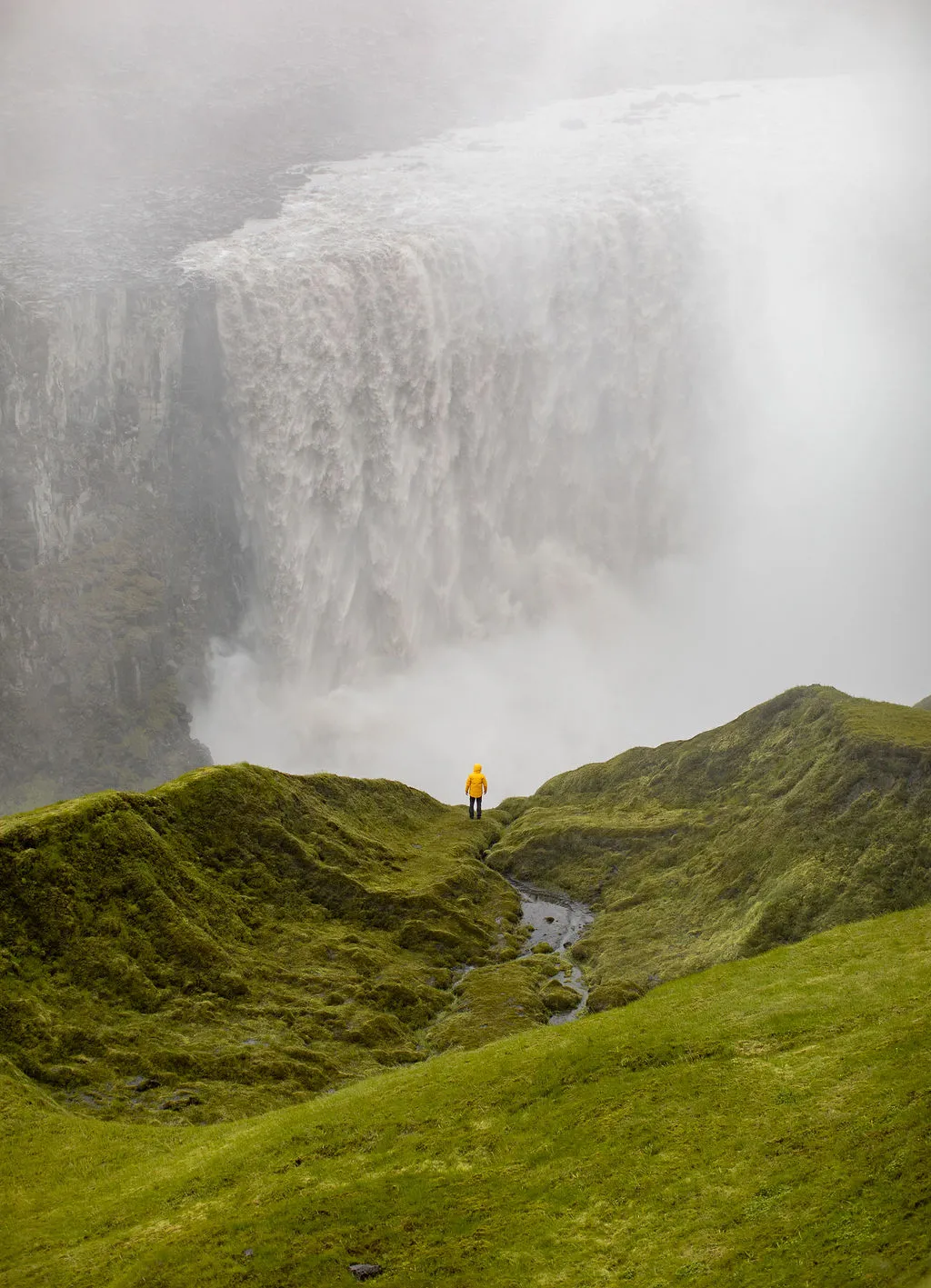
Getting ready for Iceland isn't about overthinking. It's about three reliable layers, sturdy boots, a dependable waterproof jacket, a warm flask, and accepting that the weather will do what it wants. The rest is provided by the island itself — the surreal light, the howling wind, the vast silence, and the sheer scale of the landscape. The only thing you can't prepare for is that exact moment you pull over, step out of the van, and realise that no photo, film, or travel guide could ever capture what is standing right in front of you. For that moment, you don't need gear. You just need to be there.
Author: Martin Bonov
Other articles about Iceland