What will you do with Panic Frame in Iceland
Sofia Airport, Terminal 2. The group counts 15-20 people, most of them strangers to one another. Someone is holding a coffee, another is double-checking their gear for the third time, someone else is already snapping photos. In 4 hours, you'll touch down in Reykjavík. In 24, you'll be driving campervans across lava-carved roads, with a volcano looming on the horizon and a geyser erupting every 5 minutes. Iceland with Panic Frame is no mere sightseeing tour. It’s 9 days where your home is on the move, and the view outside your window shifts like scenes from a movie.
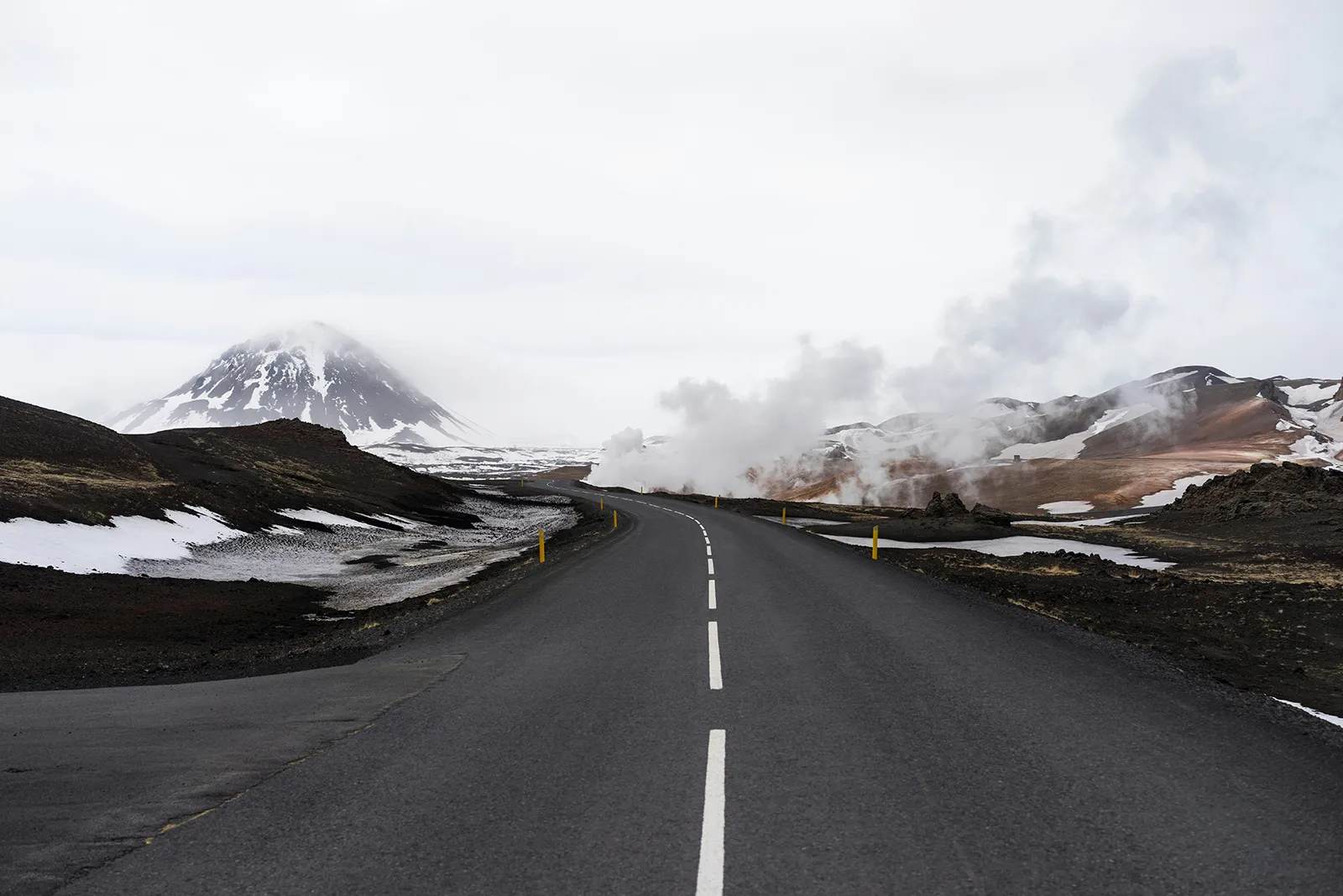
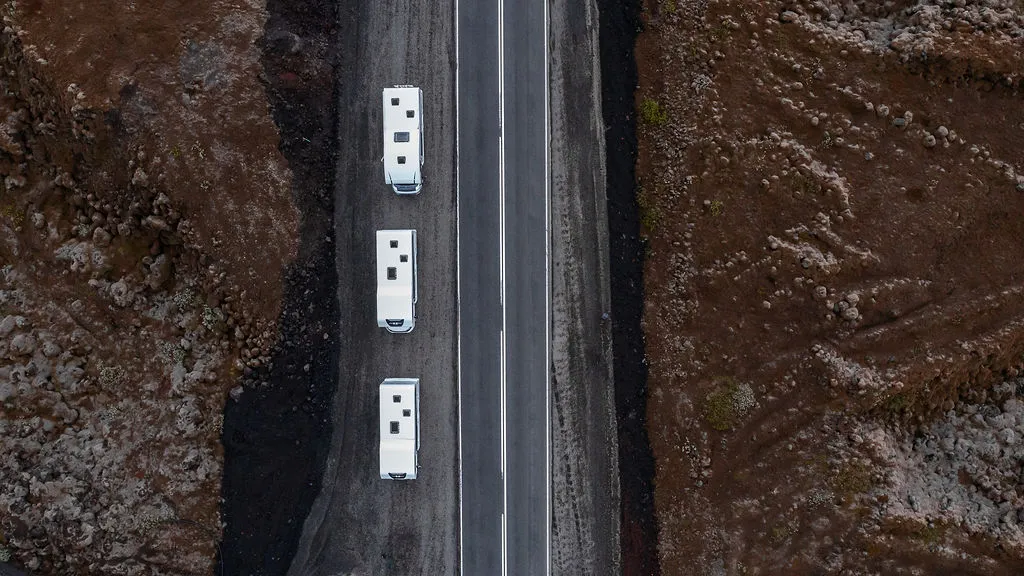
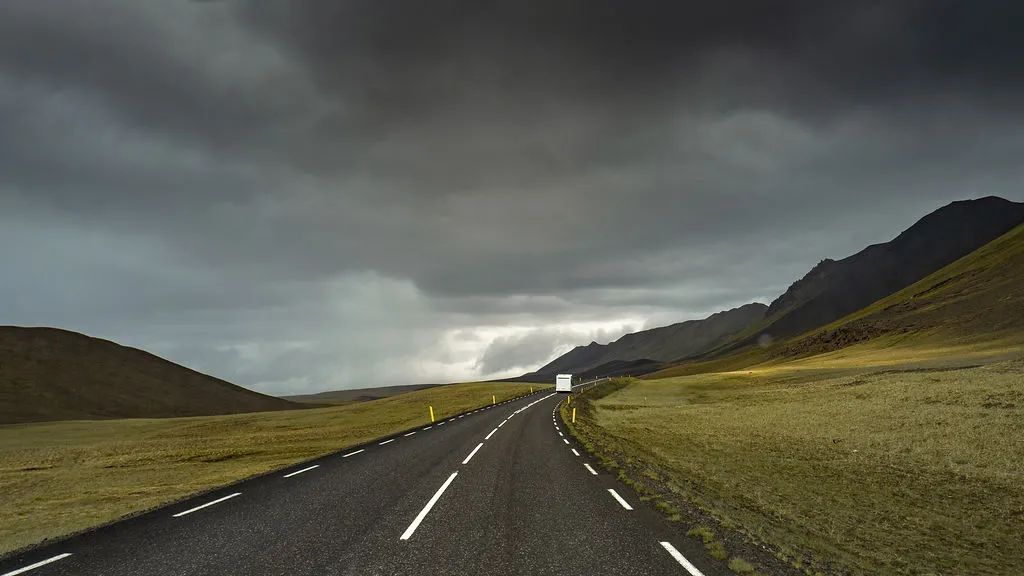
This is a campervan road trip along Route 1, the Ring Road, looping the entire island. 1,300 km, 9 days, starting from Reykjavík along the south coast, moving through the southeastern glaciers, up to the north, and back via the Snæfellsnes Peninsula. Every night is a new spot. Every morning brings a fresh view.
Panic Frame provides the route, the campervans, the campsites, and a guide who has been here enough times to know exactly where to pull over when the light is just right. You bring the curiosity. The rest unfolds on its own.
Days 1-2: Reykjavík, Fagradalsfjall, and the Golden Circle
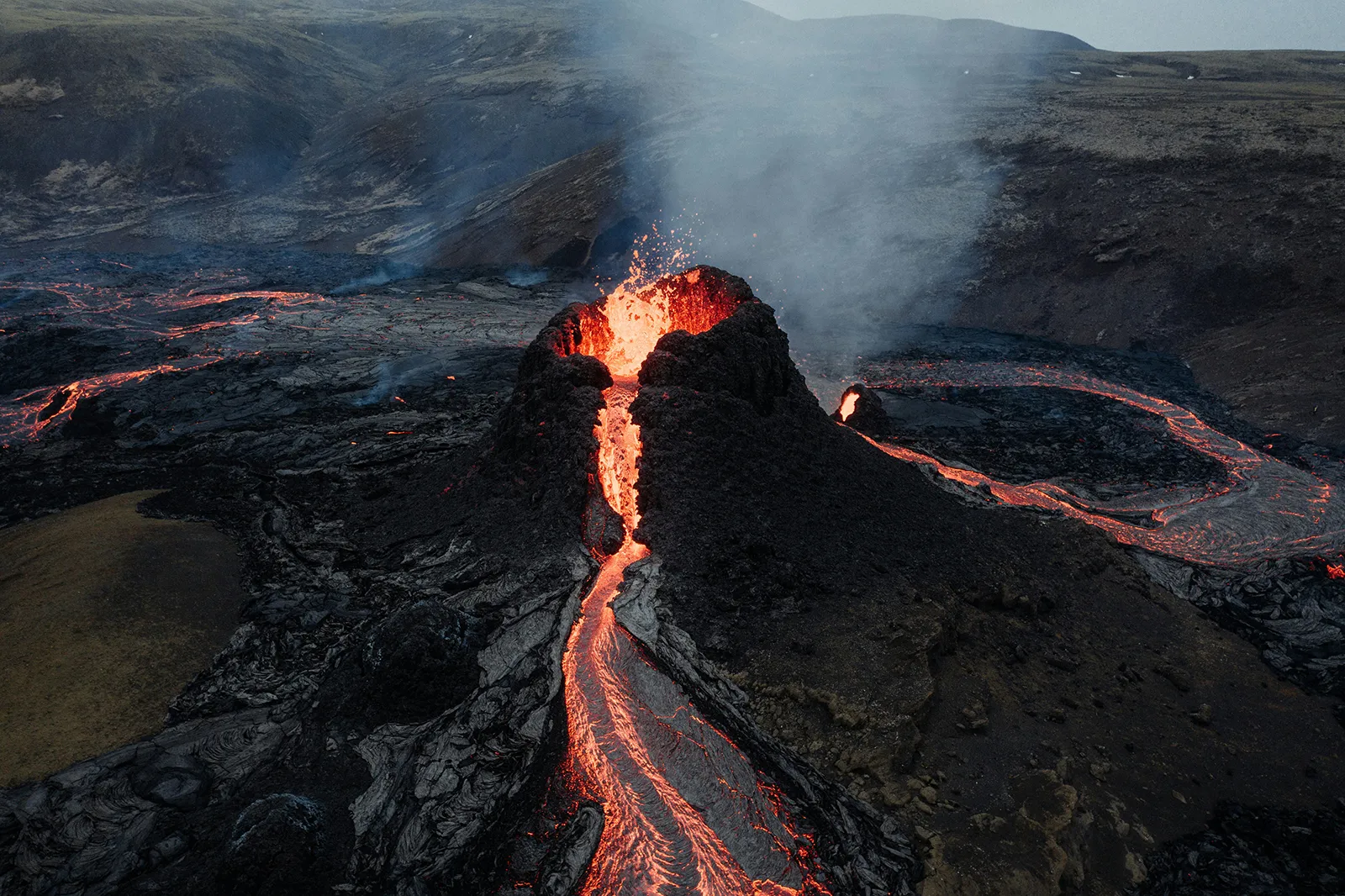
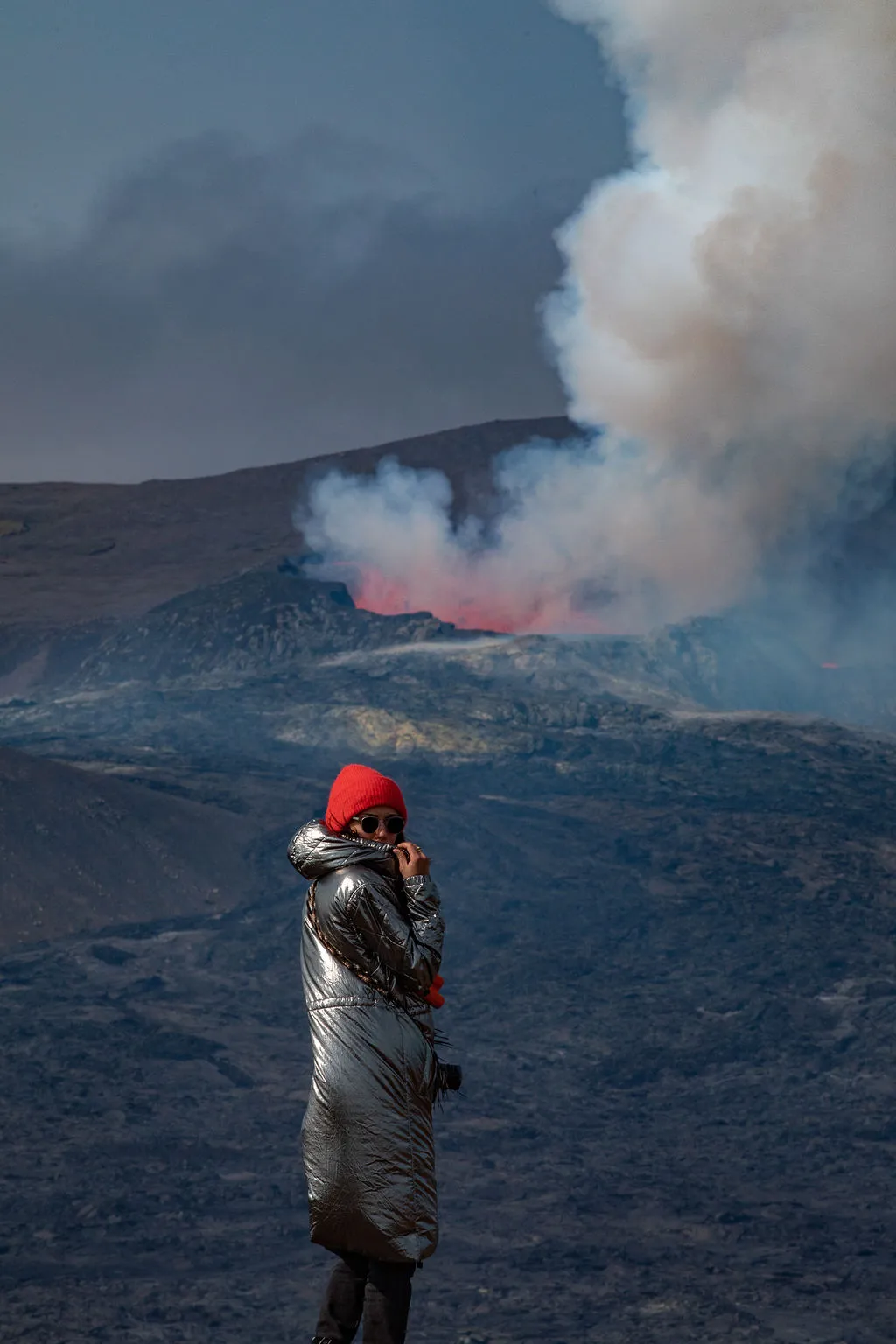
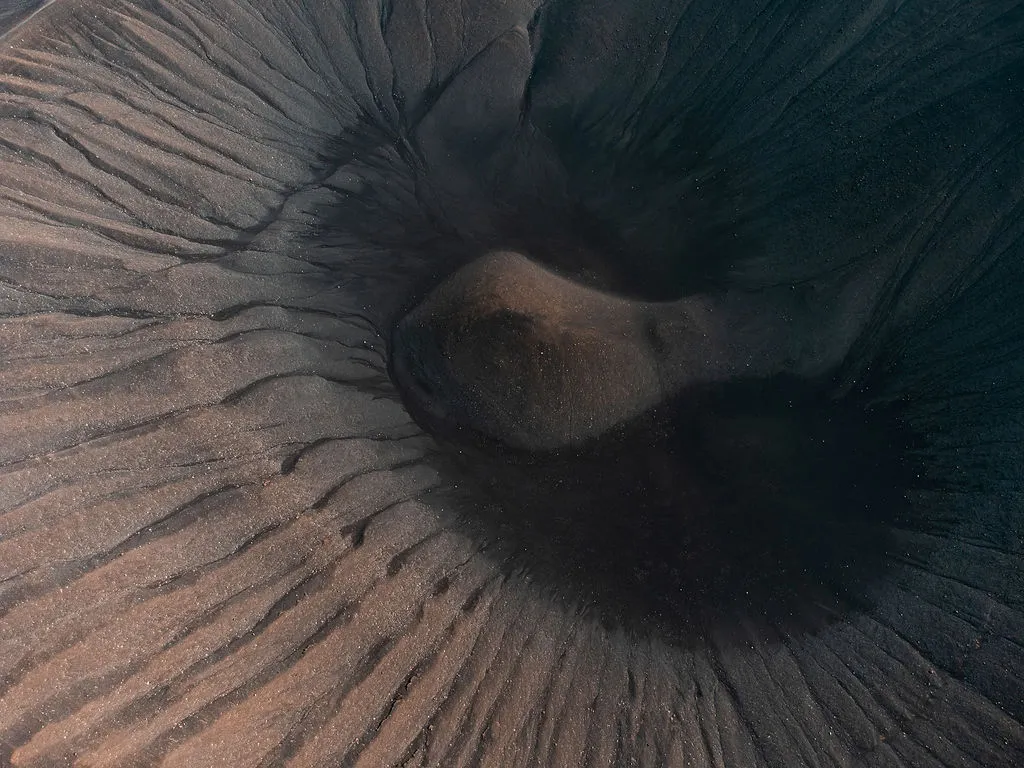
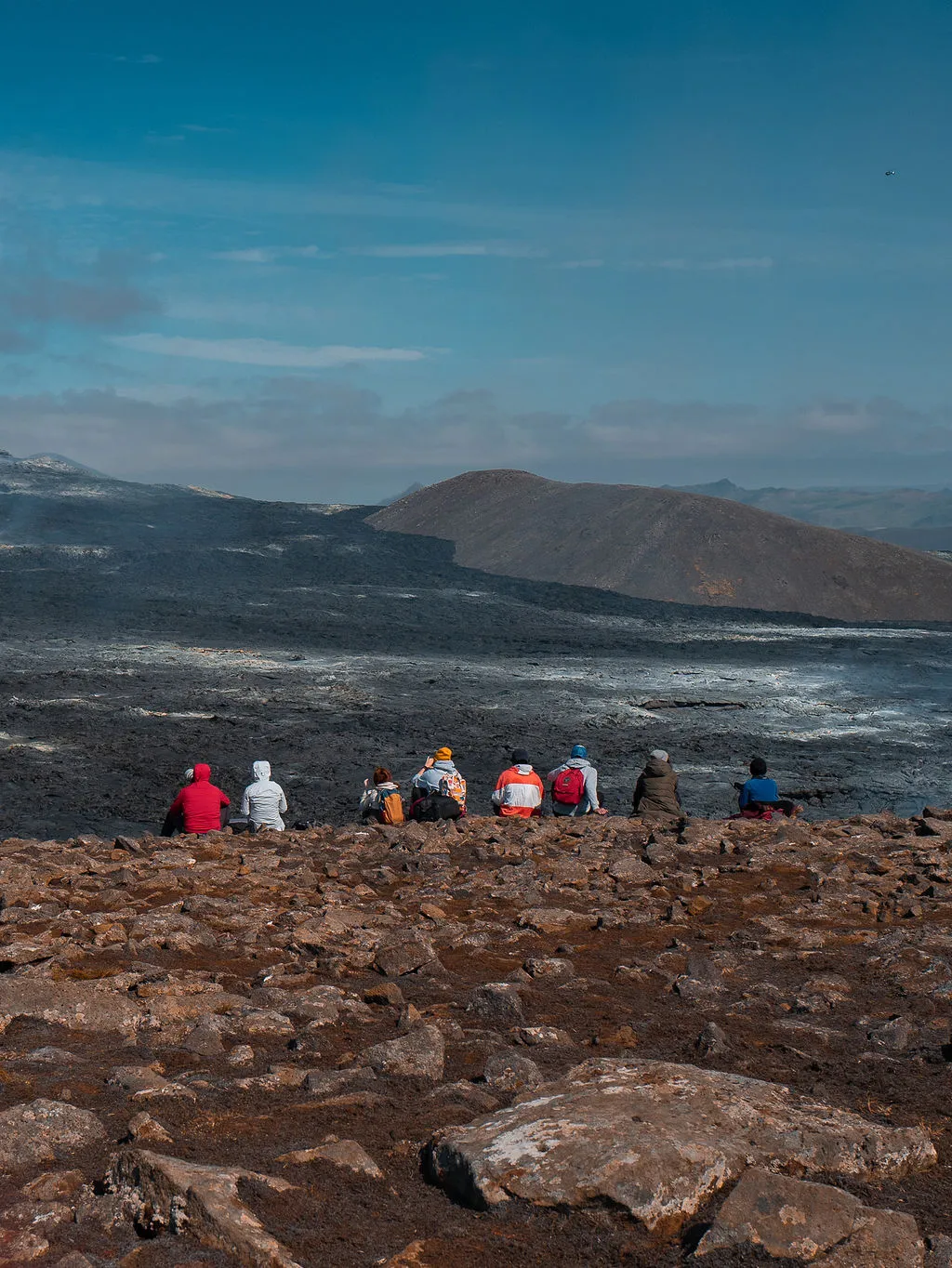
You arrive, pick up your camper, and get used to its scale (it’s bigger on the inside than it looks). First stop is the Fagradalsfjall volcano, with a short trek of about 2 hours along a marked trail. It’s not difficult, requires no advance training, but it’s impressive enough to set the tone for the days ahead.
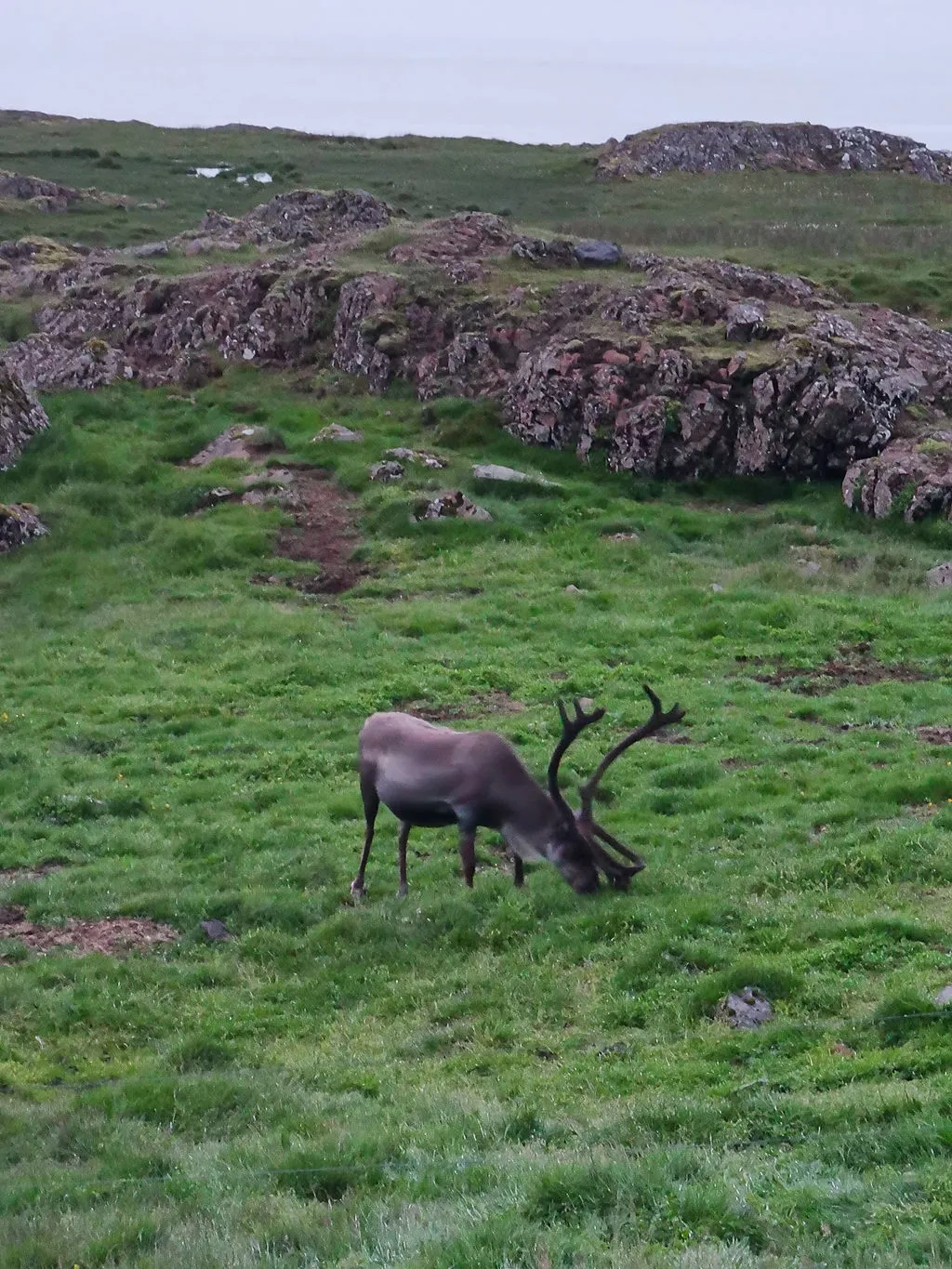
The Golden Circle follows: the Kerið crater lake (3,000 years old, with aquamarine water), the Strokkur geyser (shooting a 20-to-40-metre column of water into the air every 5-10 minutes), and Gullfoss waterfall (a double-tiered cascade roaring into a deep canyon). Between stops, the camper rolls along smooth tarmac past moss-covered lava fields and sheep completely unfazed by your presence.
The first night is spent at a campsite. Cooking in the camper is a small ritual: tight space, a gas stove, steam fogging up the windows. Outside, it’s quiet. So quiet you can hear the neighbouring camper lock their door.
Days 3-4: The South Coast and the Glacier Lagoon
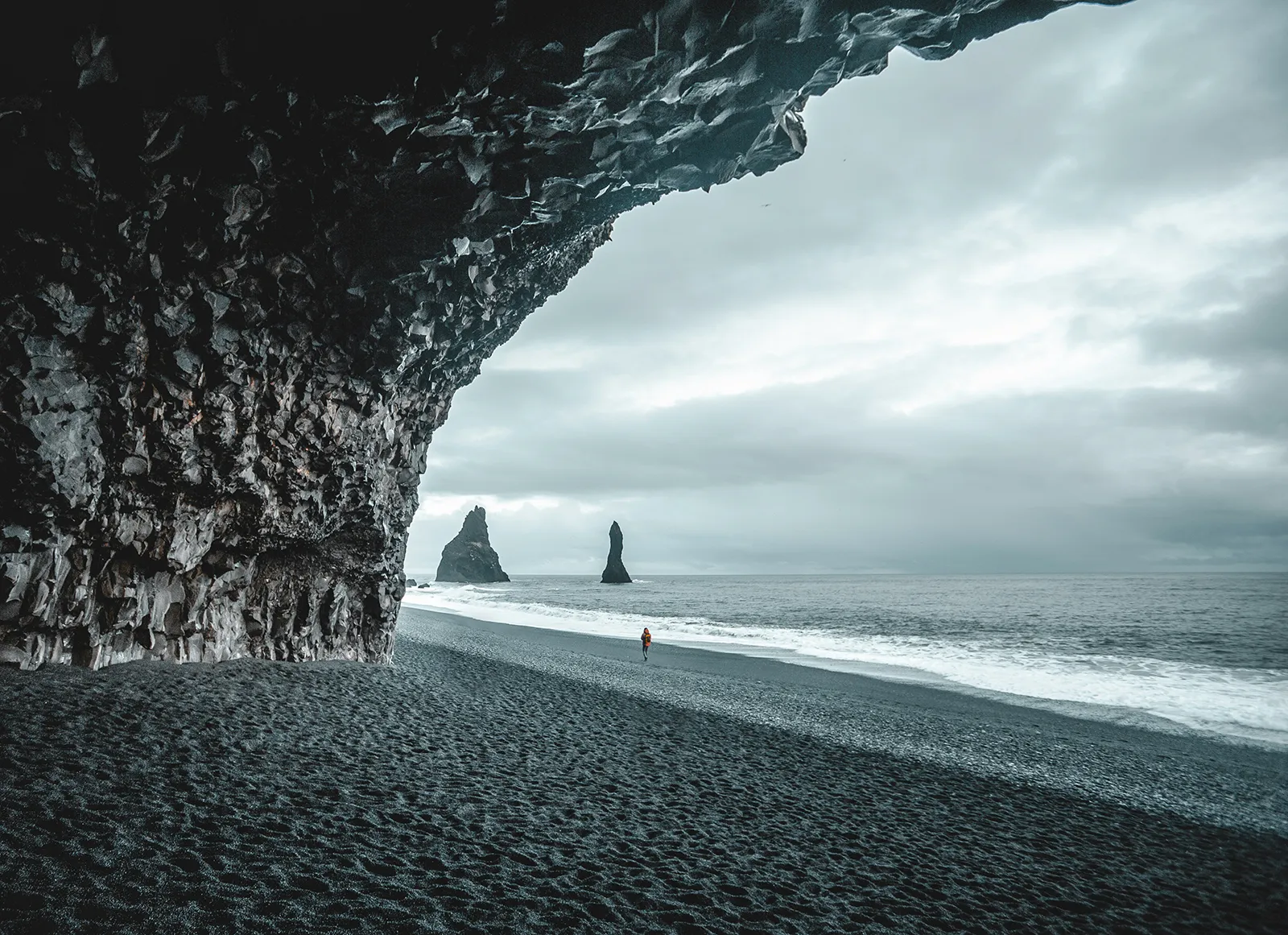
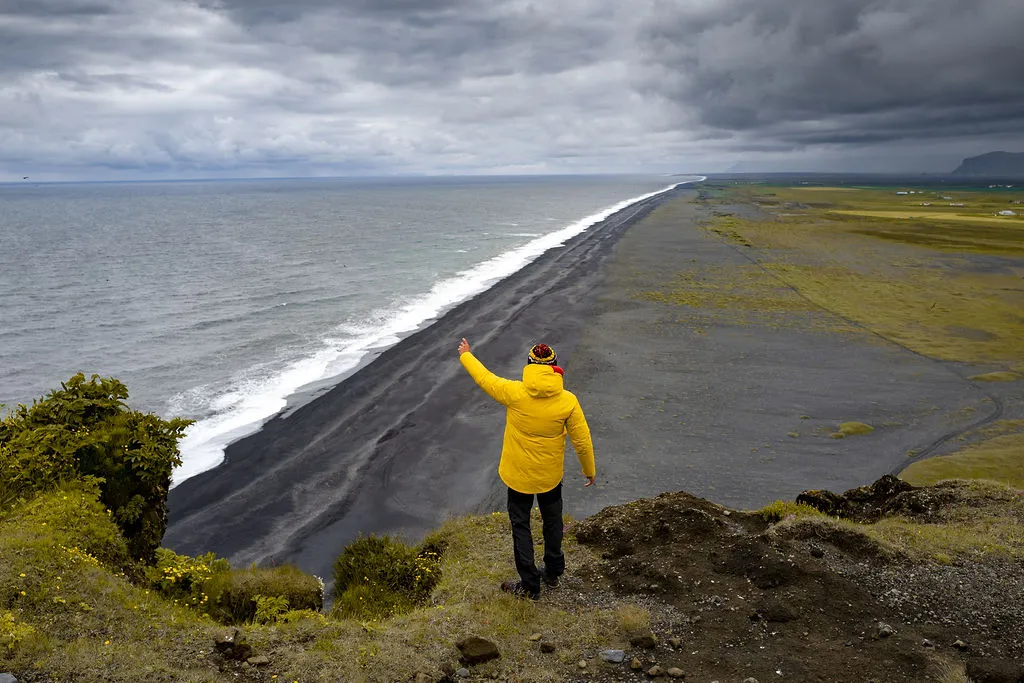
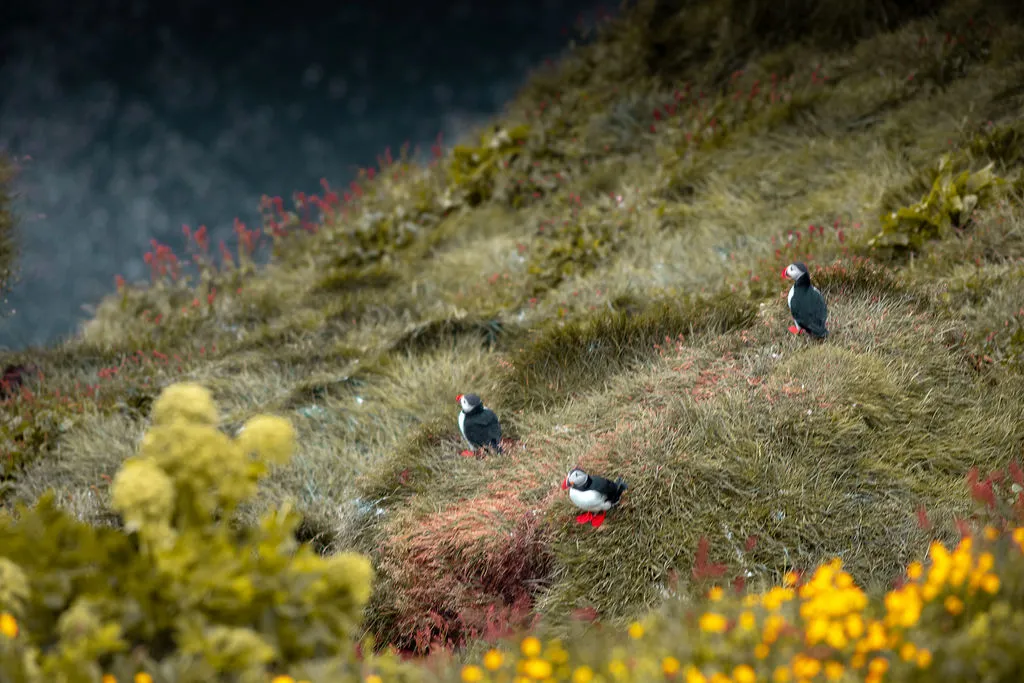
The Sólheimasandur plane wreck is a 2-hour walk across black volcanic sand. White metal against a dark canvas. Just silence and wind. Then comes the Dyrhólaey stone arch with its lighthouse and nesting birds (puffins, if it’s the season), the black sands of Reynisfjara with its basalt columns and crashing Atlantic waves, and the Fjaðrárgljúfur canyon (yes, the one from Game of Thrones).
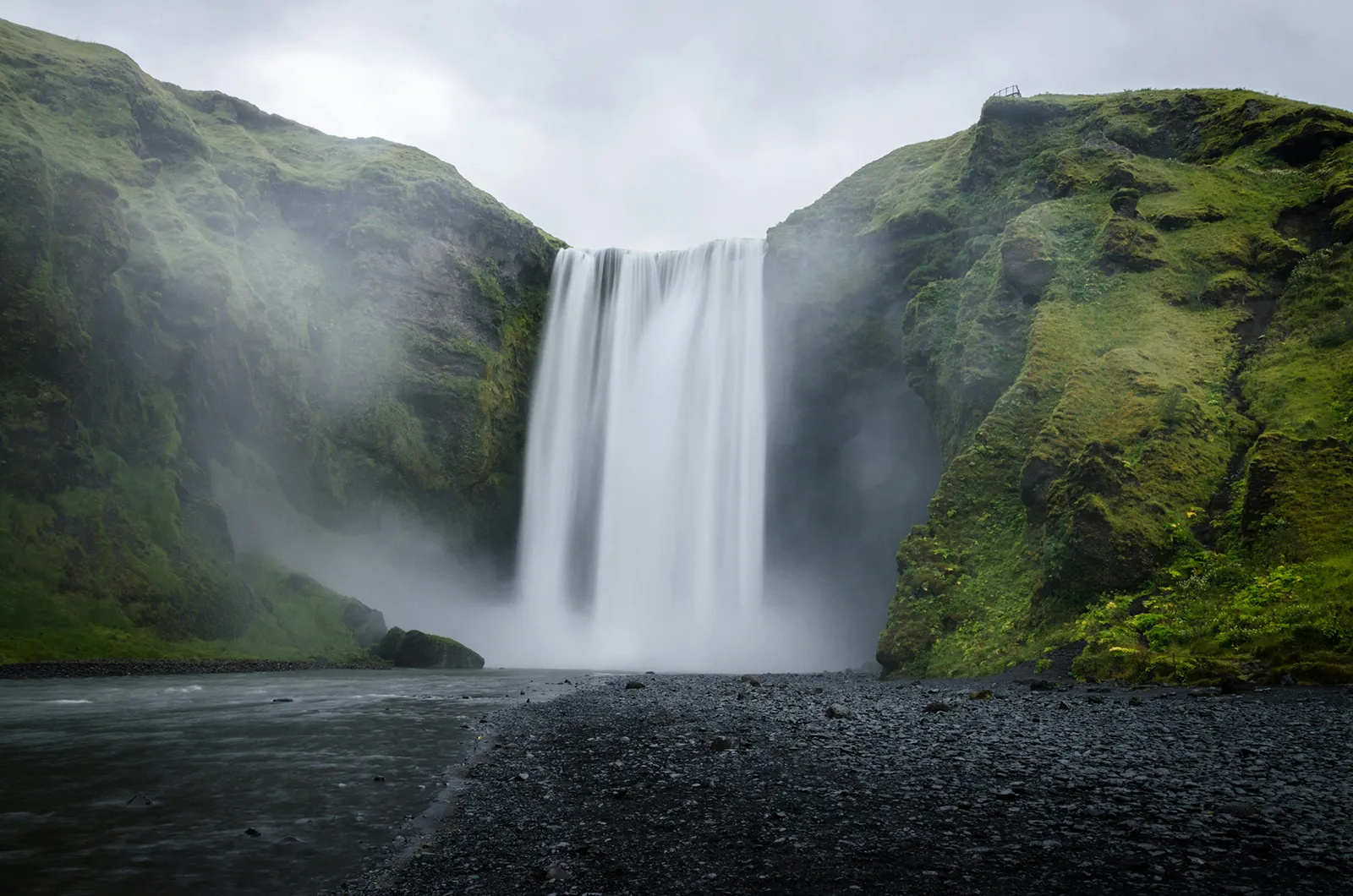
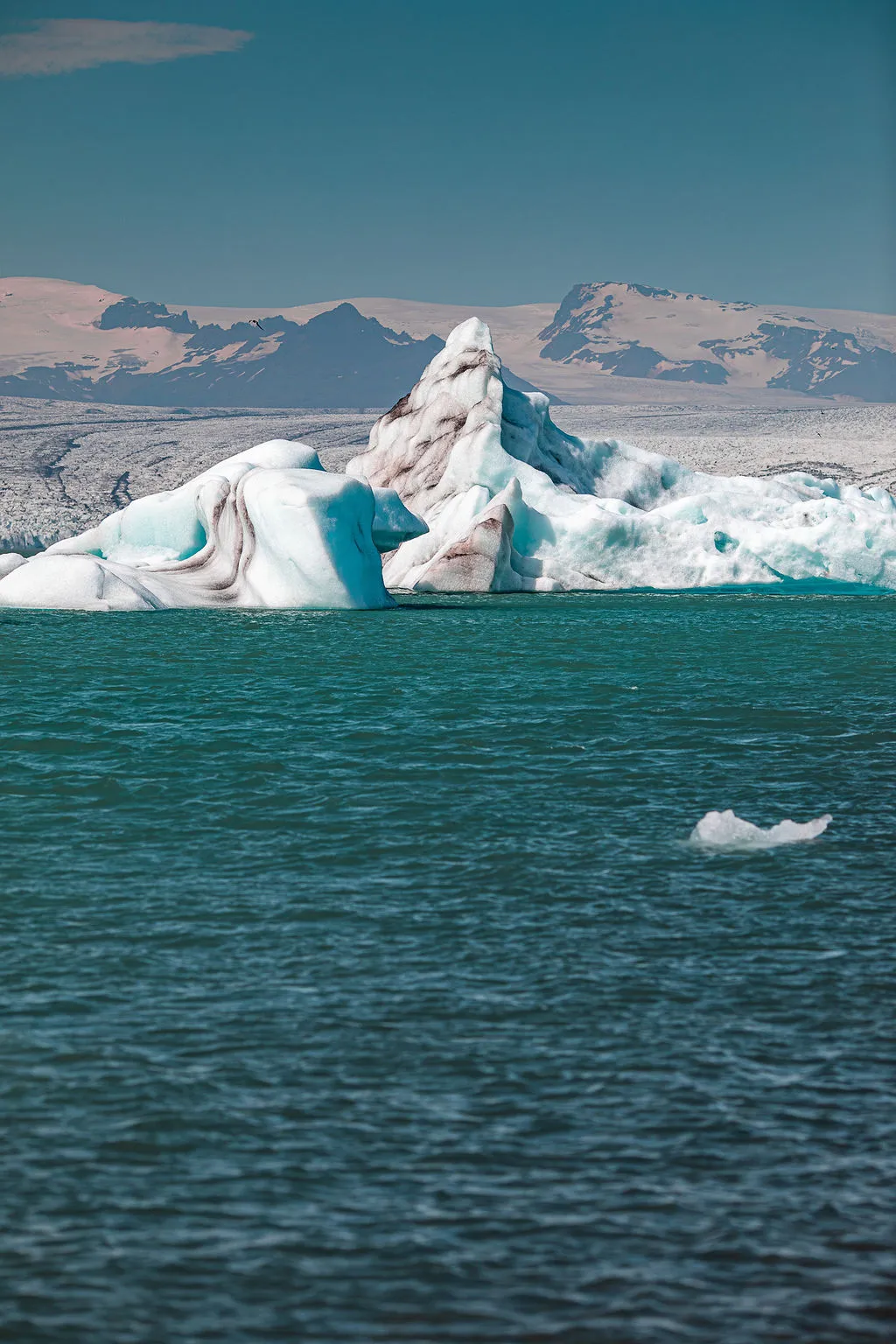
Day 4 begins with a 30-minute hike to Svartifoss, the Black Waterfall. Your reward? PANIC pancakes (yes, it’s a tradition). Up next is Jökulsárlón, the glacier lagoon filled with floating icebergs, seals, and a heavy, beautiful silence. We finish at Stokksnes and the Vestrahorn Mountain, featuring dramatic 454m peaks, a black sand beach, and light that photographers will chase for hours.
Tonight, we wild camp beneath the steep cliffs of the Atlantic Ocean. The campers are lined up facing the water. You cook. You eat. You step outside. The cliffs tower in the dark like silhouettes from another dimension.
Days 5-6: The North, Dettifoss, and Goðafoss
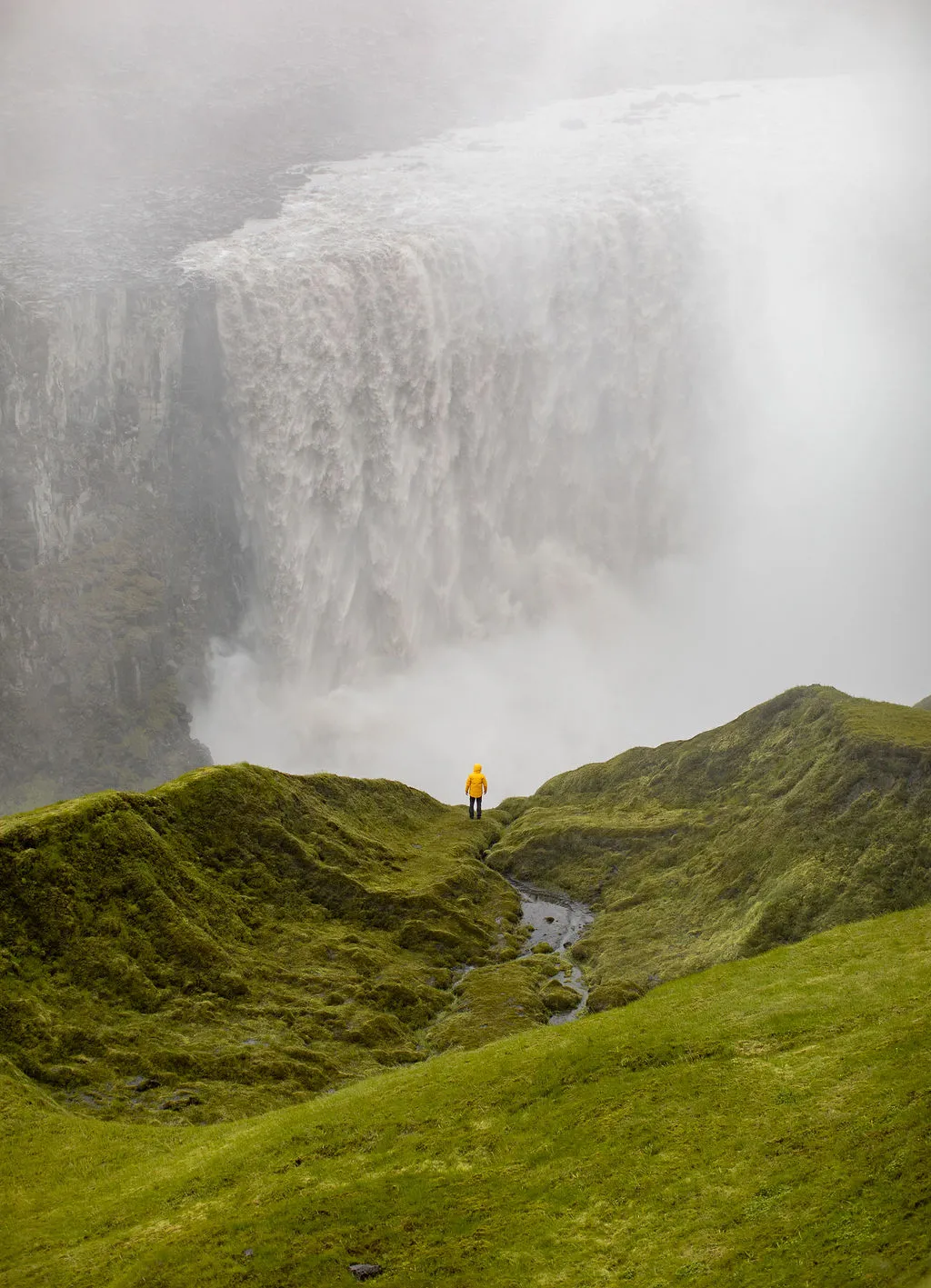
A 4-hour drive north brings us through black-and-grey lava fields resembling the surface of the moon. At the end lies Dettifoss—500 cubic metres of water crashing down every second, the earth shaking beneath your feet, and a ceaseless mist of spray. Europe’s most powerful waterfall isn’t beautiful in the conventional sense. It is terrifying. And that’s exactly why you’ll never forget it.
The Hverir geothermal valley is our next stop: boiling mud pits, yellow sulphur, fumaroles, and steam venting from cracks in the earth. The air is sharp. The colours are Martian. We camp wild tonight in a landscape that feels completely alien.
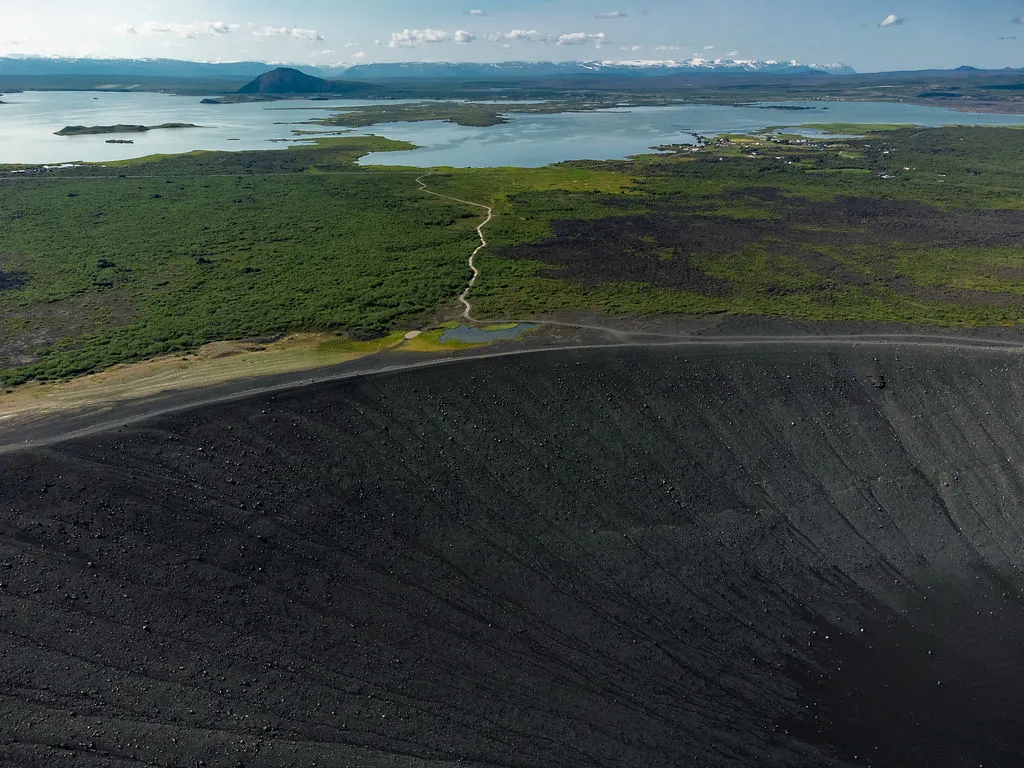
Day 6 brings the Hverfjall crater and Goðafoss, the Waterfall of the Gods—semi-circular, wide, and steeped in a thousand years of history. The day ends in Akureyri, the capital of the north, where you can opt to board a whale-watching boat. Humpbacks, minkes, and occasionally rarer species swim through Eyjafjörður, Iceland’s longest fjord.
Days 7-8: Snæfellsnes and Reykjavík
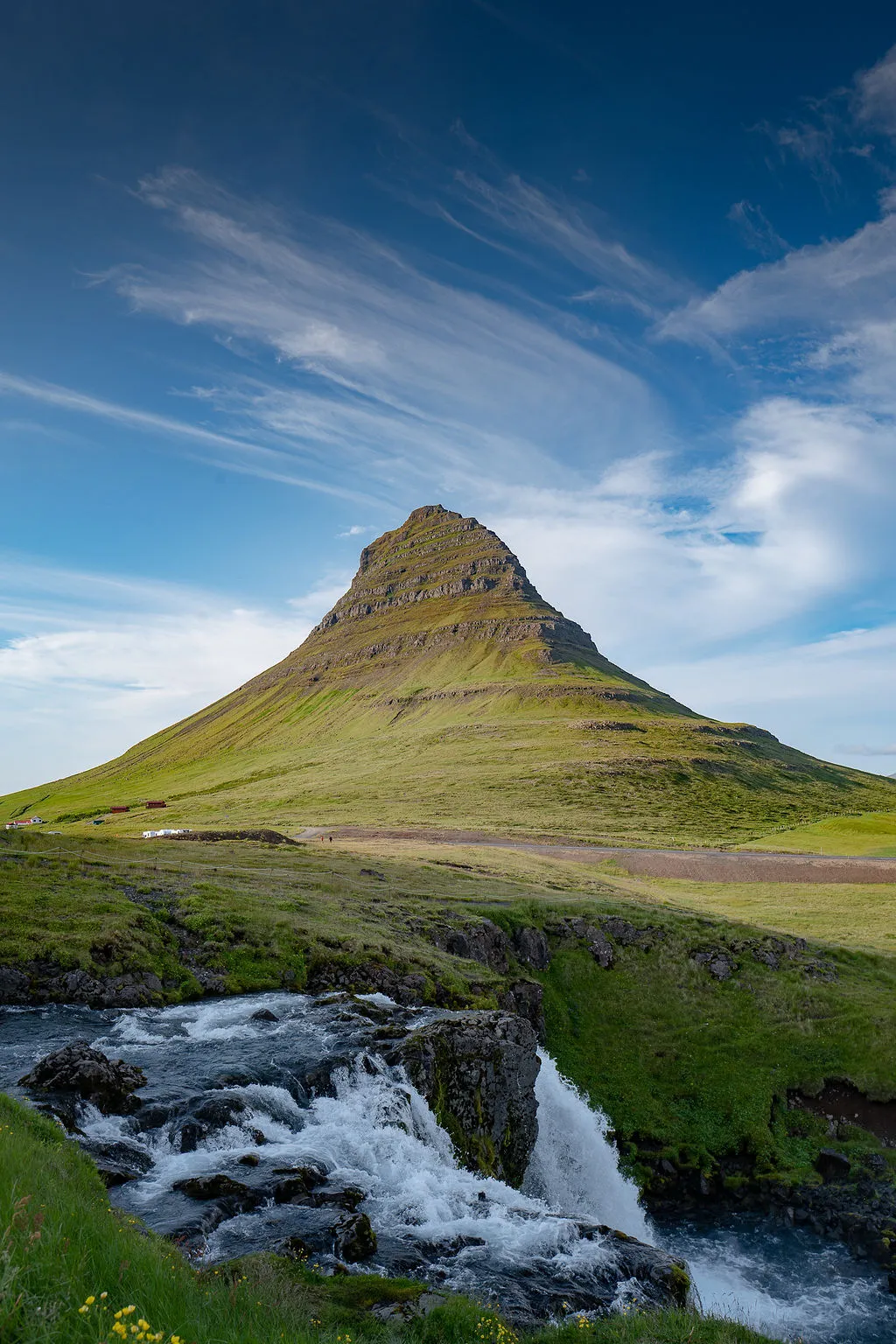
A 6-hour drive leads us to the Snæfellsnes Peninsula. Kirkjufell, the Church Mountain, is here. Captured in Game of Thrones and photographed by everyone who ever passed by, it still takes your breath away when you see it in person. The shape is flawless, framed perfectly by the waterfall beside it. We camp nearby for the night.
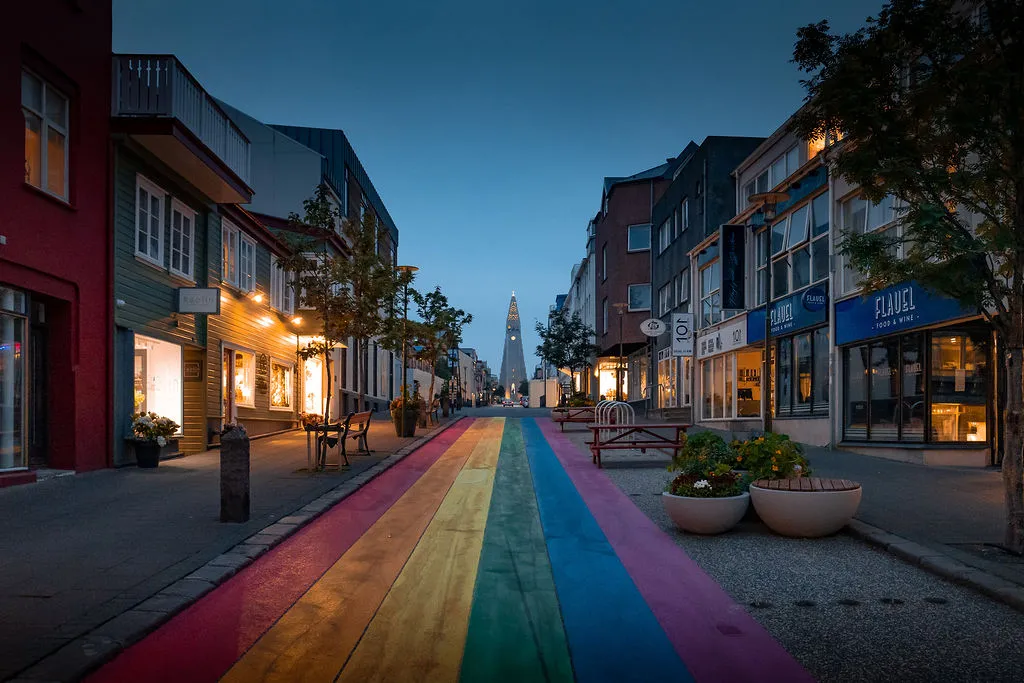
Day 8 is yours to explore Reykjavík. The city is compact, colourful, and bursts with a character you wouldn't expect from a capital. Check out Hallgrímskirkja (which took 41 years to build and stands 73 metres tall), Laugavegur street with its cafes, graffiti, and shops, or choose to unwind at the Blue Lagoon or Sky Lagoon.
This is the day something shifts. The group that first met at Terminal 2 now feels like old friends. The chatter in the Reykjavík cafes isn't about Iceland anymore. It’s about the next adventure. Someone is already asking about Namibia. Someone else is bringing up Socotra.
What makes Panic Frame different
The itinerary is no secret. Route 1 is Route 1, the waterfalls aren't moving, and the glaciers remain where they are. The difference is all in the details.
Your guide knows exactly when to stop. Not at the crowded signposted car park, but 200 metres further down where the light is better, the crowds are thinner, and your shot is cleaner. They know which way to park the camper so you wake up to the ultimate view. They know the hot springs that haven't made it into the guidebooks yet.
The group is small. Only 15-20 people spread across a few campers. No 50-seat tour buses with megaphones. This is a convoy where every campervan is autonomous, yet the journey is shared. Evenings are spent together at campsites, sharing meals cooked on gas stoves (which taste way better than they should when you're out in the Icelandic wild).
The pace is just right. Not too fast (you don’t rush Iceland), not too slow (9 days for 1,300 km is the sweet spot). Every day has a landmark, but the spaces in between are for driving, staring, and pulling over whenever the landscape demands you to stop.
Day 9. You say goodbye to the land of waterfalls and glaciers. The land of the cold north and hot springs. The land that births stories. As the plane takes off, you get one last look from the window. Below you lies a canvas of green, black, and white. Iceland looks tiny from the air. But you know better. You know, because 9 days simply wasn't enough.
Author: Martin Bonov
Other articles about Iceland