Icelandic Landscapes: Land, Light, and Scale
The light falls low, almost horizontal, turning everything it touches into gold. The sand is black. The ice is blue. The moss is so green it looks painted. In Iceland, the landscape isn’t a backdrop. It is the sole protagonist, and you are simply a spectator, allowed in for nine days.
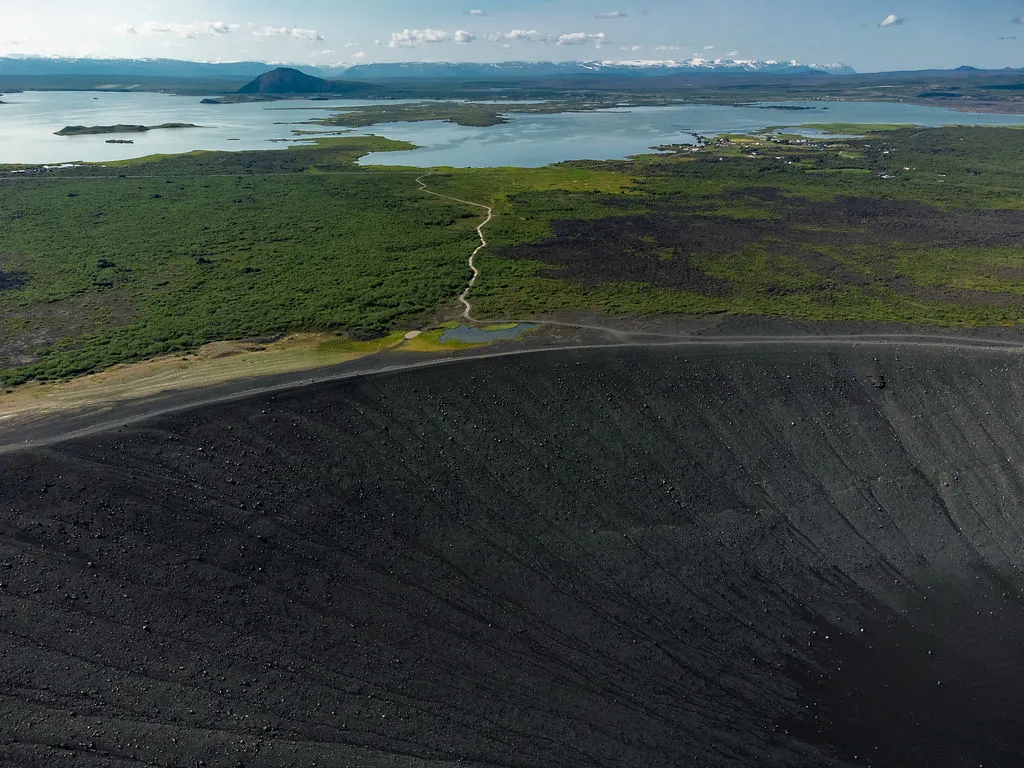
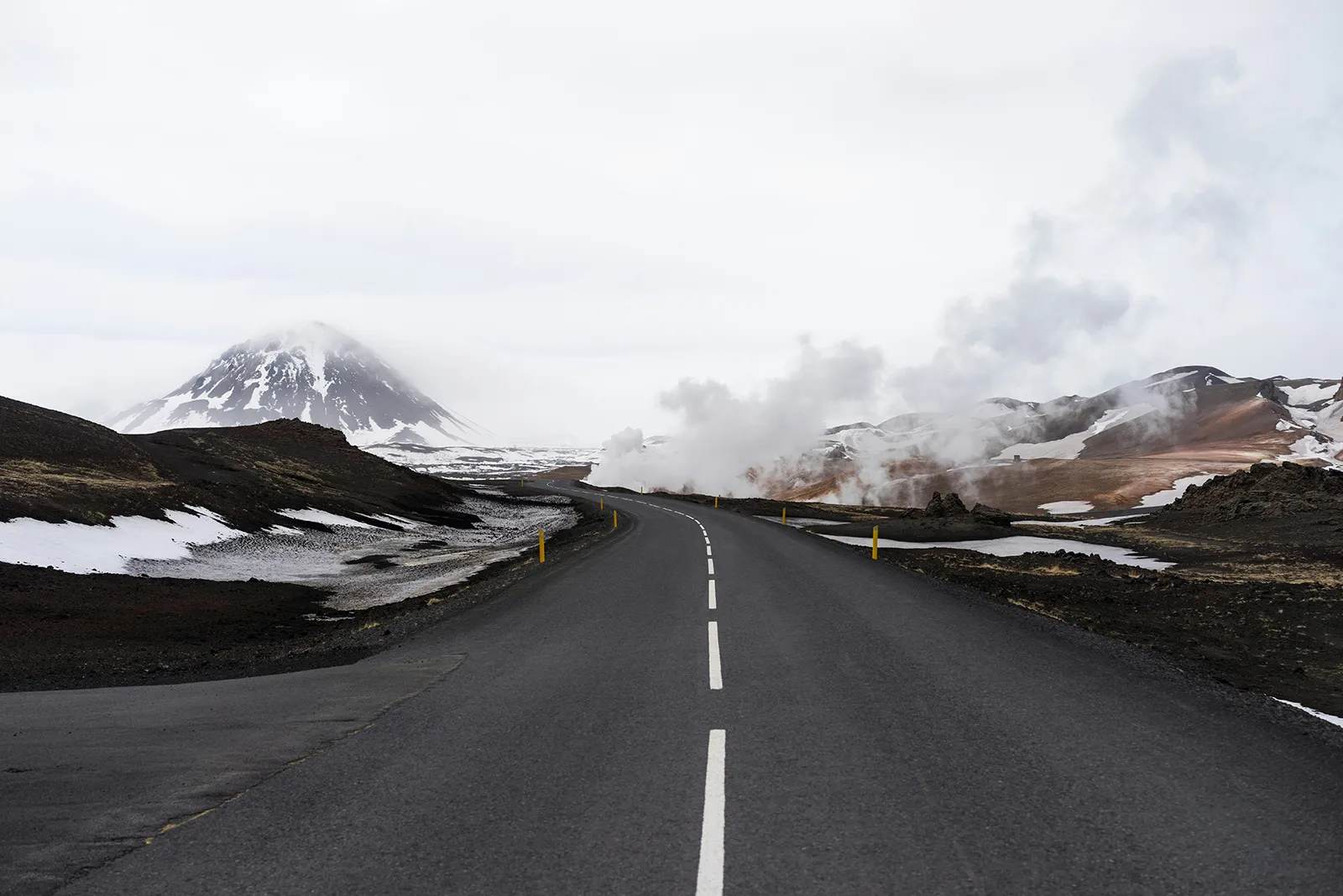
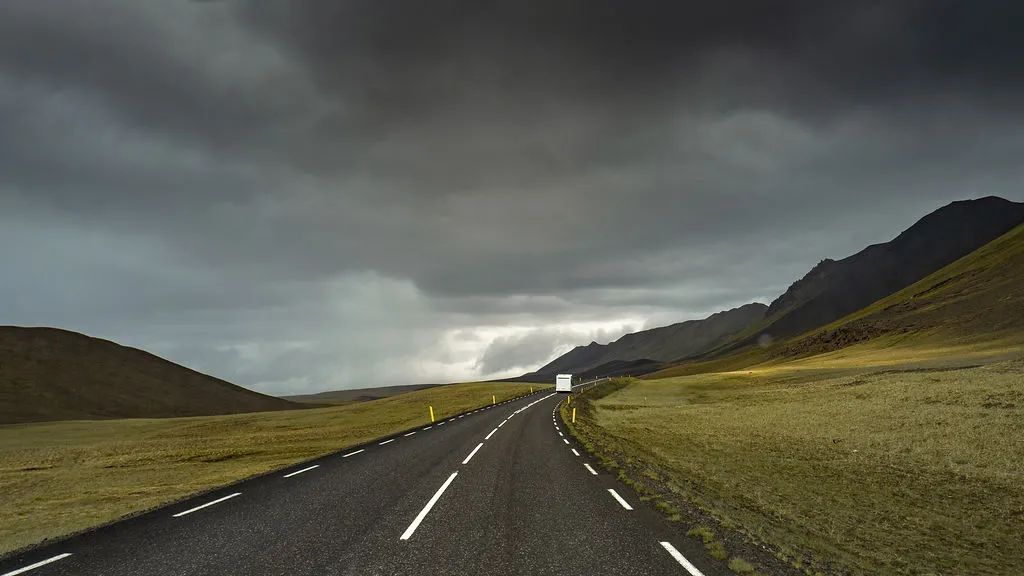
Iceland spans 103,000 square kilometres (just a bit larger than Bulgaria) with a population smaller than Cardiff. This translates to vast, untouched spaces with no people, no buildings, nothing to break the horizon where earth meets sky. Along the Ring Road, the 1,322-kilometre loop around the island, the landscape shifts every hour – sometimes so wildly you wonder if you’ve somehow crossed into a different country.
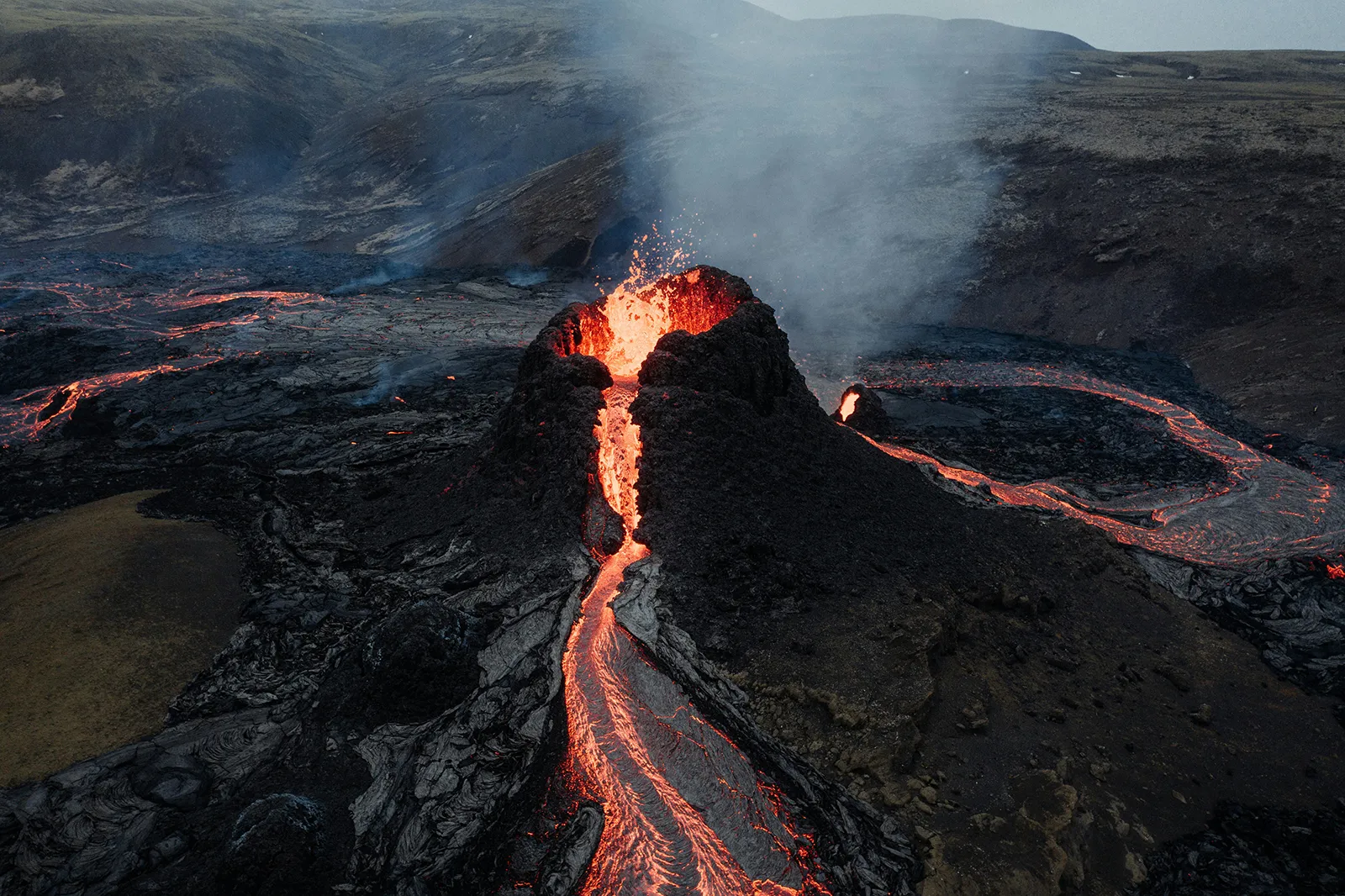
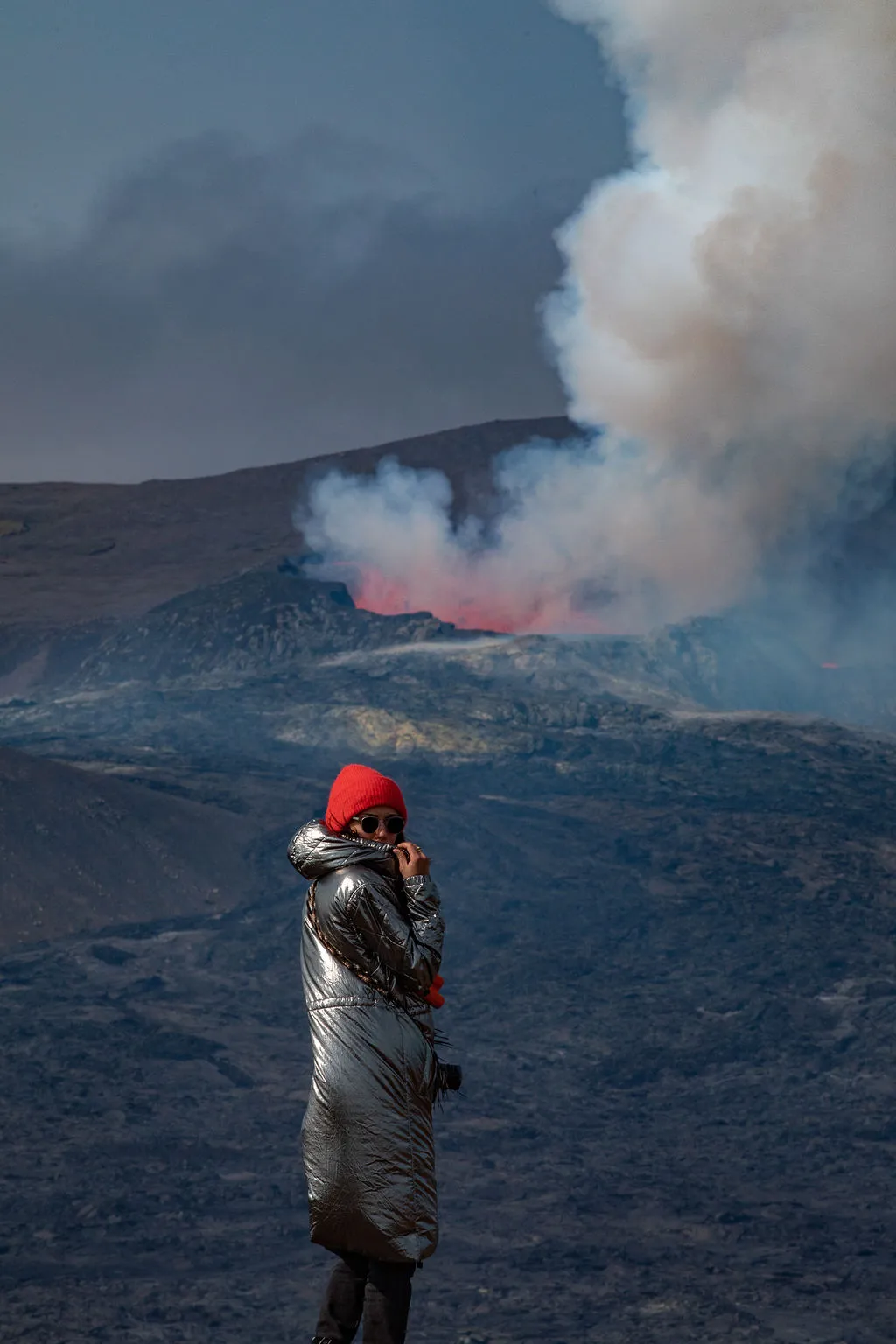
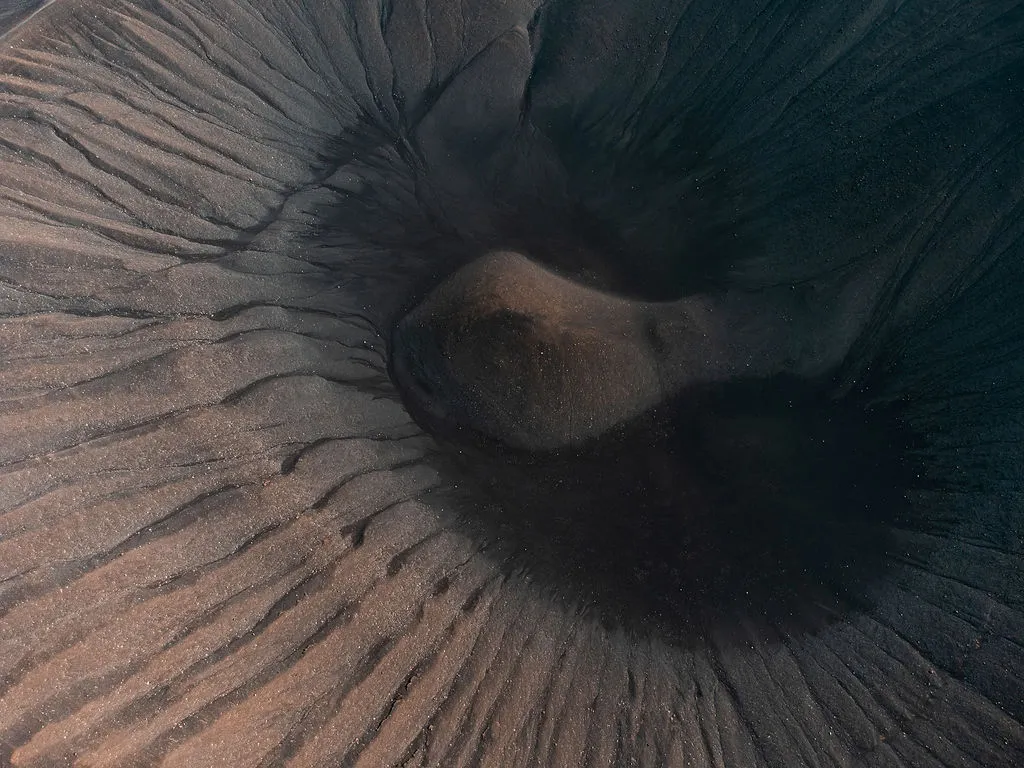
This is no accident. Iceland sits squarely on the Mid-Atlantic Ridge, where two tectonic plates are slowly tearing apart. Volcanoes forge new land, glaciers carve it, water cuts through it, and the wind polishes the raw edges. The result is a landscape that feels ancient yet brand new all at once.
Waterfalls: thunder, curtains, and black pillars
Iceland has so many waterfalls you’ll stop counting them by day three. Yet, no two are alike. Gullfoss (the Golden Waterfall) plunges down two tiers into a rugged crevice, as if swallowed by the earth itself. Stand at the edge and you’re met with sheer mist, spray, and rainbows if the sun decides to break through.
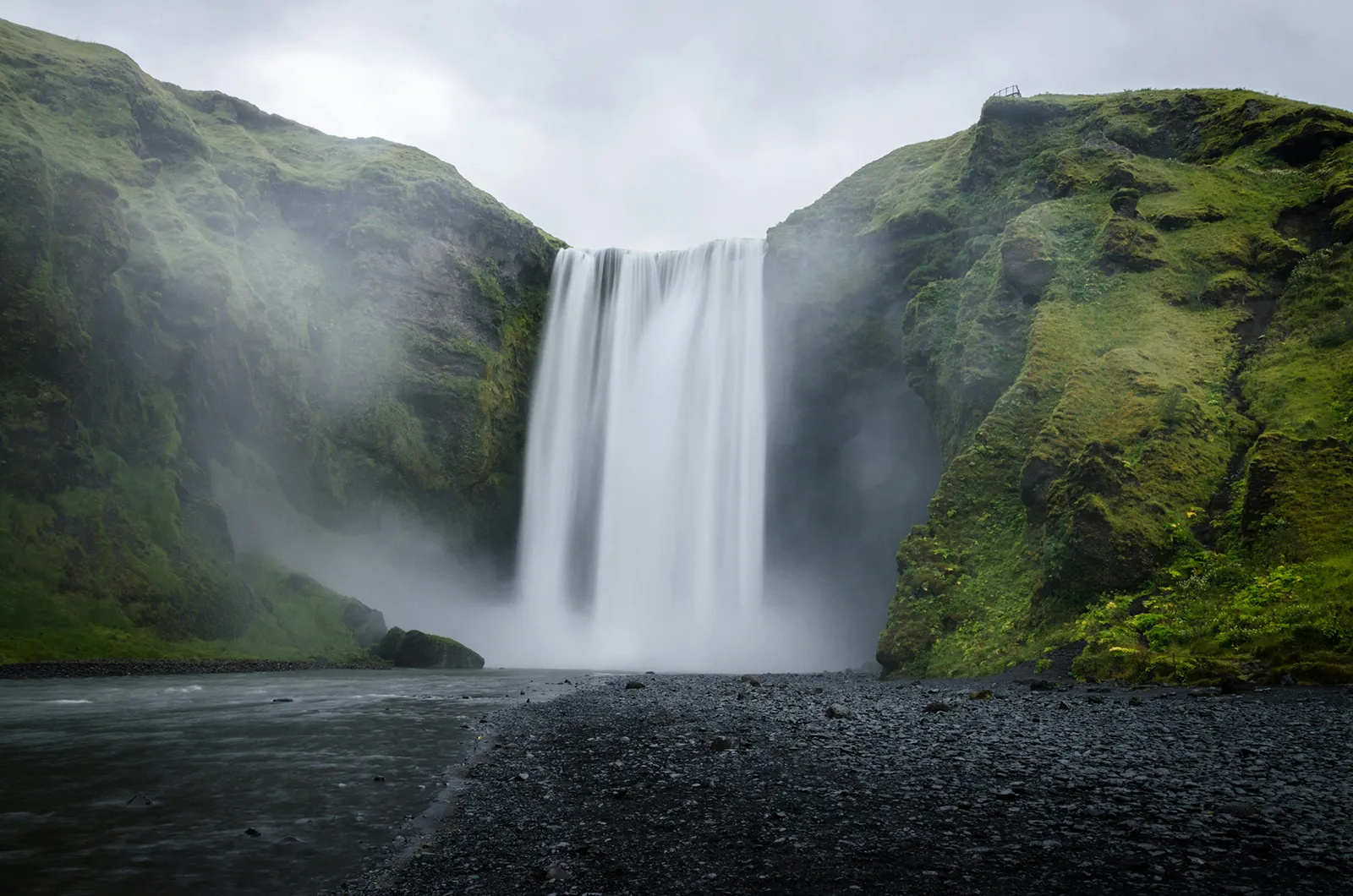
Seljalandsfoss is the only waterfall you can actually walk behind. Literally. You follow a slick trail behind a veil of rushing water, where the light pierces through in brilliant streaks of green and gold. Skógafoss is a brute force of nature – 60 metres high and 25 metres wide, throwing up a constant spray that drenches everything within a 100-metre radius.
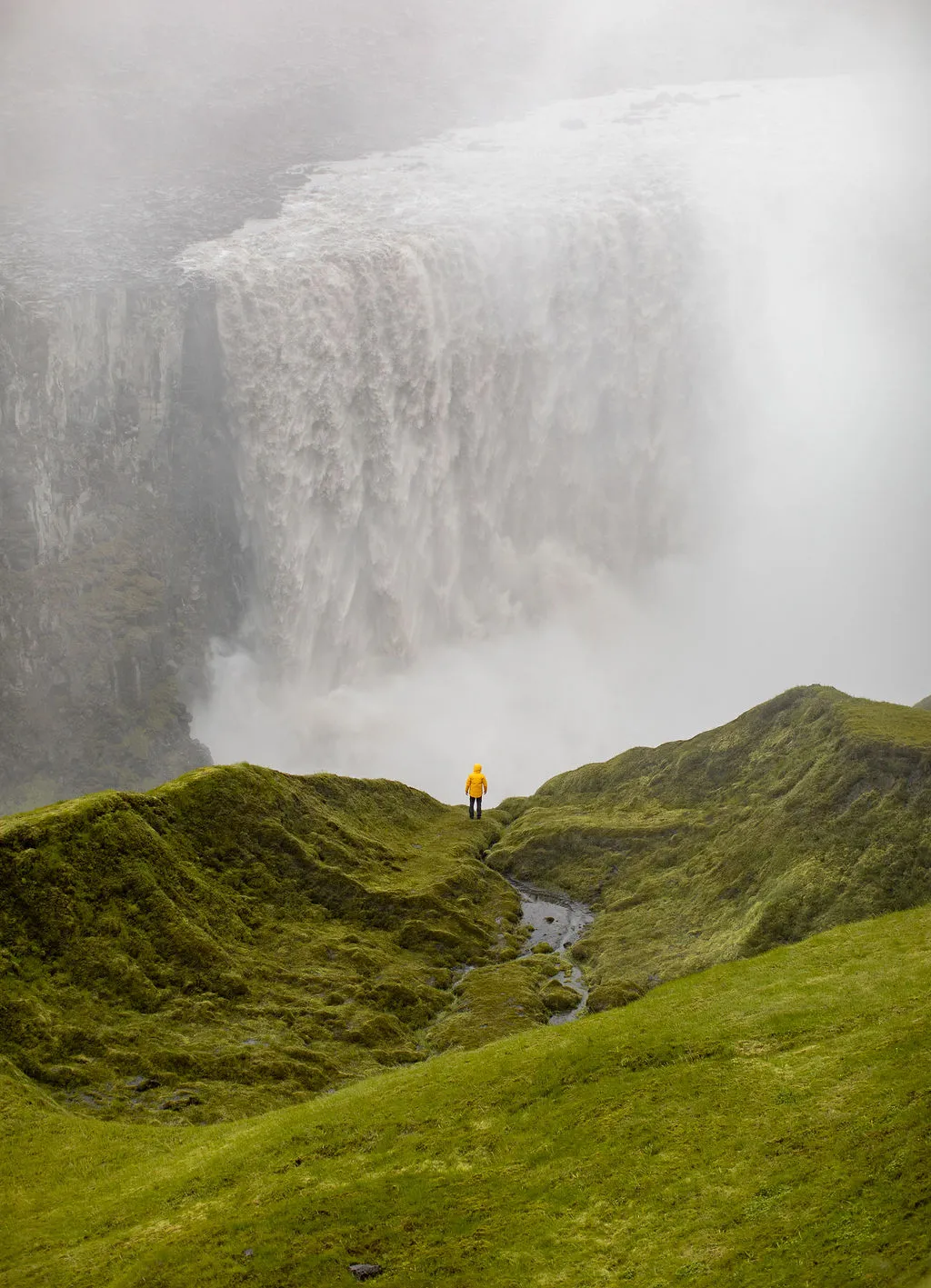
Svartifoss, the Black Waterfall, is framed by dark, geometric basalt columns resembling grand organ pipes. Goðafoss, the Waterfall of the Gods, is wide and serene, steeped in the history of Iceland’s conversion to Christianity in the year 1000. And then there’s Dettifoss – a monster churning 500 cubic metres of water per second. It’s a rumble you feel in your chest, with spray rising 50 metres into the air. This is Europe’s most powerful waterfall. No fences, no glass. Just you and the wild water.
The black beaches: sand, basalt, and folklore
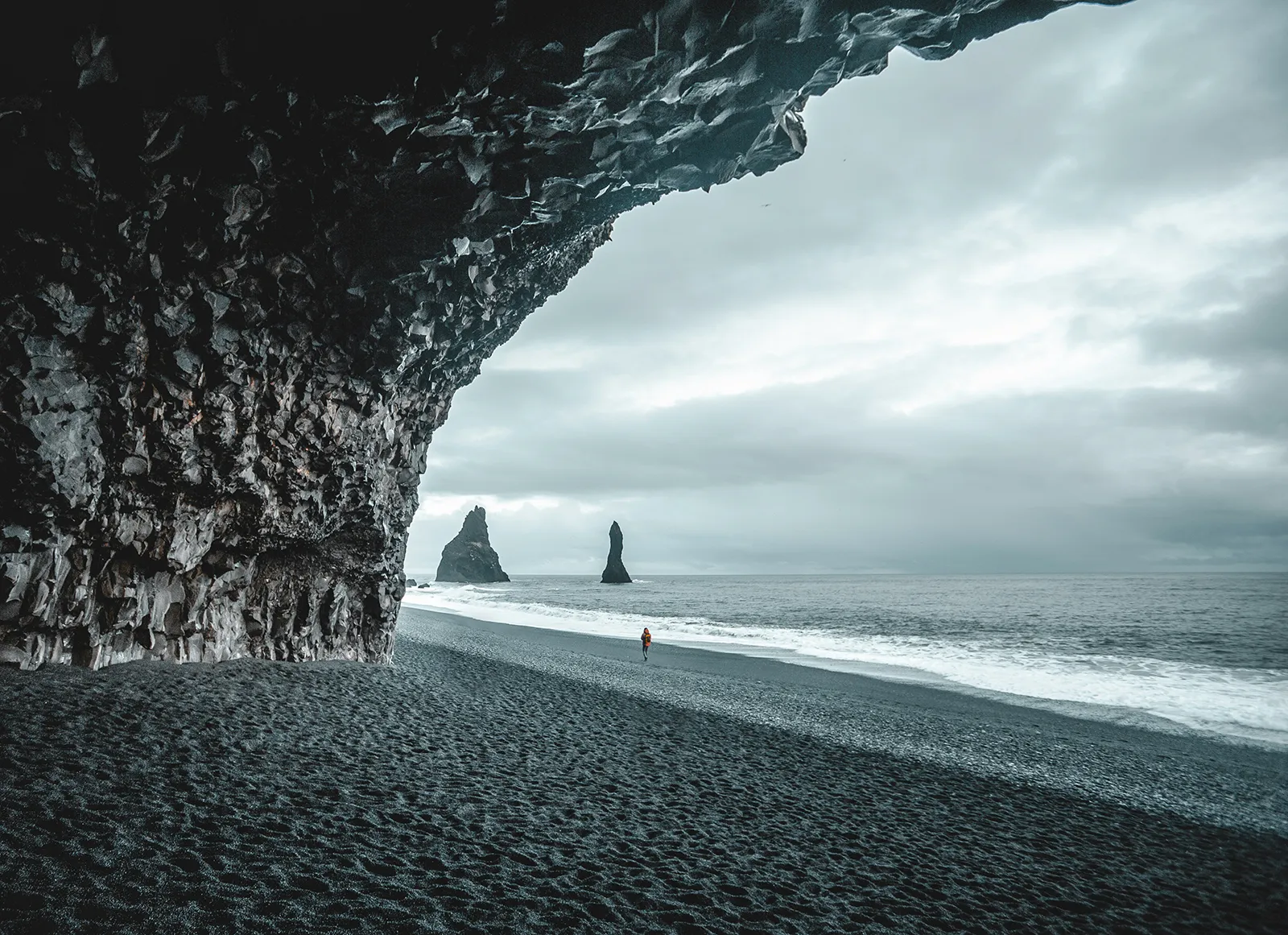
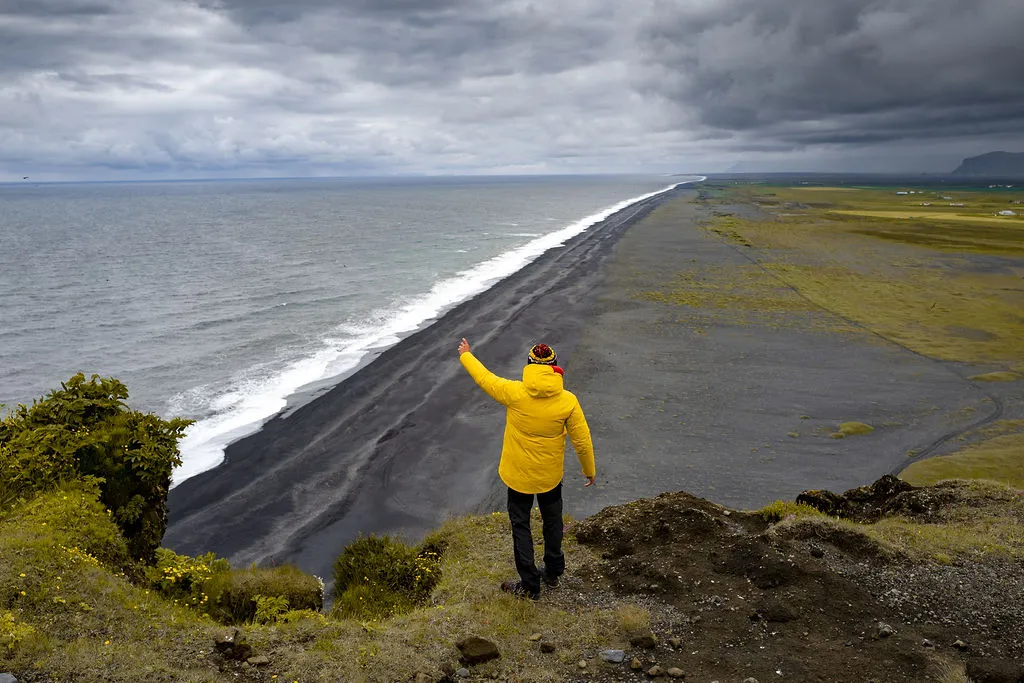
Iceland’s beaches aren’t for swimming. They are for staring at in awe, bracing yourself against winds so fierce they could sweep the phone right out of your hand. Reynisfjara is the legendary one: jet-black volcanic sand, basalt columns stacked like the pillars of an ancient temple, and the Reynisdrangar sea stacks towering from the surf – which local lore claims are trolls turned to stone by the sunrise.
The waves at Reynisfjara are notoriously wild and unpredictable. The rangers repeat the warning constantly: never turn your back on the ocean. The sleeper waves hit without warning, powerful and freezing cold.
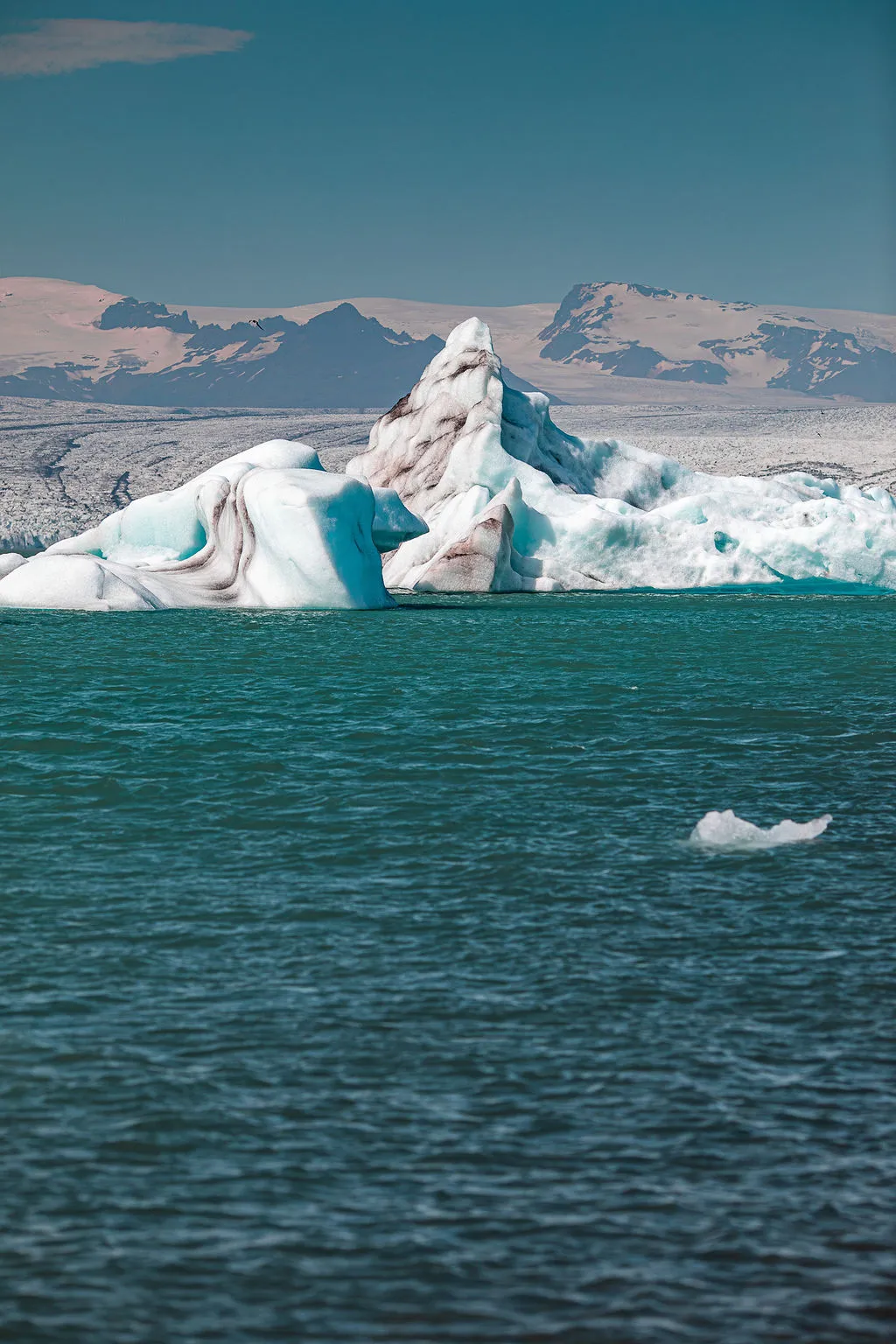
Diamond Beach lies on the other end of the spectrum. Quiet, shimmering, otherworldly. Chunks of ice washed out from the Jökulsárlón lagoon draft onto the black shore like raw gems. Transparent, white, deep blue, patterned with black ash from eruptions of millennia past. The sun turns them to crystals. The sea slowly melts them back. Nothing here is permanent.
Glaciers and lagoons: time frozen and in motion
Vatnajökull is the titan of European glaciers: 8,100 square kilometres of ice, reaching depths of 1,000 metres. You don’t just look at it; you see its sprawling tongues reaching down into the valleys, stark white and deep blue, scarred with crevasses that you can explore with crampons and a guide.
Jökulsárlón glacier lagoon is where the ice meets the sea. Icebergs break off the Breiðamerkurjökull glacier and float slowly towards the ocean. Some are the size of a car; others, as large as houses. Each is unique in shape and hue. Seals weave between them, completely unfazed by the onlookers on the shore.
The silence here is heavy, almost tangible. You hear the sharp crack of shifting ice, the gentle lap of water, and the occasional distant boom as another piece calves off the glacier. Nothing else. No engines, no chatter, no cities. Just ice, water, and time moving so slowly you forget it’s passing.
Lava fields and moss: the texture of a fresh earth
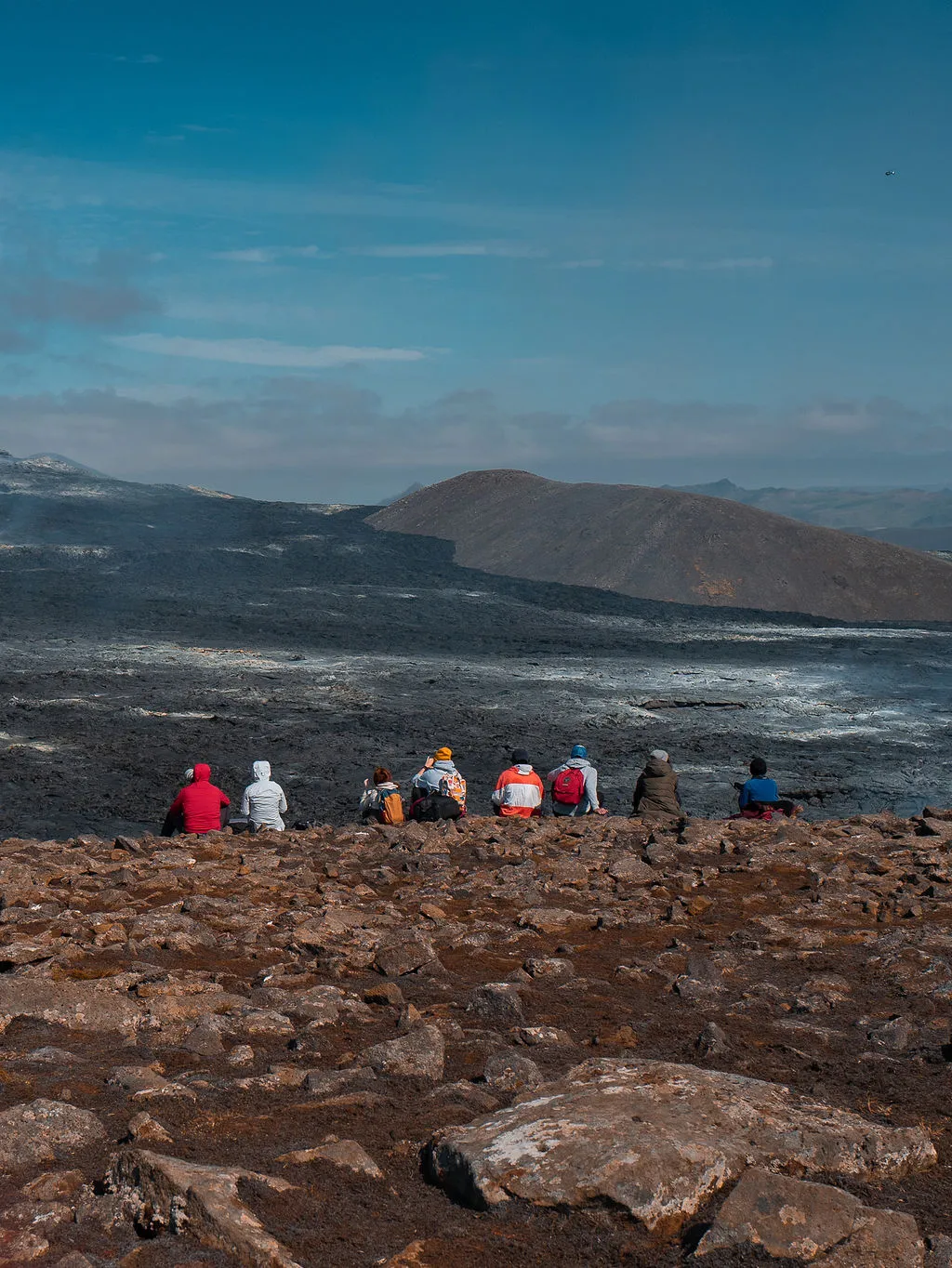
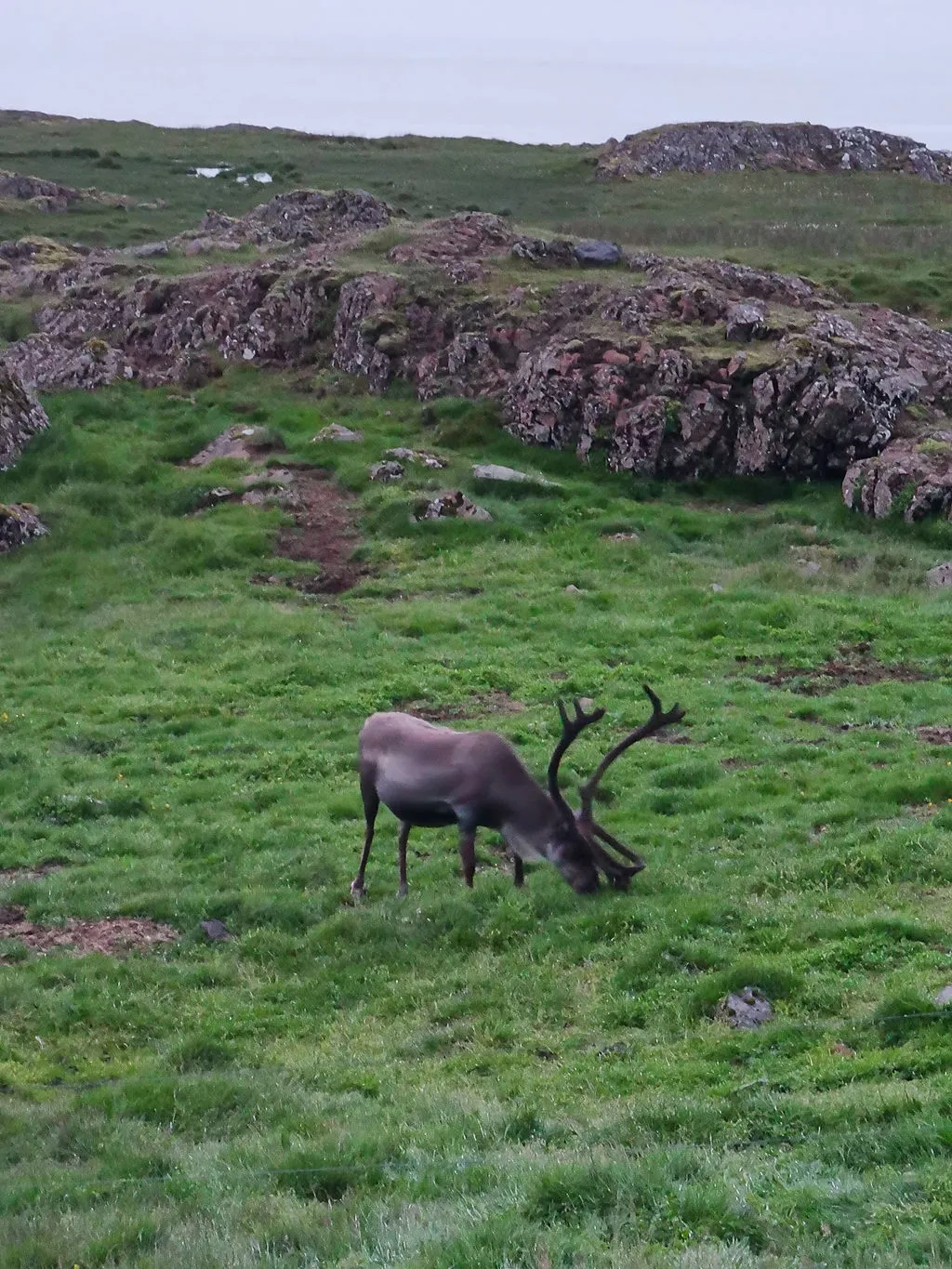
Between the waterfalls and glaciers lies the raw land itself, and it is just as captivating. Vast lava fields cover massive expanses, especially in the south and east. They are black, jagged, and frozen in chaotic waves, some centuries old, others dating back just a few decades.
Then comes the moss – slow, patient, and resilient. Thick, bright green, and soft as a mattress. It blankets the sharp lava, turning the terrain into looking like a scene from another planet. Do not step on it, they warn. It takes decades to grow. A single footprint can destroy 30 years of nature’s quiet work.
The Hverir geothermal area is the polar opposite of the moss: raw, hostile, and stained in shades of sulphur yellow and ochre. Here, the earth is boiling. Mud pools bubble in small craters, and steam vents hiss with the sharp scent of sulphur. It’s not beautiful in any classic sense, but it is honest. This is the earth stripped down to its core.
The peaks and peninsulas: Iceland’s vertical world
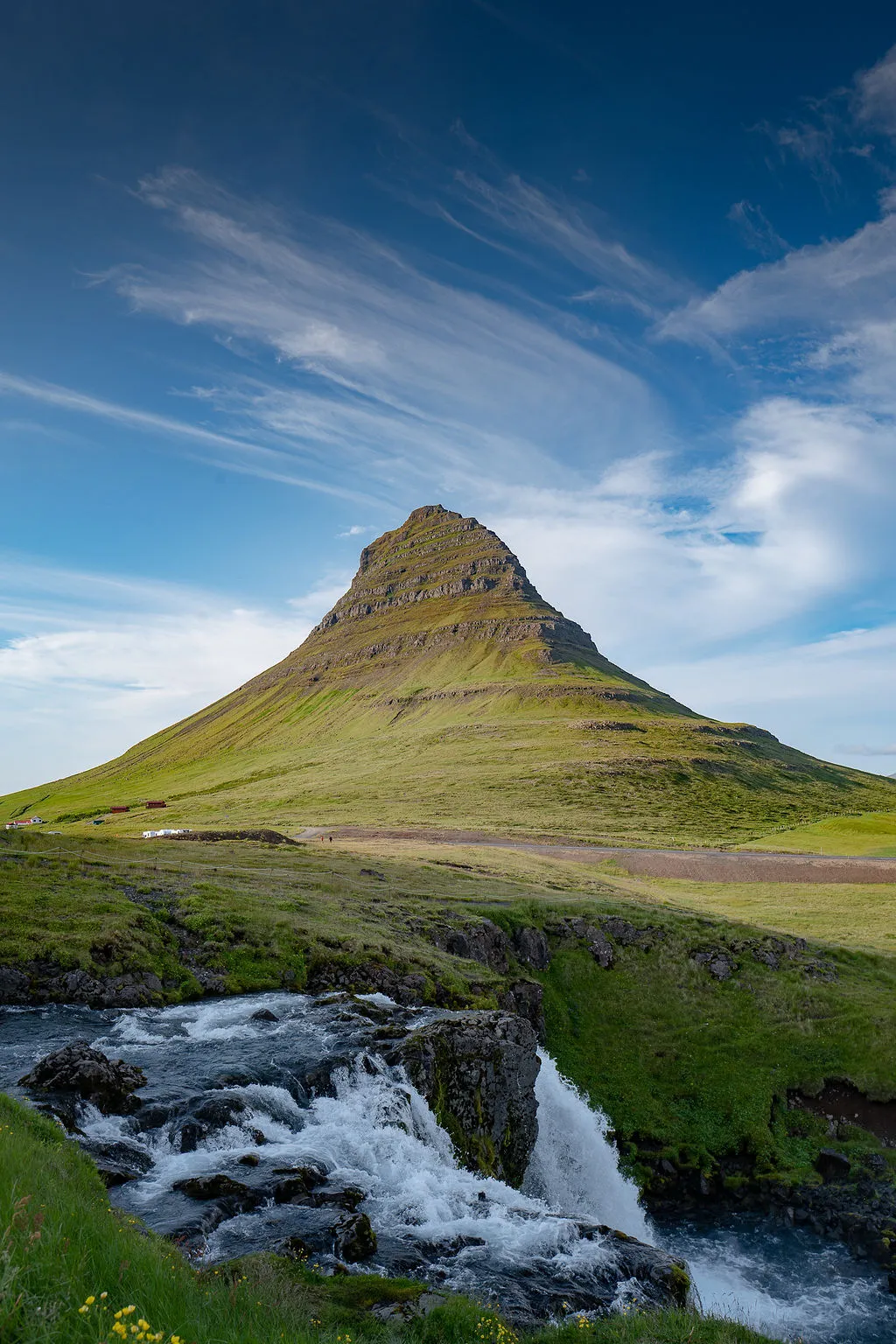
Iceland is far from flat. The mountains here aren’t like the Alps; they are sharper, heavily weathered, with clean lines that look as though they were carved with a blade. Kirkjufell (Church Mountain) on the Snæfellsnes Peninsula is likely the most photographed peak in the country. Not because it’s the tallest, but because its symmetry is so perfect it looks entirely surreal.
Vestrahorn (454m) is the dark, jagged counterpart. Dramatic peaks rising straight out of a black sand beach at Stokksnes. At sunrise and sunset, the wet sands mirror the mountain perfectly. Photographers travel from all over just to stand and wait for the perfect light.
Snæfellsnes is often called 'Iceland in miniature', and it’s no exaggeration. In a 90-kilometre stretch, you’ll find a glacier, a volcano, lava fields, black beaches, fishing outposts, and Kirkjufell. It’s the ultimate summary of the island, packed into one peninsula. The final stop before heading back to Reykjavík – one last hit to the senses before returning to the familiar world.
The light: the invisible landscape
Everything above is about the terrain. But half of the magic lies in the light. The Icelandic sun stays low on the horizon, even in summer, casting incredibly long shadows and bringing out deep, saturated tones that make the landscape feel more three-dimensional than possible.
At dawn, around 5 or 6 AM, the light is soft, dusty pink. In the late summer evenings, around 10 or 11 PM, it turns into a golden, endless glow. In between, the clouds filter the sky into shades of slate, silver, and white, rewriting the landscape every fifteen minutes.
If you travel here in the winter months (September to March), you stand a chance of catching the Aurora Borealis. Bright bands of green, violet, and deep pink dancing across the dark sky. You can’t plan it. You can only step outside, look up, and hope. When the sky lights up, everyone goes quiet. Words just fall short.
On the ninth day, driving back to the airport, you pass through the lava fields one last time. Black, green, grey. The sky hangs low. The wind is just as relentless as the first day, but you are different. Nine days isn't enough to fully understand Iceland. But it’s plenty of time to realise that a landscape doesn’t have to be a backdrop – it can be a conversation. And sometimes, the most profound exchanges are the ones where you don’t say a word.
Author: Martin Bonov
Other articles about Iceland