Iceland's Weather: Seasons, Temperatures, and What to Expect
6:47 AM. The sun is already up, low and pink, as if someone has spilled watercolours across the horizon. Or it's 11:30 PM and the sun still hasn't set, leaving the sky in shades of gold and copper. Or it's 3:00 PM and it's so dark that your campervan's headlights are the only light for 50 kilometres. Iceland has a concept of time created not for humans, but for a planet that marches to its own beat.
Iceland lies at 64 degrees north, right on the edge of the Arctic Circle. This means day and night don't play by the rules here. In summer, the sun barely sets. In winter, it barely rises. And in between, every single day brings a different length, a different light, a different mood.
Add to that the fact that this island sits in the middle of the Atlantic, right at the crossroads of freezing Arctic winds and warmer Atlantic currents. The result? Weather roulette. Experiencing four seasons in one day isn’t a cliché here — it’s just a standard Tuesday in Iceland.
Summer (June, July, August): Midnight sun and wild winds
Summer is the most popular time to pack your bags, and for good reason. Temperatures hover between 10 and 15 degrees (sometimes hitting a wild 18-20, but plan for a crisp 12). The days are endless, literally. Around the summer solstice on 21 June, the sun doesn't actually set — it just grazes the horizon and rises again. The midnight sun is very real, not just a metaphor.
This means you have perfect shooting light 24 hours a day. The golden hour, which lasts about 30 minutes in southern Europe, stretches on for hours here. The landscapes are painted in deep shades of orange, pink and gold from 10:00 to 02:00. You will either sleep with an eye mask, or you won't sleep at all.
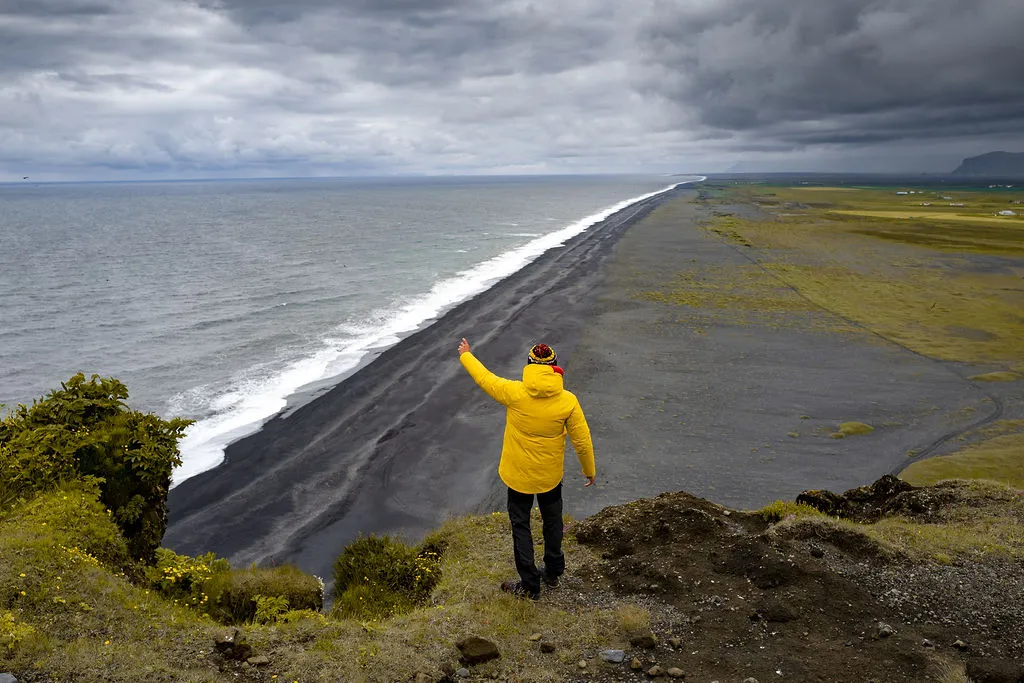
The wind, however, never takes a holiday. Summer winds are gentler than winter gales, but gusts can still hit 50-60 km/h, especially along the south coast and out on the flat plains. The door of your campervan will try to rip itself from your hands. Hats fly. Camera tripods need to be anchored with heavy rocks.
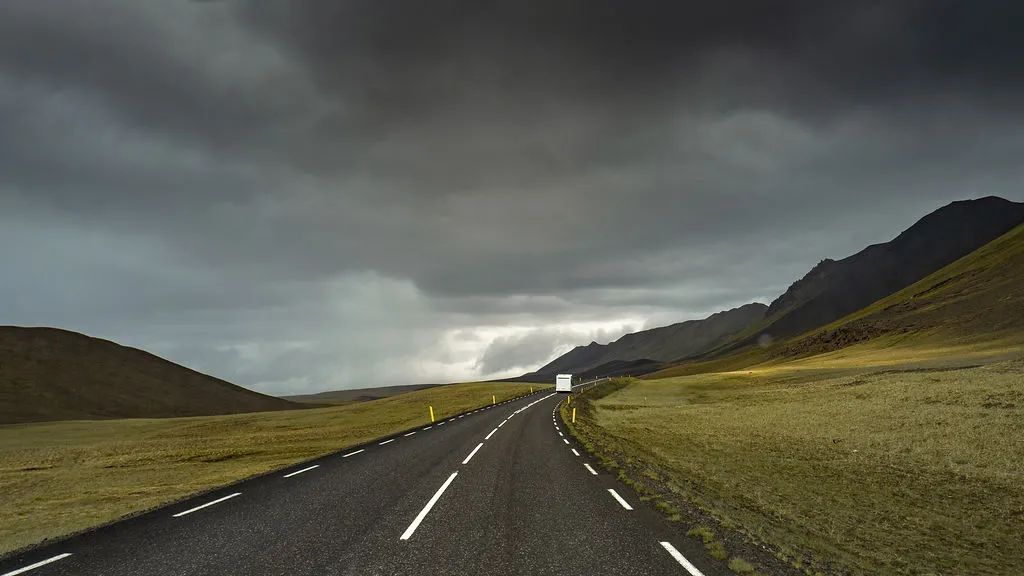
The rain comes and goes on a whim. You can have clear blue skies at noon and a downpour by 14:00. And then back again. The old Icelandic saying "If you don't like the weather, just wait five minutes" is an absolute truth.
Autumn (September, October): Golden hues and first auroras
Autumn is a transition phase, and perhaps the most unpredictable of all. Temperatures drop to around 5-10 degrees, and the days begin to shrink fast. By the end of October, you are down to just 8-10 hours of daylight.
But autumn brings two things that summer never can. First: the colours. The moss and grass blanketing the hills turn from vibrant green to deep yellow, orange and rusty copper. The contrast against the black lava fields and white glaciers is so intense it looks like an over-saturated painting. Second: the Northern Lights. From late August, the nights finally get dark enough to catch the Aurora Borealis.
The Northern Lights are a law unto themselves. They rely on solar activity, cloud cover and latitude. But when they do show up — and in Iceland, between September and March, your chances are solid — nothing can prepare you for it. Vibrant green, violet and sometimes deep pink ribbons dance across the sky, slowly at first, then fast, like brushstrokes of pure light. It’s freezing. You’re standing outside in three layers of wool. You don't care at all.
Winter (November to February): Darkness, ice and raw magnetism
Winter in Iceland is not for everyone. Temperatures hover between -5 and 5 degrees, but the wind can make it feel like a brutal -15 or lower. The days are short: in Reykjavik in mid-December, the sun rises at 11:20 and sets by 15:30. Four hours of light. The rest is just shades of blue, grey and black.
Yet winter has its own quiet magic. The ice caves of Vatnajökull are only accessible between November and March, when freezing temperatures make them safe to enter. Inside, the ice is a blue so deep it looks electric. The walls are translucent in places, with beams of light piercing through from above like spotlights.
The Northern Lights are also at their peak. Long nights mean more hours of darkness and a much higher chance of catching the Aurora. Waterfalls partially freeze over, encased in ice that glints in the pale winter light. The landscape is moody, harsh and achingly beautiful.
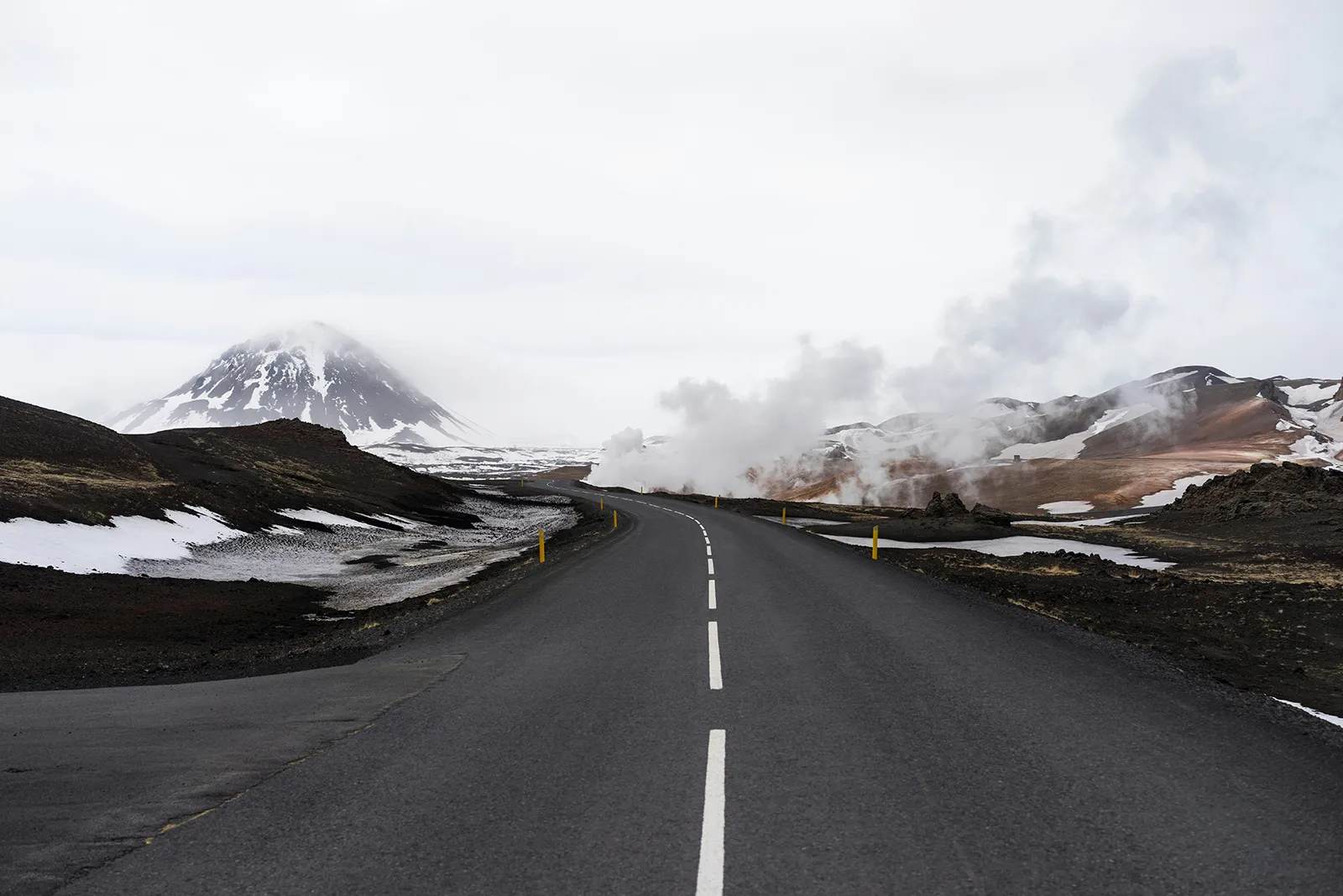
The Ring Road remains open in winter, but northern and eastern passes can close instantly during snowstorms. Campervan road trips are much tougher (and some rental companies don't even lease them in winter). Hotels and guesthouses are the safer bet, even if it means sacrificing a bit of spontaneous freedom.
Spring (March, April, May): The thaw and the awakening
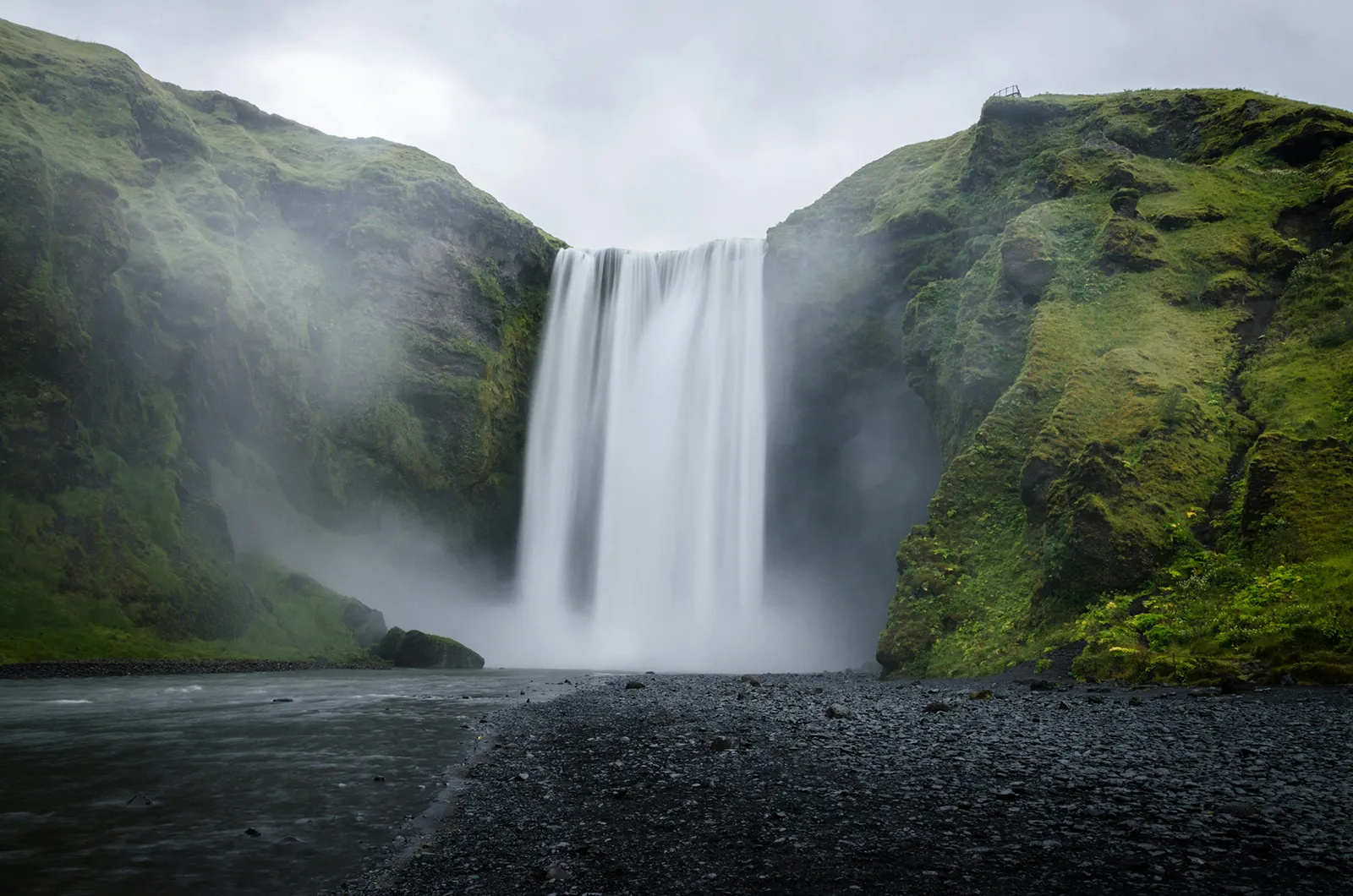
Spring is the season of awakening. The snow melts, rivers swell and the waterfalls regain their thunderous power. Temperatures climb to about 3-8 degrees, days lengthen rapidly (from 10 hours of light in early March to 21 hours by late May) and the light changes daily.
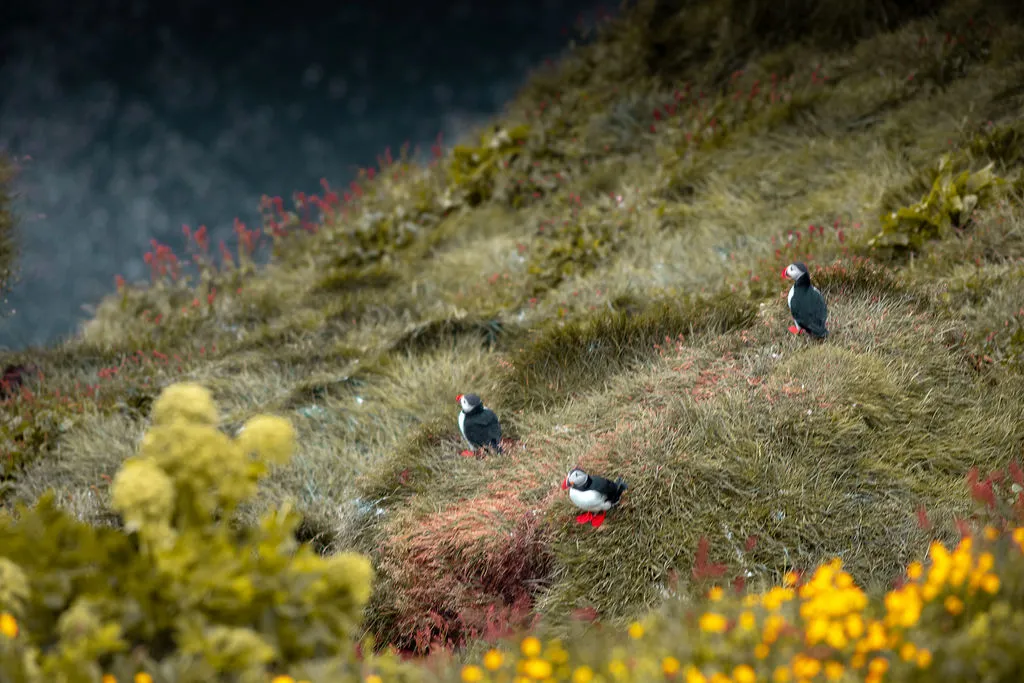
April and May are prime time for birdwatchers. Atlantic puffins arrive in early May, and Arctic terns — returning from their epic migration from Antarctica (literally pole to pole) — show up around late April. Whales also become far more active in the northern fjords.
The weather is incredibly fickle, even more so than in summer. You might get snow in April and brilliant sunshine in March. The Highland roads remain firmly closed until June or July. But spring offers one thing other seasons don't: the literal feeling of rebirth. You get to watch the earth wake up in real-time.
What to pack: The art of layering
In Iceland, there is no such thing as "bad weather" — only bad gear. This is an operational truth. Layering is your only ticket to surviving in comfort:
First layer (base): Merino wool or a solid synthetic thermal layer. It traps heat and wicks away moisture. Cotton is completely banned — once it gets wet, you will freeze.
Second layer (insulation): A heavy fleece or a lightweight down jacket. Warmth without the bulk. Pick a thin one for summer, and a thick, high-loft down jacket for winter.
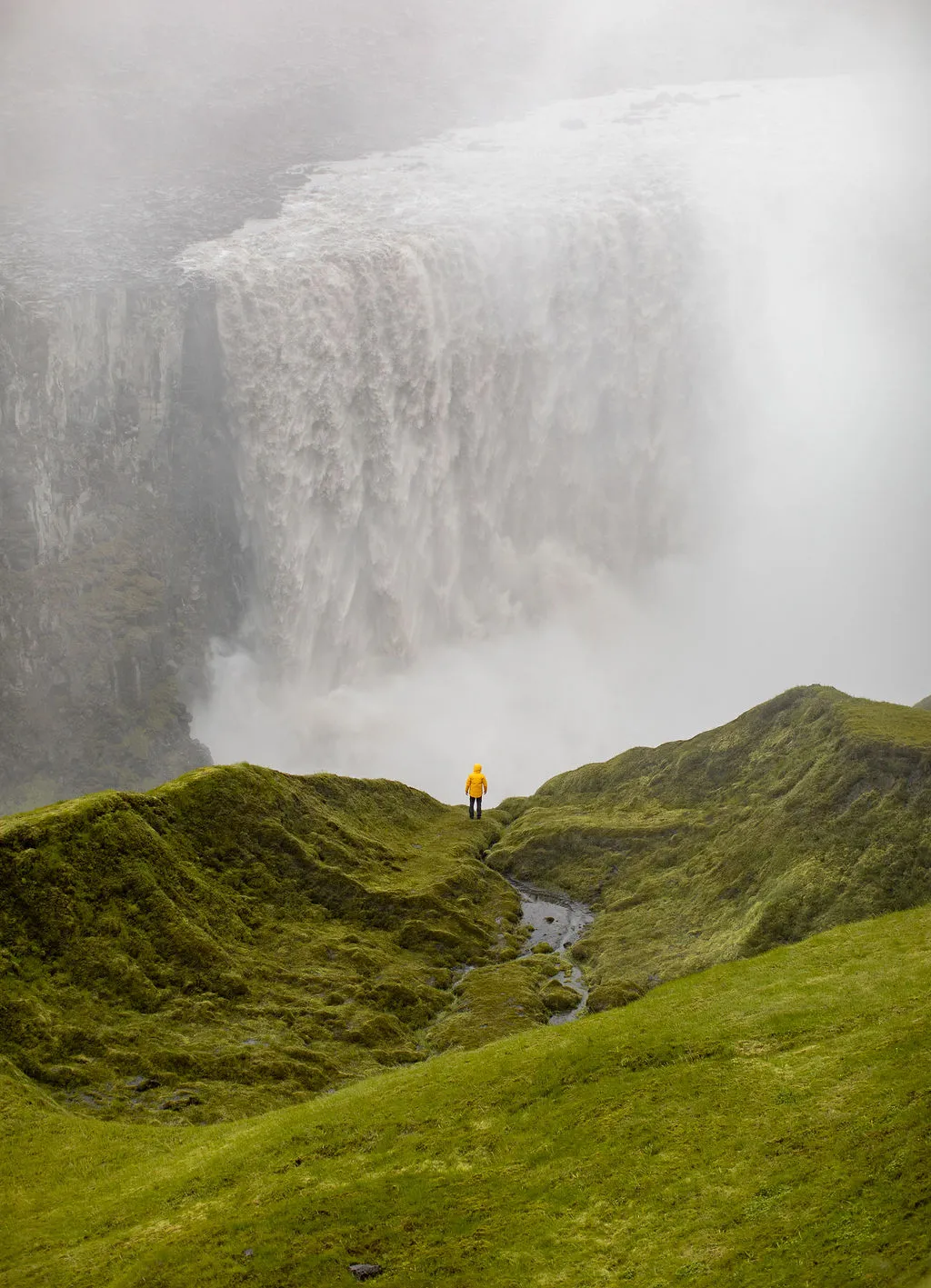
Third layer (protection): A fully waterproof and windproof shell jacket. This is the most critical item in your pack. The rain here falls sideways, the wind is relentless, and the combination of the two will find its way through anything that isn’t sealed.
Footwear: Waterproof hiking boots with excellent grip. The terrain is wet, uneven and often icy. Don't bring brand-new boots — wear them in before you arrive.
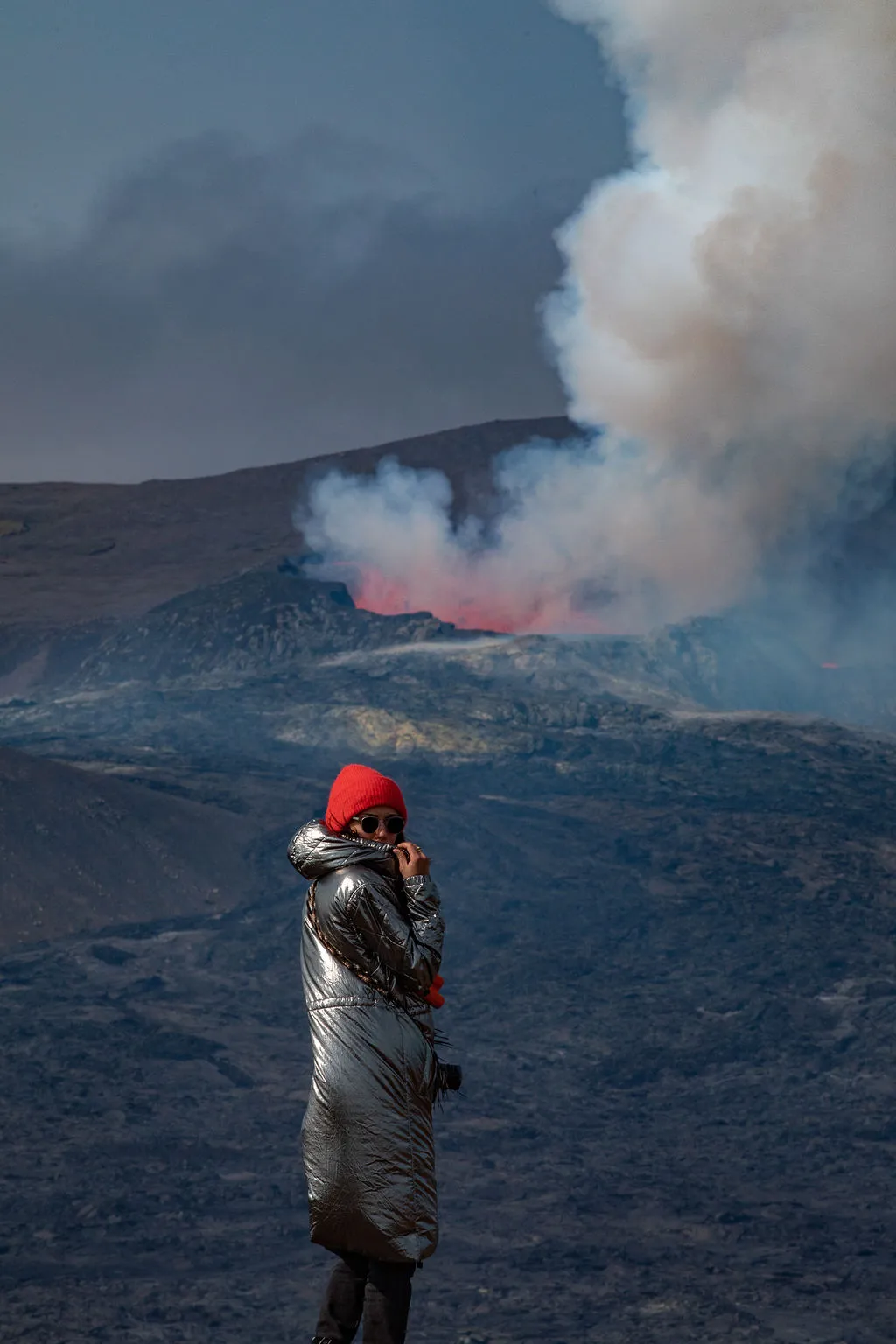
The extras: A warm beanie, gloves, a neck buff (crucial), and sunglasses (the glare off glaciers and water is blinding). Also, bring a sleep mask if you're travelling in summer.
Every day, you'll be piling these layers on and peeling them off ten times over. It’s 6 degrees and windy in the morning. By noon, the sun breaks through and it’s a balmy 14. By afternoon, it’s pouring. By evening, it's completely still. Iceland will teach you how to dress fast. And how not to complain.
The weather in Iceland isn’t just something you observe. It’s something that shapes you. The wind teaches you to be quiet. The cold makes you fully present. The light — whether the midnight sun or the dancing Aurora — makes you feel beautifully small. And as your plane climbs out of Keflavík and you look down at the clouds racing across the rugged earth below, you'll know that Iceland is still down there doing its thing. Weathering the storms. With or without you.
Author: Martin Bonov
Other articles about Iceland