First-time Iceland: what will you do?
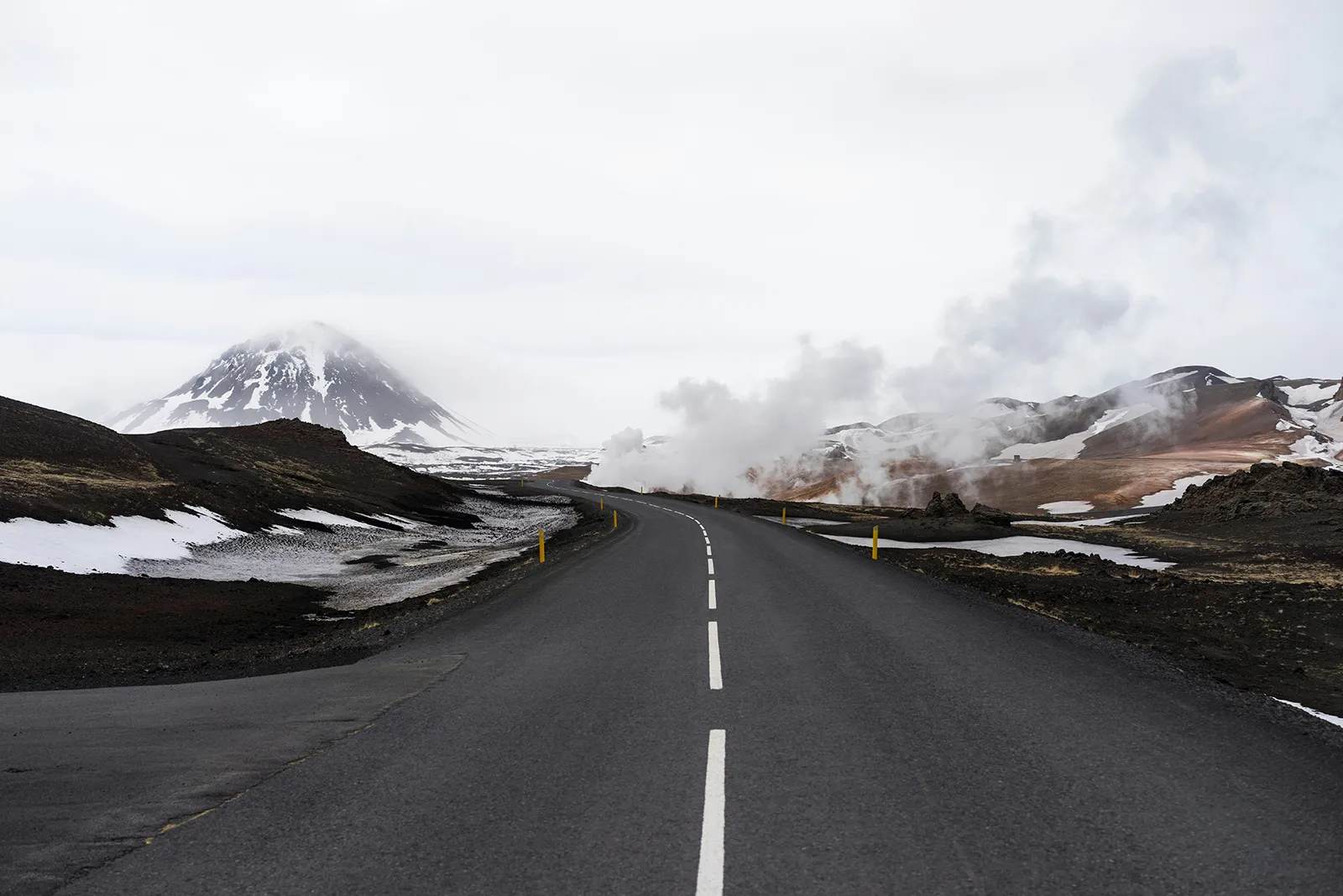
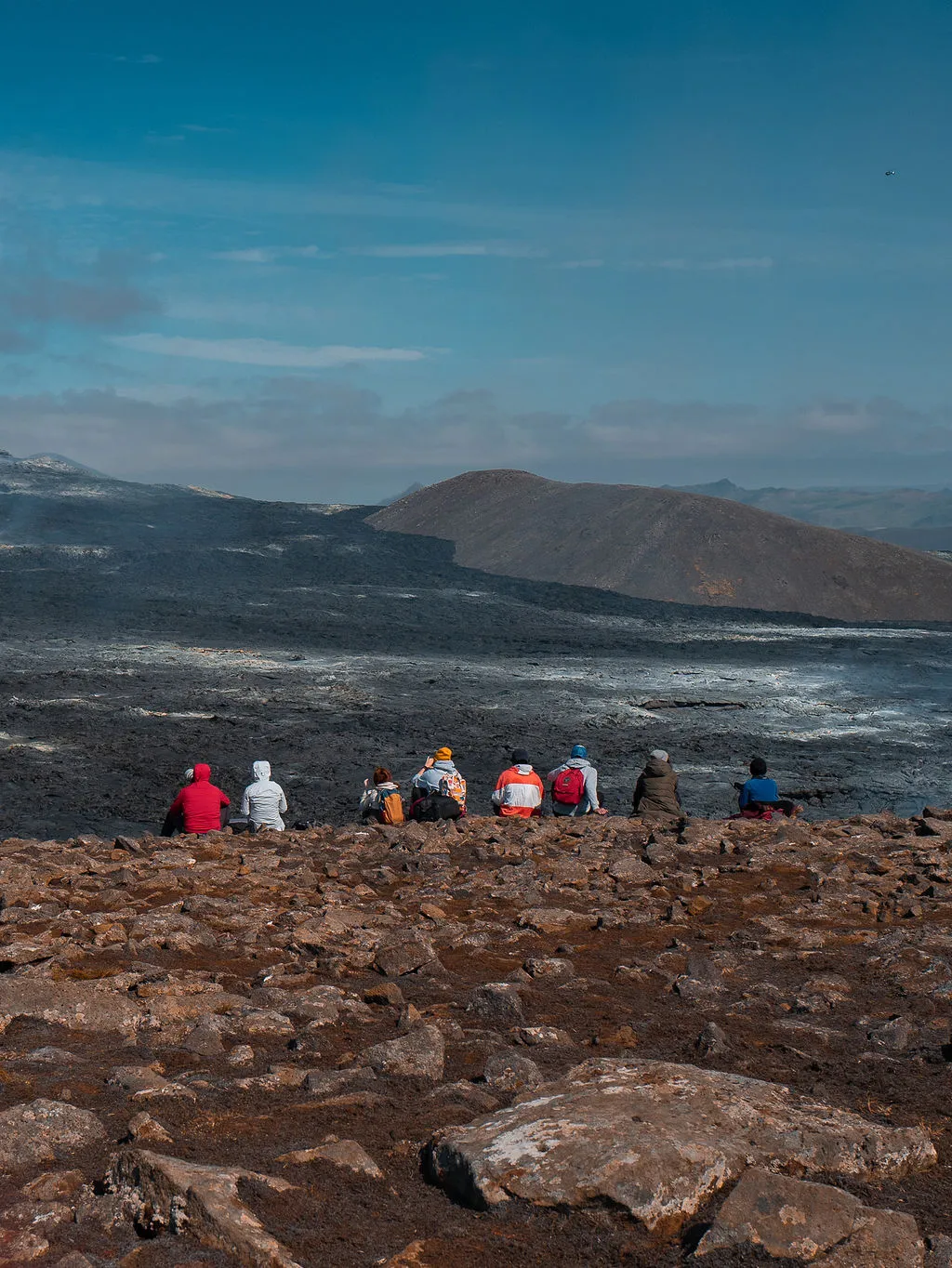
You land in Keflavík, and the first thing that hits you is the light. It's not like back home. It's lower, softer, as if filtered through something ancient. The road from the airport to Reykjavík cuts through an endless black lava field, draped in moss so green it feels surreal. Iceland doesn't ease you in. It just begins.
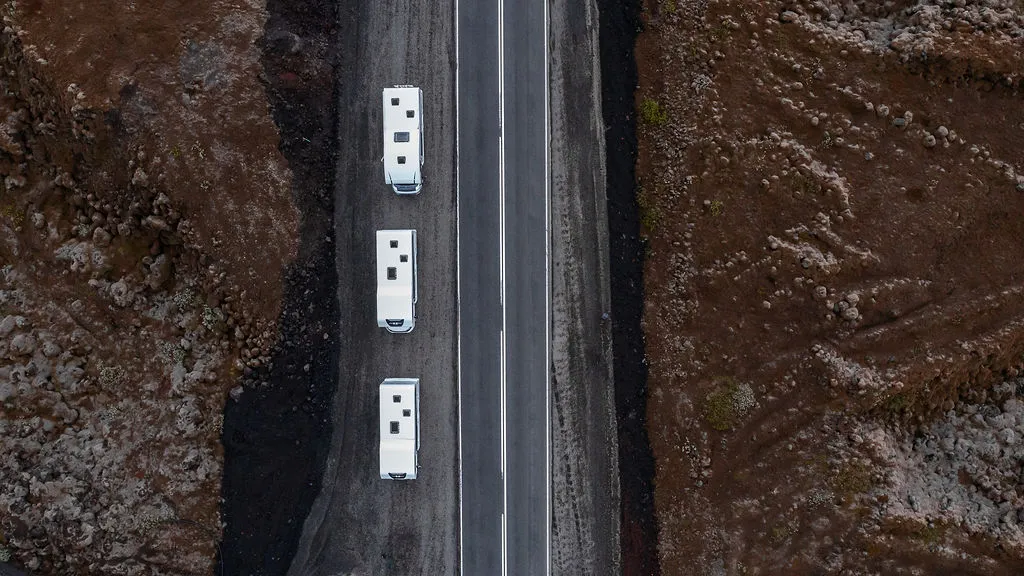
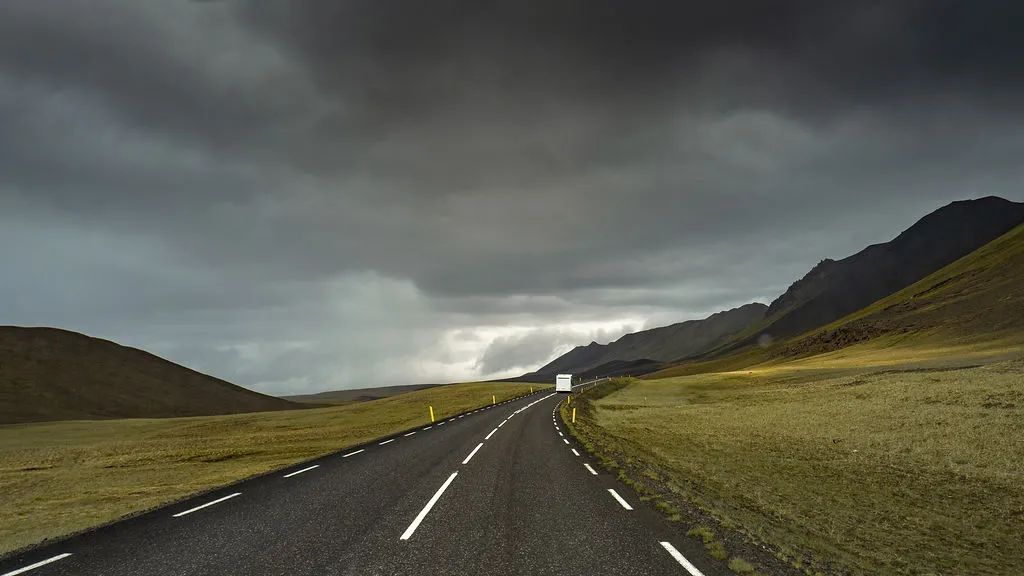
For most Bulgarians, Iceland is the first encounter with a landscape that feels like another planet. Volcanic soil, glaciers, waterfalls, hot springs, and the wild ocean, all gathered on an island smaller than Bulgaria. Route 1 (the Ring Road) guides you around the entire island in 9 days, and a campervan gives you the ultimate freedom to pull over whenever the scenery robs you of your breath.
This is no checklist of "must-see" spots. This is a map of pure moments that will stay with you forever if you keep your eyes wide open and refuse to rush. You don't just tour Iceland. You live it.
The Golden Circle: The Prologue
Most journeys begin here, and there's a good reason. Þingvellir (Thingvellir) is where the North American and Eurasian tectonic plates drift apart. You are literally standing in the rift between two continents. The Althing parliament gathered here back in 930 AD, making it the oldest ongoing parliament in the world. The history is heavy and the landscape is vast—sheer rock walls, deep moss, and lake water so impossibly clear you can peer right down to the bottom at 40 metres.
Strokkur erupts every 5 to 10 minutes. Stand just 15 metres away, watch the water bubble swell, and then witness a tower of boiling water and steam blast 20–40 metres into the sky. The sound is deep, guttural. The ground around the geyser is stained orange and yellow with sulphur, fumoroles hiss, and the air smells strongly of eggs. It isn't pleasant. But it is raw and real.
Gullfoss, the Golden Waterfall, is the grand finale of the loop. The river thunders down two tiers into a narrow canyon, looking as though it's vanishing into the earth. The spray drenches your face from 50 metres away, and the roar is so loud it silences your thoughts. Which is exactly the point.
The South Coast: Black, White, and Grey
Heading south and east from Reykjavik, the landscape shifts by the hour. Seljalandsfoss is a waterfall you can walk behind. Literally. The trail ducks behind the veil of water, trapping you inside a wet, deafening world of spray and light fracturing into rainbows.
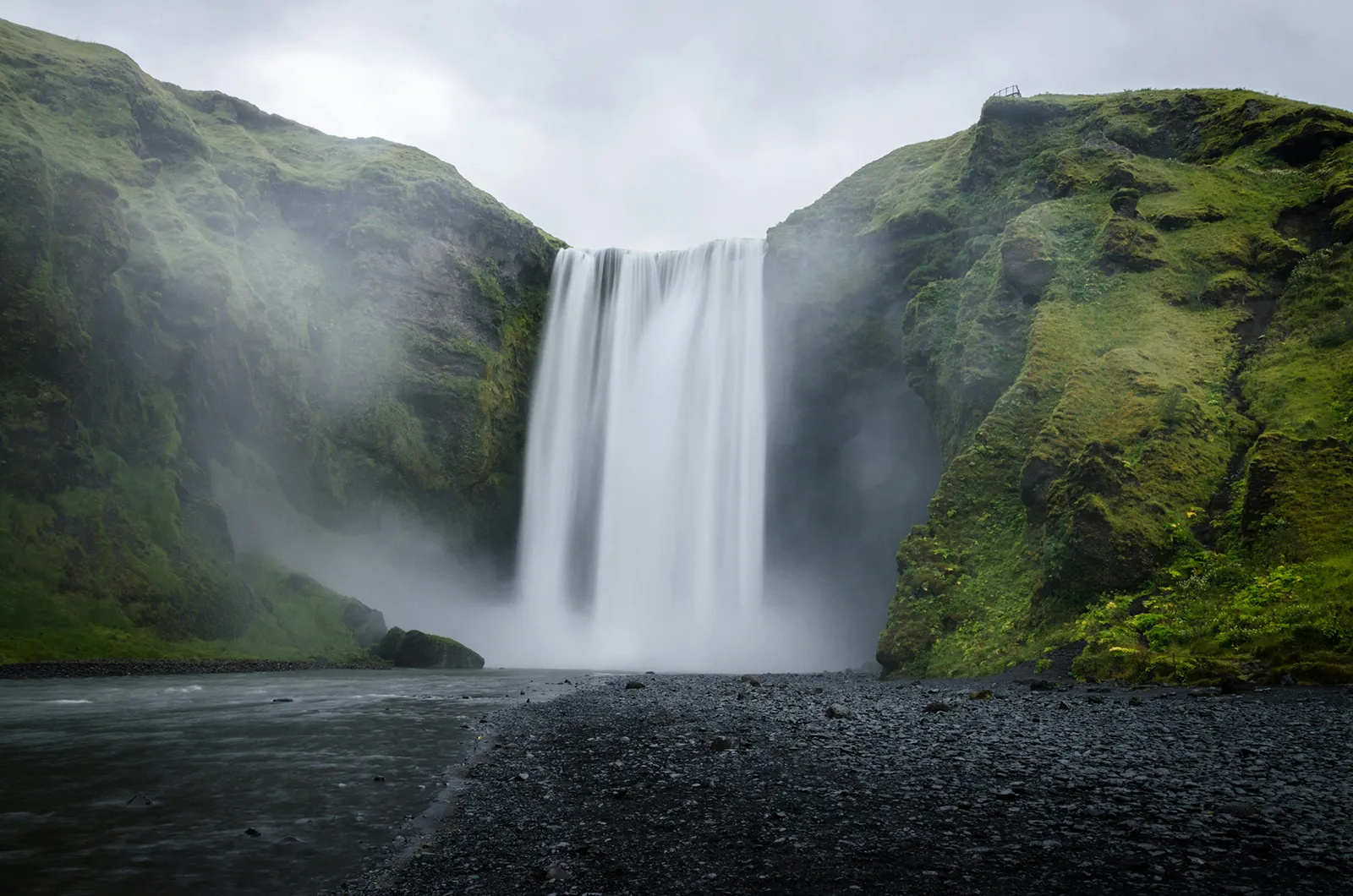
Skógafoss lies 30 km further down the road—broader, louder, and more intimidating. A staircase of 527 steps climbs above the brink, where you can watch the river rise from the horizon and throw itself into the void. The view looking back toward the ocean is endless.
Between them lies the Sólheimasandur plane wreck. A Douglas Super DC-3 forced to land on the black volcanic sands in 1973. Its white carcass sits abandoned miles from anything else. The walk to get there is 2 hours, flat and easy, but the atmosphere is pure cinema (dozens of music videos and ads have been shot here). The contrast of white metal against the black desert is hypnotic.
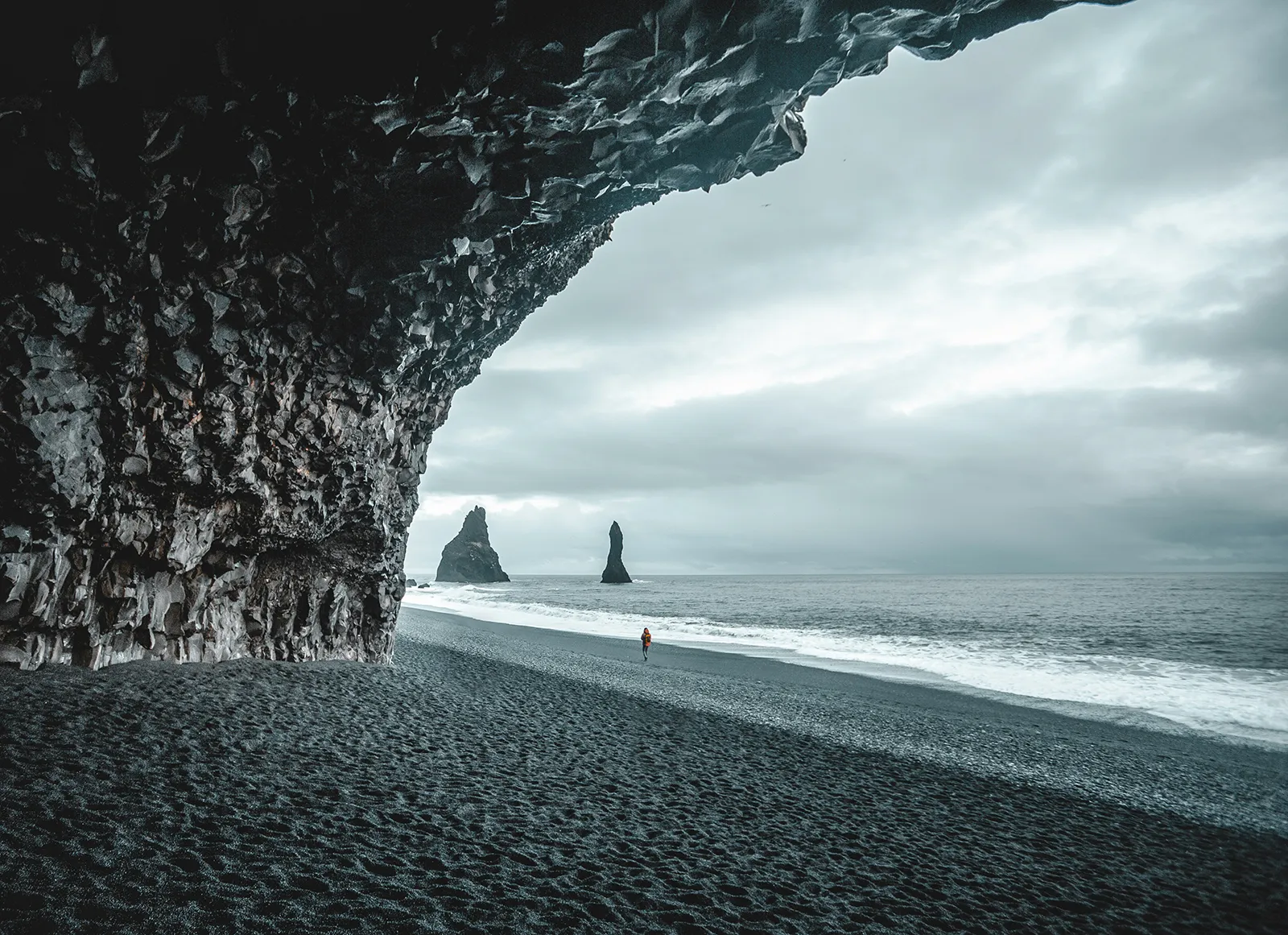
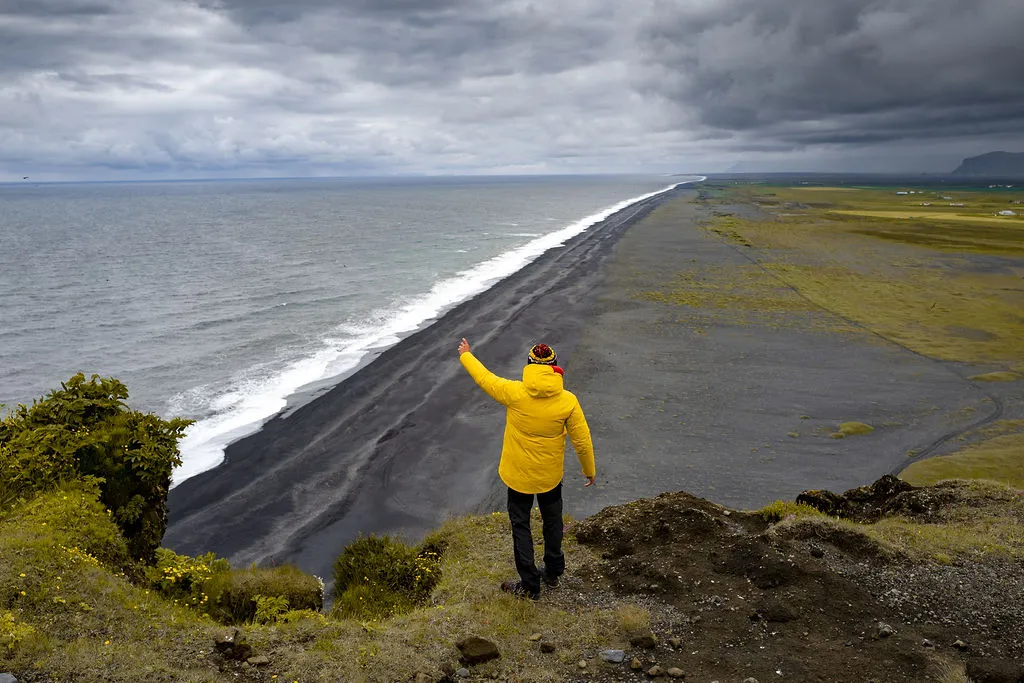
Reynisfjara, the black sand beach, is the crown jewel of the south coast. Basalt columns rise like a giant organ, Atlantic waves crash with pure fury, and the Reynisdrangar sea stacks tower out of the water like jagged fingers. Legend says they are trolls frozen by the sunrise. The waves here are treacherous—do not ignore the warning signs. The ocean does not offer second chances.
The Glaciers: Cold, Silence, and Blue
Southeastern Iceland is a kingdom of ice. Vatnajökull is Europe’s largest glacier, boasting 8,100 sq km of ice—larger than all other glaciers on the continent combined.
Svartifoss (The Black Waterfall) is a short trek from Skaftafell, taking about 30 minutes each way. The water cascades down dark basalt columns resembling organ pipes. The contrast of white water against black rock is minimalist and incredibly powerful.
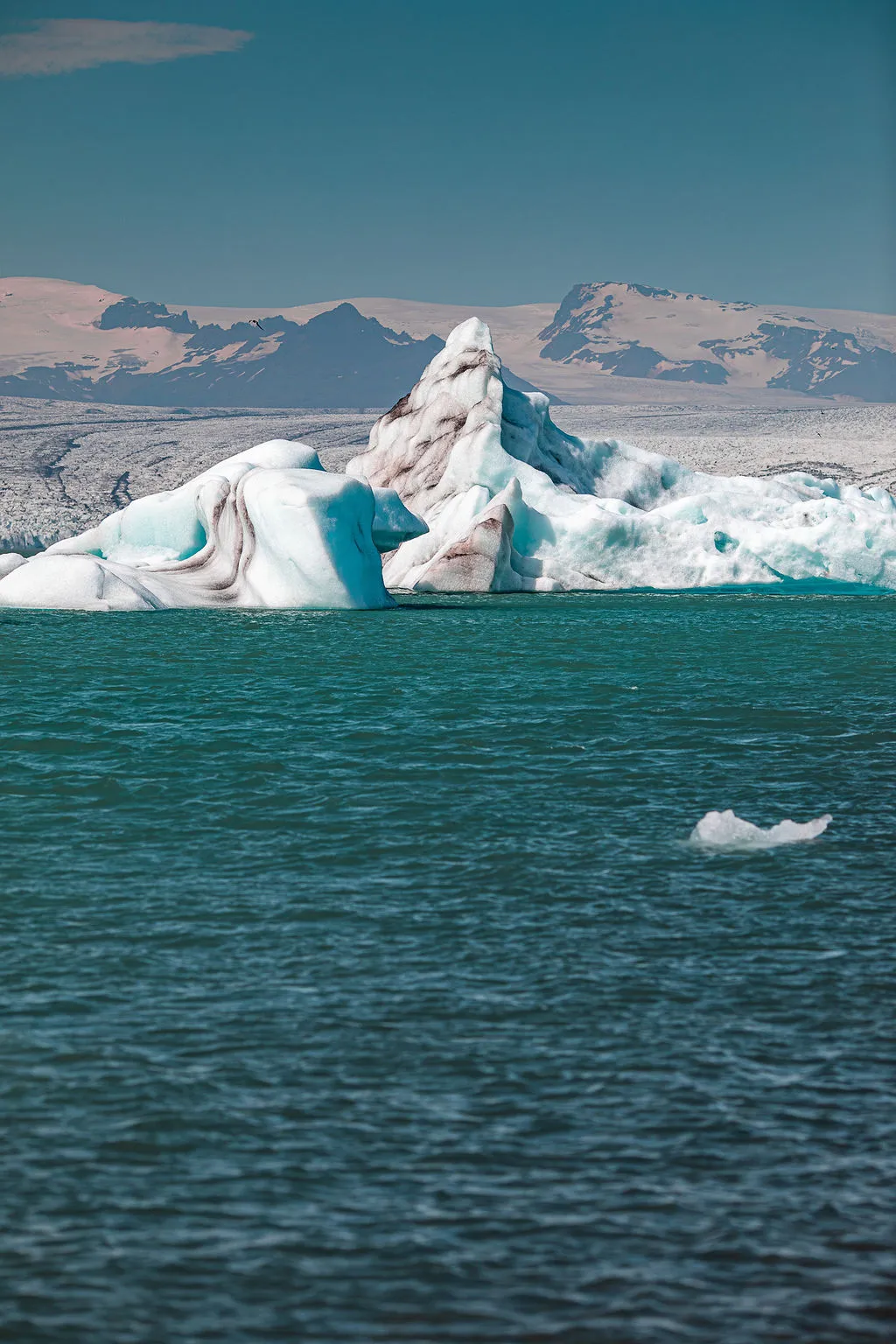
Jökulsárlón is a glacial lagoon where icebergs, calved from the Breiðamerkurjökull glacier, drift slowly toward the Atlantic. The ice glows blue, white, and translucent, sometimes scarred with black volcanic ash. Seals swim between the frozen blocks. The silence is absolute, unless you are lucky enough to hear a chunk of ice break off and crash into the water with a thunderous roar echoing through the valley.
Diamond Beach lies just across the road. Chunks of ice washed up by the tide rest on the black sand, sparkling like diamonds. Each one is unique. Each one is fleeting. Tomorrow they will have melted away, and new ones will take their place.
The North: Quieter, Wilder, Untamed
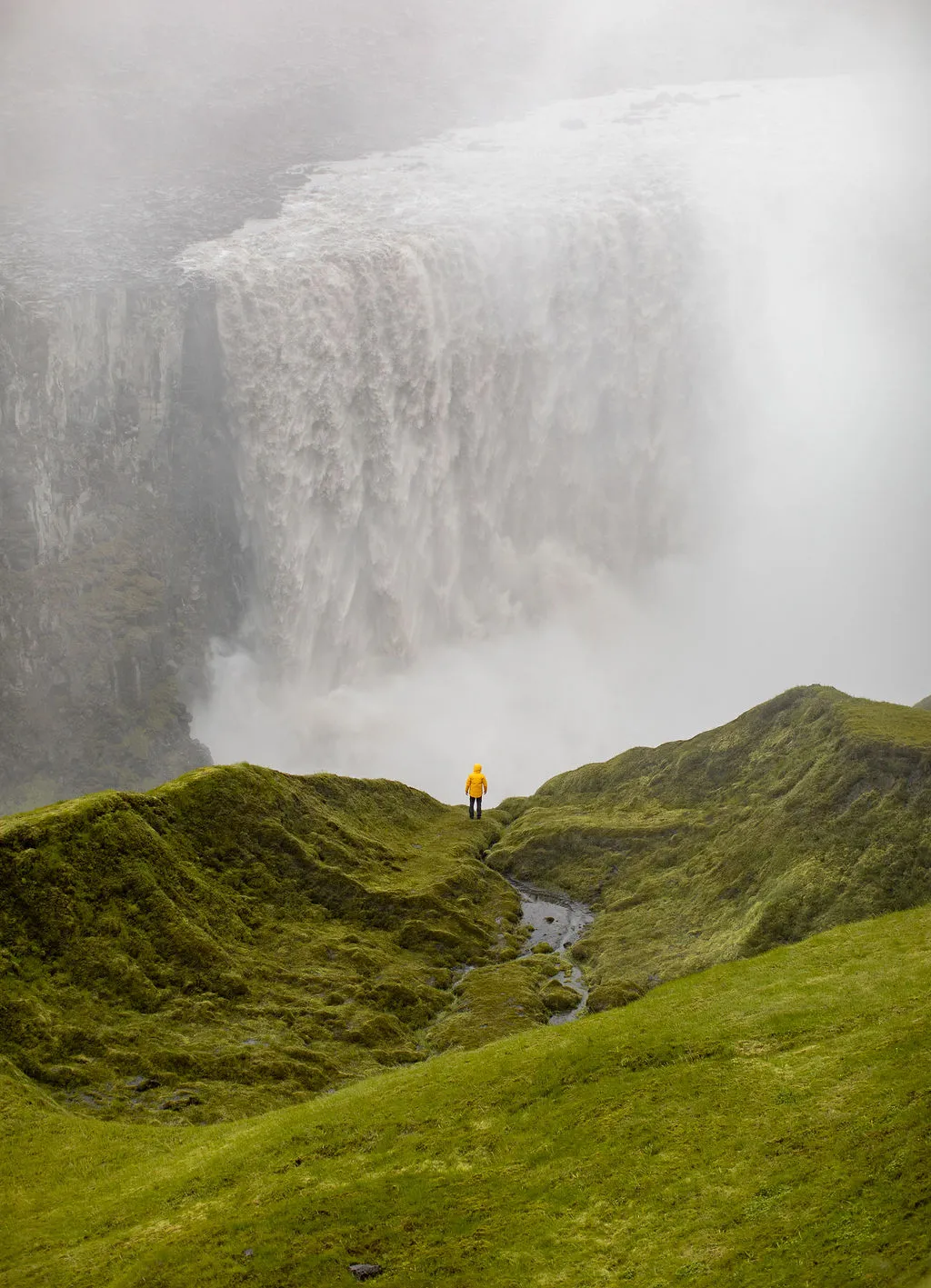
Dettifoss is Europe's most powerful waterfall, moving 500 cubic metres of water per second. Stand at the edge and feel the earth shake under your boots. The mist is so thick it kicks up rainbows even on a gloomy day. Reaching this spot means a 4-hour drive from Myvatn through a lunar landscape of black-grey sand and jagged rock.
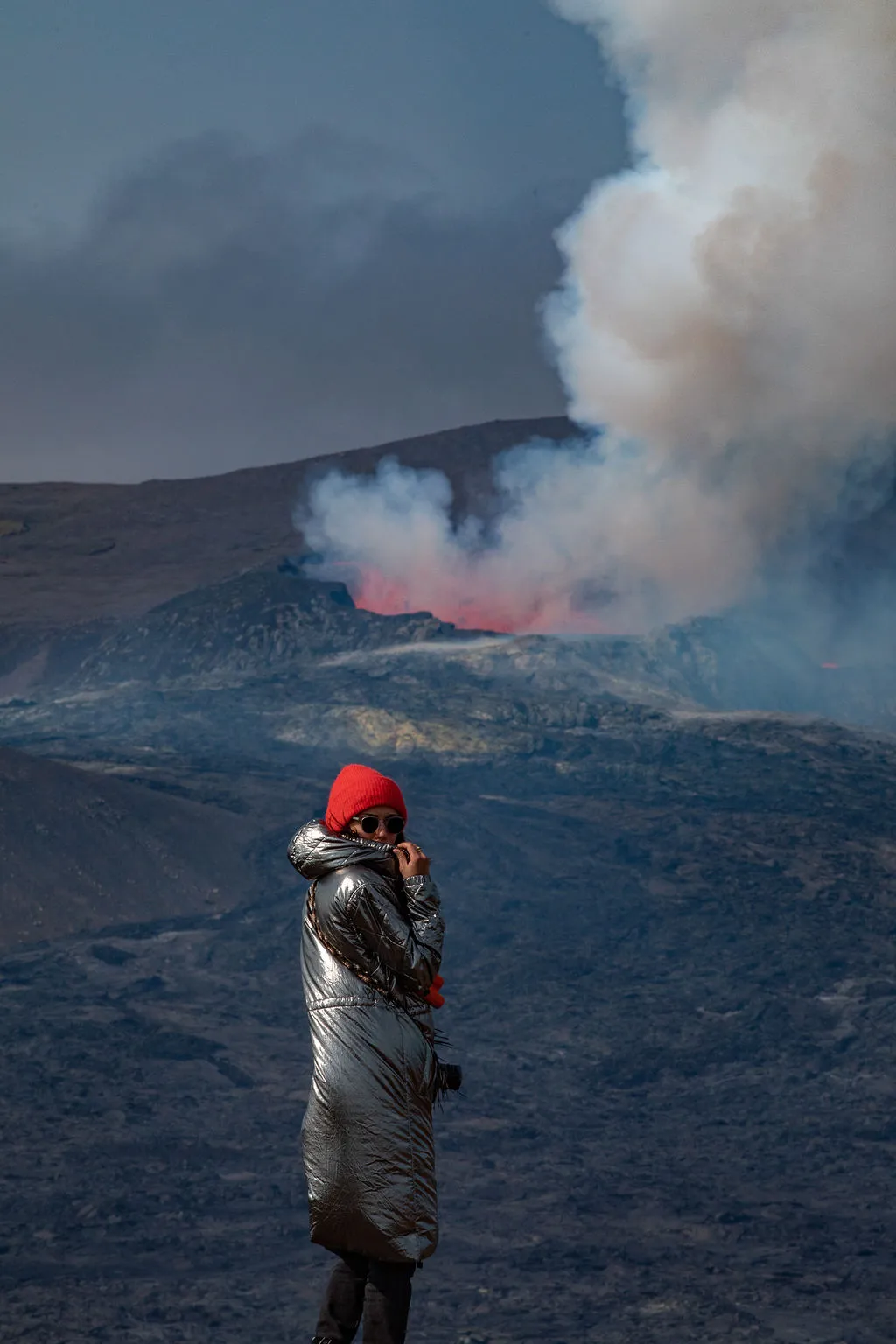
The Hverir geothermal area (Námafjall) is Mars on Earth. Boiling mud pools, yellow sulphur vents, and steam whistling out of cracks in the crust. The smell of rotten eggs is intense. The colours—yellow, orange, red, and slate grey—are so vibrant they look photoshopped. They aren't.
Goðafoss, the Waterfall of the Gods, is pure elegance. A semi-circular cascade where the river plunges in two main tiers. Legend has it that in the year 1000, the lawspeaker Thorgeir threw his Norse pagan idols into the falls when Iceland adopted Christianity. A thousand years later, the water still thunders down.
Akureyri, the capital of the north, is a town of just 19,000 people, boasting a botanical garden on the 65th parallel and heart-shaped red traffic lights. From nearby Húsavík, whale watching boats set sail in search of humpbacks, minkes, and the occasional blue whale. The North is quieter, less touristy, and because of that, closer to the true soul of Iceland.
Snæfellsnes: Iceland in Miniature
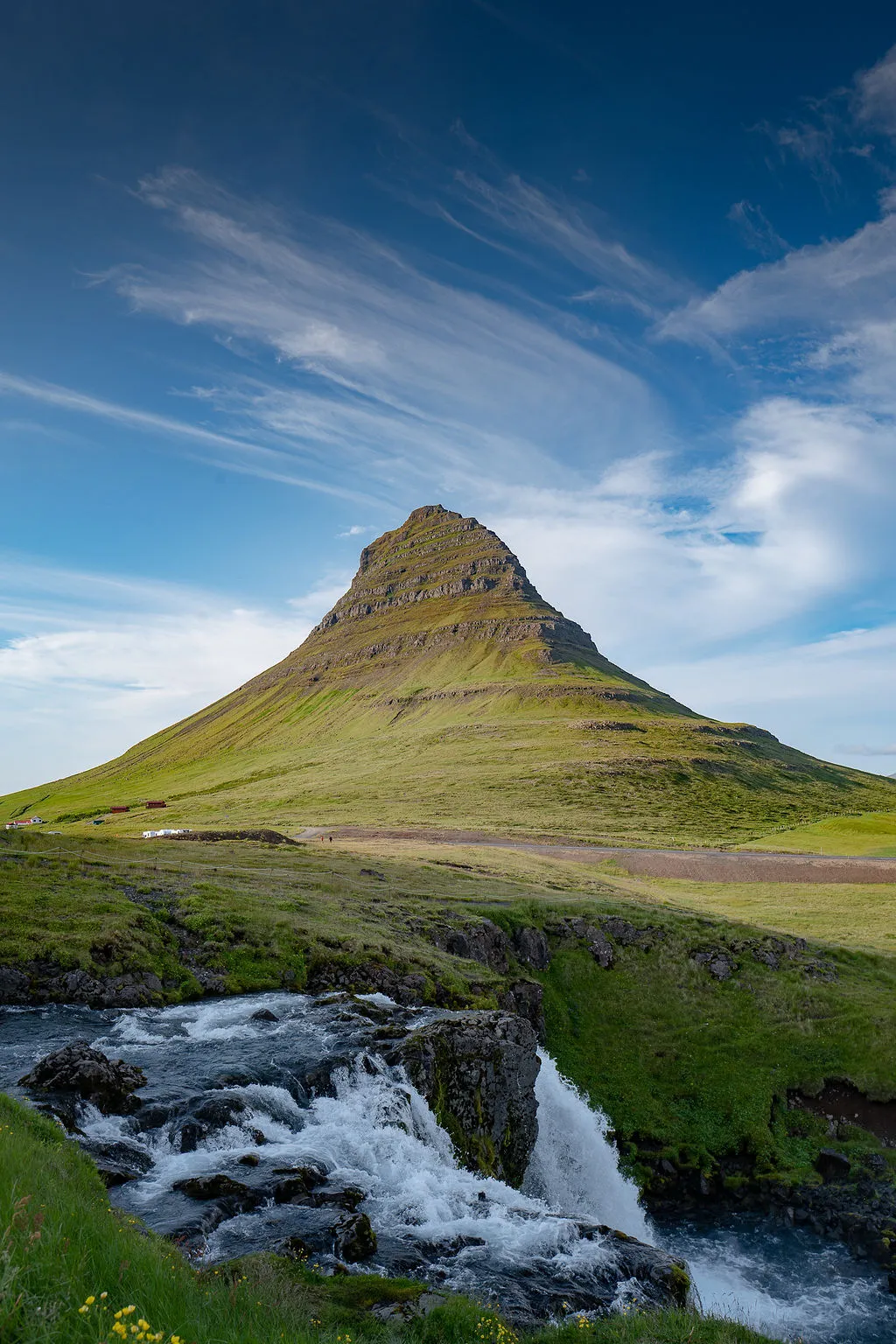
The Snæfellsnes peninsula is Iceland packed into a single strip of land. It features a glacier (Snæfellsjökull, the volcano Jules Verne used as the entrance to the center of the Earth), black beaches, lava fields, sleepy fishing villages, and Kirkjufell—the mountain every photographer in the world has shot at least once.
Kirkjufell is a perfectly symmetrical, cone-shaped peak standing beside a three-tiered waterfall. The frame is so picture-perfect it feels staged. It isn't. Iceland is just built that way.
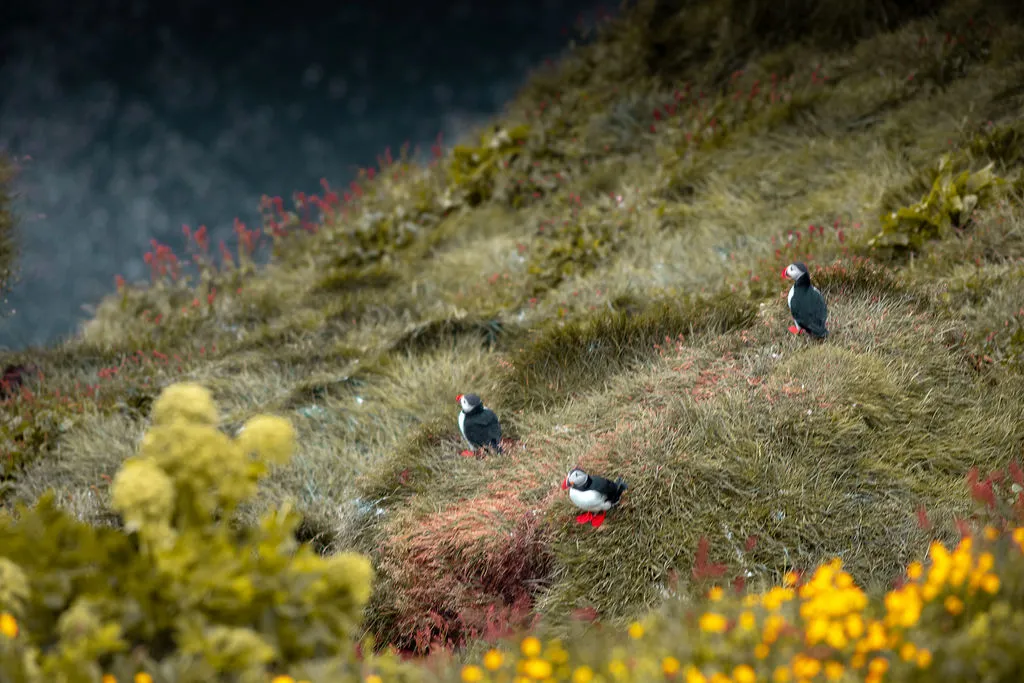
Arnarstapi and Hellnar are two fishing hamlets linked by a coastal path (about an hour's walk). Expect basalt arches, sea caves, waves echoing in the cliffs, and more nesting birds than you can count. If you are here during puffin season (May to August), you will spot the iconic little black-and-white birds with bright orange beaks—the unofficial mascot of Iceland.
Your last night before returning to Reykjavik. The camper is parked facing the sunset. The sky burns orange, pink, and violet. The glacier glows above you. You find yourself silent. Not because you have nothing to say, but because Iceland has already said it all for you.
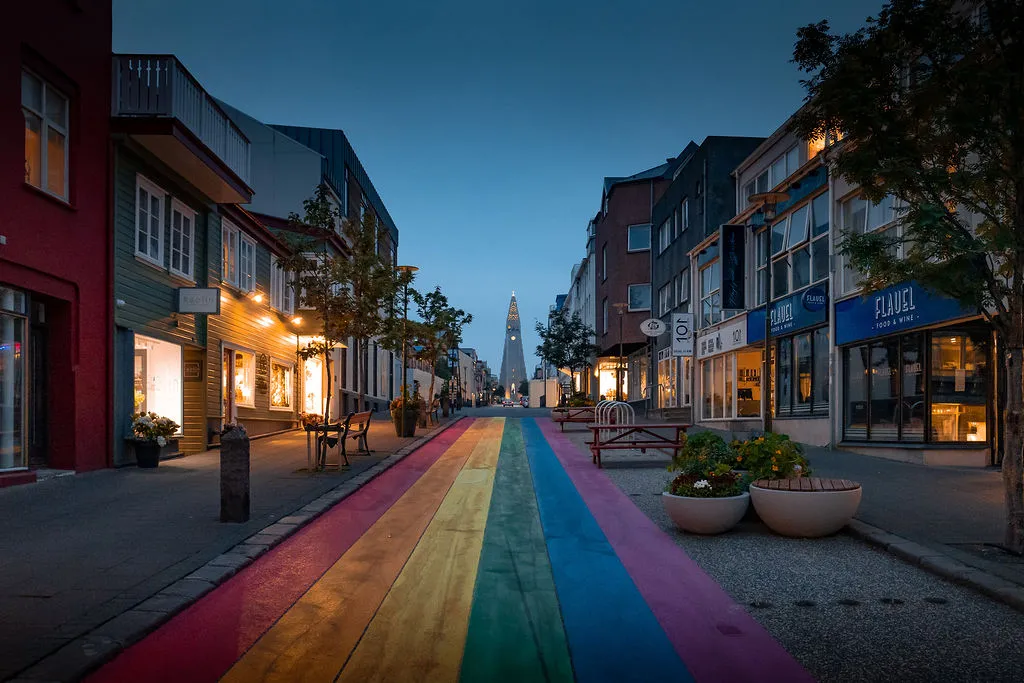
A free day in Reykjavik. Colourful corrugated-iron houses, cosy cafes, and the Hallgrímskirkja church shooting up like a concrete rocket. Wander down Laugavegur, grab a coffee, and scroll through your photos. 800, 1,200, maybe more. Most won't quite capture what you saw. Because Iceland isn't just a visual feast. It is the feeling that for 9 days, you stepped onto a different planet—one that just happens to be a brief flight away.
Author: Martin Bonov
Other articles about Iceland