Iceland: What you need to know before you go
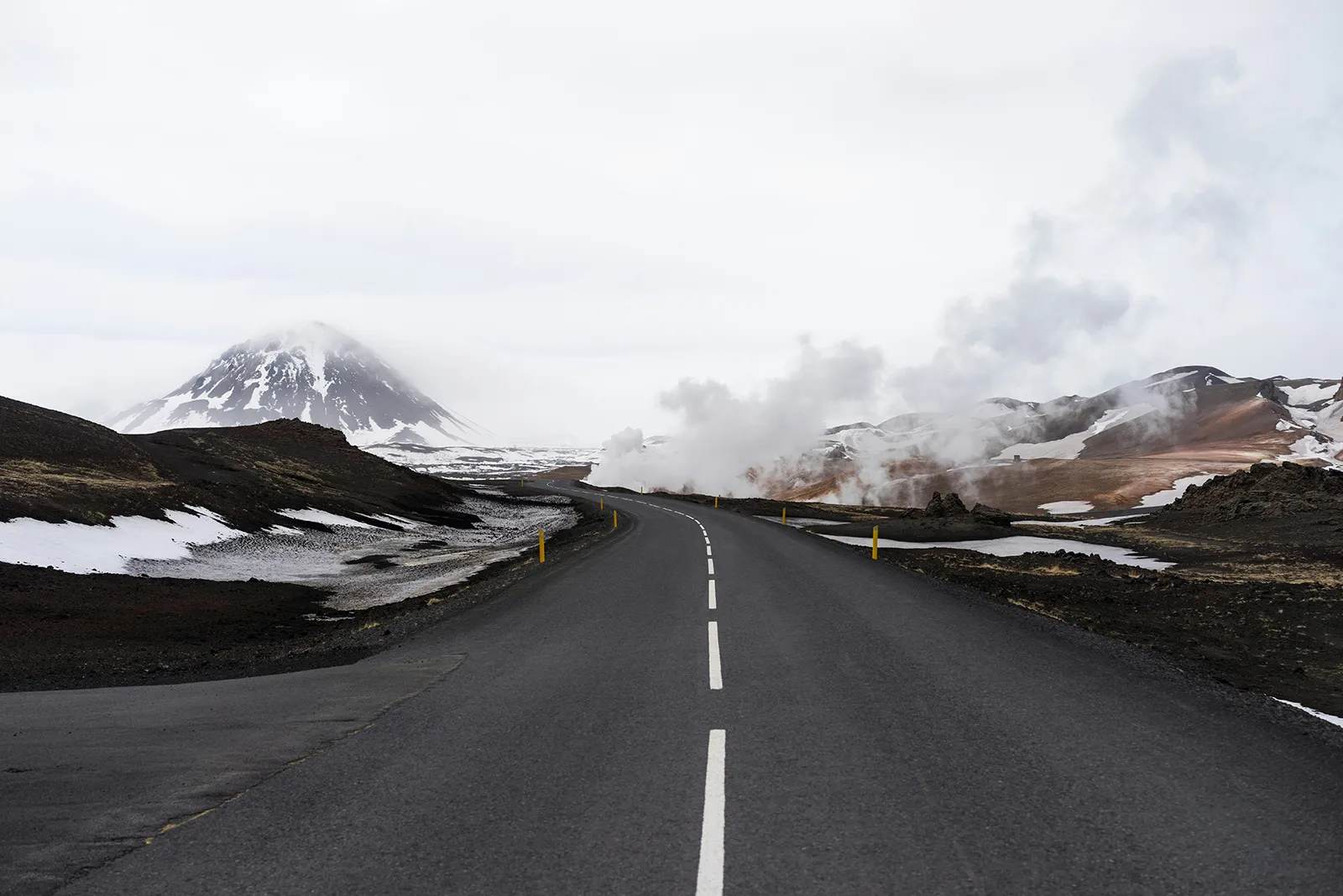
The first thing you feel is the wind. Not a gentle breeze, not a draft, but a wind that pushes you squarely in the chest the moment you step off the plane onto the Keflavik tarmac. The air smells of salt and sulphur. The earth all around is black, blanketed in moss, with not a single tree to the horizon. Iceland doesn't welcome you. It's just there, waiting, when you arrive.
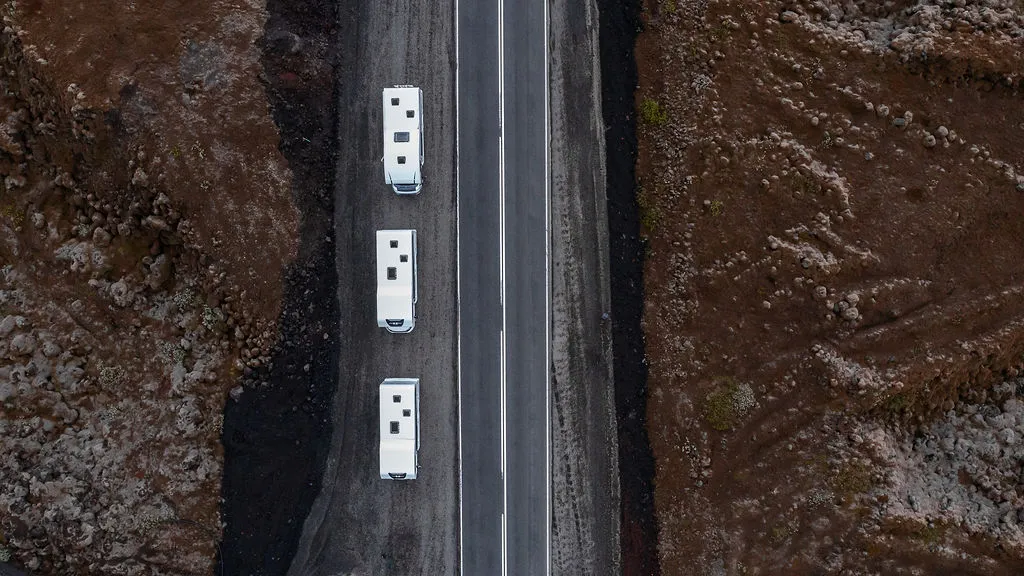
Iceland is an island with a population no larger than Bristol, perched on the Mid-Atlantic Ridge between Europe and America. Here, tectonic plates literally tear apart, the earth boils, glaciers groan and waterfalls thunder so loudly that your mind just goes quiet. In 9 days with a campervan, you can loop the Ring Road—1,322 kilometres of tarmac wrapping around everything this wild land has to offer: geysers, glacial lagoons, black sand beaches, volcanic craters and waterfalls tumbling from heights equal to a 10-storey building.
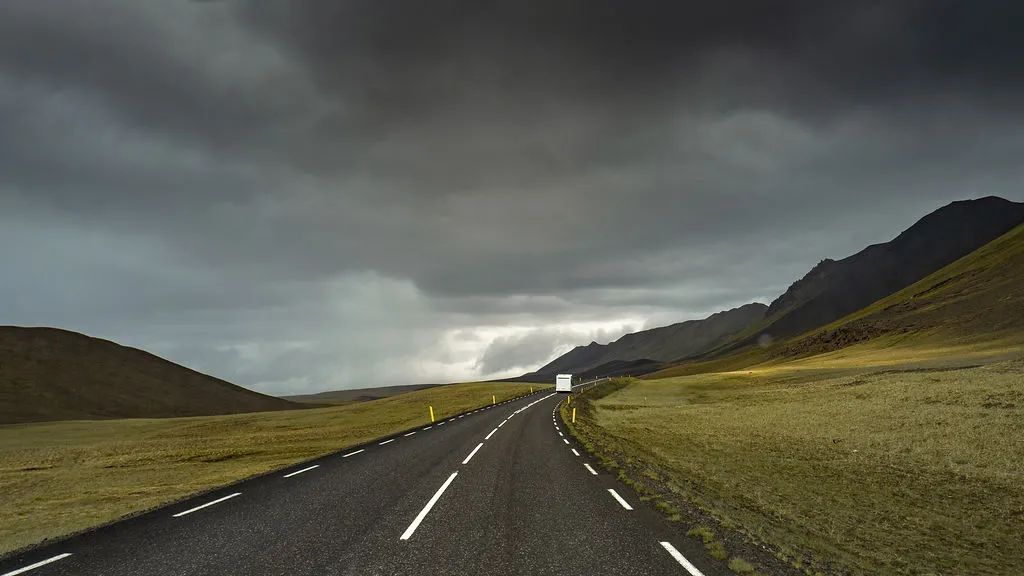
The route heads south from Reykjavík, cutting through the Golden Circle, the south coast, Skaftafell and the Jökulsárlón glacier lagoon, before crossing the lunar landscapes of the north-east to Akureyri and looping back via the Snæfellsnes Peninsula. Every single day brings a different world. Every morning you wake up somewhere new. The campervan is your transport, your home and your front-row seat to the wilderness.
Reykjavík and the Golden Circle: The First 48 Hours
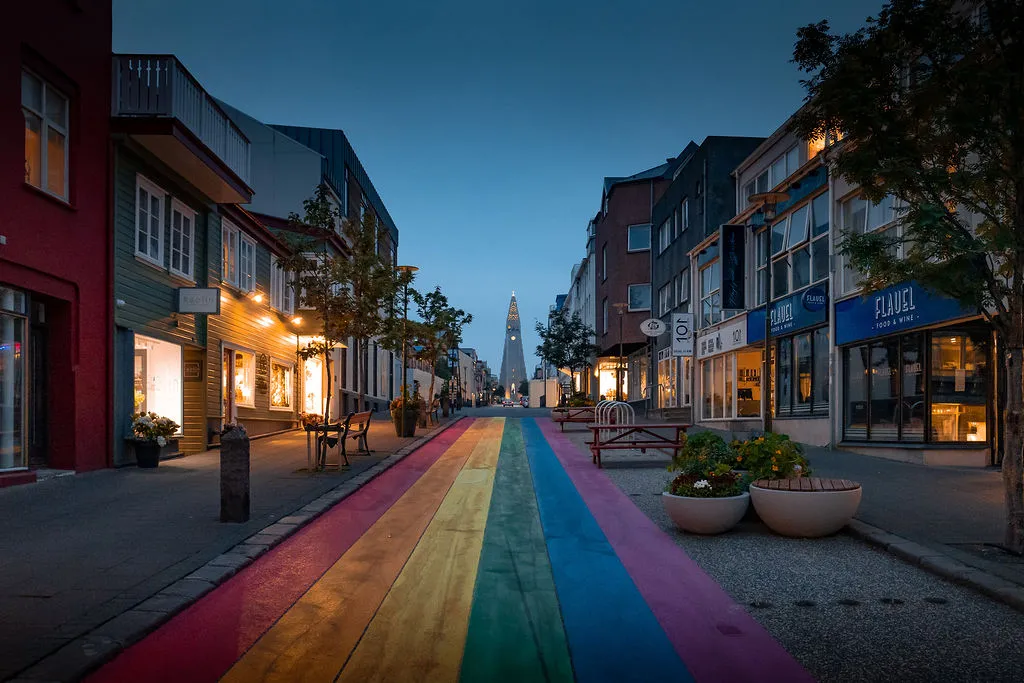
Reykjavík is Europe’s coziest capital and looks precisely the part: colourful houses, cafes smelling of sourdough, and Laugavegur street, which you can stroll from end to end in 15 minutes. The Hallgrímskirkja church rises 73 metres, mimicking basalt columns reaching for the sky. The city is just the prologue, not the destination.
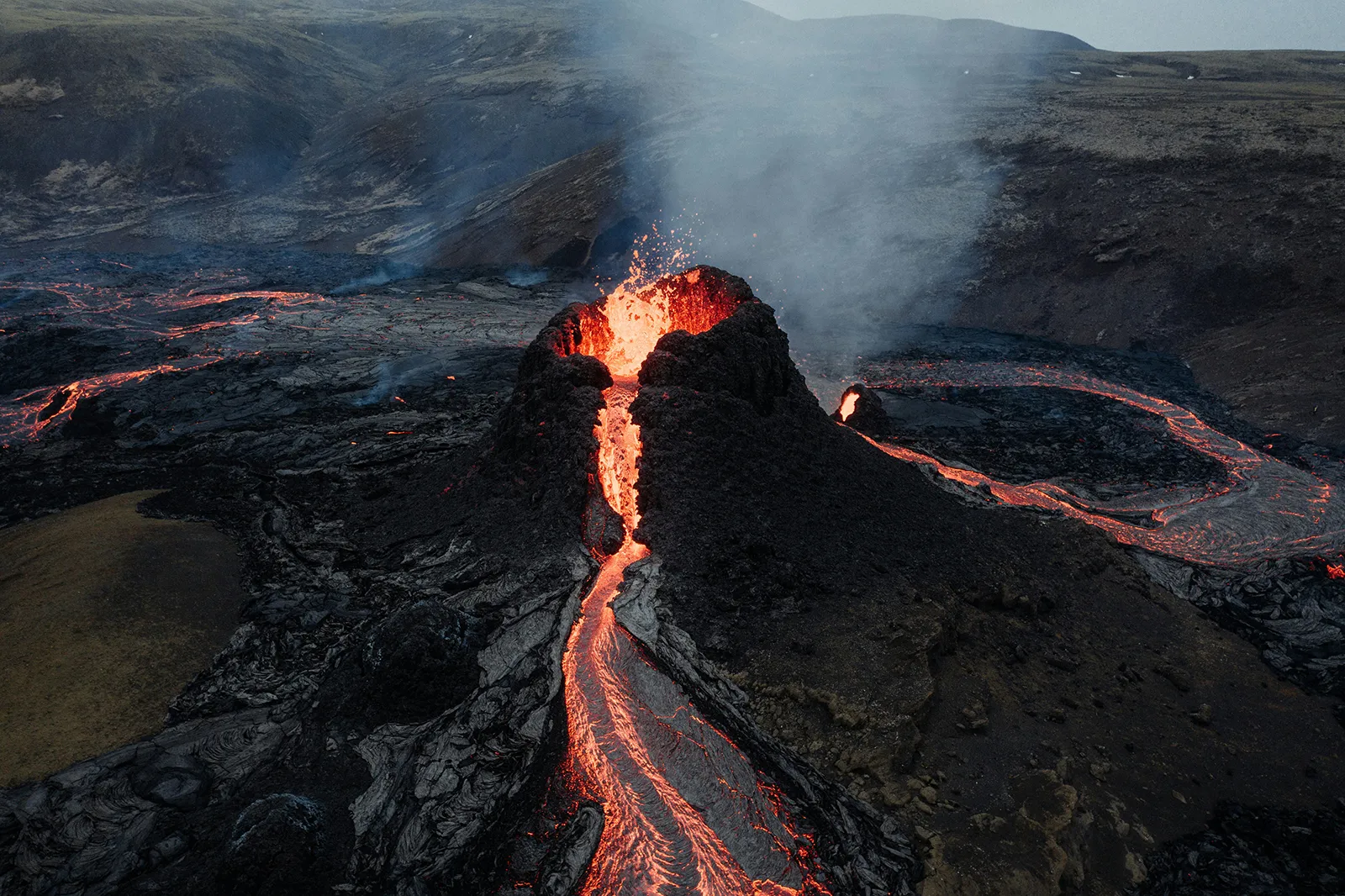
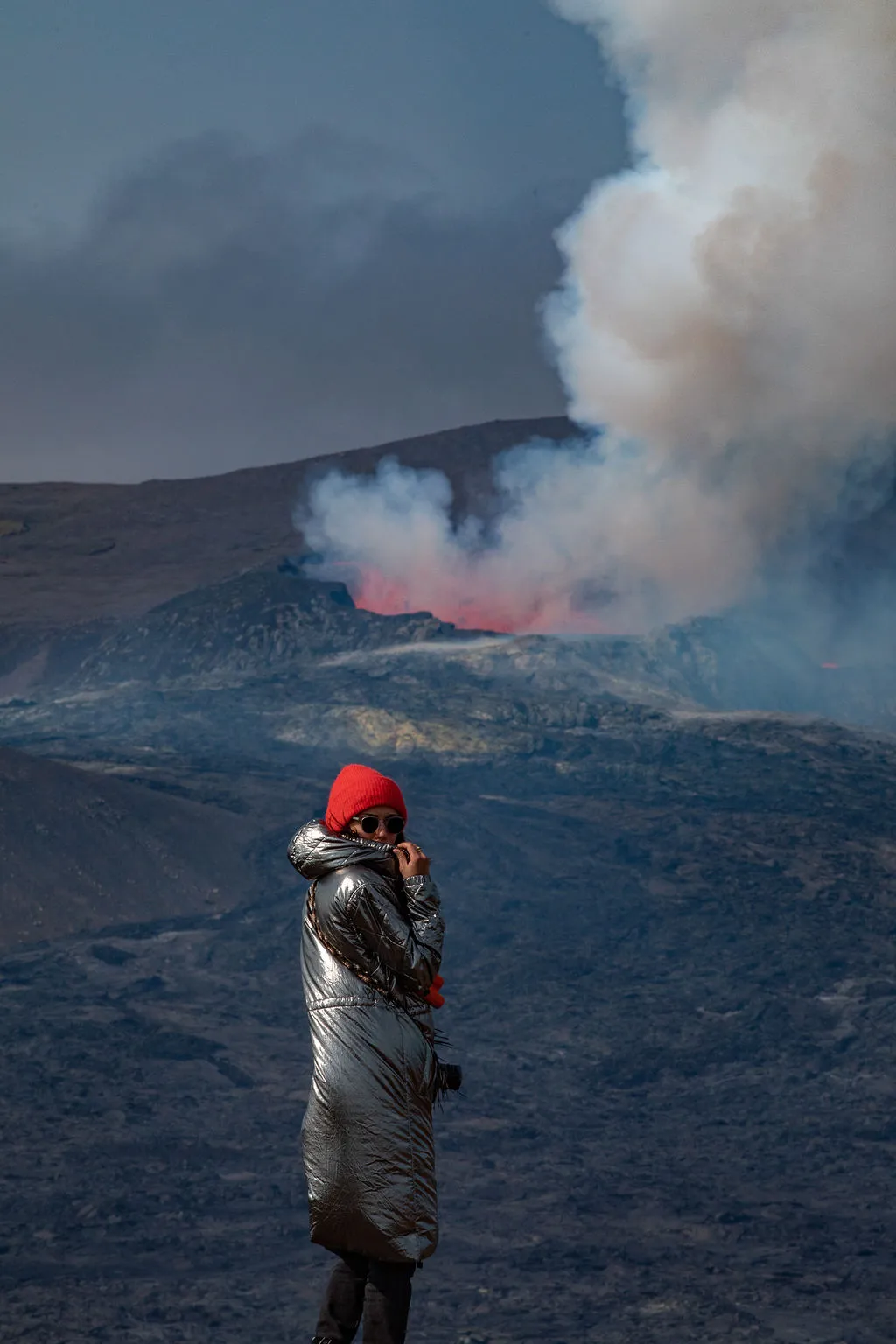
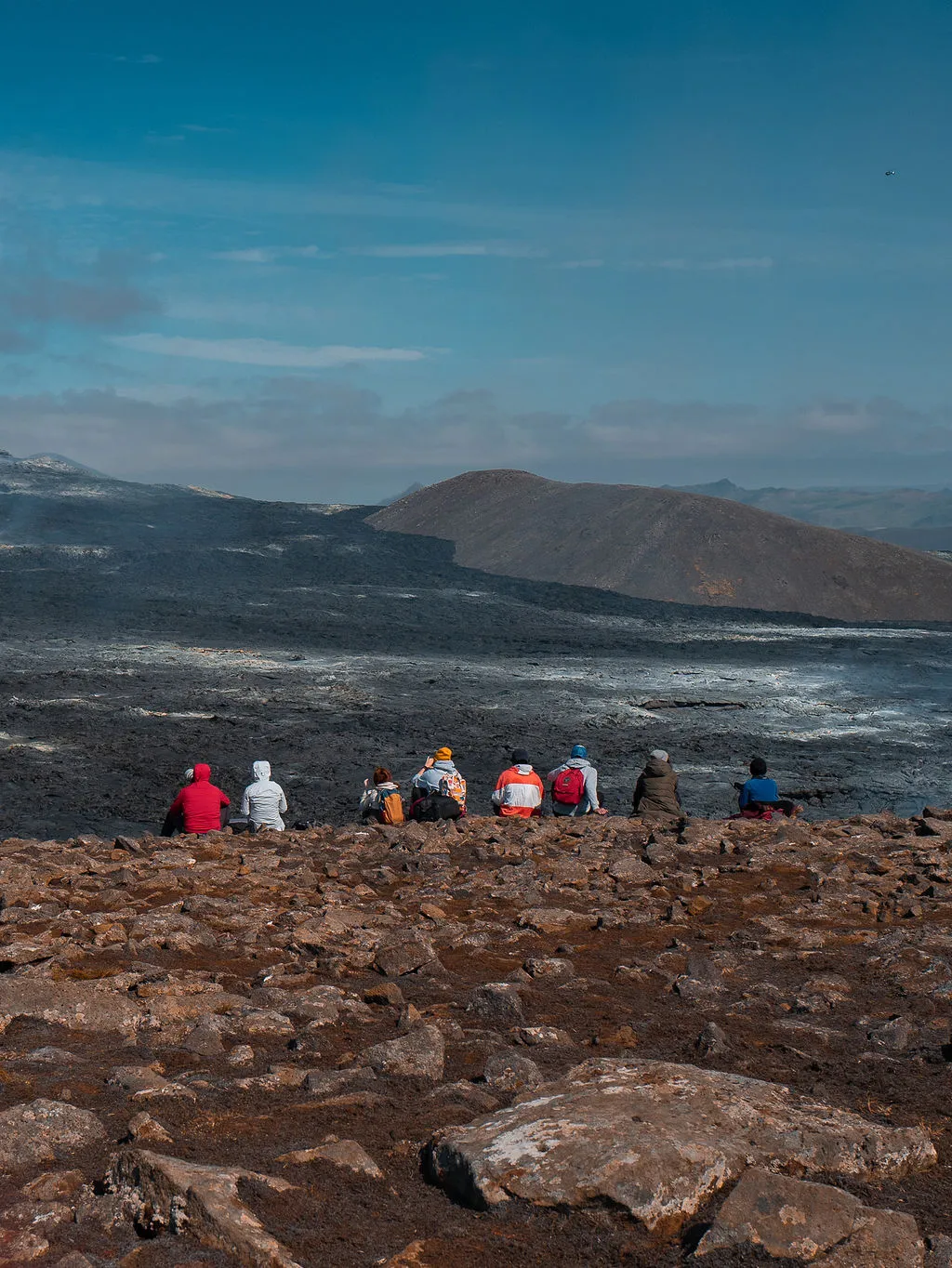
The road south begins with the Fagradalsfjall volcano, active until recently. The hike to the crater takes about 2 hours and is doable for anyone. Then comes the Golden Circle: the Kerið crater with its aquamarine lake, formed 3,000 years ago; Strokkur, the geyser that blasts boiling water and steam 20 to 40 metres into the air every 5 to 10 minutes; and Gullfoss, the Golden Waterfall, whose massive torrents seem to vanish right into the earth.
This is only day two. Iceland doses its magic like this: giving you enough to grasp the raw scale of things, but never everything at once.
The South Coast: Black Sands and Bleached Bones
Day three is all about the south coast, where the wild Atlantic collides with volcanic earth. The date is 21 November 1973. Around 14:00. A Douglas Super DC-3 plane makes an emergency landing on the vast sand plains of Sólheimasandur. Everyone survives. Today, the white fuselage still sits abandoned in the middle of the black volcanic desert, and the silence around it is so thick you can hear your own footsteps from 50 metres away.
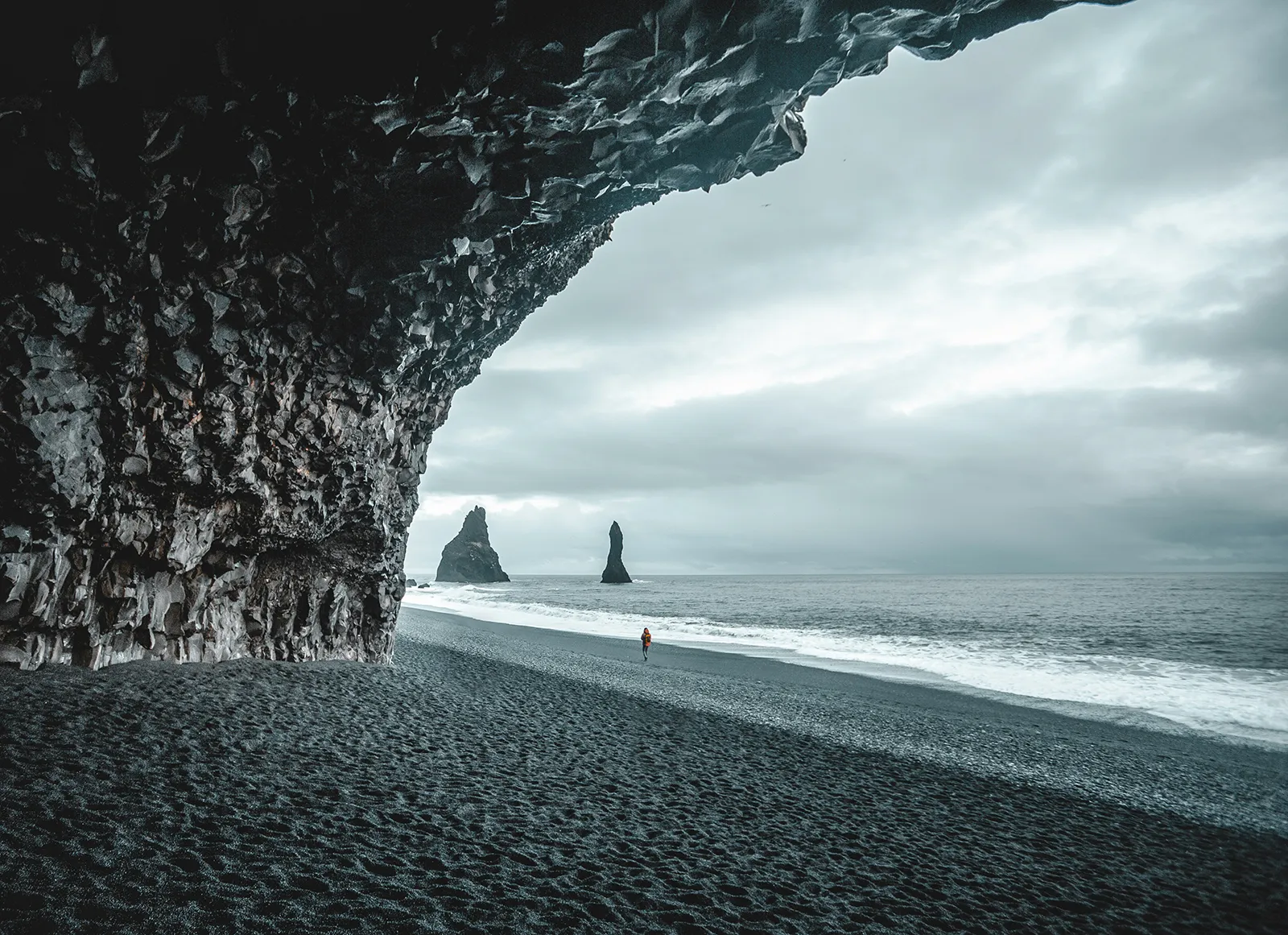
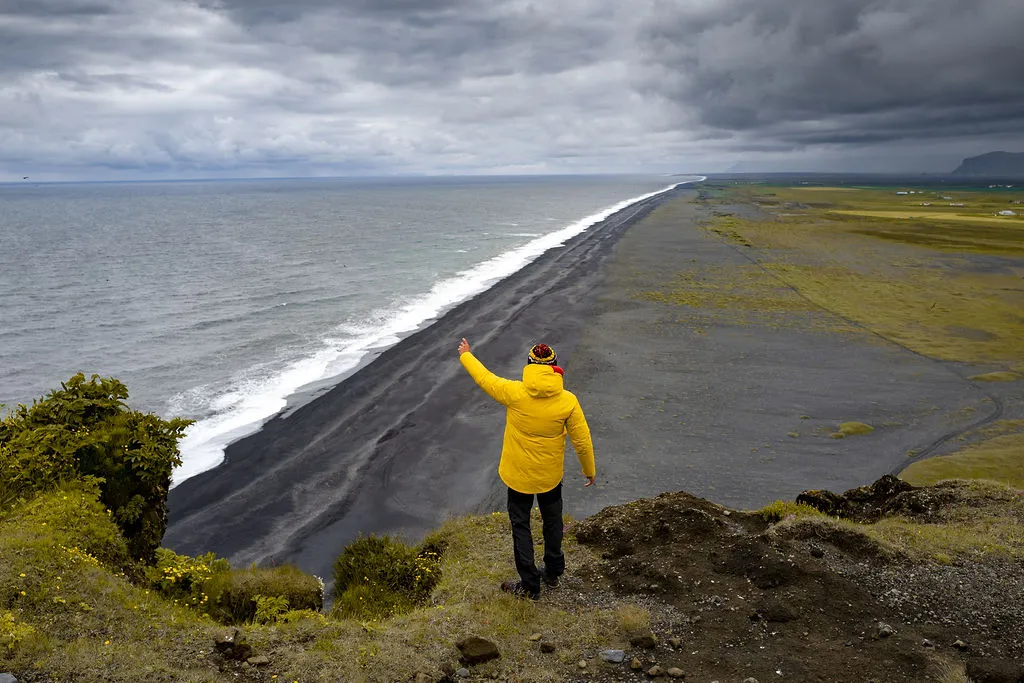
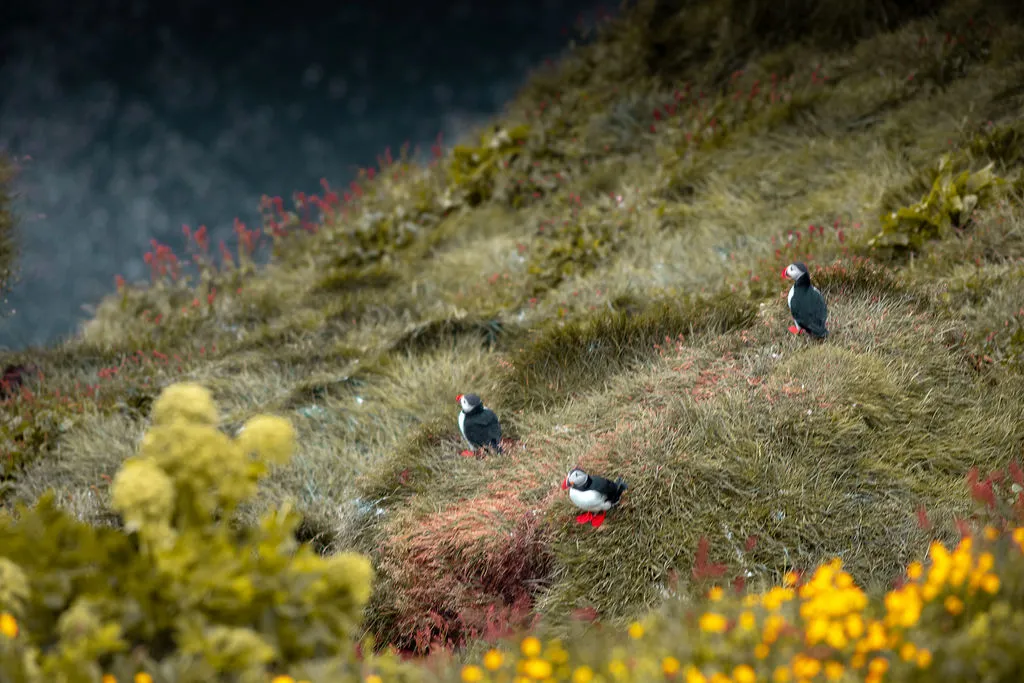
From there, the trail leads to the Dyrhólaey rock arch, where puffins nest between May and August. Then comes Reynisfjara beach: jet-black sand, towering basalt columns, and waves that crash with a deep roar. The Reynisdrangar sea stacks rise from the surf like petrified trolls. Local legend says that is exactly what they are.
Fjaðrárgljúfur canyon wraps up the day. Deep, winding, and carpeted in vibrant green, it looks like something from another epoch. They filmed Game of Thrones here, but the real thing is far better than any screen.
Glaciers and Lagoons: The Peak of the Journey
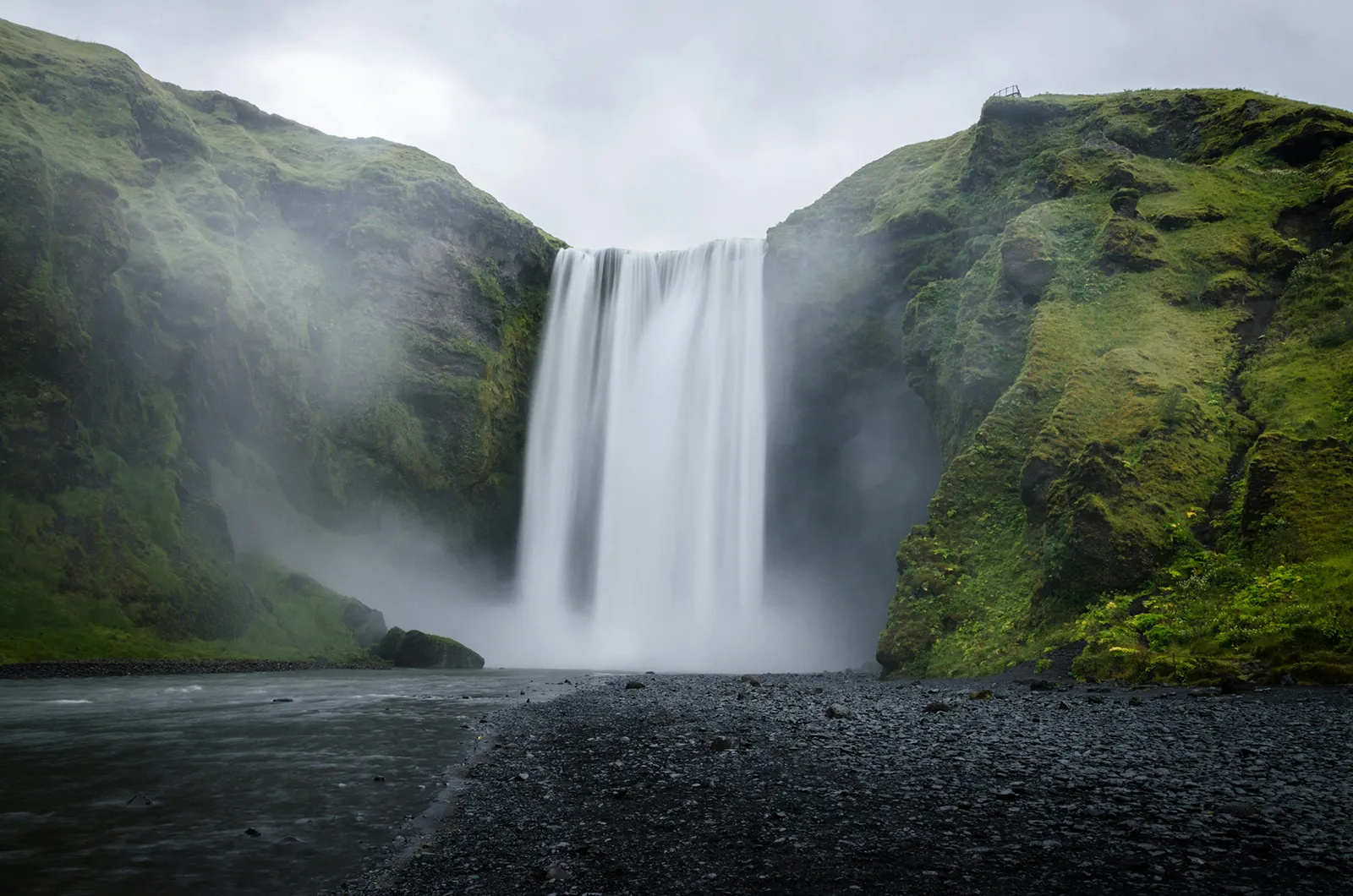
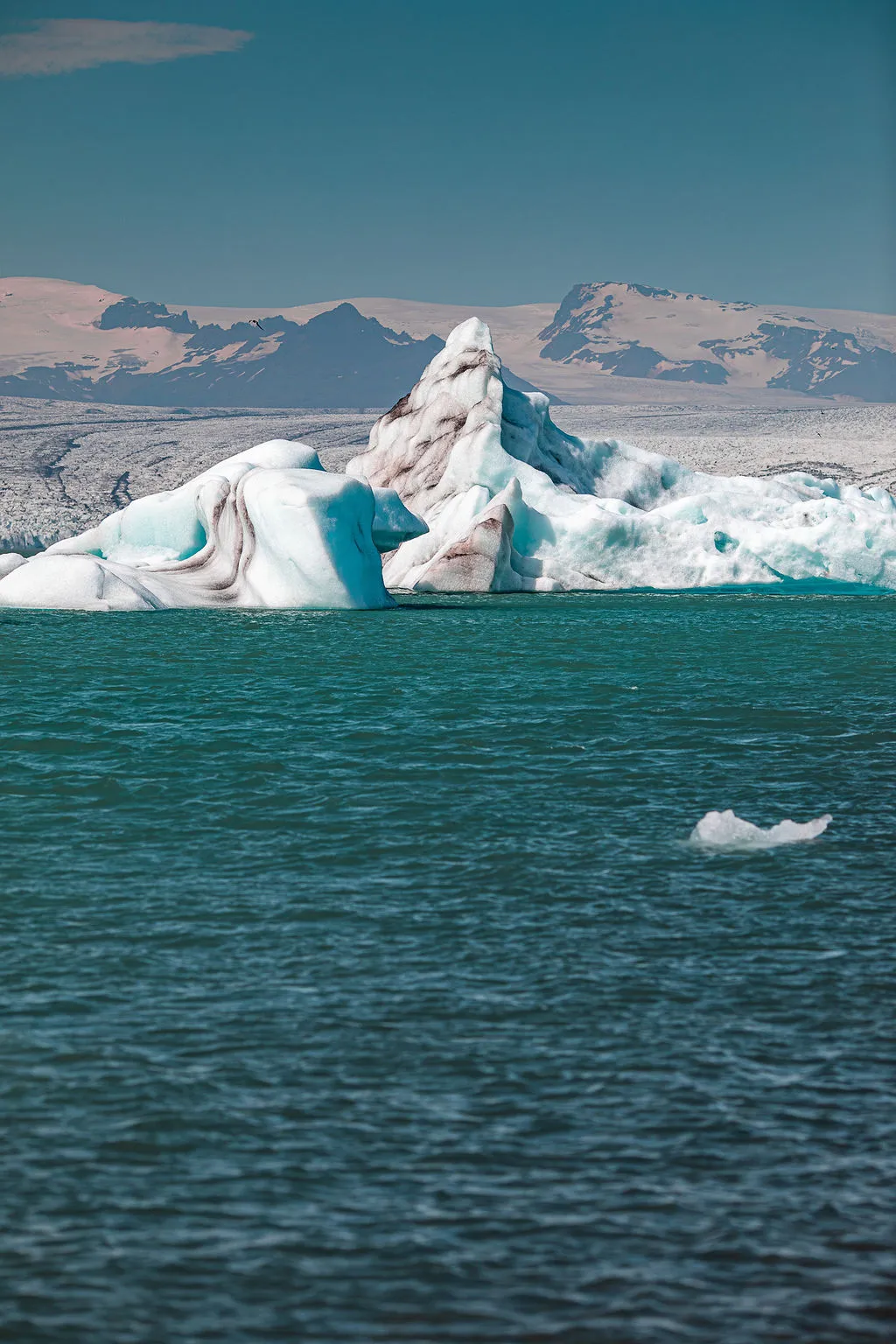
Day four starts before breakfast with a 30-minute hike to Svartifoss—the Black Waterfall—framed by dark basalt columns that look like a pipe organ. Then comes Jökulsárlón, the glacier lagoon where massive icebergs from the Breiðamerkurjökull glacier drift in crystal-blue waters. They are white, electric blue, and sometimes streaked with black ash from eruptions that happened millennia ago.
Across the road lies Diamond Beach, where chunks of ice washed ashore glisten on the black sand like raw gems. The contrast looks so surreal you’ll think it’s CGI. It isn't.
The day ends at Stokksnes, where the jagged Vestrahorn mountain (454m) rises sharply from a black beach, its contours looking almost hand-drawn. Tonight, you sleep in the campervan beneath the sheer cliffs of the Atlantic coast. The wind rocks your home on wheels. The quiet inside is louder than the gale outside.
The North: Waterfalls, Geothermal Fields and Giants of the Deep
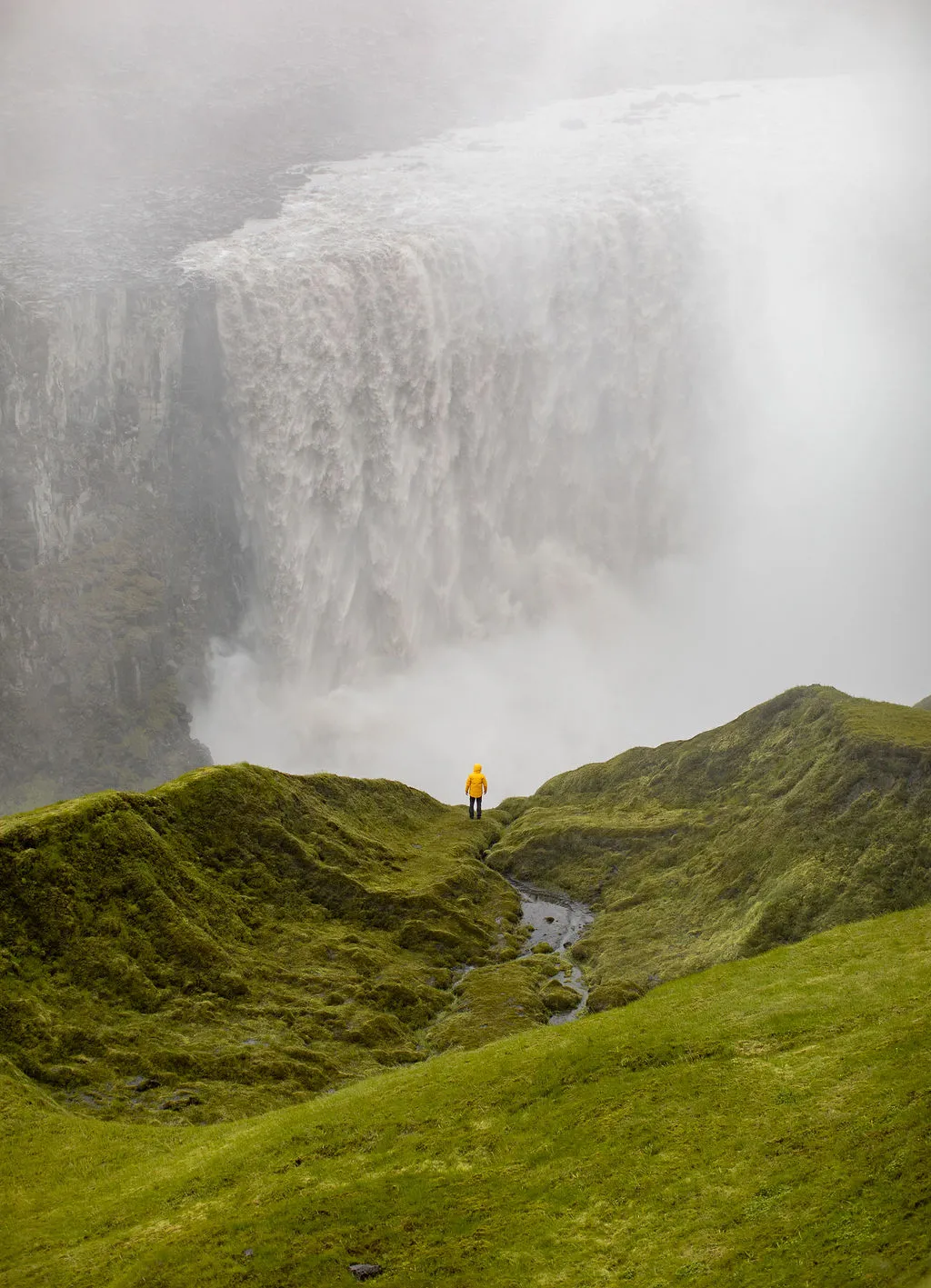
Four hours north through a monochrome, lunar landscape. The rocks look like the surface of Mars. Then, suddenly, Dettifoss—Europe’s most powerful waterfall. 500 cubic metres of water per second, plunging with a rumble you can feel in your chest. The ground literally vibrates beneath your boots.
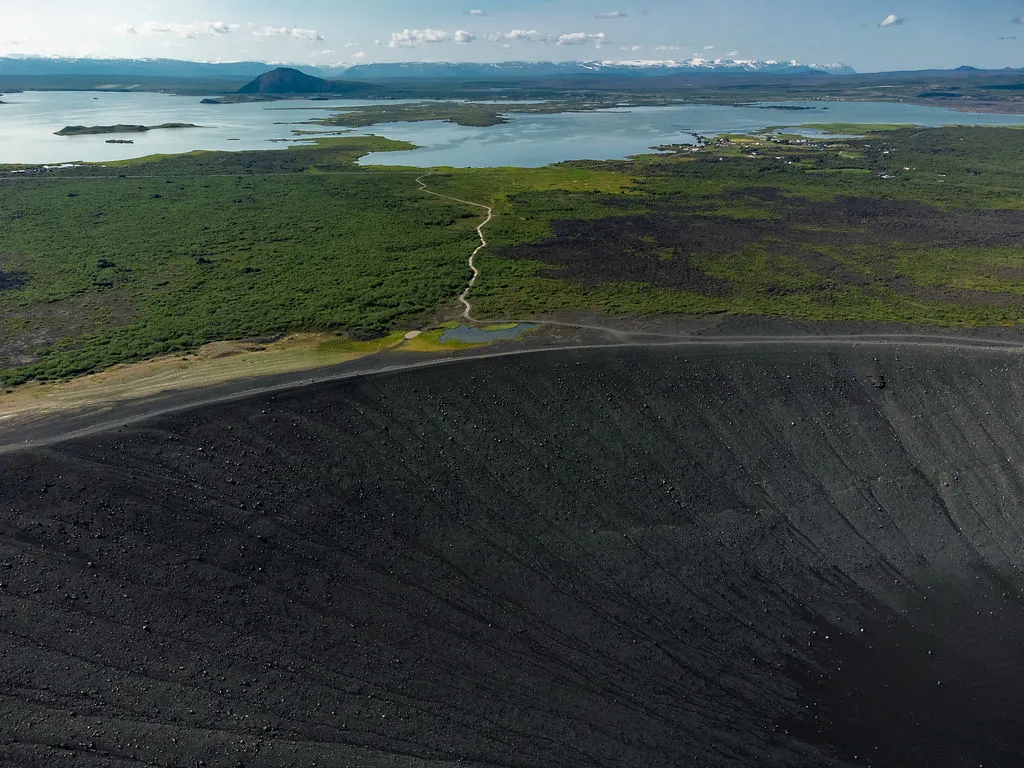
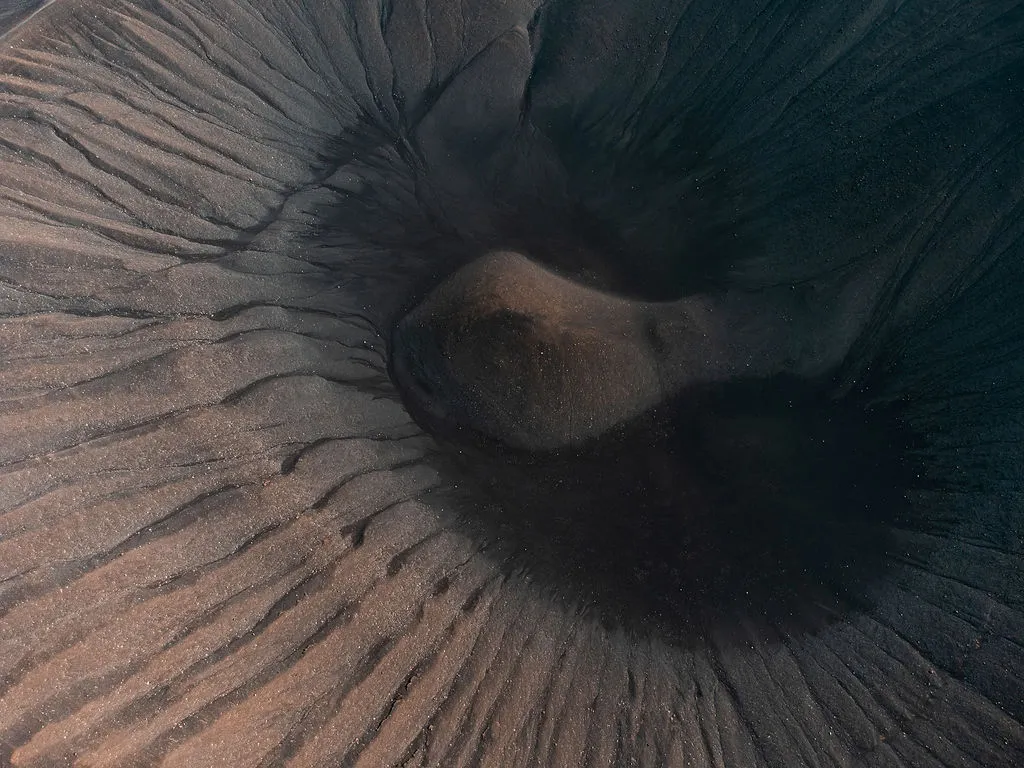
The Hverir geothermal valley smells of sulphur and looks like another planet: boiling mud pots, steam escaping from cracks in the earth, and soil stained in shades of yellow, orange and rust. From here, you move on to the Hverfjall crater and Goðafoss, the Waterfall of the Gods, where in the year 1000 the lawspeaker Þorgeir cast his Norse pagan idols into the torrent to declare Christianity. The water falls like a curtain—wide, dramatic and calm.
Akureyri is the last major outpost on the loop. From here, you can seek out humpback and minke whales from a boat in Eyjafjörður. It’s quiet, slow, and smells of salt and wet wood.
What to Know Before You Go
The campervan is your home for 9 days. You sleep in it, cook in it, and park it in spots a hotel could never offer. The freedom is intoxicating, but it comes with responsibility: wild camping is highly regulated in Iceland, so you'll need to use designated campsites.
The weather is totally unpredictable. Summer (June-August) is the warmest, around 10-15°C, but the wind can make it feel 10 degrees colder. Winter brings temperatures from -5°C to 5°C, short days, and the dance of the Northern Lights. A quality waterproof jacket, warm layers and sturdy boots aren’t optional—they are your lifeline.
Iceland is expensive. Food, fuel and gear hire are well above the European average. However, the best bits—the waterfalls, the beaches, the volcanic cracks and the dramatic views—are completely free.
EU, EEA and UK citizens don't need a visa for short stays. The local currency is the Icelandic króna, but cards are accepted everywhere, even at the most remote, unmanned petrol pumps. The Ring Road is mostly paved, but gravel detours to more remote spots require attention and sometimes a 4x4.
Who This Adventure is For
If you are looking for room service and all-inclusive luxury, a campervan trip through Iceland isn't for you. But if you crave raw freedom, if you want to wake up at the foot of a glacier and fall asleep to the roar of a waterfall, if cold wind doesn't scare you but wakes you up—then this is your playground.
You don’t need to be an extreme athlete. The hikes are mostly easy, ranging from 30 minutes to 2 hours along marked trails. The days are long—not physically, but emotionally. The landscape shifts so quickly your brain barely keeps up. That’s a good thing. Iceland isn’t meant to be analysed. It’s meant to be felt.
As your plane climbs out of Keflavík, the earth below shows black, scarred by silver glacial rivers gleaming in the fading light. Nine days, 1,322 kilometres, more waterfalls than you can count, and a deep silence you’ll carry with you long after you land. Iceland doesn't welcome you, and it doesn't say goodbye. It just exists. And when you return, you'll realise you aren't quite the same either.
Author: Martin Bonov
Other articles about Iceland