The Faroe Islands for the first time: what is your next move?
The ferry pulls away from Klaksvík. Twenty minutes across water that is cold, dark, and restless. Kalsoy island looms ahead, a narrow, steep silhouette rising like a blade thrust into the ocean. You don't know what waits on the other side. You only know that, for the first time in ages, you are somewhere that feels entirely off the map.
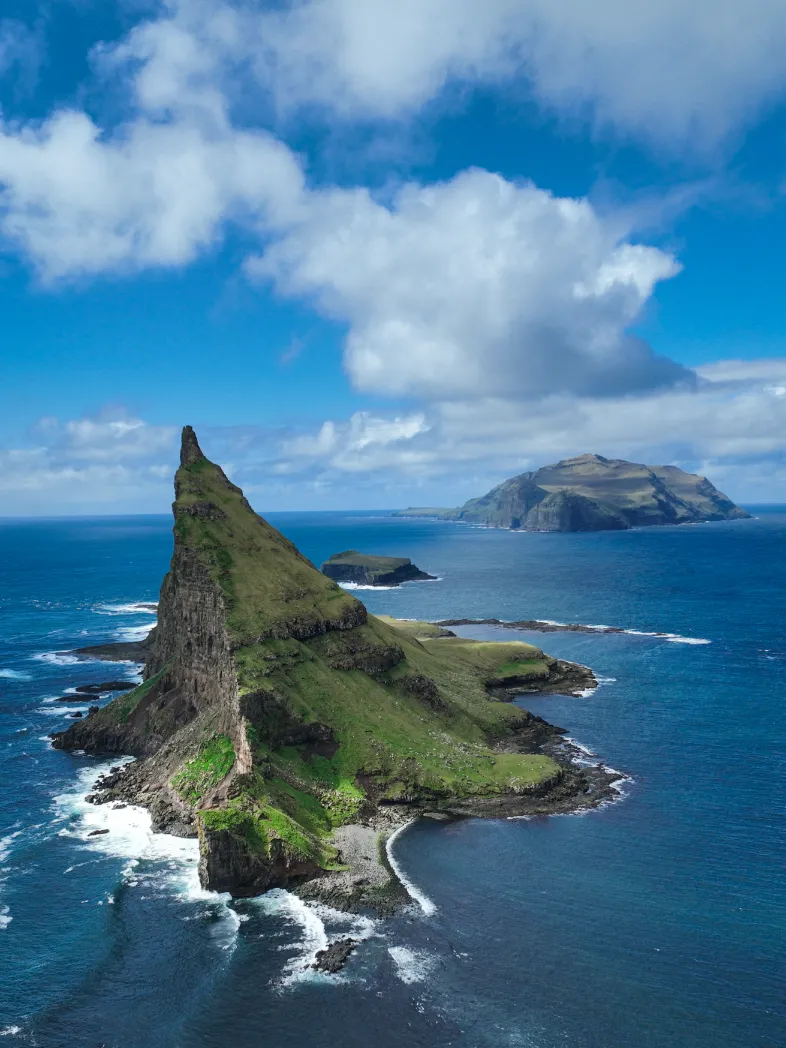
The Faroe Islands are 18 shards of land anchored in the North Atlantic, halfway between Scotland and Iceland. Population: around 54,000 humans and hundreds of thousands of sheep. Climate: wet, windy, unpredictable, with temperatures hovering between 5°C and 13°C even at the height of summer. Landscape: neon-green slopes, sheer cliffs, waterfalls plunging straight into the ocean, and sub-sea tunnels complete with roundabouts and light installations.
This is not your textbook holiday destination. You won't find palm trees, sun loungers, or a neon-lit nightlife here. Instead, there is silence, raw wind, and landscapes that look like scenes from a movie about the end of the world. For your first time, here is all you need to know: you don't just "visit" the Faroe Islands. You experience them. With rain on your face, wind at your back, and a camera lens that constantly fogs up.
Tórshavn: The Pocket-Sized Capital
Tórshavn is one of the smallest capitals in Europe. Home to about 13,000 people, it's a grid of turf-roofed wooden houses, a harbour bobbing with fishing boats, and Tinganes—the historic peninsula where Vikings held assembly a millennium ago. You can wander through the entire centre in an hour.
But Tórshavn isn’t a place to be rushed; it’s a place to slow down. Grab a coffee in a cosy café, stroll along the marina, and enjoy a dinner of local fish and fermented mutton (it tastes much better than it sounds). The town is quiet, clean, and bracingly cold—just like the rest of the islands, only with a few more chimneys.
Your first day is usually about acclimatising. After the flight from Copenhagen (about 2 hours with Atlantic Airways) and checking into your base, take in your first taste of the Faroese wind. Don't rush. The islands aren't going anywhere.
Múlafossur and Mykines: The Icons
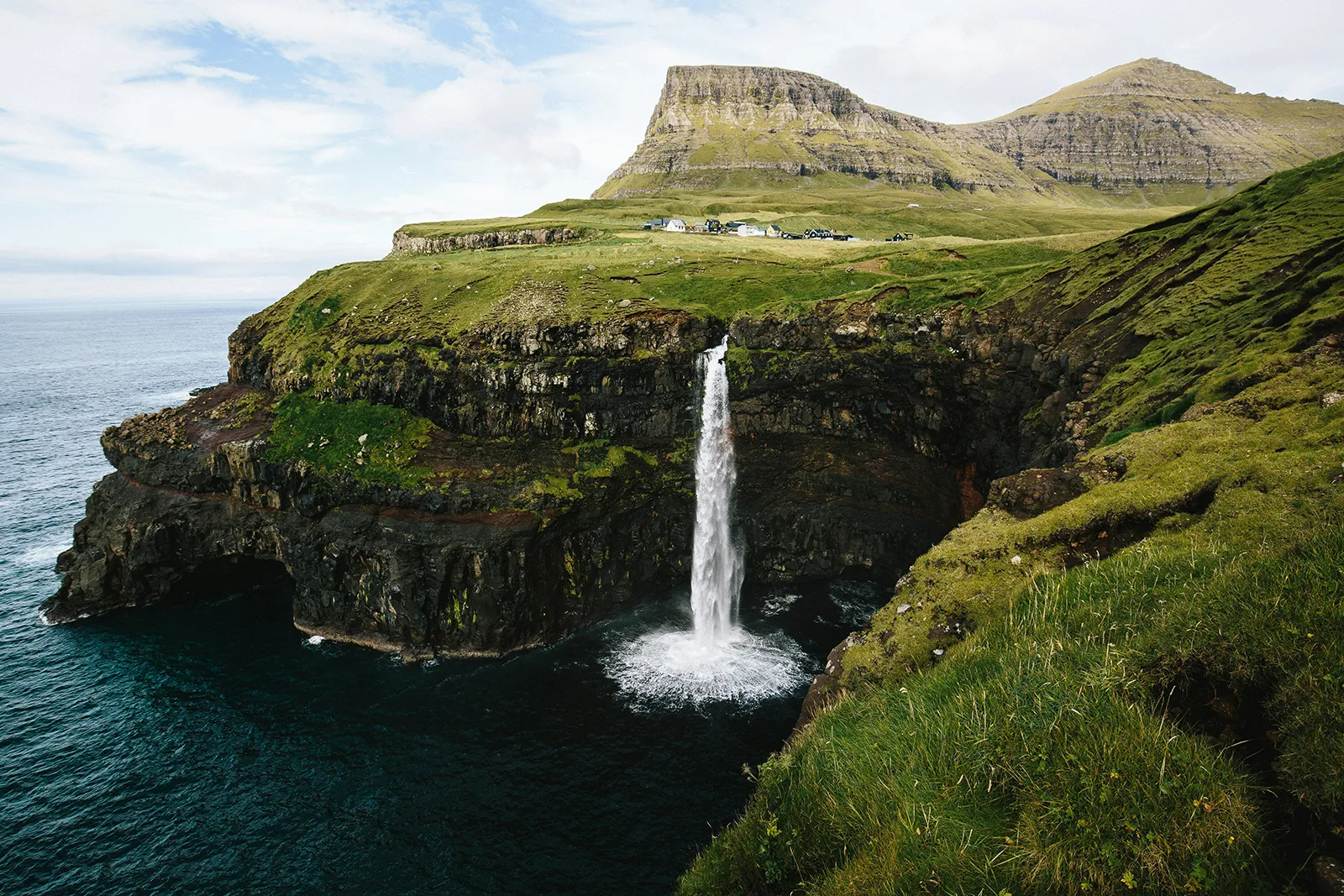
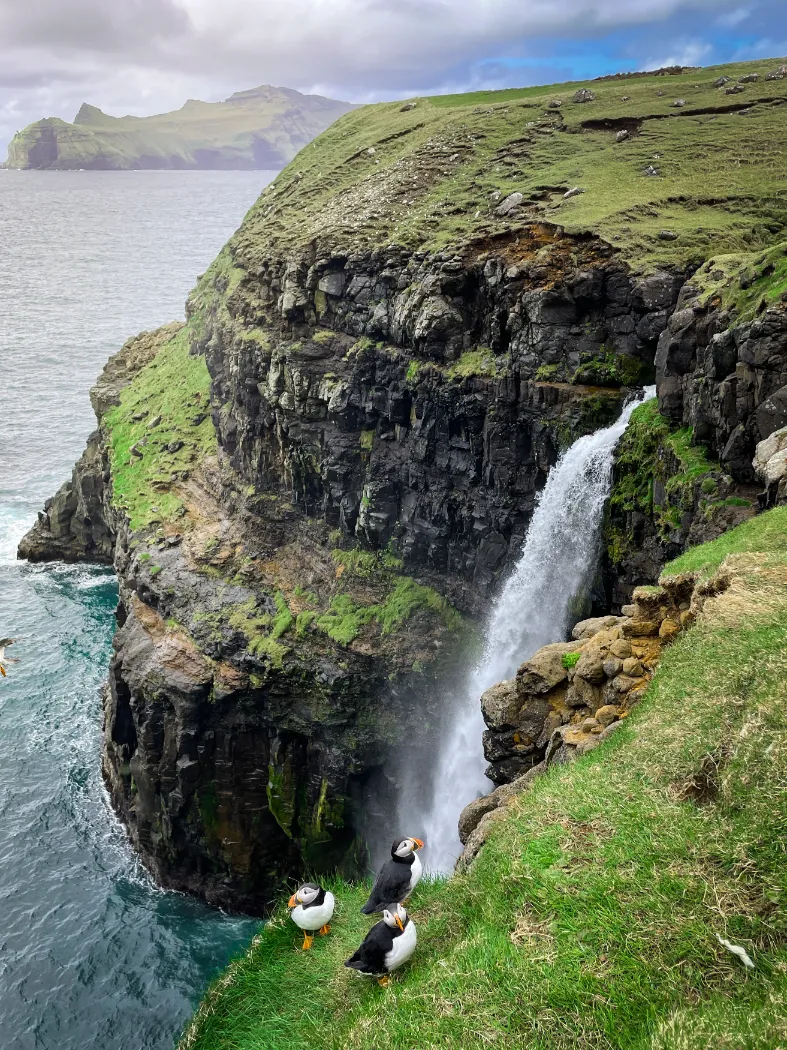
Day two is when the Faroe Islands show you exactly why you made the journey. The Múlafossur waterfall on Vágar island drops 30 metres straight into the Atlantic swell. It's a 5-minute walk from the car park—as effortless to reach as it is spectacular to look at.
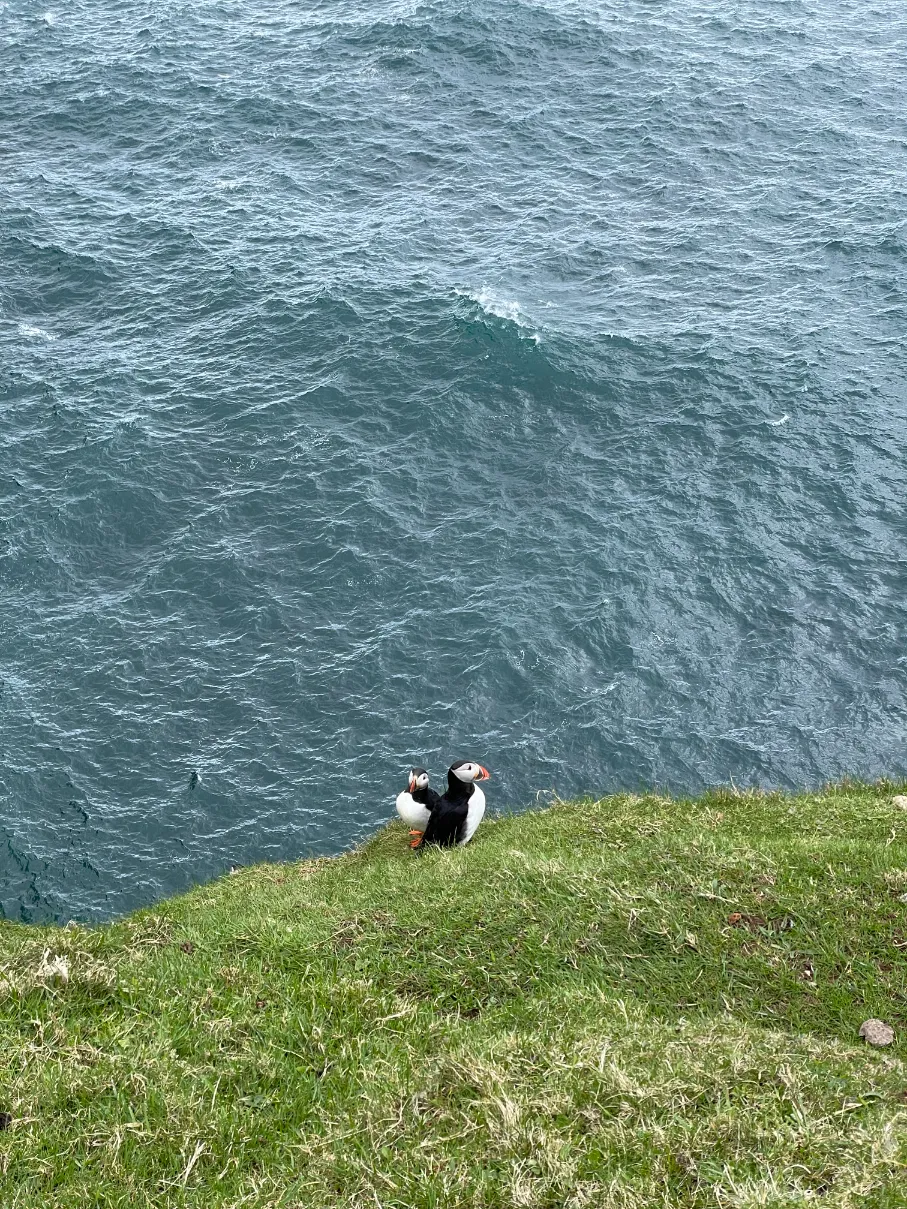
Next, weather permitting (and "weather permitting" is a daily mantra here), hop on the ferry to Mykines. This is the westernmost island—a small, green outpost home to just a handful of people and thousands of puffins. From May to August, these pint-sized, colourful birds are everywhere. They sit on the grassy cliffs, tilting their heads and posing for photos as if they know they are the stars of the show.
Getting to Mykines is entirely at the mercy of the elements. Swells, wind, and sudden fog can cancel the ferry on a whim. That’s all part of the adventure. The Faroes make no compromises. If the ocean says "no," you wait. If it says "yes," you step aboard and relish every single minute.
Saksun and Kalsoy: The Silence and the Edge
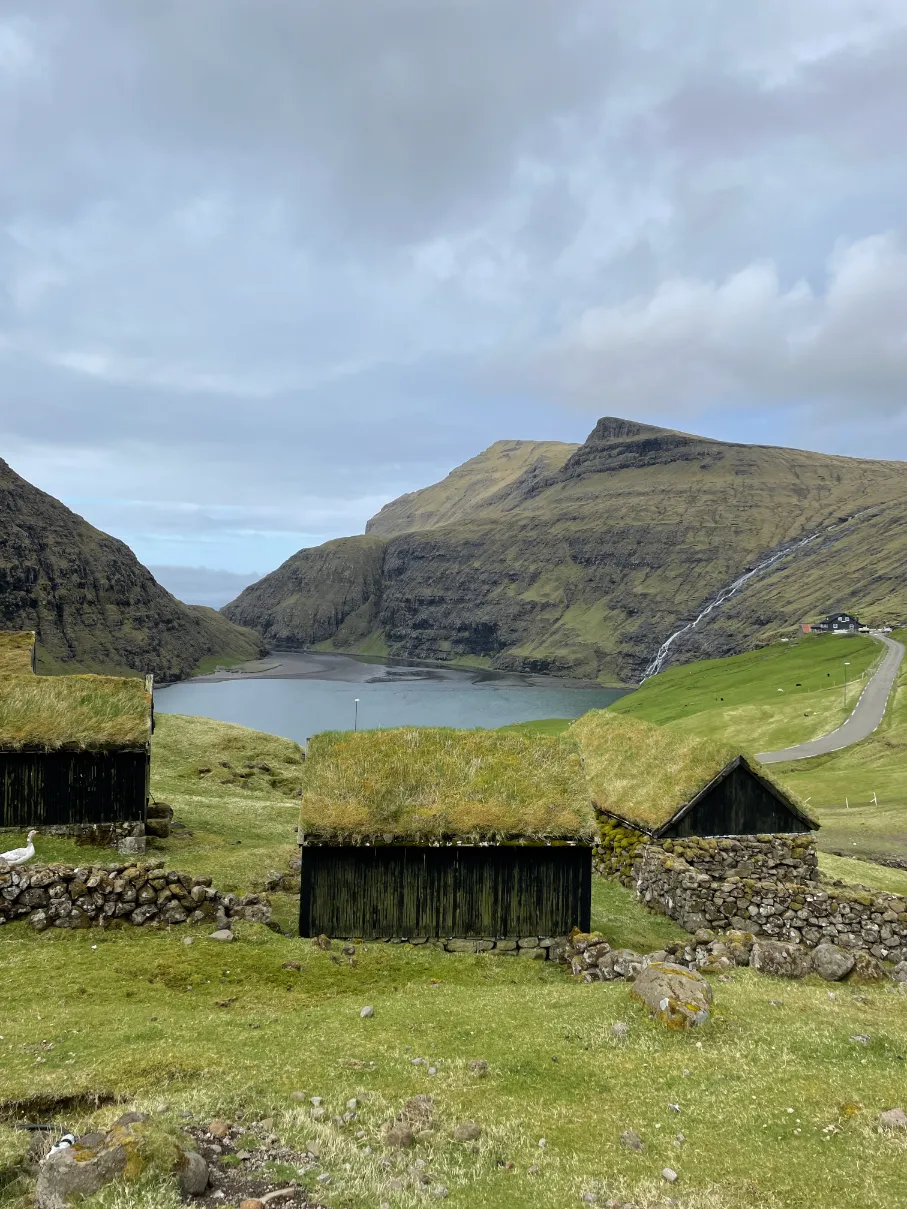
Saksun is a fairytale village. Literally. Turf-roofed cottages, a lone church flanked by steep slopes, and a lagoon that fills with the sea twice a day. Waterfalls cascade down from all directions. Low-hanging mist clings to the valley. The only soundtrack is the wind and rushing water.
As the story goes, the lagoon used to be a deep natural harbour until a severe storm blocked the entrance with sand centuries ago. Today, at low tide, you can walk across the sandy lagoon floor to the ocean. At high tide, the water reclaims it all. Life here beats to the rhythm of the tides, not the clock.
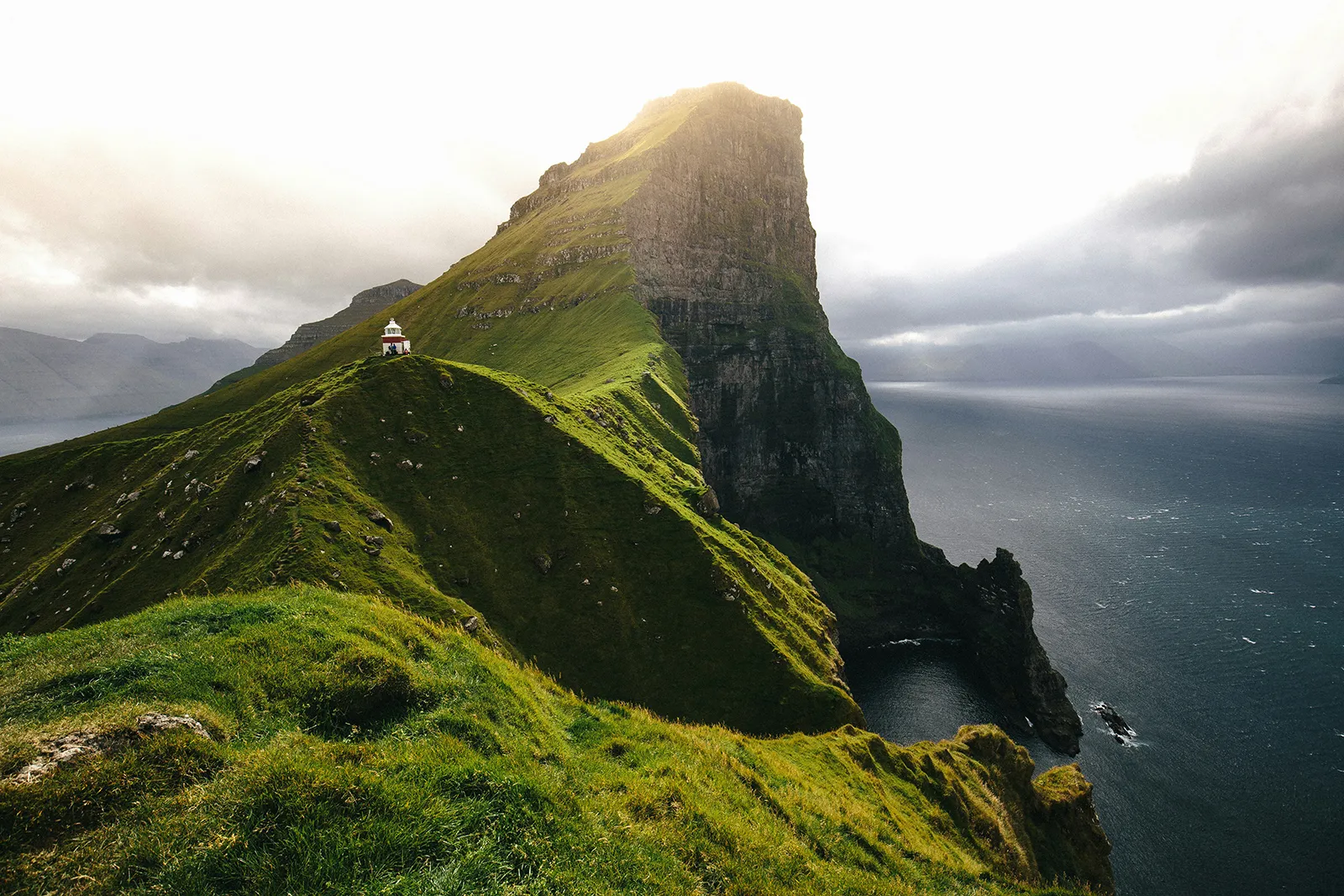
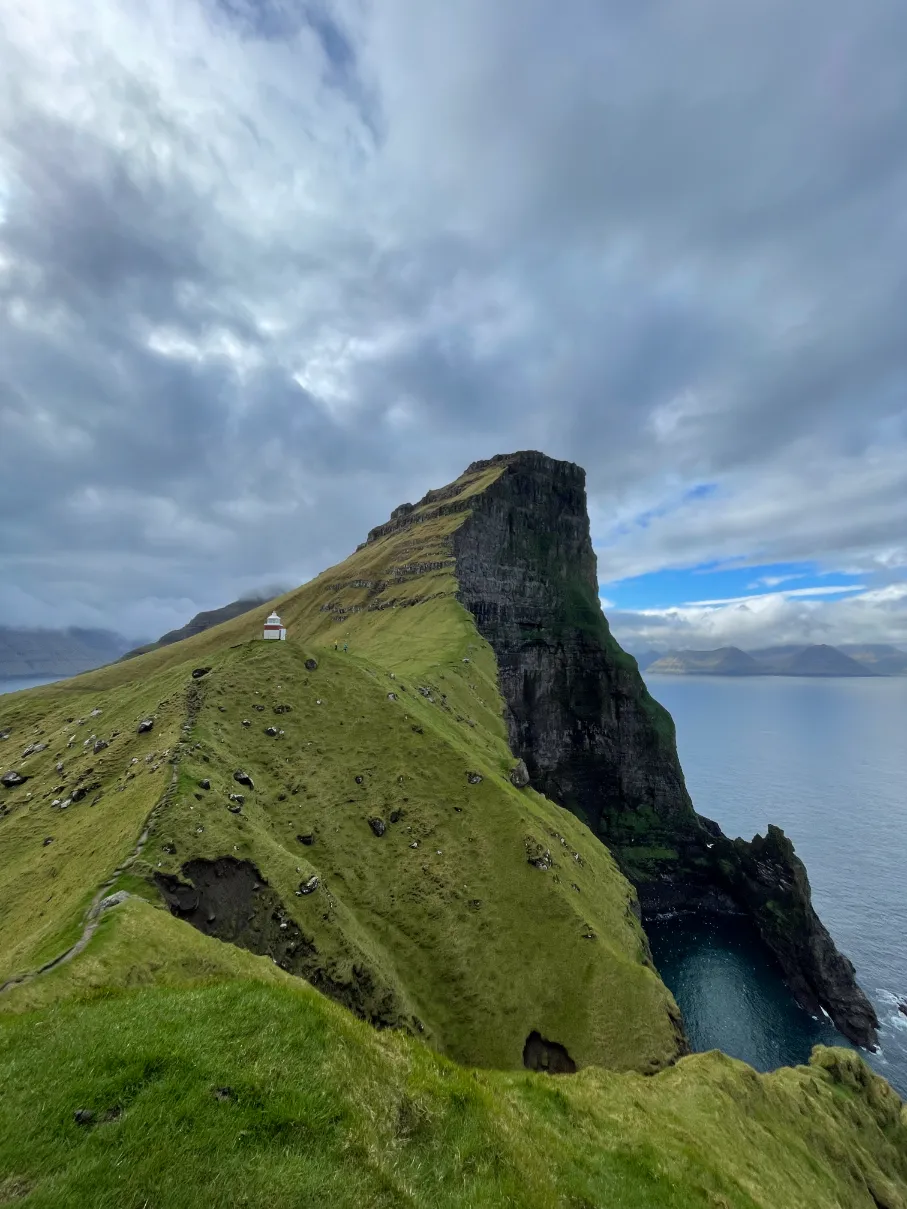
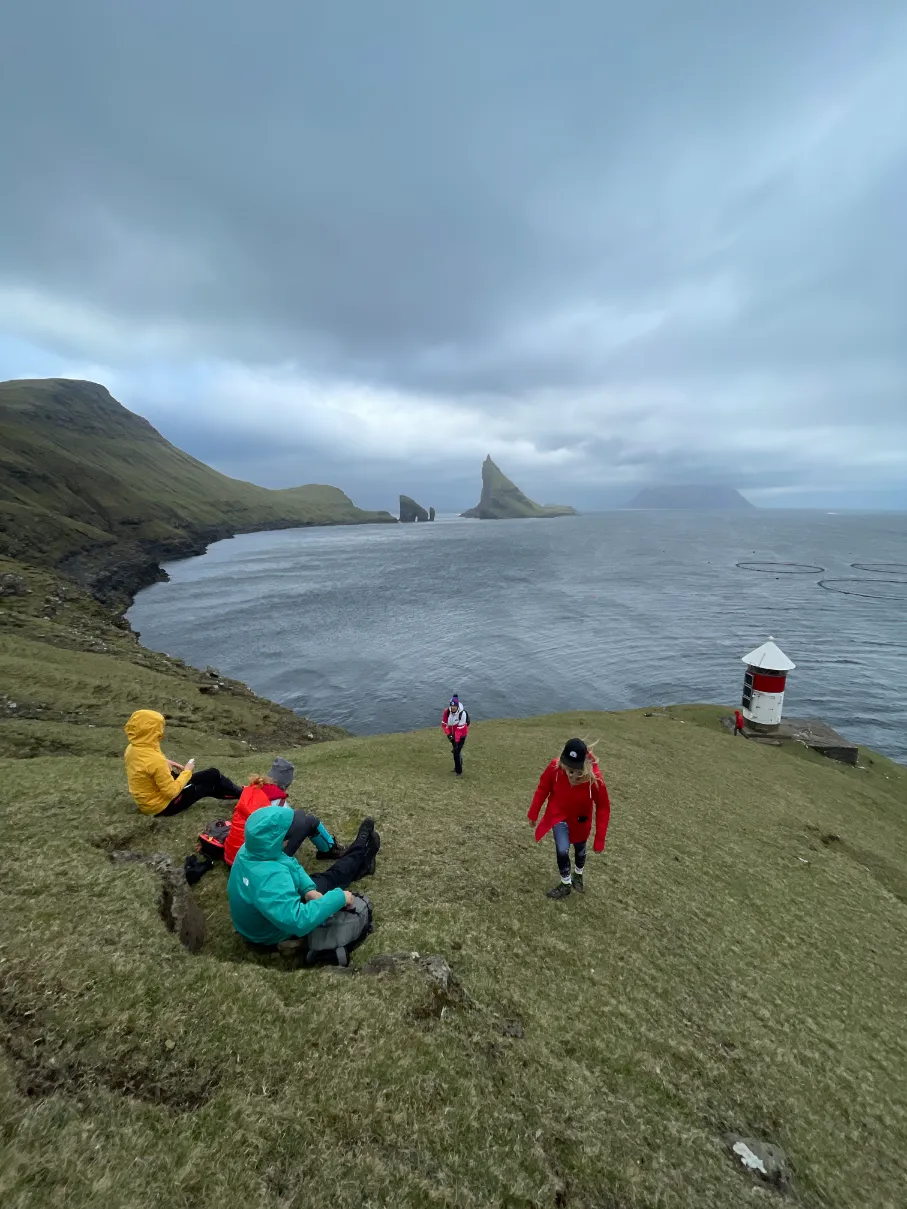
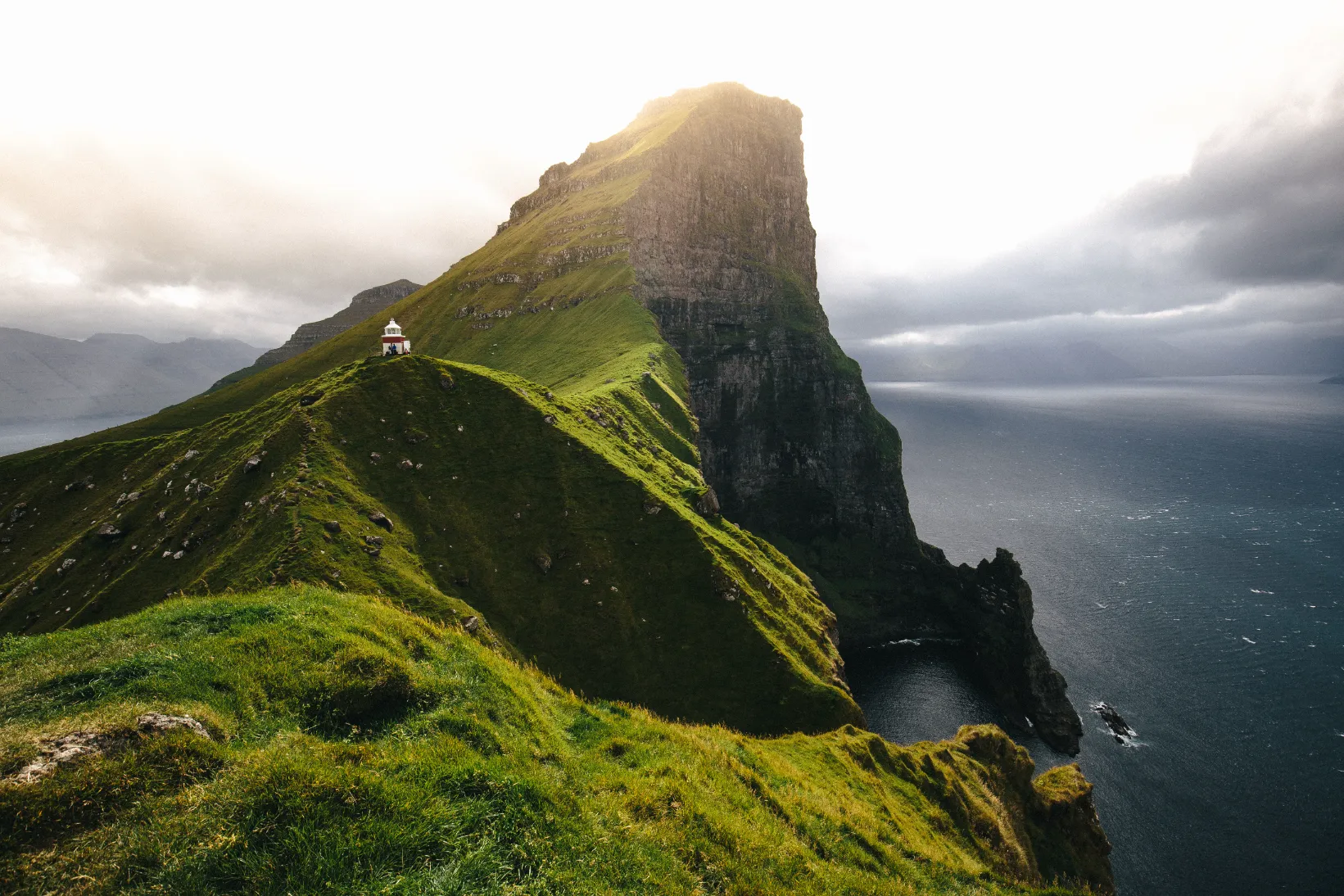
Kalsoy is a different beast entirely. It is a narrow ridge of drama, with the Kallur lighthouse perched on its northern tip between sheer drop-offs. The trail to the lighthouse follows the spine of the island, with the ocean roaring on both sides. The wind can be so fierce you'll find yourself walking at an angle. But the view from the lighthouse—boundless ocean, vertical cliffs, and seabirds gliding at eye level—is one of those sights that sticks with you. Not just for its raw beauty, but for the feeling of standing at the very edge of the earth.
Drangarnir: The Trek Worth Every Step
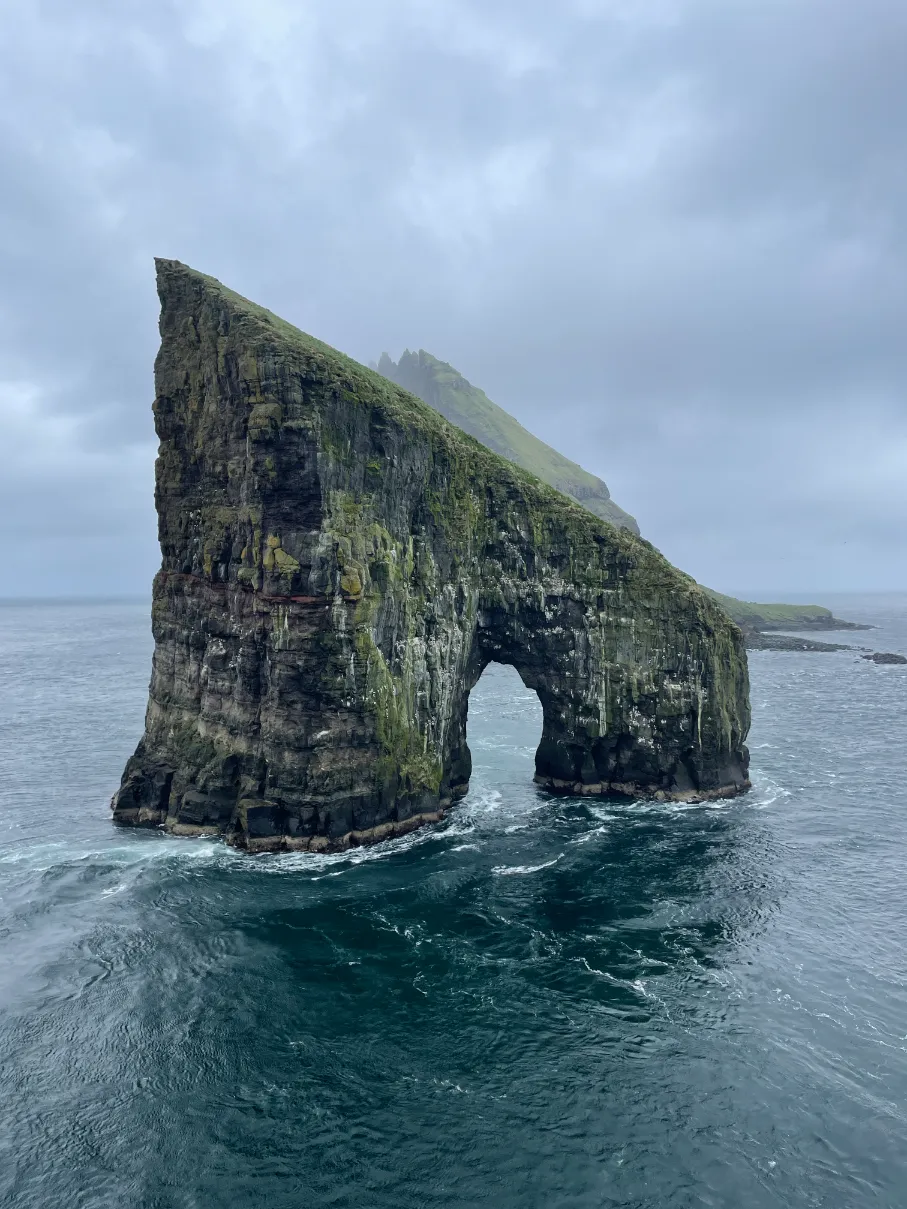
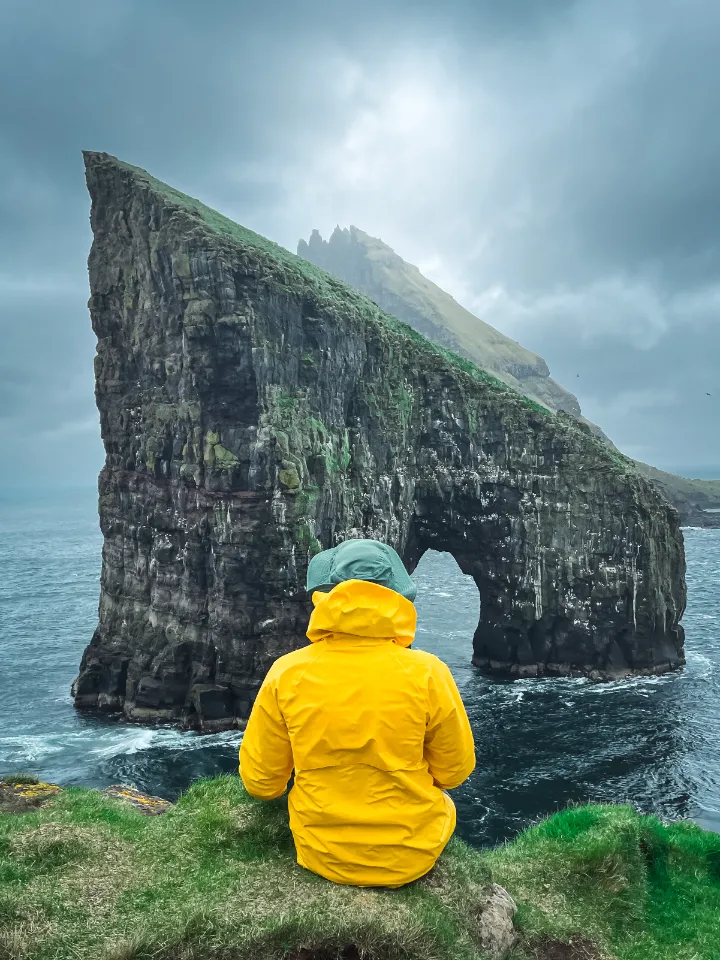
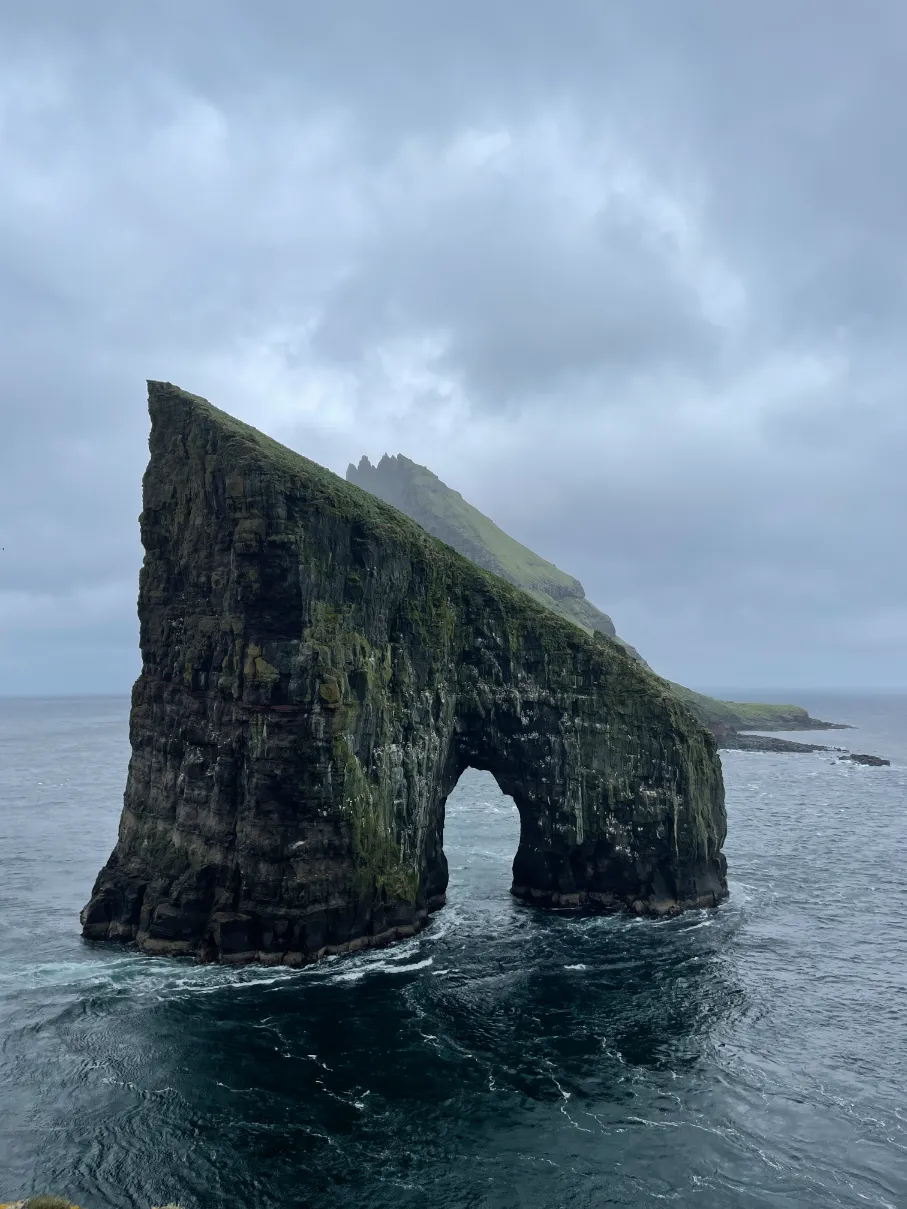
The hike to Drangarnir takes about 5 hours round trip and requires a decent level of fitness. Starting from the village of Sørvágur on Vágar island, the trail leads towards two colossal sea stacks standing defiant between the coastline and the islet of Tindhólmur.
Stóri Drangur and Lítli Drangur together form a massive natural archway, perhaps the most captured landmark in the Faroes. But photos fail to convey the scale. When you stand on the wet grass and watch the swell crash through the arch while seabirds circle overhead, you realize how small you are—and how incredibly alive.
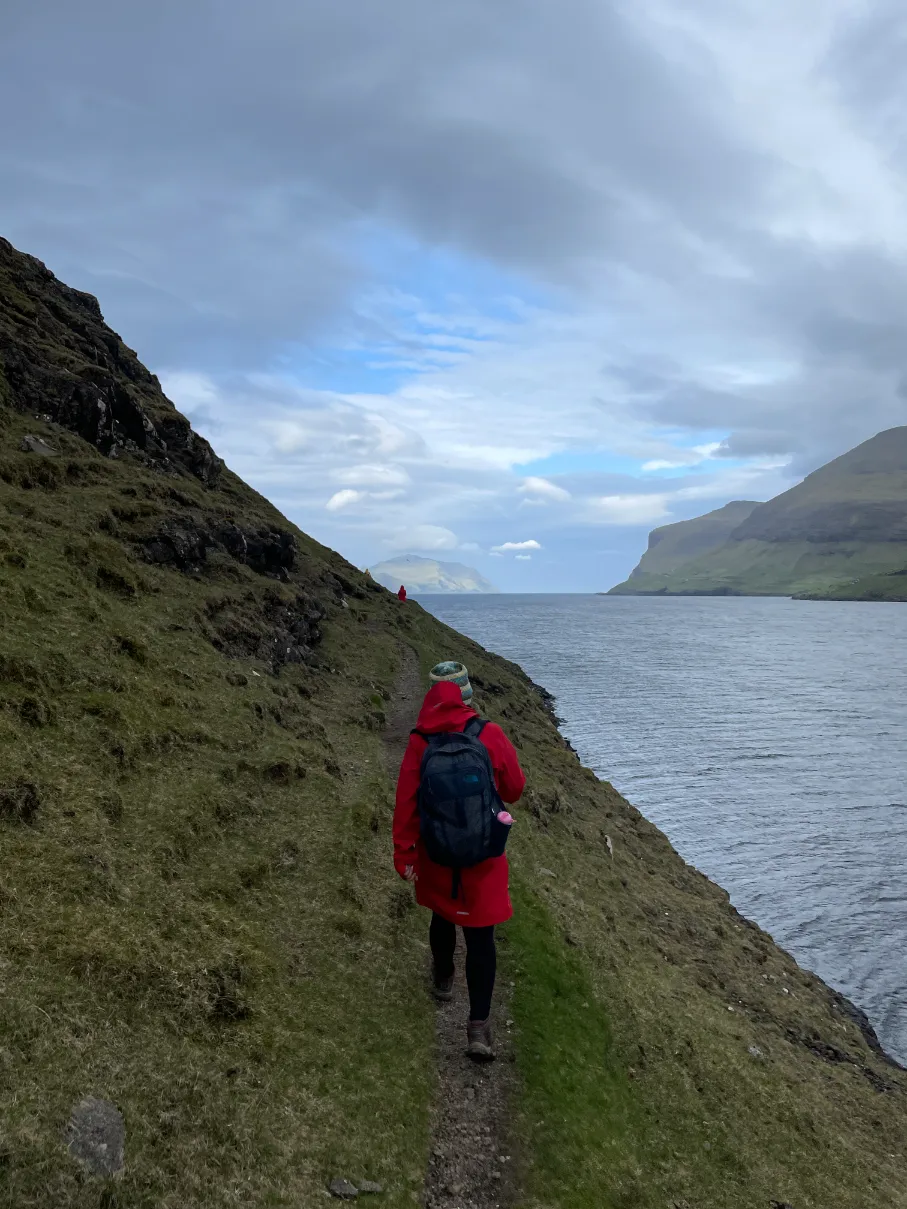
This is no casual walk. You will navigate pathless terrain, steep muddy slopes, and open wind. But with sturdy boots, a technical shell, water, snacks, and a camera, you have everything you need. The moment you crest the final ridge and see Drangarnir rising from the sea is a moment you earn with every single step.
The Final Days: Slowing Down
The Faroe Islands know when to quieten down. After days of hiking, ferry rides, wind, and adrenaline, your final days are for breathing it all in. Immerse yourself in an outdoor hot tub with views over the emerald hills. Hot water, chilly air, steam rising to meet the mist. The contrast of the hot water against the cold wind on your face is so simple and so perfect you'll wonder why you don’t live like this more often.
Tórshavn deserves a second look—this time, much slower. Treat yourself to dinner at KOKS or another local kitchen celebrating wild, seasonal Faroese ingredients. Or simply enjoy a quiet coffee by the harbour.
On your departure morning, as the car winds its way back to the airport, you watch the landscape roll by. Green slopes, sheep, fog, ocean. The islands remain completely unchanged. You, however, are different.
As the plane climbs through the clouds, the 18 islands slowly shrink into green flecks in a vast grey ocean. In seconds, they disappear from view. But you carry the sound of the wind, the scent of wild turf, and the chill of ocean spray with you. The Faroe Islands don’t send you home with ordinary souvenirs. They send you back with a quietness that you’ll find yourself missing from the moment you land.
Author: Martin Bonov
Other articles about Faroe Islands