The Most Beautiful Hiking Trails in the Faroes

The Faroe Islands offer unforgettable hiking trails that reveal the wild beauty of nature. Discover the most impressive paths and immerse yourself in the power of these rare lands.
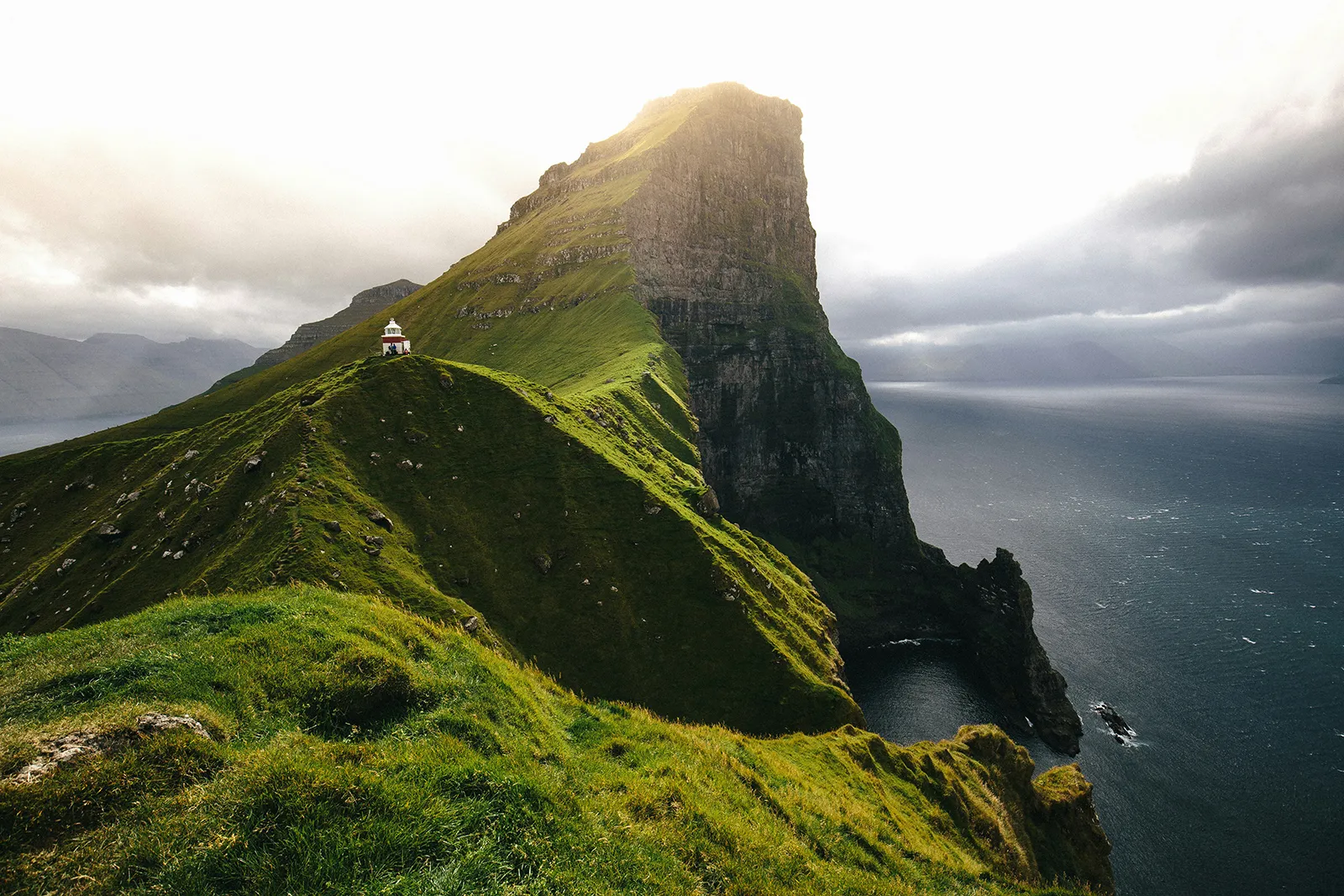
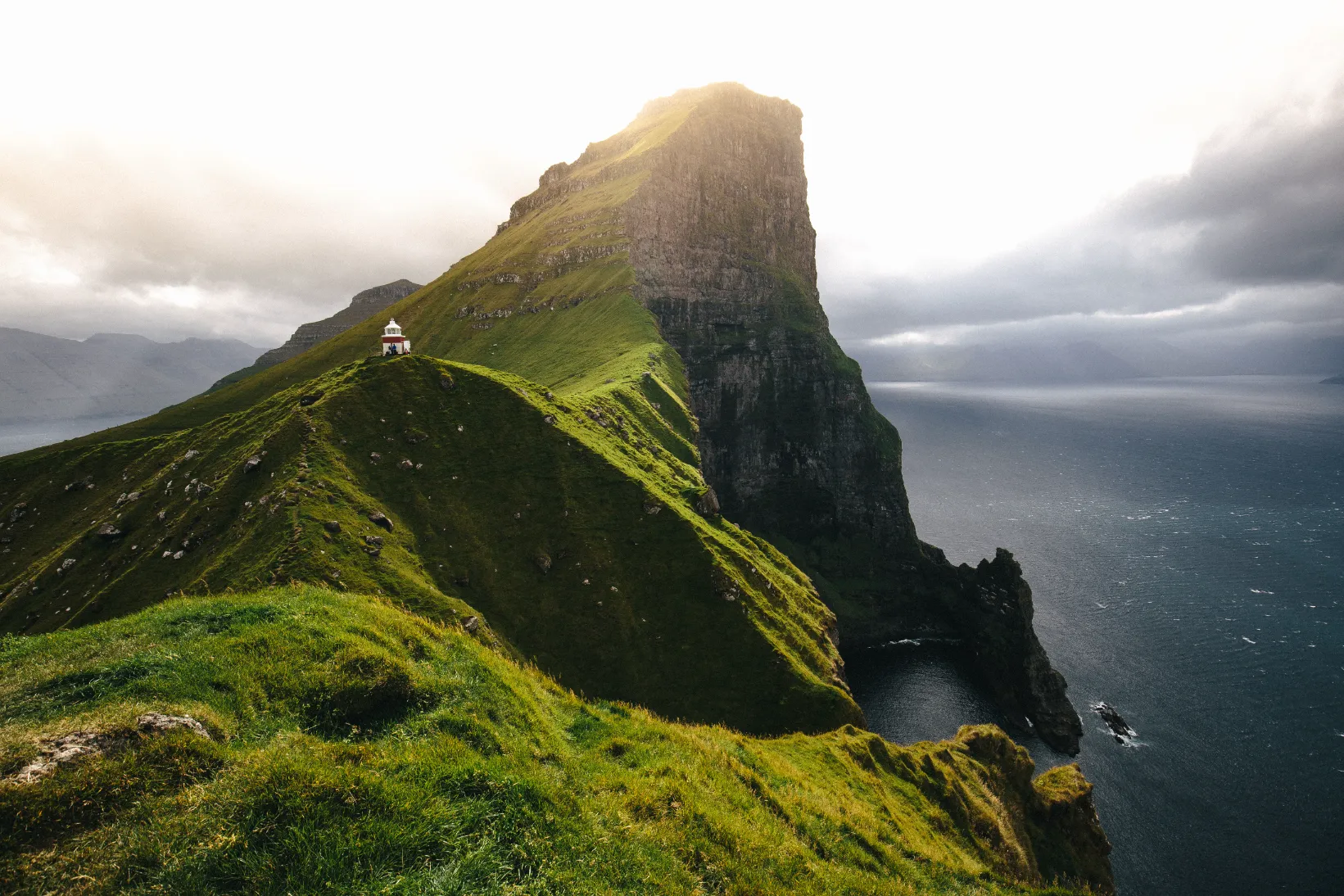
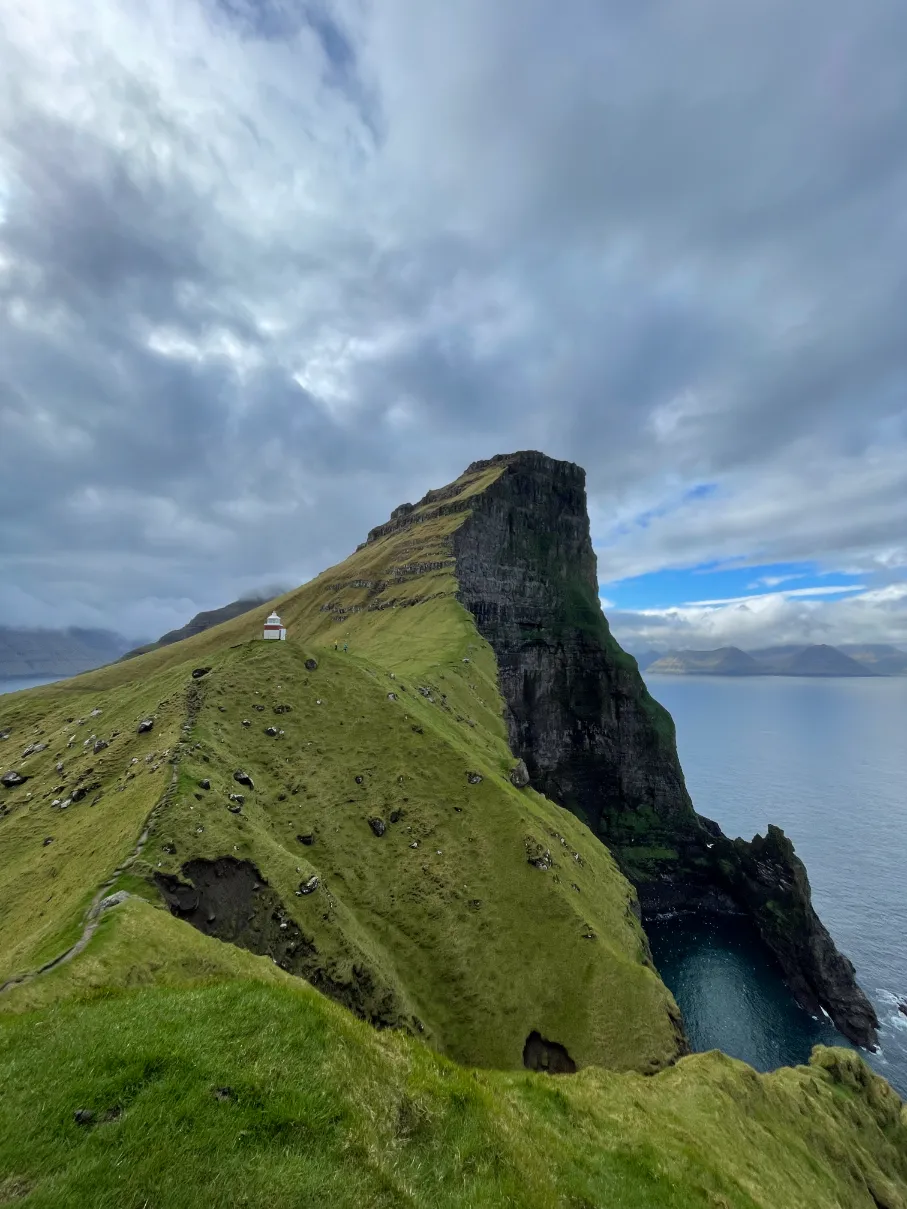
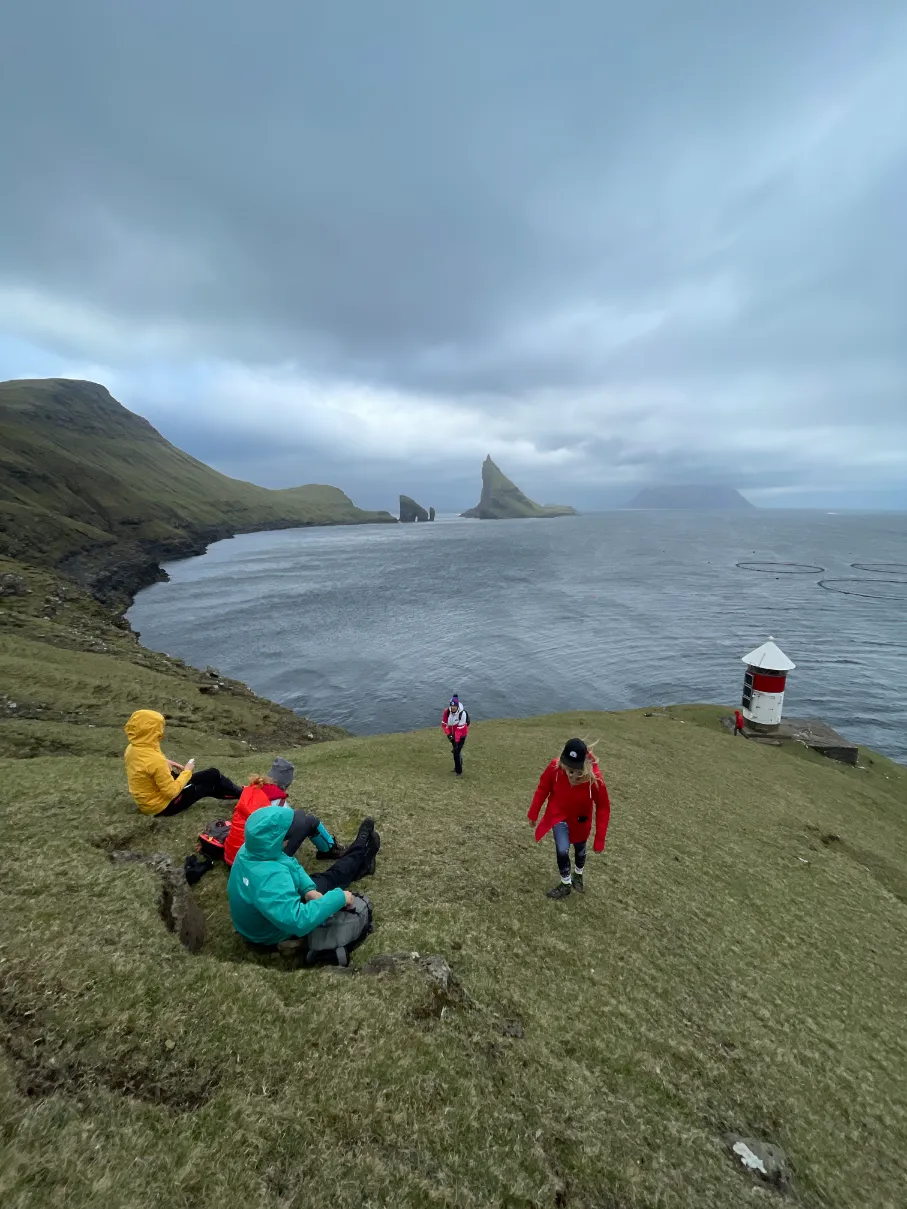
Mountain landscape with a lighthouse on Kalsoy Island, Faroe Islands; green hills under a cloudy sky.

The Faroe Islands aren’t crafted for those seeking everything neat and predictable. They are for seekers of the wild, of the wind, of steps that lead to endless horizons. And the best way to truly feel them is on foot – step by step, along ancient paths, rocky edges, through mists and sunshine.

Here are some of the most beautiful routes in the Faroes — trails that will leave an imprint not only on your boots but also in your heart.

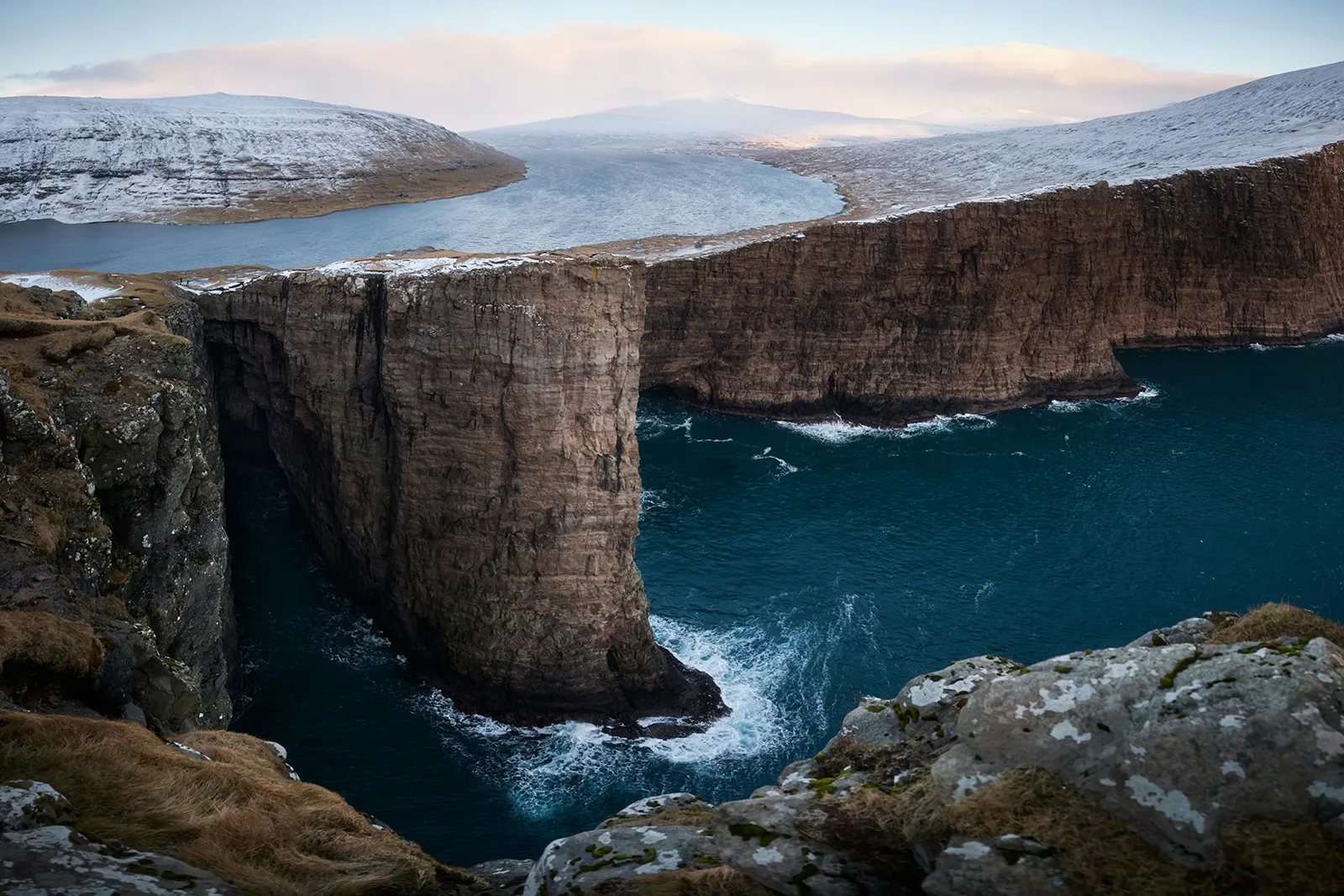
The Sørvágsvatn Lake Walking Route

  • Duration: around 3–4 hours (total)

  • Difficulty: easy to moderate

This route begins alongside the largest lake in the Faroes and ends with one of the most spectacular views in the world – where the waters of Sørvágsvatn seem to spill over the cliffs into the bottomless ocean.

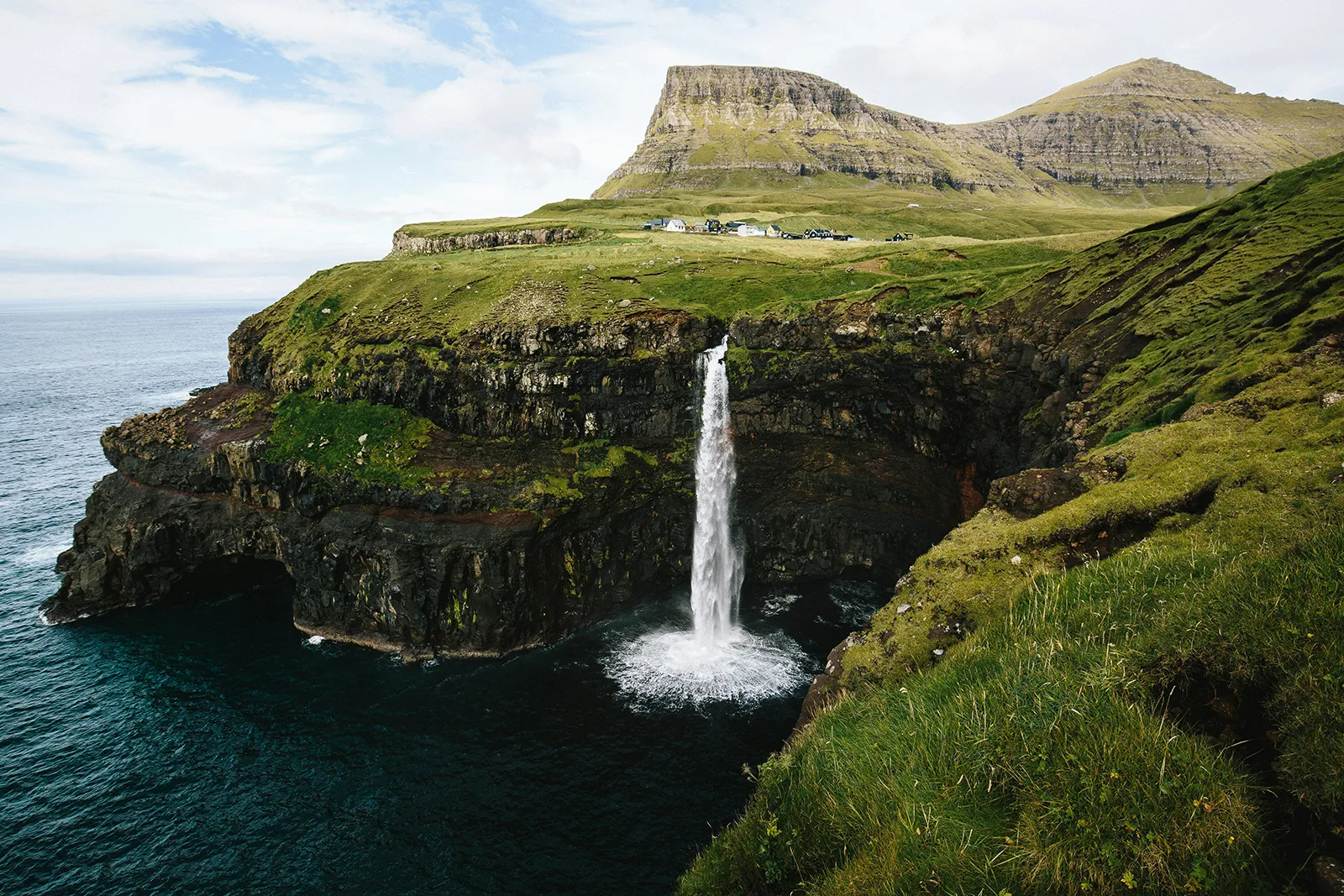
The Walk to Múlafossur Waterfall and Gasadalur

  • Duration: around 2–3 hours

  • Difficulty: easy

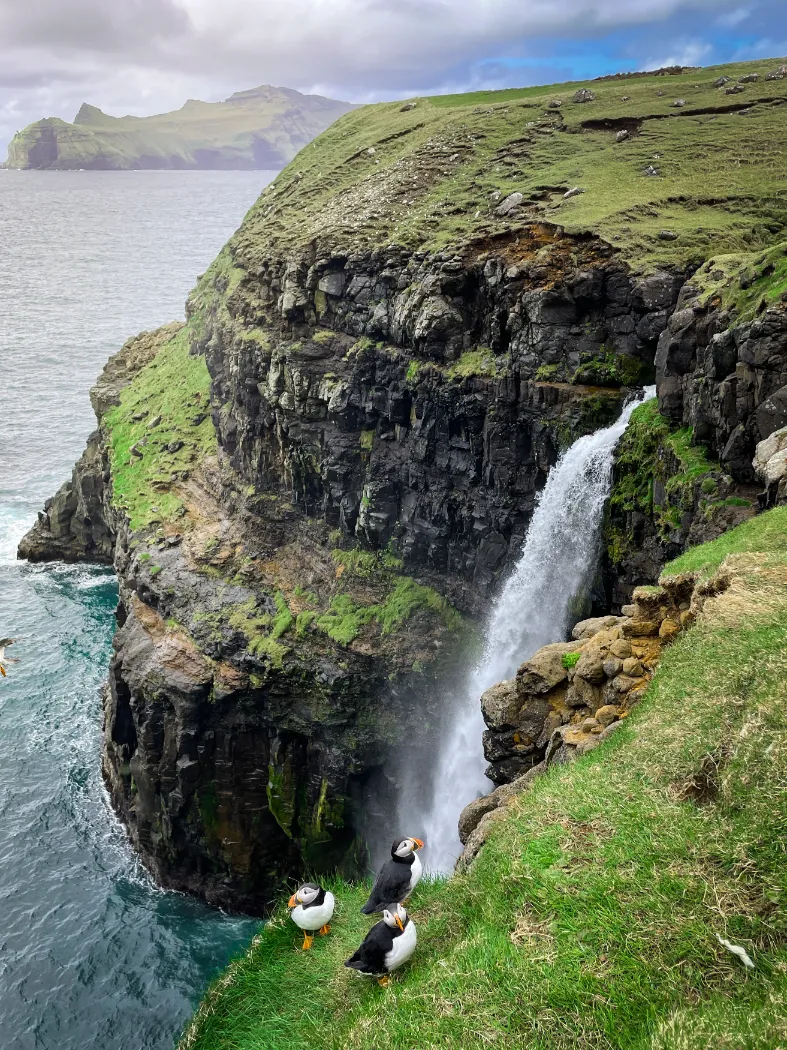
If you want the thrill of walking towards the world’s end, this is your route. The village of Gasadalur is hidden among high mountains and reveals the Múlafossur waterfall, cascading directly into the ocean like a white ribbon on the edge of the world.

Kalsoy – The Path to Kallur Lighthouse

  • Duration: about 2 hours (round trip)

  • Difficulty: moderate

This route takes you to one of the most iconic lighthouses in the Faroes. The path winds over grassy hills, breathtaking ridges, giving you the sensation of walking on the earth’s back, while the wind dances around you.

The Old Path between Bøur and Gásadalur

  • Duration: around 2 hours

  • Difficulty: easy to moderate

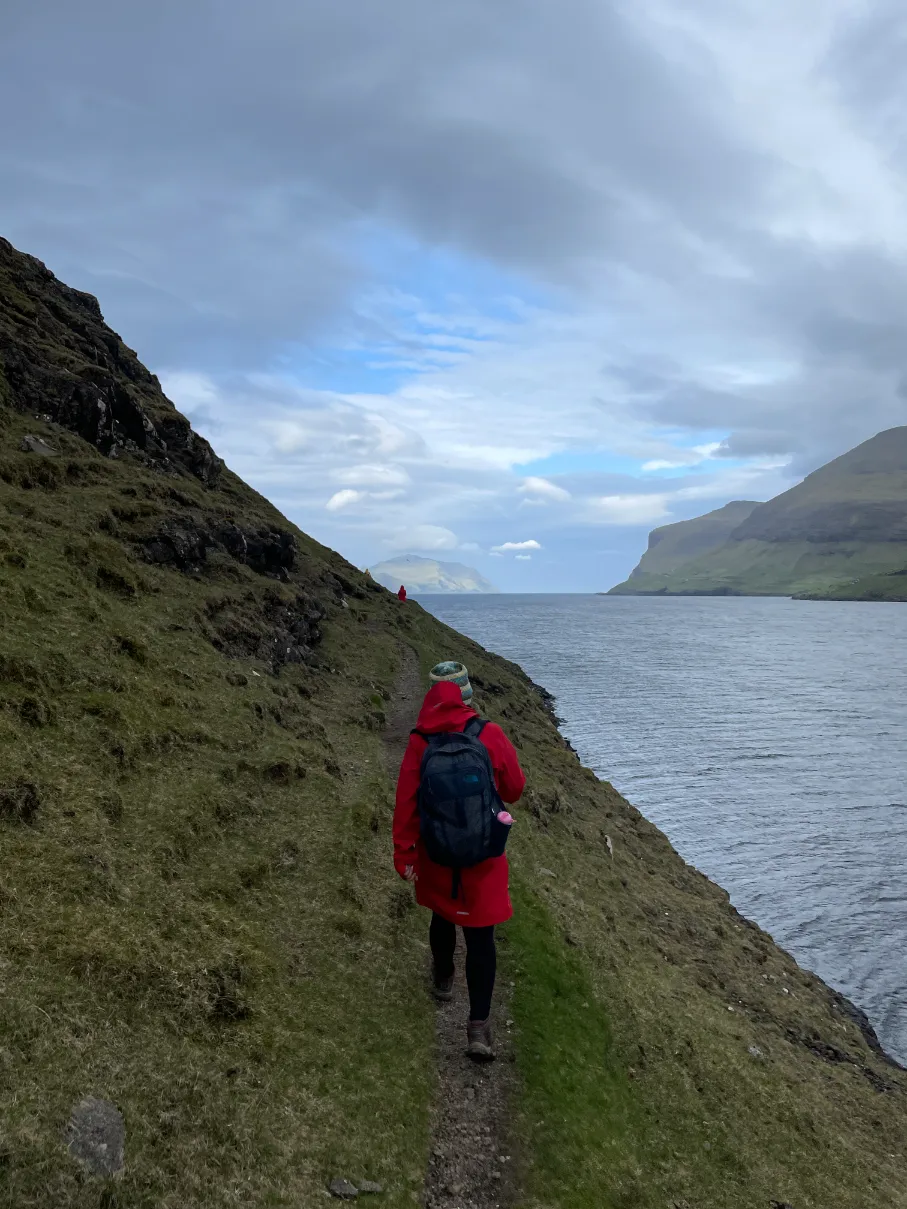
An ancient stone path, used before the tunnel was built. A quiet route, with views of dramatic fjords and the Atlantic, where time just stands still.

Tjørnuvík to Saksun

  • Duration: 5–6 hours

  • Difficulty: hard

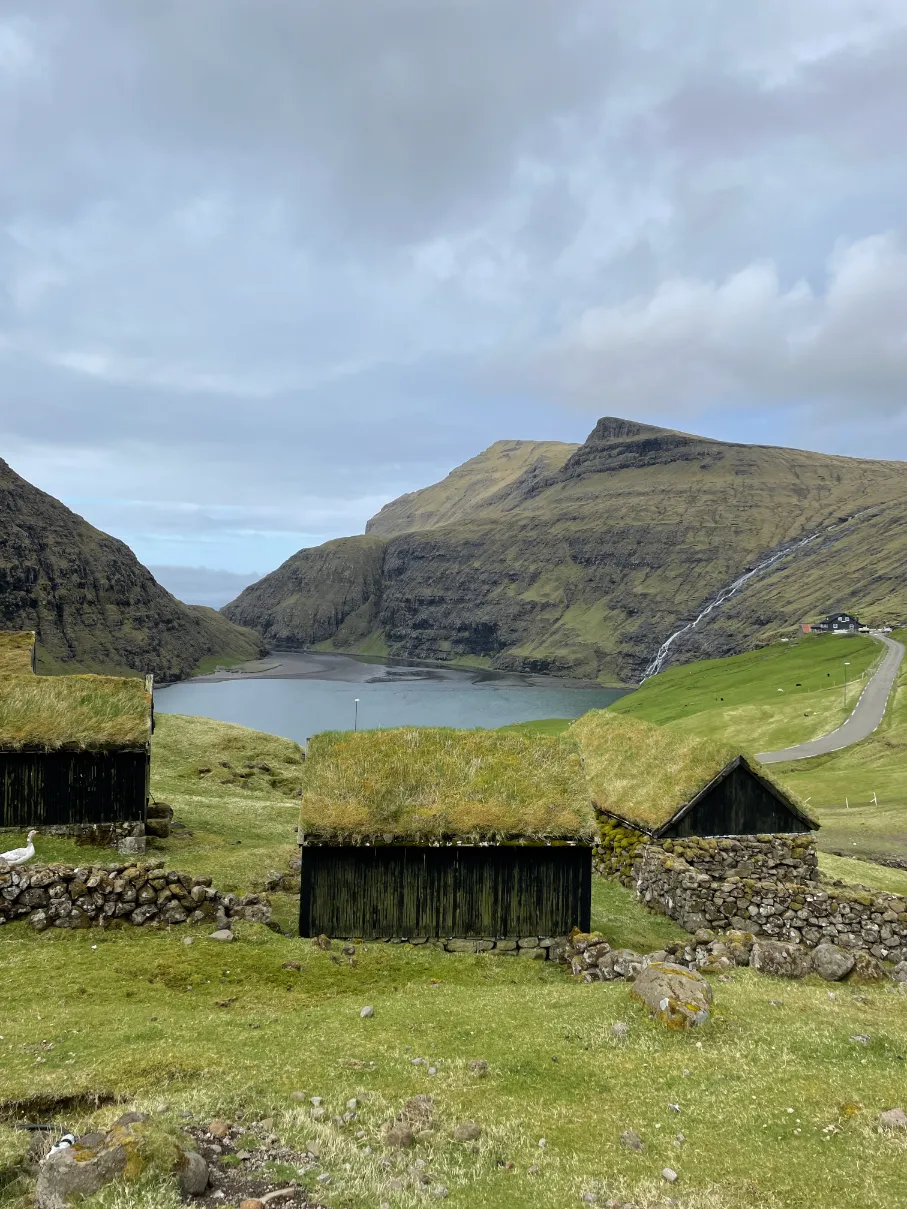
One of the most challenging yet beautiful hikes. It leads through wild hills and descends into the magical village of Saksun with its lagoon and sandy beaches. Only for adventurers who love the feeling of infinity.

Mykines – The Puffin Island

  • Duration: around 3–4 hours

  • Difficulty: moderate

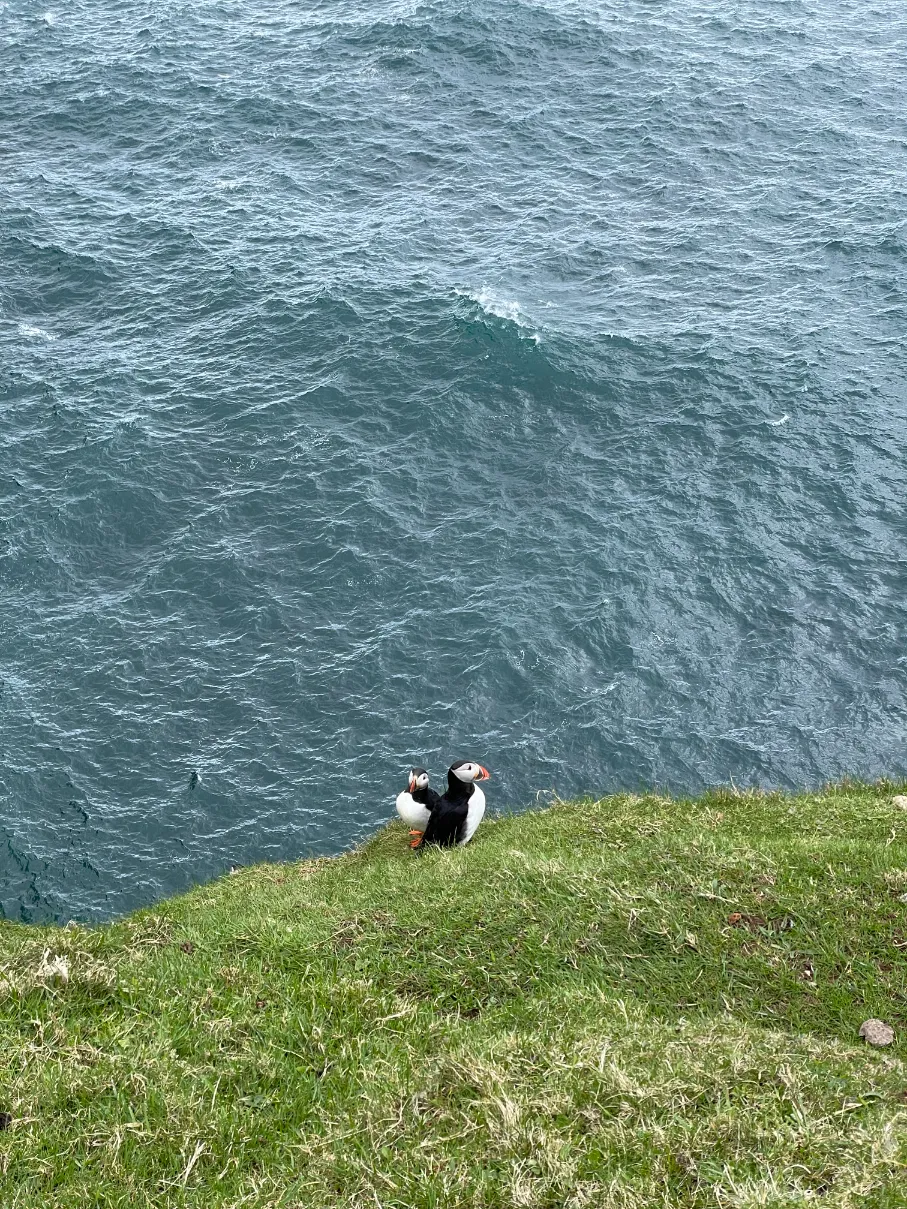
A walk on this remote island feels like stepping back in time. The puffins, the wind, the cliffs, and the lighthouse at the world’s end will give you memories that never fade.

How to Prepare for Hikes in the Faroes?

  • Dress in layers – the weather changes literally in minutes.

  • Bring waterproof shoes – the terrain is often wet, muddy, and slippery.

  • Carry food and water – there are many places where you can’t resupply.

  • Keep an eye on the forecast – and be ready to alter your plans if necessary.

The Faroe Islands – Where Every Step is a Discovery

These lands do not reveal themselves easily. They want you to feel them slowly, with your steps, your breath, with an open heart. And when you do, you’ll discover not just beauty. You’ll find silence, strength, and that rare feeling of being part of something bigger.

Join Panic Frame & Travel and let’s walk the paths of the Faroe Islands together — where every step is a meeting with the world as it’s always been: wild, beautiful, and endless.

More About the Faroes

The Lake Above the Ocean - Sørvágsvatn  |  The Faroes – A Paradise of Silence

Explore

Destination Faroe Islands  |  Hiking Trips

Author: Martin Bonov

Recommended from our blog

Recommended from our blog

Sørvágsvatn in the Faroe Islands is a lake that appears to be hanging above the ocean. It's an optical illusion created by steep cliffs, tricking your mind and making your eyes take a second look.

The Faroe Islands offer a rare haven for seekers of silence, where nature whispers and the soul finds peace. Discover tranquility amidst misty mountains, endless horizons, and quiet villages.

You don't remember everything from a journey. You remember moments. Sharp, physical, sensory moments. The bite of cold on your cheeks. The smell of wet grass. The sound of a thousand beating wings. The Faroe Islands are full of these moments, but five of them cut deeper than the rest.

The ferry pulls away from Klaksvík. Twenty minutes across water that is cold, dark, and restless. Kalsoy island looms ahead, a narrow, steep silhouette rising like a blade thrust into the ocean. You don't know what waits on the other side. You only know that, for the first time in ages, you are somewhere that feels entirely off the map.

The first thing you realise about the Faroe Islands is that the landscape isn't just a backdrop. It's a character in its own right. The cliffs speak, the fog directs, and the light decides what you get to see and when. You are a spectator in a theatre that has run without intermission for millennia. Entry is free, but there is one condition: you must be patient.

The mist clears for three minutes. Exactly three. The waterfall materialises like a ghost, water tumbling straight into the ocean, the cliffs gleaming with moisture, before the cloud rolls back in and swallows everything. The Faroe Islands don't wait for you to adjust your camera. Here, you shoot when the light decides, not when you do.

You open your suitcase. Throw in a t-shirt, shorts, sunglasses. Then you check the forecast for the Faroe Islands: 8 degrees, 50 km/h winds, rain, fog, a fleeting moment of sunshine, then more rain. You close the suitcase. And you start all over again.

The morning brings sunshine. By noon, thick fog. The afternoon, rain. By evening, the sun is back, but at a different angle, piercing through clouds that race so fast your eyes can barely keep up. Then the wind hits, stopping you dead in your tracks. Then silence. Then rain again. All of this in just eight hours. On the Faroe Islands, the weather isn't just something you adapt to. It is a co-author of your adventure.

You step off the plane and the wind hits you right in the chest. Not metaphorically. Literally. The air is salty, damp, and cold in a way that isn't unpleasant, just different. Everything around you is green, but not like a forest. It's green like a blanket thrown over cliffs that vanish into the clouds. Tórshavn, the capital, has 22,000 residents and not a single traffic light. The Faroe Islands aren't a destination for 'top ten' bucket lists. They are a place you either feel in your bones, or miss entirely.

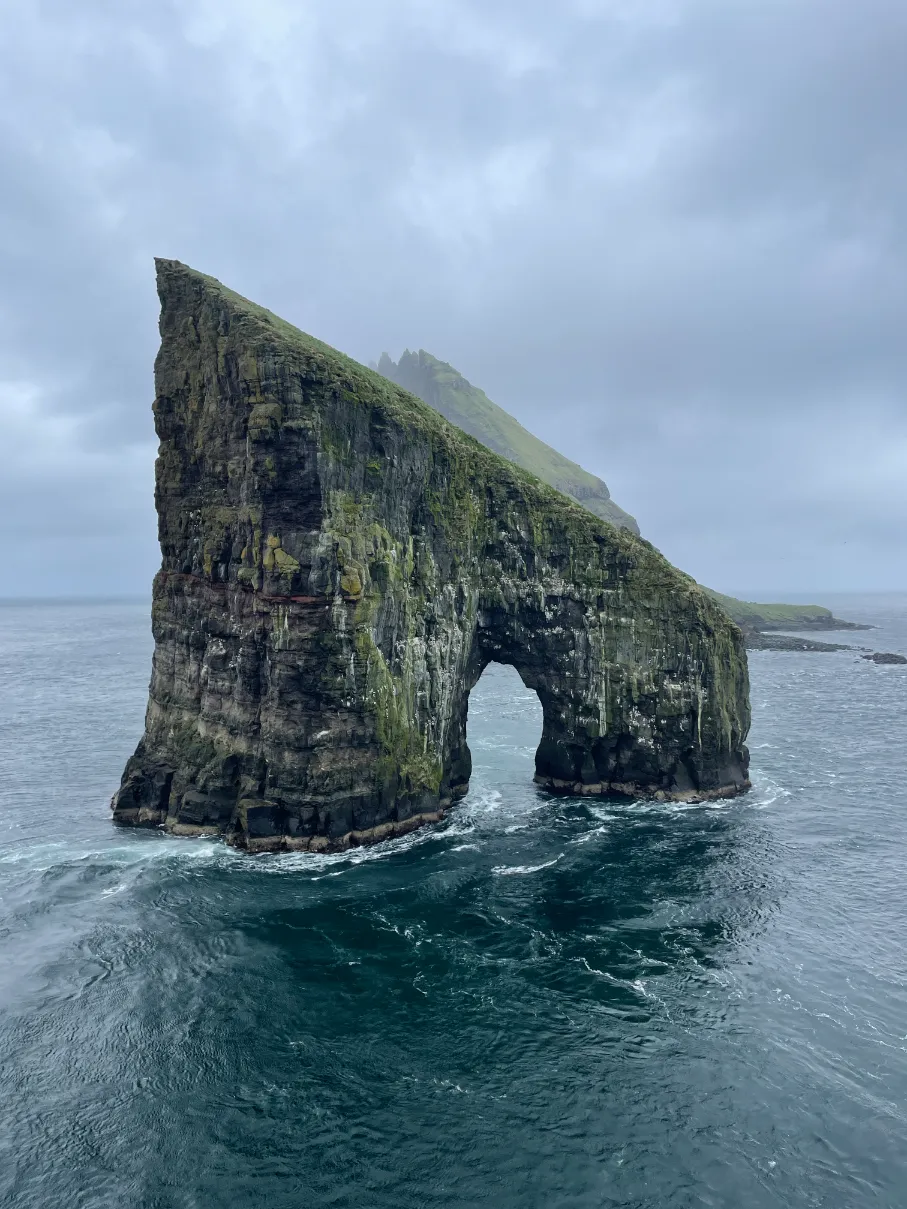
You don't know which ferry to catch. You don't know if Mykines will even be accessible tomorrow. You don't know where to park for the trek to Drangarnir, or how long it will take you. In the Faroe Islands, unpredictability is the law of the land, and logistics are a puzzle that changes by the day. With Panic Frame, the puzzle is solved. You just hike, explore, and capture the moment.

Everyone who returns from the Faroe Islands says the exact same thing. Not 'it was beautiful'. Not 'it was cool'. But something quieter, more bewildered: 'I can't describe it.' And they really can't. Because the Faroes are unlike anything your brain has to compare them to. They are a blank space in your map of the familiar.

A puffin is standing just half a metre from your boot. It looks at you with one eye, then the other. Its beak is a shade of orange so bright it looks painted on. It doesn't run. It doesn't panic. It just stands there, sizing you up with a quiet dignity you wouldn't expect from a bird the size of a pigeon. In the Faroe Islands, wildlife encounters don't happen in zoos or from the safety of a tourist jeep. They happen right on the trail, in the bay, on the road. No glass between you and the wild.

In the Faroe Islands, the animals don't hide. Sheep stand right on the road, holding your gaze. Puffins land just meters away. Seals bob their heads above the water, watching you with an inquisitive, almost polite curiosity. Out here, wildlife isn't something you go looking for. It's a world you simply step into.