A Photographer’s Guide to the Faroe Islands: Where and When to Shoot
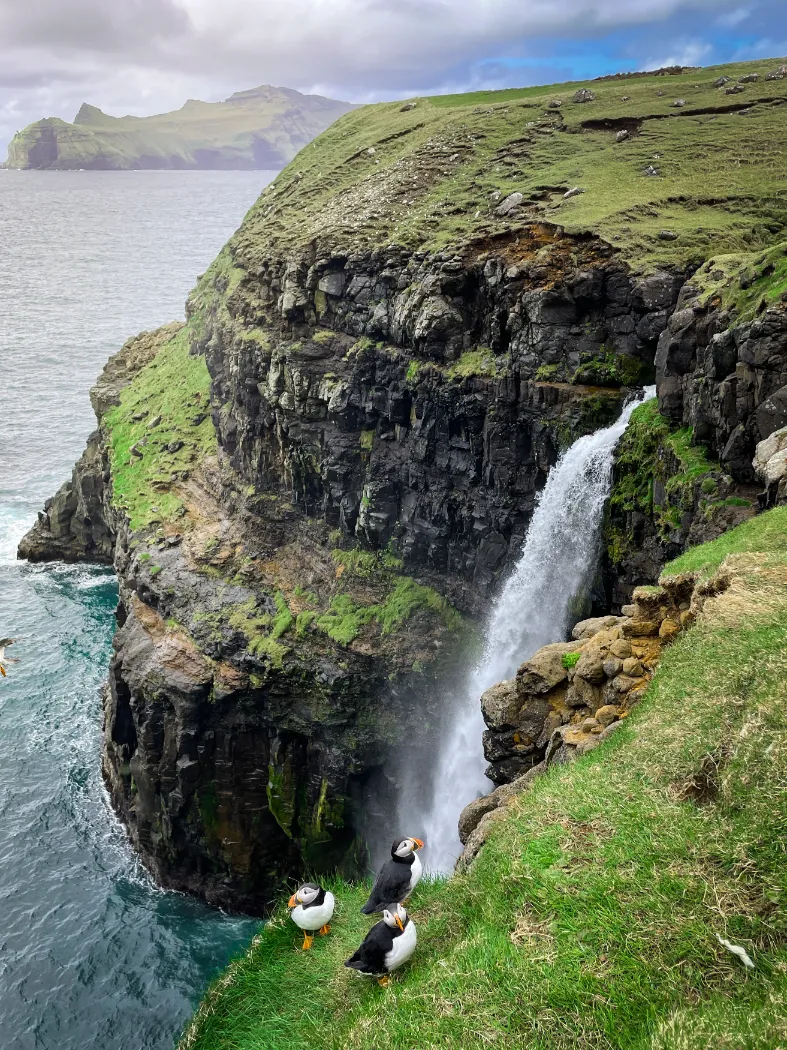
The mist clears for three minutes. Exactly three. The waterfall materialises like a ghost, water tumbling straight into the ocean, the cliffs gleaming with moisture, before the cloud rolls back in and swallows everything. The Faroe Islands don't wait for you to adjust your camera. Here, you shoot when the light decides, not when you do.
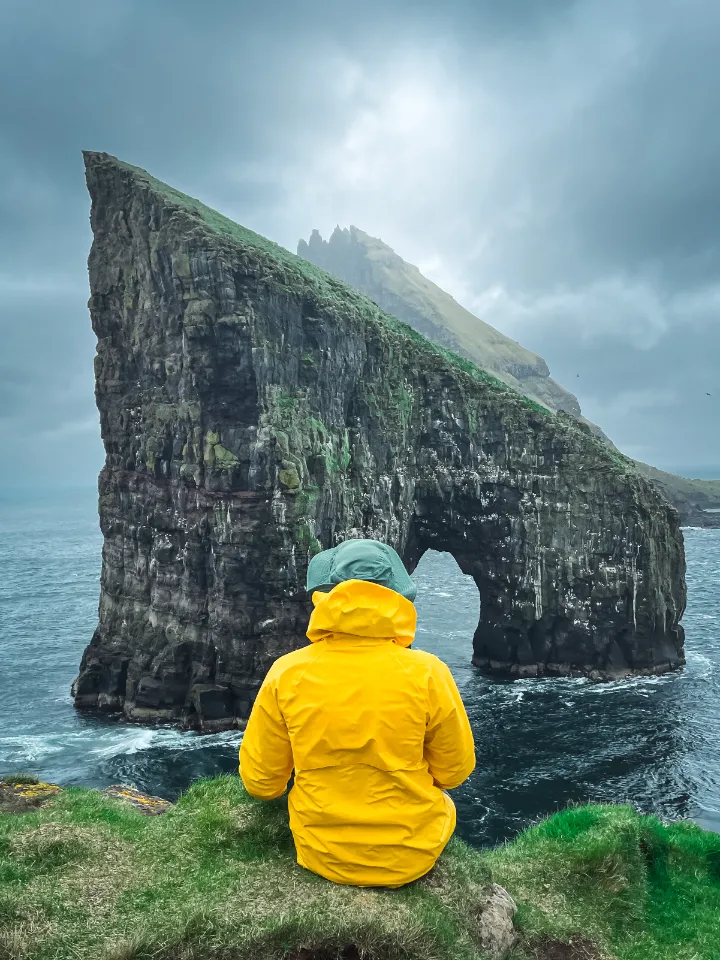
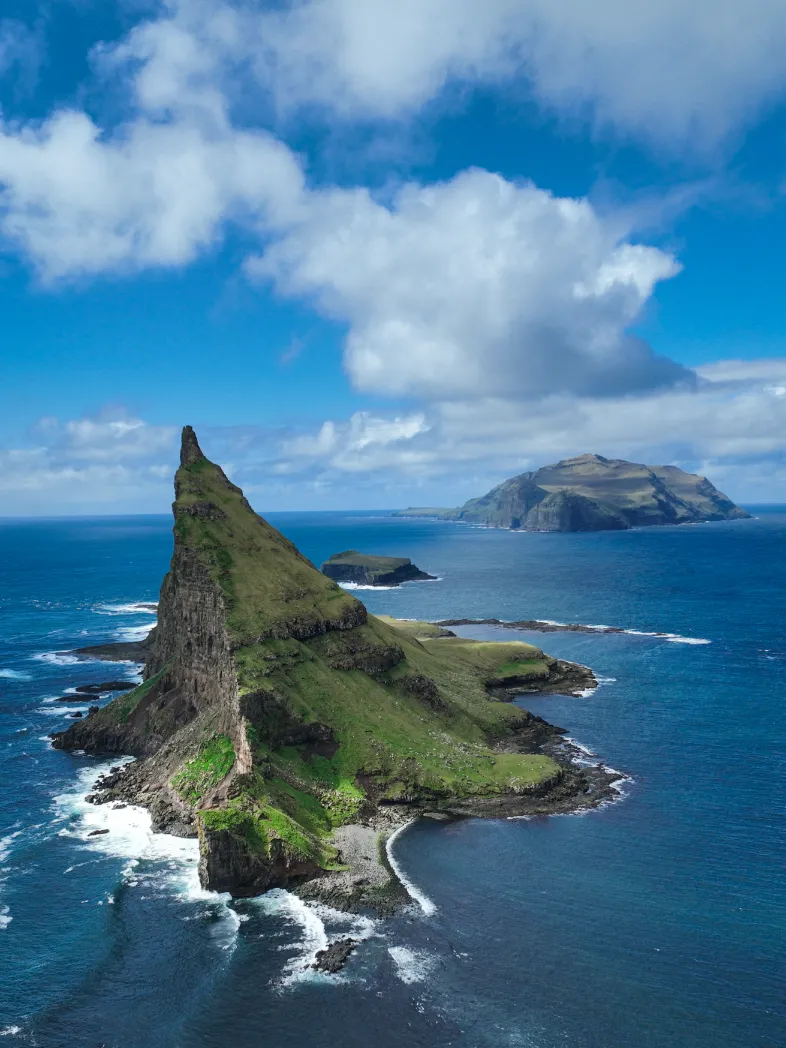
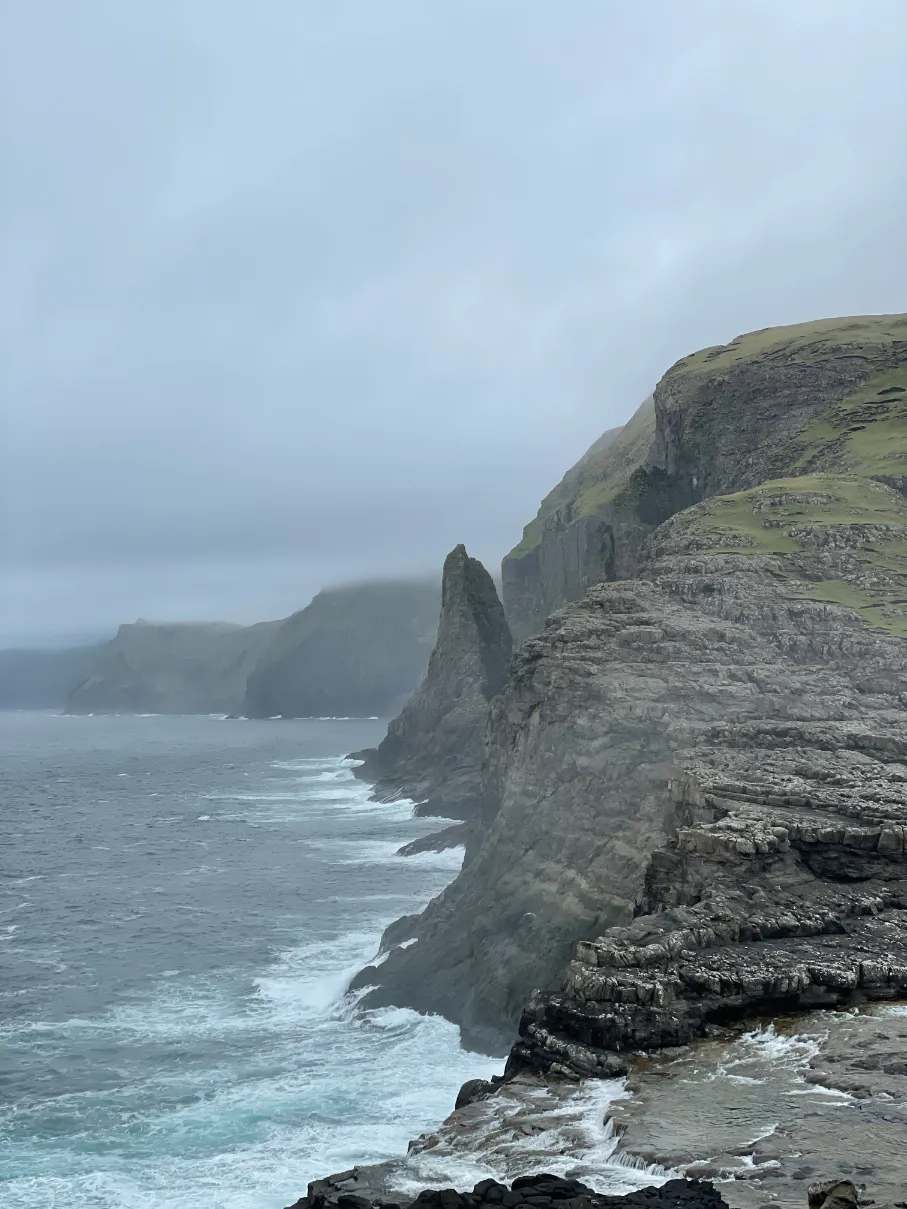
18 islands in the North Atlantic, between Norway and Iceland. Green slopes plunging into the ocean, waterfalls tumbling over the edge of cliffs, and fog moving so fast that the landscape shifts every twenty minutes. For a photographer, the Faroe Islands are both a paradise and a test of grit. The light is unpredictable, the wind relentless, and compositions are everywhere, literally around every bend in the road.
But that’s exactly the beauty of it. You aren’t here to chase the "perfect shot". You surrender to the elements and capture whatever the islands decide to reveal. Fog isn't a problem, it’s texture. Rain isn't an obstacle, it’s atmosphere. And the wind, bending the grass flat against the earth, is a design element you couldn't script if you tried.
Múlafossur: the waterfall that tumbles into the ocean
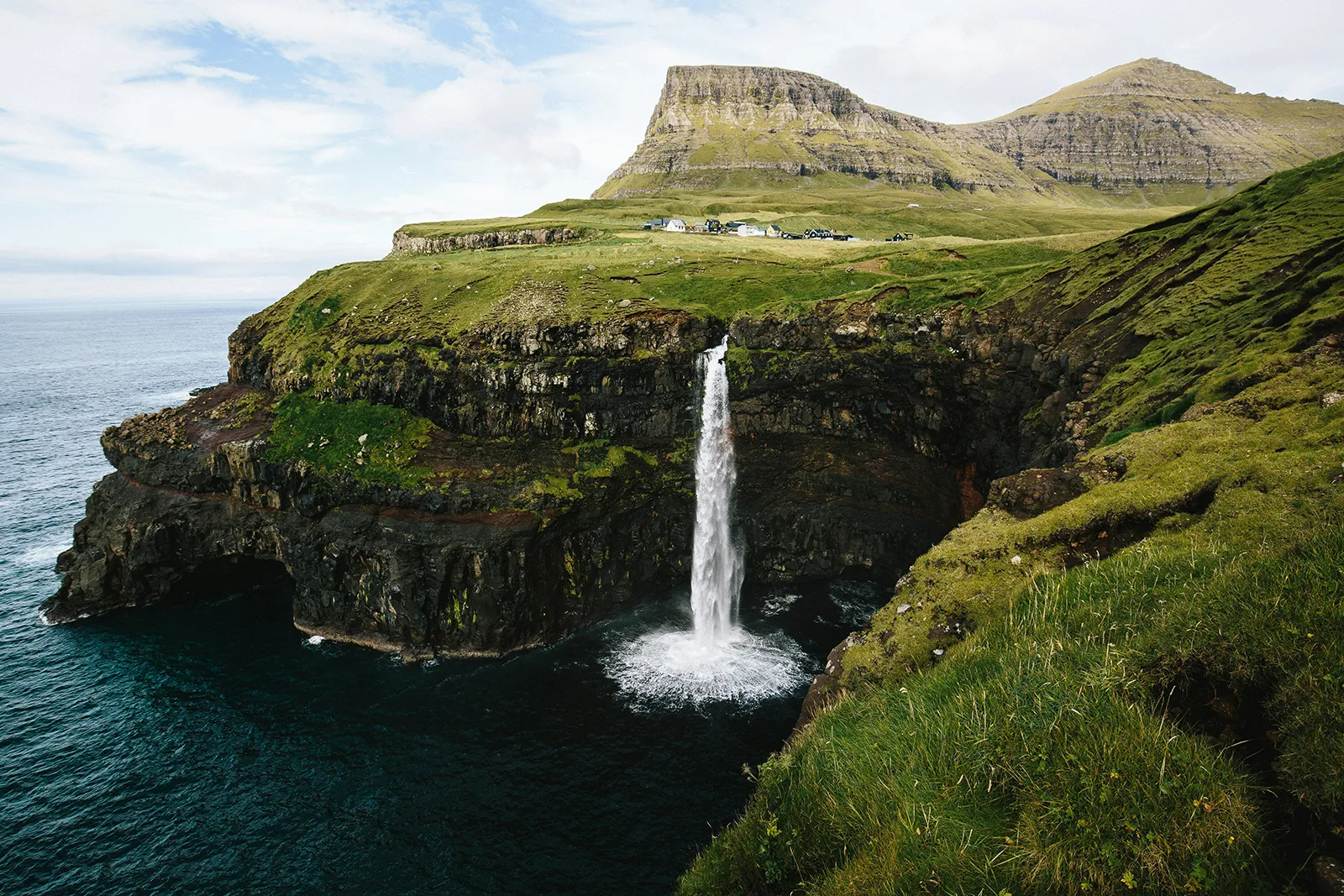
It’s the one photo everyone has seen. A waterfall spilling from the edge of a lush green cliff straight into the Atlantic. This is Múlafossur on Vágar island, and in person, it is just as surreal as it looks on your screen.
It's an easy 5-minute walk from the car park. But don't rush. The viewpoint from the west (facing the waterfall with the village of Gásadalur tucked behind it) works best under overcast skies or soft evening light. If the sun is low in the west, the water gleams like silver. If the fog rolls in low, you’ll only see the base of the waterfall and the ocean, while the top vanishes into the white. Both versions are stunning frames.
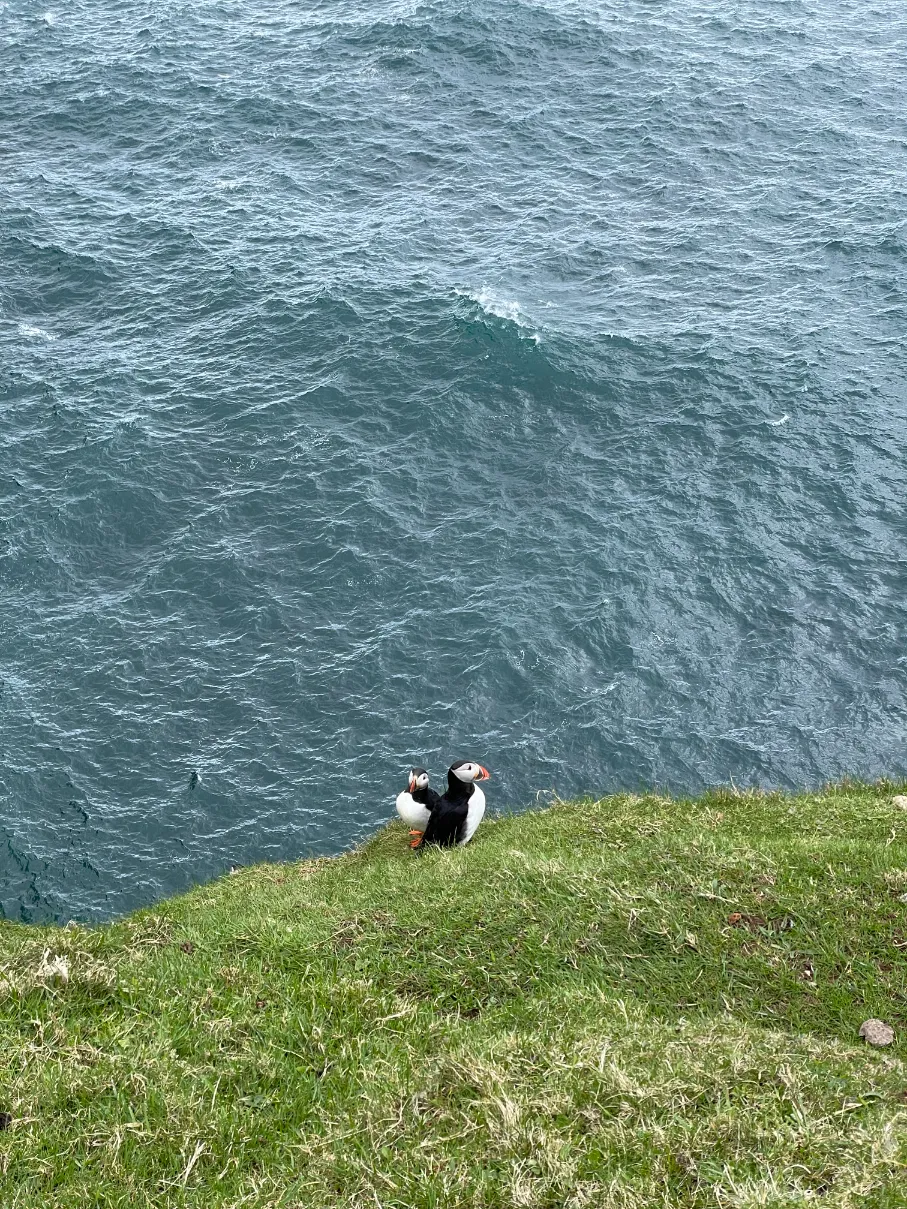
Lens choice: a wide-angle (16-35mm) to capture the scale of the cliff. But don't underestimate a 70-200mm for the details: the churning texture of the water, the rugged rock, the puffins sweeping past the cliff edge. A tripod is non-negotiable for long exposures, but watch out for the wind. Bring a heavy tripod or hang some extra weight on the hook, because the gusts here are no joke.
Sørvágsvatn: the lake hanging over the ocean
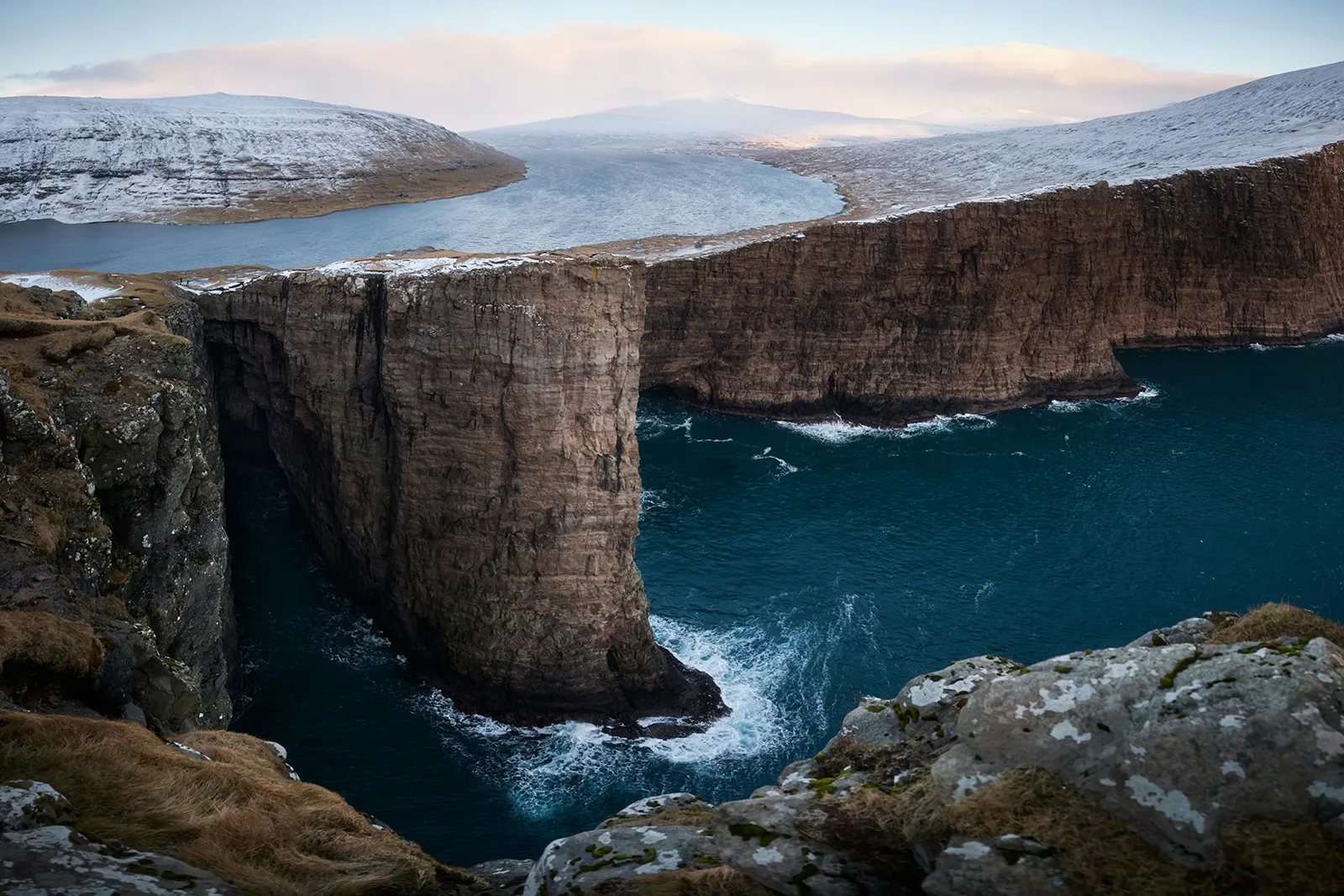
Sørvágsvatn (or Leitisvatn, depending on who you ask) is the largest lake in the Faroe Islands. But it's not the size that captures the imagination. It’s the optical illusion: from a certain angle, the lake appears to float high above the ocean, even though it’s actually sititng about 30 metres above sea level.
The hike to the viewpoint takes about 45 minutes from the car park. The trail is straightforward, though it can get muddy after rain (and out here, it's always after rain). The finest vantage point is from the southern side, where you can frame the lake, the cliffs, and the crashing ocean below all at once.
Timing: dramatic, overcast skies are your friend here. Clear blue skies make the lake look ordinary. Fog that blankets the clifftops but leaves the lake visible is the ultimate jackpot. Shoot early in the morning or late in the evening when you have the trail to yourself. In summer, "late evening" means 22:00, with the light still soft and warm.
Kallur Lighthouse: the edge of the world
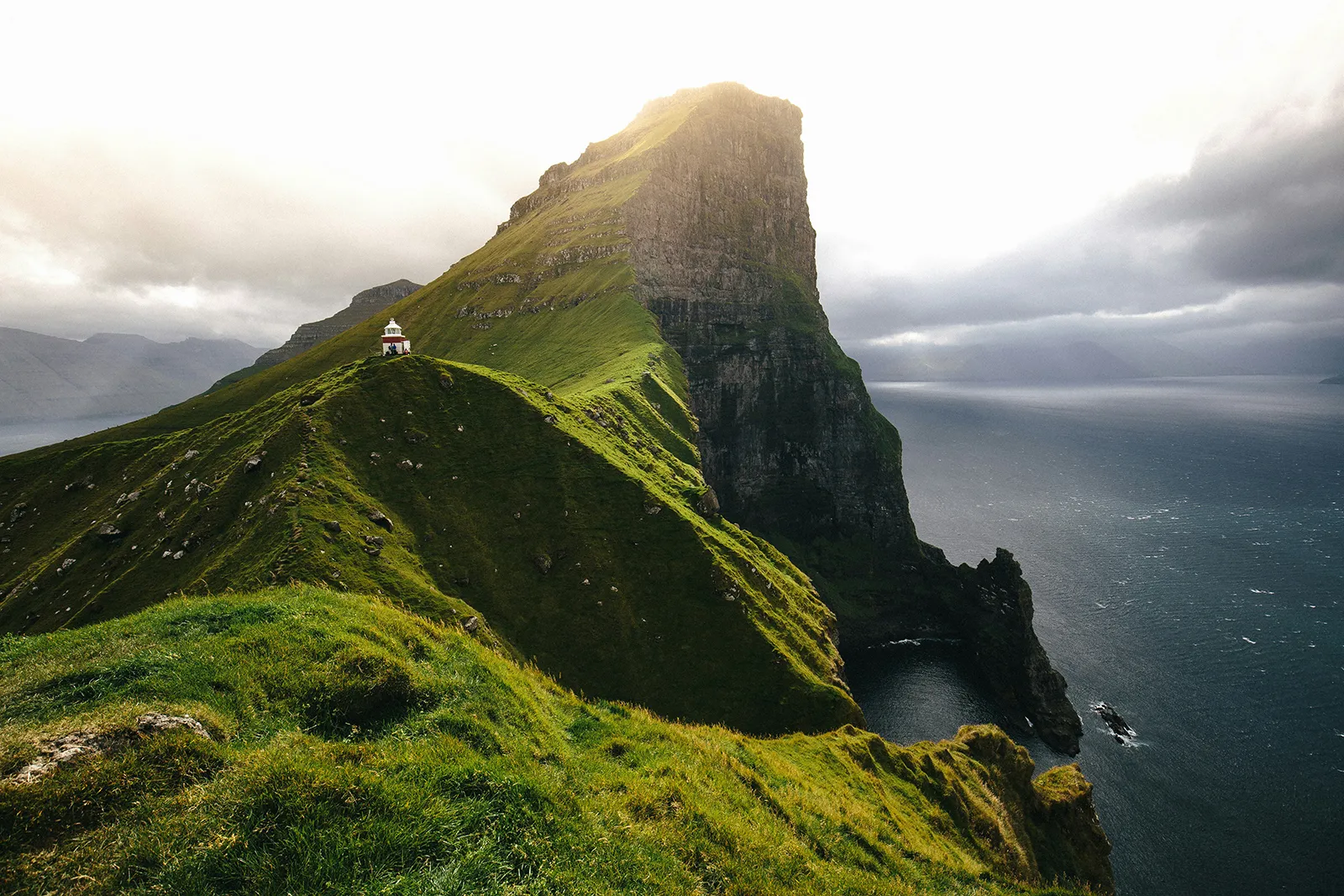
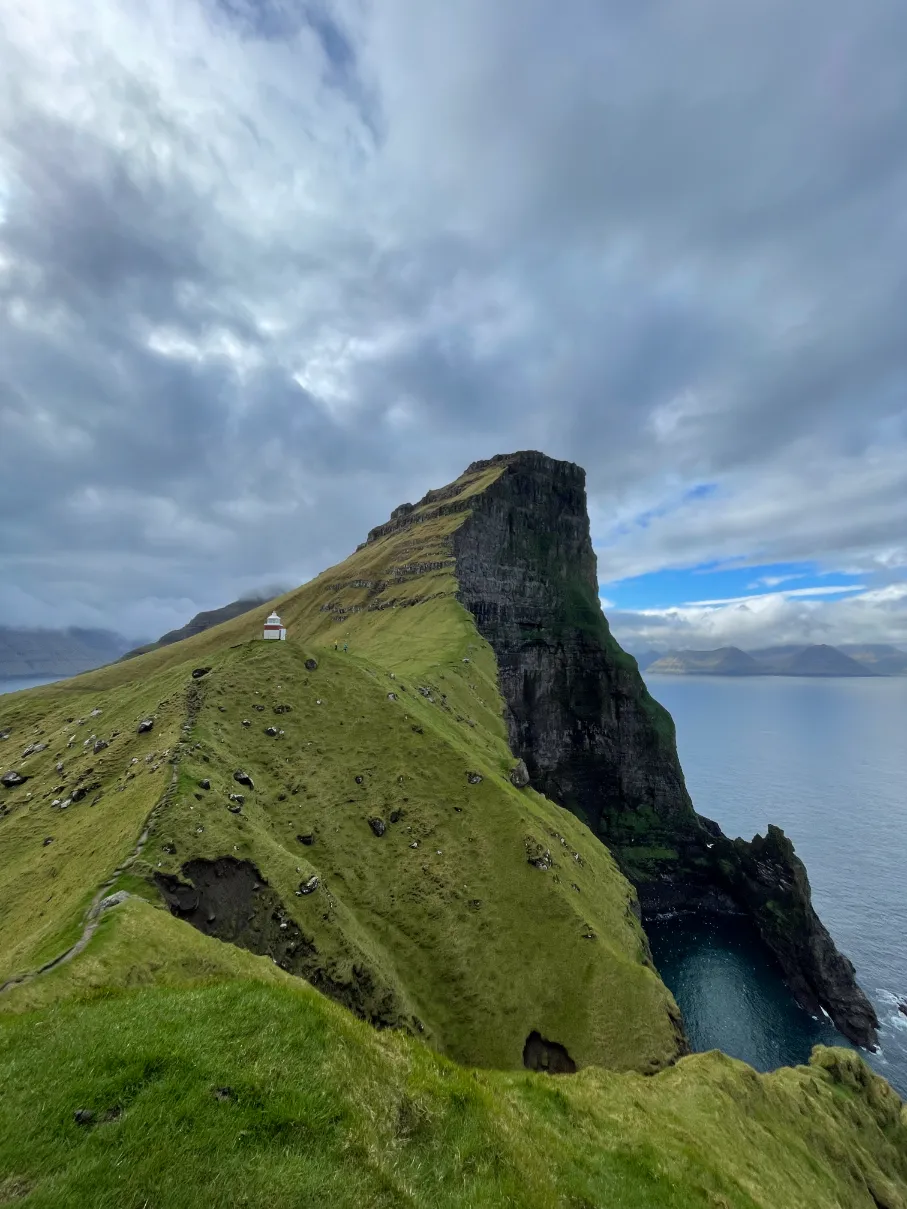
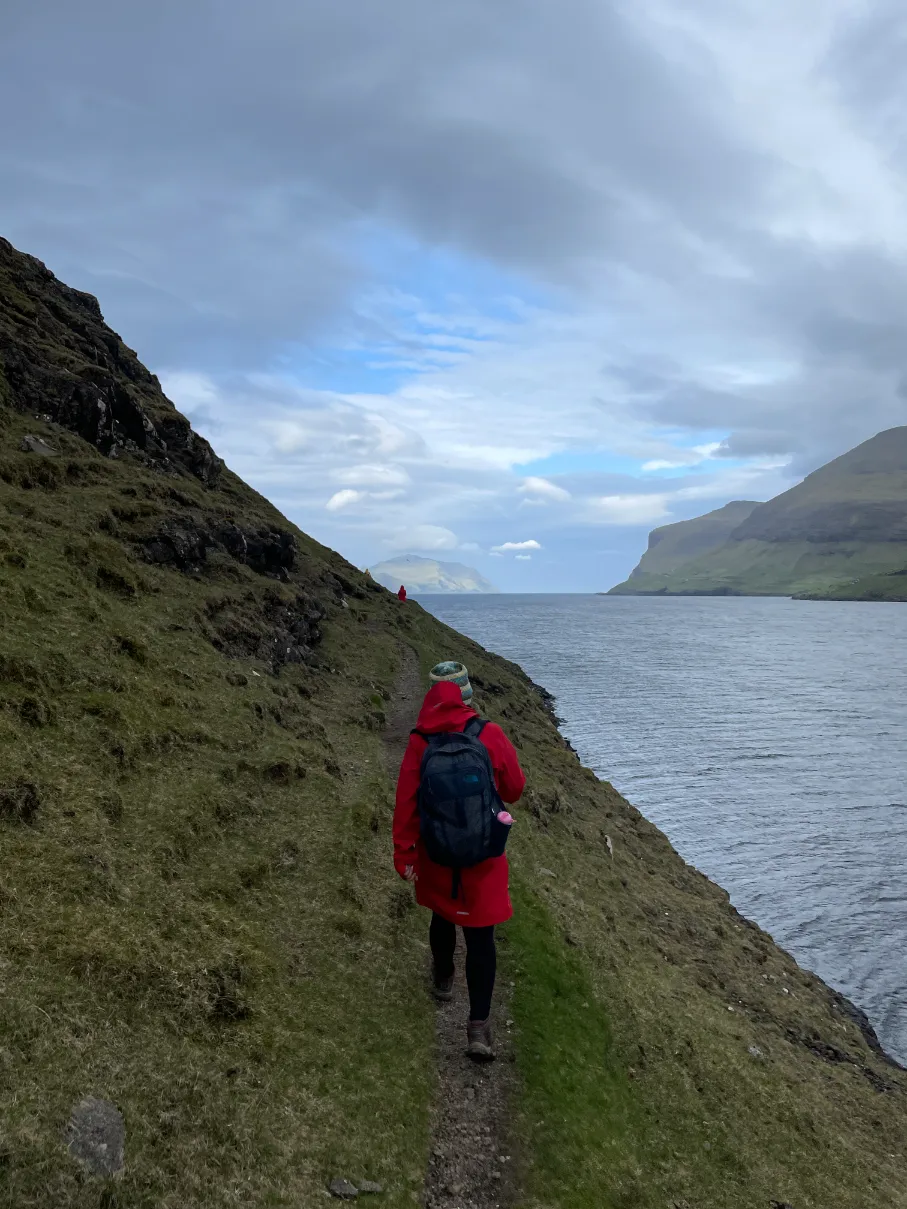
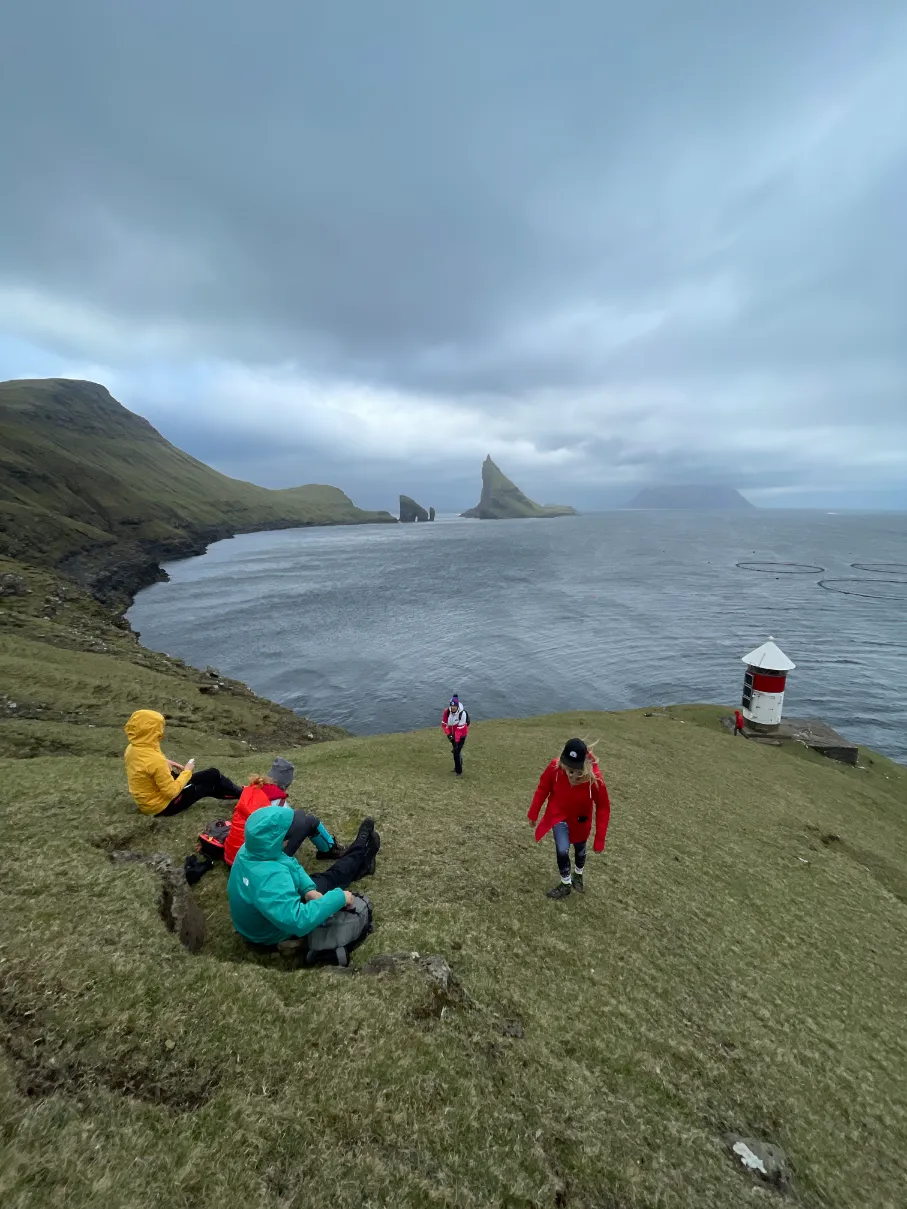
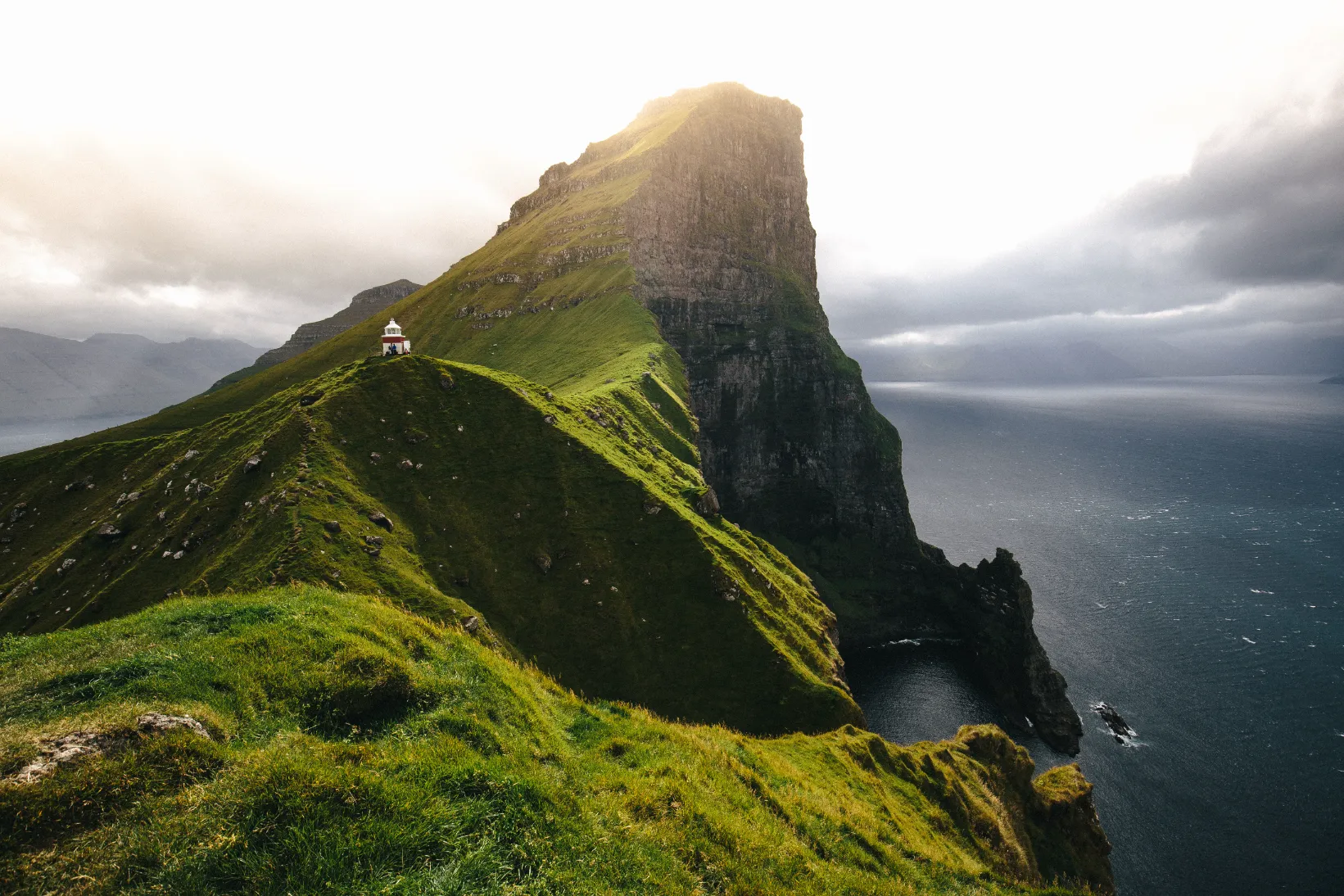
Kalsoy is narrow, rugged, and dramatic. Kallur Lighthouse stands on its northernmost tip, perched on a knife-edge ridge between two sheer drops. The path to reach it follows the island’s spine with ocean on both sides; on a windy day, the hike is as physical as it is breathtaking.
The ferry from Klaksvík takes about 20 minutes. From there, you drive to the northernmost village and set off on foot. The hike is about 40 minutes each way, but if you’re hauling gear (tripod, two lenses, camera rain cover), you will feel every single minute of it.
The shot is a classic: the lighthouse standing against vertical cliffs and the endless ocean. But the real magic lies in the details—waves breaking 200 metres below, seabirds gliding at eye level, grass whipped sideways by the wind. Shoot with a 24-70mm for the landscapes and a 70-200mm to capture the birds. It’s no surprise this location was chosen for scenes in "No Time to Die". The landscape is so cinematic it feels like a movie set.
Saksun: a village lost in time
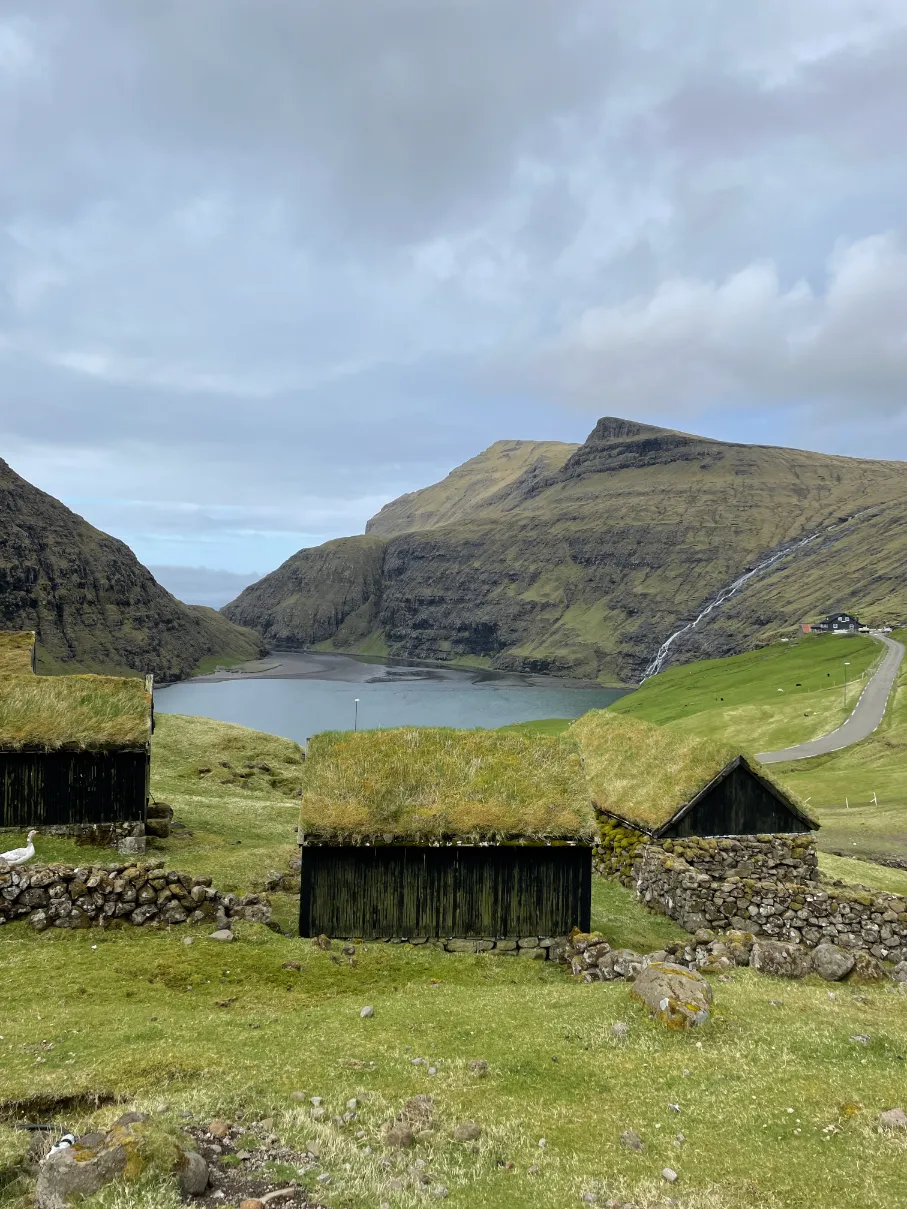
Saksun is a tiny settlement nestled in a valley flanked by steep, green slopes. A turf-roofed church stands at its heart, while behind it, a lagoon fills and empties with the tide twice a day. The houses are blanketed in grass, waterfalls cascade down the hills, and the fog hangs over the valley like a heavy wool blanket.
The best time to shoot is at low tide, when the sandy lagoon floor is exposed and reflections in the shallow water create a perfect mirror. Early morning, while the mist still clings to the slopes, offers the ideal mood.
Don't rush to mount your wide-angle lens. Saksun is a place for details: the texture of the turf roofs, dewdrops on the grass, sheep grazing on the hillside behind the church. A macro lens or an 85mm portrait lens often does more magic here than a 16mm.
Gear and practical survival tips
The Faroe Islands do not forgive poorly prepped gear. Rain falls horizontally here. Fog is a constant companion. Salt spray from the ocean will find your lens even if you are standing 100 metres back from the shore.
Must-haves: a waterproof pack cover, lens wipes (at least 10 a day, no exaggeration), and a heavy-duty tripod with a hook for extra ballast. Bring plenty of spare batteries too, as the cold and damp drain them fast.
Lenses: a wide-angle (16-35mm) for the sweeping vistas, a 70-200mm for the birdlife and lighthouses, and a 24-70mm as your workhorse. If you can only pack one, a 24-70mm f/2.8 will cover 90% of your shots.
Filters: a polariser to cut glare on the water and sky, and an ND filter for smooth silk waterfalls. But be ready to strip them off quickly; the fog and drizzle can render filters useless in seconds.
Layer up: merino wool base layers, a warm fleece, and a fully waterproof hooded shell jacket. Waterproof trousers aren't an option, they are an absolute necessity. Pack fingerless camera gloves, and accept right now that you will get wet. If not from the rain, then from the air itself, which often feels more like liquid than gas.
On the final day, you look through your shots. Half of them are soft from the wind. A quarter are grey washouts from the fog. But those few frames where the light broke through just right, where the waterfall shimmers, the lighthouse stands lonely on its cliff, and the clouds sweep low enough to brush the grass—those aren't just photos. They are memories of a place where nature holds the reins, and you just happened to press the shutter. The next journey to the Faroe Islands with Panic Frame is an 8-day adventure where the islands decide what you will see.
Author: Martin Bonov
Other articles about Faroe Islands