Why the Faroe Islands are like nothing you’ve ever seen before
Everyone who returns from the Faroe Islands says the exact same thing. Not 'it was beautiful'. Not 'it was cool'. But something quieter, more bewildered: 'I can't describe it.' And they really can't. Because the Faroes are unlike anything your brain has to compare them to. They are a blank space in your map of the familiar.
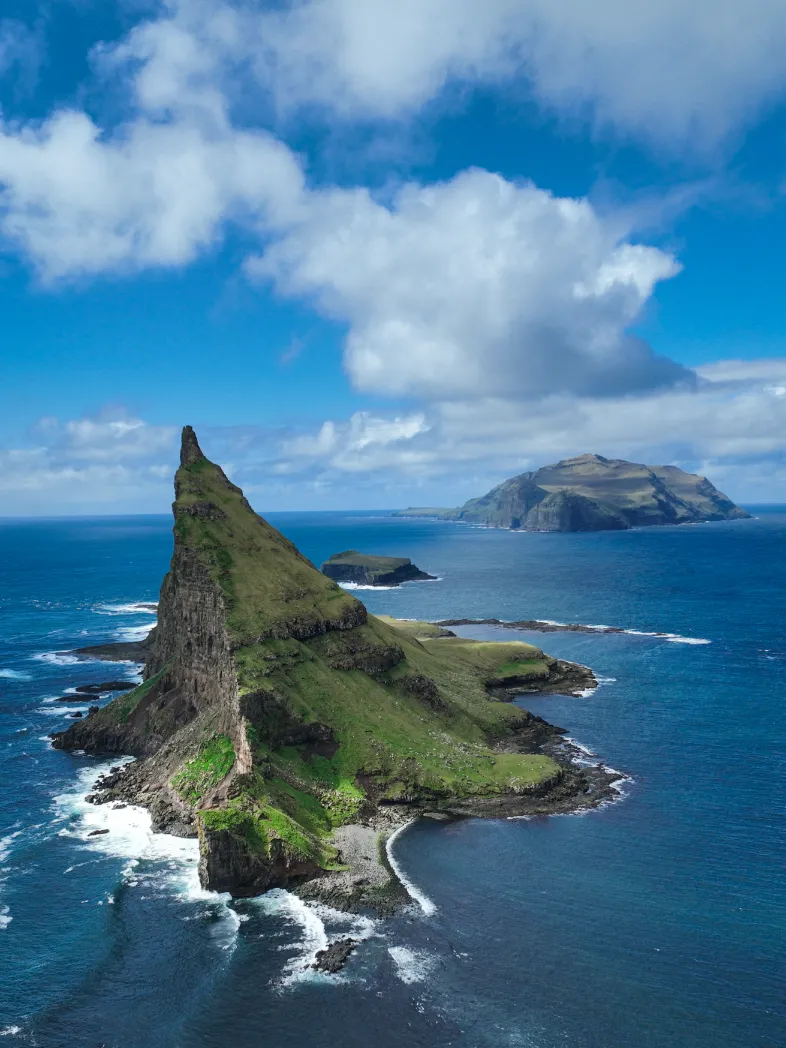
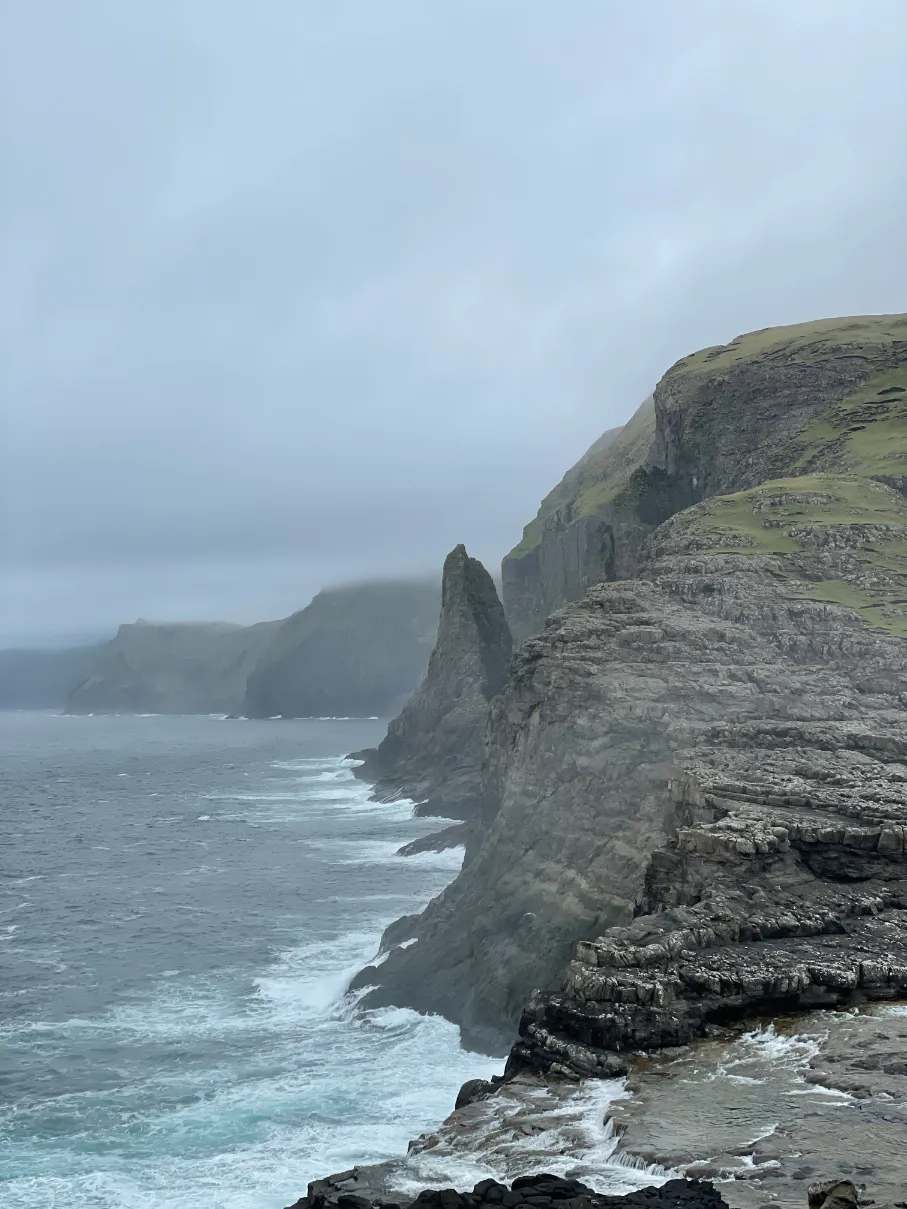
People often ask: "Is it like Iceland?" Short answer: no. Longer answer: Iceland is volcanic, harsh, mineral. The Faroe Islands are green, soft, shrouded in mist. Iceland is fire and ice. The Faroes are grass and wind. The cliffs here aren't sharp, but rounded by millennia of ocean gales. The villages aren't tourist traps, but real places where people actually live, rather than just serve.
The difference isn't in the geography. It's in the feeling. On the Faroe Islands, you feel small. Not in an unpleasant way. But in that way you feel tiny when looking at the ocean from a 754-metre cliff, realising this landscape was here before you and will remain after you're gone. Unmoved. Needing nothing from you.
The scale you cannot capture
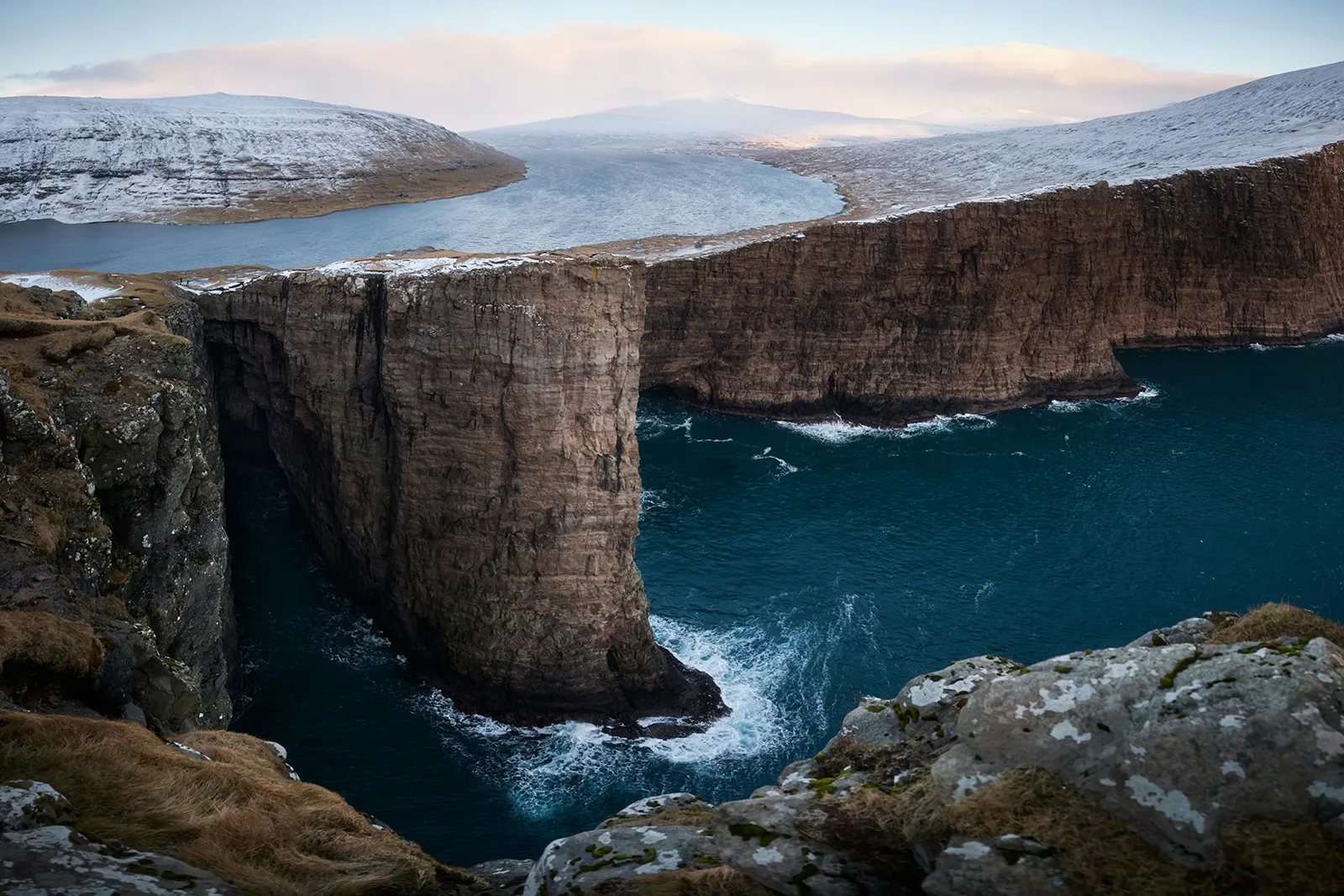
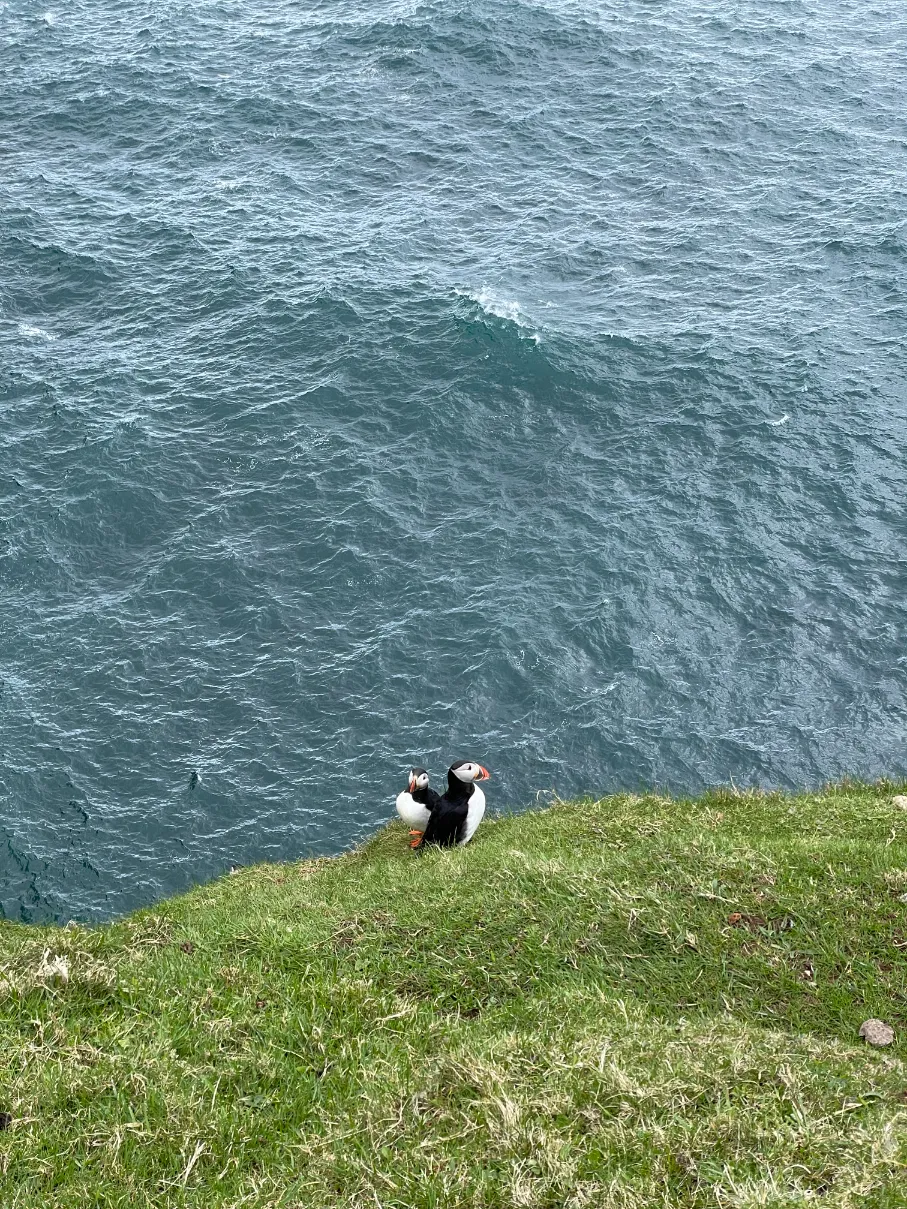
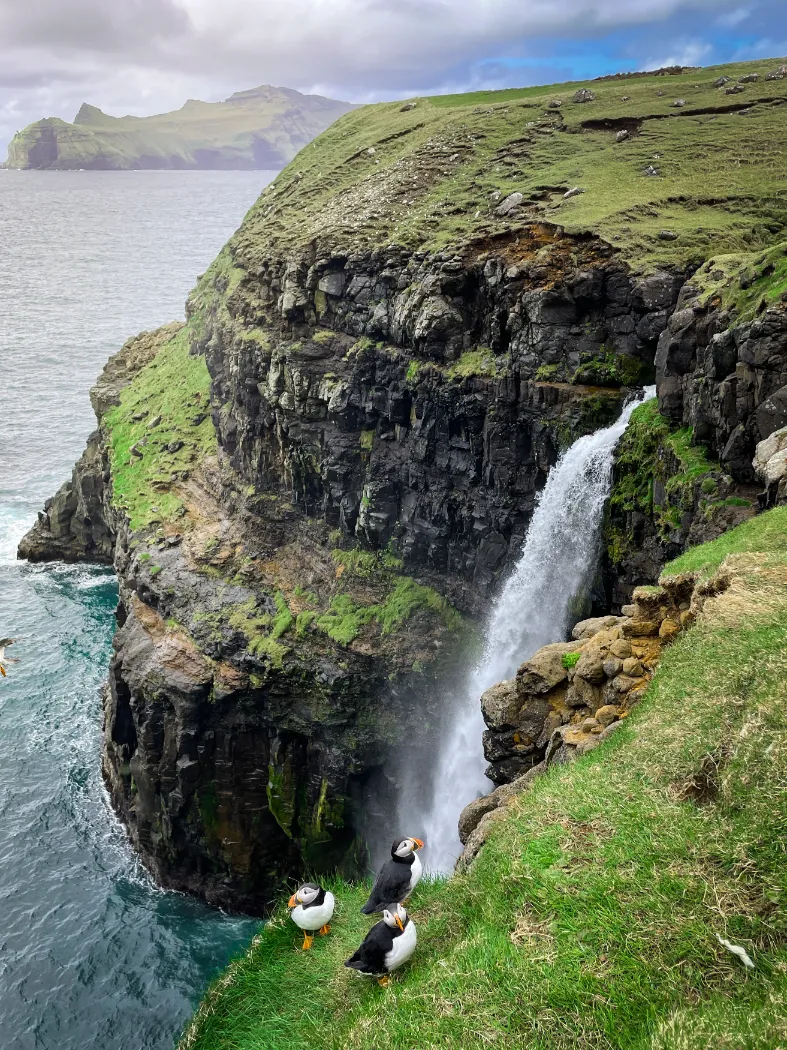
Cape Enniberg is the highest sea cliff in Europe. A 754-metre sheer drop of vertical rock plunged into the ocean. You stand on the edge and peer down, while the wind pushes you back, as if the cliff has its own instinct for self-preservation. Puffins fly at eye level, because you are so high up that the birds are soaring beneath you.
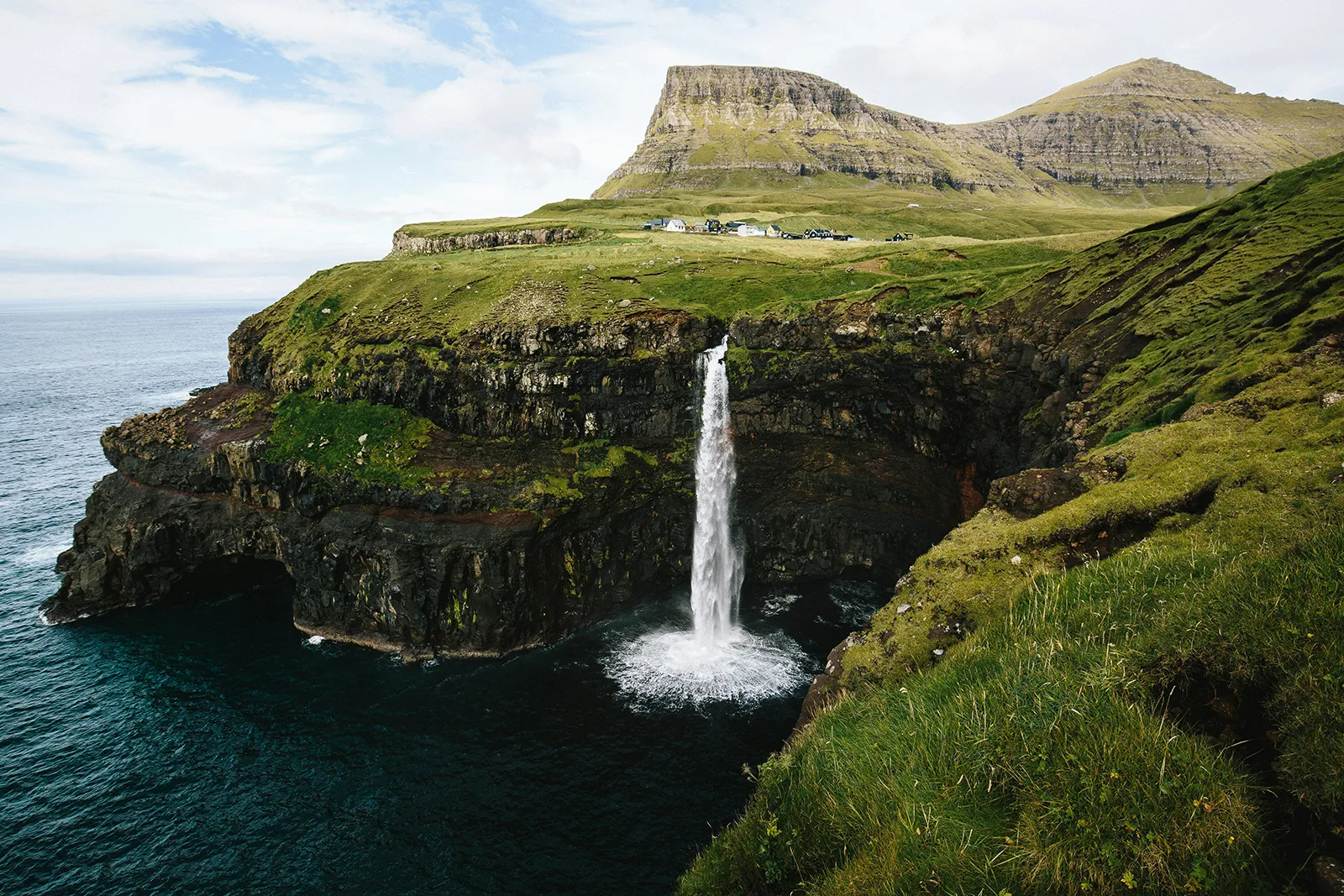
But the scale of the Faroe Islands isn't just about heights. It's about contrasts. A village of 12 houses squeezed between two mountains. A lagoon that the ocean floods twice a day. A waterfall plunging into the sea, only for the wind to blow it right back up. Here, things happen on a scale that doesn't fit into a viewfinder. You take a photo, look at it later, and say, "It wasn't like that." Because it wasn't. It was more.
The place without the crowds
The Faroes welcome around 100,000 travellers a year. In comparison, Iceland sees over 2 million. This means that in most places, you will be alone. Not "relatively alone". Literally alone.
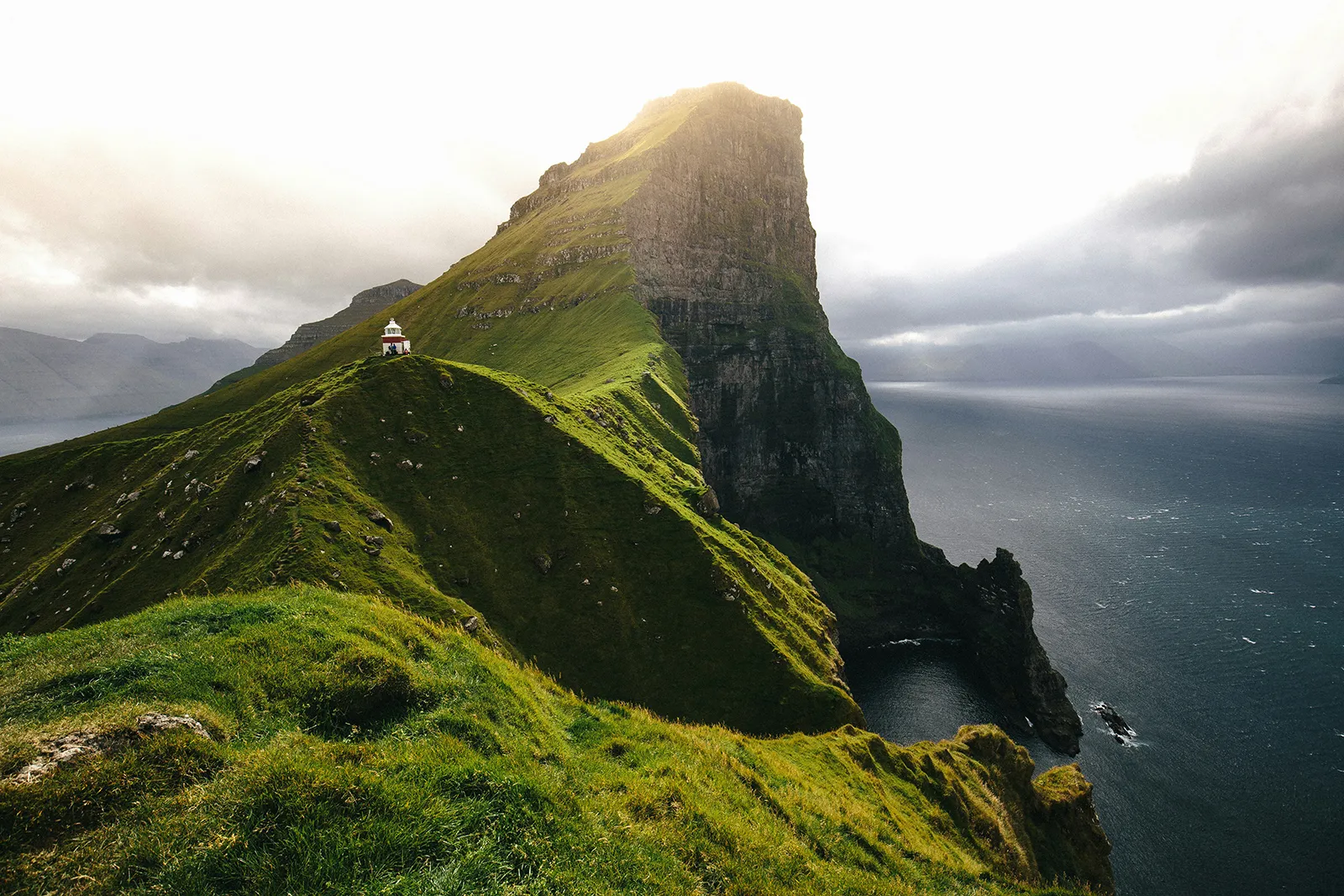
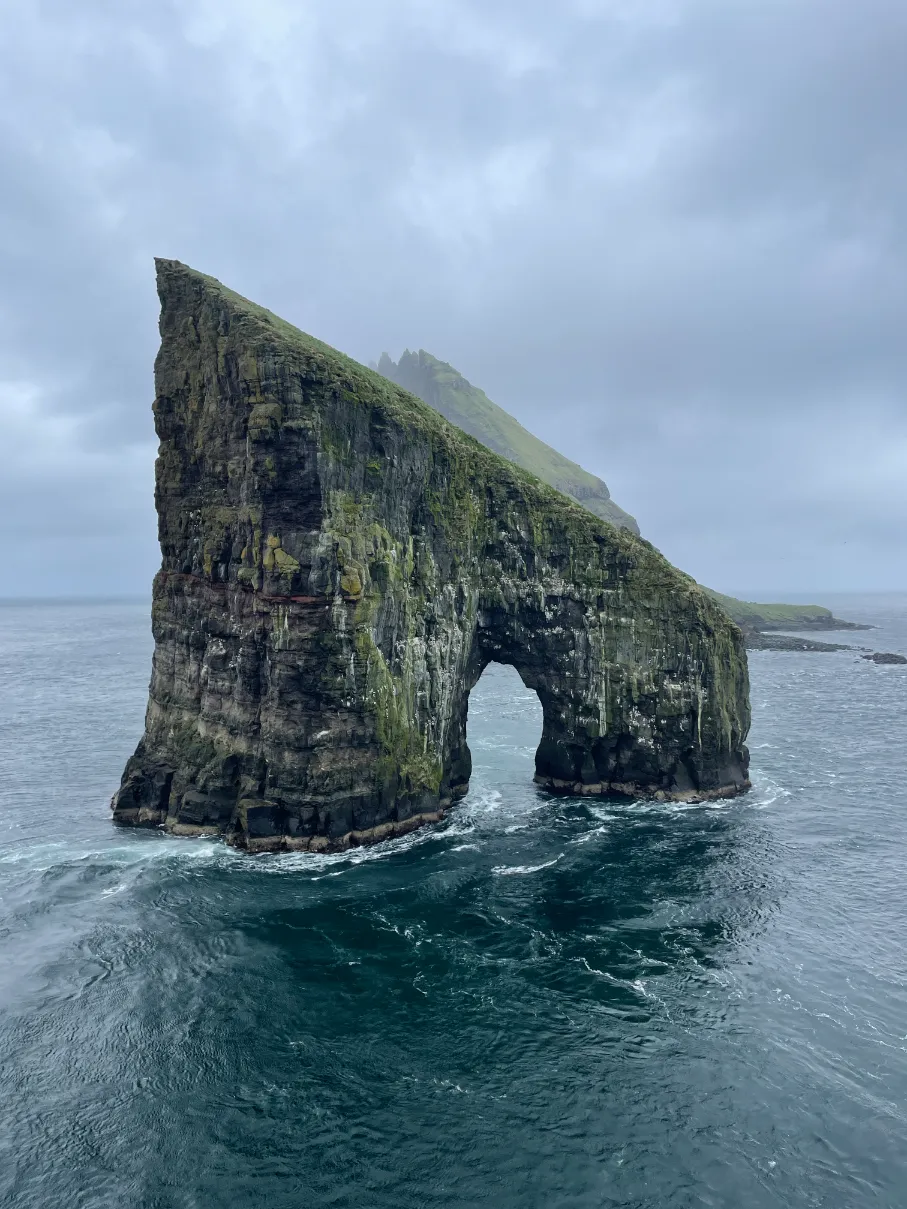
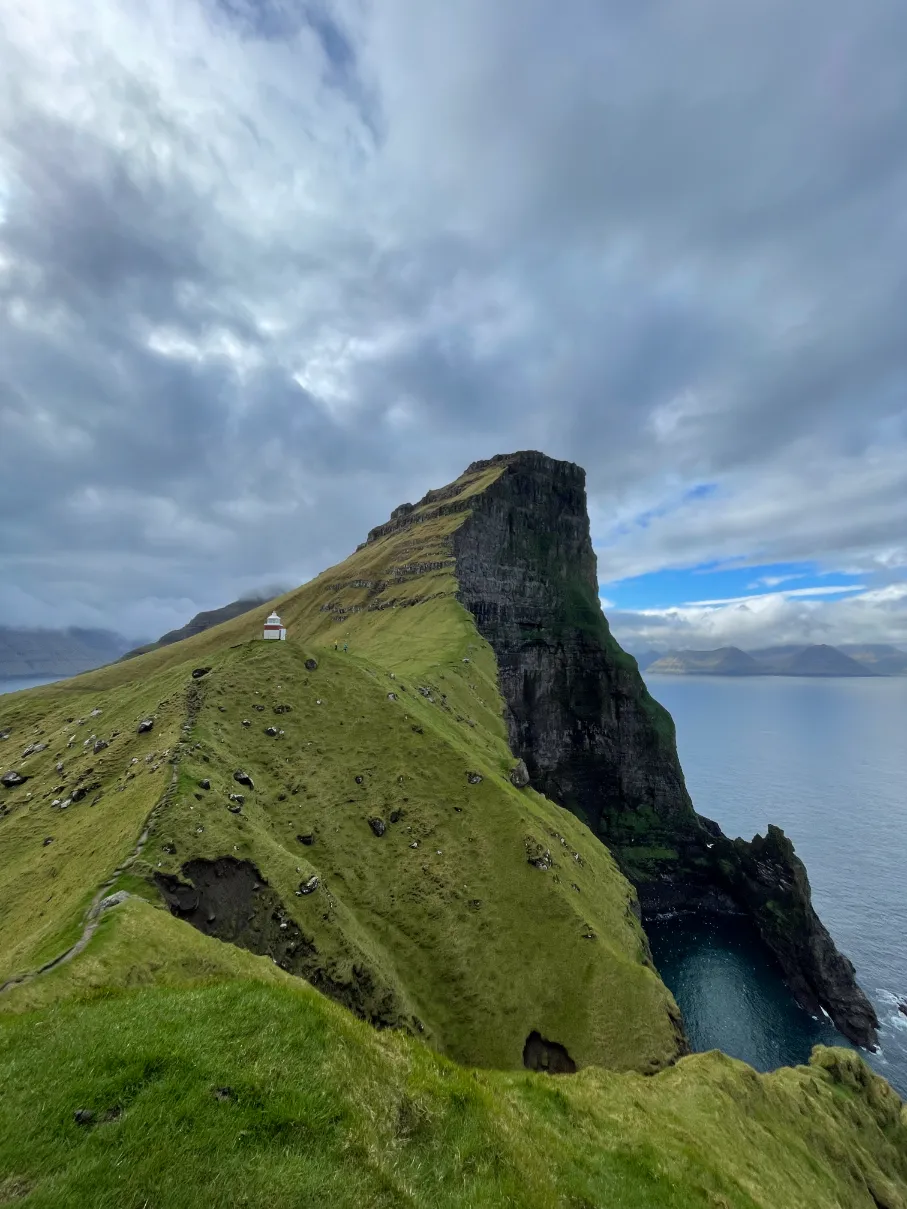
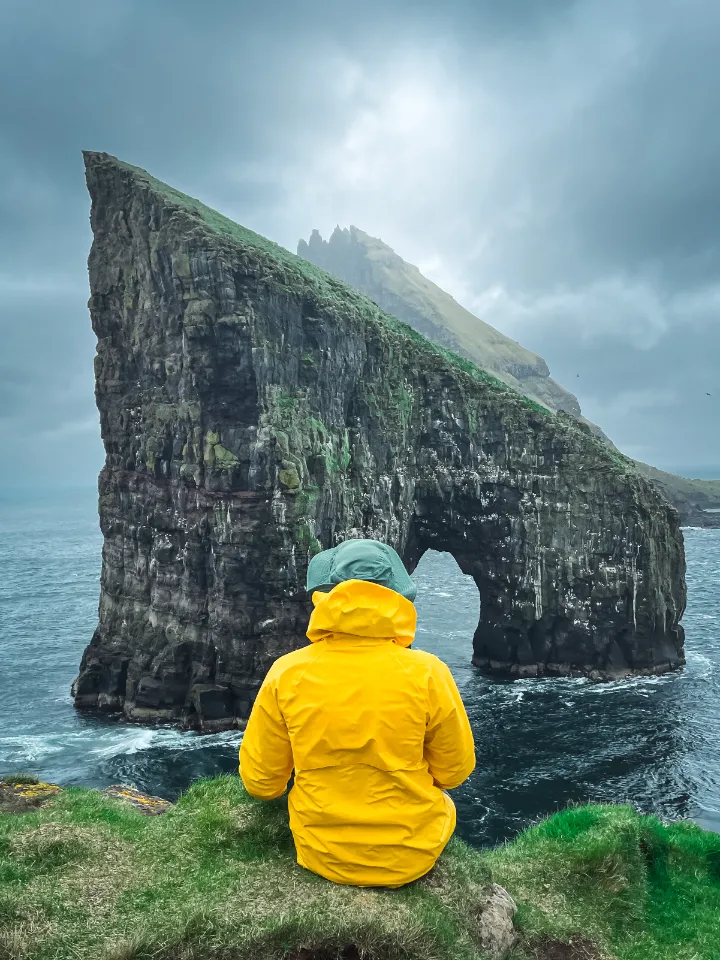
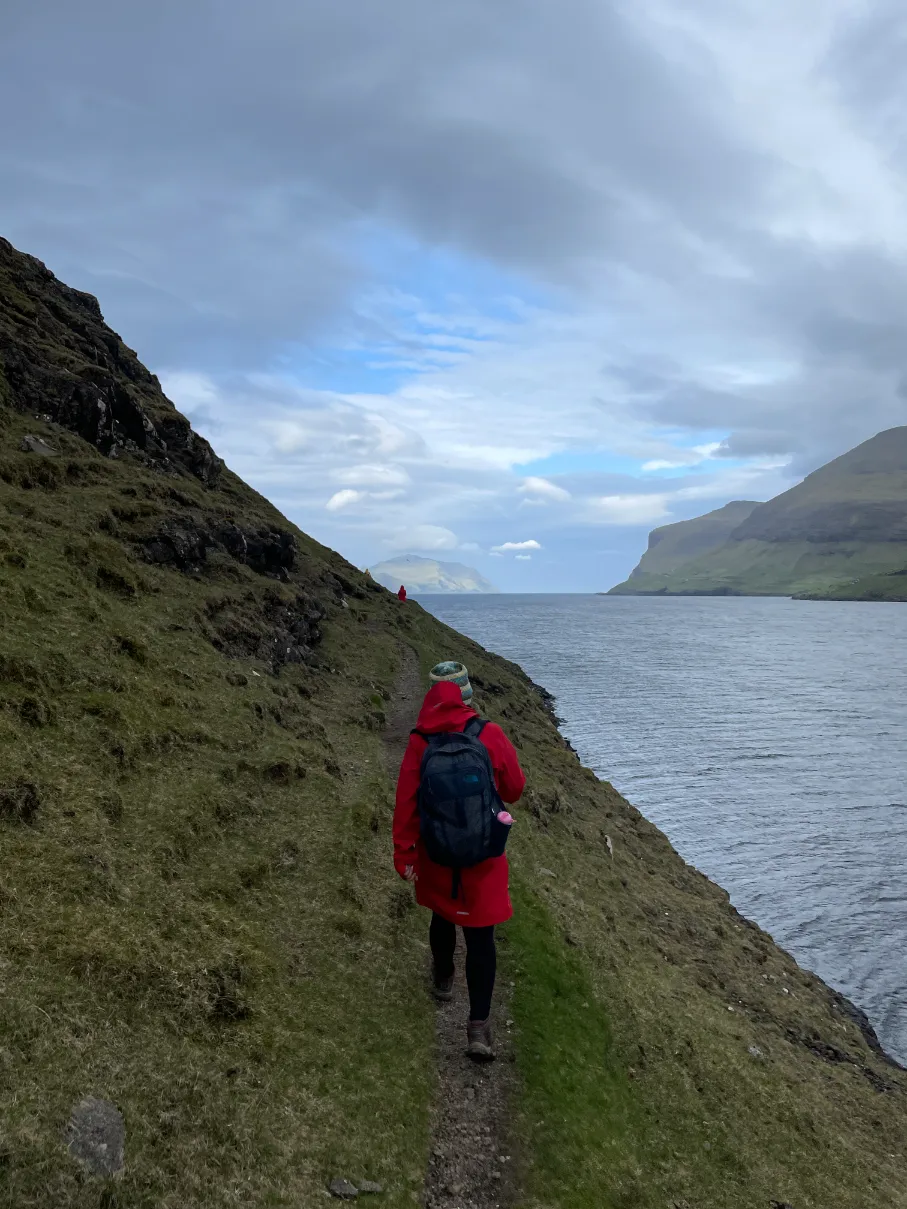
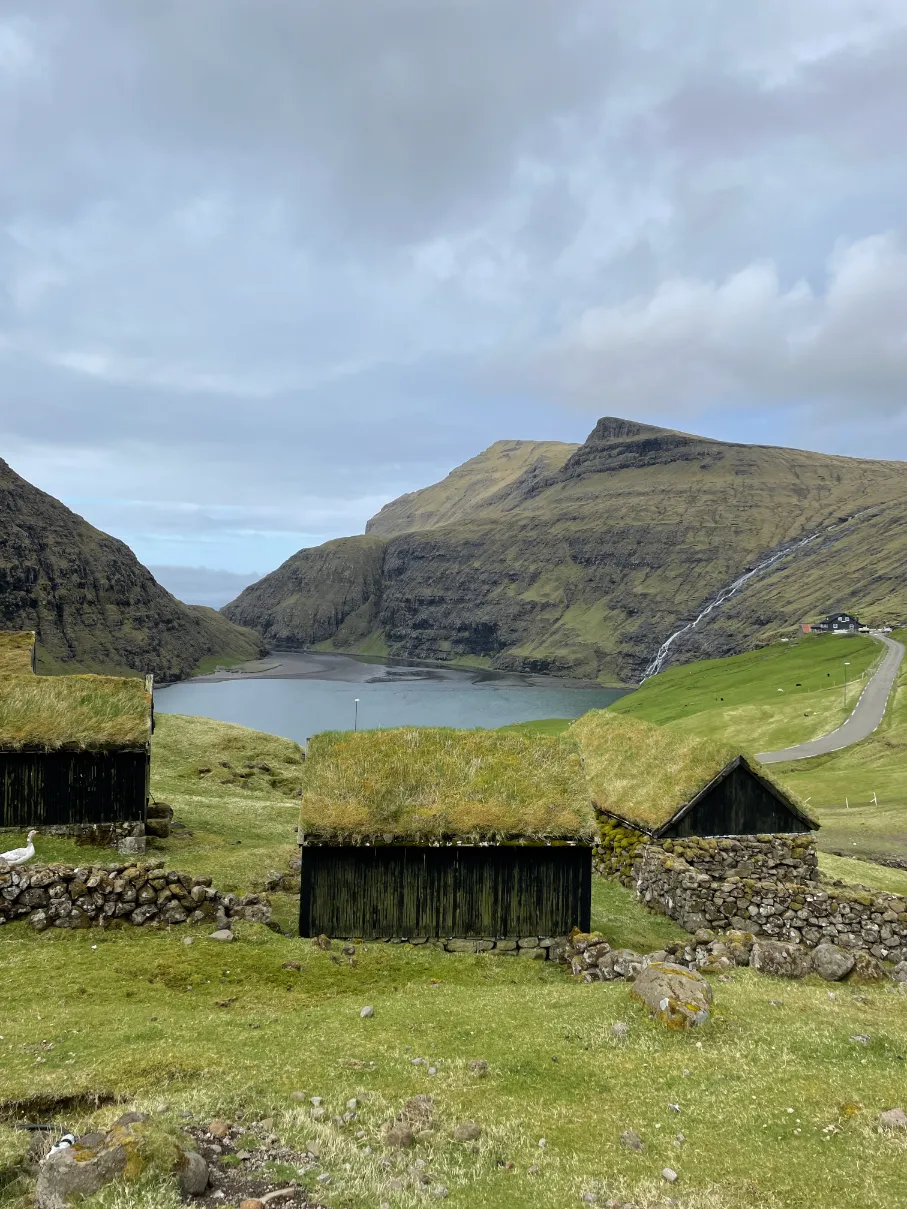
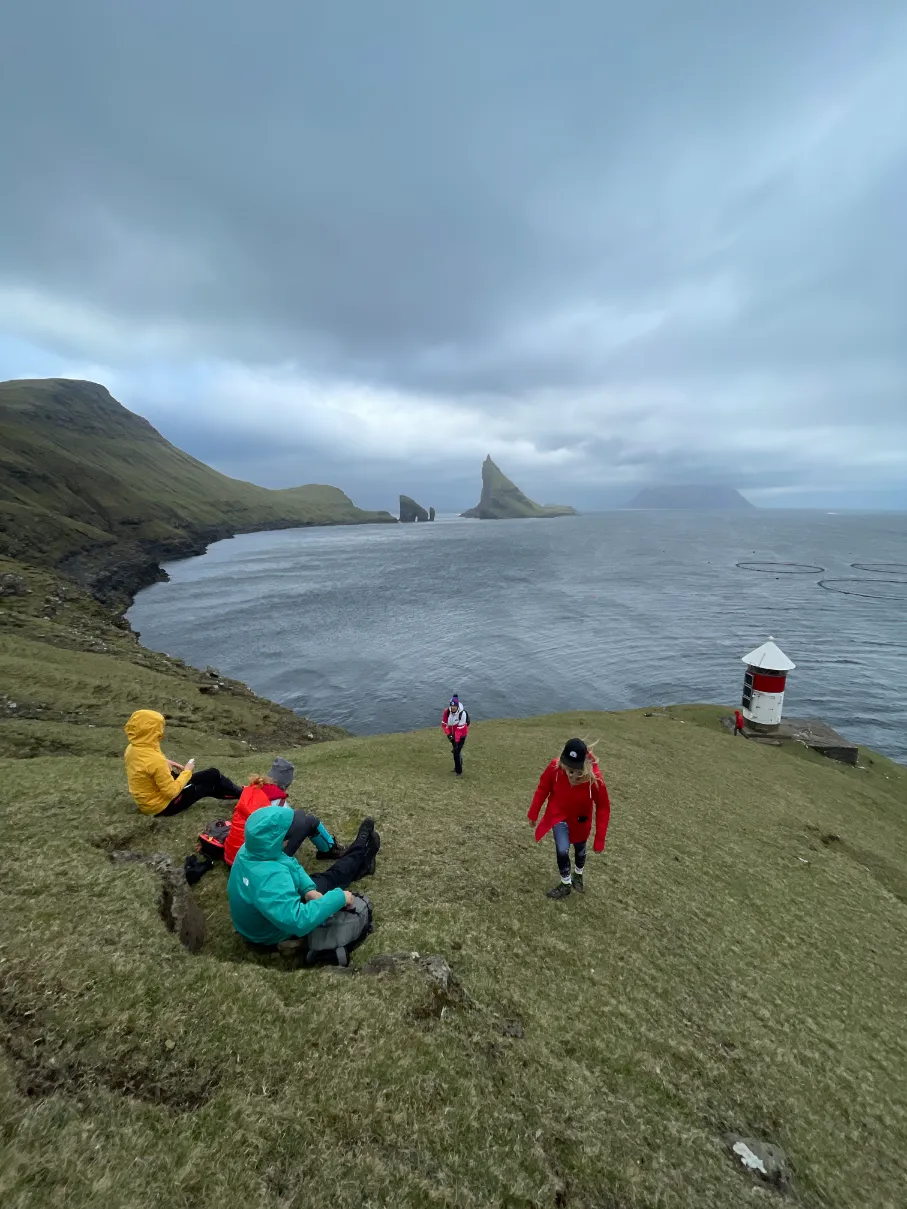
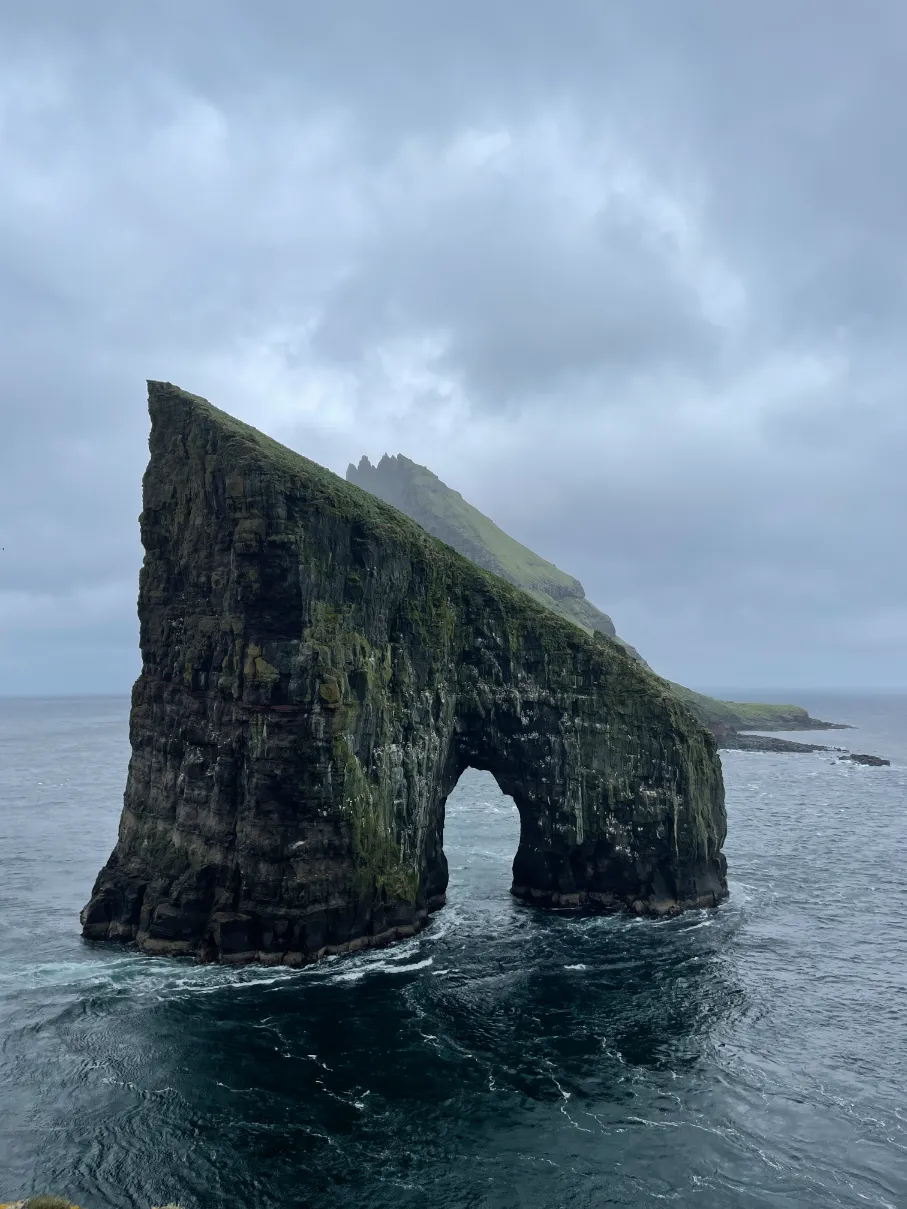
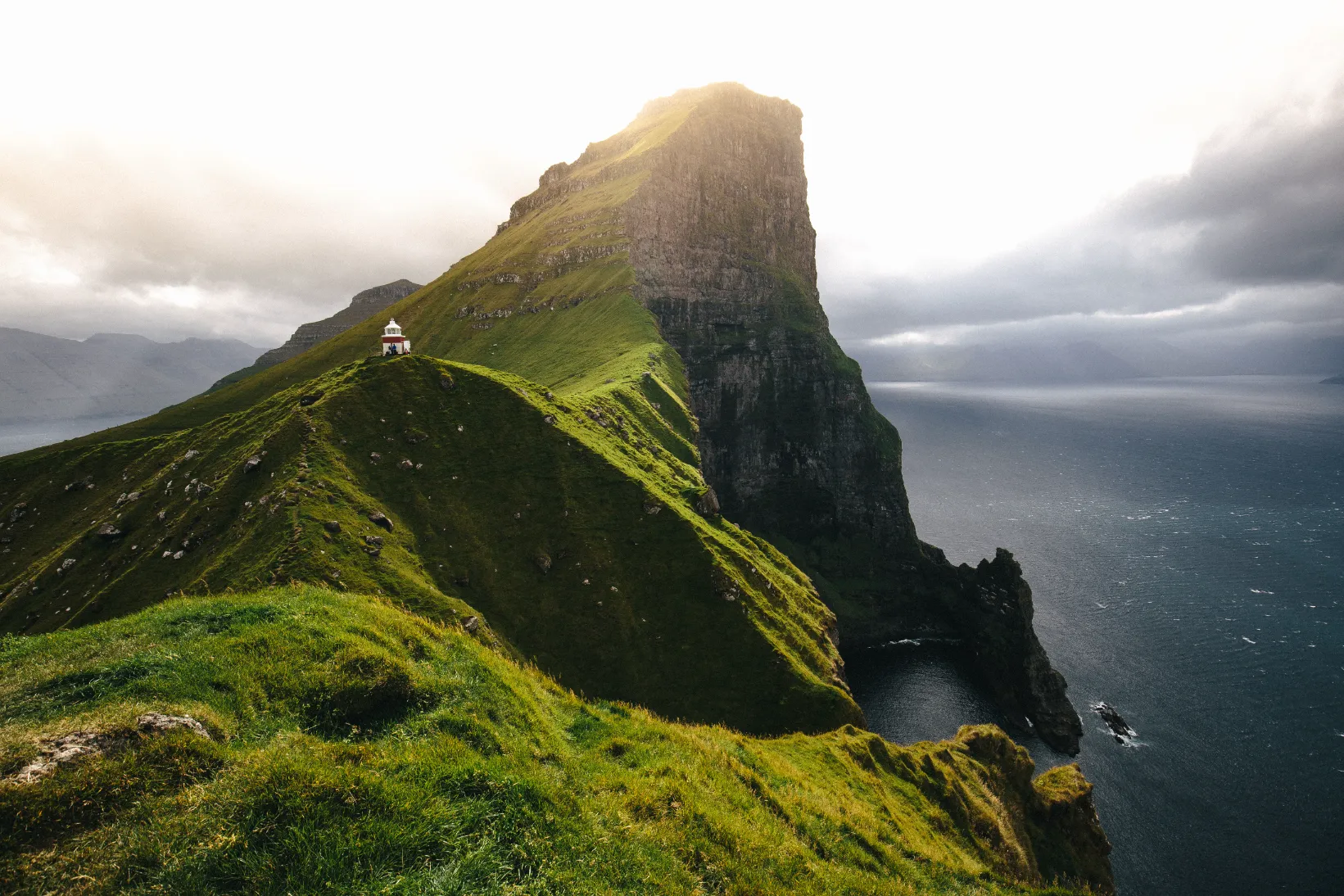
On the hike to Drangarnir, the five-hour trek to the sea stacks near Vágar, you might not meet a single soul. At the Kallur lighthouse on the island of Kalsoy, where the view is straight out of a film (literally, they shot James Bond there), you will be maybe one of ten people. In the village of Saksun, with its lagoon and turf roofs, you are likely to spot more sheep than humans.
This isn't loneliness. This is space. The difference is that loneliness is something you lack, while space is something you are given. On the Faroe Islands, space is everywhere—both physical and mental. No billboards, no noise, no queues for the "Instagram spot". Just you, the cliffs, and the wind.
Future infrastructure in a landscape from the past
The islands are connected by tunnels, bridges, and ferries. The sub-sea tunnel between Vágar and Streymoy features a roundabout deep beneath the ocean floor, lit up in blue. You drive under the ocean and emerge on another island. The tunnel to Eysturoy is an underwater roundabout that looks like an installation in a contemporary art museum.
But then you exit the tunnel and you're back in a 30-house village where sheep graze on the church roof. The contrast is so sharp it feels impossible. Modern Danish infrastructure embedded in a landscape that hasn't changed for centuries. Roads are narrow, single-track in places with passing bays. Ferries are punctual, yet the weather ultimately decides when they sail.
This blend of the ancient and the modern is at the heart of the Faroese character. People here live with 21st-century tech, but at a rhythm that is far older. The internet is fast. The coffee is excellent. And life is slow—not from lagging behind, but by choice.
A light that exists nowhere else
At 62 degrees north, the light is different. Not stronger or weaker. Just different. The sun never rises high, even in summer. The rays hit horizontally, low down, filtered through fast-moving clouds. The result is a constantly shifting light that photographers call "the golden hour that lasts all day".
In summer, the day is virtually endless. The sun sets around midnight and rises two hours later, but it never gets truly dark. The twilight is a soft, contrast-free purple-grey. Winter is the opposite: short days, long nights, but the light during those few hours is so deep and low that the hills look as if they've been painted.
But the magic happens when the clouds part for just a second. A sunbeam strikes a slope, and the grass glows an impossibly brilliant green. Then, the clouds close up, and everything returns to grey. These flashes are so brief that if you blink, you'll miss them. On the Faroe Islands, you don't just look at the landscape. You wait for it. And when it comes, it's so fleeting and intense that it burns into your memory like a camera flash.
Why you need to go now
The Faroe Islands won't stay quiet forever. Every year brings more travellers. More stories. More photos on social media. The shift is slow because the islands are small and capacity is limited, but the direction is clear.
Right now, the Faroe Islands are in that rare window where the destination is highly accessible (great infrastructure, English-speaking locals, safe) but not yet "discovered" by mass tourism. There are no mega-resorts. No hop-on-hop-off buses. No selfie sticks on every vantage point.
With Panic Frame, the journey is 8 days—long enough to explore the main islands, and slow enough to truly feel them. The route combines treks, ferries, tunnels, and days dedicated just to staring. Not every destination deserves slow travel. But the Faroes simply don't work any other way.
On your last evening, you sit somewhere high up. Below you lies the ocean. Behind you is a hill covered in grass so green it looks unreal. The wind is constant, but you no longer notice it; you've adapted. And in that moment, you understand why people returning from the Faroe Islands struggle to describe them. Not because they lack words. But because words imply comparison, and there's simply nothing else on Earth to compare this place to.
Author: Martin Bonov
Other articles about Faroe Islands