
PANIC FRAME BLOG

Blog of Inspiration, Journeys, and New Horizons

Discover a world of stories, vistas, and adventures that will ignite the dreamer within you. Welcome to the place where journeys never end.

SHARE

Articles about

See all articles
  1. Africa60

    See all 60
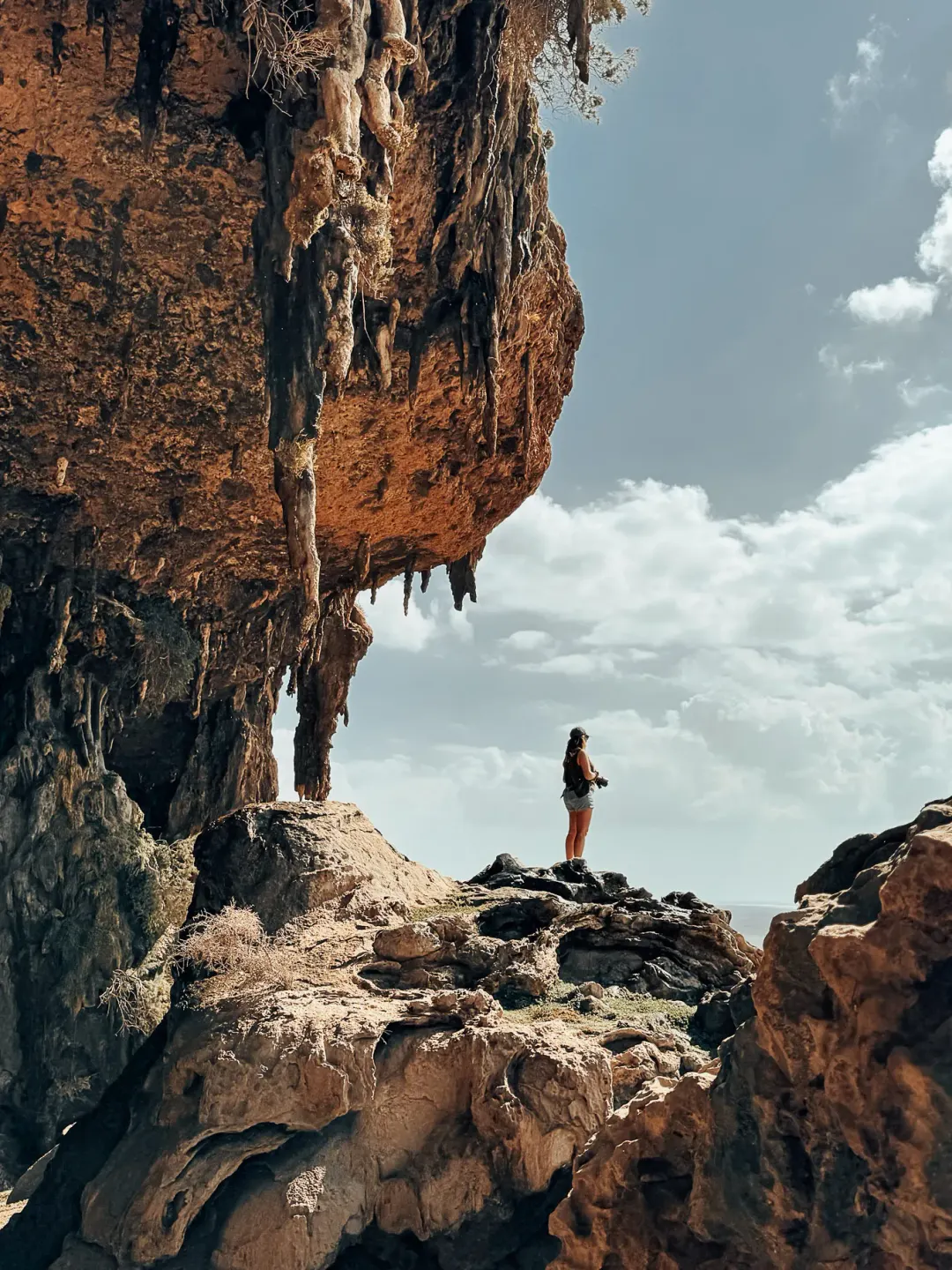
  2. The Wild Soul of Socotra: What You'll Encounter

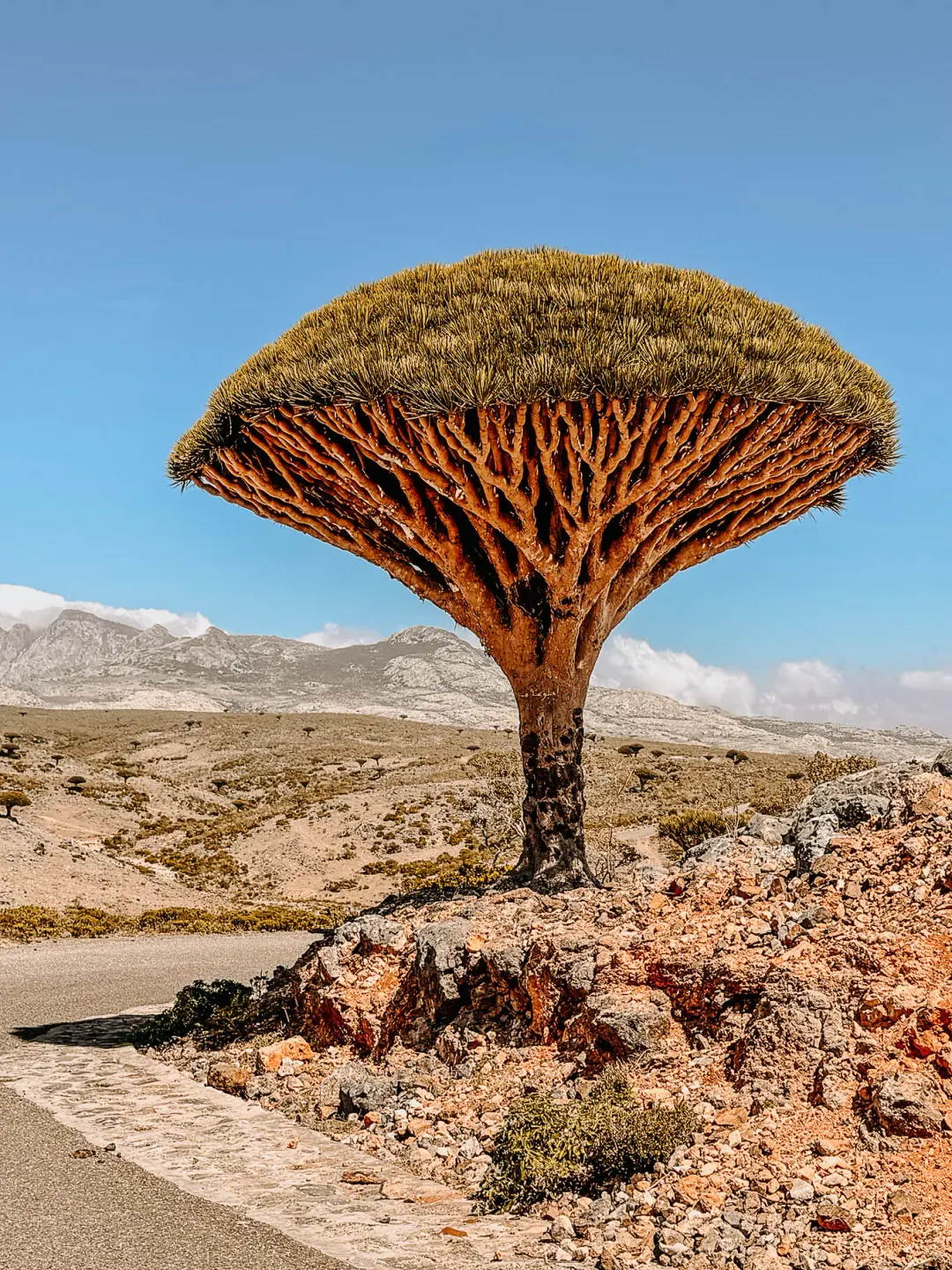
    The first thing you notice isn't an animal. It's not a bird, not a fish, not a lizard. It's a tree. Standing on the edge of the plateau, with a trunk like a pillar and a canopy like an upturned umbrella, it looks as though it was here thousands of years before you, and will still be here thousands of years after. And actually, it will. Socotra is an island where nature has had 6 million years to work without interruption, resulting in an ecosystem where over a third of the plants grow nowhere else on Earth. You don't just look at nature here. You step right under its skin.

  3. Face to Face: The Wildlife of Socotra

    The boat rocks gently. Five minutes pass, then ten. You stare into the deep, heavy, opaque blue of the water. Nothing. And just as you look away, the guide raises a hand and points to the right. A fin. Then another. Suddenly, an entire pod of dolphins breaks the surface just 15 metres from the boat—silvery, fast, and playful. Not performing for you. Just being. Socotra is an island where wildlife encounters aren't scheduled. They happen quietly, out of nowhere, and that is exactly why they stay with you forever.

  4. Why Socotra is unlike anything you've ever seen

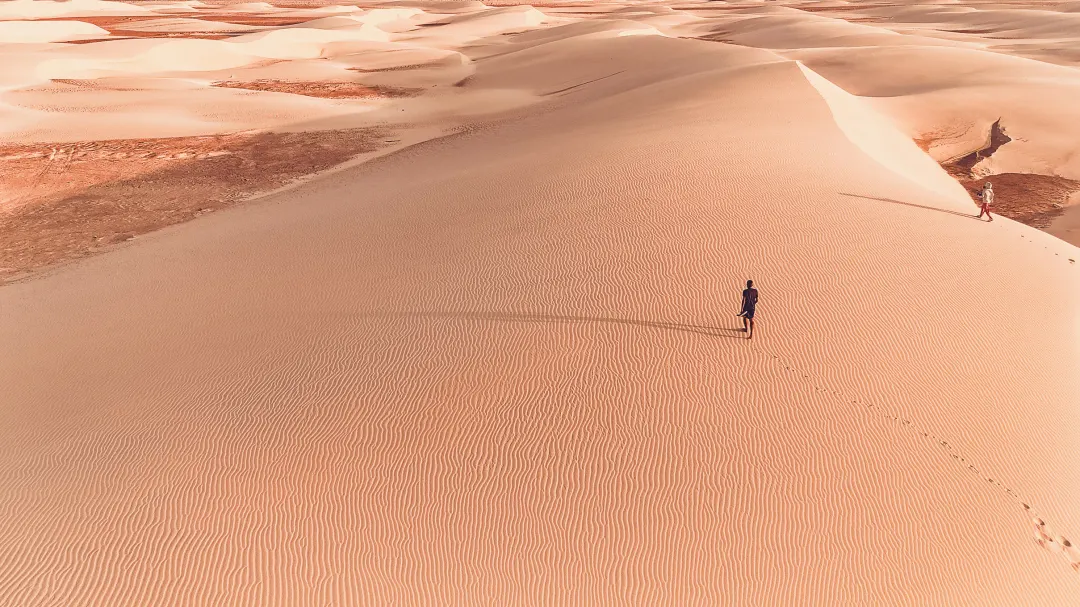
    There are places that feel familiar from the very first glance. Socotra is not one of them. You land on an island just 130 km long and 40 km wide, 350 km off the coast of Yemen, and from the very first second, you realise that here, even the trees have decided to grow by their own rules. The trunks rise like bottles, the branches spread out like upturned umbrellas, and the sand is so white it hurts your eyes. Nothing here looks like anything you have ever known. And that is exactly why you cannot look away.

  5. Socotra: Everything You Need to Know Before You Go

    You fly for three hours from Jeddah over the water. Below you, there is nothing but the Arabian Sea, deep blue and endless. Then, land appears. Not a coast, not a city, not a port. Just land that looks as if it has remained untouched for the last 20 million years. You step onto the runway in Hadibu, the wind hits your face, hot and salty, and you realise that here, the rules are different. Socotra is not a destination you read about in a guidebook. Here, you prepare with patience, curiosity, and a readiness for conditions that are unlike anything you have ever known.

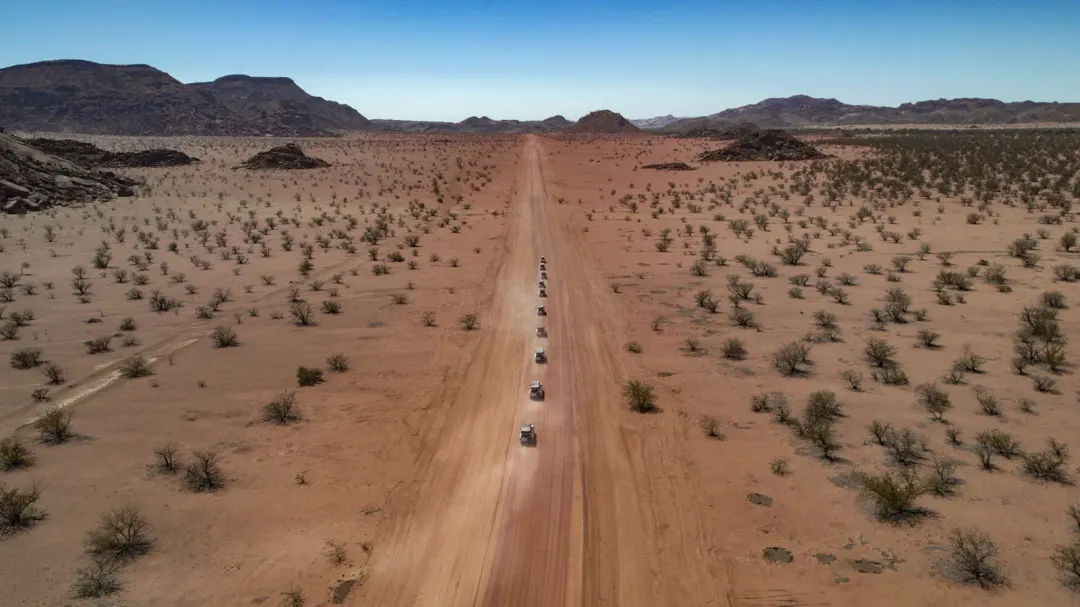
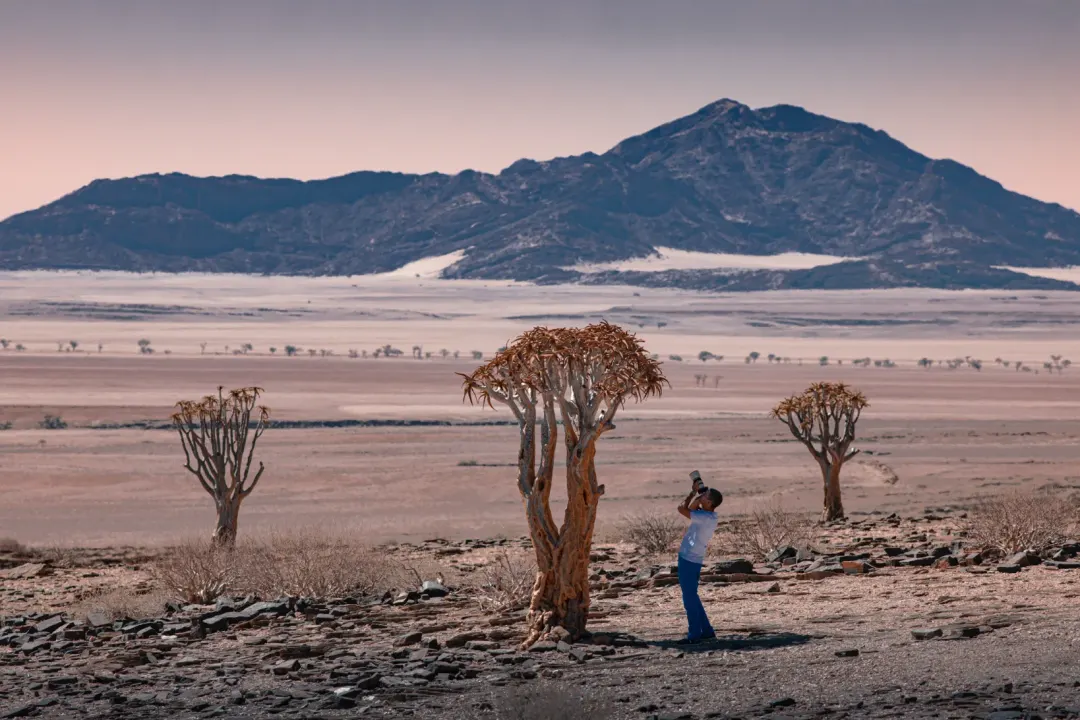
  6. The Best Photography Spots in Namibia

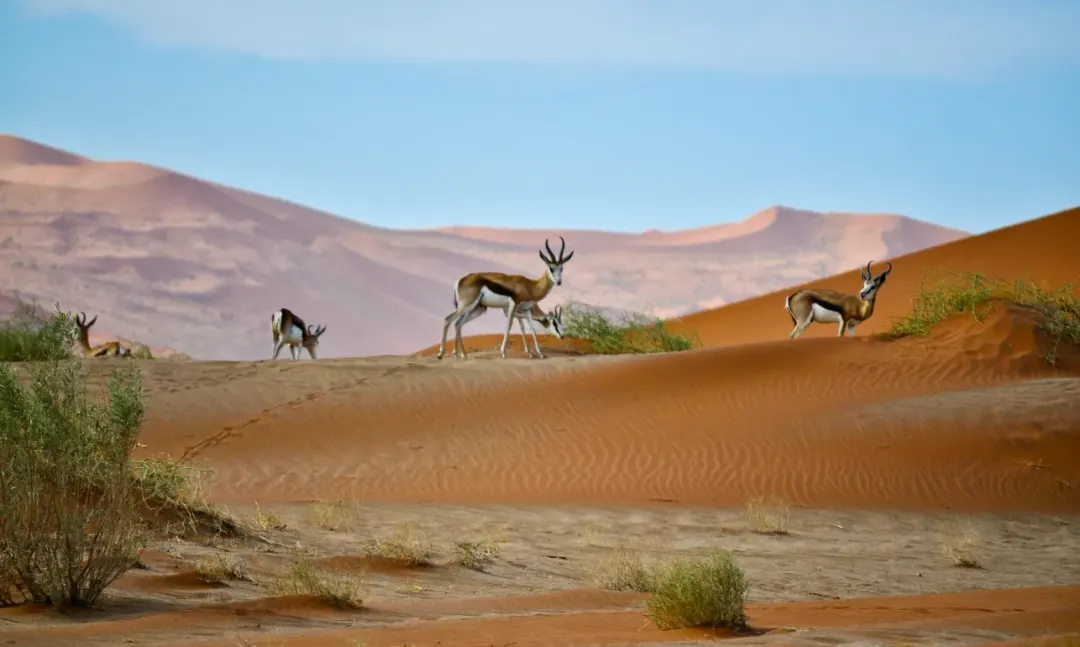
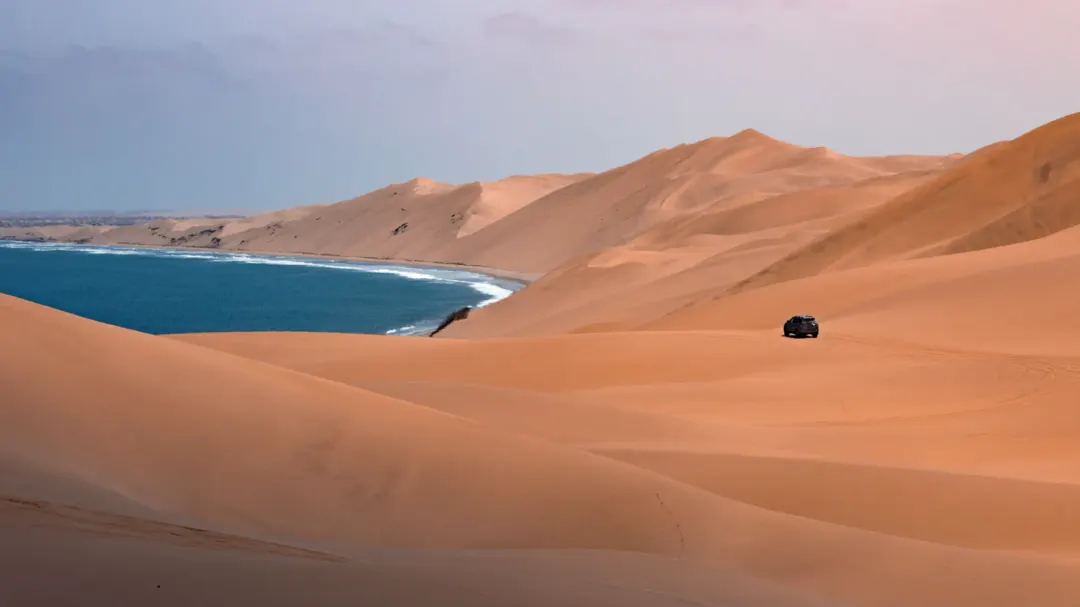
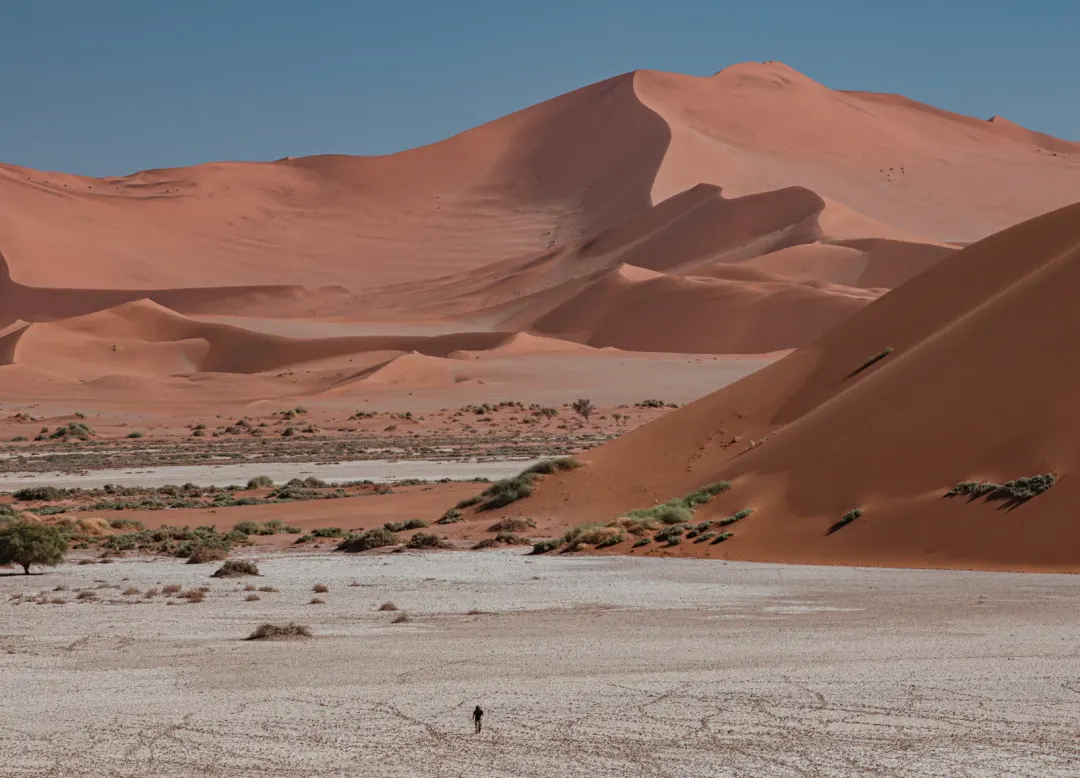
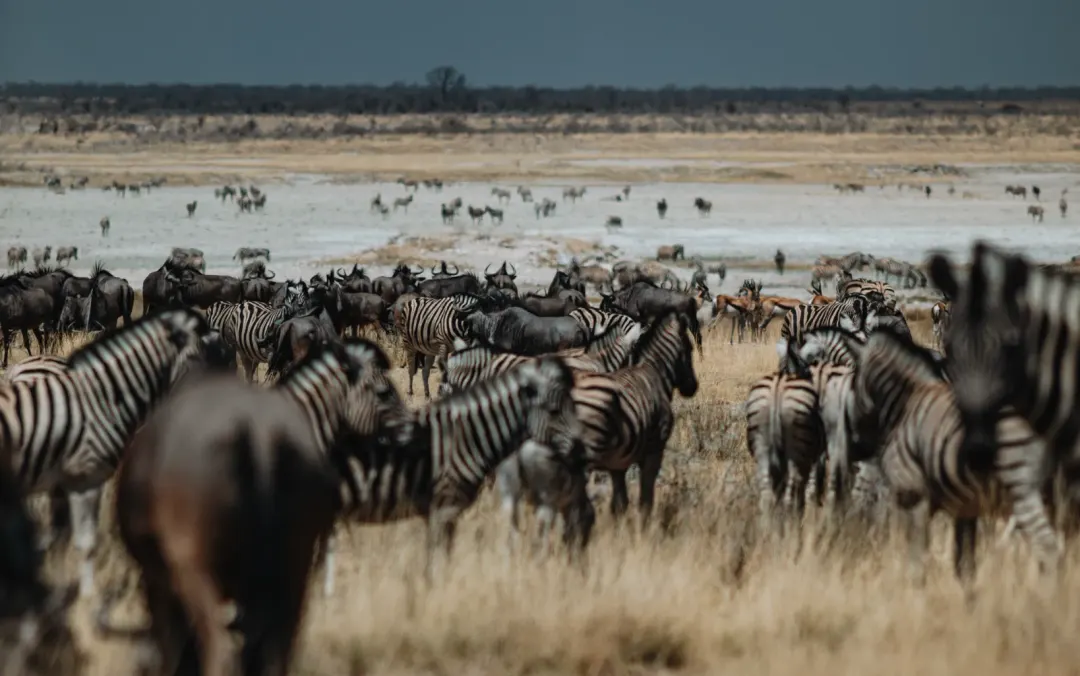
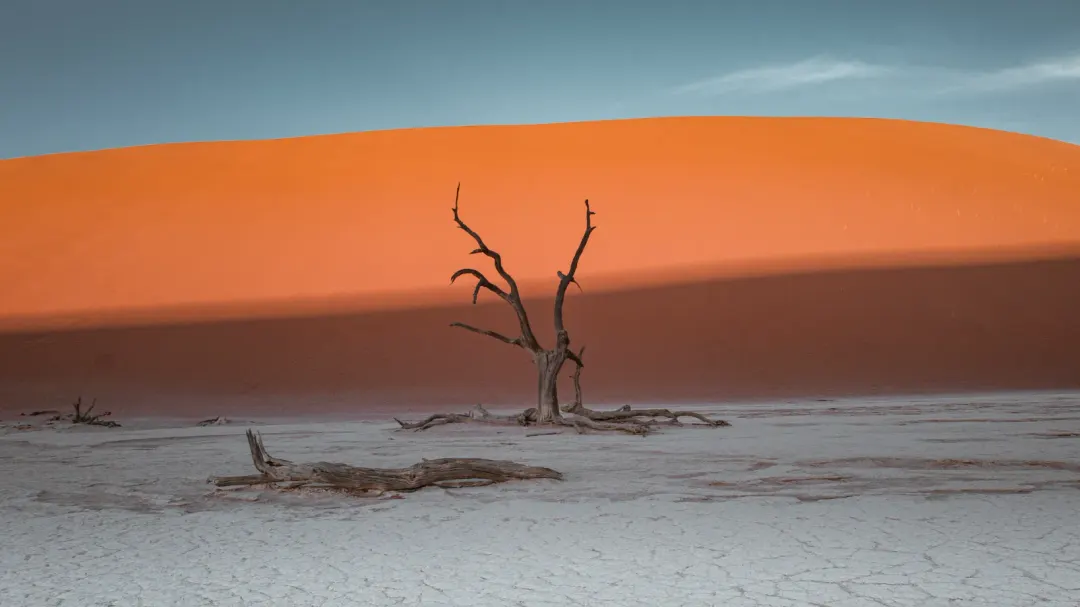
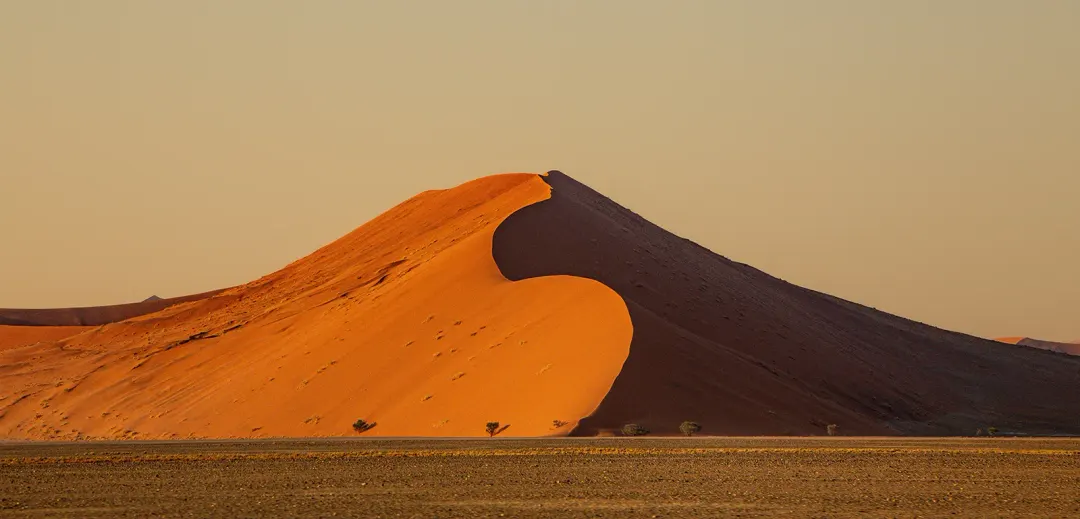
    Namibia is a photographer’s paradise, where the shifting light and raw landscapes conspire to create unforgettable frames. Discover the ultimate spots to capture, from the towering red dunes of Sossusvlei to the untamed wilderness of Etosha.

  7. The Best Campsites in Namibia

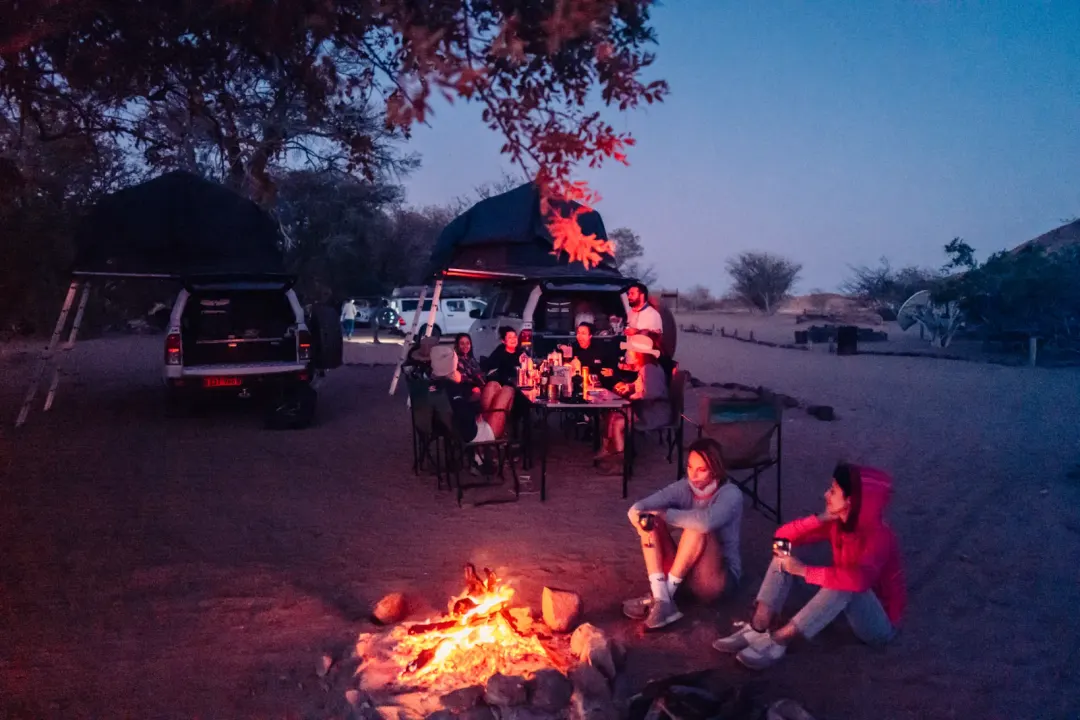
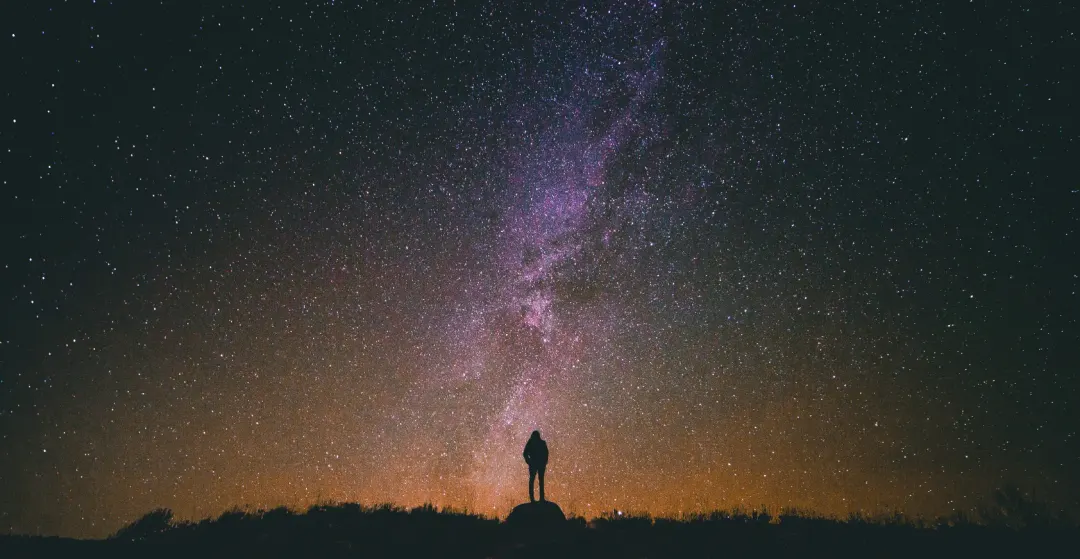
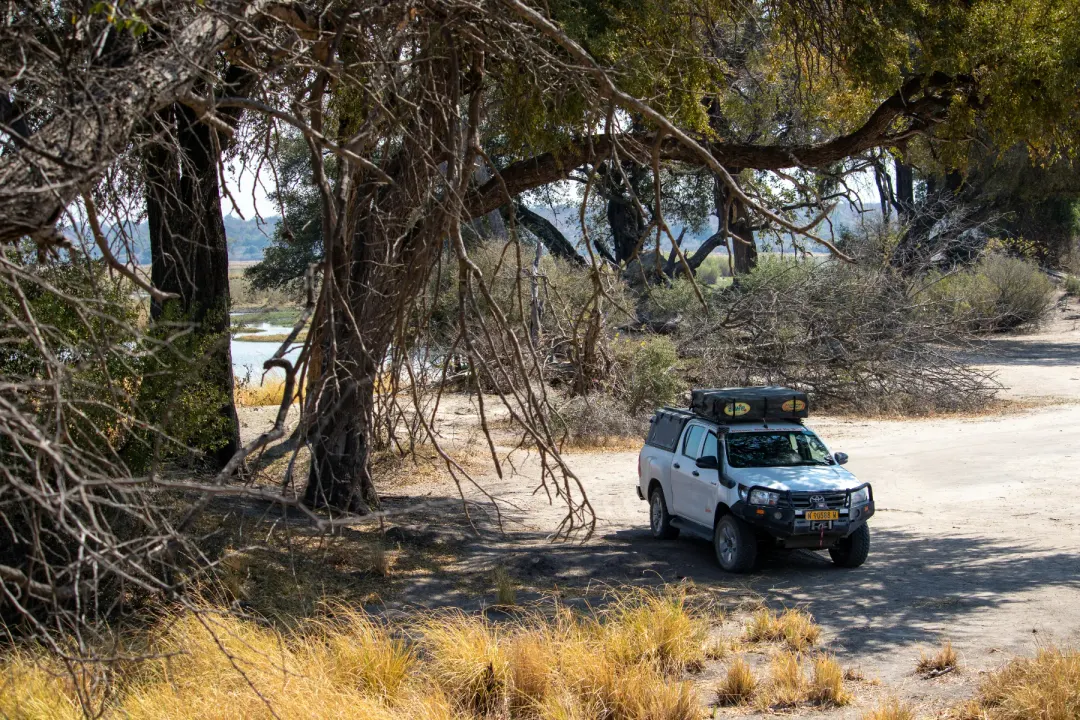
    Camping in Namibia is a raw, untamed adventure that gets you closer to the wild heart of this country. Discover magical campsites offering unforgettable nights sleeping under a canopy of desert stars.

  8. Socotra's Landscapes: Land, Light and Scale

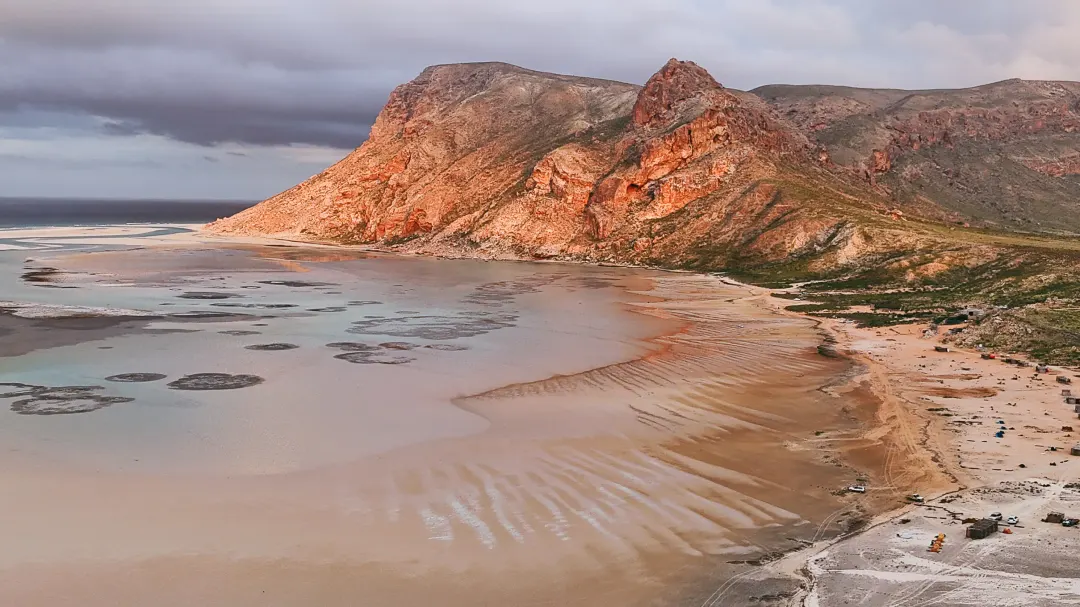
    The light of Socotra is unlike any other. In the morning, it is a soft, bluish-pink, free of harsh shadows. By noon, it turns white and merciless, erasing contours and flattening the landscape. And then, in the final two hours before sunset, something shifts. The air thickens, colours explode, and the sand, the rocks, the trees, the sea—everything takes on a weight and volume they lacked just minutes before. If you're a photographer, these two hours will break you, because you'll want to capture absolutely everything at once. If you aren't, you'll still stop and stare. Socotra doesn't care if you have a camera. It simply stands there and commands you to look.

  9. Socotra's Culture: Rituals, Food, and Everyday Life

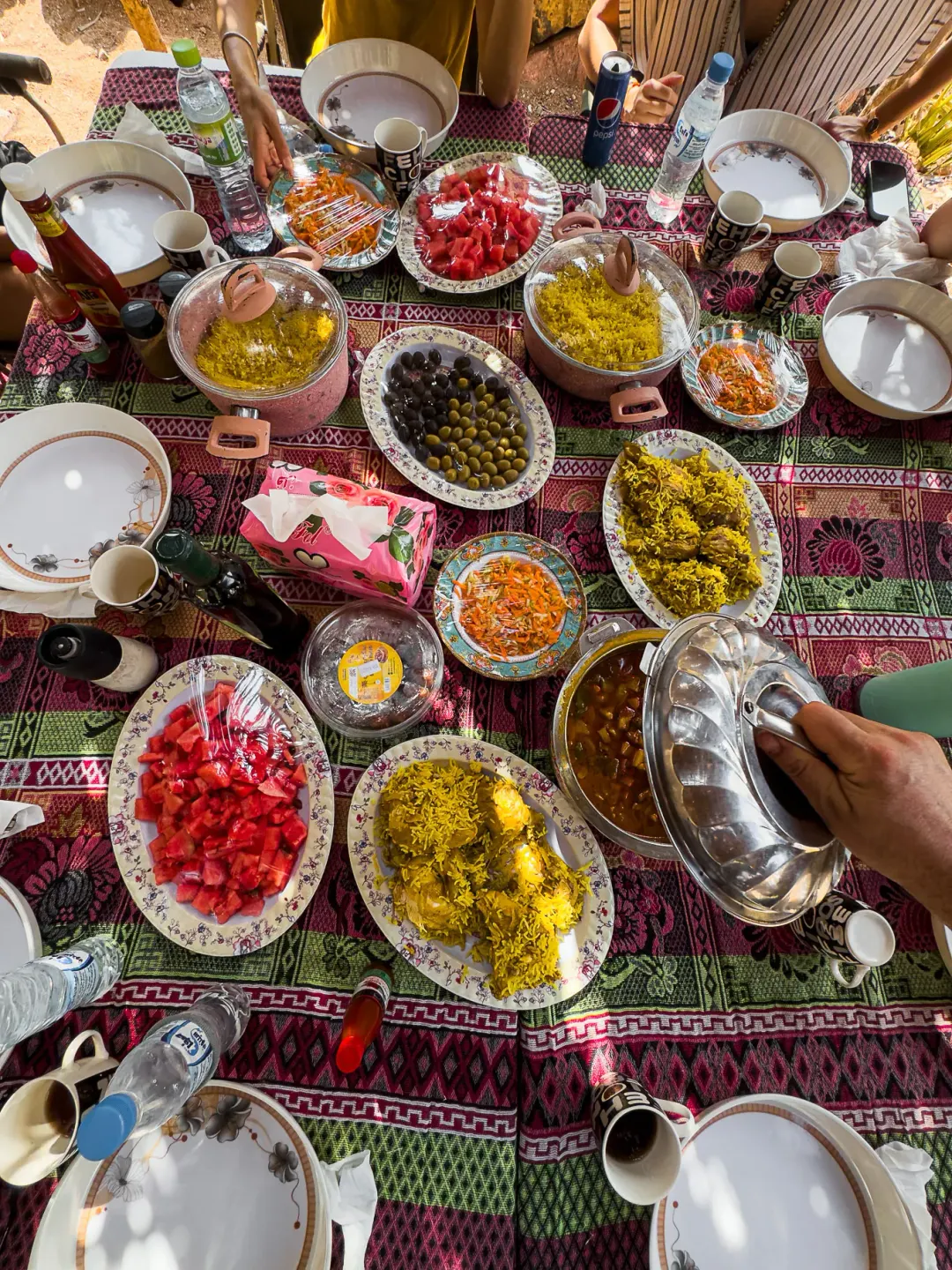
    The guide pulls the jeep up beside a stone wall, behind which lies nothing but empty space. He gets out, raises a hand in greeting, and calls out in a language you don't understand. A man in a long white robe appears over the wall, smiling and gesturing for you to come in. Five minutes later, you are sitting on the ground, a hot metal cup of tea in your hands, listening to a conversation where you understand zero words, yet somehow understand everything. The tone, the laughter, the silences. Socotra is an island where culture doesn't live in museums. It lives in the way people invite you inside, without ever asking where you are from.

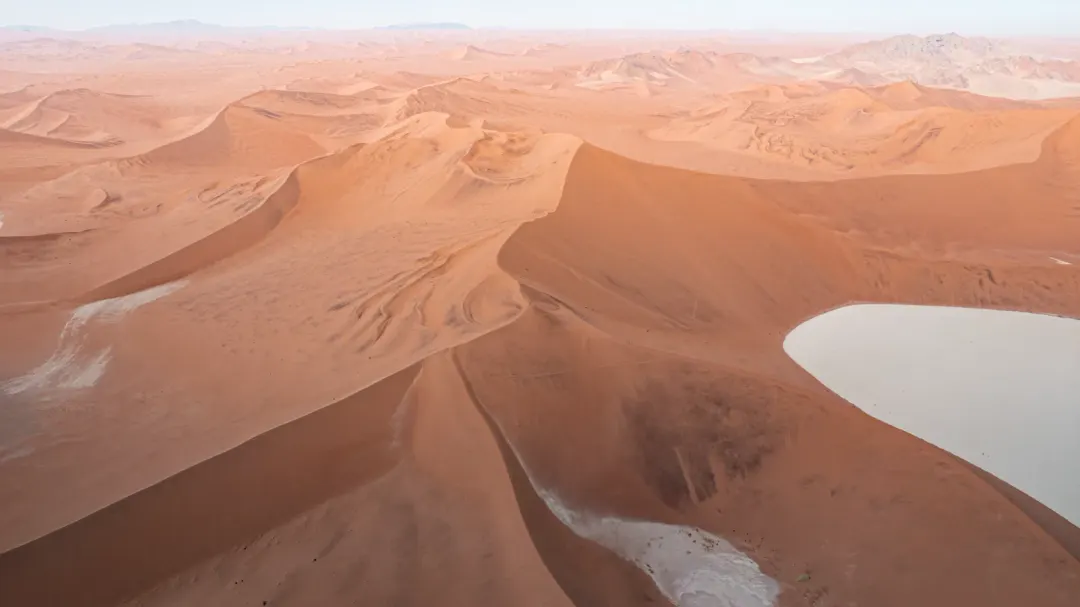
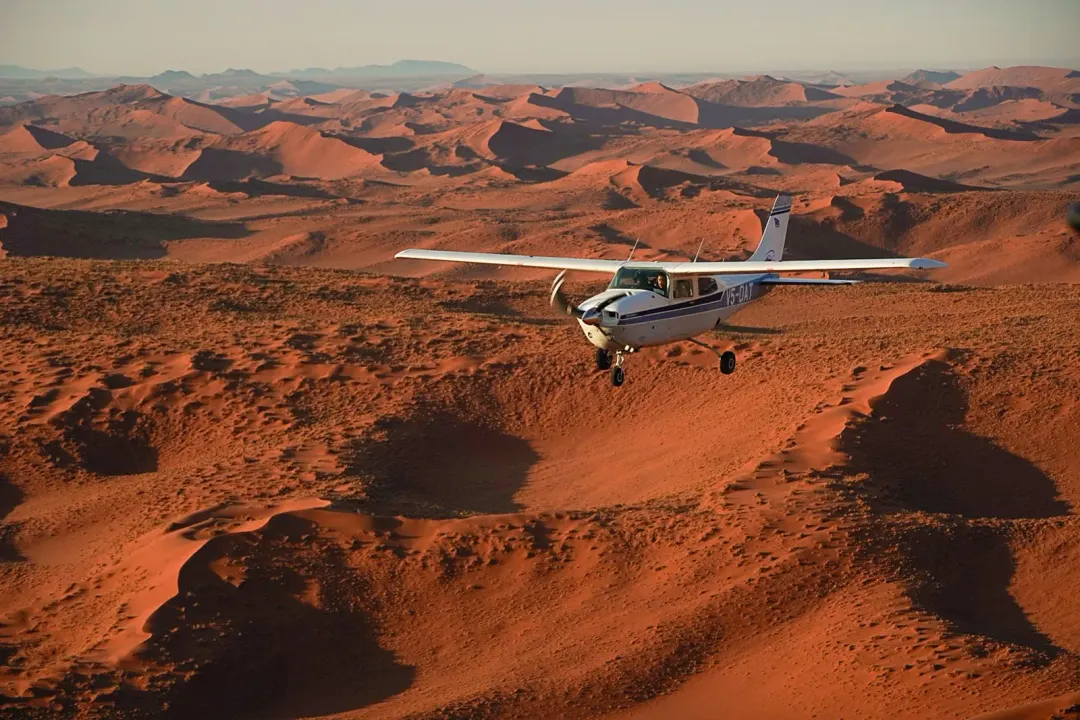
  10. How to Soar Over the Desert in a Small Plane

    The flight over the desert is an experience that lingers, revealing the beauty of nature from above. From sunrise to sunset, this flight offers vistas that endure and moments that will remain in your heart forever.

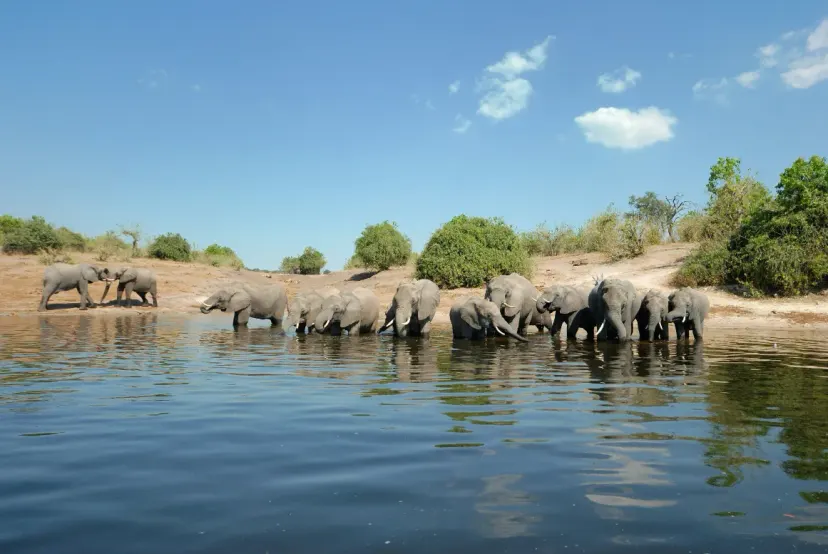
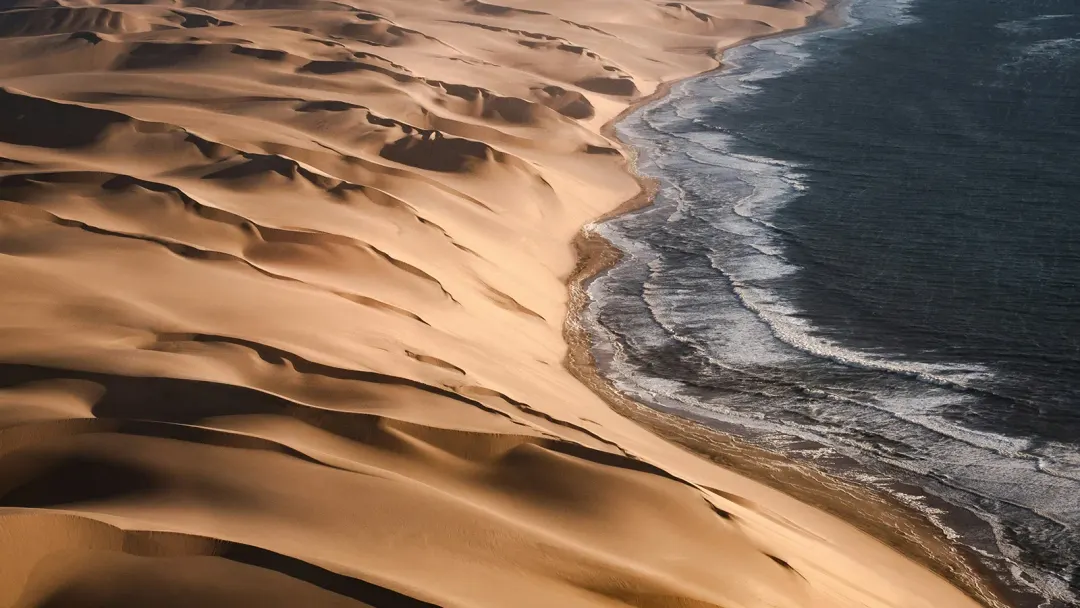
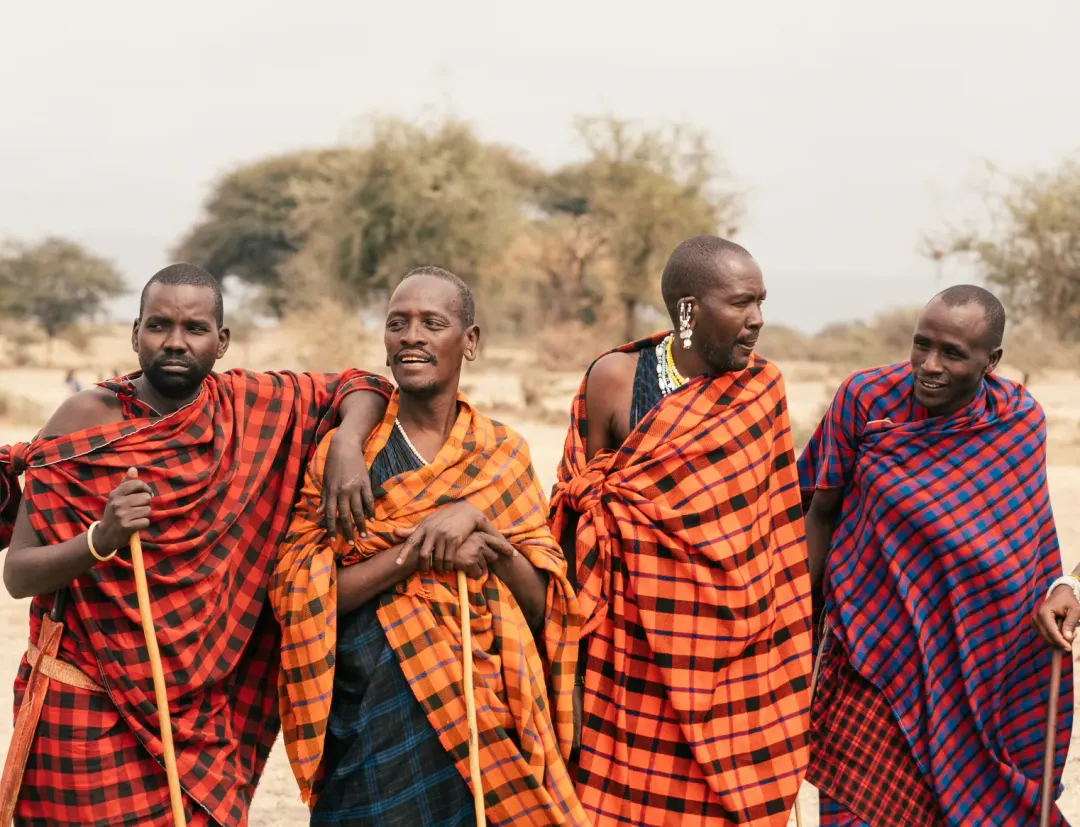
  11. 10 Reasons to Visit Namibia

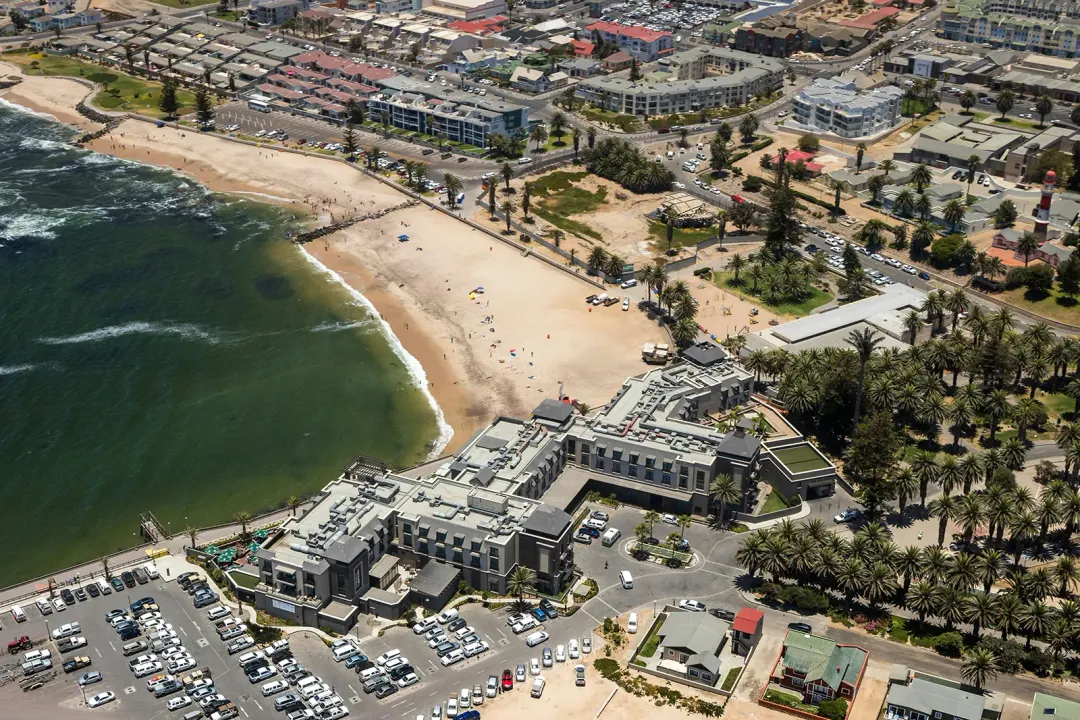
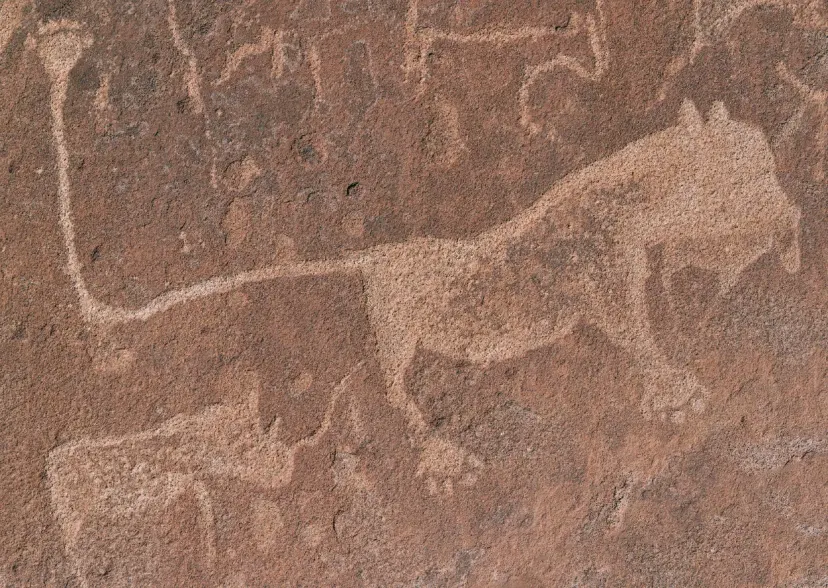
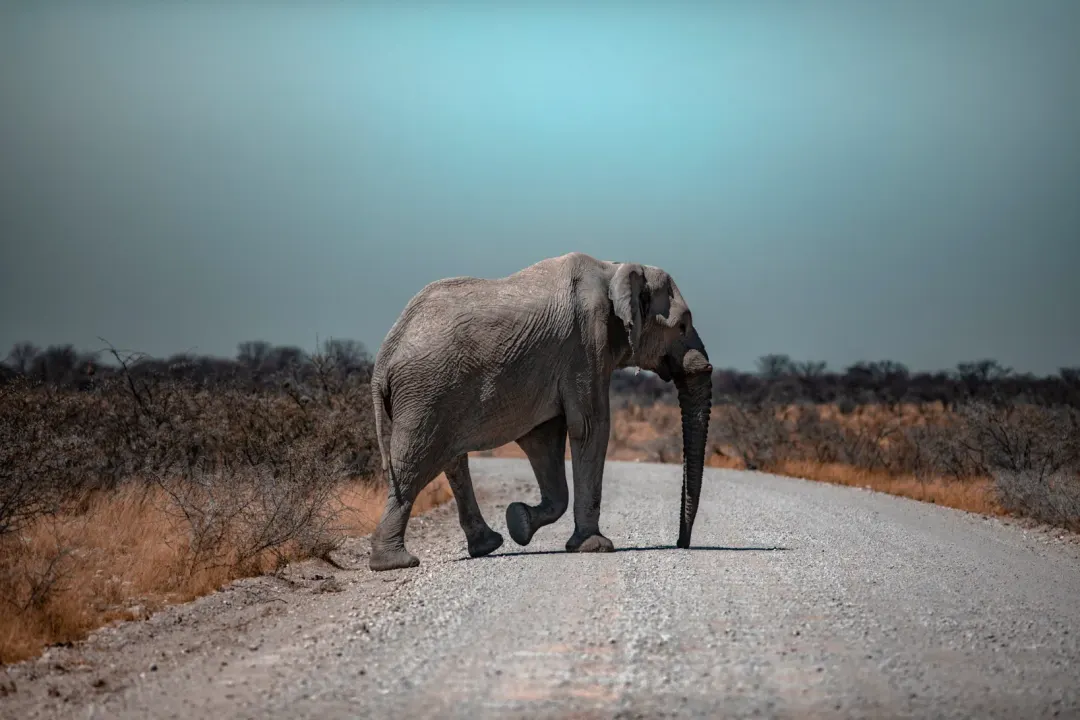
    Namibia, where the desert meets the ocean, and the wildlife and cultural richness will leave you breathless. Discover why this country is a must-visit destination for every traveller.

  12. North & Atlantic39

    See all 39
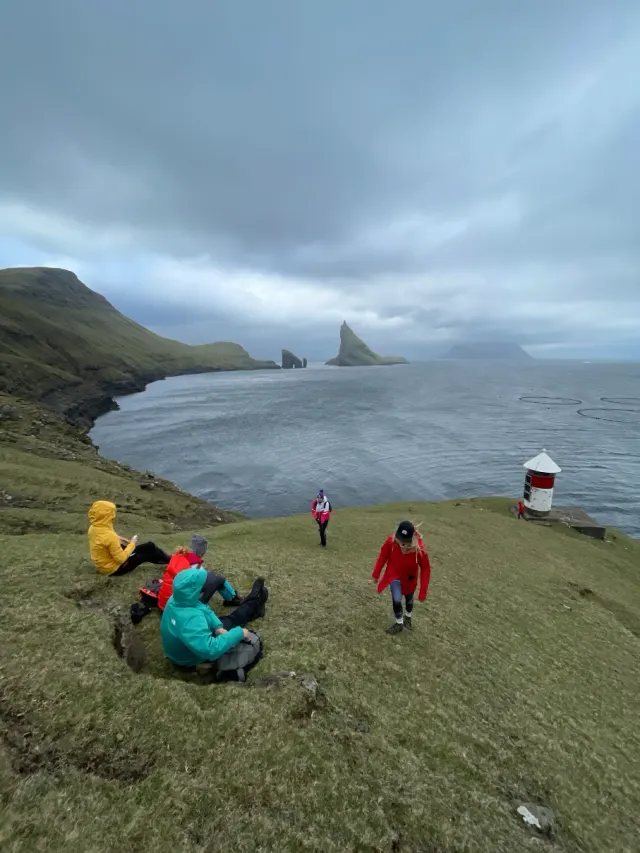
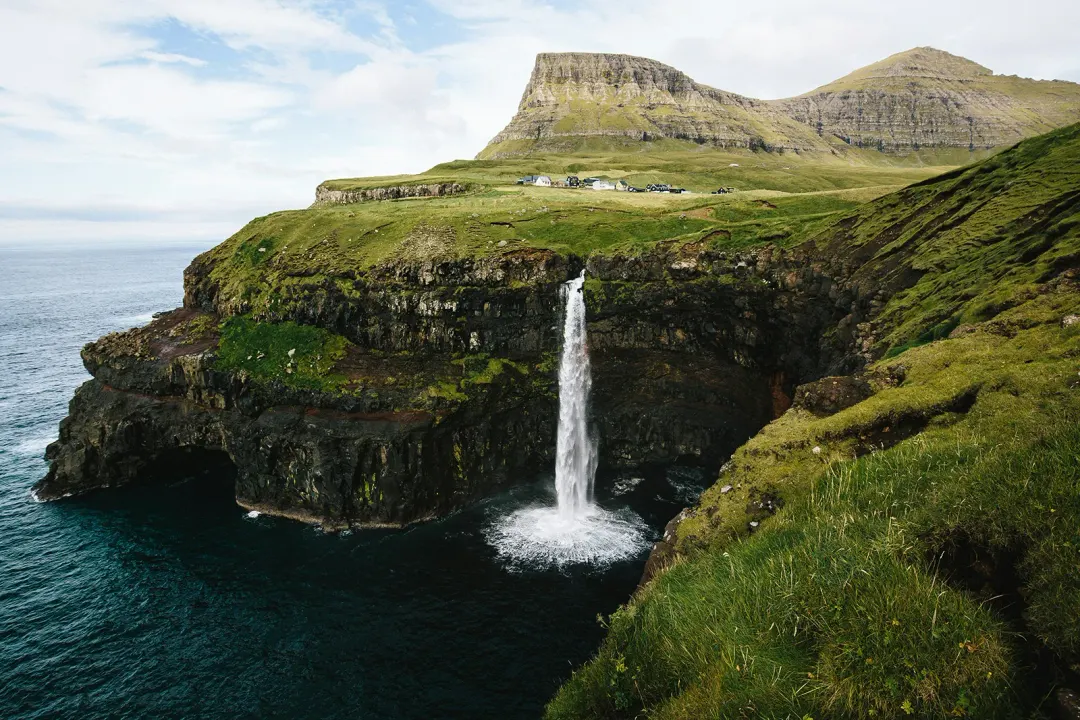
  13. Wild Faroe Islands: What Lies Ahead

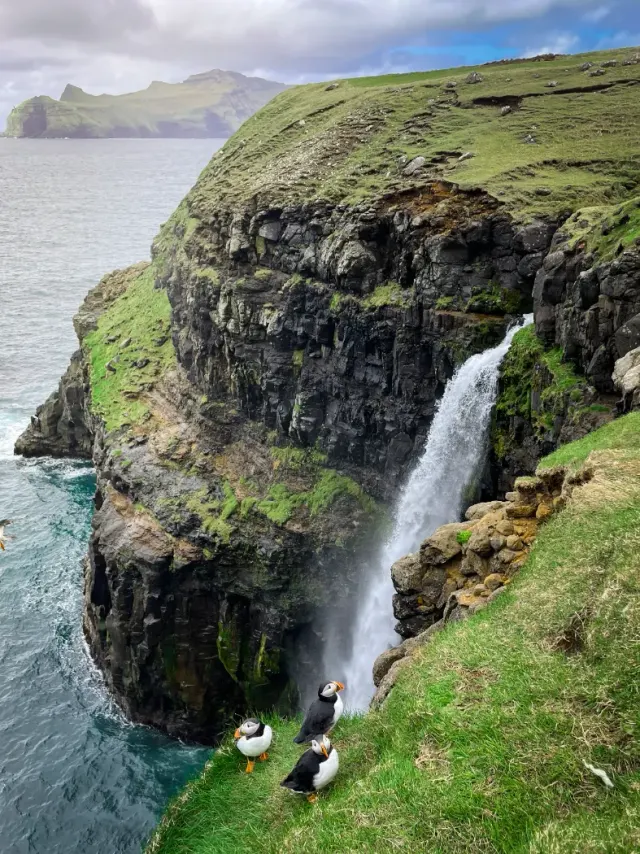
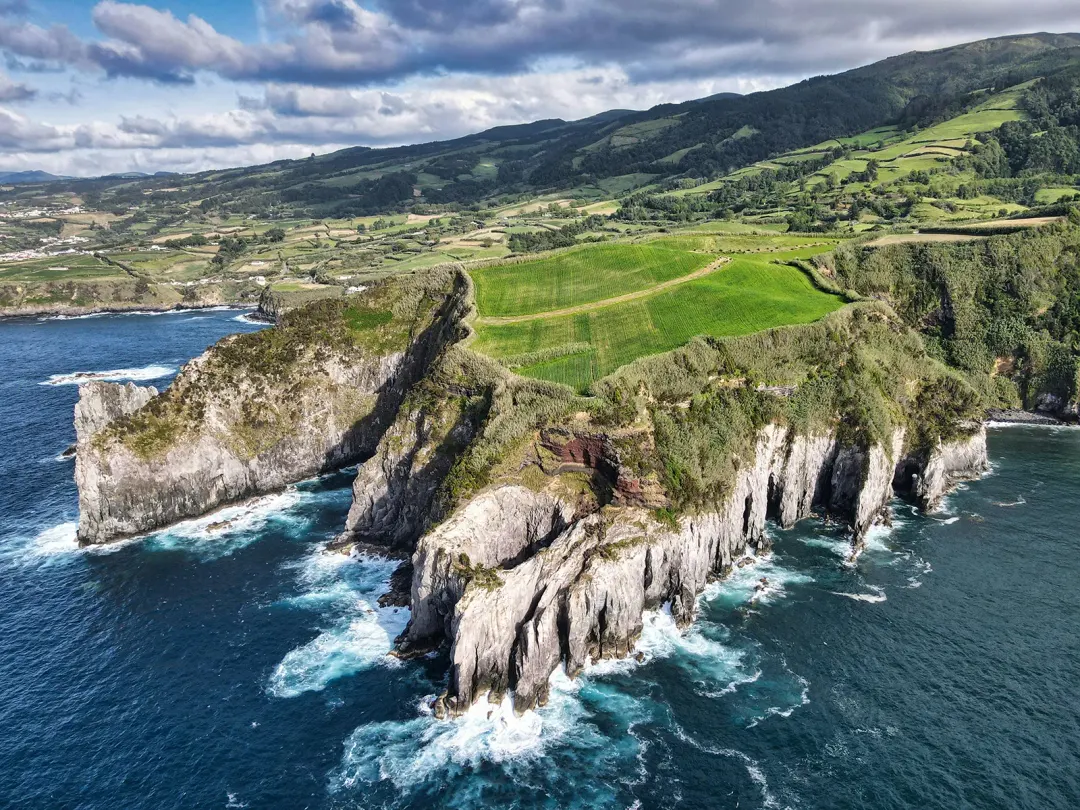
    In the Faroe Islands, the animals don't hide. Sheep stand right on the road, holding your gaze. Puffins land just meters away. Seals bob their heads above the water, watching you with an inquisitive, almost polite curiosity. Out here, wildlife isn't something you go looking for. It's a world you simply step into.

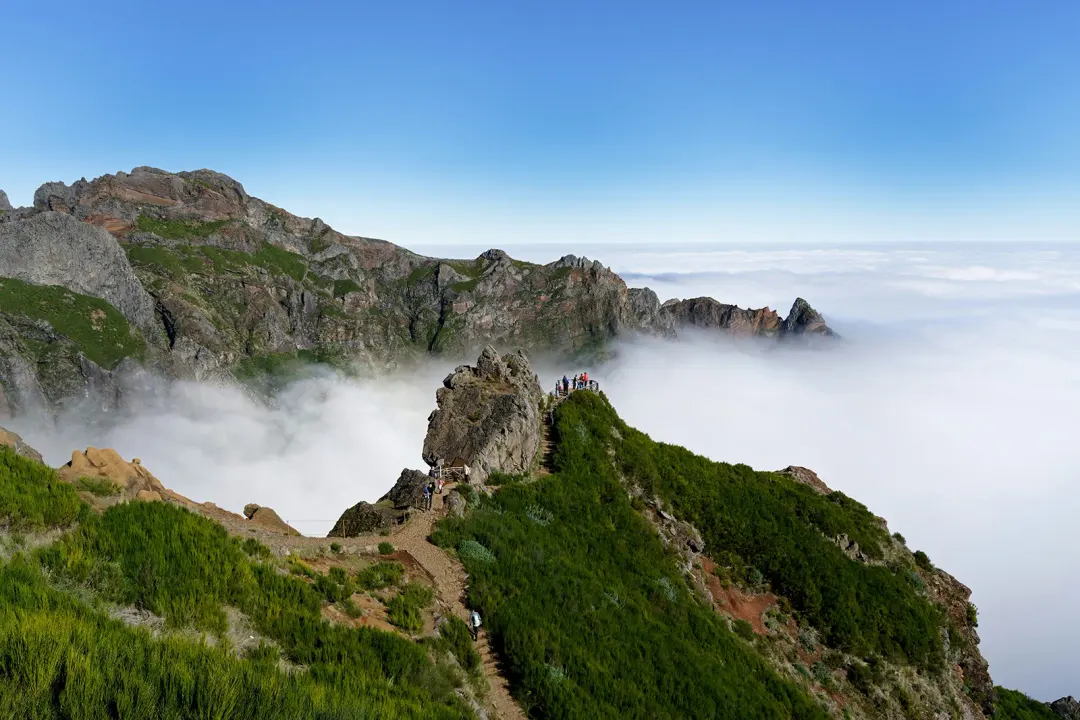
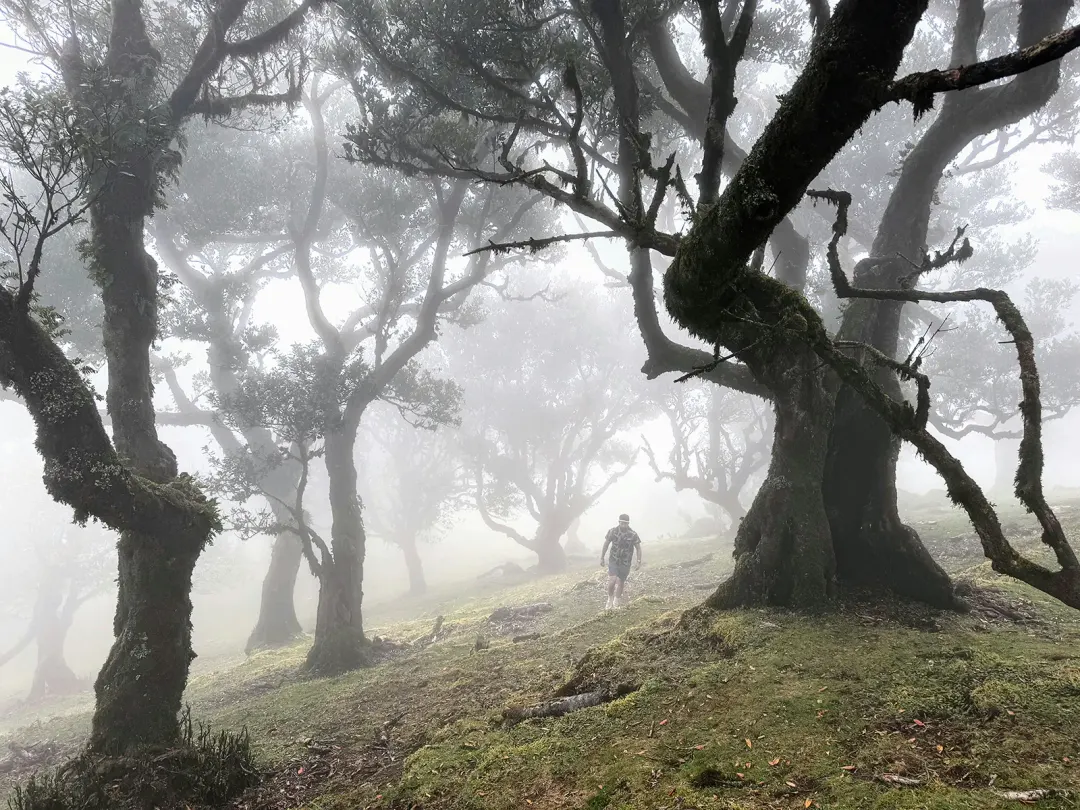
  14. When is the best time to visit Madeira

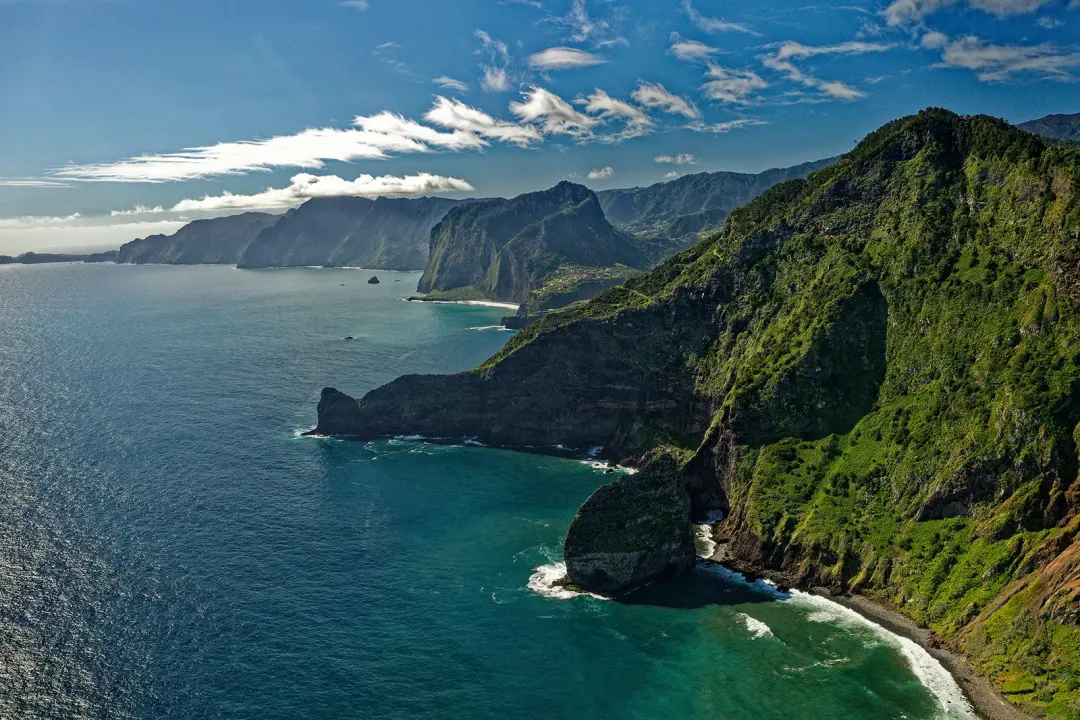
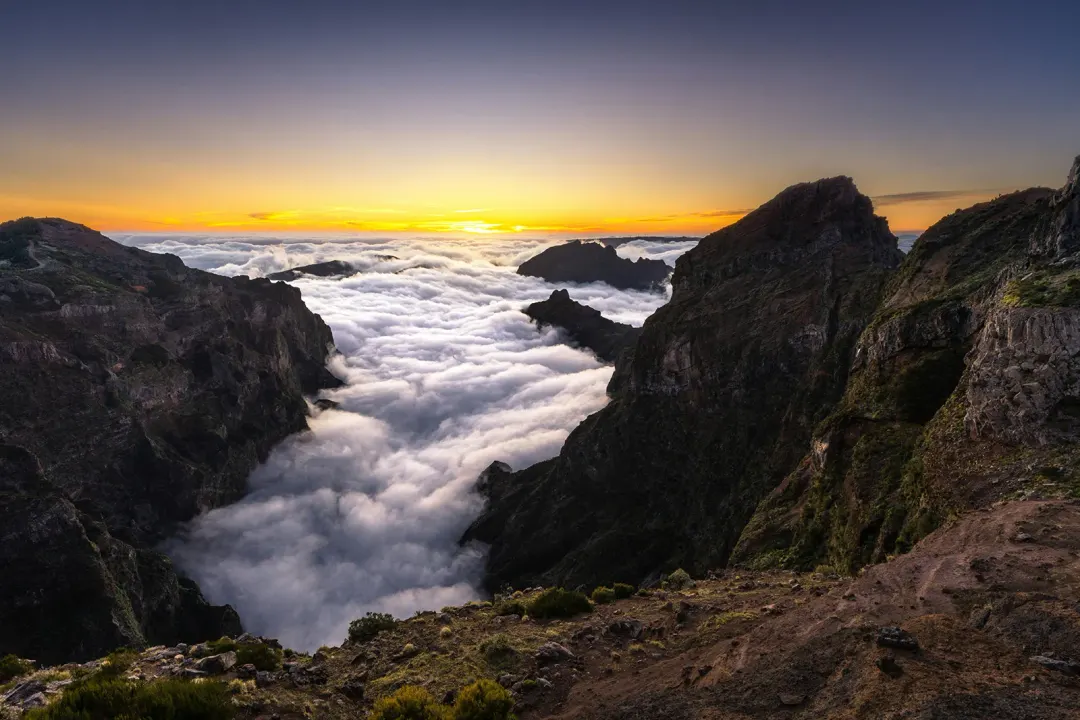
    Seventeen degrees, ocean breeze, and hills that vanish into the clouds. It could be January, it could be July. On Madeira, each season has its own face, its own glow, and its own reasons to lure you in.

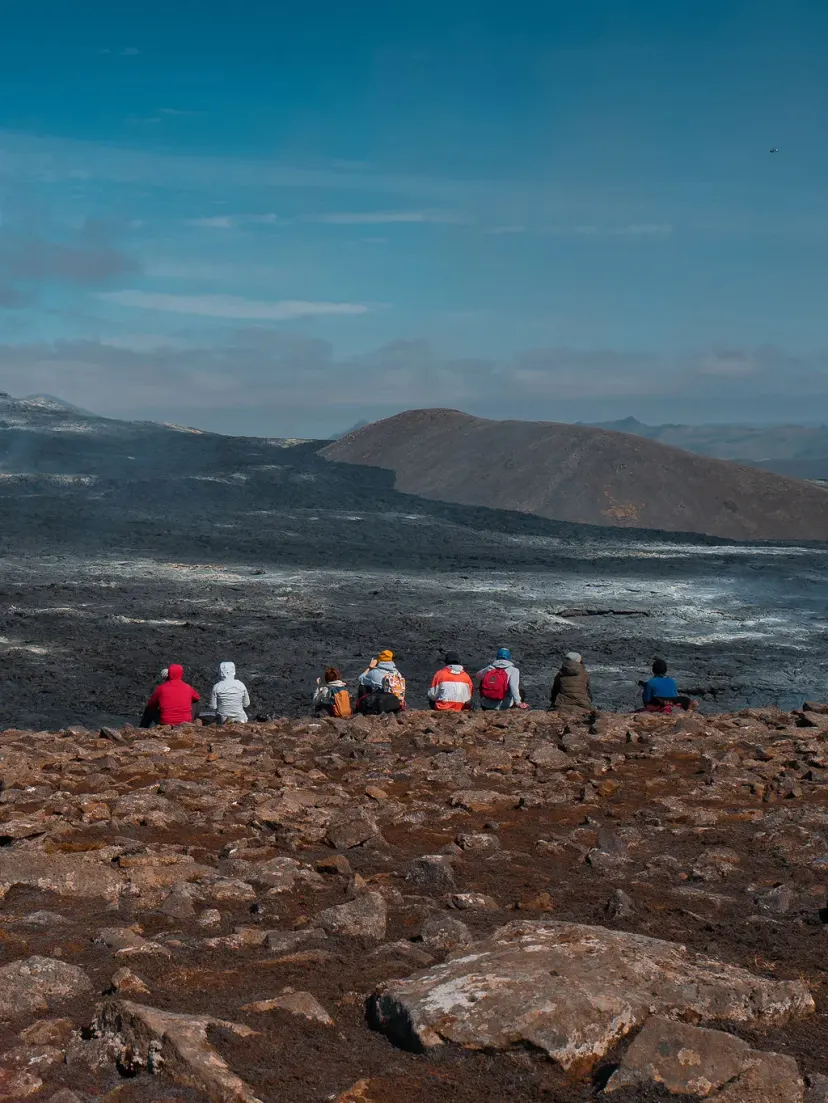
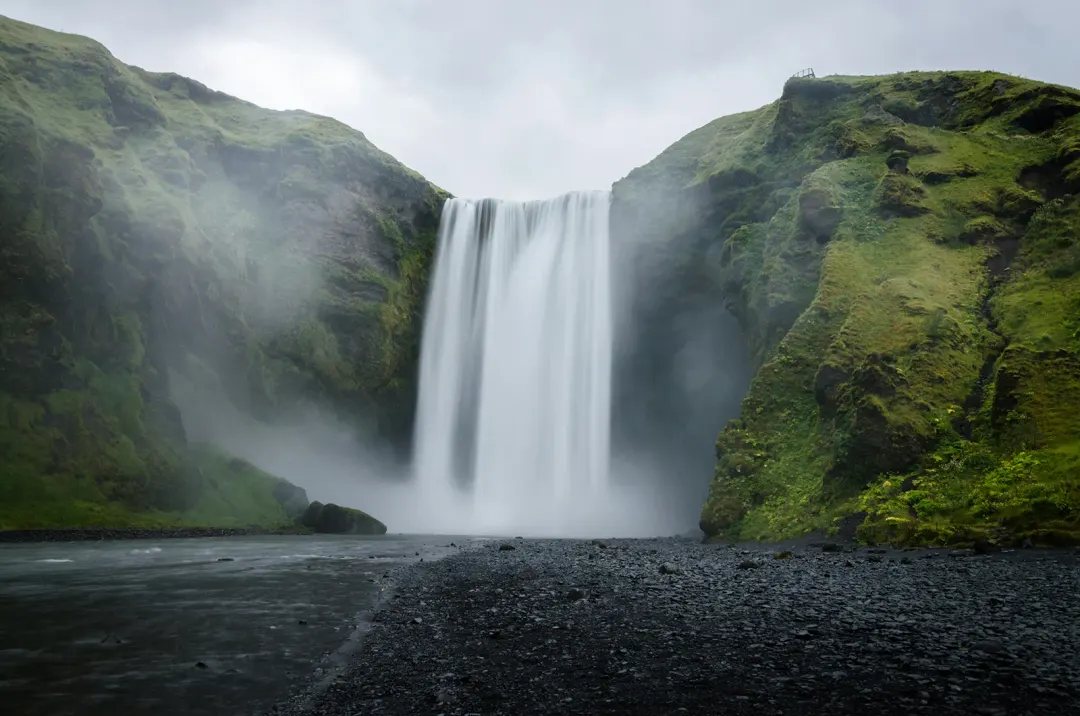
  15. Wild Iceland: What You'll Encounter

    A seal watches you from the water. Only its head emerges, black and wet, with eyes like glass marbles. It doesn't move. It doesn't run. It just observes you, as if asking what you are doing on its shore. In Iceland, wild animals do not run from humans. They simply do not find you interesting enough.

  16. Face to face: the wildlife of the Faroe Islands

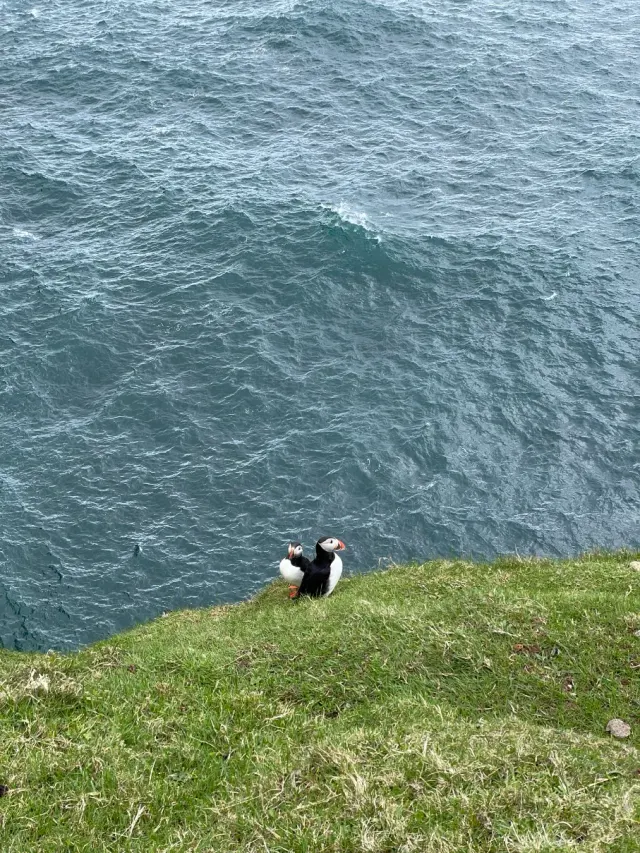
    A puffin is standing just half a metre from your boot. It looks at you with one eye, then the other. Its beak is a shade of orange so bright it looks painted on. It doesn't run. It doesn't panic. It just stands there, sizing you up with a quiet dignity you wouldn't expect from a bird the size of a pigeon. In the Faroe Islands, wildlife encounters don't happen in zoos or from the safety of a tourist jeep. They happen right on the trail, in the bay, on the road. No glass between you and the wild.

  17. Face to Face: The Wildlife of Iceland

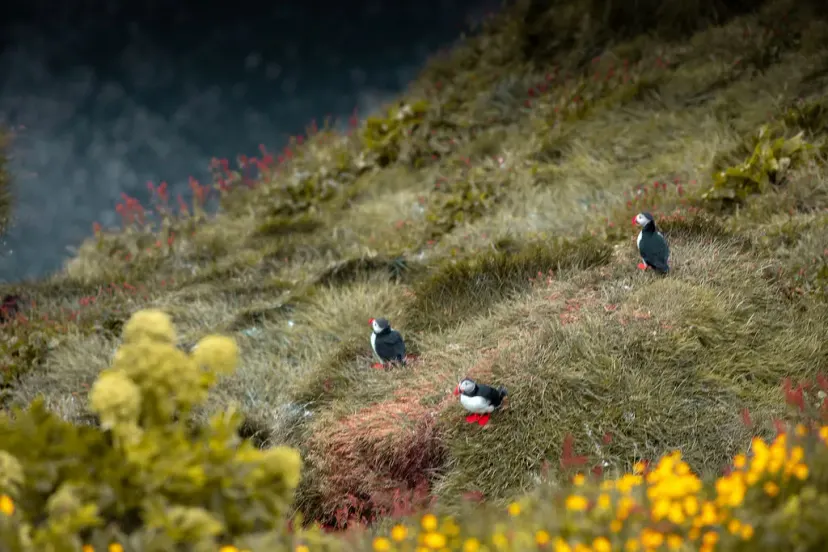
    The beak is construction-paper orange, so bright it looks painted on. Facing the wind, the bird stands on the edge of the cliff, absolutely still. It watches you. You watch it. There are barely five meters between you, and neither of you moves an inch. In Iceland, meeting the wild doesn't require a six-hour trek or a 700 USD permit. It just asks you to stop and look.

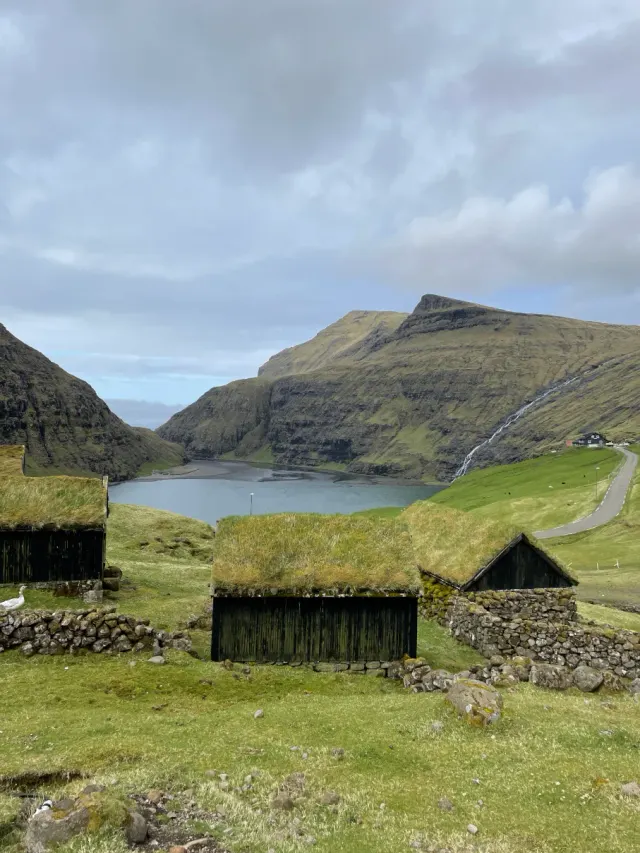
  18. Why the Faroe Islands are like nothing you’ve ever seen before

    Everyone who returns from the Faroe Islands says the exact same thing. Not 'it was beautiful'. Not 'it was cool'. But something quieter, more bewildered: 'I can't describe it.' And they really can't. Because the Faroes are unlike anything your brain has to compare them to. They are a blank space in your map of the familiar.

  19. Why Iceland is unlike anything you've ever seen

    You are standing on a black beach. Behind you is a glacier. Ahead, waves crash with enough force to capsize a boat. The air is 8 degrees, but the ground beneath your feet is warm because, somewhere deep below, the magma has never stopped flowing. Iceland is unlike anything you have ever seen. And not because it is far away. But because here, the rules of the world you know simply do not apply.

  20. What will you do with Panic Frame in the Faroe Islands?

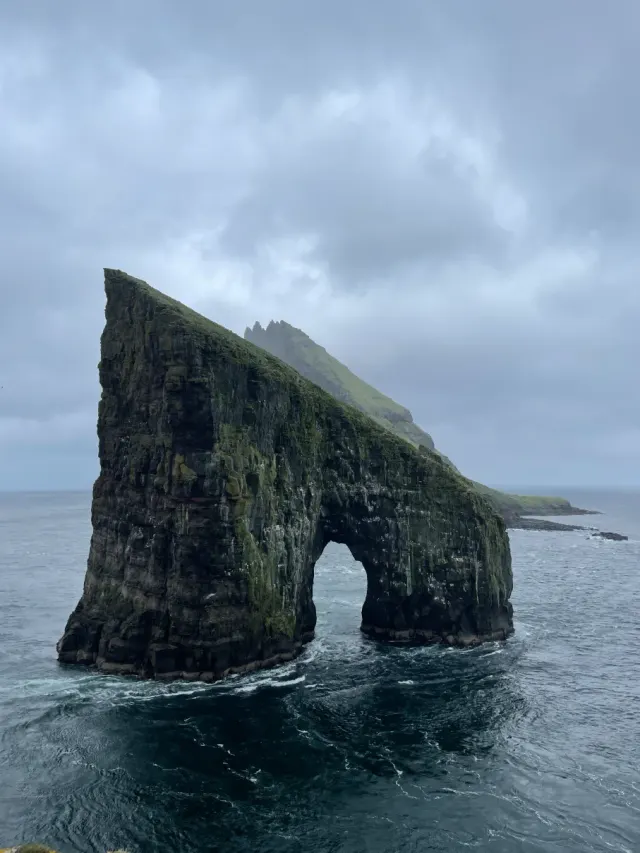
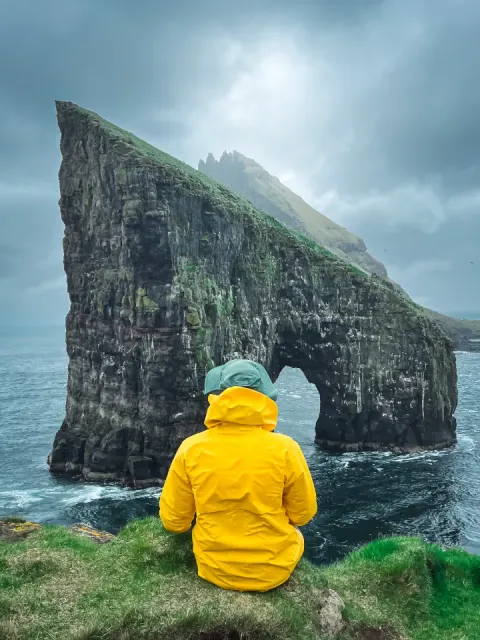
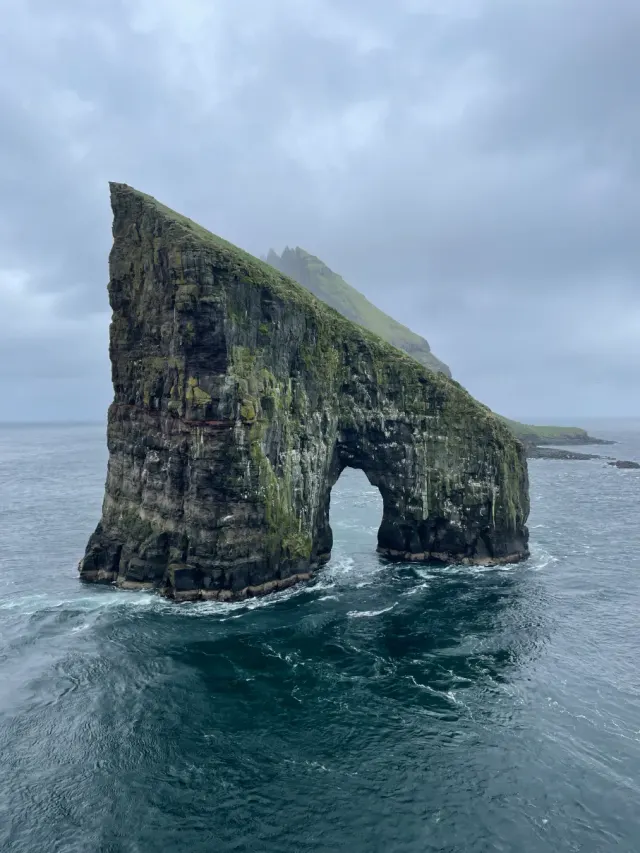
    You don't know which ferry to catch. You don't know if Mykines will even be accessible tomorrow. You don't know where to park for the trek to Drangarnir, or how long it will take you. In the Faroe Islands, unpredictability is the law of the land, and logistics are a puzzle that changes by the day. With Panic Frame, the puzzle is solved. You just hike, explore, and capture the moment.

  21. What will you do with Panic Frame in Iceland

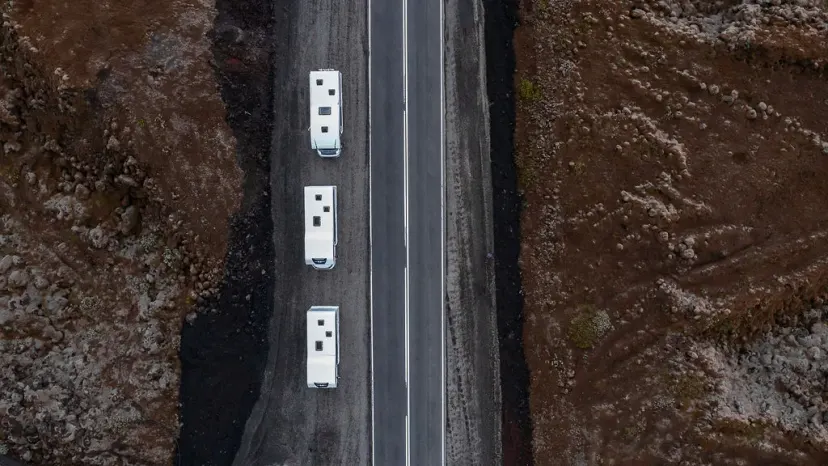
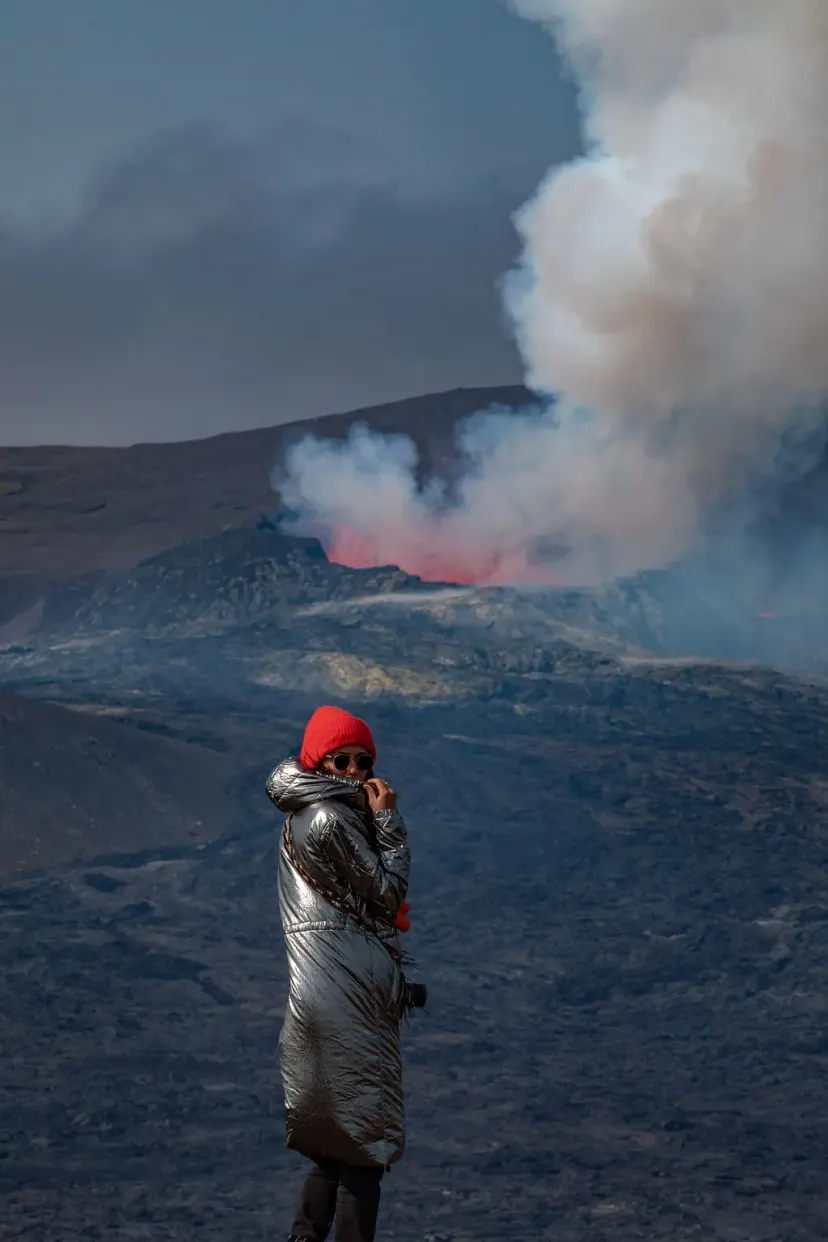
    Sofia Airport, Terminal 2. The group counts 15-20 people, most of them strangers to one another. Someone is holding a coffee, another is double-checking their gear for the third time, someone else is already snapping photos. In 4 hours, you'll touch down in Reykjavík. In 24, you'll be driving campervans across lava-carved roads, with a volcano looming on the horizon and a geyser erupting every 5 minutes. Iceland with Panic Frame is no mere sightseeing tour. It’s 9 days where your home is on the move, and the view outside your window shifts like scenes from a movie.

  22. Faroe Islands: What to Know Before You Go

    You step off the plane and the wind hits you right in the chest. Not metaphorically. Literally. The air is salty, damp, and cold in a way that isn't unpleasant, just different. Everything around you is green, but not like a forest. It's green like a blanket thrown over cliffs that vanish into the clouds. Tórshavn, the capital, has 22,000 residents and not a single traffic light. The Faroe Islands aren't a destination for 'top ten' bucket lists. They are a place you either feel in your bones, or miss entirely.

  23. Iceland: What you need to know before you go

    The first thing you feel is the wind. Not a gentle breeze, not a draft, but a wind that pushes you squarely in the chest the moment you step off the plane onto the Keflavik tarmac. The air smells of salt and sulphur. The earth all around is black, blanketed in moss, with not a single tree to the horizon. Iceland doesn't welcome you. It's just there, waiting, when you arrive.

  24. Faroe Islands Weather: Seasons, Temperatures, and What to Expect

    The morning brings sunshine. By noon, thick fog. The afternoon, rain. By evening, the sun is back, but at a different angle, piercing through clouds that race so fast your eyes can barely keep up. Then the wind hits, stopping you dead in your tracks. Then silence. Then rain again. All of this in just eight hours. On the Faroe Islands, the weather isn't just something you adapt to. It is a co-author of your adventure.

  25. Iceland's Weather: Seasons, Temperatures, and What to Expect

    6:47 AM. The sun is already up, low and pink, as if someone has spilled watercolours across the horizon. Or it's 11:30 PM and the sun still hasn't set, leaving the sky in shades of gold and copper. Or it's 3:00 PM and it's so dark that your campervan's headlights are the only light for 50 kilometres. Iceland has a concept of time created not for humans, but for a planet that marches to its own beat.

  26. The Faroe Islands: A Complete Adventure Guide

    You open your suitcase. Throw in a t-shirt, shorts, sunglasses. Then you check the forecast for the Faroe Islands: 8 degrees, 50 km/h winds, rain, fog, a fleeting moment of sunshine, then more rain. You close the suitcase. And you start all over again.

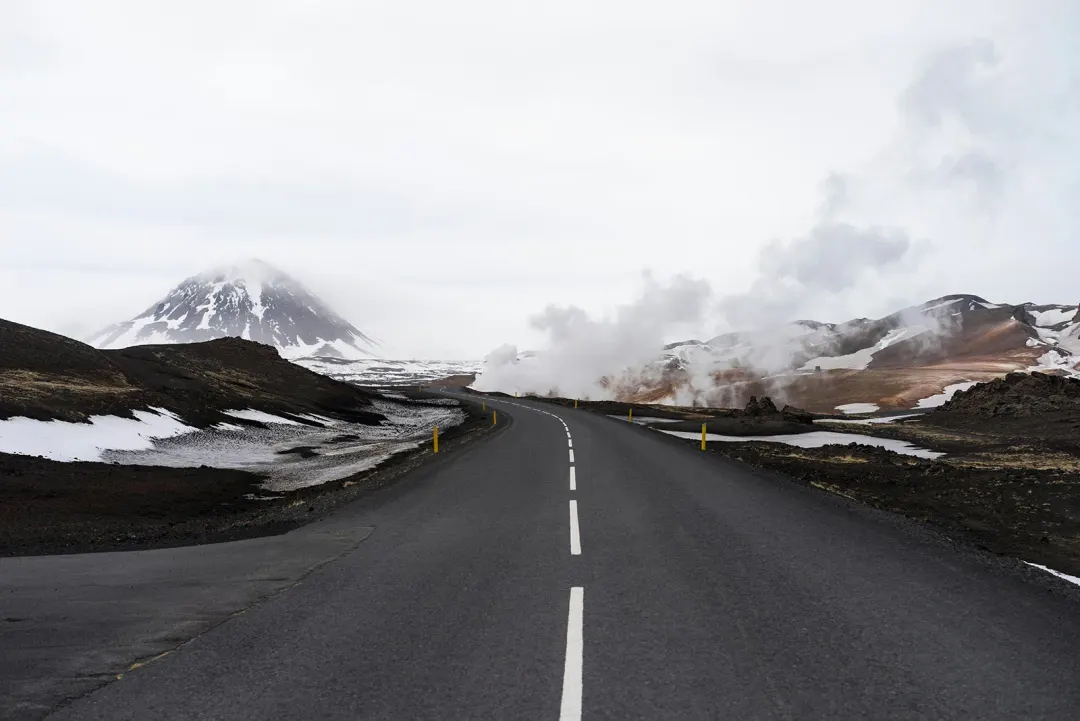
  27. Iceland's Roads: What to Expect Behind the Wheel

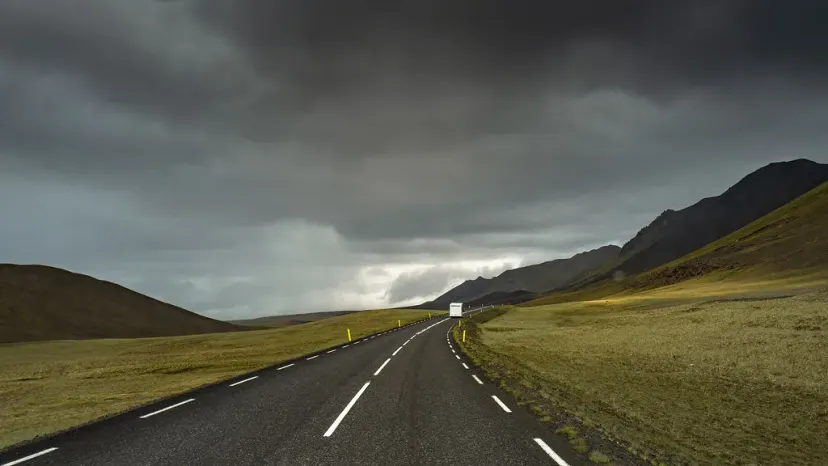
    The wind hits from the left so hard that the camper tilts. The steering wheel feels heavy in your hands, and the GPS says the next petrol station is 87 km away. To your left is lava, to your right is the ocean, and ahead is a road so straight it vanishes into the mist. In this very moment, suspended between fear and absolute freedom, you understand why people come here to drive. Iceland isn't a country you just tour. It's a country you experience behind the wheel.

  28. A Photographer’s Guide to the Faroe Islands: Where and When to Shoot

    The mist clears for three minutes. Exactly three. The waterfall materialises like a ghost, water tumbling straight into the ocean, the cliffs gleaming with moisture, before the cloud rolls back in and swallows everything. The Faroe Islands don't wait for you to adjust your camera. Here, you shoot when the light decides, not when you do.

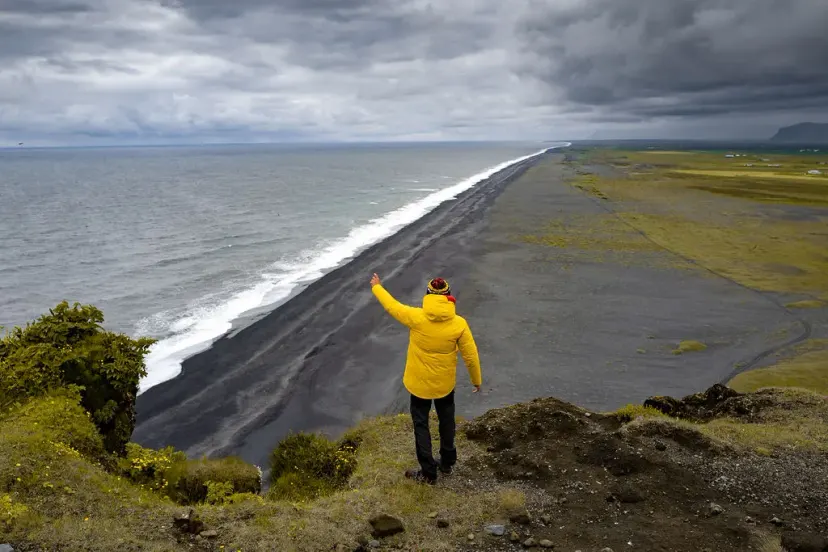
  29. Iceland: The Ultimate Adventure Prep Guide

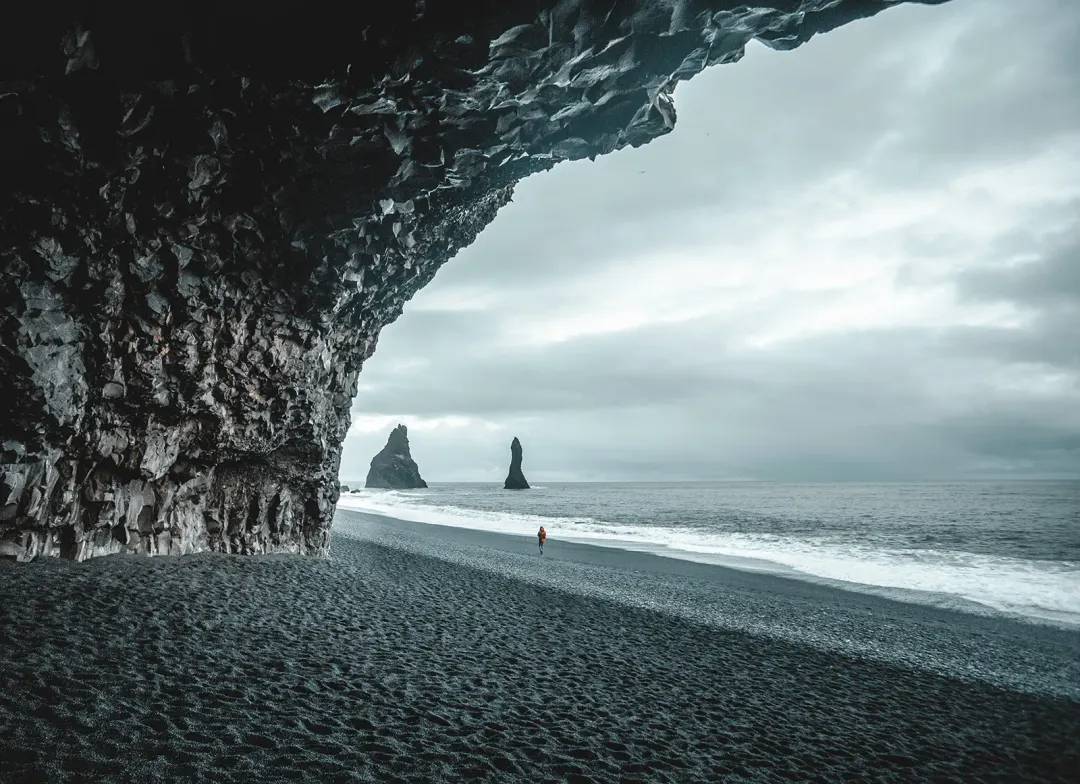
    You’re standing on the black sands of Reynisfjara. The wind is howling at 70 km/h, ocean spray stings your face, and it's a brisk 6 degrees. Yet, your hands are dry, your core is warm, and your boots are locked onto the volcanic grip below. Or, picture this: same beach, but you're in trainers and a cotton jacket—soaked to the bone, shivering, unable to even hold your camera. The only difference between these two worlds is preparation. Iceland isn’t just cold; it’s unpredictable. And you don’t conquer the unpredictable with bravery—you conquer it with layers.

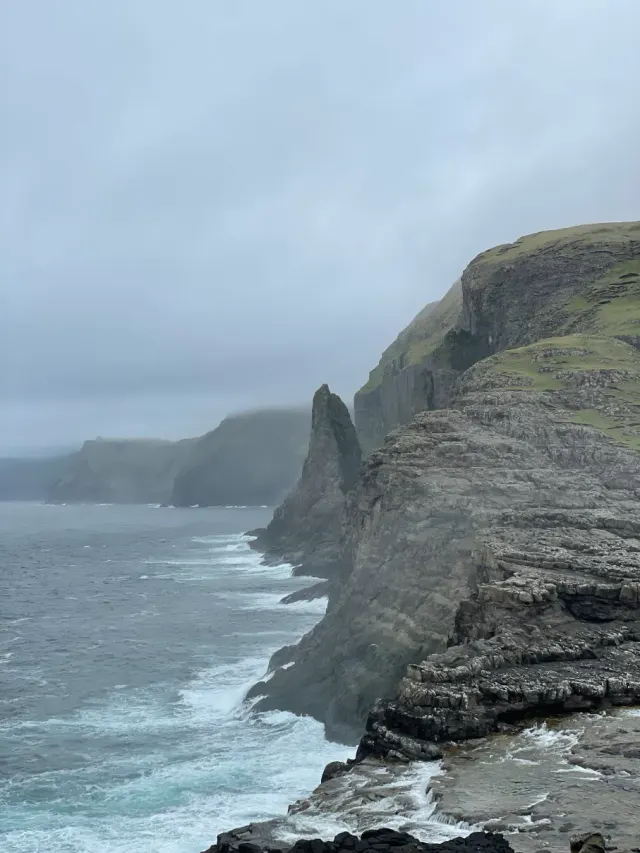
  30. Landscapes of the Faroe Islands: land, light and scale

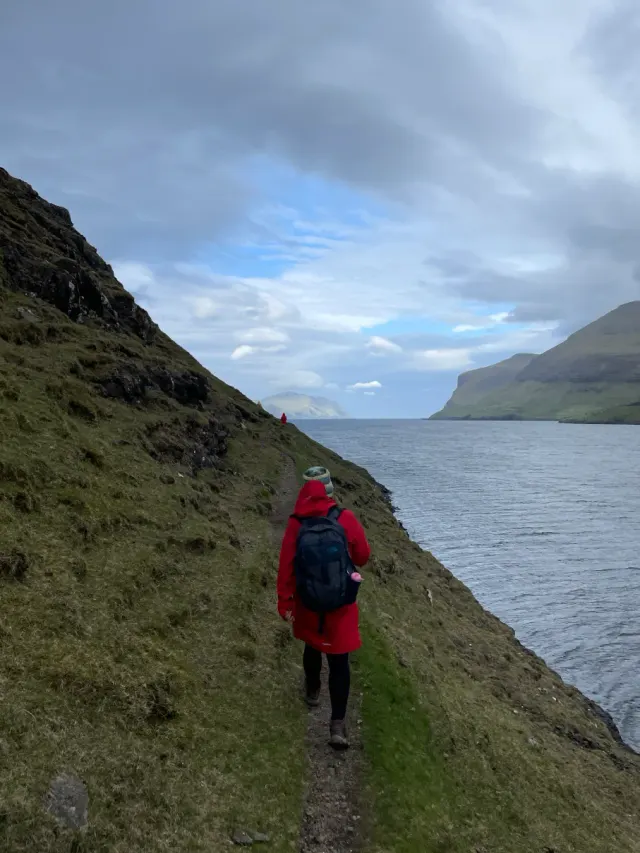
    The first thing you realise about the Faroe Islands is that the landscape isn't just a backdrop. It's a character in its own right. The cliffs speak, the fog directs, and the light decides what you get to see and when. You are a spectator in a theatre that has run without intermission for millennia. Entry is free, but there is one condition: you must be patient.

  31. Icelandic Landscapes: Land, Light, and Scale

    The light falls low, almost horizontal, turning everything it touches into gold. The sand is black. The ice is blue. The moss is so green it looks painted. In Iceland, the landscape isn’t a backdrop. It is the sole protagonist, and you are simply a spectator, allowed in for nine days.

  32. The Faroe Islands for the first time: what is your next move?

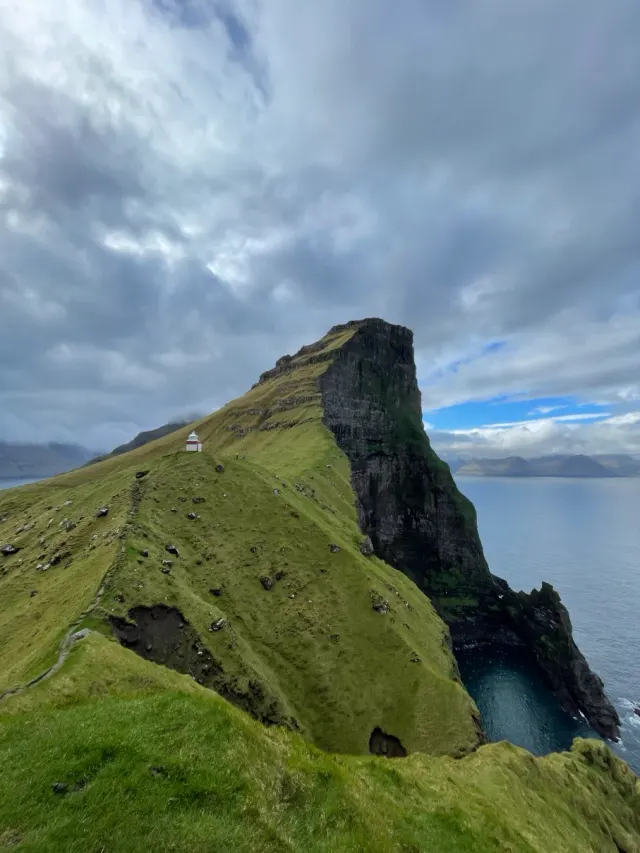
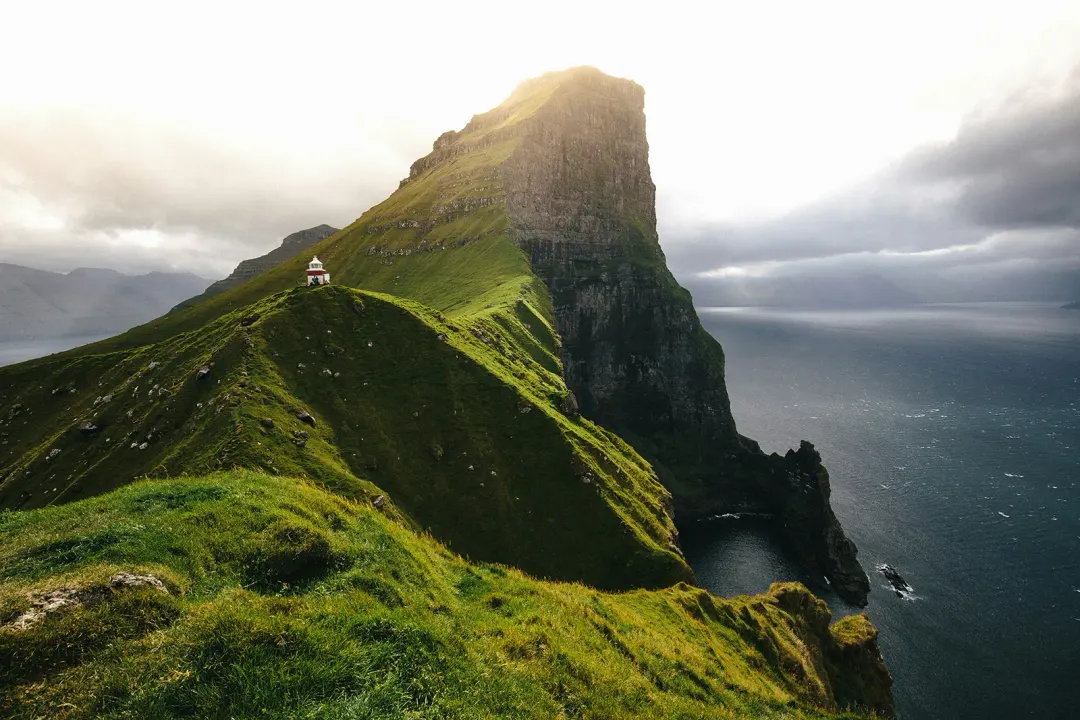
    The ferry pulls away from Klaksvík. Twenty minutes across water that is cold, dark, and restless. Kalsoy island looms ahead, a narrow, steep silhouette rising like a blade thrust into the ocean. You don't know what waits on the other side. You only know that, for the first time in ages, you are somewhere that feels entirely off the map.

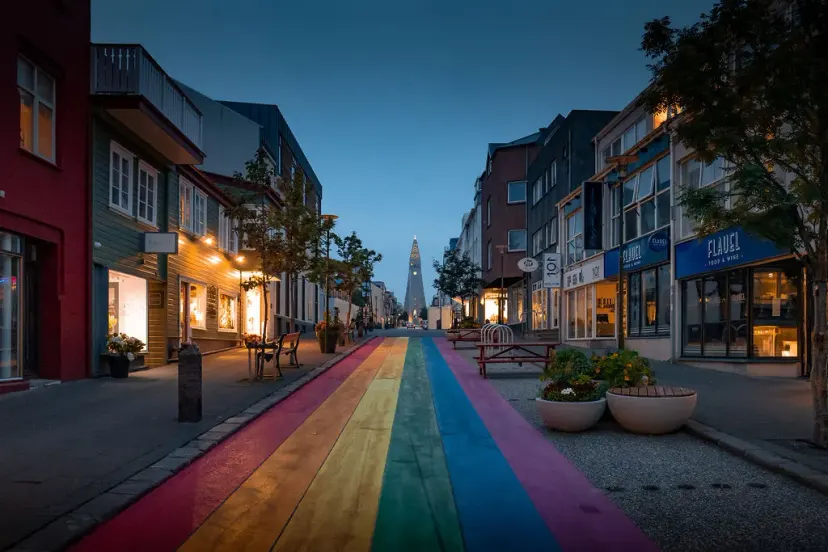
  33. First-time Iceland: what will you do?

    You land in Keflavík, and the first thing that hits you is the light. It's not like back home. It's lower, softer, as if filtered through something ancient. The road from the airport to Reykjavík cuts through an endless black lava field, draped in moss so green it feels surreal. Iceland doesn't ease you in. It just begins.

  34. 5 Faroe Islands Adventures You'll Never Forget

    You don't remember everything from a journey. You remember moments. Sharp, physical, sensory moments. The bite of cold on your cheeks. The smell of wet grass. The sound of a thousand beating wings. The Faroe Islands are full of these moments, but five of them cut deeper than the rest.

  35. 6 Iceland adventures you'll never forget

    There are moments that simply cannot be captured in a photo. You try, taking 10, 20, 50 shots, but when you get back and look through them, something is missing. It's not the framing. It's the wind that was battering you. It's the roar of the thundering water. It's the cold creeping under your jacket. Iceland is full of moments like these. Here are six you will never forget.
  36. Americas17
    See all 17
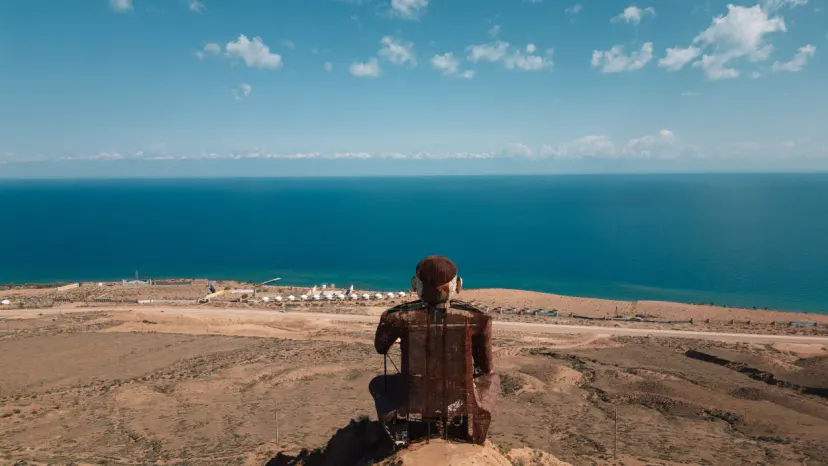
  37. Kyrgyzstan with Panic Frame: what to expect from the first to the very last day

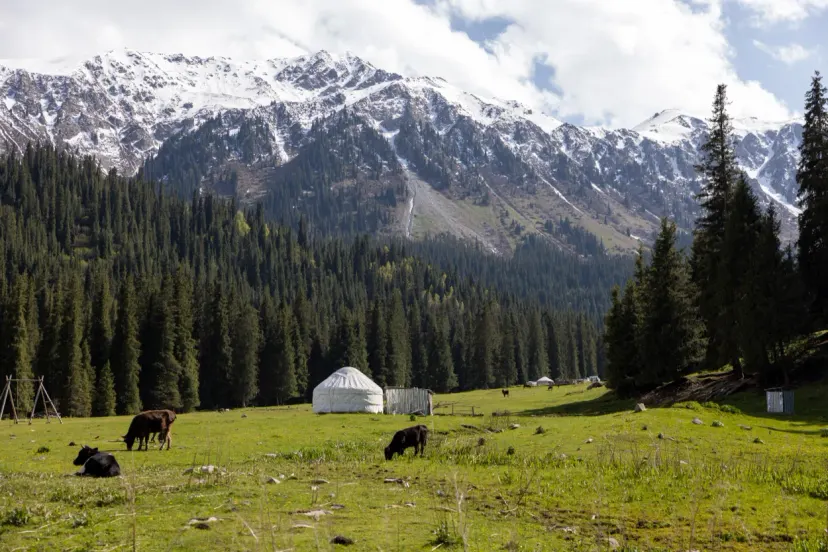
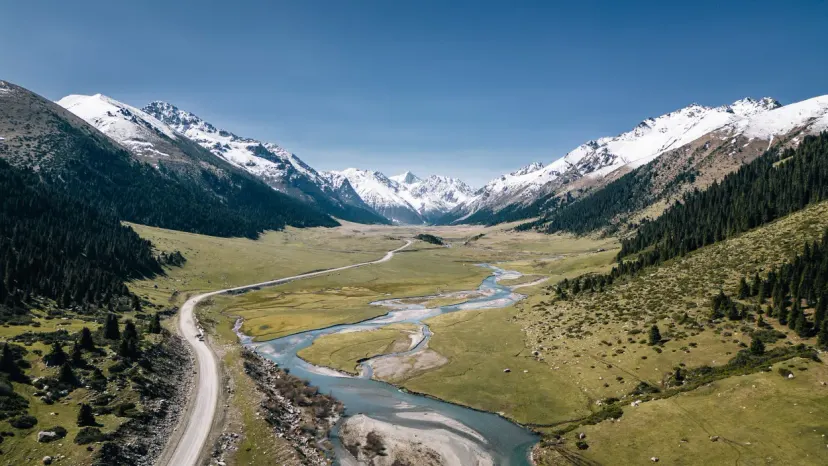
    Bishkek welcomes you with wide boulevards, irrigation canals cutting between the trees, and mountains towering behind the rooftops like a stage backdrop everyone has long stopped noticing. The air is dry and light, carrying the scent of dust and warm bread. The city is quiet in a way you wouldn't expect from a capital. And then, you head south, and everything shifts. The road narrows, the tarmac disappears, the horizon cracks wide open, and you realise Kyrgyzstan isn't a place you prepare for with a guidebook. You prepare for it with your body, your eyes, and a willingness to feel small.

  38. Kyrgyzstan’s Landscapes: Earth, Light, and Scale

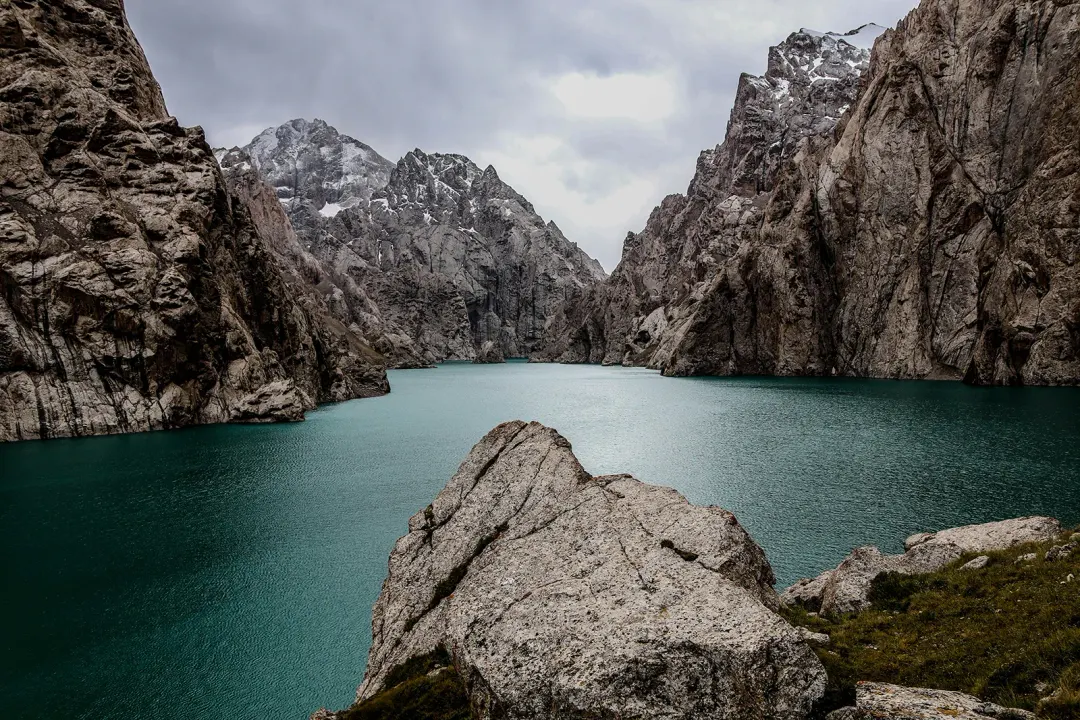
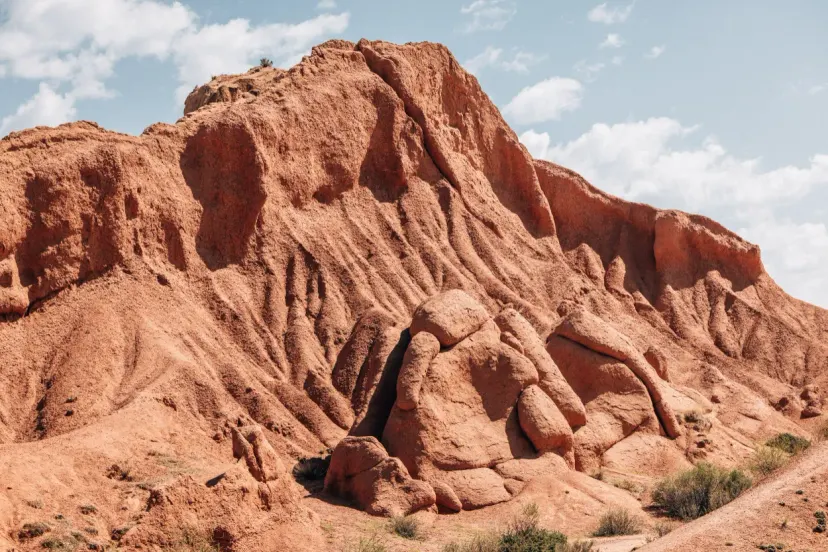
    The light in Kyrgyzstan is different. At 3,000 metres up, the sun feels closer, shadows stretch longer, and the colours have a depth that feels almost fake on a screen. The canyons are a deep, dusty red. The alpine lakes are a piercing turquoise. The highlands are so violently green you'd swear someone had dialled the saturation all the way up. But they haven't. It just actually looks like this out here.
  39. Kyrgyzstan for beginners: what will you do

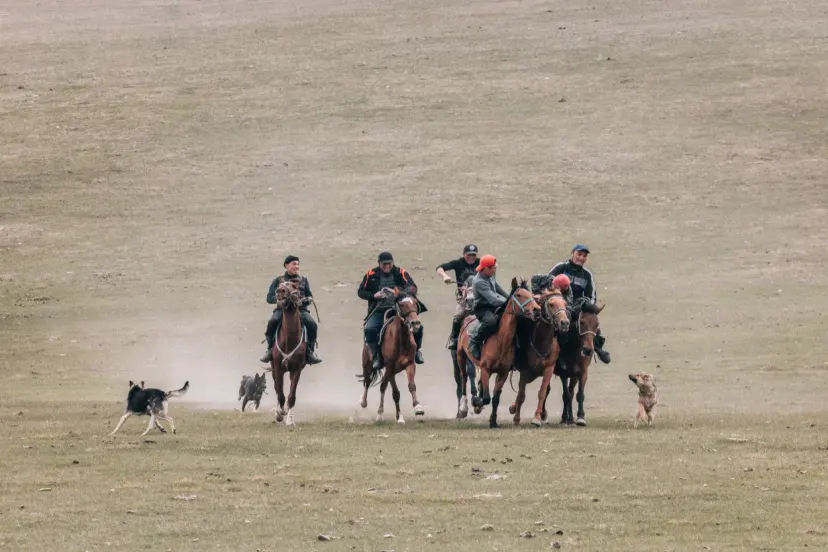
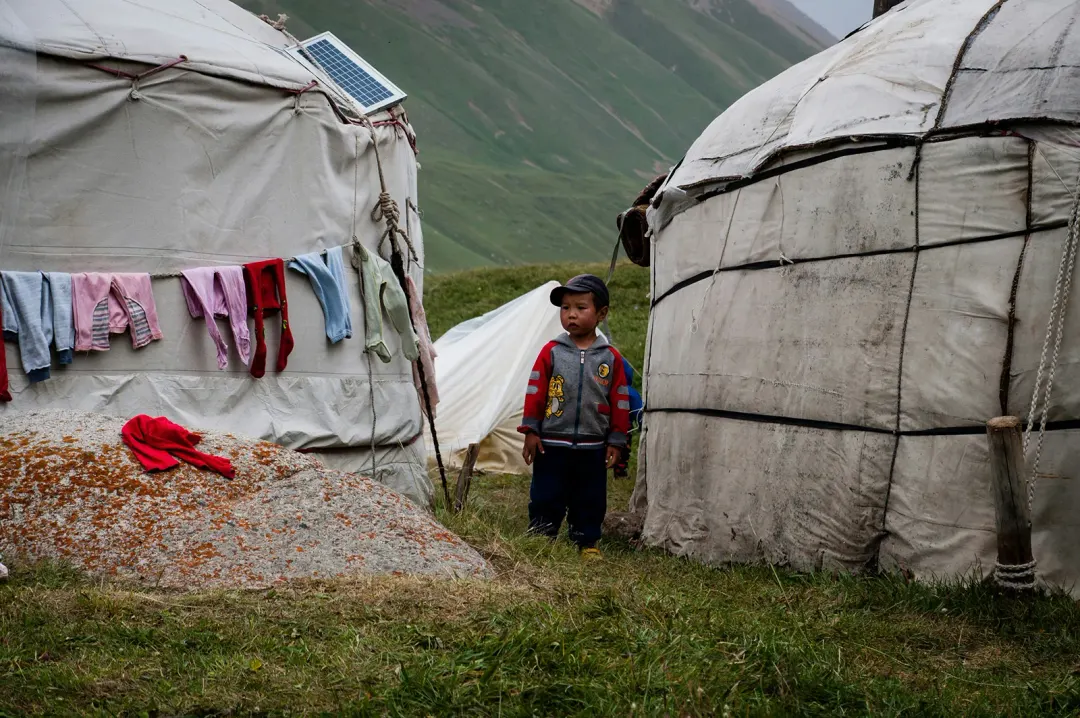
    Your first day in Kyrgyzstan ends with dinner among strangers, in a town whose name means 'the mountain of happiness'. The second day ends in a yurt, with an eagle perched just an arm’s length away. The third, standing before cliffs as blood-red as the legends that tell their story far better than any guidebook. And every day that follows makes the last feel like nothing but a dress rehearsal.

  40. Kyrgyz culture: rituals, food, and daily life

    The host places the plate on the floor, pours tea into a small piyala, and hands it to you with both hands. She doesn't ask if you want it. She doesn't ask where you are from. She simply serves it because you are a guest, and in Kyrgyzstan, a guest is sacred. You take a sip. The tea is salty. You smile. She pours another cup.

🍪 Cookies? Yes, please!

We use cookies to make our website more convenient for you. Discover More.